

Global Nasal Polyps Treatment Drugs Market Size and Forecast – 2026 To 2033
The global nasal polyps treatment drugs market is expected to grow from USD 252.6 Mn in 2026 to USD 450.9 Mn by 2033, registering a compound annual growth rate (CAGR) of 8.6% from 2026 to 2033. The market for nasal polyps treatment drugs is poised for significant expansion, fueled by the rising prevalence of chronic rhinosinusitis with nasal polyps (CRSwNP) and other chronic respiratory allergic conditions.
According to the National Institutes for Health, chronic sinusitis affects approximately 14.6% of the U.S. population and is currently the fifth most common condition treated with antibiotics, accounting for up to 22 million physician visits and costing as much as USD 5 billion annually.
(Source: University of Cincinnati)
Key Takeaways of the Global Nasal Polyps Treatment Drugs Market
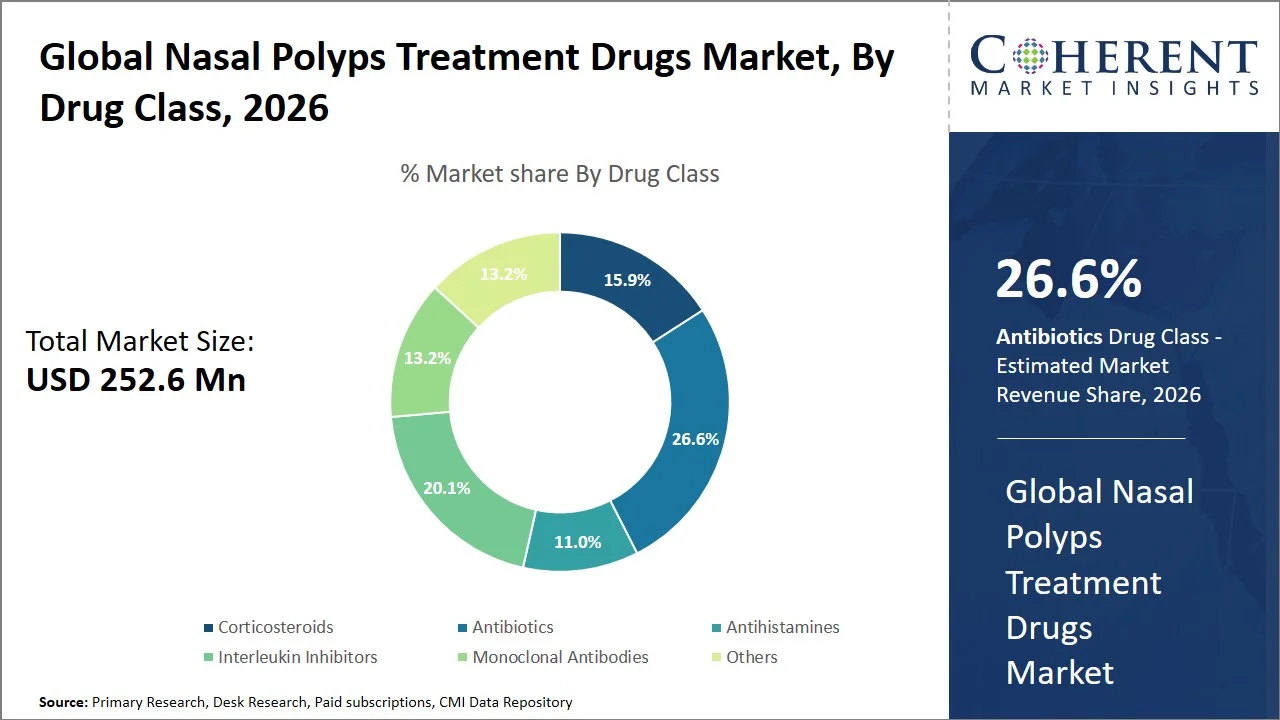
- Antibiotics are projected to hold 26.6 % of the global nasal polyps treatment drugs market share in 2026, making it the dominant drug class segment across North America due to their continued use in managing bacterial exacerbations associated with chronic rhinosinusitis and nasal polyps. For instance, the American Academy of Otolaryngology–Head and Neck Surgery Foundation (AAO-HNSF) Clinical Practice Guideline recommends antibiotic therapy in selected patients with bacterial infection accompanying chronic rhinosinusitis. (Source: American Academy of Otolaryngology — Head and Neck Surgery) Such recommendations continue to support antibiotic utilization in ENT care pathways.
- Nasal is projected to hold 45.5 % of the global nasal polyps treatment drugs market share in 2026, making it the dominant route of administration segment across Europe due to the widespread adoption of intranasal corticosteroids as first-line therapy for nasal polyps. For instance, the European Position Paper on Rhinosinusitis and Nasal Polyps (EPOS 2020) recommends intranasal corticosteroids as the standard maintenance treatment for patients with chronic rhinosinusitis with nasal polyps. (Source: European Position Paper on Rhinosinusitis and Nasal Polyps) The guideline reinforces the preference for nasal drug delivery owing to its efficacy and localized action.
- Hospital pharmacies are projected to hold 45.2 % of the global nasal polyps treatment drugs market share in 2026, making it the dominant distribution channel segment across Asia Pacific due to the increasing availability of reimbursed specialty therapies through hospital-based care networks. For instance, in January 2026, China renewed its National Reimbursement Drug List (NRDL) and introduced its first commercial reimbursement list for innovative drugs, expanding patient access to advanced specialty therapies through formal reimbursement pathways. (Source: CMS Legal) Such reimbursement reforms are expected to strengthen hospital procurement and dispensing of innovative biologics, supporting the growth of the hospital pharmacies segment.
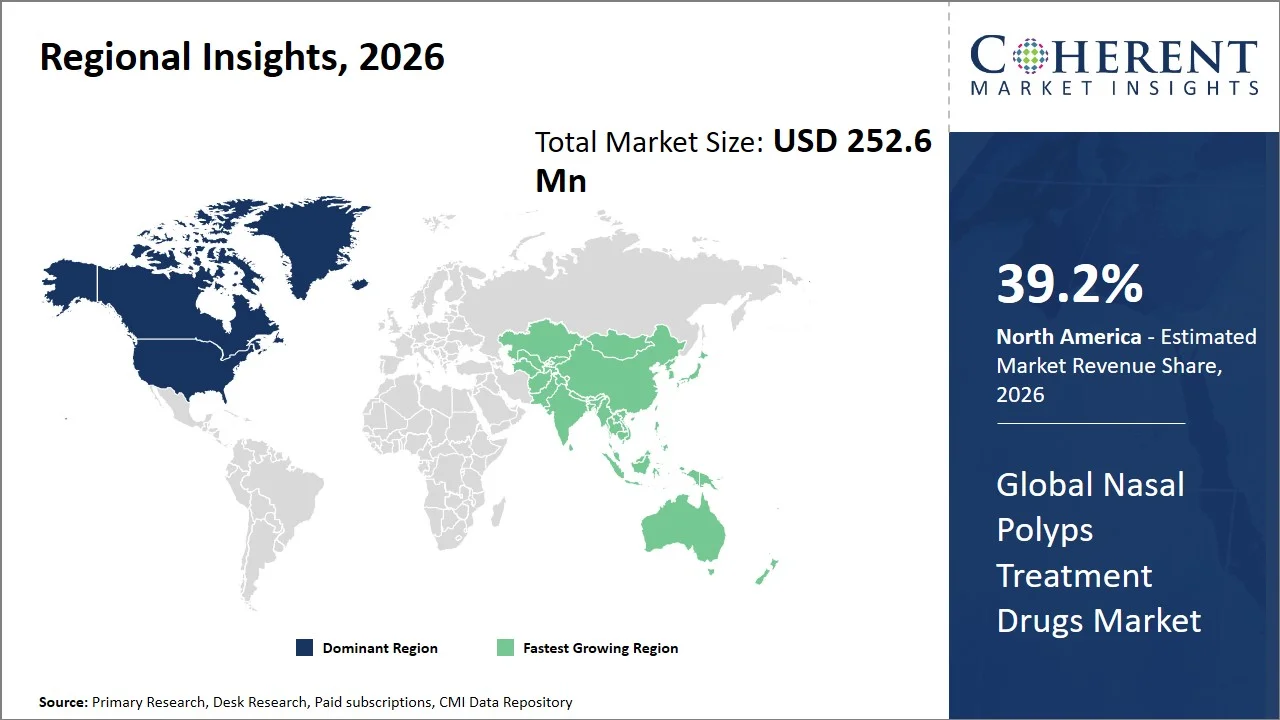
- North America maintains its dominance with an expected share of 39.2 % in 2026, bolstered by strong adoption of biologic therapies, well-established ENT specialist networks, and favorable reimbursement for advanced chronic rhinosinusitis with nasal polyps (CRSwNP) treatments. For instance, the Centers for Medicare & Medicaid Services (CMS) provides reimbursement pathways for physician-administered biologics under Medicare Part B, supporting patient access to specialty treatments through hospitals and outpatient care centers. (Source: Pharmaceutical Research and Manufacturers of America) Such reimbursement support continues to drive the uptake of premium nasal polyp therapies across the region.
- Asia Pacific is expected to exhibit the fastest growth with an estimated contribution of 23.9 % share in 2026, driven by expanding healthcare coverage, increasing healthcare investments, and improved access to specialty medicines across major markets such as China, Japan, and South Korea. For instance, China's National Healthcare Security Administration (NHSA) announced that basic medical insurance covered more than 1.33 billion people by the end of 2025, representing approximately 95% of the population. (Source: The People’s Republic of China) The expanding insured population is improving access to prescription therapies for chronic inflammatory diseases, including chronic rhinosinusitis with nasal polyps.
- Expansion of Biologic Therapies into Earlier Lines of Treatment: The increasing clinical efficacy of biologics in treating severe chronic rhinosinusitis with nasal polyps (CRSwNP) allows for earlier integration into the treatment sequence. Increasing physician demand for biologic treatments to minimize steroid exposure and prevent recurrent surgeries should drive eligible patient populations up over time.
- Increasing Diagnosis and Treatment of Type 2 Inflammatory Diseases: The increased incidence of type 2 inflammatory diseases such as asthma, allergic rhinitis, and chronic rhinosinusitis fuels demand for nasal polyps treatment drugs. Growing disease awareness, increasing adoption of improved diagnostic techniques, and growing access to specialized ENT care are driving higher diagnosis rates and treatment initiation in the market.
Segmental Insights
Why Do Antibiotics Dominate the Global Nasal Polyps Treatment Drugs Market?
Antibiotics are projected to hold a market share of 26.6% in 2026, as a considerable number of patients suffering from chronic rhinosinusitis with nasal polyps (CRSwNP) present with frequent secondary bacterial infections and acute exacerbations necessitating antibiotic treatment. They are generally used as co-therapy with corticosteroids and other treatments to manage secondary bacterial infection, whether in-patient or outpatient. Their wide usage, familiarity and relatively low price relative to biologic agents maintain their position in the market. For instance, in December 2025, the UK Medicines and Healthcare products Regulatory Agency (MHRA) granted marketing authorization for GSK plc. Exdensur (depemokimab) as an add-on therapy for adult patients with severe CRSwNP not adequately controlled with existing therapy. The decision makes Exdensur the first twice-yearly biologic for CRSwNP that received a favorable regulatory review, reinforcing the trend toward long-acting, targeted therapy to treat nasal polyps. (Source: GSK plc.)
- Current Industry Events of 2026
- Market Size Estimation
- Regional Breakdown
- Competitive Landscape
- Customer Intelligence
- Segmental Analysis
- Pricing Analysis
- Key Market Drivers, Challenges & Future Trends
- Customized Insights Section
Why Does Nasal Represent the Largest Route of Administration Segment in the Nasal Polyps Treatment Drugs Market?
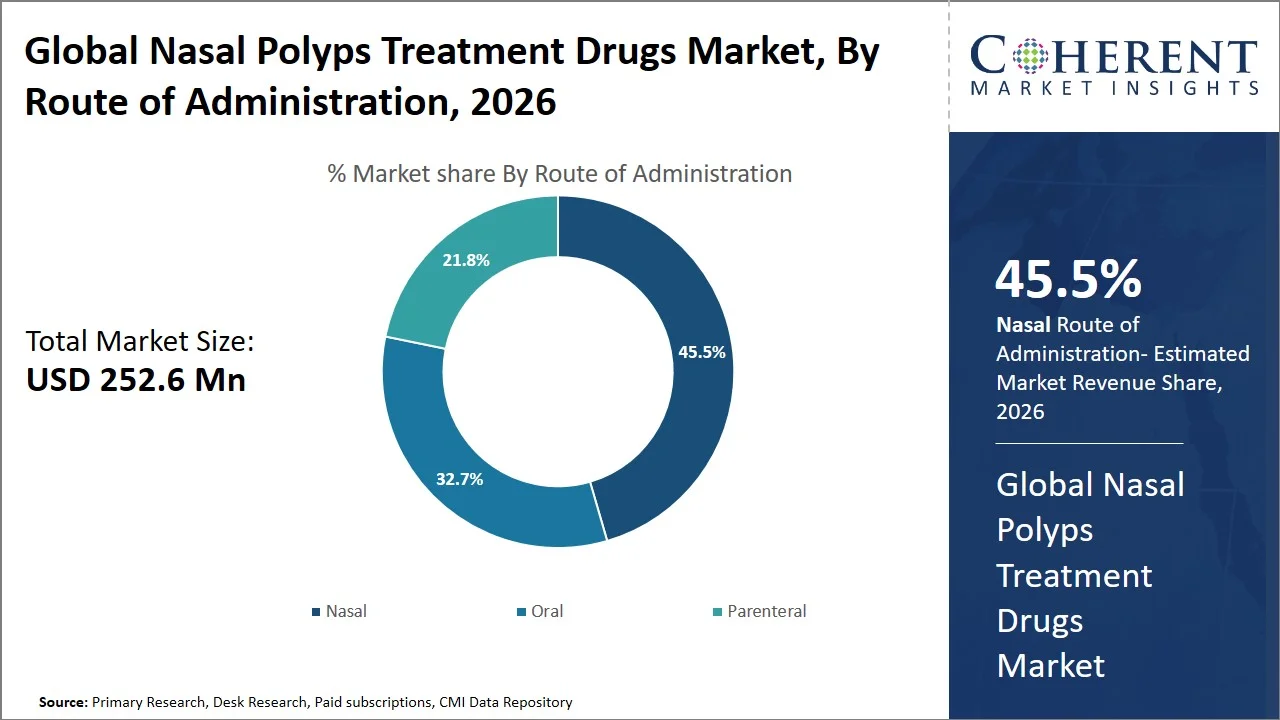
Nasal is projected to hold a market share of 45.5% in 2026, owing to the direct delivery of drugs to the nasal inflammation site that helps achieve an efficient localized treatment with a minimum of systemic absorption and side effects. Nasal sprays and intranasal solutions are widely accepted for easy application and better patient compliance, also offering prompt symptomatic relief. Advancements in the nasal drug delivery systems are expected to bring additional efficacy in disease management in the long run. For instance, in January 2025, Optinose reported approximately 20% sequential growth in prescriptions in XHANCE (fluticasone propionate), a nasal spray with exhalation delivery system to increase drug deposition to the nasal space in the fourth quarter of 2024. (Source: Optinose) The persistent adoption of advanced intranasal delivery technologies emphasizes the preference for localized drug administration in managing chronic rhinosinusitis and nasal polyps.
Hospital Pharmacies Segment Dominates the Global Nasal Polyps Treatment Drugs Market
The hospital pharmacies segment is projected to hold a market share of 45.2% in 2026, functioning as a centralized hub to access the majority of prescription corticosteroids, biologic drugs, and advanced therapies required in the treatment of severe chronic rhinosinusitis with nasal polyps (CRSwNP). This model facilitates specialist care, treatment monitoring, and reimbursement assistance especially for expensive biologics and will continue to expand the market share of hospital pharmacies in managing high-cost specialty treatments and chronic care delivery. For instance, in March 2023 NHS England updated the specialized commissioning guidelines for high-cost medicines and reaffirm the hospital-based prescription and dispensing routes for biologic therapies for advanced inflammatory conditions managed within both ENT and immunology services. (Source: NHS England)
Currents Events and their Impact
Current Events | Description and its Impact |
Clinical Guideline Update: AAO-HNS Releases Updated Adult Sinusitis Guideline (September 2025) |
|
Surgical Management Reform: AAO-HNSF Publishes New CRS Surgical Management Guideline (May 2025) |
|
(Source: WebMD LLC., American Academy of Otolaryngology — Head and Neck Surgery)
Nasal Polyps Treatment Drugs Market Dynamics
Market Drivers
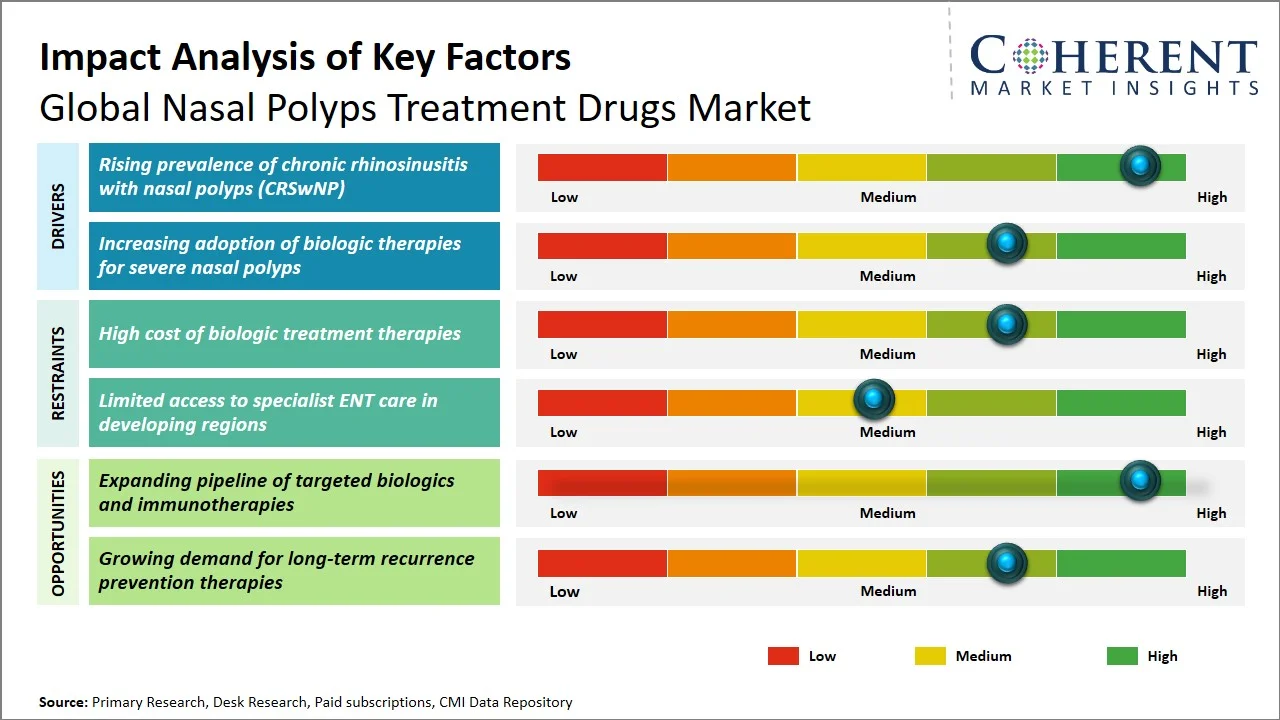
- Rising prevalence of chronic rhinosinusitis with nasal polyps (CRSwNP): The growing patient pool requiring long-term care for chronic rhinosinusitis with nasal polyps (CRSwNP), coupled with increasing knowledge about the disease as chronic and inflammatory, have fueled the demand for therapies that can prevent recurrence of disease, improve symptoms and lessen the need for recurrent surgeries. For instance, according to Allergy & Asthma Network, about 5-12 out of every 100 people worldwide have chronic rhinosinusitis, and around 25–30 of these patients develop nasal polyps, highlighting the substantial patient population requiring ongoing treatment. (Source: Allergy & Asthma Network)
- Increasing adoption of biologic therapies for severe nasal polyps: Use of biologic therapies is expected to rise in tandem with increased clinical acceptance of CRSwNP as a Type 2 inflammatory disease. As such biologic therapies are proving to be an effective option for maintaining control in those who still experiences symptoms despite the use of corticosteroid and surgery, paving the way for specialist management pathways. For instance, Novartis announced ongoing growth of Xolair (omalizumab) in indications for chronic inflammatory diseases, including CRSwNP, demonstrating increased clinician belief in a biologic-based approach for severe nasal polyps. (Source: Novartis)
Emerging Trends
- Increasing Shift Toward Biologic-First Treatment Strategies: The advent of biologic agents has spurred the integration of these therapies early into the treatment paradigm for severe chronic rhinosinusitis with nasal polyps (CRSwNP) with a focus on the non-responders to corticosteroid therapy and minimizing repeat surgeries, thereby influencing treatment algorithm in the future.
- Growing Adoption of Precision Medicine in chronic rhinosinusitis with nasal polyps (CRSwNP) Management: This increasing penetration of biomarker-directed approaches in identifying appropriate patient populations to receive tailored therapy is enabling more personalized decision-making, better patient outcomes, and is enhancing value propositions for new biologic agents.
Regional Insights
Why is North America a Strong Market for Nasal Polyps Treatment Drugs?
North America leads the global nasal polyps treatment drugs market, accounting for an estimated 39.2% share in 2026, due to well-established healthcare system, wide awareness of the condition in general population and medical fraternity, and sustained R&D spending in the sector. The favorable government initiatives promoting research & development, U.S. FDA fast-track for novel drugs, and widespread insurance penetration all collectively contribute toward market growth. For instance, the U.S. Food and Drug Administration’s (FDA’s) continued engagement in encouraging innovative medicines development includes initiatives such as Fast Track, Breakthrough Therapy and Priority Review designations, which assist the expeditious clinical development and review of treatments for patients with serious chronic diseases. (Source: Food and Drug Administration) Furthermore, a conducive ecosystem of clinical trials and alliance formation among biopharma and research institutions within North America, results in continued commercial launch of novel therapies for nasal polyps treatment.
Why Does the Asia Pacific Nasal Polyps Treatment Drugs Market Exhibit High Growth?
The Asia Pacific nasal polyps treatment drugs market is expected to exhibit the fastest growth with an estimated contribution of 23.9% share to the global market in 2026, due to rising healthcare awareness, healthcare infrastructure enhancement, and increase in incidence of chronic respiratory diseases associated with nasal polyps. The market in countries including China, Japan, and India has been characterized by swift adoption of established and new treatment protocols.
Additionally, dynamic market gets bolstered by government support to facilitate access to healthcare along with augmenting indigenous pharmaceutical manufacturing capacity. For instance, under the Production Linked Incentive (PLI) Scheme for Pharmaceuticals, India has sustained its efforts to build a robust domestic manufacturing ecosystem for higher value drugs and biologics and promote access to cutting edge treatments while reducing import dependence. (Source: Department of Pharmaceuticals) Such efforts accelerate pharmaceutical innovations and enhance patient access to specialty products, making it conducive for the development of the nasal polyps treatment drugs market.
Global Nasal Polyps Treatment Drugs Market Outlook for Key Countries
Why is the U.S. Leading Innovation and Adoption in the Nasal Polyps Treatment Drugs Market?
The U.S. dominates the nasal polyps treatment drugs market driven by entrenched cluster of biologics drug developers (such as Sanofi, Regeneron Pharmaceuticals, Amgen, AstraZeneca, and GlaxoSmithKline), a rich clinical research infrastructure and early adoption of newer treatments in ENT treatment workflows. The U.S. served as the launch market for many first-in-class and expanded-indication biologics for chronic rhinosinusitis with nasal polyps (CRSwNP), thereby enhancing early physician exposure and therapy familiarity. The country’s extensive specialty care networks and innovation driven product launches supported growth for advanced therapies for the treatment of nasal polyps.
Is Japan a Favorable Market for Nasal Polyps Treatment Drugs?
Japan is one of the most promising markets for the nasal polyps treatment drugs market owing to a robust health system, early adoption of innovative biologic therapies, and an emphasis on chronic inflammatory and respiratory conditions. An ENT specialist network and an integrated care pathway for the management of the chronic rhinosinusitis with nasal polyps (CRSwNP) have been implemented in the country. An access to premium therapies, driven by the mature reimbursement structure and an increased preference for targeted therapies rather than multiple surgical procedures is likely to stimulate market growth.
Is China Emerging as a Key Growth Hub for the Nasal Polyps Treatment Drugs Market?
China is positioned as a key growth hub in the global nasal polyps treatment drugs market due to widening health insurance coverage, escalating availability of specialized drug, and upgradation of healthcare infrastructure. The use of sophisticated medical care with respect to various chronic inflammatory conditions is observed to be increasing in the country, coupled with widespread reimbursement programs, and escalating consciousness related to the CRSwNP (Chronic Rhinosinusitis with Nasal Polyps). Furthermore, the rapidly flourishing R&D framework in China, along with substantial growth in the funding for biological drug development has further fueled a positive ecosystem for the growth of the market and availability of innovative treatments.
Why Does Germany Top the European Nasal Polyps Treatment Drugs Market?
Germany is the leader in the European market for nasal polyps treatment drugs, by virtue of its rapid adoption of biologic therapeutics, vast specialized ENT infrastructure, and its ability to adopt innovative therapies early in their development cycle. Germany has the necessary infrastructure to offer optimal diagnosis and management of patients suffering from Chronic Rhinosinusitis with Nasal Polyps (CRSwNP). The country further encourages specialist treatment and adoption of novel therapeutics, driving higher revenue.
Is the Nasal Polyps Treatment Drugs Market Developing in U.K.?
The U.K. nasal polyps treatment market is steadily expanding owing to increased preference of biologic treatments for chronic rhinosinusitis with nasal polyps (CRSwNP) in severe conditions and higher awareness level among ENT surgeons. Established guidelines, pathways of referrals in the U.K., aid in prompt diagnosis and treatment for patients suffering from nasal polyps. Increased acceptance of targeted treatment among patients who did not respond well to conventional therapies is further augmenting market growth.
Product Innovation Landscape in the Global Nasal Polyps Treatment Drugs Market
Innovation Area | Technology/Drug Class | Recent Developments | Market Impact |
Targeted Biologics | IL-4/IL-13 Inhibitors | Expansion of dupilumab indications | Improved outcomes in severe CRSwNP |
Anti-IL-5 Therapies | Monoclonal Antibodies | Increased adoption of mepolizumab | Reduced polyp recurrence and surgery rates |
Anti-TSLP Therapies | Next-generation Biologics | Tezepelumab approvals and trials | Expansion of treatment options |
Advanced Intranasal Therapies | Corticosteroid Drug Delivery Systems | Improved localized drug delivery | Better patient compliance |
Precision Medicine | Biomarker-guided Treatment | Patient stratification approaches | Enhanced treatment effectiveness |
How are the expanding pipeline of targeted biologics and immunotherapies creating new growth opportunities in the nasal polyps treatment drugs market?
The increasing pipeline of targeted biologics will bring forth opportunities in the nasal polyps treatment drugs market by enabling the treatment targeting at the source of chronic rhinosinusitis with nasal polyps (CRSwNP) inflammatory responses. Recent developments in immunology to produce new biologic agents to target certain cytokines (IL-4, IL-5, and TSLP) will provide precise and personalized treatment for chronic rhinosinusitis. For instance, in October 2024, GSK announced positive results from the Phase III ANCHOR study of depemokimab in patients with chronic rhinosinusitis with nasal polyps (CRSwNP). The study showed considerable improvement in nasal polyp size, nasal obstruction, as well as symptoms associated with nasal polyposis and suggested that next-generation biologic therapies could be a new treatment option for this unmet need. (Source: GSK)
Market Players, Key Development, and Competitive Intelligence
Key Developments
- In February 2026, Sanofi and Regeneron stated that their Dupixent (dupilumab) drug gained U.S. FDA authorization for the management of allergic fungal rhinosinusitis (AFRS) as a first and single drug indication for this condition. This approval marks a significant extension of Dupixent's uses for sinonasal inflammatory illnesses and offers an effective biologic option for patients with scarce treatment choices. It is anticipated that this approval would result in the rapid integration of biologic drugs and encourage advancement in the nasal polyps treatments drugs sector.
- In October 2025, the U.S. FDA approved AstraZeneca and Amgen's Tezspire (tezepelumab) for the treatment of chronic rhinosinusitis with nasal polyps (CRSwNP). This new approval adds a biological treatment option for patients with severe and recurrent nasal polyps, offering them with a novel treatment that targets their disease burden and symptoms and can boost the uptake of advanced biologics, which in turn will favor the nasal polyps treatment drugs market growth.
Competitive Landscape
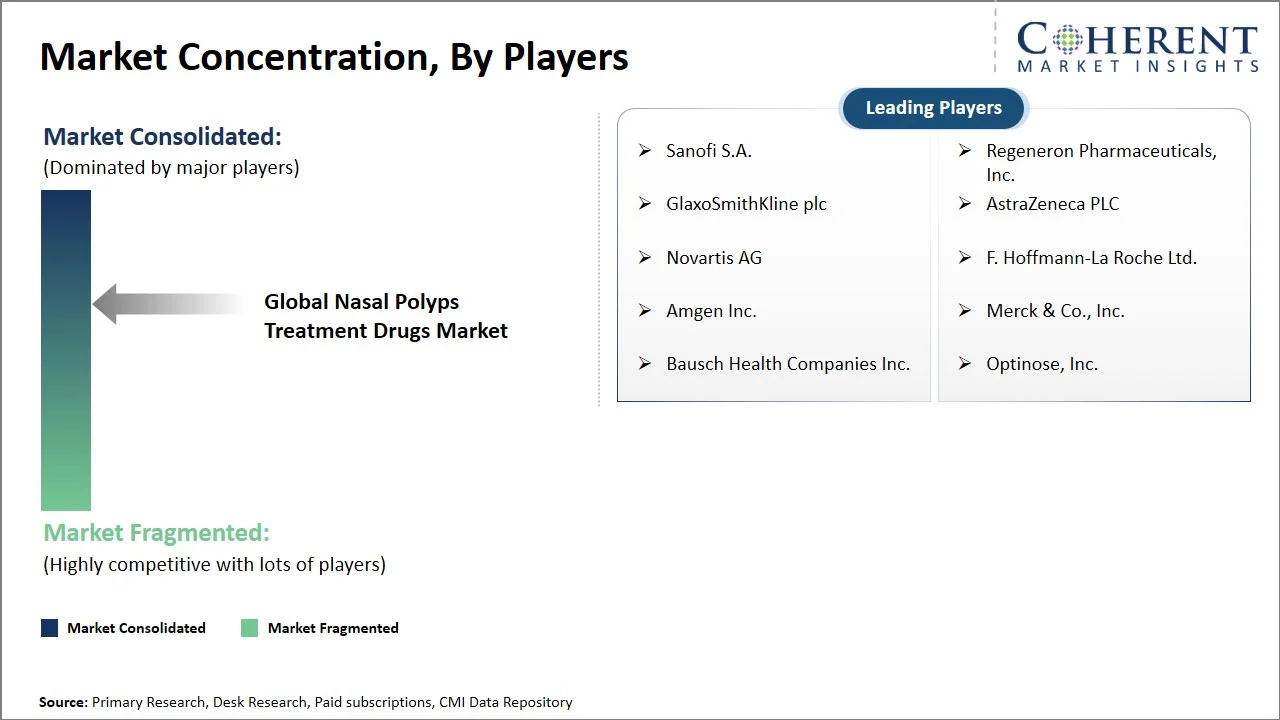
The global nasal polyps treatment drugs market is moderately consolidated with competition driven by growth of biologic portfolios, robust clinical data, obtaining regulatory approvals and reimbursement for enhanced access of patient to the drugs. Market vendors are engaged in developing target biologic drug that can address the underlying Type 2 inflammation and seeking for expanded labels as well as entering in collaborations with healthcare professionals and academic institutes. Key focus areas include:
- Expansion of biologic therapies targeting Type 2 inflammatory pathways (IL-4, IL-5, IL-13, and TSLP)
- Clinical trials and label expansions to broaden eligible CRSwNP patient populations
- Strengthening reimbursement coverage and market access for specialty biologic treatments
- Development of personalized treatment approaches using biomarkers and disease severity profiling
- Generation of long-term real-world evidence to demonstrate efficacy, safety, and recurrence reduction
Market Report Scope
Nasal Polyps Treatment Drugs Market Report Coverage
| Report Coverage | Details | ||
|---|---|---|---|
| Base Year: | 2025 | Market Size in 2026: | USD 252.6 Mn |
| Historical Data for: | 2020 To 2024 | Forecast Period: | 2026 To 2033 |
| Forecast Period 2026 to 2033 CAGR: | 8.6% | 2033 Value Projection: | USD 450.9 Mn |
| Geographies covered: |
| ||
| Segments covered: |
| ||
| Companies covered: | Sanofi S.A., Regeneron Pharmaceuticals, Inc., GlaxoSmithKline plc, AstraZeneca PLC, Novartis AG, F. Hoffmann-La Roche Ltd., Amgen Inc., Merck & Co., Inc., Bausch Health Companies Inc., and Optinose, Inc. | ||
| Growth Drivers: |
| ||
| Restraints & Challenges: |
| ||
Analyst Opinion (Expert Opinion)
- In the coming years, the nasal polyps treatment drugs market is poised for a shift away from older-generation, steroid-based treatments to more focused, biologic drugs targeting the underlying Type 2 inflammation associated with chronic rhinosinusitis and nasal polyps (CRSwNP). Emerging data continue to illustrate the improved effectiveness of biologic treatments in preventing recurrence and decreasing reliance on surgery, suggesting they are likely to have an increasingly prominent place in treatment pathways.
- The maximum opportunities will probably exist within biologics in the treatment of severe chronic rhinosinusitis with nasal polyps (CRSwNP) in the U.S. and China, where improving diagnoses, increasing reimbursement and increasing access to specialists all support the growth of the eligible patient base. Both markets hold promise for manufacturers with a long-term, proven biologic that offers proven long-term safety and efficacy.
- In order to obtain a competitive advantage, market participants should prioritize broadening their therapeutic indication space, ensuring robust reimbursement and payer coverage, creating real-world data evidence, and creating a biomarker-guided treatment approach. Collaboration with key opinion leaders in the ENT field, key academic centers and healthcare providers will be crucial in increasing patient identification, enabling adoption of therapy, and achieving a competitive advantage within the increasingly crowded biologic market.
Speak to the analyst
Want personalized insights?
Take the findings above to one of our principal consultants, or have the report rebuilt around the segments, geographies and competitors you actually track.
Market Segmentation
- Drug Class Insights (Revenue, USD Mn, 2021 - 2033)
- Corticosteroids
- Antibiotics
- Antihistamines
- Interleukin Inhibitors
- Monoclonal Antibodies
- Others
- Route of Administration Insights (Revenue, USD Mn, 2021 - 2033)
- Nasal
- Oral
- Parenteral
- Distribution Channel Insights (Revenue, USD Mn, 2021 - 2033)
- Hospital Pharmacies
- Retail Pharmacies
- Online Pharmacies
- Regional Insights (Revenue, USD Mn, 2021 - 2033)
- North America
- U.S.
- Canada
- Latin America
- Brazil
- Argentina
- Mexico
- Rest of Latin America
- Europe
- Germany
- U.K.
- Spain
- France
- Italy
- Russia
- Rest of Europe
- Asia Pacific
- China
- India
- Japan
- Australia
- South Korea
- ASEAN
- Rest of Asia Pacific
- Middle East
- GCC Countries
- Israel
- Rest of Middle East
- Africa
- South Africa
- North Africa
- Central Africa
- North America
- Key Players Insights
- Sanofi S.A.
- Regeneron Pharmaceuticals, Inc.
- GlaxoSmithKline plc
- AstraZeneca PLC
- Novartis AG
- Hoffmann-La Roche Ltd.
- Amgen Inc.
- Merck & Co., Inc.
- Bausch Health Companies Inc.
- Optinose, Inc.
Sources
Primary Research Interviews
- ENT Specialists and Rhinologists involved in the diagnosis and management of chronic rhinosinusitis with nasal polyps (CRSwNP)
- Allergy and Immunology Specialists prescribing biologic therapies for Type 2 inflammatory diseases
- Hospital Pharmacists and Specialty Pharmacy Managers handling biologic drug procurement and dispensing
- Pharmaceutical Product Managers responsible for respiratory and immunology drug portfolios
- Market Access and Reimbursement Experts specializing in specialty drug coverage and pricing
Stakeholders
- Nasal Polyps Treatment Drug Manufacturers
- Biologic Therapy Developers and Contract Manufacturing Organizations (CMOs)
- Specialty Pharmacy Providers and Healthcare Distributors
- Hospital Systems and Multispecialty ENT Care Networks
- End-use Sectors
- Hospitals and Specialty ENT Clinics
- Ambulatory Surgery Centers (ASCs)
- Specialty Pharmacies
- Academic and Research Medical Centers
- Home Healthcare Providers
- Regulatory & Health Bodies
- U.S. Food and Drug Administration (FDA)
- European Medicines Agency (EMA)
- National Institute for Health and Care Excellence (NICE), U.K.
- Pharmaceuticals and Medical Devices Agency (PMDA), Japan
- National Medical Products Administration (NMPA), China
Databases
- FDA Drugs Database
- EMA Medicines Database
- ClinicalTrials.gov
- WHO Global Health Observatory (GHO)
- OECD Health Statistics
- World Bank Health Indicators Database
Magazines
- Pharmaceutical Executive
- BioPharma Dive
- Drug Discovery & Development
- Applied Clinical Trials
- Pharmaceutical Technology
Journals
- International Forum of Allergy & Rhinology
- Rhinology Journal
- Journal of Allergy and Clinical Immunology (JACI)
- Allergy
- American Journal of Rhinology & Allergy
Newspapers
- The Wall Street Journal – Pharmaceutical industry developments, drug approvals, and healthcare market trends
- Financial Times – Global biopharmaceutical investments, healthcare policy, and specialty drug commercialization
- The New York Times – Public health, chronic disease treatment, and healthcare access developments
- USA Today – Healthcare innovations, FDA approvals, and patient treatment trends
- The Guardian – Healthcare policy reforms, respiratory disease management, and pharmaceutical industry updates
Associations
- American Academy of Otolaryngology–Head and Neck Surgery (AAO-HNS)
- European Rhinologic Society (ERS)
- American Academy of Allergy, Asthma & Immunology (AAAAI)
- European Academy of Allergy and Clinical Immunology (EAACI)
- World Allergy Organization (WAO)
Public Domain Sources
- U.S. National Institutes of Health (NIH) – Chronic Rhinosinusitis and Nasal Polyps Research
- Centers for Disease Control and Prevention (CDC) – Respiratory Disease Statistics
- National Health Service (NHS), U.K. – Nasal Polyps Clinical Guidance
- National Healthcare Security Administration (NHSA), China – Reimbursement and Coverage Data
- World Health Organization (WHO) – Noncommunicable and Respiratory Disease Statistics
Proprietary Elements
- CMI Data Analytics Tool, Proprietary CMI Existing Repository of information for last 10 years.
Get access to 250+ pages report
Every segment, forecast, competitor profile and data table behind the analysis above — available for instant download.
- ESOMAR Member
- ISO 9001:2015 Certified
- D-U-N-S Registered
- GDPR & CCPA Compliant
Missing comfort of reading report in your local language? Find your preferred language:
Transform your Strategy with Exclusive Trending Reports
Frequently Asked Questions
The global nasal polyps treatment drugs market is estimated to be valued at USD 252.6 Mn in 2026 and is expected to reach USD 450.9 Mn by 2033.
Antibiotics dominate due to their widespread use in managing bacterial infections and acute exacerbations associated with chronic rhinosinusitis, which frequently coexists with nasal polyps.
Nasal polyps treatment drugs are medications used to reduce inflammation, shrink nasal polyps, relieve symptoms, and prevent recurrence in patients with chronic rhinosinusitis with nasal polyps (CRSwNP).
The CAGR of global nasal polyps treatment drugs market is projected to be 8.6% from 2026 to 2033.
The nasal route is most commonly used due to its ability to deliver medication directly to inflamed nasal tissues with minimal systemic exposure.
Biologics target specific inflammatory pathways involved in CRSwNP, helping reduce polyp size, improve symptoms, and lower the need for systemic corticosteroids or surgery.
In terms of distribution channel, hospital pharmacies are estimated to dominate the market revenue share in 2026.