

Office-based Labs Market Size and Forecast — 2026-2033
Global office-based labs market is estimated to be valued at USD 28.51 Bn in 2026 and is expected to reach USD 48.54 Bn by 2033, exhibiting a compound annual growth rate (CAGR) of 7.9% from 2026 to 2033.
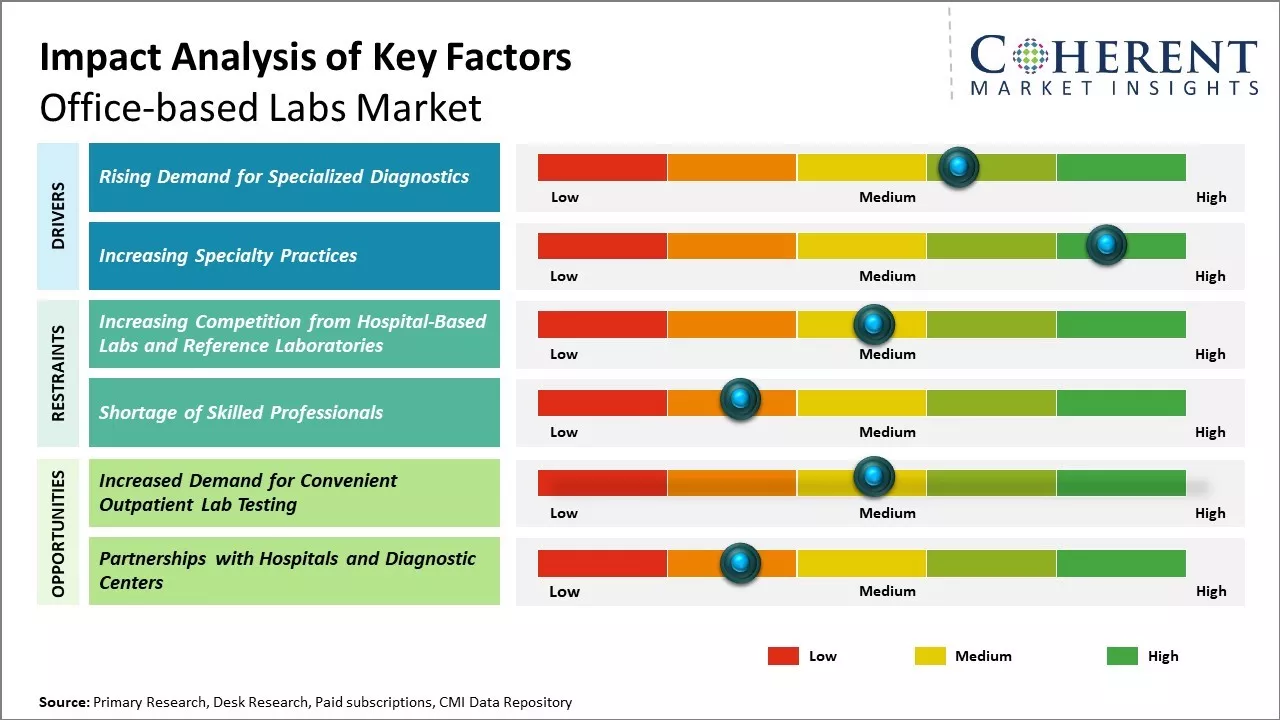 Increased spending on healthcare globally coupled with rising geriatric population susceptible to chronic diseases are expected to boost demand for office-based labs. Office-based laboratory testing allows for improved patient access and turnaround time compared to hospitals. This has encouraged healthcare providers as well as patients to opt for office-based labs. However, high cost of setting up and maintaining office-based labs can hamper the market growth. The emergence of advanced technologies such as point-of-care & mobile diagnostic solutions are expected to enhance the efficiency of office-based labs, further propelling the market during the forecast period.
Rising Demand for Specialized Diagnostics
The demand for specialized diagnostic tests is increasing globally as numerous new diagnostic tools are being developed to enable early detection and precision diagnosis of various diseases. From genomic testing to evaluate cancer risk to non-invasive prenatal testing for fetal abnormalities, office-based laboratories are at the forefront of commercializing and making these advanced diagnostics accessible to more patients. As healthcare moves towards personalized and precision medicine, diagnostics that can provide in-depth analysis of an individual's clinical condition at a molecular level are gaining popularity. Office-based laboratories allow integrating these specialized tests into routine healthcare delivery, and making them available locally without patients having to travel long distances. This facilitates improved patient compliance and faster decision making. As new diagnostic technologies continue to evolve, their adoption is expected to grow, driving increased volume and scope for office-based laboratories.
Insights, By Modality
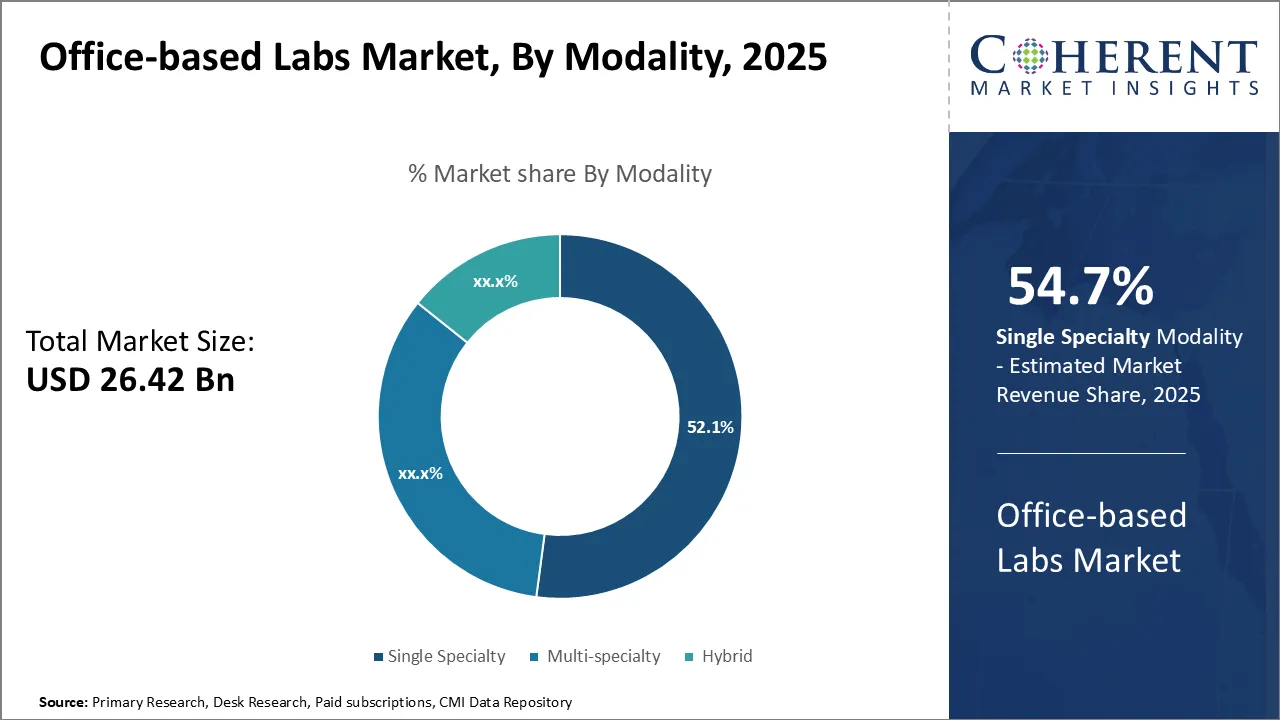 Insights, By Modality: Single specialty dominates due to focused expertise
Modality segment is sub-segmented into single specialty, multi-specialty, and hybrid. Single specialty segment is estimated to hold 55.7% of the market share in 2026 due to its focus on specialized care. Operating as standalone facilities, single specialty labs are able to dedicate their resources fully towards specific medical disciplines. This concentrated expertise allows them to achieve superior outcomes for patients with conditions within their specialty. By catering to narrow diagnostic or therapeutic specialties, single specialty labs are equipped with highly advanced equipment and staff with in-depth training tailored to that specialty. For example, a cardiology-focused lab will have sophisticated cardiac imaging technologies and interventional cardiologists leading procedure teams. Their laser focuses on a single specialty means clinical teams become extremely proficient through high volume. This level of specialization is difficult for multi-specialty facilities to match due to their broader scope.
Insights, By Service Type
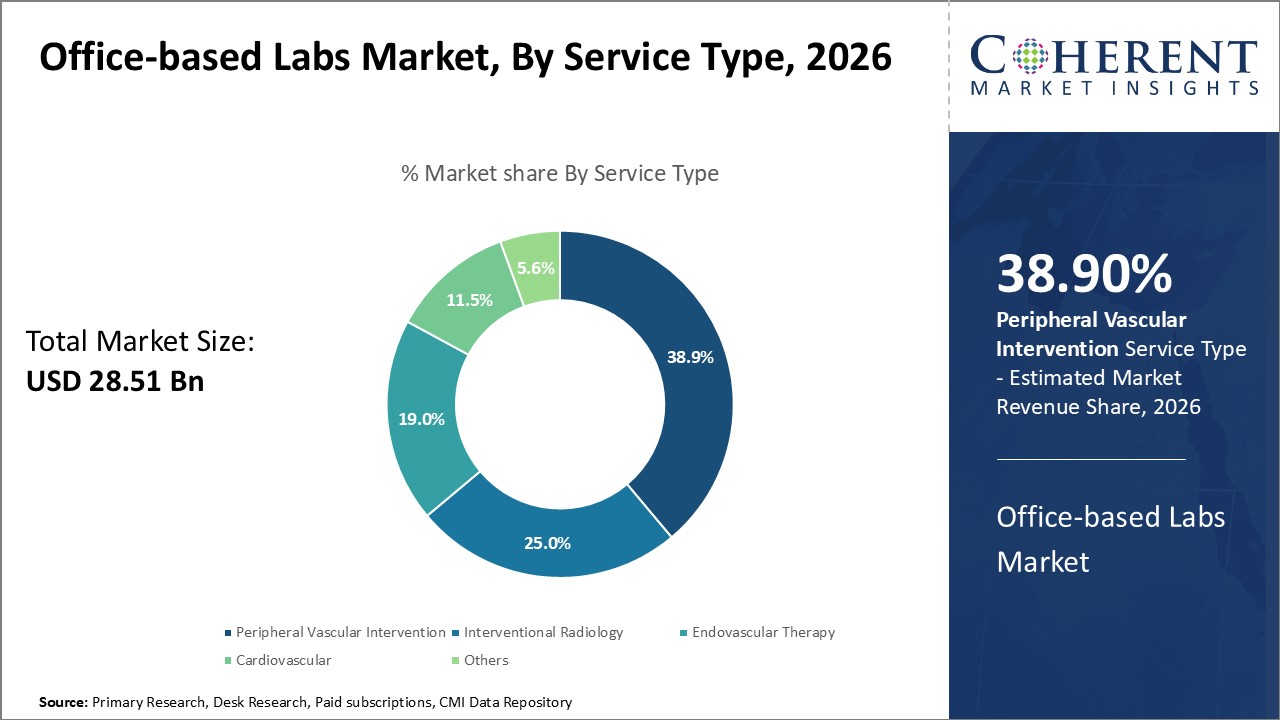
Insights, By Service Type: Rising rates of cardiovascular disease and aging populations worldwide
Service Type segment is sub-segmented into peripheral vascular intervention, interventional radiology, endovascular therapy, cardiovascular, and others. Peripheral vascular intervention segment is estimated to hold 38.9% of the market share in 2026, due to rising rates of cardiovascular disease alongside aging populations worldwide. Conditions affecting the peripheral arteries like peripheral artery disease (PAD) become more prevalent with age. Older patients are susceptible to blocked leg arteries causing reduced blood flow, pain and even tissue loss or amputations, if left untreated. Minimally invasive procedures performed in office labs have emerged as first-line options for restoring arterial patency in such cases. These endovascular therapies avoid open surgery while offering superior recovery profiles. Office lab settings enable peripheral interventionists to conduct routine angiograms and angioplasties in outpatient settings much more conveniently than hospital schedules permit.
Regional Insights
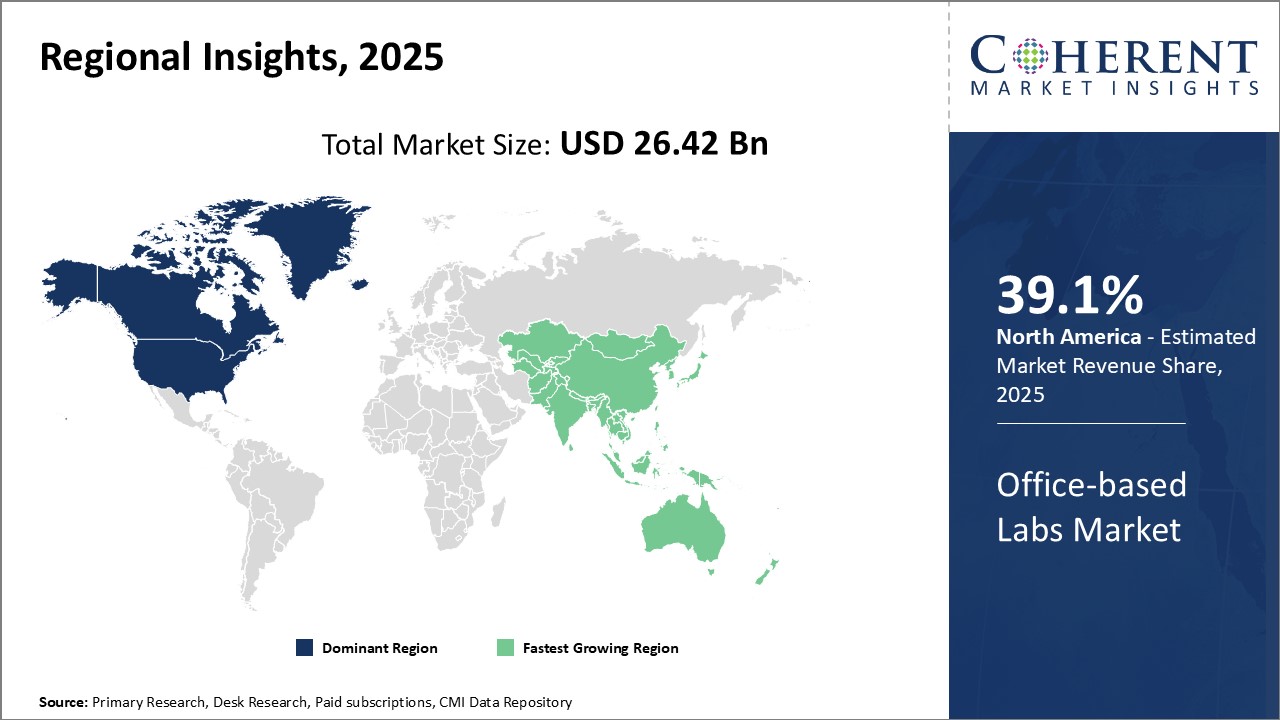 North America remains the dominant region in the global office-based labs market, and is estimated to hold 39.1% of the market share in 2026. The region is home to some of the largest healthcare companies and lab organizations globally that have presence across countries. This has enabled superior supply chain and logistics along with high focus on quality and standardized processes. The presence of large patient pool, owing to growing prevalence of chronic and lifestyle diseases along with supportive regulatory environment promoting localized labs and diagnostic testing drives the market growth in region. For instance, several states in the U.S. promote reimbursable at-home sample collection and local lab testing to make healthcare more accessible in rural areas. Countries like the U.S. and Canada also have skilled workforce and cutting-edge technologies. Many global lab equipment and diagnostic devices companies have their headquarters in North America, ensuring high quality standardized products are easily available.
Asia Pacific region is witnessing fastest expansion in the office-based labs space led by China and India. Presence of huge patient populations yet to be covered fully along with rising healthcare spending is driving heavy investments and developments in localized testing infrastructure. Countries are promoting localized testing to reduce pressure on hospitals beds and make diagnostics more accessible for common chronic diseases. Further, growing medical tourism and wellness industry in countries is driving the regional market growth. Many global players are also setting up manufacturing plants or R&D centers in low-cost destinations to cater increased regional demands.
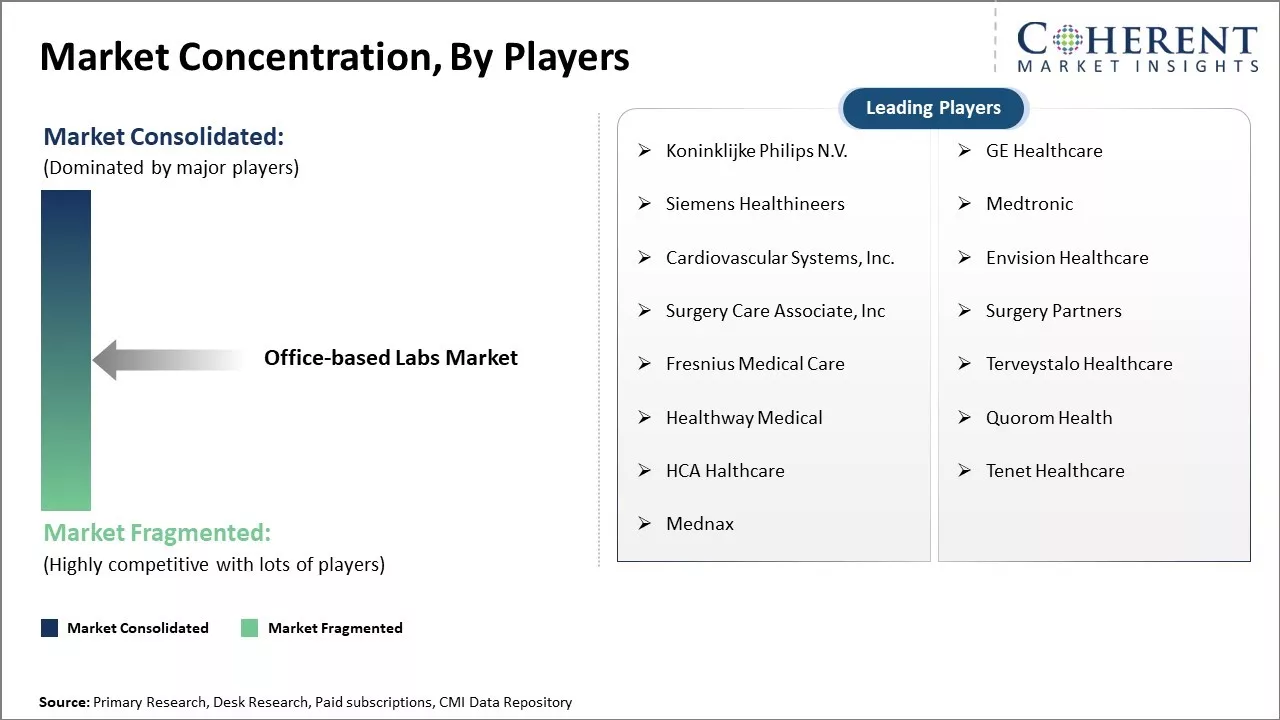
Market Players, Key Development, and Competitive Intelligence
 Increasing Specialty Practices
The growing number of doctors are focusing their practice areas into specific therapeutic or medical disciplines rather than general healthcare. This trend of increased specialization among physicians is contributing to the growth of office-based laboratories. Specialty practices, whether focused on areas like cardiology, oncology or women's health, rely more on targeted diagnostic testing to aid clinical evaluation and treatment decisions. Having an affiliated laboratory within the same premises makes it convenient for specialty physicians to consult with pathologists, order customized test panels and discuss results in real-time.
- Current Industry Events of 2026
- Market Size Estimation
- Regional Breakdown
- Competitive Landscape
- Customer Intelligence
- Segmental Analysis
- Pricing Analysis
- Key Market Drivers, Challenges & Future Trends
- Customized Insights Section
Market Report Scope
Office-based Labs Market Report Coverage
| Report Coverage | Details | ||
|---|---|---|---|
| Base Year: | 2025 | Market Size in 2026: | USD 28.51 Bn |
| Historical Data for: | 2020 To 2024 | Forecast Period: | 2026 To 2033 |
| Forecast Period 2026 to 2033 CAGR: | 7.9% | 2033 Value Projection: | USD 48.54 Bn |
| Geographies covered: |
| ||
| Segments covered: |
| ||
| Companies covered: | Koninklijke Philips N.V., GE Healthcare, Siemens Healthineers, Medtronic, Cardiovascular Systems, Inc., Envision Healthcare, Surgery Care Associate, Inc, Surgery Partners, Fresnius Medical Care, Terveystalo Healthcare, Healthway Medical, Quorom Health, HCA Halthcare, Tenet Healthcare, Mednax | ||
| Growth Drivers: |
| ||
| Restraints & Challenges: |
| ||
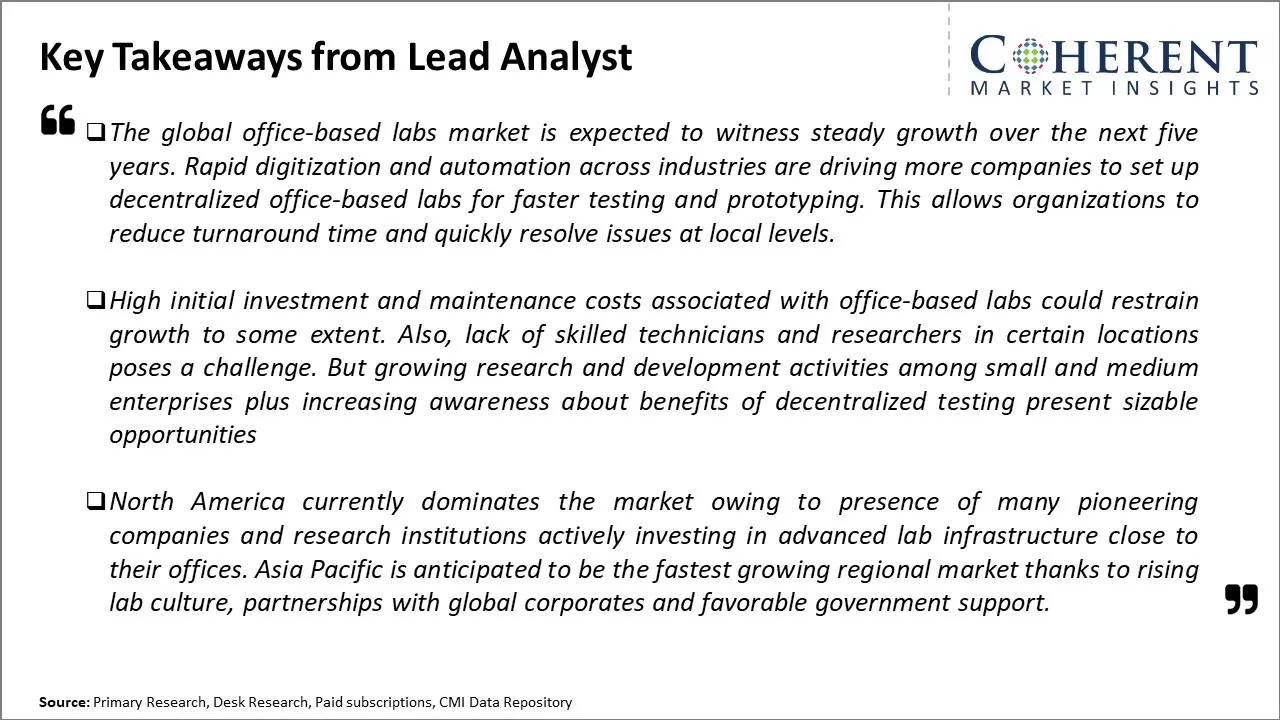
Analyst Opinion (Expert Opinion)
 Market Challenges – Increasing Competition from Hospital-Based Labs and Reference Laboratories
Increasing competition from hospital-based laboratories and large reference laboratories is posing significant challenges for the growth of the global office-based laboratories market. As hospitals and larger corporate labs are able to offer economies of scale through high test volumes and better purchasing power, office-based labs are finding it difficult to compete with them on pricing. This price competition is restraining the revenue growth of small office-based players.
Market Opportunities – Increased Demand for Convenient Outpatient Lab Testing
The demand for convenient outpatient lab testing is surging globally which can create major opportunities for office-based labs market. With hectic lifestyles and busy schedules, people are increasingly preferring services that offer quick and easy access without much hassle or waiting time. Office-based labs have emerged as a highly suitable option as they are located within medical practitioner's facilities like clinics or physician offices, allowing patients to get their lab work done in conjunction with their doctor's visit itself. This integrated 'one-stop-shop' approach saves time and effort for patients compared to visiting separate diagnostic centers or hospitals.
Speak to the analyst
Want personalized insights?
Take the findings above to one of our principal consultants, or have the report rebuilt around the segments, geographies and competitors you actually track.
Market Segmentation
- Modality Insights (Revenue, USD Bn, 2021 - 2033)
- Single Specialty
- Multi-specialty
- Hybrid
- Service Type Insights (Revenue, USD Bn, 2021 - 2033)
- Peripheral Vascular Intervention
- Interventional Radiology
- Endovascular Therapy
- Cardiovascular
- Others
- Regional Insights (Revenue, USD Bn, 2021 - 2033)
- North America
- U.S.
- Canada
- Latin America
- Brazil
- Argentina
- Mexico
- Rest of Latin America
- Europe
- Germany
- U.K.
- Spain
- France
- Italy
- Russia
- Rest of Europe
- Asia Pacific
- China
- India
- Japan
- Australia
- South Korea
- ASEAN
- Rest of Asia Pacific
- Middle East
- GCC
- Israel
- Rest of Middle East
- Africa
- South Africa
- North Africa
- Central Africa
- North America
- Key Players Insights
- Koninklijke Philips N.V.
- GE Healthcare
- Siemens Healthineers
- Medtronic
- Cardiovascular Systems, Inc.
- Envision Healthcare
- Surgery Care Associate, Inc
- Surgery Partners
- Fresnius Medical Care
- Terveystalo Healthcare
- Healthway Medical
- Quorom Health
- HCA Halthcare
- Tenet Healthcare
- Mednax
Get access to 250+ pages report
Every segment, forecast, competitor profile and data table behind the analysis above — available for instant download.
- ESOMAR Member
- ISO 9001:2015 Certified
- D-U-N-S Registered
- GDPR & CCPA Compliant
Missing comfort of reading report in your local language? Find your preferred language:
Transform your Strategy with Exclusive Trending Reports
Frequently Asked Questions
The Office-based Labs Market is estimated to be valued at USD 28.51 Bn in 2026, and is expected to reach USD 48.54 Bn by 2033.
The CAGR of the Office-based Labs Market is projected to be 7.9% from 2026 to 2033.
Rising demand for specialized diagnostics and increasing specialty practices are the major factors driving the growth of global office-based labs market.
Increasing competition from hospital-based labs and reference laboratories and shortage of skilled professionals are the major factors hampering the growth of global office-based labs market.
In terms of modality, single specialty segment is estimated to dominate the market in 2026.
Koninklijke Philips N.V., GE Healthcare, Siemens Healthineers, Medtronic, Cardiovascular Systems, Inc., Envision Healthcare, Surgery Care Associate, Inc, Surgery Partners, Fresnius Medical Care, Terveystalo Healthcare, Healthway Medical, Quorom Health, HCA Halthcare, Tenet Healthcare, Mednax are the major players.
Which region will lead the global office-based labs market in 2026?