

Pharmaceutical Cartridge Market Size and Share Analysis – 2026 To 2033
The Pharmaceutical Cartridge Market size is anticipated to grow at a CAGR of 7.8%, with USD 2.01 Bn in 2026, and is expected to reach USD 3.40 Bn in 2033. The primary drivers are largely defined by the rising prevalence of diabetes and obesity, increasing demand for injectable biologics and GLP-1-based therapies, growing adoption of pen injectors and autoinjectors, and wider deployment of ready-to-use (RTU) pharmaceutical cartridges. According to SCHOTT Pharma, pharmaceutical cartridges facilitate the safe and convenient self-administration of biologics, including insulin, GLP-1-based drugs, and growth hormones, thereby supporting the transition toward home-based drug administration and advanced pharmaceutical packaging solutions.
Key Takeaways of the Global Pharmaceutical Cartridge Market
- The Glass segment is expected to account for 72.0% of the global pharmaceutical cartridge market share in 2026. Superior chemical stability, compatibility with injectable formulations and established usage in pharmaceutical delivery systems are fueling the segment growth. On July 21, 2026, SCHOTT Pharma and Nemera strengthened their partnership with the launch of a ready-to-use Type I borosilicate glass cartridge integrated into a pen injector platform under the name cartriQ.
- The Reusable Pen Injectors segment is estimated to capture 43.0% of the market share in 2026. Increasing adoption of self-administered injectable therapies and connected insulin delivery devices is driving the growth of the segment. On February 25, 2026 Medtronic announced the commercial launch of the MiniMed Go Smart MDI system (comprising the reusable InPen smart insulin pen and Simplera glucose sensor) in Europe.
- The Below 3 mL segment is projected to capture 40.0% market share in 2026. The segment’s growth is driven by the rising demand for compact drug delivery formats for insulin, GLP-1 drugs and hormone therapies. In June 2025, SCHOTT Pharma extended its cartriQ portfolio with the launch of a 1.5 mL sterile ready-to-use cartridge for multiple pen injector platforms including Ypsomed’s UnoPen.
- The Diabetes segment is projected to hold a 24.0% market share in 2026. The segment growth is attributed to the increasing prevalence of diabetes and rising consumption of cartridge-based insulin therapies. According to the International Diabetes Federation’s Diabetes Atlas, released on April 7, 2025, some 589 million adults aged between 20 and 79 years had diabetes globally in 2024, and that figure is projected to reach 853 million by 2050.
- The Pharmaceutical Companies segment is estimated to account for 58.0% share of the market in 2026. The segment is expanding with increasing investments in sterile primary packaging procurement and injectable drug manufacturing. On June 4, 2025, SCHOTT Pharma announced an investment of more than EUR 100 million in Hungary to expand its sterile, ready-to-use cartridge manufacturing capacity for pharma customers developing biologics, insulin and hormone therapies.
- North America is expected to dominate the pharmaceutical cartridge market with a share of 38.0 % in 2026. The growth of the regional market is driven by the expansion of the injectable drug manufacturing infrastructure and the increased investments in pharmaceutical production. According to Novo Nordisk’s 2025 Annual Report, released in 2026, the company invested approximately USD 2 Bn in U.S. manufacturing during 2025 and plans to invest an additional USD 5.6 Bn through 2028.
- Asia Pacific is expected to account for 27.0% of the market share in 2026 and emerge as the fastest-growing regional market during the forecast period. Expanding sterile injectable manufacturing capabilities and increasing pharmaceutical outsourcing activities are driving regional growth. On June 30, 2026, Shantha Biologics announced an outsourcing agreement with Novo Nordisk to provide cartridge fill-finish manufacturing services in India.
Segmental Insights
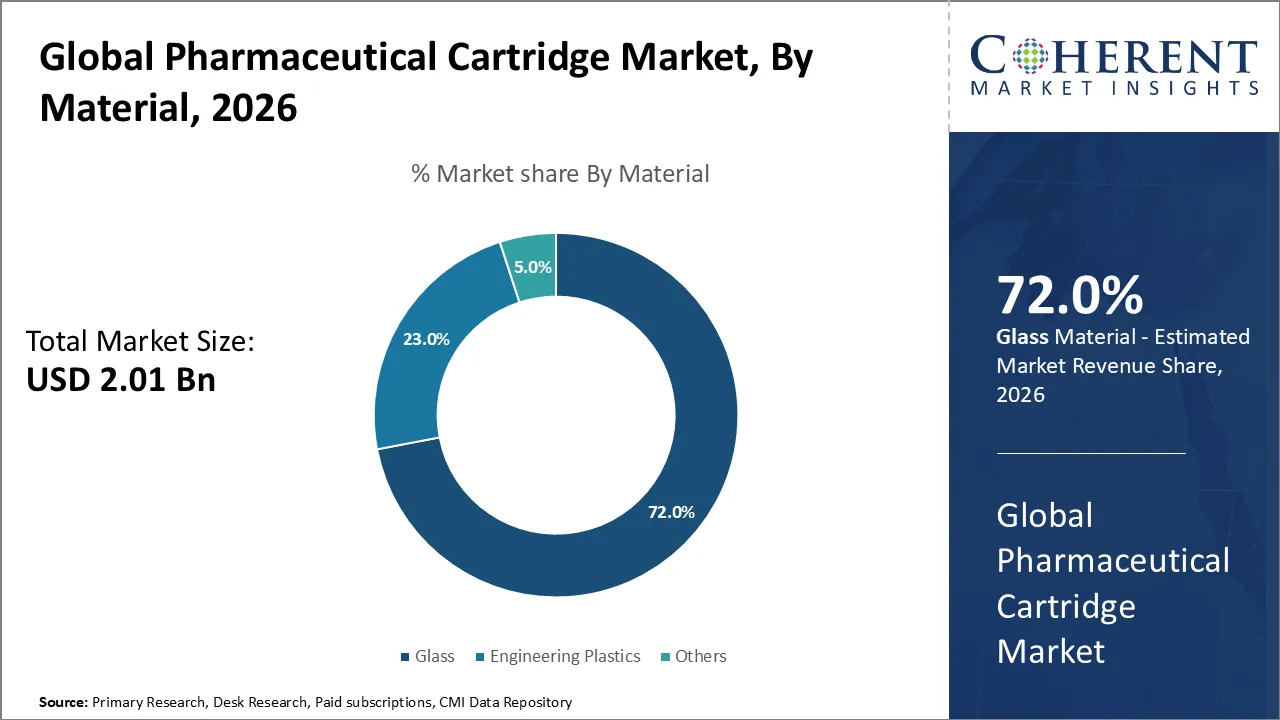
Why Does Glass Dominate the Global Pharmaceutical Cartridge Market?
The glass segment is expected to account for 72.0% of the global pharmaceutical cartridge market share in 2026. Glass, especially Type I borosilicate glass, is still the preferred material due to its chemical resistance, thermal stability, low extractables profile, and compatibility with sensitive injectable formulations. Pharmaceutical manufacturers prefer glass cartridges because of their dimensional accuracy, drug stability and fitment with existing fill-finish infrastructure. Glass cartridges are also an effective barrier against moisture and gasses, which prolongs the shelf-life of insulin, hormones and biologic drugs. The growing adoption of ready-to-use sterile packaging is further fueling the role of glass cartridges in the pharmaceutical sector.
On August 8, 2025, SCHOTT inaugurated its high-precision production plant for pharmaceutical glass tubing in Jambusar, Gujarat, India. The expansion positioned SCHOTT as the largest producer of glass tubing for syringes and cartridges in Asia and enhanced the regional supply chain for injectable pharmaceutical packaging.
- Current Industry Events of 2026
- Market Size Estimation
- Regional Breakdown
- Competitive Landscape
- Customer Intelligence
- Segmental Analysis
- Pricing Analysis
- Key Market Drivers, Challenges & Future Trends
- Customized Insights Section
Reusable Pen Injectors Lead Pharmaceutical Cartridge Consumption
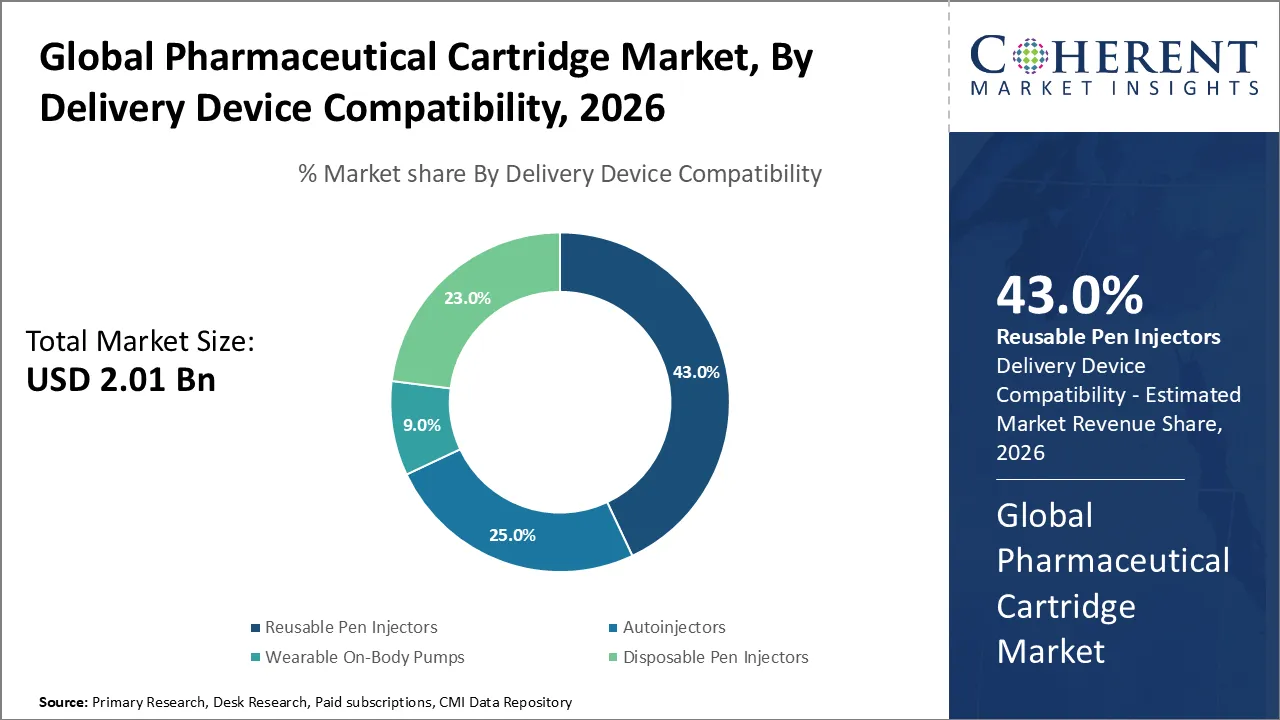
The Reusable pen injectors segment to hold 43.0% of the global pharmaceutical cartridge market share in 2026. Reusable pen injectors are preferred for long-term treatment regimens owing to their replaceable cartridge systems, ease of administration, dosing accuracy and potential to reduce device-related waste. Patients on regular injectable therapies can replace used cartridges rather than buy a whole new delivery device. Additionally, the integration of digital dose tracking, connectivity and personalized treatment management is boosting patient convenience and medication adherence. Increasing preference for home-based treatment and the recurring need for cartridge replacement are the main drivers for the sustained demand for pharmaceutical cartridges.
The role of connected insulin pens in diabetes management was highlighted by the American Diabetes Association’s 2026 Standards of Care in Diabetes. In a real-world multinational study of 3,954 adults using connected insulin pens and continuous glucose monitoring, treatment engagement was positively associated with glycemic outcomes.
Compact Drug Delivery Requirements Drive Demand for Below 3 mL Cartridges
The below 3 mL segment is anticipated to secure 40.0% of the global pharmaceutical cartridge market share by 2026. Small-volume cartridges are the preferred choice for compact device configurations and convenient self-administration of injectable therapies that require precise dosing. These cartridges are especially suited for selected hormone therapies, concentrated injectable formulations, and emerging incretin-based therapies. “Because they are small, pharmaceutical companies can develop lightweight delivery systems that are easy to use by patients, as well as use less packaging material. Also, improvements in drug formulation and growing demand for portable injection devices are further boosting the adoption of small capacity cartridges.
On June 8, 2026, Stevanato Group launched Deora, a pen injector platform for subcutaneous drug delivery in the fields of diabetes and weight management. The platform is compatible with standard 1.5 mL and 3 mL cartridges and can accommodate fixed dose injection volumes up to 0.75 mL, illustrating the continuing importance of small volume cartridge format.
Why Does Diabetes Represent the Leading Therapeutic Application?
The diabetes segment is expected to account for 24.0% of the global pharmaceutical cartridge market share in 2026. Diabetes represents a major application for pharmaceutical cartridges owing to the recurring administration of insulin and other injectable glucose-lowering therapies. The chronic nature of the disease creates a constant demand for disposable insulin cartridges and prefilled pen-based delivery systems. The increasing need for easy dosage, greater patient autonomy and the management of diseases at home is causing the pharmaceutical companies to increase their range of cartridge-compatible products. Moreover, the rising availability of insulin analogs and sophisticated injection devices is driving the demand for specialty pharmaceutical cartridges.
On November 14, 2026, the World Health Organization (WHO) published its first guidelines on the diagnosis and management of type 1 diabetes in adults. According to the WHO, in 2025, approximately 9.5 million people worldwide were living with type 1 diabetes, and another 500,000 people were diagnosed with the condition in that year.
Pharmaceutical Companies Remain the Primary End Users of Pharmaceutical Cartridges
The pharmaceutical companies segment is projected to account for 58.0% of the global pharmaceutical cartridge market share by 2026. Injectable drug development, commercial manufacturing, and integrated fill-finish operations at large scale drive cartridge consumption primarily by pharmaceutical companies. Rising investments in biologics, biosimilars and specialty injectable formulations are fueling demand for high-quality primary packaging solutions. Pharmaceutical manufacturers also emphasize the need for customized cartridge specifications, container closure integrity, and compatibility with proprietary drug delivery platforms. Moreover, the segment’s market position is bolstered by growing manufacturing infrastructure and long-term procurement contracts with pharmaceutical packaging suppliers.
On October 19, 2026, Sanofi began construction of a new 36,000 square meter insulin manufacturing facility at its Frankfurt BioCampus in Germany. The current BioCampus includes insulin production, filling, device assembly and packaging, has around 4,000 employees dedicated to insulin and delivers around 20 insulin products.
Current Events and Their Impact on the Pharmaceutical Cartridge Market (regulatory shifts, government policies)
Current Event | Description and its Impact |
U.S. FDA Implements Quality Management System Regulation (QMSR) for Medical Devices and Combination Products (February 2026) |
|
U.S. FDA Releases New Draft Guidance on Container Closure Systems for Human Drugs and Biological Products (August 2026) |
|
Pharmaceutical Cartridge Market Dynamics
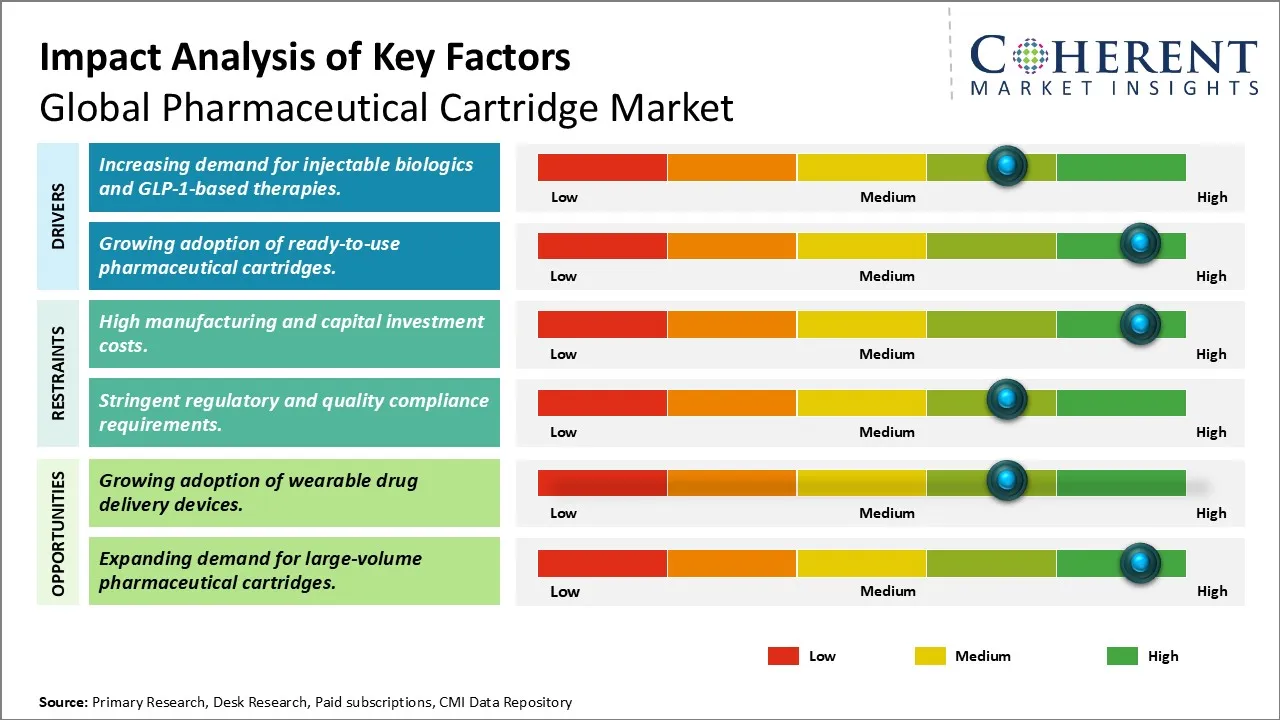
Market Drivers
- Growing demand for injectable biologics and GLP-1 based therapies: The global pharmaceutical cartridge market is growing due to increasing demand for injectable biologics, especially GLP-1 receptor agonists, insulin analogs and recombinant protein therapies. Pharmaceutical companies are diversifying their injectable drug portfolios to cater to the rising prevalence of obesity, metabolic disorders, and chronic diseases. Pharmaceutical cartridges offer accurate dosing, effective container closure integrity, and compatibility with advanced drug delivery devices. The need for repeated administration of chronic disease therapies is driving continued demand for cartridge-based delivery platforms.
- In November, Novo Nordisk said sales of its injectable obesity drug Wegovy reached 58.1 billion Danish crowns (USD 8.4 billion) in the first nine months of 2026, up 4% at constant exchange rates. GLP-1 injectable therapies are being marketed on a commercial scale that sustains continuing demand for compatible pharmaceutical cartridges and other primary packaging components.
- Growing use of ready-to-use (RTU) pharmaceutical cartridges: The growth of the global pharmaceutical cartridge market is being driven by the increasing adoption of sterile ready-to-use cartridges. Traditional bulk cartridges require additional washing, sterilization, and preparation before drug filling, adding to manufacturing complexity and operational expenditure. Pharmaceutical manufacturers can improve their aseptic fill-finish operations through RTU cartridges, reducing contamination risks while increasing production efficiency. These cartridges are especially useful for small batch biologics, specialty injectables and high value pharmaceutical formulations. Growing investments in flexible manufacturing infrastructure and automated filling systems are driving the transition to pre-sterilized cartridge formats, driving value growth in the market.
- In a regulatory filing in November 2026 for the third quarter, Stevanato Group confirmed that it is preparing for the next phase of its expansion in ready-to-use cartridge manufacturing, which is expected to become commercially operational in early 2027. This development indicates an increase of investment for advanced sterile pharmaceutical packaging infrastructure.
Pharmaceutical Cartridge Market Trends
- The increasing use of large-volume cartridges in combination with wearable injection platforms is encouraging collaboration between pharmaceutical packaging manufacturers, drug delivery device developers and sterile fill-finish service providers. On September 29, 2026, Ypsomed and ten23 health extended their collaboration for the YpsoDose wearable injector, adding 10 mL glass cartridges, sterile filling, analytical testing, quality control and device assembly capabilities.
- The growing standardization of polymer-based pharmaceutical cartridges is enhancing compatibility with current drug delivery platforms and manufacturing infrastructure. On August 11, 2025, SCHOTT Pharma launched its ready-to-use polymer cartridge conforming to ISO dimensions. The company's polymer cartridge portfolio offers capacities ranging from 1 mL to 50 mL and is ideal for a wide array of injectable drug applications.
- The increasing adoption of automated inspection and digital traceability technologies is enhancing the quality control and manufacturing efficiency of pharmaceutical cartridges. Stevanato Group’s Annual Report for 2025, filed in March 2026, states that automated inspection systems are employed to test critical container quality attributes and confirm they meet the specifications of manufacturing.
Regional Insights
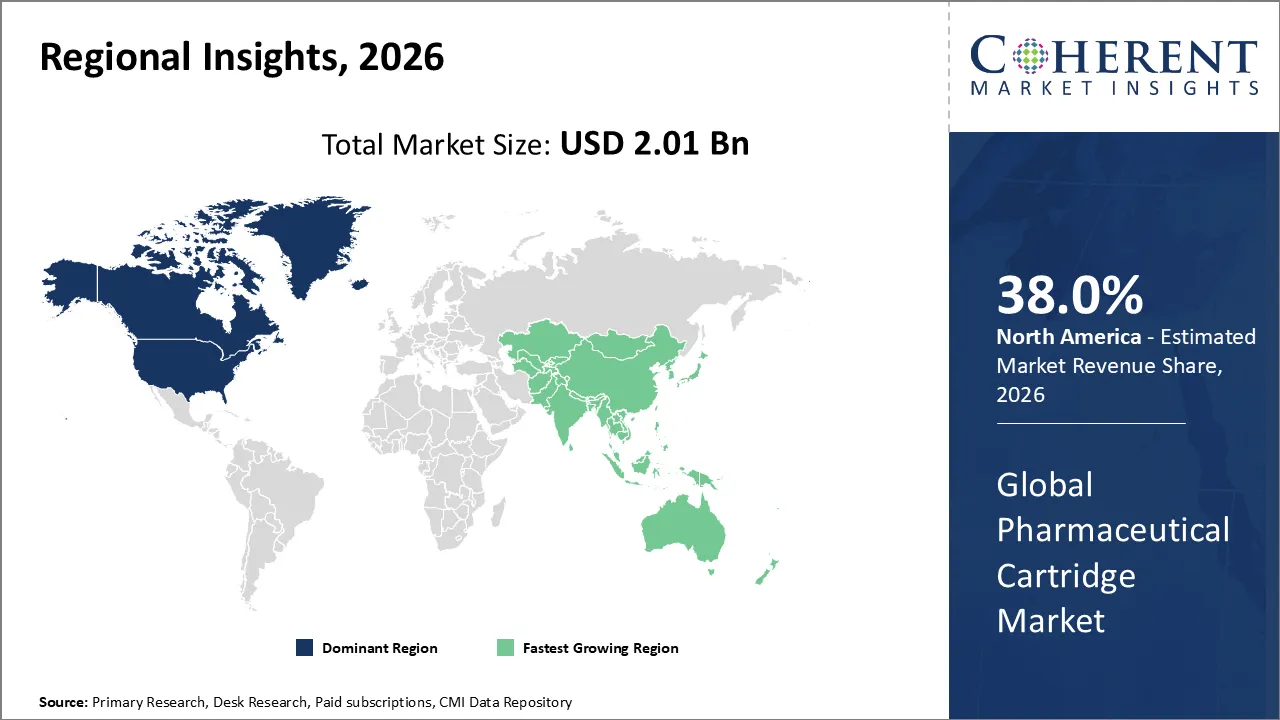
Why is North America a Dominant Market for Pharmaceutical Cartridges?
North America is anticipated to capture a market share of 38.0% in 2026. The region’s dominance can be attributed to its deep-rooted pharmaceutical manufacturing infrastructure, growing commercialization of injectables biologics and broad acceptance of advanced drug delivery devices. The U.S. is home to a robust cluster of pharmaceutical and biotech companies working on insulin, GLP-1 receptor agonists, and specialty injectable therapies. The cartridge consumption is driven by the growing adoption of self-administered medications and growing biopharmaceutical manufacturing capabilities in Canada. The use of high-quality pharmaceutical cartridges is also being supported by strict FDA guidelines concerning the quality of primary packaging, compatibility with drugs, and container closure integrity. Rising investment in automated aseptic filling operations and domestic pharmaceutical manufacturing is propelling the regional market.
On July 30, 2026, Resilience and Eli Lilly announced a joint investment of USD 750 million to expand pharmaceutical manufacturing operations in Ohio, U.S. The expansion includes the manufacture of Lilly’s KwikPen injectable device used in diabetes and obesity treatments, and will create additional opportunities for suppliers of compatible pharmaceutical cartridges.
Why Does the Asia Pacific Pharmaceutical Cartridge Market Exhibit High Growth?
Asia Pacific is estimated to be the fastest growing regional market during the forecast period, capturing 27.0% of the global pharmaceutical cartridge market in 2026. Increasing prevalence of chronic diseases, expanding pharmaceutical manufacturing capabilities and increasing production of affordable injectable medicines are driving growth of the regional market. China and India are expanding their infrastructure for sterile injectable production and pharmaceutical packaging, while Japan and South Korea are fostering innovation in biologic formulations and advanced systems for drug delivery. The rising presence of contract development and manufacturing organizations (CDMOs), increased pharmaceutical exports, and cost-competitive manufacturing capabilities are further driving investment in cartridge production and fill-finish operations. Also, government initiatives to increase domestic pharmaceutical manufacturing are creating positive growth opportunities for regional cartridge suppliers.
According to Gland Pharma’s Annual Report 2025-2026, released in July 2026, says the company is expanding its cartridge fill-finish manufacturing capacity to 140 million units annually. This expansion underscores India’s growing role within the global injectable drug manufacturing industry and is expected to create additional demand for pharmaceutical cartridges and related primary packaging components.
Global Pharmaceutical Cartridge Market Outlook for Key Countries
Why is the U.S. Emerging as a Major Hub in the Pharmaceutical Cartridge Market?
The U.S. pharmaceutical cartridge market is propelled by the expanding injectable biologic manufacturing, increasing usage of self-administration devices, and significant investment in domestic pharmaceutical production. Diabetes, obesity and specialty injectable therapies are on the rise, and the pharmaceutical companies are expanding their sterile fill-finish operations to meet that demand. PCI Pharma Services said April 27, 2026, it is investing USD 100 million in its San Diego manufacturing campus to add a high-speed filling line for ready-to-use prefilled syringes and cartridges. The expansion should more than double the facility’s current syringe and cartridge filling capacity and be operational in the first half of 2028.
Is China the Next Growth Engine for the Pharmaceutical Cartridge Market?
The China pharmaceutical cartridge market is driven by the growth of domestic injectable drug manufacturing, the increasing commercialization of insulin biosimilars and the growth in the production of cartridge-compatible injection devices. Domestic manufacturers are putting money into automated assembly technologies and integrated drug delivery platforms to make themselves less dependent on imported components. Cinvige Medical presented its drug delivery solutions at CPHI China 2026 in June 2026. The company said it has an annual production capacity of more than 150 million disposable cartridge pen injectors and 6 million reusable injection pens from its Linyi and Taizhou manufacturing facilities. Such manufacturing capabilities are bolstering the domestic supply chain for pharmaceutical cartridges, supporting the commercialization of affordable injectable therapies in China and other international markets.
Germany Pharmaceutical Cartridge Market Analysis and Trends
Germany’s pharmaceutical cartridge market is shaped by its long-standing tradition in pharmaceutical glass manufacturing, sophisticated engineering expertise and growing demand for integrated drug delivery solutions. Domestic manufacturers are developing high-precision borosilicate glass cartridges, customized pen-injector components and automated pharmaceutical packaging technologies. At its Bünde and Wackersdorf sites, Gerresheimer has manufacturing infrastructure to allow the coordinated development of glass cartridges and plastic injection device components, improving dimensional compatibility and manufacturing efficiency. In November 2026, Stevanato Group also stated that it plans to significantly expand contract manufacturing and its proprietary Alina pen injector business at its facilities in Germany and Fishers, U.S. over the next 18 months.
U.K. Pharmaceutical Cartridge Market Analysis and Trends
The U.K. pharmaceutical cartridge market is driven by increasing government support for life sciences manufacturing, growing biopharmaceutical research activities, and the rising demand for outsourced sterile fill-finish services. The Pharmaceutical and Biotechnology Companies Are Increasingly Turning to Specialized Manufacturing Partners to Support the Clinical Development and Commercial Production of Injectable Therapies the U.K. government highlighted some GBP 3 billion of life sciences investment in July 2026, supported by initiatives like the GBP 520 million Life Sciences Innovative Manufacturing Fund.
Japan Pharmaceutical Cartridge Market Analysis and Trends
Japan's pharmaceutical cartridge market is driven by its aging population, the well-established biologic drug industry and the need for precision-engineered injectable delivery systems for drugs. For pharmaceutical manufacturers dealing with chronic diseases, dosing precision, compatibility with various materials, and patient-friendly injection devices are becoming increasingly important. A study published in Frontiers in Medical Technology in 2026 found that the pharmaceutical cartridge presentations represented around 14.0% of the 147 biologic drug delivery device presentations in Japan, compared to around 10.0% in the U.S., during the study period of 2000–2025.
How is the Development of Advanced Cartridge-Based Drug Delivery Systems Creating New Growth Opportunities in the Pharmaceutical Cartridge Market?
The development of advanced cartridge-based delivery systems for drugs is a driver for the global pharmaceutical cartridge market, creating growth opportunities. Pharmaceutical companies are increasingly focused on patient-centric delivery platforms for the self-administration of complex injectable therapies conveniently. We are developing large volume cartridges, wearable injectors and cartridge-device combinations made to measure, as the hospital-based intravenous infusion gives way to the home-based subcutaneous administration. These applications require pharmaceutical cartridges that offer enhanced mechanical strength, superior container closure integrity, tight dimensional tolerances and compatibility with high viscosity biologic formulations. Novel materials, tailored cartridge capacities and combined packaging and drug delivery solutions can help manufacturers to differentiate their products.
For instance, Gerresheimer has developed its Gx InPuls 10 mL on-body infusor concept, including a larger 10 mL cartridge for the delivery of large volume drugs. West Pharmaceutical Services also has a SmartDose 10 wearable injection platform that uses a proprietary Daikyo Crystal Zenith polymer container system for complex biologics. Such innovations provide opportunities for cartridge manufacturers with customized glass and polymer cartridges, advanced surface treatments and integrated container closure systems.
Market Players, Key Development, and Competitive Intelligence
Key Developments
- In November 2026, Stevanato Group reported its third-quarter financial results, it said “sustained strong demand for high-value pharmaceutical cartridges” and “growing opportunities beyond the traditional cartridge customers.
- In July 2026, West Pharmaceutical Services amended technology exchange, cross-licensing and distribution agreements with Daikyo Seiko. The agreements underpin continued collaboration in pharmaceutical containment and drug delivery components such as cartridge technologies.
Competitive Landscape
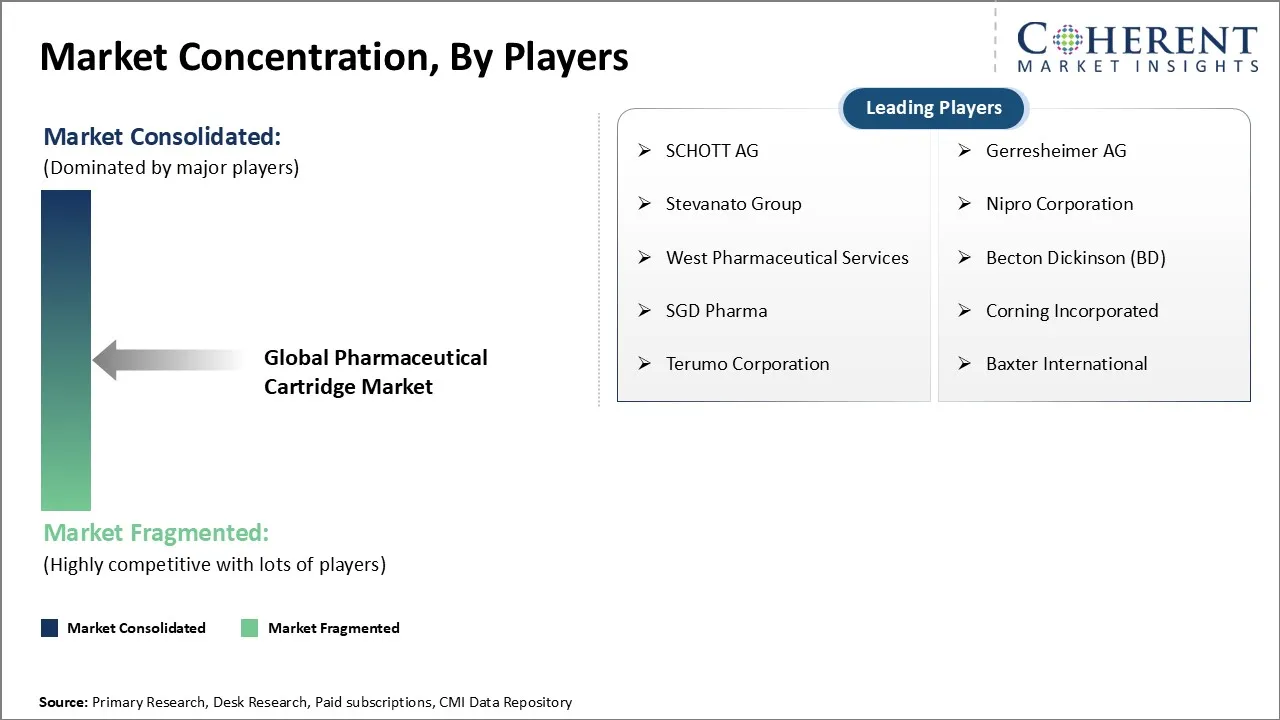
The global pharmaceutical cartridge market is driven by the competition among established manufacturers in terms of material quality, manufacturing accuracy, and compatibility with drug delivery devices. SCHOTT Pharma is focused on ready-to-use glass and polymer cartridges, while Gerresheimer offers high precision cartridges and integrated delivery solutions. Stevanato Group highlights its EZ-fill platform and sterile cartridges, while Nipro Corporation focuses on glass cartridges used for injectable therapies. West Pharmaceutical Services, Inc. is a global leader in innovative solutions for injectable drug administration. Competitive differentiation increasingly depends on drug compatibility, sterility, customization, manufacturing scalability, and strategic pharmaceutical partnerships.
Top Manufacturers and Notable Products/Solutions in the Pharmaceutical Cartridge Market
Company/Manufacturer | Notable Product/Brand | Key Features |
SCHOTT Pharma (SCHOTT AG) | cartriQ | Type I borosilicate glass, sterile ready-to-use cartridges, high dimensional accuracy, pen injector compatibility, reduced preparation requirements |
Gerresheimer AG | Gx Glass Cartridges | High-quality pharmaceutical glass, customizable dimensions, precise geometrical tolerances, compatibility with pen injectors and other drug delivery systems |
Stevanato Group | EZ-fill Cartridges | Prewashed and presterilized cartridges, nest-and-tub packaging, automated fill-finish compatibility, reduced handling and contamination risks |
Nipro Corporation | Pharmaceutical Glass Cartridges | Type I borosilicate glass, precise dimensional specifications, chemical resistance, insulin pen and dental injection compatibility |
West Pharmaceutical Services | FluroTec and NovaPure Cartridge Components | Elastomeric plungers, fluoropolymer barrier technology, controlled particulate levels, drug compatibility, cartridge sealing functionality |
Market Report Scope
Pharmaceutical Cartridge Market Report Coverage
Report Coverage | Details | ||
Base Year: | 2025 | Market Size in 2026: | USD 2.01 Bn |
Historical Data for: | 2020 to 2024 | Forecast Period: | 2026 to 2033 |
CAGR: | 7.8% | 2033 Value Projection: | USD 3.40 Bn |
Geographies covered: |
| ||
Segments covered: |
| ||
Companies covered: | SCHOTT AG, Gerresheimer AG, Stevanato Group, Nipro Corporation, West Pharmaceutical Services, Becton Dickinson (BD), SGD Pharma, Corning Incorporated, Terumo Corporation, and Baxter International. | ||
Growth Drivers: |
| ||
Restraints & Challenges: |
| ||
Analyst Opinion (Expert Opinion)
- The future of the global pharmaceutical cartridge market will be increasingly focused on advanced drug containment solutions rather than conventional primary packaging formats. The increasing commercialization of injectable biologics, GLP-1 therapies and specialty medicines will push manufacturers to develop customized cartridges with better chemical stability, precise dimensional tolerances and improved container closure integrity. Large volume cartridges and advanced polymer-based solutions are poised for commercial viability with the move of pharmaceutical companies to patient-centric systems for drug delivery. Manufacturers that have cartridge and device development in-house are better positioned to win long-term pharmaceutical supply contracts.
- The biggest opportunities will be in sterile ready-to-use cartridges, large volume biologic delivery systems and outsourced pharmaceutical fill-finish operations. "Significant opportunities exist in advanced biopharmaceutical manufacturing in the U.S. and Germany, while cost-competitive manufacturing and increasing CDMO capabilities in India and China provide growth opportunities. September 2026 CordenPharma announces EUR 80 million multi-year investment in injectable drug manufacturing, including high-speed syringe and cartridge filling line capable of processing more than 500,000 units per day. Such investments highlight the growing commercial opportunity for cartridge suppliers able to scale manufacturing and be compatible with automated filling.
- Market participants need to distinguish themselves through product performance, manufacturing reliability and early stage collaboration with pharmaceutical companies. Suppliers should strive for low extractables and leachables, low silicone levels, container closure integrity and compatibility with a wide range of drug formulations. The U.S. FDA reported approving 46 novel drugs in 2025, about half of them for rare diseases. The changing pharmaceutical pipeline creates potential opportunities for customized primary packaging solutions, particularly for specialty injectable therapies. Also, manufacturers should focus on flexible production capabilities, competitive pricing, regional manufacturing partnerships and long-term supply agreements to improve client retention and sustainable revenue growth.
Speak to the analyst
Want personalized insights?
Take the findings above to one of our principal consultants, or have the report rebuilt around the segments, geographies and competitors you actually track.
Market Segmentation
- By Material (Revenue, USD Bn, 2021-2033)
- Glass (Type I Borosilicate and Others)
- Engineering Plastics (COC/COP and Others)
- Others
- By Delivery Device Compatibility (Revenue, USD Bn, 2021-2033)
- Reusable Pen Injectors
- Autoinjectors
- Wearable On-Body Pumps
- Disposable Pen Injectors
- By Capacity (Revenue, USD Bn, 2021-2033)
- Below 3 mL
- 3 mL–5 mL
- 5 mL–10 mL
- Above 10 mL
- By Therapeutic Area (Revenue, USD Bn, 2021-2033)
- Diabetes
- Oncology
- Autoimmune Diseases
- Ophthalmology
- Others (Hormonal Therapies, Rare Diseases, and Vaccine Reconstitution Applications)
- By End User (Revenue, USD Bn, 2021-2033)
- Pharmaceutical Companies
- CMOs/CDMOs
- Research Institutions
- By Region (Revenue, USD Bn, 2021-2033)
- North America
- U.S.
- Canada
- Latin America
- Brazil
- Mexico
- Argentina
- Rest of Latin America
- Europe
- Germany
- U.K.
- France
- Italy
- Spain
- Russia
- Rest of Europe
- Asia Pacific
- China
- India
- Japan
- Australia
- South Korea
- ASEAN
- Rest of Asia Pacific
- Middle East
- GCC
- Israel
- Rest of Middle East
- Africa
- South Africa
- Central Africa
- North Africa
- North America
- Key Players
- SCHOTT AG
- Gerresheimer AG
- Stevanato Group
- Nipro Corporation
- West Pharmaceutical Services
- Becton Dickinson (BD)
- SGD Pharma
- Corning Incorporated
- Terumo Corporation
- Baxter International
Sources
Primary Research Interviews
- Pharmaceutical cartridge manufacturers
- Pharmaceutical primary packaging specialists
- Drug delivery device manufacturers
- R&D heads from pharmaceutical and biotechnology companies
- Sterile fill-finish and aseptic manufacturing experts
- Pharmaceutical procurement and supply chain managers
- Contract manufacturing and development organization representatives
- Key opinion leaders (KOLs) in pharmaceutical packaging and injectable drug delivery
Databases
- U.S. Food and Drug Administration (FDA)
- European Medicines Agency (EMA)
- World Health Organization (WHO)
- International Diabetes Federation (IDF)
- United Nations Comtrade Database
- National Institutes of Health (NIH)
- ClinicalTrials.gov
- U.S. Securities and Exchange Commission (SEC EDGAR)
Magazines
- Pharmaceutical Technology
- Pharmaceutical Executive
- European Pharmaceutical Review
- Drug Development & Delivery
- Healthcare Packaging
- Pharmaceutical Manufacturing
- Packaging World
Journals
- International Journal of Pharmaceutics
- Journal of Pharmaceutical Sciences
- PDA Journal of Pharmaceutical Science and Technology
- European Journal of Pharmaceutics and Biopharmaceutics
- Journal of Drug Delivery Science and Technology
- Pharmaceutical Research
- AAPS PharmSciTech
Newspapers
- The Wall Street Journal
- Financial Times
- The Economic Times
- The New York Times
- Business Standard
Associations
- Parenteral Drug Association (PDA)
- International Society for Pharmaceutical Engineering (ISPE)
- Pharmaceutical Research and Manufacturers of America (PhRMA)
- European Federation of Pharmaceutical Industries and Associations (EFPIA)
- Association for Accessible Medicines (AAM)
- International Pharmaceutical Excipients Council (IPEC)
- Indian Pharmaceutical Alliance (IPA)
Public Domain Sources
- Company Annual Reports and Investor Presentations
- Company Product Catalogs and Technical Specifications
- Government Pharmaceutical Manufacturing and Healthcare Publications
- FDA and EMA Regulatory Guidelines for Pharmaceutical Container Closure Systems
- International Organization for Standardization (ISO) Standards for Pharmaceutical Cartridges and Injection Systems
- United States Pharmacopeia (USP) and European Pharmacopoeia Standards
- Patent Databases such as WIPO, USPTO, and Google Patents
- Publicly Available Pharmaceutical Packaging and Drug Delivery Research Publications
Proprietary Elements
- CMI Data Analytics Tool
- Proprietary CMI Existing Repository of Information for the Last 10 Years
Get access to 250+ pages report
Every segment, forecast, competitor profile and data table behind the analysis above — available for instant download.
- ESOMAR Member
- ISO 9001:2015 Certified
- D-U-N-S Registered
- GDPR & CCPA Compliant
Frequently Asked Questions
The Pharmaceutical Cartridge Market is expected to reach USD 3.40 Bn in 2033, increasing from USD 2.01 Bn in 2026.
Major players covered in the global Pharmaceutical Cartridge Market include SCHOTT AG, Gerresheimer AG, Stevanato Group, Nipro Corporation, West Pharmaceutical Services, Becton Dickinson (BD), SGD Pharma, Corning Incorporated, Terumo Corporation, and Baxter International.
High manufacturing and capital investment costs, and stringent regulatory and quality compliance requirements are the key factors hampering the growth of the market.
Increasing demand for injectable biologics and GLP-1-based therapies, growing adoption of ready-to-use pharmaceutical cartridges, and expanding use of self-administration drug delivery devices are driving market growth.
The Pharmaceutical Cartridge Market is anticipated to grow at a CAGR of 7.8% between 2026 and 2033.
Among regions, North America is expected to account for the largest market share of 38.0% in the global Pharmaceutical Cartridge Market in 2026.
Asia Pacific is expected to emerge as the fastest-growing regional market during the forecast period, accounting for 27.0% of the global market share in 2026.