

Global Pleurodynia Treatment Market Size and Forecast – 2026-2033
According to Coherent Market Insights, the global pleurodynia treatment market is estimated to be valued at USD 161.1 Mn in 2026 and is expected to reach USD 240.6 Mn by 2033, exhibiting a compound annual growth rate (CAGR) of 5.9% from 2026 to 2033. This steady growth reflects increasing awareness, advancements in treatment options, and rising prevalence of pleurodynia, driving the demand for effective therapies worldwide.
Key Takeaways of the Pleurodynia Treatment Market
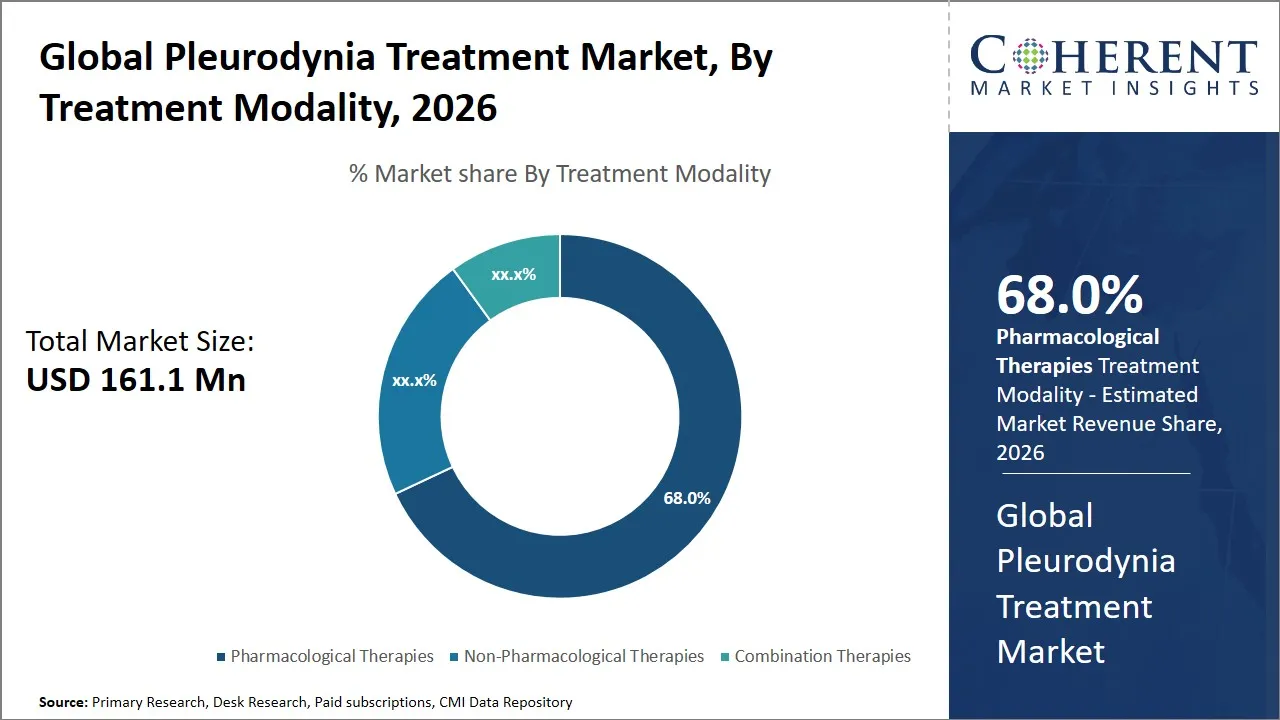
- Pharmacological therapies segment is expected to lead the pleurodynia treatment market, capturing 68% share in 2026.
- Chest pain segment is estimated to represent 45% of the market share in 2026.
- Adult segment is projected to dominate with 60% of the global pleurodynia treatment market share in 2026.
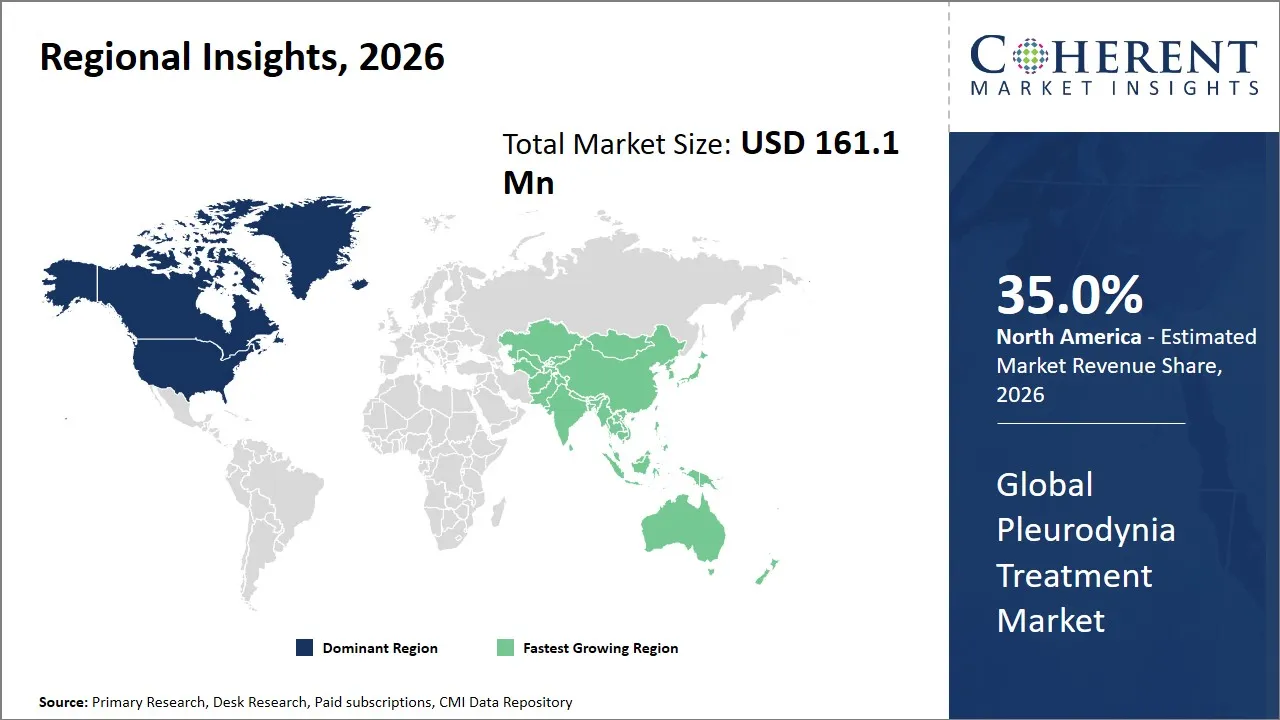
- North America is expected to lead the market, holding a share of 35% in 2026. Asia Pacific is anticipated to be the fastest-growing region, with 23% share in 2026.
Market Overview
- Pleurodynia (Bornholm disease), primarily caused by enteroviruses (e.g., Coxsackie B), is being diagnosed more frequently as viral infection rates rise globally. This directly increases the demand for therapeutic and symptomatic treatments.
- Growing clinical awareness, improved diagnostic capabilities, and expanding healthcare infrastructure in developed regions are supporting market growth.
- There remains no definitive cure for pleurodynia; treatment is largely symptomatic (analgesics, anti‑inflammatories). Investment in novel antiviral agents, targeted therapies, and combination regimens represents a clear growth opportunity.
- There is a gradual move toward non‑opioid analgesics and anti‑inflammatory agents due to rising concerns about opioid dependency and regulatory pressure on opioid prescribing, opening space for safer pain management drugs.
Current Events and Its Impact
Current Events | Description and its Impact |
Rising Viral Threats & Outbreak Response |
|
Public & Private Funding for Antiviral Research |
|
Segmental Insights
- Current Industry Events of 2026
- Market Size Estimation
- Regional Breakdown
- Competitive Landscape
- Customer Intelligence
- Segmental Analysis
- Pricing Analysis
- Key Market Drivers, Challenges & Future Trends
- Customized Insights Section
Why Does the Pharmacological Therapies Segment Dominate the Global Pleurodynia Treatment Market in 2026?
The pharmacological therapies segment is expected to hold the largest share of 68% in 2026, primarily driven by the ability of pharmacological agents to provide rapid and targeted relief from distressing symptoms associated with pleurodynia. Because pleurodynia causes sudden, intense chest pain often accompanied by fever and muscle aches, prompt drug treatment is essential to improve patient comfort and support recovery.
Pharmacological treatment can be divided into various groups, such as analgesics, non-steroid anti-inflammatory drugs (NSAIDs), antiviral agents, muscle relaxants and corticosteroids, each addressing various aspects of the disease pathogenesis and the symptom burden. Especially popular among others are analgesics and NSAIDs which are effective in reducing pain and inflammation which are the direct consequences of irritation of the pleura.
For instance, in September 2025, Shionogi & Co. Ltd announced that the U.S. Food and Drug Administration (FDA) had accepted a New Drug Application (NDA) for ensitrelvir, an investigational oral antiviral designed to prevent COVID‑19 following exposure to an infected individual supported by results from the Phase 3 SCORPIO‑PEP trial showing a statistically significant reduction in the risk of developing symptomatic COVID‑19 compared with placebo. If approved, ensitrelvir would become the first oral therapy for post‑exposure prophylaxis of COVID‑19 in the U.S.
(Source-https://www.shionogi.com/us/en/news/2025/09/fda-accepts-shionogis-ensitrelvir-nda)
Why Does the Chest Pain Segment Dominate the Global Pleurodynia Treatment Market in 2026?
The chest pain segment is projected to hold the largest share of 45% in 2026, driven primarily by the critical need for effective pain management strategies. Pleural inflammation is associated with chest pain that severely impairs the quality of life of patients as it hinders physical activity and leads to moderate distress. That is why healthcare providers give their priority to interventions which could reduce this symptom in the shortest time possible. This imperative to deal with chest pain leads to increased use of pain-relieving therapies, both pharmacological, such as NSAIDs and analgesics, and non-pharmacological such as physical therapy, pain management procedures etc.
For instance, approximately 75% of patients in studied cohorts experience pleuritic (chest) pain as a primary symptom, with muscle inflammation of the chest wall being a defining clinical feature.
(Source- https://pmc.ncbi.nlm.nih.gov/articles/PMC2072948/#:~:text=two%20lung%20cancers.-,)
Adult Dominates the Global Pleurodynia Treatment Market
The adult segment is expected to capture the highest share of 60% in 2026, as adults are more frequently exposed to viral infections and environmental factors that contribute to pleurodynia outbreaks, making this group the primary patient base requiring therapeutic intervention. Moreover, adults often develop the tendency to seek medical attention very quickly, which is conditioned by professional obligations and duties, which increases the need for pharmacological and non-pharmacological therapy. Their typically better health literacy and access to healthcare facilities facilitate early diagnosis, compliance with prescribed treatment, and the use of holistic treatment modality.
Pain Severity and Treatment Escalation in the Global Pleurodynia Treatment Market
- Mild to Moderate Pain: In cases where the symptoms of pleurodynia are mild to moderate, the first type of treatment would be the use of over-the-counter pain for example ibuprofen or acetaminophen, and anti-inflammatory drugs in order to reduce the inflammatory process and in turn relieve the pain. These drugs are used in controlling pains as patients heal. Treatment during this stage is usually non-aggressive, whereby it aims at relieving the symptoms, but not treating the disease.
- Severe Pain: In more severe cases, when the pain is debilitating or persistent, the mode of treatment intensifies. Doctors can prescribe more powerful painkillers like opioid or muscle relaxers in order to cope with the increased levels of pain. Where the effects of viral infections are stronger/or there is a complication, intravenous therapies or new antiviral therapies can be added to address the cause. Such escalation can guarantee that more intensive and targeted interventions are used in order to offer effective relief and speed up recovery.
Regional Insights
North America Pleurodynia Treatment Market Analysis and Trends
The North America region is projected to lead the market with a 35% share in 2026, owing to its well-established healthcare infrastructure, strong presence of key pharmaceutical companies, and advanced research and development capabilities. The region enjoys the active government policy that supports health care innovation and fast drug approvals, and this contributes to a favorable atmosphere towards the creation and commercialization of new pleurodynia treatments.
For instance, according to a Centers for Disease Control and Prevention report cited in peer‑reviewed medical literature, in 2016, the Coxsackie B4 (CB4) virus accounted for approximately 1.9% of all enterovirus infections in the U.S., with at least 54 cases attributed to this strain reported nationwide.
(Source- https://www.cdc.gov/mmwr/volumes/67/wr/mm6718a2.htm#:~:tex)
Asia Pacific Pleurodynia Treatment Market Analysis and Trends
The Asia Pacific region is expected to exhibit the fastest growth in the pleurodynia treatment market contributing 23% share in 2026, owing to increasing healthcare expenditure, expanding patient base, and improving healthcare infrastructure. There is increased government action to promote disease awareness and availability of healthcare institutions and in particular in the new emerging economies such as India and China. The increasing role of multinational pharmaceutical companies and the growth of the local ones like Sun Pharma and Takeda Pharmaceutical further boosts the growth of the market. Also, affordable production and an increasingly common tendency towards conducting clinical trials in the area can help it to grow at a fast pace.
For instance, several Asia Pacific countries like Japan, South Korea, China, and Singapore have strengthened enterovirus surveillance due to outbreaks of hand-foot-mouth disease. This improves the detection of enteroviral infections, indirectly leading to better identification of pleurodynia cases, even if not specifically reported.
(Source- https://id-info.jihs.go.jp/en/surveillance/idwr/featured/2025/30/index.html#)
Global Pleurodynia Treatment Market Outlook for Key Countries
What are the Current Trends Shaping the U.S. Pleurodynia Treatment Market?
The U.S. pleurodynia treatment market is the most developed one as it has the most developed medical researches and the established regulatory system that guarantees the existence of innovative treatments of pleurodynia. Synthetic biopharmaceutical firms such as Pfizer and Johnson and Johnson have strong pipelines on respiratory and viral diseases of relevance in the treatment of pleurodynia. The accessibility of patients is ensured through highly-funded government investments in healthcare research and universal insurance coverage, whereas collaboration between the private and the state sectors contributes to clinical progress.
How is Germany Helping in the Growth of the Pleurodynia Treatment Market?
A developed healthcare system and strict regulatory environment are proved to support the development of high-quality therapeutics in Germany and contributes to a favorable environment of the pleurodynia treatment market. The nation is the center of some of the major pharmaceutical firms like Bayer and Boehringer Ingelheim that play a major investment in the area of drug development and clinical trials. The policies of the government favoring precision medicine and healthcare infrastructure investment are some of the reasons why Germany has a good market presence in Europe.
Key Drivers for the Growth of China Pleurodynia Treatment Market
China is still dominating the Asia Pacific pleurodynia treatment market in terms of volume and innovation. Market demand is enhanced by its large patient base and growing government health programs against infectious diseases, including viral infections causing pleurodynia. The involvement of multinational companies such as Roche in addition to high domestic companies such as China National Pharmaceutical Group hastens the availability and affordability of products. The policies of the government to increase healthcare coverage and encourage pharmaceutical innovation among the indigenous population also drive the market growth.
India Pleurodynia Treatment Market Trends
The pleurodynia treatment market in India has been changing rapidly in terms of pleurodynia treatment owing to increased health awareness, increasing health care facilities and favorable regulatory changes. Local firms like Sun Pharma and Dr. Reddy Laboratories are other players helping by providing cheap development of drugs and improvement of distribution channels where more people will have access to treatment. Also, the efforts of the government to improve rural medical services and allocate more government funds to health services influence the market considerably as they expand the reach of patients.
Pediatric vs. Adult Treatment Pathways in the Global Pleurodynia Treatment Market
| Treatment Pathway | Pediatric Treatment | Adult Treatment |
| Initial Diagnosis | Diagnosis through clinical symptoms, viral testing (e.g., enterovirus detection). | Diagnosis follows similar clinical assessment, often supplemented by chest X-rays and blood tests. |
| First-Line Treatment | Over-the-counter (OTC) pain relief (acetaminophen, ibuprofen) and hydration therapy. | OTC pain relief (ibuprofen, acetaminophen) and rest are recommended in most cases. |
| Symptom Management | Focus on symptomatic relief, gentle physical therapies to manage pain. | Pain management escalated with muscle relaxants or stronger analgesics as needed. |
| Escalated Treatment | If severe, prescription analgesics or muscle relaxants may be used, though rarely required. | Intravenous analgesics or antiviral therapy may be used in severe cases with complications. |
| Treatment Duration | Typically short-term, lasting from a few days to a week, with close monitoring. | Duration depends on the severity of symptoms, can extend from a few days to several weeks in more severe cases. |
| Challenges | Pediatric treatments must be carefully dosed, and non-invasive methods are prioritized. | Adults may require more intensive therapies due to chronic or recurrent symptoms, making personalized care important. |
Market Players, Key Developments, and Competitive Intelligence
Key Developments
- In June 2023, Collaborations Pharmaceuticals, Inc. (CPI) published research in Antiviral Research on a novel, broad-spectrum inhibitor compound targeting Enterovirus D68 (EV-D68) and Coxsackievirus B5 (CVB5). The study, involving international academic and research institutions, confirmed the compound’s effectiveness in both in vitro and in vivo models, identifying a promising therapeutic candidate against these viral infections.
- On January 31, 2026, Sun Pharmaceutical Industries Ltd said it will pursue a disciplined approach to mergers and acquisitions, considering deals only if they strengthen its long‑term strategic capabilities and align with its business strategy rather than pursuing aggressive expansion. Shanghvi also emphasized a focus on organic growth and selective tuck‑in acquisitions in emerging markets, while clarifying that recent media speculation about major deals remains speculative in nature.
Top Strategies Followed by Global Pleurodynia Treatment Market Players
Player Type | Strategic Focus | Examples |
Established Market Leaders | Market leaders prioritize R&D investment to develop high-performance products that meet evolving patient needs, enhancing efficacy, safety, and ease of use. They also form strategic partnerships with industry players and OEMs to accelerate product development and expand market reach. | Merck & Co. has invested in R&D to develop novel antiviral therapies targeting enterovirus infections, which are a key cause of pleurodynia. The company has also formed strategic partnerships with research institutions to enhance drug development and accelerate market access for pleurodynia treatments, aiming to improve patient outcomes through more effective antiviral therapies. |
Mid-Level Players | Mid-level players focus on cost-effective solutions that balance quality and affordability, targeting price-sensitive markets, especially in developing countries. They optimize manufacturing and supply chain processes while forming strategic collaborations with technology providers and distribution partners to expand their reach. | Cipla focuses on affordable treatments for conditions like pleurodynia in emerging markets by optimizing manufacturing and partnering with local distributors and technology providers to expand access to cost-effective therapies. |
Small-Scale Players | Small-scale players focus on specialized products and innovative formulations to differentiate themselves in the pleurodynia treatment market. They adopt cutting-edge technologies like digital health platforms and novel drug delivery methods. | Cerus Corporation leverages innovative blood treatment technologies and partners with regional healthcare providers to offer specialized solutions in underserved markets. |
Market Report Scope
Pleurodynia Treatment Market Report Coverage
| Report Coverage | Details | ||
|---|---|---|---|
| Base Year: | 2025 | Market Size in 2026: | USD 161.1 Mn |
| Historical Data for: | 2020 To 2024 | Forecast Period: | 2026 To 2033 |
| Forecast Period 2026 to 2033 CAGR: | 5.9% | 2033 Value Projection: | USD 240.64 Mn |
| Geographies covered: |
| ||
| Segments covered: |
| ||
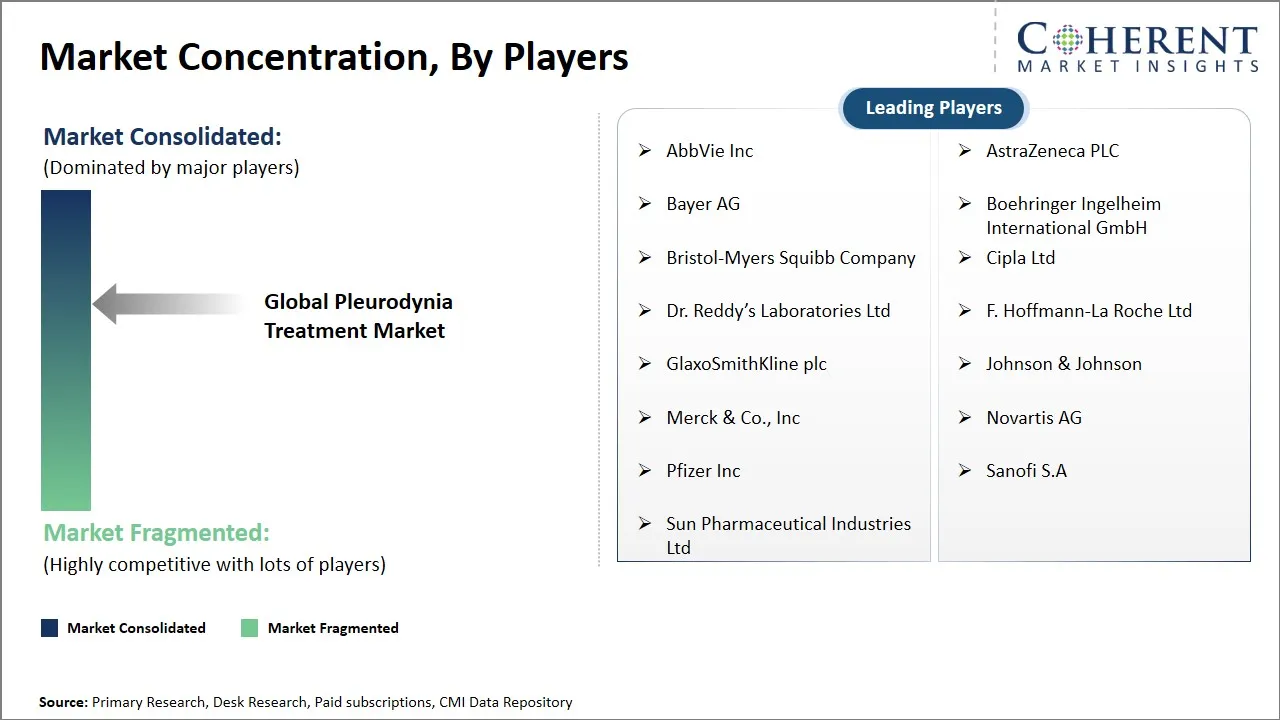
| Companies covered: | AbbVie Inc, AstraZeneca PLC, Bayer AG, Boehringer Ingelheim International GmbH, Bristol‑Myers Squibb Company, Cipla Ltd, Dr. Reddy’s Laboratories Ltd, F. Hoffmann‑La Roche Ltd, GlaxoSmithKline plc, Johnson & Johnson, Merck & Co., Inc, Novartis AG, Pfizer Inc, Sanofi S.A, and Sun Pharmaceutical Industries Ltd | ||
| Growth Drivers: |
| ||
| Restraints & Challenges: |
| ||
Market Dynamics
Pleurodynia Treatment Market Driver - Rising Investments in Pharmaceutical R&D for Novel Treatment Options
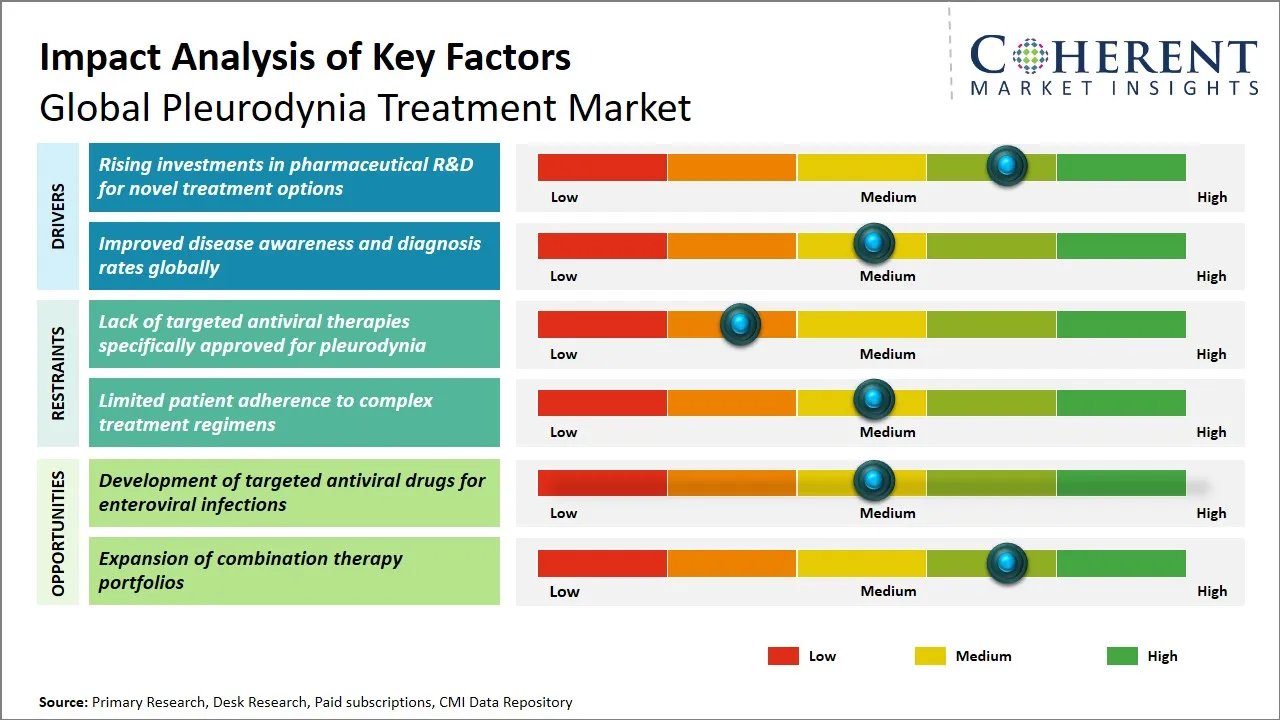
The growing investment in pharmaceutical research and development is a major contributor to the growth of pleurodynia treatment. The pharmaceutical firms and research institutions are spending a lot to determine new therapeutic modalities that will cope with the underlying viral etiology and symptomatic relief of pleurodynia. This influx of R&D spending is making it easier to develop specific antiviral drugs, better painkillers, and combination therapies which are more effective and have less side effects than the traditional therapies. Also, the incorporation of the latest technologies including molecular biology, genomics, and bioinformatics is speeding up the discovery of new drug targets as well as improving the clinical trial designs, thus reducing the development cycle of new drugs.
Pleurodynia Treatment Market Opportunity - Development of Targeted Antiviral Drugs for Enteroviral Infections
One of the biggest opportunities in the global pleurodynia treatment market is the creation of specific antiviral medications that are tailor-made to tackle enteroviral infections, the biggest cause of pleurodynia. Existing treatment options mainly emphasize on symptomatic management as opposed to targeting the viral etiology directly, which poses a significant unexpressed medical gap. The progress in molecular biology and virology has led to the understanding of the various processes of enterovirus replication, which has helped drug manufacturers be innovative and come up with antiviruses capable of suppressing the growth of the virus. This focused strategy will have a potential of minimizing the period, severity and complications of pleurodynia.
For instance, in December 2025, researchers at the University of Maryland Baltimore County identified a conserved RNA‑protein interaction present across multiple enteroviruses, presenting a promising target for broad‑spectrum enterovirus antivirals, which may accelerate development of targeted antiviral drugs against enteroviral infections.
Analyst Opinion (Expert Opinion)
- Global pleurodynia treatment market is steadily growing with its growth driven by the presence of factors like the growing prevalence of viral infections, especially the ones caused by enteroviruses, like Coxsackie B, which in turn dramatically increases the demand of symptom management solutions. There are also earlier onset of diagnosis and early treatment of pleurodynia due to advancement in diagnostic technology and this is treating patients even better. Also, the increasing access to healthcare in new markets, along with increased awareness of the viral diseases, is widening the footprint of the market. With the continued improvement of healthcare systems in some areas of the globe such as the Asian Pacific and the Latin America, there is an increased demand of cheaper and effective ways of treatment and this presents an opportunity of growth, particularly in the areas of pain management therapies such as analgesics and anti-inflammatory medications.
- There are also a number of conferences that occurred in the recent past which have defined the future of the pleurodynia treatment market which offer good platforms of sharing knowledge and policy making. Among the events, the Global Health Forum of the World Health Organization (2023) and the International Society of Infectious Diseases Conference (2024) were noticeable occasions where specialists talked about the development of the treatment of viral infections and diagnostic methods. Such conferences developed the discourse on how the global access to healthcare could be better, many governments declared to collaborate to work towards simplifying the diagnostics and to develop new treatments of pleurodynia and other viral diseases.
Speak to the analyst
Want personalized insights?
Take the findings above to one of our principal consultants, or have the report rebuilt around the segments, geographies and competitors you actually track.
Market Segmentation
- Treatment Modality Insights (Revenue, USD Mn, 2021 - 2033)
- Pharmacological Therapies
- Analgesics
- Non‑Steroidal Anti‑Inflammatory Drugs (NSAIDs)
- Antiviral Agents
- Muscle Relaxants
- Corticosteroids
- Non‑Pharmacological Therapies
- Physical Therapy
- Pain Management Procedures
- Supportive Care (Rest, Hydration)
- Combination Therapies
- Pharmacological + Non‑Pharmacological
- Pharmacological Therapies
- Symptoms Insights (Revenue, USD Mn, 2021 - 2033)
- Chest Pain
- Fever
- Cough
- Headache
- Sore Throat
- Muscular Aches and Pains
- Patient Type Insights (Revenue, USD Mn, 2021 - 2033)
- Adult
- Geriatric
- Pediatric
- Healthcare Setting Insights (Revenue, USD Mn, 2021 - 2033)
- Hospital
- Ambulatory/Outpatient Clinics
- Home Healthcare
- Distribution Channel Insights (Revenue, USD Mn, 2021 - 2033)
- Hospital Pharmacies
- Retail Pharmacies
- Online Pharmacies
- End User Insights (Revenue, USD Mn, 2021 - 2033)
- Healthcare Providers
- Hospitals
- Clinics
- Patients/Consumers
- Regional Insights (Revenue, USD Mn, 2021 - 2033)
- North America
- U.S.
- Canada
- Latin America
- Brazil
- Argentina
- Mexico
- Rest of Latin America
- Europe
- Germany
- U.K.
- Spain
- France
- Italy
- Russia
- Rest of Europe
- Asia Pacific
- China
- India
- Japan
- Australia
- South Korea
- ASEAN
- Rest of Asia Pacific
- Middle East
- GCC Countries
- Israel
- Rest of Middle East
- Africa
- South Africa
- North Africa
- Central Africa
- North America
- Key Players Insights
- AbbVie Inc
- AstraZeneca PLC
- Bayer AG
- Boehringer Ingelheim International GmbH
- Bristol‑Myers Squibb Company
- Cipla Ltd
- Reddy’s Laboratories Ltd
- Hoffmann‑La Roche Ltd
- GlaxoSmithKline plc
- Johnson & Johnson
- Merck & Co., Inc
- Novartis AG
- Pfizer Inc
- Sanofi S.A
- Sun Pharmaceutical Industries Ltd
Source
Primary Research Interviews
- Industry Stakeholders List
- Health professionals (e.g., physicians, healthcare providers)
- Pharmaceutical companies
- End-users List
- Hospitals and clinics
- Patients (via surveys and focus groups)
Government and International Databases
- World Health Organization (WHO)
- Centers for Disease Control and Prevention (CDC)
- European Medicines Agency (EMA)
- U.S. Food and Drug Administration (FDA)
- National Institutes of Health (NIH)
- Health Canada
Trade Publications
- The Pharmaceutical Journal
- Clinical Infectious Diseases
- Drug Development & Delivery
- Journal of Clinical Virology
- Medscape
- Pharmaceutical Technology
Academic Journals
- Journal of Infectious Diseases
- Lancet Infectious Diseases
- Pediatric Infectious Disease Journal
- Journal of Clinical Microbiology
- European Journal of Clinical Microbiology & Infectious Diseases
- Journal of Antimicrobial Chemotherapy
Reputable Newspapers
- The New York Times
- The Guardian
- The Washington Post
- BBC News
- Reuters Health
- Financial Times
Industry Associations
- Infectious Diseases Society of America (IDSA)
- American Medical Association (AMA)
- European Society of Clinical Microbiology and Infectious Diseases (ESCMID)
- American Society for Microbiology (ASM)
- World Federation of Infectious Diseases (WFID)
- International Society of Infectious Diseases (ISID)
Public Domain Resources
- ClinicalTrials.gov
- Data.gov
- National Center for Biotechnology Information (NCBI)
- Global Health Observatory (WHO)
- U.S. National Library of MedicineTop of Form
Proprietary Elements
- CMI Data Analytics Tool: Proprietary analytics tool to analyze real-time market trends, consumer behavior, and technology adoption in market
- Proprietary CMI Existing Repository of Information for Last 8 Years
Get access to 250+ pages report
Every segment, forecast, competitor profile and data table behind the analysis above — available for instant download.
- ESOMAR Member
- ISO 9001:2015 Certified
- D-U-N-S Registered
- GDPR & CCPA Compliant
Missing comfort of reading report in your local language? Find your preferred language:
Transform your Strategy with Exclusive Trending Reports
Frequently Asked Questions
The global pleurodynia treatment market is estimated to be valued at USD 161.1 million in 2026 and is expected to reach USD 240.6 million by 2033.
The CAGR of global pleurodynia treatment market is projected to be 5.9% from 2026 to 2033.
Rising investments in pharmaceutical R&D for novel treatment options and improved disease awareness and diagnosis rates globally are the major factors driving the growth of the global pleurodynia treatment market.
Lack of targeted antiviral therapies specifically approved for pleurodynia and limited patient adherence to complex treatment regimens are the major factors hampering the growth of the global pleurodynia treatment market.
In terms of treatment modality, pharmacological therapies are estimated to dominate the market revenue share in 2026.
Hospitals and clinics represent the primary end use segment due to acute symptom management and clinical diagnosis needs.
No, treatment remains primarily symptomatic (analgesics, anti inflammatories) as there are no widely approved targeted antivirals specifically for pleurodynia.