
Flat 45% off this market research report
Nov 26 – 29 · Direct purchase only · Not applicable to customized reports

Pressure Ulcer Treatment Market Size and Share Analysis- 2026 To 2033
The Pressure Ulcer Treatment Market size is anticipated to grow at a CAGR of 5.67% with USD 6.31 Bn in 2026 and is expected to reach USD 9.28 Bn in 2033. The primary drivers are largely defined by the rising prevalence of pressure ulcers, increasing geriatric population, growing incidence of chronic diseases and prolonged immobility, and wider adoption of advanced wound care dressings, pressure redistribution devices, and negative pressure wound therapy. According to the Agency for Healthcare Research and Quality (AHRQ), more than 2.5 million individuals develop pressure ulcers annually in the U.S., highlighting the growing need for effective wound management solutions, specialized treatment products, and improved patient care across hospitals, long-term care facilities, and home healthcare settings.
Key Takeaways of the Global Pressure Ulcer Treatment Market
- The Active Wound Care Therapies segment will account for 21.5% of the global pressure ulcer treatment market share in 2026. The segment is being driven by the increasing demand for advanced therapeutic solutions for promoting tissue regeneration and wound healing, especially in patients suffering from severe and hard-to-heal pressure ulcers. According to the Wound Healing Society’s 2023 pressure ulcer treatment guidelines, published in 2024. Growth factor therapy may be used for pressure ulcers that do not respond to conventional therapy.
- Stage II is expected to account for 33.0% of the market share by 2026. The growth of the segment is attributable to the high incidence of Stage II pressure ulcers and increasing demand for early wound management. In a study published in BMJ Open in May 2025, authors analyzed the participating healthcare centers and reported that Stage II pressure ulcers were the most common at 64.1% of cases.
- Hospitals & Clinics segment is anticipated to have a market share of 56.5% in 2026. The growth of the segment is due to the growing demand for specialized wound management, surgical debridement and continuous patient monitoring. The Agency for Healthcare Research and Quality (AHRQ) 2025 Pressure Injury Chartbook reports that medical devices have been found to be responsible for more than 30% of hospital-acquired pressure injuries.
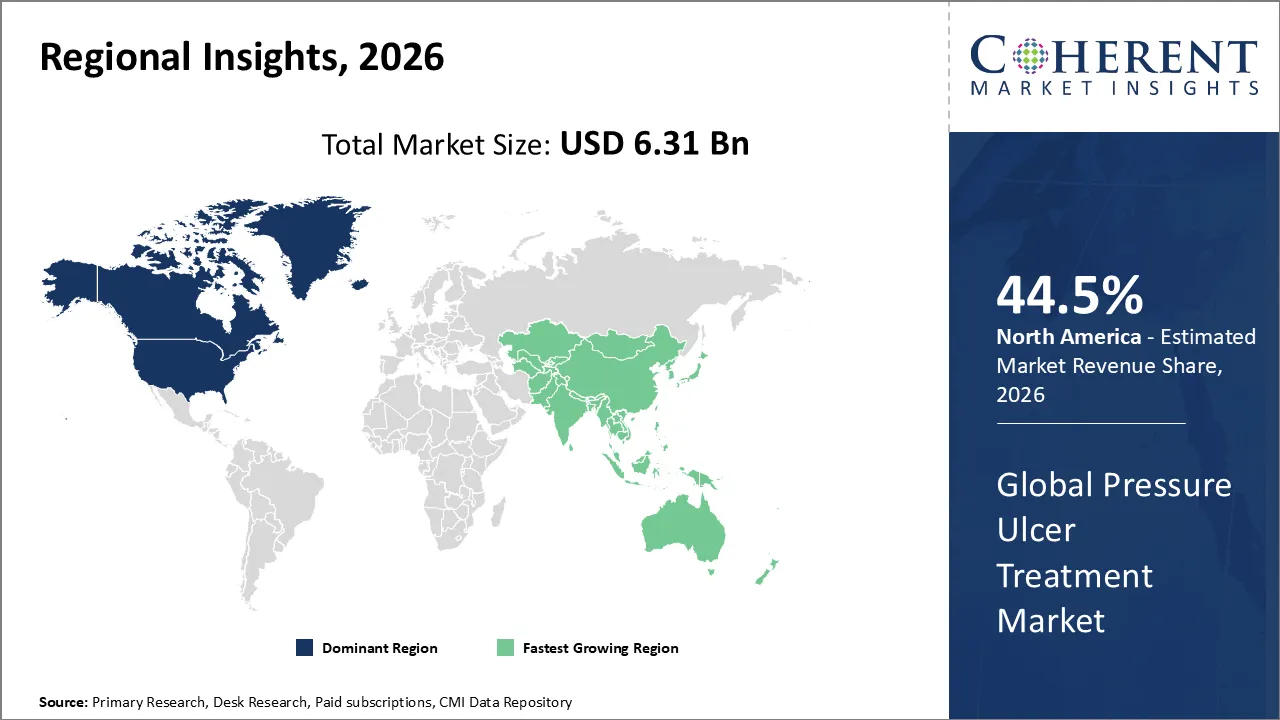
- North America is projected to lead the pressure ulcer treatment market with a market share of 44.5% by 2026. The increasing geriatric population and the presence of developed infrastructure for wound management are driving the growth of the regional market. On June 26, 2025, the U.S. Census Bureau announced that in 2024 the population of Americans aged 65 years and older increased by 3.1% to 61.2 million.
- Asia Pacific is expected to be the fastest growing region, with a market share of 24.0% in 2026. The regional market is projected to grow rapidly owing to demographic aging and rising demand for long-term healthcare services. As per the United Nations Economic and Social Commission for Asia and the Pacific (ESCAP), the region had around 516 million aged 65 years and above in 2025, which represented 10.8% of its total population.
Segmental Insights
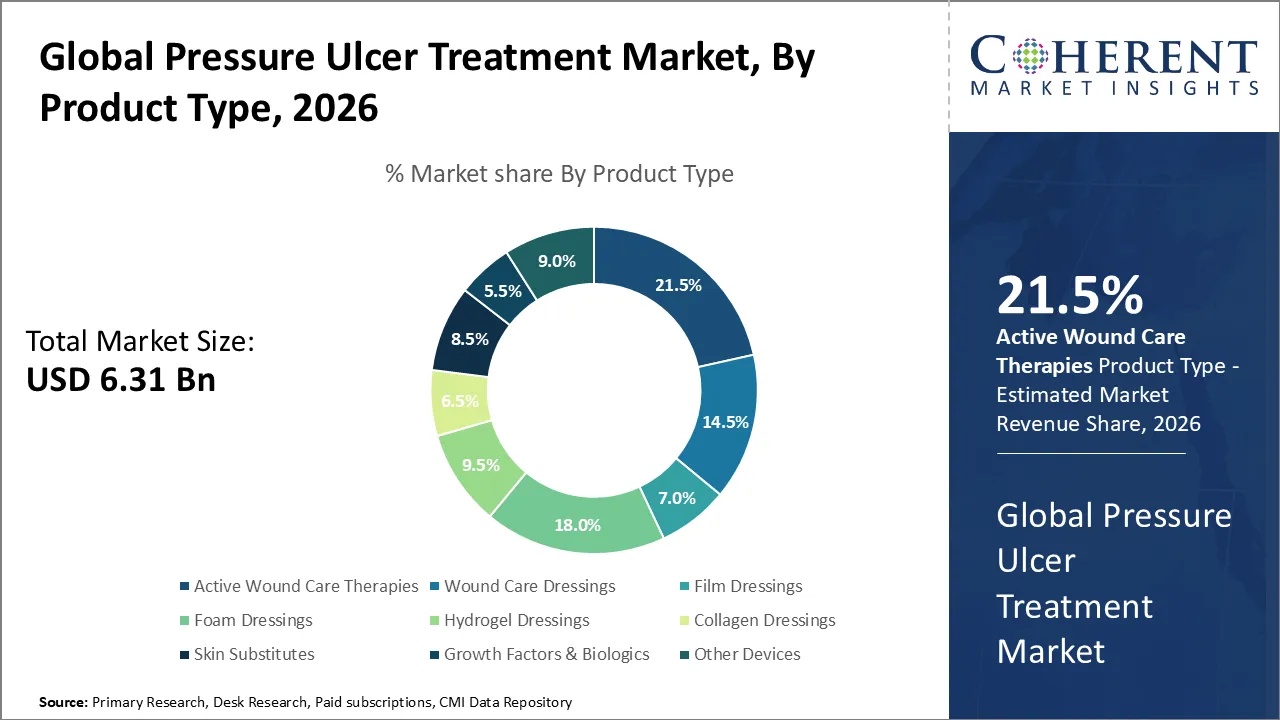
Why Do Active Wound Care Therapies Dominate the Global Pressure Ulcer Treatment Market?
Active wound care therapies segment is expected to have 21.5% share of global pressure ulcer treatment market in 2026. Growing demand for sophisticated therapeutic solutions that aid in tissue regeneration and expedite wound healing is propelling the growth of the segment. Active wound care therapies such as skin substitutes, growth factors and biologics are useful in the management of complex and chronic pressure ulcers that do not respond adequately to conventional wound dressings. These therapies are useful to stimulate cell proliferation, tissue repair and closure of wound. Other factors contributing to the adoption of active wound care therapies include the rising prevalence of chronic wounds and the increasing focus on reducing the duration of treatment and associated healthcare costs.
In November 2026, a systematic review and meta-analysis indexed in PubMed reported that autologous blood-derived regenerative therapies such as platelet-rich plasma, platelet-rich fibrin and other platelet concentrates improved complete healing in several chronic ulcer types including pressure injuries. The sensitivity analysis without two treatment-specific trials showed that the odds of complete wound healing were 2.09 times higher than for control treatments.
- Current Industry Events of 2026
- Market Size Estimation
- Regional Breakdown
- Competitive Landscape
- Customer Intelligence
- Segmental Analysis
- Pricing Analysis
- Key Market Drivers, Challenges & Future Trends
- Customized Insights Section
Stage II Dominates the Global Pressure Ulcer Treatment Market
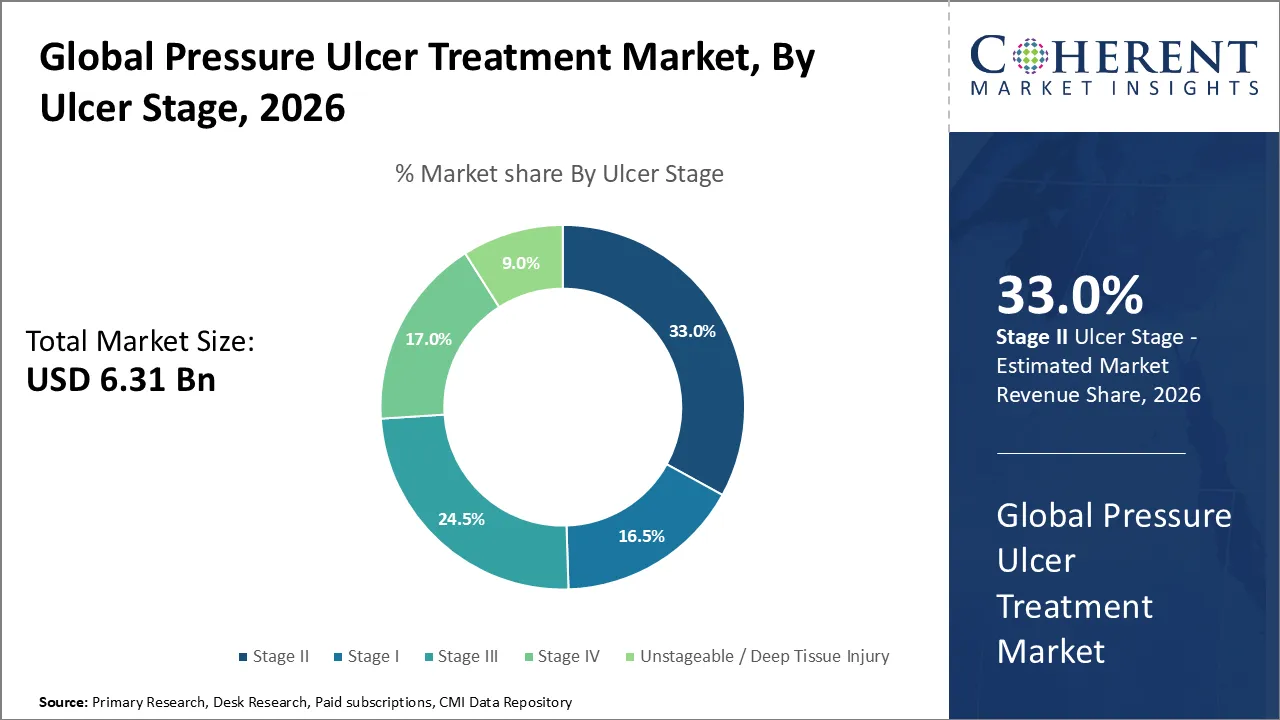
The Stage II segment is projected to hold 33.0% of the global pressure ulcer treatment market share by 2026. The segment growth is attributed to the high occurrence of Stage II pressure ulcers in the elderly, bedridden, and mobility-impaired patients. Stage II pressure ulcers are partial-thickness skin loss that requires adequate wound management to prevent progression to more severe stages. Healthcare professionals often use foam dressings, hydrocolloid dressings and other moisture-retentive wound care products, to protect exposed tissue and promote healing.
In 2026, a PubMed-indexed prospective cohort study evaluating post-discharge healing of hospital-acquired pressure injuries identified 246 pressure injuries, with 47.6% (117 injuries) classified as Stage II. These findings demonstrate the extent of treatment needs of stage II pressure ulcers.
Hospitals & Clinics Dominate the Global Pressure Ulcer Treatment Market
The hospitals & clinics segment is anticipated to hold 56.5% of the global pressure ulcer treatment market share by 2026. The segment growth is attributed to the rising number of patients who require hospitalization for intensive care, long-term bed rest, and post-operative recovery. Hospitals and clinics offer specialized wound management services, which include wound assessment, surgical debridement, infection management, advanced dressing applications and regenerative therapies. These facilities effectively manage complex pressure ulcers because of the presence of multidisciplinary healthcare teams and advanced medical infrastructure.
On June 29, 2026, a multicenter epidemiological study among hospitalized adults in Oman reported a pressure injury point prevalence of 8.7% and prevalence of hospital acquired pressure injuries of 4.2%. These results highlight the high demand for specific management of pressure ulcers in hospital environments.
Current Events and Their Impact on the Pressure Ulcer Treatment Market (regulatory shifts, government policies)
Current Event | Description and its Impact |
U.S. CMS Updates Hospital Harm – Pressure Injury Quality Reporting Measures (2026) |
|
Australia Implements Strengthened Aged Care Quality Standards Under the New Aged Care Act (November 2025) |
|
Pressure Ulcer Treatment Market Dynamics
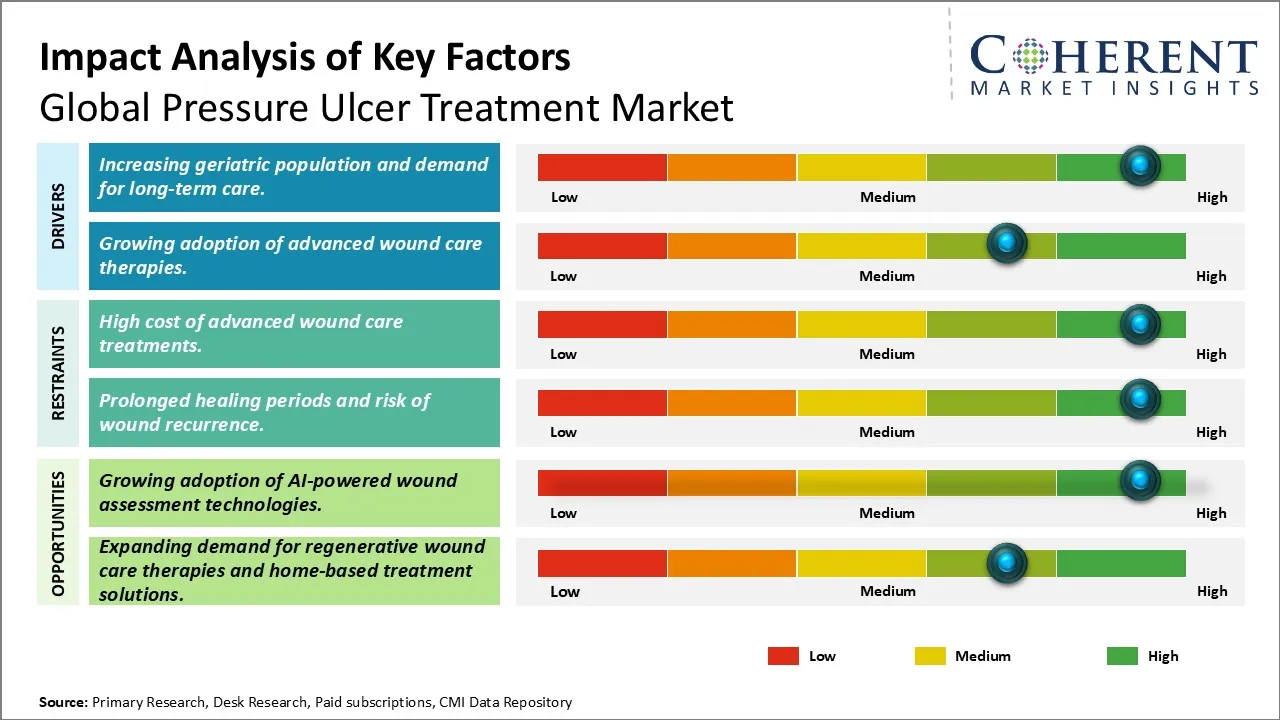
Market Drivers
- Aging population and increasing demand for long-term care: Global pressure ulcer treatment market growth is driven by factors such as the rapidly increasing geriatric population. In old age, loss of skin elasticity, impaired blood circulation, limited mobility and reduced regenerative capacity of tissues increase the risk of development of pressure ulcers. Older patients living in nursing homes, assisted living facilities and home health care often require specialized medical care and long-term wound care. The growing incidence of age-related disabilities and dependence on caregivers is fueling the demand for advanced wound dressings, pressure relieving mattresses, skin substitutes and therapeutic wound care products. Moreover, the growth of long-term care infrastructure and surge in healthcare expenditure on elderly care is also driving the adoption of specialized pressure ulcer treatment solutions.
- According to U.S. Census Bureau data, the global 65-year-old population will rise from 10.5% in 2025 to 19.6% in 2060. For the first time globally, older adults outnumbered children under five in 2025, indicating rising demand for geriatric healthcare and long-term wound management.
- Increasing use of advanced therapeutic technologies in treatment of pressure ulcers: The global pressure ulcer treatment market is growing because of the rising demand for effective treatments for chronic and hard-to-heal pressure ulcers. For patients with extensive tissue damage and delayed tissue regeneration, traditional wound care may be not enough. Advanced therapeutic technologies such as electrical stimulation, negative pressure wound therapy, and bioactive wound care products that facilitate tissue repair and wound closure. Therefore, healthcare providers are increasingly adopting specialized treatment modalities apart from the conventional wound management protocols to improve the clinical outcomes. In addition, increasing clinical research and increasing availability of therapeutic devices is helping the adoption of advanced pressure ulcer treatment solutions.
- On May 7, 2026, a study published in the journal Healthcare used data from a 14-day randomized crossover trial to find that electrical stimulation therapy accelerated short-term pressure injury healing by 0.128 cm2 per day (p = 0.008). These findings suggest potential clinical benefits of integrating advanced therapeutic technologies into pressure ulcer management protocols.
Pressure Ulcer Treatment Market Trends
- The growing trend for managing wounds at home is boosting demand for portable therapeutic devices, easy-to-use wound dressings and remote wound monitoring solutions that can reduce the need for long hospital stays.
- Increasing number of bioactive hydrogel formulations is driving innovations in pressure ulcers management by combining moisture management and therapeutic wound healing properties. In a randomized controlled trial published in December 2025, the median healing time for patients treated with heparin hydrogel was 7 days, compared to 10 days for patients treated with conventional hydrocolloid dressings.
- Machine learning has been increasingly being applied to standardize the categorization and assessment of pressure ulcers to assist in clinical decision-making. A hybrid AI model improved agreement in pressure injury staging from 61.9% to 85.7%, and reduced mean absolute wound area measurement error from 15.22 cm² to 5.29 cm², in a study published August 5 in the International Wound Journal.
Regional Insights
Why is North America a Strong Market for Pressure Ulcer Treatment?
North America is projected to lead the global pressure ulcer treatment market with a share of 44.5% in 2026. The region is well-equipped with healthcare infrastructure, high healthcare expenditure, established reimbursement mechanisms for wound care products and widespread availability of specialized wound management services. The use of advanced wound dressings, negative pressure wound therapy, skin substitutes and pressure redistribution devices to manage complex pressure ulcers is growing among healthcare providers in the U.S. and Canada. The presence of established wound care manufacturers, specialized treatment centers, and multidisciplinary clinical teams are other factors in the growth of the regional market.
A retrospective study published in the Journal of Wound, Ostomy and Continence Nursing in 2026 analyzed approximately 3.9 million wound assessments of 937,363 residents in North American skilled nursing facilities and reported that the prevalence of deep tissue pressure injuries remained at 6.2% during 2022–2023.
Why Does the Asia Pacific Pressure Ulcer Treatment Market Exhibit High Growth?
Asia Pacific is expected to register the fastest growth over the forecast period, accounting for 24.0% of the global pressure ulcer treatment market in 2026. Rapidly aging populations, expanding hospital infrastructure, increasing healthcare expenditure, and improving accessibility to specialized wound care services in the region are driving the regional market. Countries such as China, Japan and India are seeing a rise in the demand for chronic wound management due to age-related mobility limitations, diabetes and prolonged hospitalization. The growing number of long-term care facilities in China and existing elderly care infrastructure in Japan are driving demand for specialized pressure ulcer treatment products.
On August 27, 2026, a multicenter study published in Frontiers in Medicine reported the prevalence of medical device-related pressure injuries at 12.4 among 11 long-term care facilities in Xiamen, China. “These findings highlight the clinical burden of pressure injuries in long-term care settings and the increasing need for specialized wound management products in Asia Pacific.
Global Pressure Ulcer Treatment Market Outlook for Key Countries
Why is the U.S. Emerging as a Major Hub in the Pressure Ulcer Treatment Market?
The U.S. pressure ulcer treatment market is driven by the availability of advanced wound care infrastructure, well-established healthcare reimbursement mechanisms and growing focus on managing hospital-acquired pressure injuries. Hospitals, skilled nursing facilities and specialized wound care centers are using advanced dressings, regenerative therapies and negative pressure wound therapy in treating complex pressure ulcers. In August 2026, the U.S. Department of Veterans Affairs and Department of Defense published clinical practice guidelines for the prevention and management of pressure injuries, noting that pressure injuries impact nearly 3 million people in the U.S. The growing emphasis on standardized treatment pathways, clinical assessment and multidisciplinary wound management will probably boost demand for specialist therapeutic products and advanced wound care technologies.
Is China the Next Growth Engine for the Pressure Ulcer Treatment Market?
China's pressure ulcer treatment market is driven by the rapid demographic aging, increasing chronic disease burden, and the increasing access to specialized healthcare services. In January 2026, a study published in the International Wound Journal reported that the estimate number of individuals with pressure injuries in China increased from about 42,840 in 1990 to 102,939 in 2021, with prevalence increasing from 3.6 to 7.2 per 100,000 population. Expanding elderly care infrastructure and improving access to affordable wound care products are expected to create significant commercial opportunities for domestic and international manufacturers.
Germany Pressure Ulcer Treatment Market Analysis and Trends
Germany’s pressure ulcer treatment market is shaped by established hospital quality reporting requirements, reimbursement structures, and the economic burden associated with prolonged hospitalization. Specialized wound management is gaining more attention from healthcare institutions as a means of improving patient outcomes and optimizing hospital resources. In 2021, German hospitals treated 395,980 cases of pressure ulcers, and a 2024 study estimated that more than 82,000 of them were hospital-acquired. The financial burden of prolonged hospitalization is leading healthcare providers to adopt efficacious wound dressings, therapeutic support surfaces and specialized treatment protocols.
U.K. Pressure Ulcer Treatment Market Analysis and Trends
The U.K. pressure ulcer treatment market is driven by patient safety initiatives of the National Health Service (NHS), standardized wound care practices, and increasing demand for community-based healthcare services. The total number of pressure ulcer incidents in Gloucestershire Health and Care NHS Foundation Trust increased from 2,270 in 2023 to 2024 to 3,166 in 2025 to 2026 in November 2026. These developments are pushing healthcare institutions to enhance wound assessment, therapeutic intervention and pressure management practice. Suppliers offering clinically validated wound dressings, pressure-relieving equipment, and digital wound monitoring solutions are expected to benefit from these healthcare priorities.
Japan Pressure Ulcer Treatment Market Analysis and Trends
Japan’s pressure ulcer treatment market is driven by increasing elderly care requirements, established nursing care infrastructure, and growing emphasis on standardized wound assessment. A study published on February 20, 2026, in the Japanese Journal of Pressure Ulcers, across 15 small- and medium-sized hospitals, showed a median pressure injury prevalence of 4.3% and a median estimated incidence rate of 1.4%. The findings suggest opportunities for manufacturers of advanced wound care products, standardized wound assessment technologies and easy-to-use therapeutic solutions.
How is the Adoption of AI-Powered Wound Assessment Technologies Creating New Growth Opportunities in the Pressure Ulcer Treatment Market?
Growth opportunities are being generated by the adoption of artificial intelligence-powered wound assessment and digital monitoring technologies in the global pressure ulcer treatment market. These technologies allow healthcare professionals to measure the size of wounds, determine the stages of pressure ulcers, assess tissue conditions and monitor the progress of healing. Hospitals, long-term care facilities and home health care providers are looking to digital wound management platforms more and more to help improve treatment decisions and reduce inconsistencies associated with manual assessments. The integration of artificial intelligence with smartphone imaging, electronic health records, and remote patient monitoring systems can enable customized treatment planning and timely clinical intervention. Manufacturers can differentiate their products through automated wound measurements, predictive healing analytics and integration with advanced wound care products.
For instance, in June 2026, a controlled pilot intervention study published in the International Journal of Nursing Studies Advances evaluated an AI-based application designed to support pressure injury assessment, nursing care, and clinical documentation.
Market Players, Key Development, and Competitive Intelligence
Key Developments
- In October 2026, Solventum Corporation announced that the combined use of Restrata Matrix and Solventum V.A.C. Therapy has received U.S. FDA 510(k) clearance. A synthetic resorbable tissue matrix in combination with negative pressure wound therapy may support tissue regeneration and wound healing.
- In July 2026, Mölnlycke Health Care said it would introduce three new product innovations in the U.S., including the Granudacyn Wound Wash Solution and Tortoise Lite Turning and Positioning System. The products help with wound cleansing, patient repositioning and pressure redistribution in acute and long-term care settings.
Competitive Landscape
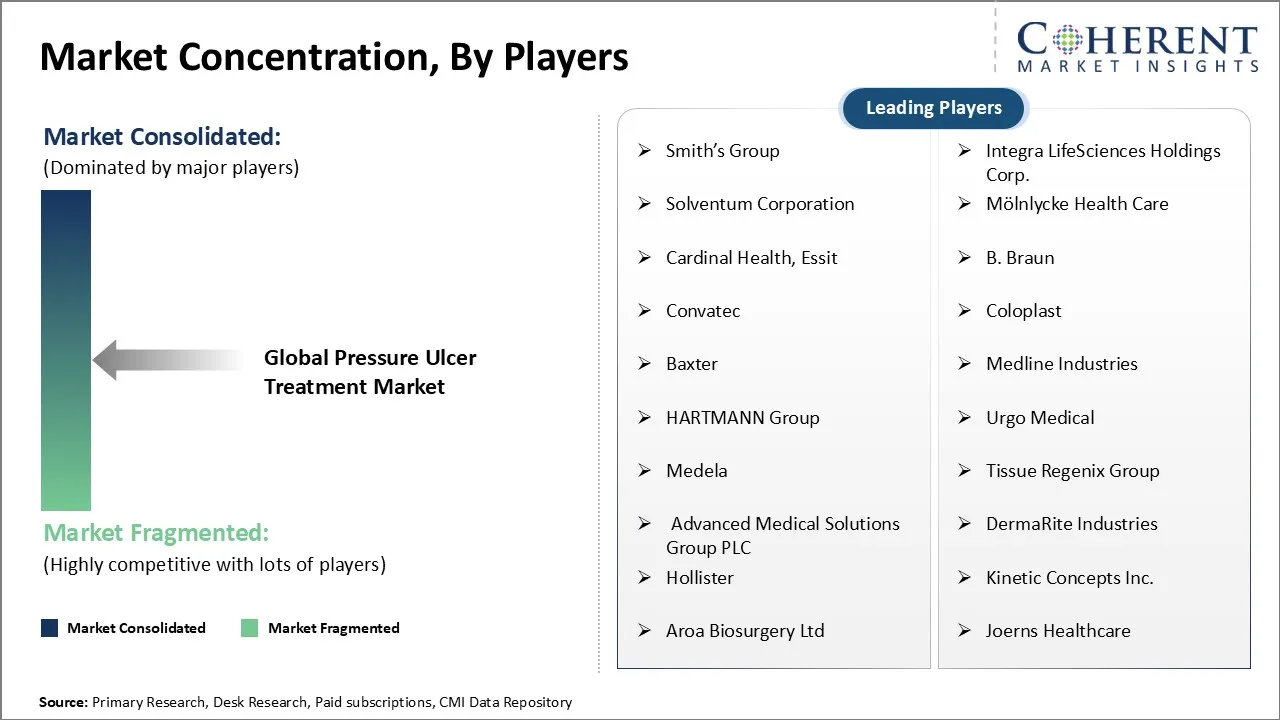
The global pressure ulcer treatment market is dominated by established wound care companies that compete on the basis of product innovation, clinical efficacy and distribution capabilities. Solventum is expanding its market presence with V.A.C. negative pressure wound therapy systems and advanced wound dressings. Mölnlycke Health Care is committed to Mepilex silicone foam dressings and solutions for the management of pressure injury. Convatec has dressings like AQUACEL and ConvaFoam to manage exudate and get wounds healing fast. Coloplast is a specialist in Biatain foam dressings and HARTMANN Group has advanced hydroactive and super absorbent wound dressings. Smith+Nephew has expanded its portfolio to include ALLEVYN dressings and RENASYS negative pressure wound therapy systems. Competitive differentiation increasingly depends on clinical outcomes, treatment cost-effectiveness, patient comfort, regenerative technologies, and expanding product accessibility across hospitals, long-term care facilities, and home healthcare settings.
Top Manufacturers and Notable Products/Solutions in the Pressure Ulcer Treatment Market
Company/Manufacturer | Notable Product/Brand | Key Features |
Solventum Corporation | V.A.C. Therapy | Negative pressure wound therapy, controlled exudate removal, wound contraction, granulation tissue formation, and maintenance of a moist wound healing environment |
Mölnlycke Health Care | Mepilex Border Flex | Multilayer silicone foam dressing, Safetac adhesive technology, effective exudate management, minimized skin trauma, and moist wound healing |
Convatec | AQUACEL Ag+ Extra | Antimicrobial Hydrofiber technology, ionic silver, bacterial biofilm disruption, high exudate absorption, and wound infection management |
Coloplast | Biatain Silicone | Soft silicone adhesive, conformable foam dressing, vertical exudate absorption, reduced maceration risk, and atraumatic dressing removal |
HARTMANN Group | HydroClean Plus | Hydro-responsive wound dressing, continuous wound cleansing, absorption of wound exudate, autolytic debridement support, and moist wound healing |
Market Report Scope
Pressure Ulcer Treatment Market Report Coverage
Report Coverage | Details | ||
Base Year: | 2025 | Market Size in 2026: | USD 6.31 Bn |
Historical Data for: | 2020 to 2024 | Forecast Period: | 2026 to 2033 |
CAGR: | 5.67% | 2033 Value Projection: | USD 9.28 Bn |
Geographies covered: |
| ||
Segments covered: |
| ||
Companies covered: | Smith’s Group, Integra LifeSciences Holdings Corp., Solventum Corporation, Mölnlycke Health Care, Cardinal Health, Essity, B. Braun, Convatec, Coloplast, Baxter, Medline Industries, HARTMANN Group, Urgo Medical, Medela, Tissue Regenix Group, Advanced Medical Solutions Group PLC, DermaRite Industries, Hollister, Kinetic Concepts Inc., Aroa Biosurgery Ltd, and Joerns Healthcare. | ||
Growth Drivers: |
| ||
Restraints & Challenges: |
| ||
Analyst Opinion (Expert Opinion)
- The future of the global pressure ulcer treatment market will be more focused on personalized wound management, regenerative therapies and digitally enabled treatment solutions instead of just conventional wound dressings. Advanced silicone foam dressings, bioactive wound matrices, skin substitutes and negative pressure wound therapy are anticipated to pick up momentum in the management of complex and difficult-to-heal pressure ulcers. The integration of digital wound assessment with therapeutic products will enable health care professionals to track the healing process and optimize treatment protocols.
- The biggest growth opportunities will be in advanced wound care therapies, geriatric healthcare and home-based wound management. The US offers a major commercial opportunity due to its established wound care infrastructure and specialized wound care centers. Germany and the UK offer opportunities through standardized clinical protocols and long-term care services. Increasing healthcare access in China, Japan, and India and growing aging population will drive rising demand. Manufacturers should try to develop inexpensive, easy-to-use products for the hospital, nursing home and home health care environment for wound care.
- Market players should differentiate their offerings on the basis of proven clinical effectiveness, affordability of treatment and measurable reductions in the overall cost of wound management. For instance, a study published in Advances in Skin & Wound Care in March 2025 reported that the average pressure injury treatment cost at a healthcare center in Spain increased from EUR 1,419.68 for Stage I to EUR 6,299.31 for Stage IV pressure injuries. These findings underscore the economic benefits of early intervention and effective treatment. Manufacturers should be targeting clinical evidence of improved wound closure, reduced frequency of dressing change and lower nursing workload. Strategic alliances with healthcare institutions, flexible pricing models, and expanded distribution networks can enhance product accessibility and solidify long-term market competitiveness.
Speak to the analyst
Want personalized insights?
Take the findings above to one of our principal consultants, or have the report rebuilt around the segments, geographies and competitors you actually track.
Market Segmentation
- By Product Type (Revenue, USD Bn, 2021-2033)
- Wound Care Dressings
- Film Dressings
- Foam Dressings
- Hydrogel Dressings
- Collagen Dressings
- Active Wound Care Therapies
- Skin Substitutes
- Growth Factors & Biologic
- Other Devices
- By Ulcer Stage (Revenue, USD Bn, 2021-2033)
- Stage I
- Stage II
- Stage III
- Stage IV
- Unstageable / Deep Tissue Injury
- By End User (Revenue, USD Bn, 2021-2033)
- Hospitals & Clinics
- Long-Term Care Facilities
- Home Care Settings
- Ambulatory Surgical Centers
- By Region (Revenue, USD Bn, 2021-2033)
- North America
- U.S.
- Canada
- Latin America
- Brazil
- Mexico
- Argentina
- Rest of Latin America
- Europe
- Germany
- U.K.
- France
- Italy
- Spain
- Russia
- Rest of Europe
- Asia Pacific
- China
- India
- Japan
- Australia
- South Korea
- ASEAN
- Rest of Asia Pacific
- Middle East
- GCC
- Israel
- Rest of Middle East
- Africa
- South Africa
- Central Africa
- North Africa
- North America
- Key Players
- Smith’s Group
- Integra LifeSciences Holdings Corp.
- Solventum Corporation
- Mölnlycke Health Care
- Cardinal Health
- Essit
- B. Braun
- Convatec
- Coloplast
- Baxter
- Medline Industries
- HARTMANN Group
- Urgo Medical
- Medela
- Tissue Regenix Group
- Advanced Medical Solutions Group PLC
- DermaRite Industries
- Hollister
- Kinetic Concepts Inc.
- Aroa Biosurgery Ltd
- Joerns Healthcare
Sources
Primary Research Interviews
- Wound care specialists and dermatologists
- Wound, ostomy, and continence nurses
- Geriatric medicine specialists
- Critical care physicians and surgeons
- Research and development heads from wound care product manufacturing companies
- Hospital and long-term care facility procurement managers
- Key opinion leaders (KOLs) in pressure ulcer management and regenerative wound care
Databases
- World Health Organization (WHO)
- World Bank
- Organisation for Economic Co-operation and Development (OECD)
- National Library of Medicine (PubMed)
- Agency for Healthcare Research and Quality (AHRQ)
- Centers for Medicare & Medicaid Services (CMS)
- U.S. Food and Drug Administration (FDA)
- ClinicalTrials.gov
- Healthcare Cost and Utilization Project (HCUP)
Magazines
- Wound Care Today
- WoundSource
- Today's Wound Clinic
- Wounds International
- McKnight’s Long-Term Care News
Journals
- International Wound Journal
- Journal of Wound Care
- Wound Repair and Regeneration
- Advances in Skin & Wound Care
- Journal of Wound, Ostomy and Continence Nursing
- Journal of Tissue Viability
- Advances in Wound Care
Newspapers
- The New York Times
- The Guardian
- The Wall Street Journal
- Financial Times
- The Economic Times
Associations
- National Pressure Injury Advisory Panel (NPIAP)
- European Pressure Ulcer Advisory Panel (EPUAP)
- Pan Pacific Pressure Injury Alliance (PPPIA)
- Wound Healing Society (WHS)
- European Wound Management Association (EWMA)
- Association for the Advancement of Wound Care (AAWC)
- Wound, Ostomy and Continence Nurses Society (WOCN)
- Japanese Society of Pressure Ulcers (JSPU)
Public Domain Sources
- Company Annual Reports and Investor Presentations
- Government Healthcare Expenditure and Epidemiological Publications
- Hospital-Acquired Pressure Injury Surveillance Reports
- Clinical Trial Publications and Systematic Reviews
- FDA Medical Device Clearances and Regulatory Publications
- National and International Pressure Ulcer Prevention and Treatment Guidelines
- Healthcare Reimbursement Policies and Procurement Reports
- Patent Databases such as WIPO, USPTO, and Google Patents
- Publicly Available Advanced Wound Care Product Catalogs and Clinical Evaluation Reports
Proprietary Elements
- CMI Data Analytics Tool
- Proprietary CMI Existing Repository of Information for the Last 10 Years
Get access to 250+ pages report
Every segment, forecast, competitor profile and data table behind the analysis above — available for instant download.
- ESOMAR Member
- ISO 9001:2015 Certified
- D-U-N-S Registered
- GDPR & CCPA Compliant
Frequently Asked Questions
The Pressure Ulcer Treatment Market is expected to reach USD 9.28 Bn in 2033, increasing from USD 6.31 Bn in 2026.
Major players operating in the global Pressure Ulcer Treatment Market include Smiths Group, Integra LifeSciences Holdings Corp., Solventum Corporation, Mölnlycke Health Care, Cardinal Health, Essity, B. Braun, Convatec, Coloplast, Baxter, Medline Industries, HARTMANN Group, Urgo Medical, Medela, Tissue Regenix Group, Advanced Medical Solutions Group PLC, DermaRite Industries, Hollister, Kinetic Concepts Inc., Aroa Biosurgery Ltd, and Joerns Healthcare.
The high cost of advanced wound care treatments, prolonged healing periods, and risk of wound recurrence are the key factors hampering growth of the market.
The increasing geriatric population, growing demand for long-term care, rising prevalence of pressure ulcers, and increasing adoption of advanced wound care therapies are driving market growth.
The Pressure Ulcer Treatment Market is anticipated to grow at a CAGR of 5.67% between 2026 and 2033.
North America is expected to dominate the global Pressure Ulcer Treatment Market, accounting for a market share of 44.5% in 2026.
Asia Pacific is expected to be the fastest-growing region, accounting for 24.0% of the global market share in 2026.