

Global Suppositories Market Size and Forecast – 2026 to 2033
The Global Suppositories Market is estimated to be valued at USD 1.95 Bn in 2026 and is expected to reach USD 3.33 Bn by 2033, exhibiting a compound annual growth rate (CAGR) of 7.9% from 2026 to 2033. This steady growth reflects increasing demand for targeted drug delivery systems that offer enhanced patient compliance and rapid therapeutic effects, particularly in regions with rising prevalence of chronic diseases and pediatric conditions.
Key Takeaways of the Global Suppositories Market
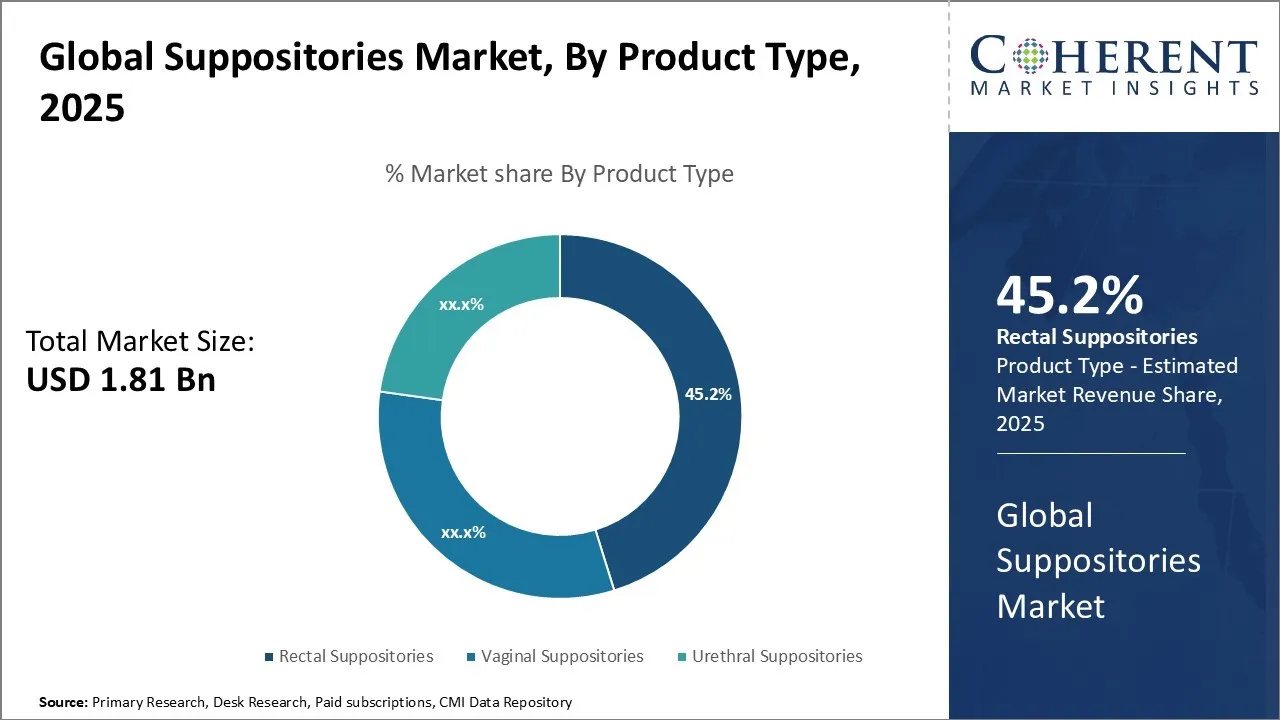
- By product type, rectal suppositories are expected to account for the largest share of the market at 46.2% in 2026.
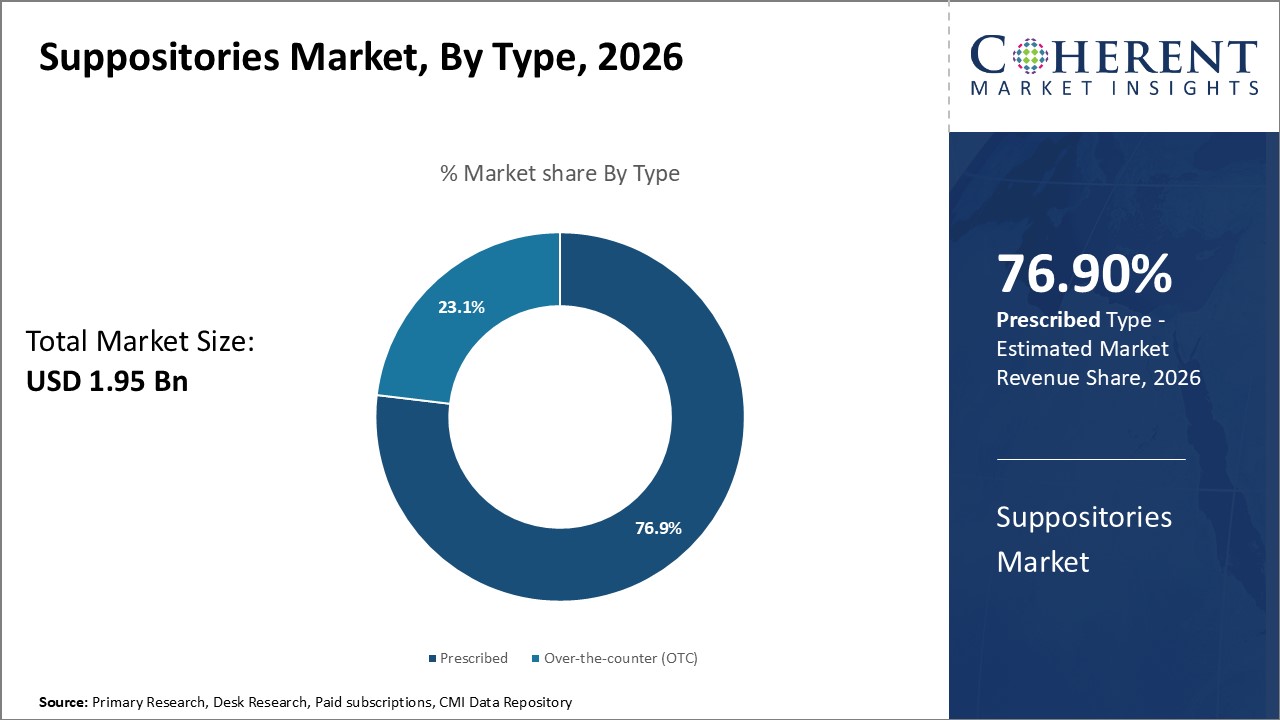
- Looking at type-based segmentation, prescribed suppositories represent an estimated 76.9% of the global market share in 2026.
- In terms of base material, oleaginous or fatty bases such as cocoa butter and hard fat dominate and are expected to hold 40.5% share in 2026.
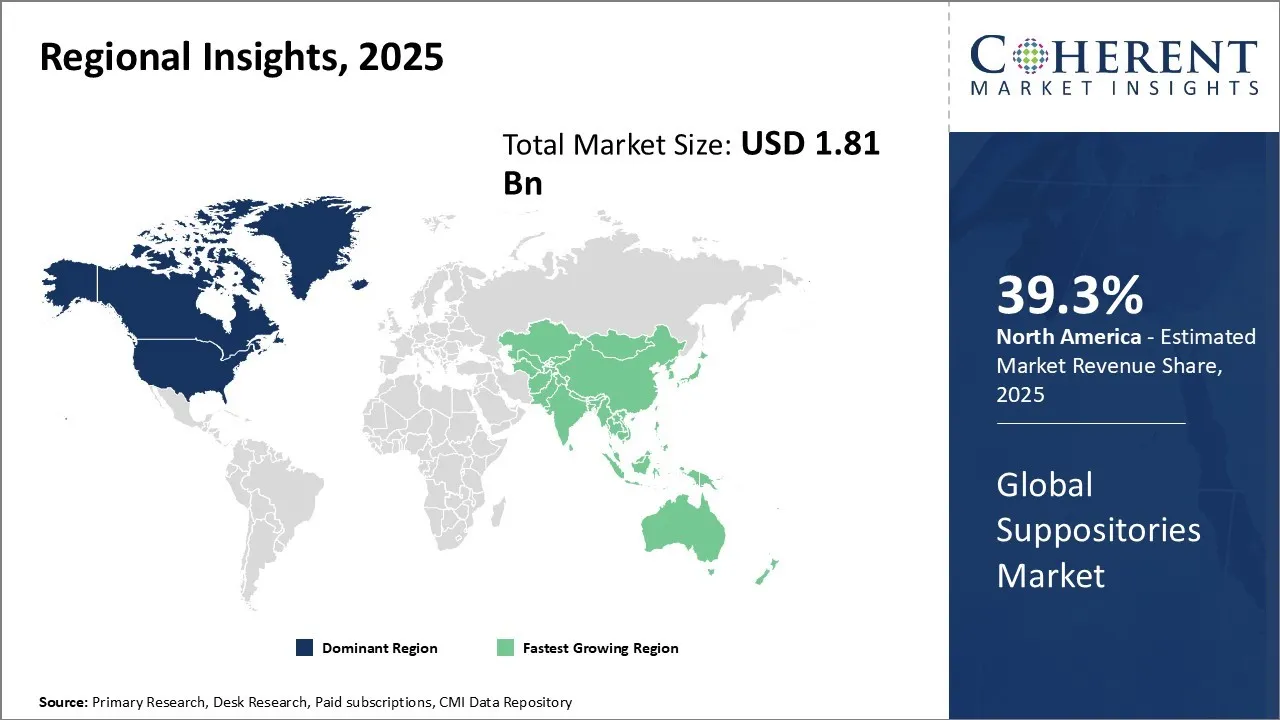
- North America is expected to lead the market, holding a share of 39.3% in 2026. Asia Pacific is anticipated to be the fastest-growing region, with a market share of 24.3% in 2026.
Market Overview
Current market trends indicate a significant shift towards the development of novel suppository formulations utilizing advanced polymers and natural excipients to improve drug bioavailability and minimize side effects. Additionally, increasing investments in research focused on pediatric and geriatric healthcare, along with growing awareness about suppository advantages over oral medications in certain clinical scenarios, are fueling market expansion. Technological advancements and rising adoption in emerging economies further underline the promising outlook for this market.
Currents Events and Their Impact
Current Events | Description and its impact |
Technological Advancements in Formulation |
|
Shift Towards Plant-Based and CBD Suppositories |
|
Segmental Insights
- Current Industry Events of 2026
- Market Size Estimation
- Regional Breakdown
- Competitive Landscape
- Customer Intelligence
- Segmental Analysis
- Pricing Analysis
- Key Market Drivers, Challenges & Future Trends
- Customized Insights Section
Suppositories Market Insights, By Product Type - Rectal Suppositories Segment’s Dominance is Driven by Versatility and Patient Comfort
In terms of product type, rectal suppositories are expected to hold the highest market share with 46.2% in 2026. This growth can be attributed primarily to rectal suppositories’ versatile applications and enhanced patient compliance. Rectal suppositories serve as an effective delivery method for drugs targeting local and systemic treatments, especially when oral administration is impractical due to gastrointestinal issues like nausea, vomiting, or swallowing difficulties. This versatility enables patients suffering from various conditions including constipation, hemorrhoids, infections, and fever to receive efficient therapy without compromising comfort.
The rectal route facilitates rapid absorption of active pharmaceutical ingredients because the rectal mucosa is rich in blood vessels, offering both local effects and systemic delivery through the avoidance of first-pass metabolism in the liver. This pharmacokinetic advantage makes rectal suppositories essential in emergency care and pediatric or geriatric medicine where prompt onset of action is critical.
In January 2025, Cristcot, a pharmaceutical company focused on innovative gastrointestinal treatments, announced positive Phase 3 results from its cessa trial of a new hydrocortisone acetate suppository delivered with the Sephure applicator for rectal ulcerative colitis.
Suppositories Market Insights, By Type - Strength of Prescribed Suppositories is Fueled by Medical Supervision and Therapeutic Precision
Within the type-based segmentation of the global suppositories market with an estimated share of 76.9% in 2026, prescribed suppositories account for the majority share, driven predominantly by the need for precise medical supervision and the administration of potent medications. Prescribed suppositories often contain active ingredients that necessitate dosage regulation and monitoring to avoid adverse effects, making professional healthcare guidance imperative. This factor distinctly elevates the reliance on prescribed formulations over over-the-counter (OTC) drugs variants, particularly in the treatment of serious or chronic conditions.
The growth of this segment is also reinforced by expanding pharmaceutical research and clinical applications where optimized dosing and targeted therapy are critical. Prescribed suppositories are commonly used in treating conditions such as hemorrhoids, severe constipation, infections, and hormone-related disorders where the risk-benefit ratio requires healthcare provider involvement. The prescription model ensures personalized treatment, minimizing misuse and maximizing efficacy through tailored formulations.
Suppositories Market Insights, By Base Material - Oleaginous/Fatty Bases Hold the Highest Market Share by Offering Superior Drug Stability and Patient Comfort
The base material classification of the suppositories market shows oleaginous or fatty bases such as cocoa butter and hard fat leading the segment with a projected share of 40.5% in 2026, an outcome rooted in their favorable physicochemical and biocompatible properties. Oleaginous/fatty bases offer excellent melting characteristics, typically solid at room temperature but melting at body temperature, allowing for smooth insertion and rapid drug release without irritation. This comfortable patient experience is crucial in driving acceptance, particularly among sensitive groups including pediatrics and elderly patients.
From a formulation perspective, fatty bases provide superior drug stability, particularly for active ingredients sensitive to moisture or degradation. These bases exhibit hydrophobicity, which shields the incorporated drug substance from aqueous environments, thereby extending shelf-life and preserving pharmacological efficacy. The lipid content inherent to these bases also facilitates the absorption of lipophilic drugs, enhancing bioavailability when compared to other base materials.
Regional Insights
North America Suppositories Market Analysis and Trends
North America’s dominance in the global suppositories market, with an estimated share of 39.3% in 2026, is primarily driven by a well-established healthcare infrastructure and a robust pharmaceutical industry. The presence of major pharmaceutical companies, such as Pfizer, Hikma Pharmaceuticals, and Mylan, which have significant research and production capabilities, reinforces the regional market strength. Additionally, stringent regulatory approvals and well-defined government policies supporting innovation in drug delivery systems foster market stability and growth. North America’s advanced distribution networks ensure efficient supply chain management, while high patient awareness and demand for novel therapeutics, including suppositories for pediatric and geriatric care, further consolidate its leading status.
In February 2024, VagiBIOM, a women’s health brand developing probiotic-based solutions, reported results from a randomized controlled trial showing its multi-Lactobacillus vaginal suppository significantly improved vaginal health in peri- and premenopausal women with bacterial vaginosis. Conducted with 66 participants, the study found that after four weeks of treatment, vaginal pH, itching, and Nugent scores decreased notably, while the vaginal health index improved. Researchers highlighted that VagiBIOM boosted Lactobacillus diversity, with species like L. hamsteri and L. helveticus playing key roles in restoring vaginal balance.
Asia Pacific Suppositories Market Analysis and Trends
Asia Pacific is projected to exhibit the fastest growth in the global suppositories market, fueled by expanding healthcare access, accounting for a share of 24.3% in 2026. Increasing government initiatives to improve pharmaceutical manufacturing and rising prevalence of chronic conditions requiring alternative drug delivery routes are also boosting the market growth. Countries like India, China, and Japan are witnessing increased investment in pharmaceutical R&D and production. The expanding middle-class population coupled with rising disposable income enables greater affordability and usage of advanced pharmaceutical products. Moreover, Asia Pacific benefits from a growing local industry presence, with companies such as Sun Pharmaceutical Industries, Cipla, and Takeda Pharmaceutical are playing pivotal roles in driving innovation and market expansion.
Global Suppositories Market Outlook for Key Countries
U.S. Suppositories Market Trends
The U.S. suppositories market is characterized by high innovation capacity and stringent regulatory oversight led by the FDA. The country hosts multiple leading pharmaceutical manufacturers including Pfizer, Mylan, and Astellas Pharma, which actively invest in developing new suppository formulations for diseases like hemorrhoids, fungal infections, and rectal cancer. Advanced healthcare infrastructure and pharmacovigilance systems enable effective market introduction and adoption. Additionally, rising geriatric population demand and increased awareness around alternative drug delivery options contribute to sustained product uptake.
In August 2020, U.S.-based generic drug manufacturer Camber Pharmaceuticals introduced mesalamine suppositories, the generic equivalent of Canasa, for the treatment of mild to moderate ulcerative colitis. The product is offered in a 1,000 mg strength and packaged in 30-count blister packs.
Germany Suppositories Market Trends
Germany remains at the forefront of the Europe suppositories market, anchored by its strong pharmaceutical base and emphasis on research-driven innovation. Bayer, one of the largest multinational pharma companies, has been advancing rectal and vaginal drug formulations with modern excipients to enhance patient comfort and compliance.
For example, STADA Arzneimittel, known for its wide generic drug portfolio, continues to expand in women’s health and gastrointestinal suppositories, strengthening its domestic and export presence. These companies illustrate how Germany leverages its regulatory strength and healthcare coverage to drive both innovation and patient accessibility.
India Suppositories Market Trends
India’s suppositories market is gaining momentum as local giants scale up affordable yet high-quality products. Sun Pharmaceutical Industries has expanded its drug delivery portfolio with rectal suppositories designed for pain management and gastrointestinal disorders.
For example, Cipla has made advancements in gynecological and pediatric suppositories, focusing on patient-centric and cost-efficient solutions. Dr. Reddy’s Laboratories, another leading player, has been actively involved in developing export-ready formulations, reinforcing India’s role as a key hub in Asia Pacific trade. These examples highlight how India’s “Make in India” initiative and regulatory reforms are directly supporting rapid growth in the sector.
Japan Suppositories Market Trends
Japan’s suppositories market reflects a mature pharmaceutical ecosystem, led by companies addressing the unique needs of its aging population. Takeda Pharmaceutical has been focusing on advanced rectal suppository formulations for chronic inflammatory conditions, offering targeted relief where oral treatments fall short.
For example, Otsuka Holdings, with its diversified healthcare portfolio, has invested in palliative care solutions, including suppositories for pain and symptom management. These companies, backed by robust reimbursement systems and government-driven modernization policies, exemplify how Japan maintains high-quality standards while embracing innovation to serve its demographics effectively.
End User Feedback and Unmet Needs
- End user perspectives in the global suppositories market often revolve around practical issues such as ease of use, product reliability, and the availability of tailored solutions for different patient groups. For instance, healthcare providers frequently highlight the high bioavailability of rectal suppositories, especially in cases where patients cannot take oral medication due to nausea or gastrointestinal disorders. This positive feedback underscores the role of suppositories in delivering rapid and localized relief, and many physicians report higher compliance among elderly patients who benefit from less invasive dosing schedules.
- On the other hand, there is consistent feedback from patients and caregivers regarding the discomfort and stigma associated with insertion, particularly in younger populations. In several markets, women’s health advocates have also raised concerns about limited access to innovative formulations such as vaginal probiotic or hormone-based suppositories, which remain confined to premium channels and often carry higher price tags, limiting their accessibility for lower-income groups.
- The market still faces a series of unmet needs that, if addressed, could unlock significant opportunities. Technological gaps remain in developing formulations that are both fast-acting and comfortable to administer, with minimal side effects such as leakage or irritation. Affordability is another recurring theme, as patients in emerging economies cite cost as a barrier to consistent use, while hospitals note that supply chain disruptions make certain therapeutic categories unreliable to source. There is also a lack of customization standardized dosage formats do not always suit pediatric or geriatric requirements, leading to suboptimal treatment outcomes.
- Manufacturers that invest in user-friendly delivery designs, broader dosage flexibility, and cost-effective distribution models could not only improve patient experience but also expand market penetration. For policymakers, addressing affordability through reimbursement frameworks and ensuring wider access to innovative formulations can further strengthen confidence in suppositories as a trusted therapeutic option. Together, these improvements would help translate user expectations into real-world growth opportunities.
Market Players, Key Developments, and Competitive Intelligence
Key Developments
- On August 02, 2025, pH-D Feminine Health, a women’s health company begun the first USFDA-cleared Phase 3 clinical trial to clinically validate boric acid suppositories as a treatment for yeast infections with the goal of filing a New Drug Application. The randomized placebo-controlled study is a pivotal step toward bringing scientifically proven boric acid options to women. CEO Deeannah Seymour said that the company is committed to advancing evidence-based affordable and accessible solutions.
- In December 2024, Hikma Pharmaceuticals PLC, a multinational pharmaceutical company, announced the launch of Indomethacin Suppositories 50mg in the U.S. on 20 December 2024. With this launch, Hikma became the second generic supplier in the market offering doctors and patients more treatment choices. The product is indicated for moderate to severe rheumatoid arthritis ankylosing spondylitis osteoarthritis acute painful shoulder conditions and acute gouty arthritis.
- In April 2024, BioSyent Inc, a Canadian specialty pharmaceutical company listed on the TSX Venture Exchange, announced that its subsidiary BioSyent Pharma has extended its exclusive Canadian license and distribution agreement with its European partner for RepaGyn and Proktis-M until 2032. RepaGyn is a vaginal suppository formulated with sodium hyaluronate to relieve dryness and support tissue repair while Proktis-M is a rectal suppository designed to aid healing in conditions such as hemorrhoids and anal fissures.
- In April 2024, Binnopharm Group, a leading Russia-based pharmaceutical company, launched a new automated suppository production line at its manufacturing site in Zelenograd as part of its modernization program. The line has a capacity of 15,000 suppositories per hour and has already begun commercial production of Venaproct which will reach pharmacies by the end of Q2 2024. Two additional products in suppository form are planned for release by the end of the year as the site continues to expand output across multiple dosage forms including aerosols ampoules and solid medicines.
Top Strategies Followed by Global Suppositories Market Players
- Established players dominate the sector by investing heavily in research and development and new product launches to innovate high-performance suppository products that offer improved efficacy, safety, and patient compliance. These companies often focus on developing novel drug delivery technologies, including sustained-release and bio-adhesive formulations, to differentiate their products in a crowded marketplace.
- In April 2021, Teva Pharmaceuticals USA, a subsidiary of Teva Pharmaceutical Industries Ltd, announced the launch of its 1,000 mg generic version of Canasa mesalamine suppositories in the U.S. for the treatment of adults with active ulcerative proctitis. The company highlighted that this therapy provides an important option for the nearly 1 million Americans living with ulcerative colitis supporting patients with effective and accessible treatment choices.
- Mid-level players within the suppositories market adopt a distinct strategic approach that centers on providing cost-effective solutions catering primarily to price-sensitive consumer segments. These companies prioritize balancing quality with affordability, thereby offering products that appeal to both healthcare providers and end users seeking budget-friendly yet reliable treatment options.
- In May 2021, Tillotts Pharma AG, a Switzerland-based specialty pharmaceutical company and part of the Japanese Zeria Group, launched Asacol 1g suppositories for the treatment of mild to moderate ulcerative proctitis. The new high strength mesalazine formulation offers patients a convenient once daily option designed to improve adherence and comfort. With this launch, Tillotts expands its established gastroenterology portfolio and strengthens its global Asacol brand which is already available in multiple dosage forms and marketed under different names across more than 50 countries.
- Small-scale players in the suppositories market often carve out specialized niches by emphasizing unique product features or highly innovative formulations tailored to specific therapeutic needs or regional preferences. These smaller manufacturers are typically agile and adaptable, adopting cutting-edge technologies such as novel bio-base materials or advanced compression techniques to produce suppositories that stand out in terms of efficacy, patient comfort, or stability.
- NextPharma (Europe) is a contract development and manufacturing organization, CDMO offering rectal dosage form development and manufacturing. Small and mid-scale players often partner with them to bring niche formulations to regional markets.
Market Report Scope
Suppositories Market Report Coverage
| Report Coverage | Details | ||
|---|---|---|---|
| Base Year: | 2025 | Market Size in 2026: | USD 1.95 Bn |
| Historical Data for: | 2020 To 2024 | Forecast Period: | 2026 To 2033 |
| Forecast Period 2026 to 2033 CAGR: | 7.9% | 2033 Value Projection: | USD 3.33 Bn |
| Geographies covered: |
| ||
| Segments covered: |
| ||
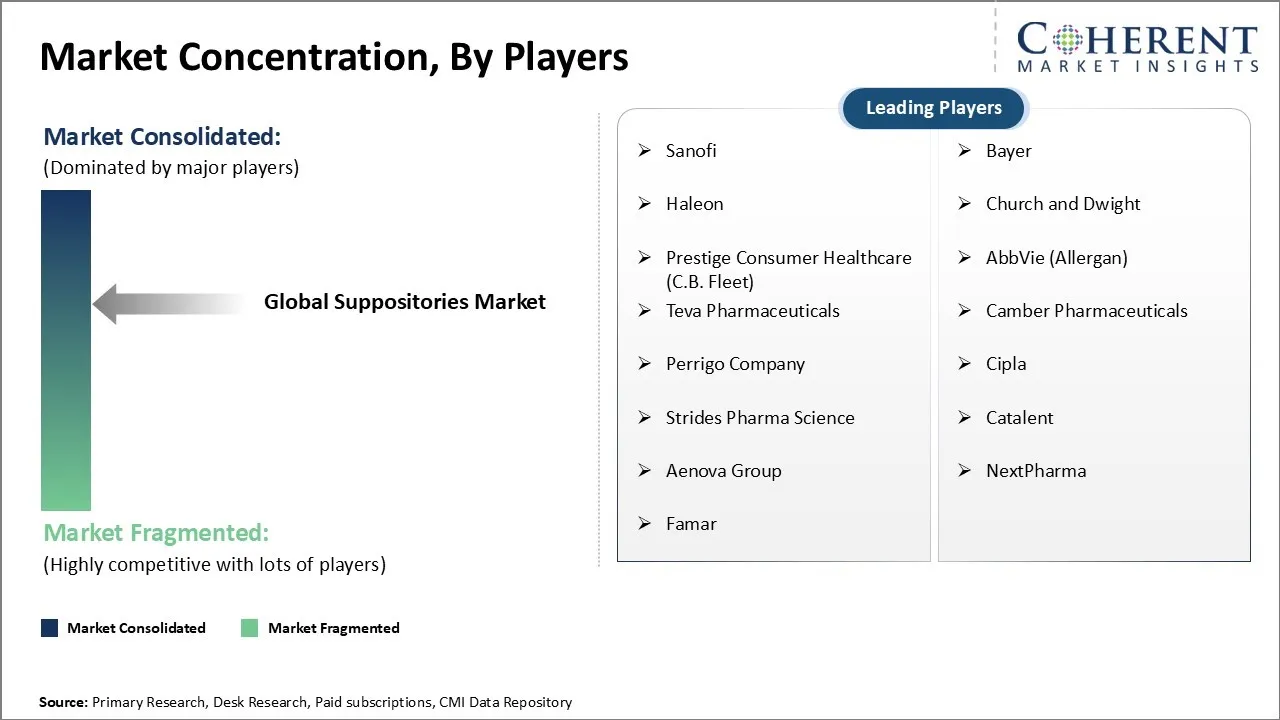
| Companies covered: | Sanofi, Bayer, Haleon, Church and Dwight, Prestige Consumer Healthcare (C.B. Fleet), AbbVie (Allergan), Teva Pharmaceuticals, Camber Pharmaceuticals, Perrigo Company, Cipla, Strides Pharma Science, Catalent, Aenova Group, NextPharma, and Famar | ||
| Growth Drivers: |
| ||
| Restraints & Challenges: |
| ||
Suppositories Market Dynamics
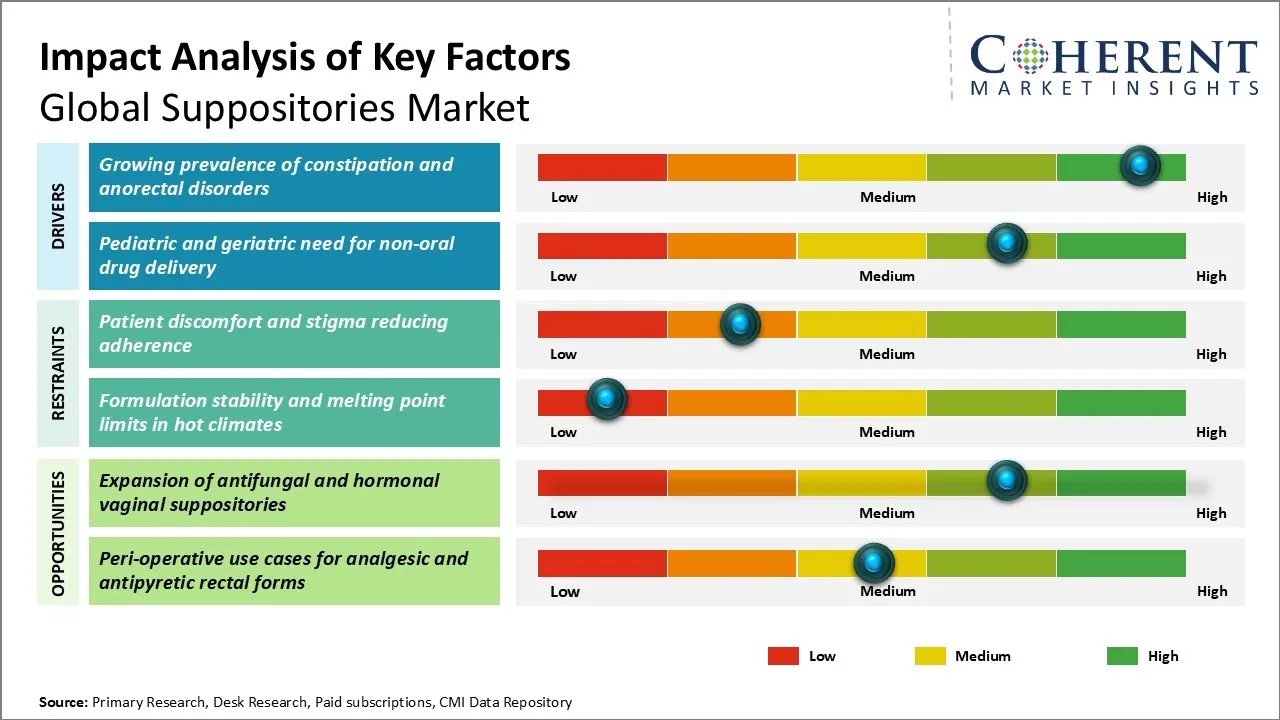
Suppositories Market Driver - Growing Prevalence of Constipation and Anorectal Disorders
The increasing incidence of constipation and anorectal conditions worldwide is a significant factor driving the demand for suppository treatments. Constipation, often caused by lifestyle changes, poor diet, medication side effects, and aging populations, has become a widespread health concern across both developed and developing regions. Anorectal disorders such as hemorrhoids, anal fissures, and pruritus also contribute to growing patient preference for localized, fast-acting therapies. Suppositories offer distinct advantages in managing these conditions due to their ability to deliver active ingredients directly to the affected area, enabling rapid symptom relief with reduced systemic side effects compared to oral medications. Additionally, the convenience of self-administration and better patient compliance further bolster their appeal.
In January 2024, The Lancet Gastroenterology & Hepatology, a leading international medical journal, published a systematic review and meta-analysis led by Miss Brigida Barberio and colleagues estimating the global prevalence of functional constipation based on Rome diagnostic criteria. The analysis of 45 studies covering 275,260 adults found prevalence rates of 15.3% with Rome I, 11.2% with Rome II, 10.4% with Rome III, and 10.1% with Rome IV criteria, with women consistently more affected than men. Also, a new meta-analysis published in BMC Pregnancy and Childbirth reports that the global prevalence of constipation during pregnancy is 32.4%, with rates of 21.1% in the first trimester, 34% in the second trimester, and 30.3% in the third trimester.
Suppositories Market Opportunity - Expansion of Antifungal and Hormonal Vaginal Suppositories
The global suppositories market presents significant growth opportunities through the expansion of antifungal and hormonal vaginal suppositories. Rising prevalence of vaginal infections, such as candidiasis and bacterial vaginosis, has heightened the demand for effective antifungal treatments delivered via vaginal suppositories, which offer targeted drug delivery and improved patient compliance. Additionally, the increasing awareness and acceptance of hormonal therapies for conditions like menopause, vaginal atrophy, and hormone replacement therapy are driving the uptake of hormonal vaginal suppositories. These formulations provide a localized effect with reduced systemic side effects compared to oral alternatives, making them preferable among patients and healthcare providers.
In April 2025, O Positiv Health, a leading U.S. brand in women’s hormonal health and maker of top-selling vaginal probiotics and menopause relief gummies, expanded its presence in Target stores and online with the launch of URO Boric Acid Suppository and URO Bladder Control. The new products are designed to support vaginal balance and bladder health with science-backed ingredients such as boric acid, lactic acid, aloe, pumpkin seed and soy germ extracts.
Analyst Opinion (Expert Opinion)
- The suppositories market is showing steady growth as demand rises for alternative drug delivery systems that provide quick relief, bypass gastrointestinal challenges, and improve patient compliance. Advancements in formulation technology, including controlled-release mechanisms and novel excipients, are opening new possibilities for both pharmaceutical and nutraceutical applications. Regulatory agencies in several regions are also supporting wider usage through faster approvals for essential medicines. Opportunities are particularly strong in pediatric and geriatric care, where suppositories are often preferred over oral dosage forms, though challenges remain around cultural acceptance, storage stability, and the limited number of large-scale manufacturers with modernized production capacity. Recent conferences such as CPhI Worldwide and PharmaTech Expo have highlighted innovations in rectal and vaginal drug delivery, helping bring more global visibility to this niche segment while shaping policies that encourage investment in advanced drug delivery systems.
- Market activity has also been shaped by real-world initiatives, with companies like O Positiv Health launching boric acid suppositories through mainstream retail channels, signaling the entry of consumer wellness players alongside traditional pharma. Regional health programs in Europe have promoted wider access to essential suppository formulations for pain management and women’s health, while collaborative R&D efforts in Asia are exploring plant-based ingredients and biodegradable packaging. Together, these instances reflect a market moving beyond traditional applications toward a more diversified and innovation-driven outlook, with both regulatory and industry initiatives expected to play a key role in the years ahead.
Speak to the analyst
Want personalized insights?
Take the findings above to one of our principal consultants, or have the report rebuilt around the segments, geographies and competitors you actually track.
Market Segmentation
- Product Type Insights (Revenue, USD Bn, 2021 - 2033)
- Rectal Suppositories
- Vaginal Suppositories
- Urethral Suppositories
- Type Insights (Revenue, USD Bn, 2021 - 2033)
- Prescribed
- Over-the-counter (OTC)
- Base Material Insights (Revenue, USD Bn, 2021 - 2033)
- Oleaginous/Fatty Bases (Cocoa Butter, Hard Fat, etc.)
- Water-Soluble Bases (Polyethylene Glycol, Glycerinated Gelatin, etc.)
- Emulsifying Bases
- Therapeutic Application Insights (Revenue, USD Bn, 2021 - 2033)
- Pain Management
- Gastrointestinal Disorders
- Hemorrhoids
- Nausea and Vomiting
- Bacterial and Fungal Infections
- Contraceptives and Hormonal Therapies
- Others (Fever, Constipation, etc.)
- Patient Group Insights (Revenue, USD Bn, 2021 - 2033)
- Adult
- Pediatric
- Geriatric
- Distribution Channel Insights (Revenue, USD Bn, 2021 - 2033)
- Hospital Pharmacies
- Retail Pharmacies
- Online Pharmacies
- End User Insights (Revenue, USD Bn, 2021 - 2033)
- Hospitals and Clinics
- Homecare Settings
- Others (e.g., specialty clinics, etc.)
- Regional Insights (Revenue, USD Bn, 2021 - 2033)
- North America
- U.S.
- Canada
- Latin America
- Brazil
- Argentina
- Mexico
- Rest of Latin America
- Europe
- Germany
- U.K.
- Spain
- France
- Italy
- Russia
- Rest of Europe
- Asia Pacific
- China
- India
- Japan
- Australia
- South Korea
- ASEAN
- Rest of Asia Pacific
- Middle East
- GCC Countries
- Israel
- Rest of Middle East
- Africa
- South Africa
- North Africa
- Central Africa
- North America
- Key Players Insights
- Sanofi
- Bayer
- Haleon
- Church and Dwight
- Prestige Consumer Healthcare (C.B. Fleet)
- AbbVie (Allergan)
- Teva Pharmaceuticals
- Camber Pharmaceuticals
- Perrigo Company
- Cipla
- Strides Pharma Science
- Catalent
- Aenova Group
- NextPharma
- Famar
Sources
Primary Research Interviews
- Industry Stakeholders list
- Pharmaceutical manufacturers (formulation R&D heads)
- Contract Development & Manufacturing Organizations (production managers)
- End-users list
- Hospital pharmacists
- Gynecologists and gastroenterologists
Government and International Databases
- World Health Organization (WHO)
- U.S. Food and Drug Administration (FDA)
- European Medicines Agency (EMA)
- National Institutes of Health (NIH)
- Centers for Disease Control and Prevention (CDC)
- Indian Pharmacopoeia Commission (IPC)
Trade Publications
- Pharmaceutical Technology
- The Pharma Letter
- InPharma Technologist
- Drug Development & Delivery
- European Pharmaceutical Review
- PharmaTimes
Academic Journals
- Journal of Controlled Release
- International Journal of Pharmaceutics
- European Journal of Pharmaceutical Sciences
- Drug Delivery and Translational Research
- Journal of Pharmaceutical Sciences
- Current Drug Delivery
Reputable Newspapers
- The New York Times – Health Section
- The Guardian – Healthcare Section
- The Wall Street Journal – Pharma & Health
- Financial Times – Pharmaceuticals & Biotechnology
- The Times of India – Health Section
- The Japan Times – Healthcare Section
Industry Associations
- International Pharmaceutical Federation (FIP)
- International Society for Pharmaceutical Engineering (ISPE)
- American Pharmacists Association (APhA)
- European Federation of Pharmaceutical Industries and Associations (EFPIA)
- Indian Drug Manufacturers’ Association (IDMA)
- Generic Pharmaceutical Association (GPhA)
Public Domain Resources
- U.S. National Library of Medicine (NLM)
- Open Access Government Health Reports
- European Union Open Data Portal
- World Bank Health Data
Proprietary Elements
- CMI Data Analytics Tool: Proprietary analytics tool to analyze real-time market trends, consumer behavior, and technology adoption in market
- Proprietary CMI Existing Repository of Information for Last 8 Years
Get access to 250+ pages report
Every segment, forecast, competitor profile and data table behind the analysis above — available for instant download.
- ESOMAR Member
- ISO 9001:2015 Certified
- D-U-N-S Registered
- GDPR & CCPA Compliant
Missing comfort of reading report in your local language? Find your preferred language:
Transform your Strategy with Exclusive Trending Reports
Frequently Asked Questions
The global suppositories market is estimated to be valued at USD 1.95 Bn in 2026 and is expected to reach USD 3.33 Bn by 2033.
The CAGR of global suppositories market is projected to be 7.9% from 2026 to 2033.
Growing prevalence of constipation and anorectal disorders and pediatric and geriatric need for non-oral drug delivery are the major factors driving the growth of the global suppositories market.
Patient discomfort and stigma reducing adherence and formulation stability and melting point limits in hot climates are the major factors hampering the growth of the global suppositories market.
In terms of product type, the rectal suppositories segment is estimated to dominate the market revenue share in 2026.
Sanofi, Bayer, Haleon, Church and Dwight, Prestige Consumer Healthcare (C.B. Fleet), AbbVie (Allergan), Teva Pharmaceuticals, Camber Pharmaceuticals, Perrigo Company, Cipla, Strides Pharma Science, Catalent, Aenova Group, NextPharma, and Famar are the major players.
North America is expected to lead the global suppositories market in 2026.