

Global Teleneurology Market Size and Forecast 2026 to 2033
The Global Teleneurology Market is estimated to be valued at USD 5.08 Bn in 2026 and is expected to reach USD 10.35 Bn by 2033, exhibiting a compound annual growth rate (CAGR) of 10.7% from 2026 to 2033. This significant growth reflects the increasing demand for remote neurological services driven by advancements in telecommunication technology and growing prevalence of neurological disorders across the globe.
Key Takeaways of the Global Teleneurology Market
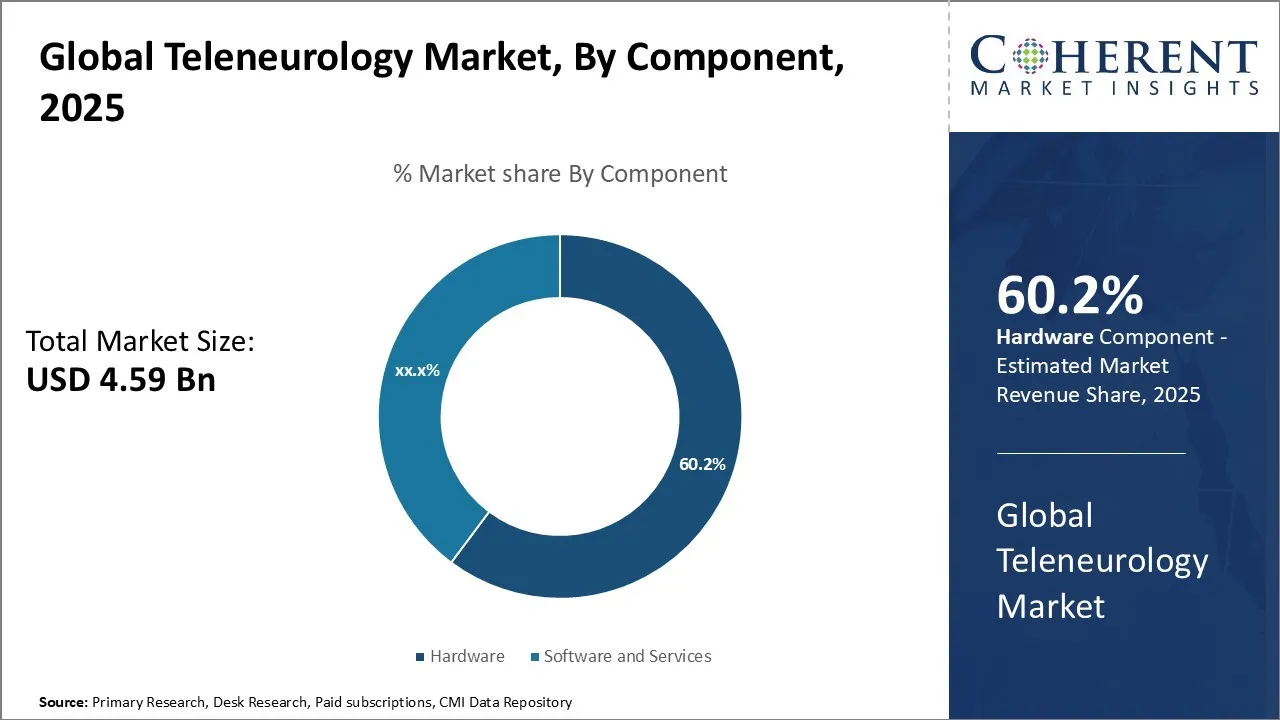
- The hardware segment is expected to dominate the global teleneurology market with a 61.2% share in 2026.
- Cloud-based delivery models are also leading the market, accounting for an estimated 55.4% of the share in 2026.
- Stroke, being a major cause of disability and death worldwide, continues to position tele-stroke services as a key focus within the teleneurology market, holding an estimated 33.3% share in 2026.
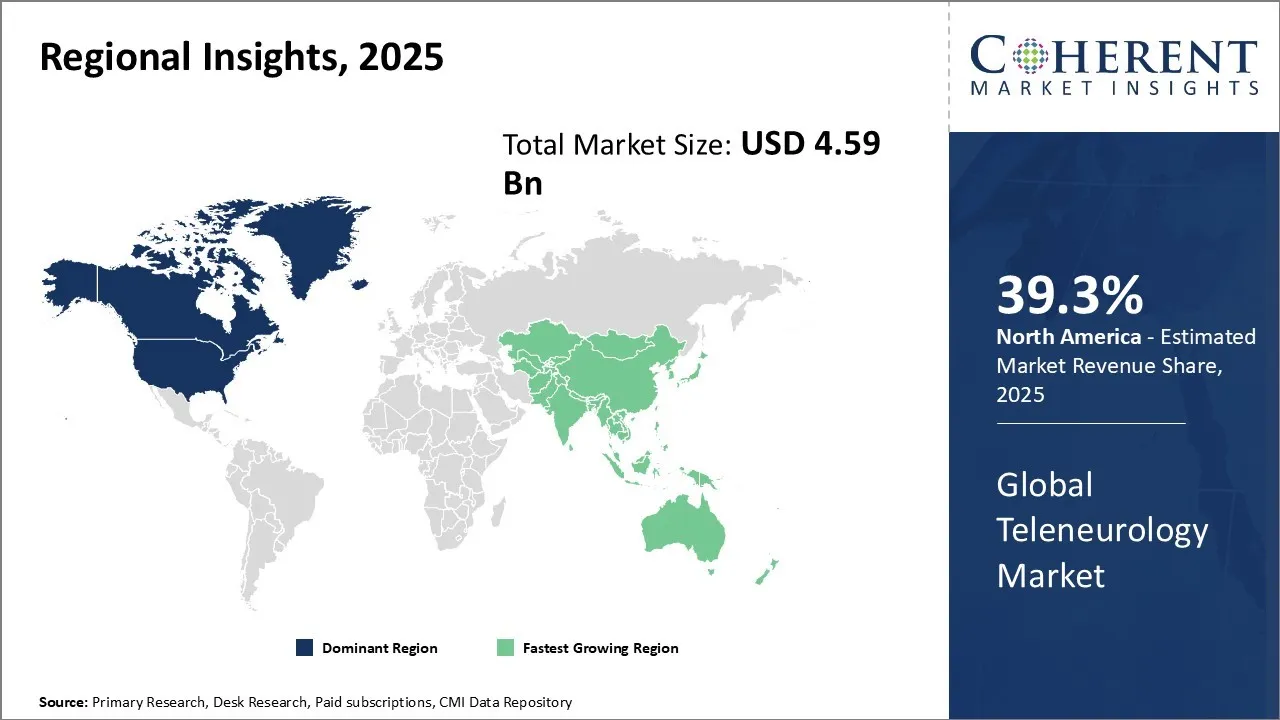
- North America is expected to lead the market, holding a share of 39. 3% in 2026. Asia Pacific is anticipated to be the fastest-growing region, with a market share of 24.4% in 2026.
Market Overview
The market trend in teleneurology is characterized by the widespread adoption of digital health platforms and AI-powered diagnostic tools that enhance remote patient monitoring and treatment accuracy. Integration of telemedicine with wearable devices and real-time data analytics is enabling personalized care, reducing hospital visits, and improving patient outcomes. Additionally, rising awareness and government initiatives focused on expanding telehealth infrastructure are further propelling market expansion, especially in underserved and rural regions.
Currents Events and their Impact
Current Events | Description and its impact |
Equum Medical Acquires VeeOne Health's Clinical Portfolio |
|
Expansion of U.S. Telehealth Reimbursement |
|
Segmental Insights
- Current Industry Events of 2026
- Market Size Estimation
- Regional Breakdown
- Competitive Landscape
- Customer Intelligence
- Segmental Analysis
- Pricing Analysis
- Key Market Drivers, Challenges & Future Trends
- Customized Insights Section
Teleneurology Market Insights, By Component - Hardware contributes the highest share of the market owing to rapid technological advancements and growing demand for sophisticated diagnostic tools
The dominance of the hardware segment in the global teleneurology market with an estimated share of 61.2% in 2026 can be largely attributed to the critical role that medical imaging and monitoring devices play in neurological diagnoses and ongoing patient management. Equipment, such as MRI machines, CT scanners, and EEG devices, form the backbone of neurological assessments, providing clinicians with high-resolution data essential for accurate and timely interventions. These imaging devices enable remote neurologists to visualize brain activity and structural abnormalities, which is particularly important for acute conditions such as stroke or epilepsy where time-sensitive decisions are crucial.
Additionally, telemedicine carts and advanced monitoring devices have become essential for facilitating comprehensive neurological examinations in remote or underserved areas. These carts often integrate multiple hardware components, including high-quality cameras, microphones, and diagnostic peripherals, which allow neurology specialists to perform physical examinations and consultations virtually with minimal compromise on care quality.
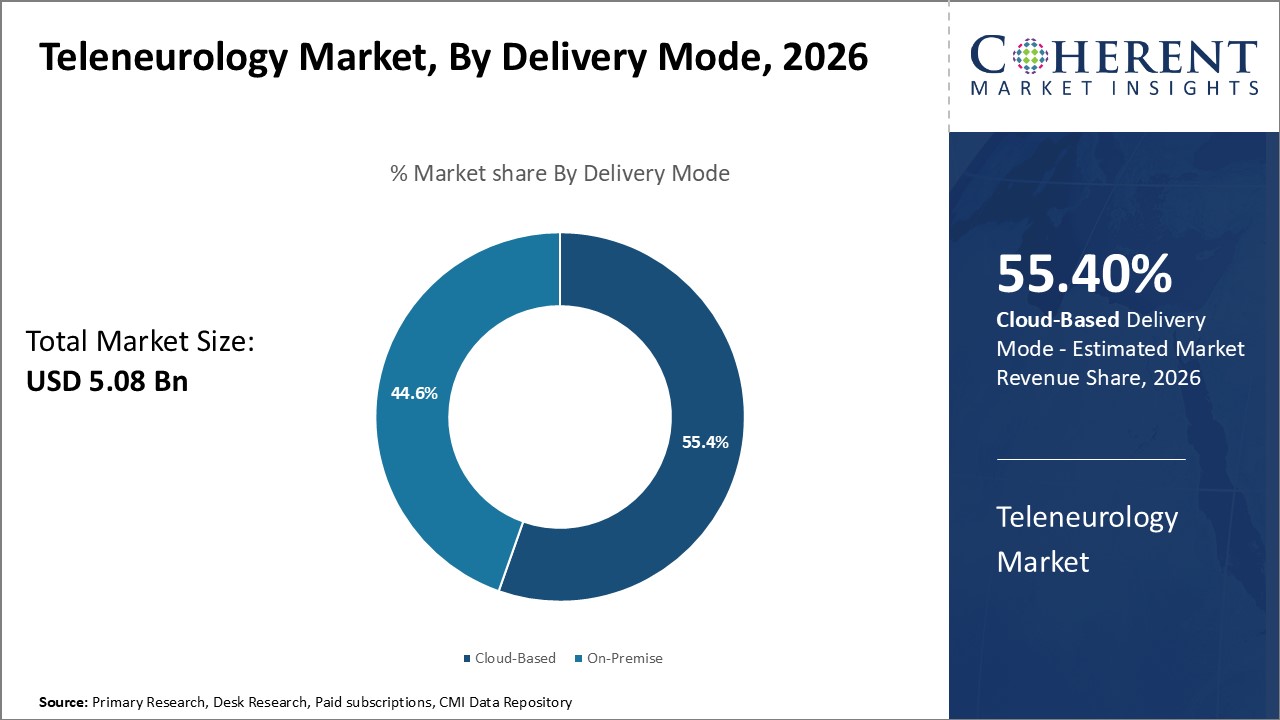
Teleneurology Market Insights, By Delivery Mode - Cloud-based solutions dominate due to scalable, flexible access and seamless integration of AI-powered analytics
Cloud-based delivery models lead the teleneurology market by virtue of their scalability with an estimated share of 55.4% in 2026, cost-effectiveness, and facilitation of real-time access to patient data across dispersed healthcare networks. Neurological care often requires continuous monitoring and rapid response to emergent symptoms, especially in acute scenarios like stroke care. Cloud-based platforms provide neurologists the ability to access comprehensive patient histories, diagnostic images, and live monitoring outputs instantaneously, regardless of geographic location.
In November 2023, Sevaro Health Inc., a leader in teleneurology, launched Nirvana Notes, an AI-powered documentation app for neurologists. Part of Sevaro's Synapse AI platform, it simplifies and speeds up patient documentation, integrates with Nuance voice dictation, and reduces burnout. Nirvana Notes offers clinical decision support, improving efficiency and patient care while seamlessly integrating with hospital EMR systems. This user-friendly tool enhances teleneurology workflows, making documentation faster and easier.
The cloud environment supports the integration of diverse software modules including telehealth communication platforms, AI-based diagnostic tools, and remote monitoring systems within a unified interface. This interconnectedness eliminates data silos, enabling collaborative consultations and multidisciplinary care approaches that are crucial when managing complex neurological disorders.
Teleneurology Market Insights, By Application - Stroke (tele-stroke) leads due to urgent care imperatives and advancements in remote acute neurological intervention
Stroke remains a leading cause of disability and death globally, which positions tele-stroke services as a critical focus within the teleneurology market with an estimated share of 33.3% in 2026. Rapid diagnosis and timely treatment are paramount in stroke care, where every minute of delay can result in irreversible brain damage. Tele-stroke platforms enable emergency departments, particularly in rural or underserved settings, to connect instantly with neurologists and stroke specialists located remotely, facilitating immediate evaluation and treatment decisions.
In June 2024, the American Heart Association (AHA) introduced a new certification for healthcare professionals to enhance telehealth stroke care, or telestroke. This certification aims to standardize training, boost competencies, and improve stroke outcomes, especially in rural areas where access to stroke specialists is limited.
The widespread implementation of stroke alert systems integrated with telemedicine carts and imaging devices allows for swift transmission of CT or MRI scans, enabling neurologists to assess the type, location, and severity of the stroke in real time. This capability supports prompt administration of thrombolytic therapy or mechanical thrombectomy, significantly improving patient prognosis and reducing long-term disability.
Regional Insights
North America Teleneurology Market Analysis and Trends
North America’s dominance in the global teleneurology market with an estimated share of 39.3% in 2026 is driven by its advanced healthcare infrastructure, robust technology ecosystem, and favorable government initiatives supporting telemedicine adoption. The U.S. and Canada have well-established digital health frameworks including reimbursement policies and regulatory guidelines that facilitate the integration of teleneurology services. Additionally, the presence of leading healthcare providers, technology innovators, and research institutions creates a fertile environment for the development and deployment of advanced teleneurology solutions.
Companies, such as Teladoc Health, Neurological Care Services (NCS), and Amwell, have been instrumental in pioneering teleneurology platforms that improve accessibility and patient outcomes. The use of telestroke, teleneurology, and remote monitoring programs is rapidly expanding, with growing public and private partnerships focused on increasing access to neurological care, especially in underserved areas. For example, in October 2023, Ceribell, Inc. introduced its innovative AI algorithm, ClarityPro, and announced the potential for additional reimbursement for qualifying Medicare patients.
Asia Pacific Teleneurology Market Analysis and Trends
The Asia Pacific region is expected to exhibit the fastest growth in the global teleneurology market with a share of 24.4% in 2026 owing to several interlinked factors. Countries like India, China, Japan, and Australia are aggressively investing in digital health infrastructure and regulatory frameworks to propagate telemedicine. Telecom expansion and smartphone penetration have facilitated widespread access to digital health services. Notably, companies such as Ping An Healthcare in China, Practo in India, and Telstra Health in Australia are expanding their teleneurology offerings by leveraging AI and cloud-based platforms.
Governments are actively advancing digital healthcare in both urban and rural areas, driven by rapid technological progress and increasing healthcare investments. This has opened up new growth opportunities. For example, in March 2023, the National Institute of Mental Health and Neuro Sciences (NIMHANS), in collaboration with the Department of Health, launched two key initiatives in neurology: the Neuro Epidemiological Study In Gowribidanur-II (NEPSIG) survey in Karnataka, India and the introduction of teleneurology services to enhance community support for neurological disorders. These programs are being jointly executed by the Karnataka Brain Health Initiative (KaBHI), NIMHANS, and the Department of Health.
Teleneurology Market Outlook for Key Countries
U.S. Teleneurology Market Trends
The U.S. maintains a leading position in the teleneurology market due to its strong technological capabilities and substantial investments in healthcare. Major players like Teladoc Health have launched specialized teleneurology services focusing on stroke management and chronic neurological conditions. The U.S. government’s efforts to expand telehealth reimbursement, especially following the COVID-19 pandemic, have catalyzed market growth. Collaborations between hospitals, tech firms, and insurance companies further enhance service delivery models, enabling remote diagnostics and patient monitoring with high precision.
In March 2022, the Children's Hospital at Saint Francis in Oklahoma, U.S. has partnered with Children's Mercy in Kansas City to launch a teleneurology program in response to a shortage of pediatric neurologists in the region. Mrs. Kristi Baker, Vice President of Women's and Children’s Services at Saint Francis, initiated the partnership after witnessing long wait times for local pediatric neurology care.
India Teleneurology Market Trends
India’s teleneurology market is rapidly expanding as digital health becomes an integral part of healthcare reform. The country’s extensive rural population with limited access to neurological specialists creates high demand for remote care. Startups like Practo and mfine are leveraging mobile platforms to connect patients with neurologists efficiently. Government programs, such as the Ayushman Bharat Digital Mission, complement these efforts by promoting telemedicine infrastructure expansion and standardizing remote care protocols. Additionally, partnerships between private healthcare providers and state health departments facilitate broader reach to underserved demographics.
In May 2026, The Delhi Government has launched its first brain health clinic in Dwarka at Indira Gandhi Hospital, part of the India Brain Health Initiative with support from IHBAS. The clinic offers comprehensive services, including screening, therapy, follow-up care, and tele-neurology consultations for conditions such as stroke, epilepsy, Parkinson's disease, dementia, and migraine.
Germany Teleneurology Market Trends
Germany continues to lead in Europe’s teleneurology landscape due to its well-established healthcare system and proactive health technology policies. Regulatory frameworks providing clarity on telemedicine reimbursement and data security encourage hospitals and clinics to adopt teleneurology solutions. Siemens Healthineers and CompuGroup Medical are notable contributors, offering integrated teleneurology platforms that support neurological diagnostics and remote patient management. The presence of top-tier research institutions collaborating with industry players furthers innovation in neurological care technologies.
In May 2023, Germany is investing USD 11.7 Mn to enhance healthcare through a telemedicine network, incorporating teleneurology services. The initiative will connect hospitals such as Albertinen Krankenhaus and Asklepios Klinikum Harburg, facilitating the digital exchange of health data to improve patient care. This project builds on the Health Harbour Hamburg, a pioneering telemedical network in Germany.
China Teleneurology Market Trends
China’s teleneurology market is being propelled by government-led digital health initiatives and robust private sector engagement. The country’s large patient base and increasing healthcare expenditure encourage wide adoption of teleneurology, particularly in tier-2 and tier-3 cities where neurological services are sparse. National health policies incentivize telehealth integration to reduce regional healthcare inequalities, promoting rapid market development.
For example, Ping An Good Doctor is a leading telemedicine provider in China. The platform offers 24/7 online consultations, prescription services, medicine delivery, and chronic disease management. Leveraging AI-powered consultation systems, it serves over 400 million users and collaborates with numerous offline medical institutions and pharmacies.
End User Feedback and Unmet Needs in the Global Teleneurology Market
- End users in the global teleneurology market, particularly healthcare providers such as hospitals and remote clinics, consistently highlight the importance of product performance, accessibility, and integration in telemedicine solutions. Positive feedback is often centered around the ability of teleneurology platforms to provide timely, remote consultations, especially in underserved or rural areas. For example, one hospital network reported significant improvements in stroke diagnosis turnaround time through AI-powered telestroke solutions, enabling neurologists to assess patient conditions and initiate treatment protocols faster than traditional in-person consultations. However, concerns frequently arise around the integration of new technologies with legacy hospital systems, where interoperability challenges hinder seamless data sharing. Many users also cite the difficulty in maintaining consistent video quality and connectivity during teleconsultations, which can compromise the overall effectiveness of remote diagnostics.
- Despite the success of many teleneurology platforms, there are notable unmet needs. A recurring challenge reported by end users is the lack of customization in teleneurology systems, particularly for specialized neurological conditions. Many providers feel that existing platforms are too generic and do not offer enough flexibility to accommodate unique patient requirements or specific diagnostic protocols. Additionally, affordability remains a significant barrier for smaller healthcare providers, particularly in developing regions, where budget constraints limit the adoption of high-quality telemedicine tools. Addressing these gaps, such as by offering customizable solutions or more affordable pricing models, could not only enhance product appeal but also foster market expansion, improve customer retention, and drive innovation. Tailoring teleneurology platforms to meet diverse clinical needs would also help in attracting a broader user base, ensuring that these solutions are accessible to a wider range of healthcare institutions globally.
Market Players, Key Developments, and Competitive Intelligence
Key Developments
- In March 2025, the University of Alabama at Birmingham (UAB) celebrated a milestone with its acute tele neurology service reaching 10,000 telehealth consultations. Launched in 2018 to address the shortage of neurologists in Alabama, U.S. especially in rural areas, the program began with a focus on acute stroke care and has expanded over the years. UAB's teleneurology service now serves 35 hospitals across the state, including partnerships with St. Vincent’s Hospitals and Mobile Infirmary.
- In January 2025, Veheri, a platform focused on collaboration and education in veterinary diagnostic imaging, launched Veheri Diagnostics, offering comprehensive teleradiology and teleneurology reporting services. This platform provides veterinarians with access to advanced diagnostic tools, enabling quick reports for small animals, equine, and exotic pets.
- In August 2024, Rosman, a leading physician recruiting firm, partnered with Sevaro Health Inc., a teleneurology technology platform, to enhance neurology recruitment and workforce management. The partnership, combines Rosman’s expertise in permanent hires and locum tenens with Sevaro’s advanced telemedicine solutions, allowing hospitals to effectively manage their neurologist staffing needs.
- In August 2024, Hocking Valley Community Hospital (HVCH) partnered with The Ohio State University Wexner Medical Center to provide teleneurology services to hospitalized patients. This new service allows HVCH to offer specialized neurological care locally, reducing the need for patient transfers to larger hospitals.
Top Strategies Followed by Global Teleneurology Market Players
- Established market leaders predominantly invest heavily in research and development (R&D) to drive continuous innovation, creating high-performance teleneurology products that meet evolving clinical needs and regulatory standards. These incumbents often form strategic partnerships with major industry players and original equipment manufacturers (OEMs), enabling them to leverage advanced technologies, integrate complementary services, and gain a competitive edge. Furthermore, these well-resourced firms aggressively pursue global expansion by broadening their distribution networks.
- In July 2024, TeleSpecialists, LLC, a leading provider of telemedicine services, introduced its EMS Integration service to expedite stroke diagnosis and treatment. This new service allows board-certified neurologists to collaborate with EMS teams and local hospitals in real time during patient transport. By involving neurologists early, the service reduces door-to-needle times, ensuring stroke patients receive timely care, including immediate CT scans upon arrival at the hospital.
- Mid-level players in the teleneurology market focus on balancing cost and quality to attract price-sensitive healthcare providers and patients. These companies strive to deliver effective, reliable solutions at a more affordable price point, aiming to compete against both premium products and low-cost alternatives. By strategically managing costs and offering innovative solutions, mid-tier firms can effectively serve underserved markets while maintaining high standards of care and technology.
- In January 2024, Aditxt, Inc., a U.S.-based company focused on innovative health solutions, acquired a portfolio of EEG brain monitoring technologies and devices from Brain Scientific, Inc. This acquisition includes the NeuroCap and NeuroEEG, designed to enhance neurological diagnostics and monitoring, particularly in telehealth and tele-neurology applications. The technologies, protected by 16 patents, aim to improve EEG testing efficiency, patient comfort, and reduce contamination risks.
- Small-scale players in the teleneurology market often differentiate themselves by focusing on specialized features, innovative product designs, and emerging technologies like AI, wearable sensors, or mobile health integration—advancements that larger companies might overlook. This approach is similar to how Novant Health leveraged AI to enhance its teleneurology program.
- In June 2020, Novant Health expanded its stroke care services with a USD 449,000 grant from The Duke Endowment, which funded the implementation of Viz.ai, an AI-powered tool for faster stroke diagnosis and treatment. Just as small-scale players innovate with AI-driven solutions, Novant Health's integration of AI technology demonstrates how embracing advanced tools can revolutionize care delivery and enhance outcomes.
Market Report Scope
Teleneurology Market Report Coverage
| Report Coverage | Details | ||
|---|---|---|---|
| Base Year: | 2025 | Market Size in 2026: | USD 5.08 Bn |
| Historical Data for: | 2020 To 2024 | Forecast Period: | 2026 To 2033 |
| Forecast Period 2026 to 2033 CAGR: | 10.7% | 2033 Value Projection: | USD 10.35 Bn |
| Geographies covered: |
| ||
| Segments covered: |
| ||
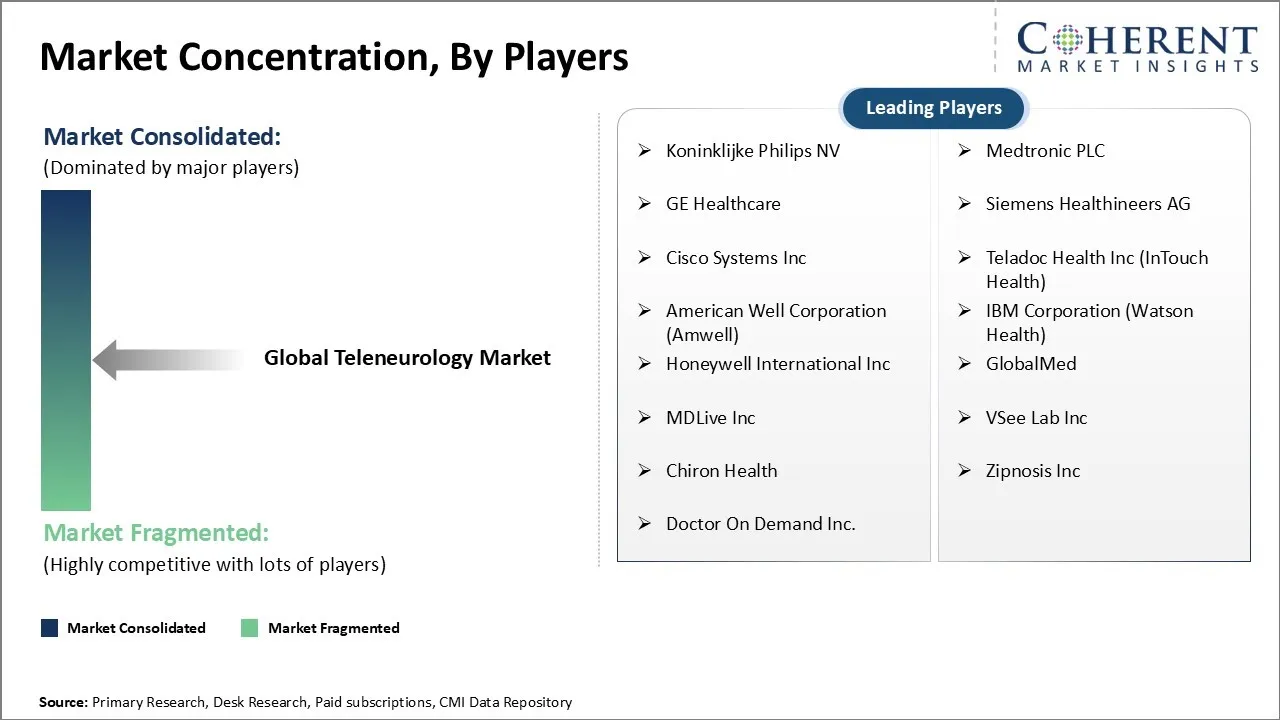
| Companies covered: | Koninklijke Philips NV, Medtronic PLC, GE Healthcare, Siemens Healthineers AG, Cisco Systems Inc, Teladoc Health Inc (InTouch Health), American Well Corporation (Amwell), IBM Corporation (Watson Health), Honeywell International Inc, GlobalMed, MDLive Inc, VSee Lab Inc, Chiron Health, Zipnosis Inc, and Doctor On Demand Inc. | ||
| Growth Drivers: |
| ||
| Restraints & Challenges: |
| ||
Teleneurology Market Dynamics
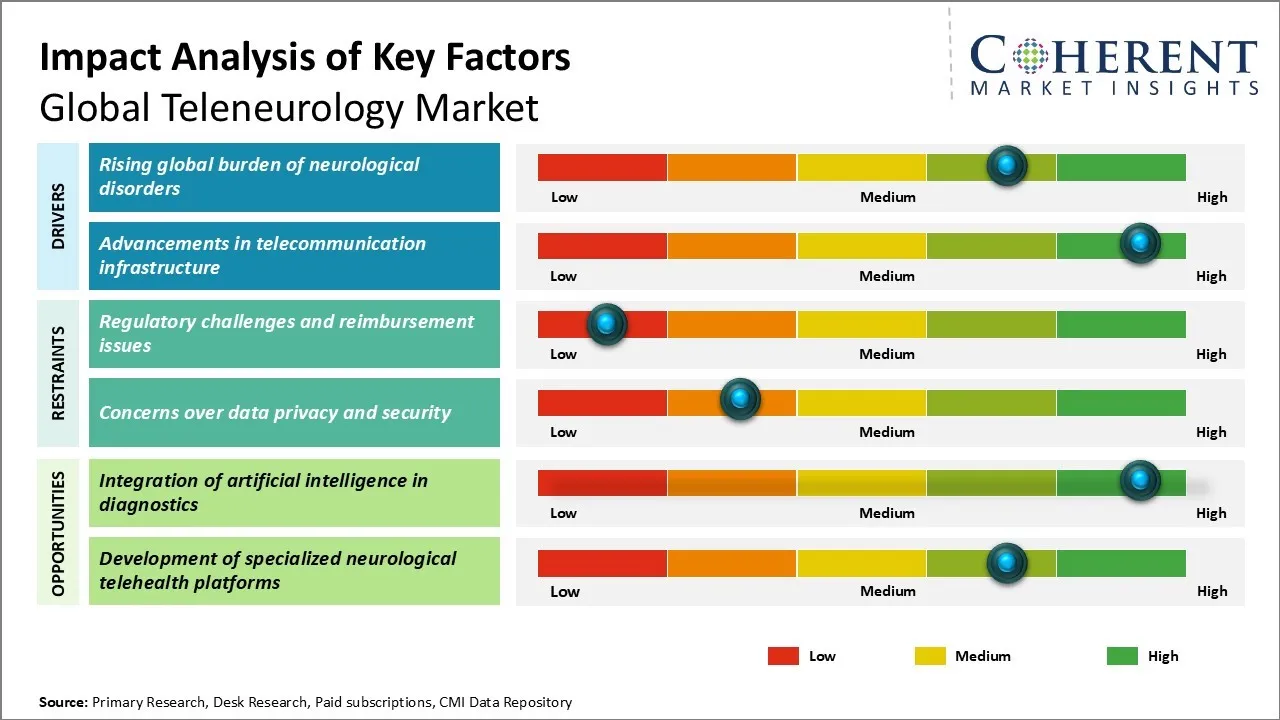
Teleneurology Market Driver - Rising Global Burden of Neurological Disorders
The escalating prevalence of neurological disorders worldwide is a significant factor propelling the adoption of teleneurology services. Conditions such as stroke, epilepsy, Parkinson’s disease, multiple sclerosis, and Alzheimer’s disease are becoming increasingly common due to aging populations and lifestyle changes, thereby intensifying the demand for timely and continuous neurological care. Traditional healthcare infrastructure often struggles to deliver specialized neurological consultations, especially in remote or underserved areas where neurologists are scarce. Teleneurology bridges this gap by enabling remote diagnosis, management, and follow-up care, improving patient access and reducing delays in treatment. Moreover, the chronic nature of many neurological conditions requires long-term monitoring and rehabilitation, which can be efficiently facilitated through virtual platforms. This not only enhances patient convenience but also optimizes healthcare resource utilization.
For Instance, A major study released by The Lancet Neurology in March 2024 reveals that over 3 billion people worldwide were living with neurological conditions in 2021, making them the leading cause of illness and disability globally. Neurological conditions have caused an 18% increase in disability, illness, and premature death since 1990, with more than 80% of neurological deaths occurring in low- and middle-income countries. Despite progress, there is significant disparity in access to treatment, with high-income countries having up to 70 times more neurological professionals per capita than low-income countries.
Teleneurology Market Opportunity - Integration of Artificial Intelligence in Diagnostics
The integration of artificial intelligence (AI) in diagnostics presents a significant growth opportunity within the global teleneurology market. As neurological disorders often require detailed analysis of complex imaging and patient data, AI-powered diagnostic tools can enhance the accuracy, speed, and efficiency of evaluations conducted remotely. Machine learning algorithms and deep learning models can analyze large volumes of medical imaging, such as MRI and CT scans, identifying subtle patterns and anomalies that may be missed by conventional methods. This technological advancement not only aids neurologists in making precise diagnoses but also helps streamline workflows, reducing the time to treatment initiation. Moreover, AI integration facilitates personalized treatment plans by combining diagnostic imaging data with patient history and genetic information, improving patient outcomes. The adoption of AI-driven tools in teleneurology can also address the shortage of specialists by enabling general practitioners and remote healthcare providers to obtain expert-level diagnostic support via teleconsultations.
In January 2024, Dr. Jitendra Singh, Union Minister of State for Science & Technology, launched the AI-supported Telemedicine Mobile Clinic "Aarogya-Doctors on Wheels" in Jammu and Kashmir, India aimed at providing healthcare to remote, hilly regions. The mobile clinic uses Artificial Intelligence to assist patients in their native language and connects them to top specialists in leading hospitals across the country. After consultations, patients receive prescriptions within 40-50 minutes, with free-of-cost treatment provided.
Analyst Opinion (Expert Opinion)
- The teleneurology market is experiencing substantial growth, driven by technological advancements in digital health platforms, widespread internet access, and increased demand for remote healthcare services. The rising prevalence of neurological disorders, combined with the growing need for accessible, cost-effective healthcare solutions, has amplified the adoption of teleneurology services. Additionally, regulatory support from governments and healthcare organizations is facilitating the expansion of telemedicine services, providing a solid foundation for growth. Emerging opportunities lie in the integration of AI and machine learning technologies for improved diagnostics, while notable challenges include concerns around data security, reimbursement policies, and the need for enhanced infrastructure in remote areas.
- Recent events such as the American Telemedicine Association (ATA) Annual Conference and the International Conference on Telemedicine & Telehealth have played crucial roles in fostering knowledge exchange and policy development within the sector. These conferences have showcased advancements in telehealth technologies and contributed to the refinement of regulatory frameworks supporting teleneurology. Real-world examples like TeleNeurology India, a collaboration between the Indian government and private healthcare providers, have demonstrated the potential of remote neurological care to improve patient outcomes, especially in underserved regions. Such initiatives, along with government-backed pilot programs, are expected to drive the teleneurology market towards a more accessible and innovative future.
Speak to the analyst
Want personalized insights?
Take the findings above to one of our principal consultants, or have the report rebuilt around the segments, geographies and competitors you actually track.
Market Segmentation
- Component Insights (Revenue, USD Bn, 2021 - 2033)
- Hardware
- Telemedicine carts
- Imaging devices (MRI, CT, EEG)
- Monitoring devices
- Tablets and smartphones
- Software and Services
- Telehealth platforms
- Remote monitoring software
- AI-based diagnostic tools
- Cloud-based solutions
- Consulting and support services
- Hardware
- Delivery Mode Insights (Revenue, USD Bn, 2021 - 2033)
- Cloud-Based
- On-Premise
- Application Insights (Revenue, USD Bn, 2021 - 2033)
- Stroke (Tele-stroke)
- Epilepsy (Tele-epilepsy)
- Movement Disorders (Parkinson’s, ALS)
- Headache and Migraine Management
- Multiple Sclerosis (MS)
- Neurodegenerative Disorders (Alzheimer’s, Dementia)
- Sleep Disorders
- Other Neurological Conditions
- End User Insights (Revenue, USD Bn, 2021 - 2033)
- Hospitals and Clinics
- Ambulatory Surgical Centers
- Home Care Settings
- Specialty Neurology Centers
- Telemedicine Providers
- Others (Academic and Research Institutions, etc.)
- Regional Insights (Revenue, USD Bn, 2021 - 2033)
- North America
- U.S.
- Canada
- Latin America
- Brazil
- Argentina
- Mexico
- Rest of Latin America
- Europe
- Germany
- U.K.
- Spain
- France
- Italy
- Russia
- Rest of Europe
- Asia Pacific
- China
- India
- Japan
- Australia
- South Korea
- ASEAN
- Rest of Asia Pacific
- Middle East
- GCC Countries
- Israel
- Rest of Middle East
- Africa
- South Africa
- North Africa
- Central Africa
- North America
- Key Players Insights
- Koninklijke Philips NV
- Medtronic PLC
- GE Healthcare
- Siemens Healthineers AG
- Cisco Systems Inc.
- Teladoc Health Inc (InTouch Health)
- American Well Corporation (Amwell)
- IBM Corporation (Watson Health)
- Honeywell International Inc.
- GlobalMed
- MDLive Inc.
- VSee Lab Inc.
- Chiron Health
- Zipnosis Inc
- Doctor On Demand Inc.
Sources
Industry Stakeholders
- Neurologists and Telemedicine Providers
- Healthcare Technology Vendors
End Users
- Hospitals and Clinics
- Patients using Telehealth Services
Government and International Databases
- World Health Organization (WHO)
- U.S. Centers for Disease Control and Prevention (CDC)
- European Commission (EC)
- National Health Service (NHS), UK
- Centers for Medicare & Medicaid Services (CMS)
- National Institutes of Health (NIH)
- United Nations Economic and Social Council (ECOSOC)
Trade Publications
- Healthcare IT News
- Journal of Telemedicine and Telecare
- Telemedicine and eHealth Journal
- Healthcare Management and Technology
Academic Journals
- The Lancet Neurology
- Journal of Clinical Neurology
- Neurology Journal
- Journal of Telehealth and Telemedicine
Reputable Newspapers
- The New York Times
- The Guardian
- Wall Street Journal
- Reuters Health
Industry Associations
- American Telemedicine Association (ATA)
- European Society of Neurology (ESN)
- International Society for Telemedicine & eHealth (ISfTeH)
- World Health Organization's Global Health Workforce Alliance
Public Domain Resources
- National Institutes of Health (NIH)
- Centers for Medicare & Medicaid Services (CMS)
- World Bank - Health and Nutrition
Proprietary Elements
- CMI Data Analytics Tool: Proprietary analytics tool to analyze real-time market trends, consumer behavior, and technology adoption in market
- Proprietary CMI Existing Repository of Information for Last 8 Years
Get access to 250+ pages report
Every segment, forecast, competitor profile and data table behind the analysis above — available for instant download.
- ESOMAR Member
- ISO 9001:2015 Certified
- D-U-N-S Registered
- GDPR & CCPA Compliant
Missing comfort of reading report in your local language? Find your preferred language:
Transform your Strategy with Exclusive Trending Reports
Frequently Asked Questions
The global teleneurology market is estimated to be valued at USD 5.08 Bn in 2026 and is expected to reach USD 10.35 Bn by 2033.
The CAGR of the global teleneurology market is projected to be 10.7% from 2026 to 2033.
Rising global burden of neurological disorders and advancements in telecommunication infrastructure are the major factors driving the growth of the global teleneurology market.
Regulatory challenges and reimbursement issues and concerns over data privacy and security are the major factors hampering the growth of the global teleneurology market.
In terms of component, hardware is estimated to dominate the market revenue share in 2026.
Koninklijke Philips NV, Medtronic PLC, GE Healthcare, Siemens Healthineers AG, Cisco Systems Inc, Teladoc Health Inc (InTouch Health), American Well Corporation (Amwell), IBM Corporation (Watson Health), Honeywell International Inc, GlobalMed, MDLive Inc, VSee Lab Inc, Chiron Health, Zipnosis Inc, and Doctor On Demand Inc. are the major players.
North America is expected to lead the global teleneurology market in 2026.