

Global Virtual Urgent Care Market Size and Forecast – 2026 - 2033
The Global Virtual Urgent Care Market is estimated to be valued at USD 8.46 Bn in 2026 and is expected to reach USD 19.18 Bn by 2033, exhibiting a compound annual growth rate (CAGR) of 12.4% from 2026 to 2033. This significant growth reflects the increasing adoption of telehealth services, advancements in digital technology, and rising demand for accessible, timely medical consultations worldwide.
Key Takeaways of the Global Virtual Urgent Care Market
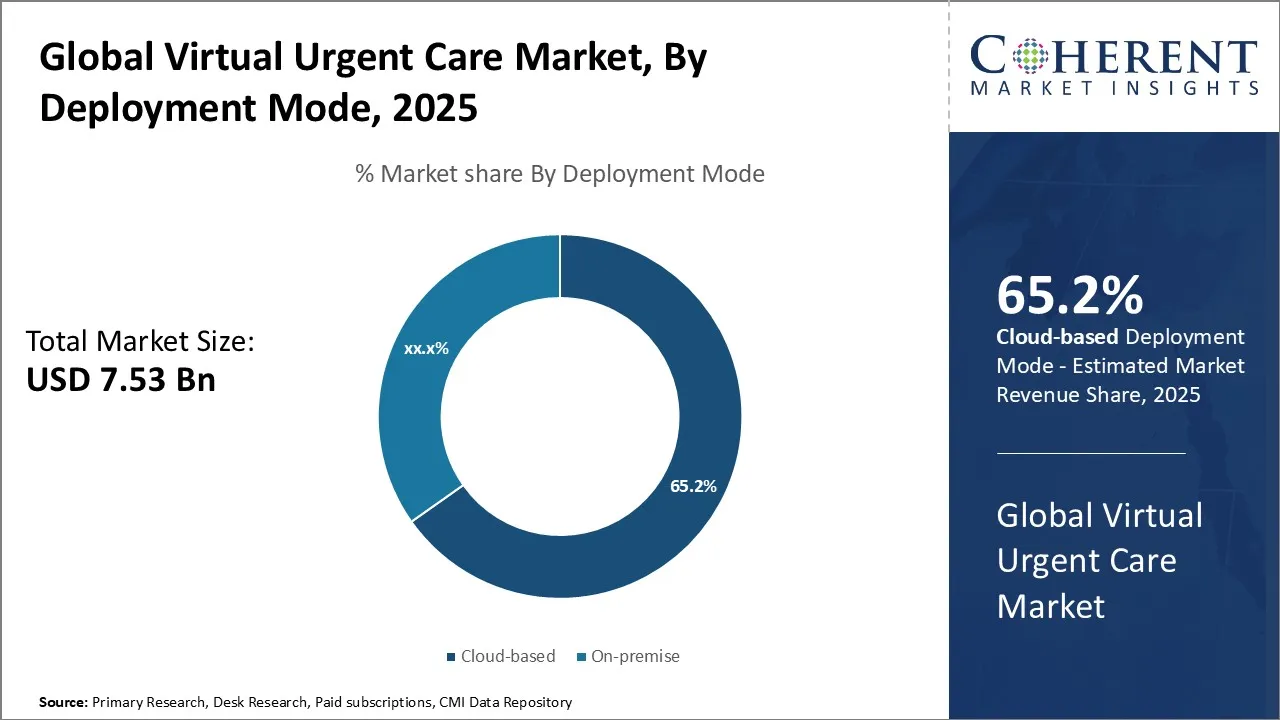
- The cloud-based segment is expected to dominate the global virtual urgent care market, with a share of 66.2% in 2026, primarily due to its scalability, flexibility, and enhanced accessibility over on-premise solutions.
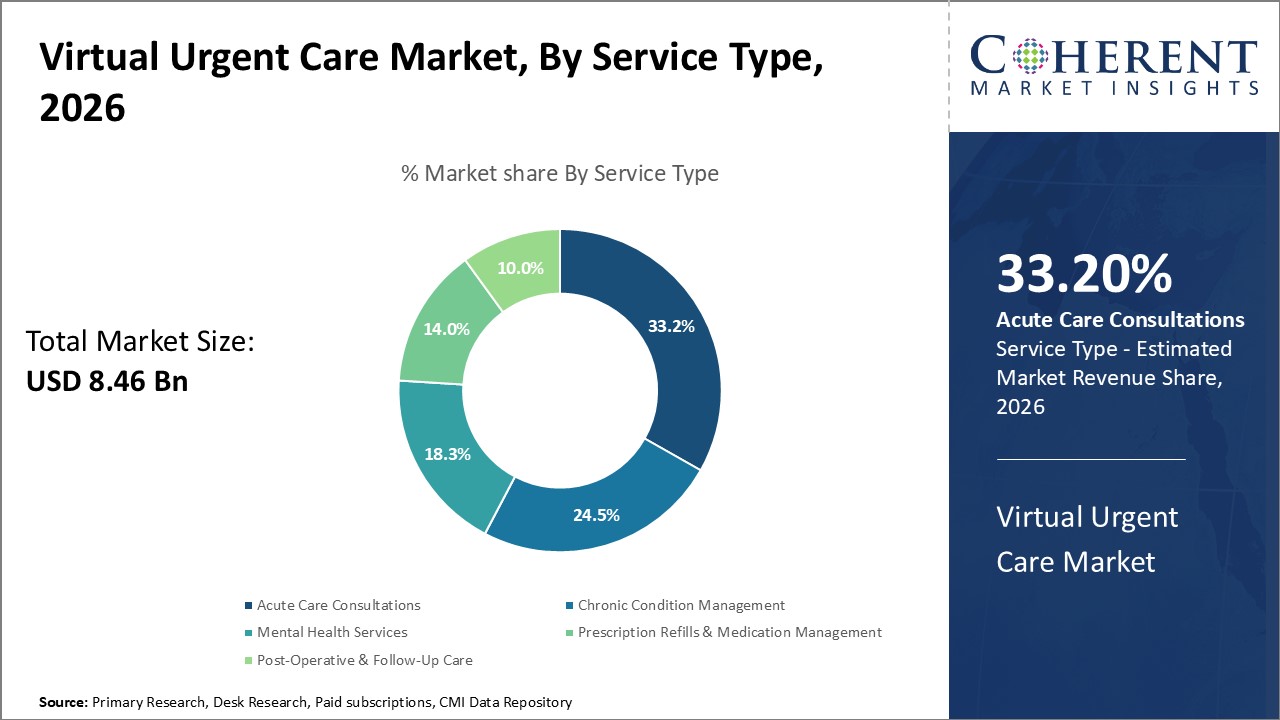
- Chronic condition management is emerging as a key segment in the virtual urgent care market, accounting for 33.2 % of the market share in 2026.
- Among the different platforms, telephone consultations hold the largest share of 33.15 % in 2026, owing to their simplicity, wide accessibility, and the comfort they offer to patients.
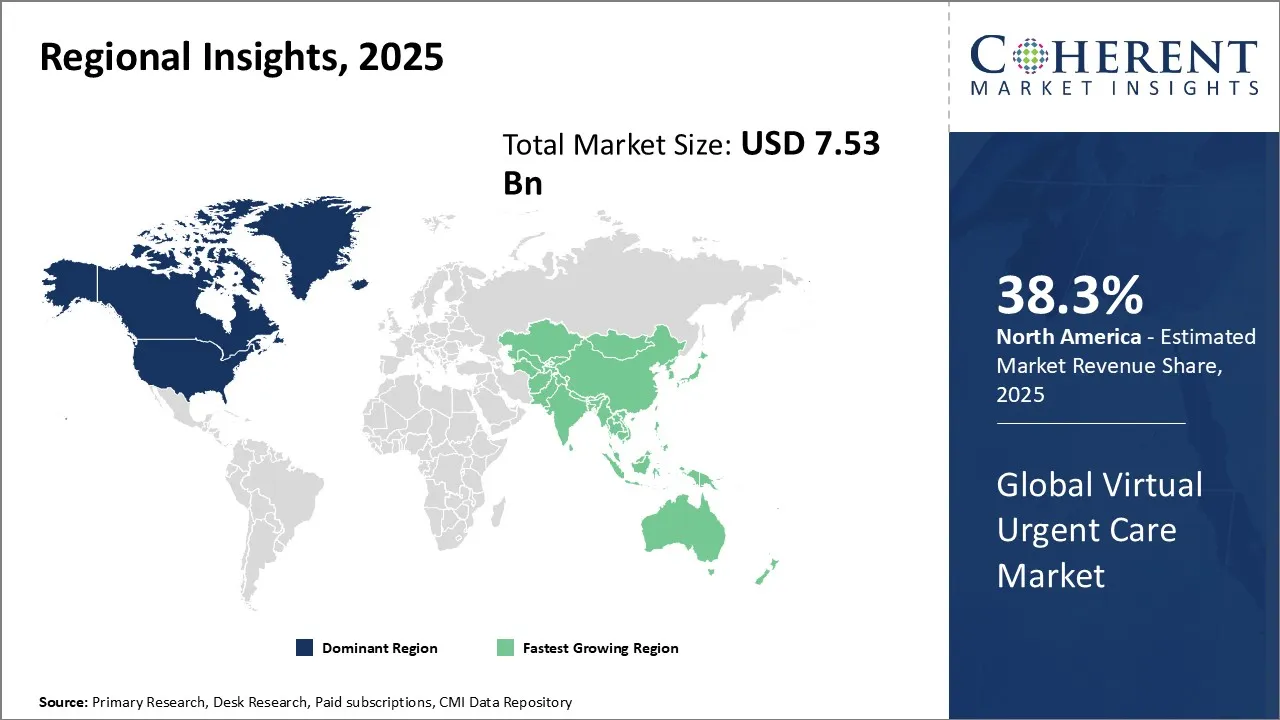
- North America is expected to lead the market, holding a share of 38. 3% in 2026.
- Asia Pacific is anticipated to be the fastest-growing region, with a market share of 25. 2% in 2026.
Market Overview
Market trends indicate a strong shift towards integrating AI-driven diagnostics and remote monitoring tools within virtual urgent care platforms. Enhanced patient experience through mobile applications and wearable technology is also driving market expansion. Additionally, growing awareness about the convenience and cost-effectiveness of virtual urgent care, coupled with supportive healthcare policies and increasing internet penetration, are key factors propelling this market’s rapid evolution.
Current Events and Its Impact
Current Events | Description and its impact |
U.S. Medicare Telehealth Extension
|
|
Rise of Telehealth Regulations
|
|
Segmental Insights
- Current Industry Events of 2026
- Market Size Estimation
- Regional Breakdown
- Competitive Landscape
- Customer Intelligence
- Segmental Analysis
- Pricing Analysis
- Key Market Drivers, Challenges & Future Trends
- Customized Insights Section
Virtual Urgent Care Market Insights, By Deployment Mode – Cloud-Based Deployment Dominates Due to Scalability and Accessibility
In terms of deployment mode, the cloud-based segment is expected to lead the global virtual urgent care market with a share of 66.2% in 2026, primarily because of its scalability, flexibility, and accessibility advantages compared to on-premise solutions. Cloud-based virtual urgent care platforms leverage internet connectivity to facilitate remote access, enabling healthcare providers to reach a wider patient base without geographical constraints. This is especially critical in urgent care scenarios where immediacy and availability directly impact patient outcomes.
The cloud infrastructure supports rapid deployment and updates of software applications, allowing service providers to implement cutting-edge features and security enhancements without significant downtime or capital expenditure. Organizations benefit from reduced IT maintenance burdens since cloud vendors manage server upkeep, data backups, and overall system health, allowing healthcare practitioners to focus on patient care.
In March 2025, AvaSure, a U.S.-based leader in acute virtual care, unveiled its AI-powered Virtual Care Assistant, developed with Oracle Cloud Infrastructure and NVIDIA technology. The solution helps hospitals improve patient care and streamline workflows by letting patients request help through an AI avatar called “Vicky.” The assistant categorizes requests by urgency—routing critical issues like chest pain to clinical teams and non-clinical needs to support staff—and consolidates them into a central dashboard for efficient response.
Virtual Urgent Care Market Insights, By Service Type – Chronic Condition Management is Dominant Due to Continuous Monitoring and Remote Access to Care
Chronic condition management is an increasingly significant segment within the virtual urgent care market with an estimated share of 33.2% in 2026. This segment addresses the ongoing healthcare needs of patients with long-term illnesses such as diabetes, hypertension, asthma, and cardiovascular diseases. As these conditions often require continuous monitoring, medication management, and periodic consultations, virtual urgent care platforms provide an efficient and convenient solution for managing chronic conditions remotely.
Telehealth services in chronic condition management offer several advantages, including real-time monitoring of vital signs, medication adherence tracking, and easy communication between patients and healthcare providers. These platforms help patients maintain their health without frequent hospital visits, reducing travel and associated costs.
In February 2022, Teladoc Health, a global leader in whole-person virtual care, launched Chronic Care Complete, a first-of-its-kind solution designed to help individuals manage multiple chronic conditions. This unified program combines connected health monitoring devices, coaching, physician care, and mental health support, offering a comprehensive approach to chronic condition management.
Virtual Urgent Care Market Insights, By Platform – Telephone Consultations Lead as Preferred Virtual Platform for Ease and Accessibility
Among the various platforms in the global virtual urgent care market, telephone consultations maintain the highest share owing to their simplicity with an estimated share of 33.15% in 2026, broad accessibility, and patient comfort. Despite the proliferation of video-based and AI-powered platforms, telephone consultations offer a low-barrier entry point for patients across diverse demographics, including older adults and populations with limited access to high-speed internet or smart devices.
Telephone-based urgent care eliminates technical complexities such as app downloads or account setups, making it particularly suitable for elderly patients or those less familiar with digital technologies. The familiarity of phone calls reduces patient anxiety around technology use, encouraging more individuals to seek timely medical advice for urgent concerns.
In November 2024, Amazon launched Amazon Clinic in India, offering telephone consultations for over 50 medical conditions, available exclusively on the Amazon Clinic app for Android and iOS users, the service connects patients with specialists in dermatology, gynaecology, pediatrics, nutrition, and counseling via phone calls. Each consultation lasts between 10 to 30 minutes, with follow-up consultations included.
Role of AI in Global Virtual Urgent Care Market
- Artificial Intelligence (AI) is rapidly transforming the global virtual urgent care market by streamlining workflows, reducing costs, and enabling more precise, data-driven care. AI-powered chatbots and triage tools help assess patient symptoms in real time, improving efficiency and reducing wait times for clinicians. Predictive analytics forecast demand surges, while personalization engines recommend tailored treatments based on medical histories. Automation also speeds up tasks like appointment scheduling, billing, and follow-up reminders, creating a smoother patient experience and freeing clinicians to focus on higher-value care. These advances support new business models, including subscription-based virtual care and AI-driven remote monitoring, helping providers differentiate themselves and scale services faster.
- A notable example is K Health, a New York-based health technology company that uses AI to power its virtual urgent care platform. K Health’s system compares a patient’s symptoms to millions of similar cases to provide accurate recommendations and help physicians make informed decisions more quickly. According to the company’s press release from September 2024, K Health partnered with Hackensack Meridian Health to launch a 24/7 virtual primary and urgent care service combining AI triage and clinician video visits. While AI brings clear advantages in speed, access, and personalization, it also requires careful attention to data privacy, regulatory compliance, and clinician training to avoid bias and maintain trust in virtual care delivery.
Regional Insights
North America Virtual Urgent Care Market Analysis and Trends
In North America, the dominance in the global virtual urgent care market with an estimated share of 38.3% in 2026, is driven by a robust healthcare ecosystem characterized by advanced technological infrastructure, widespread adoption of telehealth services, and supportive government initiatives such as the expansion of telemedicine reimbursements. For example, in February 2022, KixCare, Canada’s first dedicated virtual pediatric care service, was launched by a group of clinicians to improve access to care for children. Such developments are expected to drive market growth in this region.
Additionally, key service rollouts, supportive government initiatives, and the strong presence of major market participants in the United States further contribute to the sector’s expansion. As reported by the U.S. Department of Health & Human Services (HHS) in February 2022, the agency awarded approximately USD 55 million to bolster virtual healthcare access and quality at community health centers, enabling them to adopt innovative technologies and broaden primary care services for underserved populations.
Similarly, in May 2022, CVS Health, a leading pharmacy and healthcare company, launched CVS Health Virtual Primary Care, a comprehensive virtual solution that combines the company’s clinical expertise, digital capabilities, and data into a single platform to deliver more coordinated, consumer-focused care. These factors are anticipated to support sustained market growth in the United States over the forecast period.
Asia Pacific Virtual Urgent Care Market Analysis and Trends
The Asia Pacific region is experiencing the fastest growth in the virtual urgent care market, holding an estimated 25.2% share in 2026. This growth is driven by factors such as increasing smartphone penetration, expanding internet connectivity, and rising health awareness among the region's diverse population. Governments in countries like China, India, and South Korea are prioritizing digital health transformation through favorable policies and investments in health IT infrastructure. For example, in India, the government has launched initiatives such as the National Digital Health Mission (NDHM) to promote digital healthcare services. In China, companies like Ping An Good Doctor are leading the charge with their comprehensive telemedicine platforms, while Doctolib in South Korea is another example of a company facilitating virtual consultations.
The region also benefits from a growing middle class and rapid urbanization, which contribute to an increasing demand for convenient virtual healthcare services. Companies like DocPrime in India are tapping into this market, offering on-demand virtual consultations for a wide range of healthcare needs. Moreover, the region sees dynamic trade and investment flows, enabling technology transfer and scaling of virtual care services. In addition, public-private partnerships and growing collaborations between healthcare providers and technology companies, such as Alibaba Health and Tencent Health, are accelerating market penetration, especially in both urban and remote areas.
Global Virtual Urgent Care Market Outlook for Key Countries
U.S. Virtual Urgent Care Market Trends
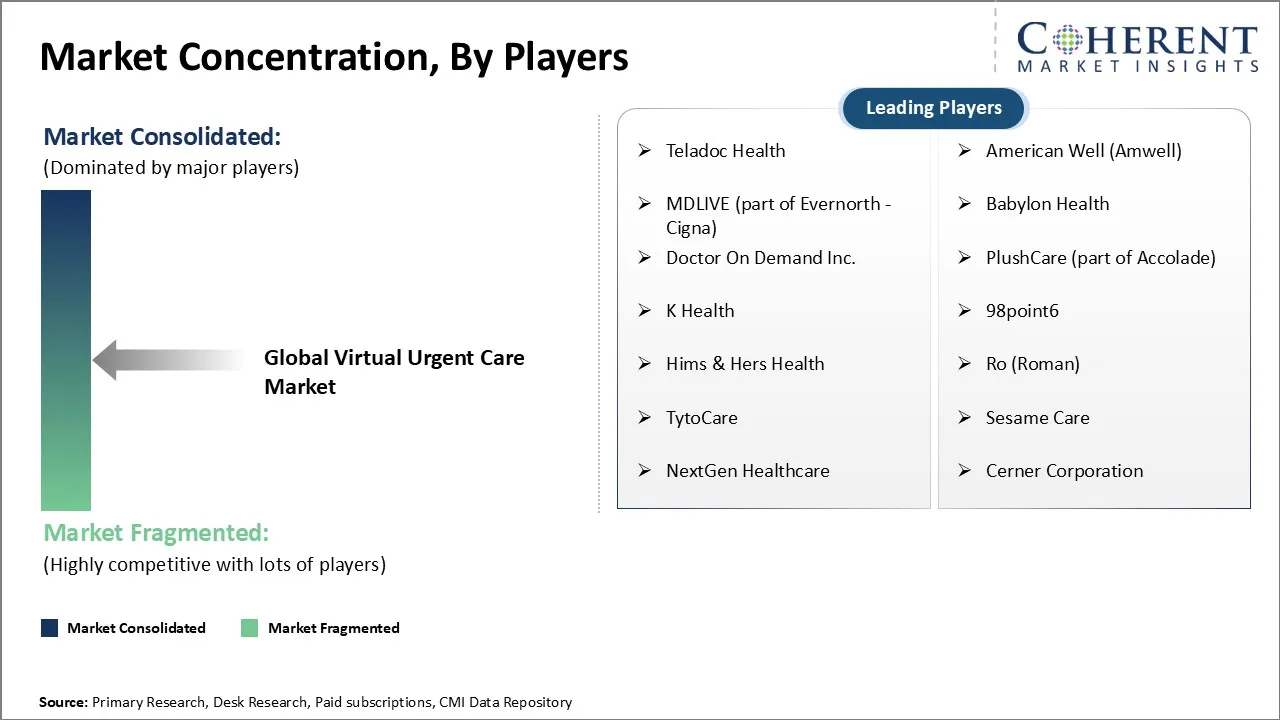
The U.S. virtual urgent care market continues to evolve, with key players like Teladoc Health, Amwell, and MDLIVE leading the way in offering virtual care services. These companies focus on improving patient convenience and integrating telehealth into the broader healthcare system. The regulatory landscape, including expanded Medicare and Medicaid telehealth policies, is a significant driver of the market's growth. Healthcare providers are increasingly adopting AI-driven diagnostic tools and remote patient monitoring to enhance the efficiency and quality of virtual urgent care. Consumer trust in telehealth, along with increasing insurance coverage, further fuels market development.
For example, in August 2021, Mount Sinai Health System, a renowned New York-based academic medical center, introduced a mobile app to improve care for heart attack patients. The app facilitates real-time communication and data sharing between paramedics, emergency departments, and cardiologists, significantly reducing response times during emergencies.
Canada Virtual Urgent Care Market Trends
The Canada virtual urgent care market is growing rapidly, driven by the adoption of telehealth, government initiatives, and technological advancements. The COVID-19 pandemic accelerated virtual care, particularly in rural areas, with innovations like Remote Patient Monitoring (RPM) and AI improving chronic condition management and diagnostics. Government support, including investments from Canada Health Infoway and broadband development, is enhancing accessibility. However, challenges such as data privacy and the digital divide remain. Despite this, the market is poised for continued growth.
For instance, in June 2024, the University of Ottawa Heart Institute, a leading Canadian cardiovascular center, collaborated with TELUS, a major telecommunications company, to roll out a smartphone app aimed at improving emergency cardiac care efficiency. The app enhances communication among paramedics, emergency teams, and cardiac specialists, enabling faster intervention for heart attack patients.
U.K. Virtual Urgent Care Market Trends
The U.K. virtual urgent care market is undergoing significant transformation, driven by advancements in digital health technologies and strategic policy initiatives. The National Health Service (NHS) has committed to integrating digital tools such as AI diagnostics, virtual therapy, and wearable health apps into standard care pathways. These technologies are being evaluated for cost-effectiveness by the National Institute for Health and Care Excellence (NICE), with the goal of offering patients access to proven digital treatments on par with traditional medications.
The shortage of hospital beds and long wait times have driven the shift from physical to virtual care in the U.K. In December 2021, the NHS introduced guidelines for virtual wards, allowing patients who would normally require hospital admission to receive acute care, remote monitoring, and treatment at home or in care homes. This approach aims to ease pressure on frontline staff and improve patient outcomes by providing timely information to the right people.
Germany Virtual Urgent Care Market Trends
Germany is experiencing steady growth in its virtual urgent care market, driven by robust healthcare digitization policies and a strong insurance-driven system. Companies like TeleClinic and Kry are expanding virtual urgent care services across the country, ensuring compliance with stringent regulatory standards and data privacy laws. This aligns with Wellster’s approach, which also emphasizes accessible, high-quality care through digital platforms, as seen with their new MySummer platform for women's health. The government’s Digital Healthcare Act promotes reimbursement for telemedical consultations, further encouraging the integration of virtual care services. Established healthcare institutions are collaborating with tech startups, like Wellster, to enhance care delivery, making virtual urgent care a key component of Germany’s evolving healthcare system.
For instance, in April 2022, Wellster, a healthtech startup launched MySummer, a platform dedicated to women’s health, addressing care gaps in areas like contraception, urological issues, and intimate health. The company, which previously focused on men’s health, mental health, and skin care, offers personalized medical advice and treatment remotely. With USD 17.5 million in funding, Wellster aims to improve access to quality healthcare for women, a traditionally underserved market in digital health.
Market Players, Key Developments, and Competitive Intelligence
Key Developments
- In April 2025, Cedars-Sinai, a major California, U.S. healthcare system, studied 461 virtual urgent care visits via its Cedars-Sinai Connect app. The research found AI often made stronger initial recommendations especially spotting issues like resistant infections while physicians were better at collecting patient histories and personalizing care.
- In April 2025, Castlight Health, a healthcare benefits navigation company, introduced 24/7 virtual urgent care through its app, partnering with Fabric to deliver fast, high-quality care. The solution addresses gaps in traditional virtual care by ensuring integrated, coordinated experiences for members. Castlight’s parent company, apree health, says the launch will help employees easily access trusted care within minutes.
- In December 2024, Virtua Health, South Jersey’s largest health system, has rolled out virtual care programs across multiple hospitals through a partnership with Orlando-based care.ai. The initiative will convert over 1,000 inpatient beds into “smart” rooms with secure two-way video, letting patients consult remote medical experts and include family members in discussions. Virtua is the first in Greater Philadelphia to adopt this technology system-wide, aiming for full implementation by late 2025.
- In September 2024, the U.S. Department of Veterans Affairs (VA), the nation’s largest integrated healthcare system, has expanded tele-emergency care (tele-EC) nationwide to help Veterans access urgent virtual care from home. Through VA Health Connect, Veterans can call and speak with a triage nurse, who connects them to tele-EC providers for real-time evaluation and treatment recommendations. The service has already resolved nearly 60% of cases without requiring in-person visits, improving timely care for Veterans, especially those in rural areas or with mobility challenges.
Top Strategies Followed by Global Virtual Urgent Care Market Players
- Established market leaders in the virtual urgent care market invest heavily in research and development (R&D) to continuously innovate high-performance telemedicine platforms. These companies integrate advanced technologies like artificial intelligence (AI) and machine learning to enhance diagnostic accuracy and improve patient engagement. By forming strategic partnerships with healthcare providers, technology firms, and original equipment manufacturers (OEMs), they streamline virtual care solutions and solidify their positions as industry frontrunners.
- In May 2023, Zocdoc, Inc., a prominent healthcare appointment platform, broadened its services by adding urgent care options. The new feature allows patients to swiftly book same-day or next-day appointments with nearby urgent care providers, streamlining access to treatment for acute medical issues.
- Mid-level players focus on providing cost-effective virtual urgent care solutions, appealing to price-sensitive consumers, including individuals in developing regions and smaller healthcare facilities. By optimizing operations and reducing service costs, these companies deliver high-quality care without compromising patient outcomes, making them a valuable option for those seeking affordable healthcare solutions.
- In November 2021, TalktoMira, Inc., a health membership platform focused on affordable care access, introduced four new virtual care services via the Mira Health App. According to the company, members can connect with a provider anytime, 24/7/365, from anywhere in the United States, avoiding office wait times and unnecessary trips to care sites.
- Small-scale players and startups in the virtual urgent care market differentiate themselves by offering specialized features tailored to specific patient demographics or healthcare challenges. These companies leverage cutting-edge technologies such as blockchain for secure patient data management and wearable health devices for remote monitoring, allowing them to stay competitive in a rapidly evolving industry.
- In March 2024, Children’s Hospital Los Angeles (CHLA), US top-ranked pediatric hospital, has launched Virtual Urgent Care for kids and young adults up to age 21 statewide. The service lets families connect by video with CHLA providers after hours for non-emergency issues like fevers, rashes, minor injuries, and allergies all from home.
Market Report Scope
Virtual Urgent Care Market Report Coverage
| Report Coverage | Details | ||
|---|---|---|---|
| Base Year: | 2025 | Market Size in 2026: | USD 8.46 Bn |
| Historical Data for: | 2020 To 2024 | Forecast Period: | 2026 To 2033 |
| Forecast Period 2026 to 2033 CAGR: | 12.4% | 2033 Value Projection: | USD 19.18 Bn |
| Geographies covered: |
| ||
| Segments covered: |
| ||
| Companies covered: | Teladoc Health, American Well (Amwell), MDLIVE (part of Evernorth - Cigna), Babylon Health, Doctor On Demand Inc., PlushCare (part of Accolade), K Health, 98point6, Hims & Hers Health, Ro (Roman), TytoCare, Sesame Care, NextGen Healthcare, and Cerner Corporation | ||
| Growth Drivers: |
| ||
| Restraints & Challenges: |
| ||
Virtual Urgent Care Market Dynamics
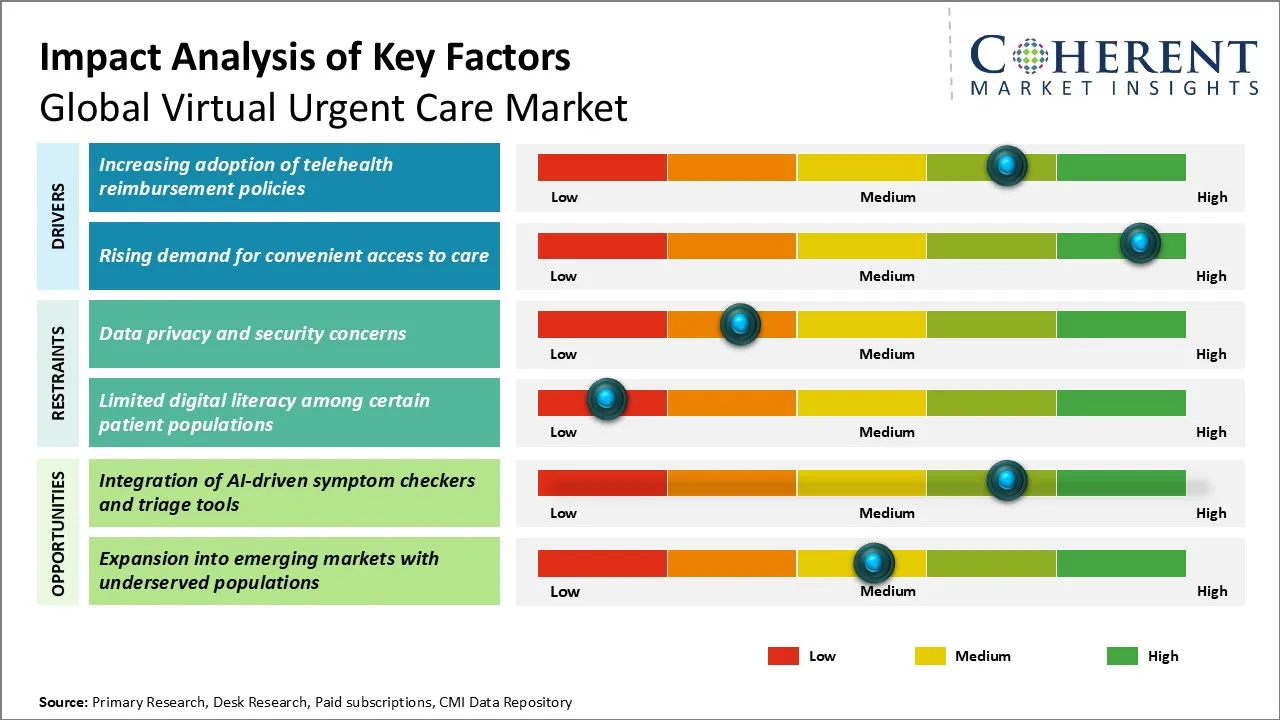
Virtual Urgent Care Market Driver - Increasing Adoption of Telehealth Reimbursement Policies
The widespread implementation and expansion of telehealth reimbursement policies have become a significant catalyst driving the global virtual urgent care market forward. With healthcare payers, including government programs and private insurers, progressively recognizing and reimbursing virtual care services at par with in-person consultations, providers are increasingly incentivized to integrate and promote virtual urgent care offerings.
Furthermore, updated reimbursement frameworks encourage healthcare systems to invest in the necessary digital infrastructure, training, and technology improvements to streamline virtual care delivery. As a result, patients benefit from broader access to convenient, timely medical attention, which contributes to the rising acceptance and utilization of virtual urgent care services. Collectively, these reimbursement enhancements create a positive feedback loop, accelerating the adoption of virtual urgent care solutions across diverse healthcare settings globally.
In March 2025, the American Telemedicine Association’s advocacy group, ATA Action, acquired the Digital Therapeutics Alliance to form the Advancing Digital Health Coalition, a unified policy and advocacy platform focused on expanding access to virtual care and software-based treatment tools. The coalition will promote digital therapeutics, remote monitoring devices, AI-powered diagnostics, and care-at-home solutions by driving supportive regulations and reimbursement policies in the U.S. and globally.
Virtual Urgent Care Market Opportunity - Integration of AI-Driven Symptom Checkers and Triage Tools in the Global Virtual Urgent Care Market
The integration of AI-driven symptom checkers and triage tools presents a significant opportunity within the global virtual urgent care market, poised to enhance patient engagement and streamline clinical workflows. These advanced technologies leverage machine learning algorithms and extensive medical databases to provide patients with immediate, accurate preliminary assessments of their symptoms before consultation with healthcare providers.
Moreover, AI-enabled triage tools can prioritize cases based on severity, ensuring that urgent cases receive prompt medical attention while less critical concerns are managed efficiently through virtual platforms. The adoption of AI-driven tools supports scalability of virtual urgent care services, making them suitable for diverse populations across geographies, including underserved and remote areas.
In August 2024, Private health insurer nib, has rolled out an AI-powered symptom checker to help members identify possible conditions and choose the right level of care, whether self-care, GP visits, or emergency care. Developed with digital health company Intermedia, the tool aims to reduce pressure on New Zealand’s strained health system by directing non-urgent cases away from hospitals and improving access to telehealth services.
Analyst Opinion (Expert Opinion)
- The global virtual urgent care market is experiencing robust growth, driven by rapid technological advancements, increasing consumer preference for on-demand healthcare, and supportive regulatory frameworks that have expanded reimbursement for telehealth services. The widespread adoption of AI-powered triage tools, secure video platforms, and integrated electronic health records has dramatically improved operational efficiency and patient engagement. Notable challenges persist, including data privacy concerns, variable broadband access in rural regions, and the need for clinicians to adapt workflows to digital care delivery. However, these hurdles also create fertile ground for innovation, such as hybrid care models that blend virtual and in-person visits, and new AI-enabled solutions that personalize care pathways and optimize resource allocation.
- Industry knowledge-sharing has been accelerated through prominent events like the ATA Annual Conference & Expo, HIMSS Global Health Conference, and the Virtual First Care Summit, which have provided critical forums for policy discussions, product showcases, and collaborative partnerships. Recent initiatives such as the partnership between K Health and Hackensack Meridian Health to launch AI-supported 24/7 virtual urgent care services illustrate how technology and clinical expertise are converging to redefine care delivery. Additionally, government-funded telehealth expansion programs in the U.S., U.K., and Australia are expected to sustain momentum, making virtual urgent care an integral part of the healthcare landscape worldwide.
Speak to the analyst
Want personalized insights?
Take the findings above to one of our principal consultants, or have the report rebuilt around the segments, geographies and competitors you actually track.
Market Segmentation
- Deployment Mode Insights (Revenue, USD Bn, 2021 - 2033)
- Cloud-based
- On-premise
- Service Type Insights (Revenue, USD Bn, 2021 - 2033)
- Acute Care Consultations
- Upper Respiratory Infections
- Dermatological Conditions
- Others
- Chronic Condition Management
- Diabetes Monitoring & Education
- Hypertension Management & Titration
- Others
- Mental Health Services
- Anxiety and Stress Management
- Depression Counseling & Therapy
- Others
- Prescription Refills & Medication Management
- Maintenance Medication Renewals
- Medication Adherence Counseling
- Others
- Post-Operative & Follow-Up Care
- Symptom Monitoring & Complication Screening
- Rehabilitation Progress Reviews
- Others
- Acute Care Consultations
- Platform Insights (Revenue, USD Bn, 2021 - 2033)
- Telephone Consultations
- Video Visits (Telemedicine Apps)
- Chat-Based & AI-Powered Platforms
- Hybrid Models (In-Person + Virtual Integration)
- Age Group Insights (Revenue, USD Bn, 2021 - 2033)
- Pediatric
- Geriatric
- Adult
- Gender Insights (Revenue, USD Bn, 2021 - 2033)
- Male
- Female
- End User Insights (Revenue, USD Bn, 2021 - 2033)
- Patients (Direct-to-Consumer)
- Employers & Corporate Wellness Programs
- Health Insurance Providers
- Hospitals & Clinics (Provider-Led Virtual Care)
- Urgent Care Centers
- Others (Government and Public Health Agencies, etc.)
- Regional Insights (Revenue, USD Bn, 2021 - 2033)
- North America
- U.S.
- Canada
- Latin America
- Brazil
- Argentina
- Mexico
- Rest of Latin America
- Europe
- Germany
- U.K.
- Spain
- France
- Italy
- Russia
- Rest of Europe
- Asia Pacific
- China
- India
- Japan
- Australia
- South Korea
- ASEAN
- Rest of Asia Pacific
- Middle East
- GCC Countries
- Israel
- Rest of Middle East
- Africa
- South Africa
- North Africa
- Central Africa
- North America
- Key Players Insights
- Teladoc Health
- American Well (Amwell)
- MDLIVE (part of Evernorth - Cigna)
- Babylon Health
- Doctor on Demand Inc.
- PlushCare (part of Accolade)
- K Health
- 98point6
- Hims & Hers Health
- Ro (Roman)
- TytoCare
- Sesame Care
- NextGen Healthcare
- Cerner Corporation
Sources
Primary Research Interviews
- Healthcare Providers (Physicians, Nurse Practitioners)
- Telehealth Platform Administrators
- Hospital System Executives
- Health IT Directors
- Regulatory Affairs Specialists
- Virtual Care Patient Focus Groups
Government and International Databases
- U.S. Centers for Medicare & Medicaid Services (CMS)
- U.S. Food and Drug Administration (FDA)
- U.S. Department of Health and Human Services (HHS)
- National Health Service (NHS) Digital (UK)
- European Medicines Agency (EMA)
- Eurostat
- OECD Health Statistics
- World Health Organization (WHO)
- Pan American Health Organization (PAHO)
Trade Publications
- Healthcare IT News
- Modern Healthcare
- MedCity News
- mHealth Intelligence
- Fierce Healthcare
Academic Journals
- The Lancet Digital Health
- Journal of Medical Internet Research
- Telemedicine and e-Health
- JAMA Network Open
- BMJ Health & Care Informatics
- npj Digital Medicine
Reputable Newspapers
- The New York Times
- The Washington Post
- The Guardian
- Financial Times
- The Wall Street Journal
Industry Associations
- American Telemedicine Association (ATA)
- Healthcare Information and Management Systems Society (HIMSS)
- International Society for Telemedicine and eHealth (ISfTeH)
- National Rural Health Association (NRHA)
- European Connected Health Alliance (ECHAlliance)
Public Domain Resources
- Open Data Europe
- Digital Health Observatory
- U.S. Digital Health Data Repository
Proprietary Elements
- CMI Data Analytics Tool: Proprietary analytics tool to analyze real-time market trends, consumer behavior, and technology adoption in market
- Proprietary CMI Existing Repository of Information for the Last 8 Years
Get access to 250+ pages report
Every segment, forecast, competitor profile and data table behind the analysis above — available for instant download.
- ESOMAR Member
- ISO 9001:2015 Certified
- D-U-N-S Registered
- GDPR & CCPA Compliant
Missing comfort of reading report in your local language? Find your preferred language:
Transform your Strategy with Exclusive Trending Reports
Frequently Asked Questions
The global virtual urgent care is estimated to be valued at USD 8.46 Bn in 2026 and is expected to reach USD 19.18 Bn by 2033.
The CAGR of the global virtual urgent care market is projected to be 12.4% from 2026 to 2033.
Increasing adoption of telehealth reimbursement policies and rising demand for convenient access to care are the major factors driving the growth of the global virtual urgent care market.
Data privacy and security concerns and limited digital literacy among certain patient populations are the major factors hampering the growth of the global virtual urgent care market.
In terms of deployment mode, the cloud-based subsegment is estimated to dominate the market revenue share in 2026.
Teladoc Health, American Well (Amwell), MDLIVE (part of Evernorth - Cigna), Babylon Health, Doctor On Demand Inc., PlushCare (part of Accolade), K Health, 98point6, Hims & Hers Health, Ro (Roman), TytoCare, Sesame Care, NextGen Healthcare, and Cerner Corporation are the major players in the virtual urgent care market.
North America is expected to lead the global virtual urgent care market in 2026.