

Wellness Supplements Market Size and Trends
The wellness supplements market share is estimated to be valued at USD 315.07 Bn in 2026 and is expected to reach USD 543.48 Bn by 2033, growing at a compound annual growth rate (CAGR) of 8.1% from 2026 to 2033.
Key Takeaways
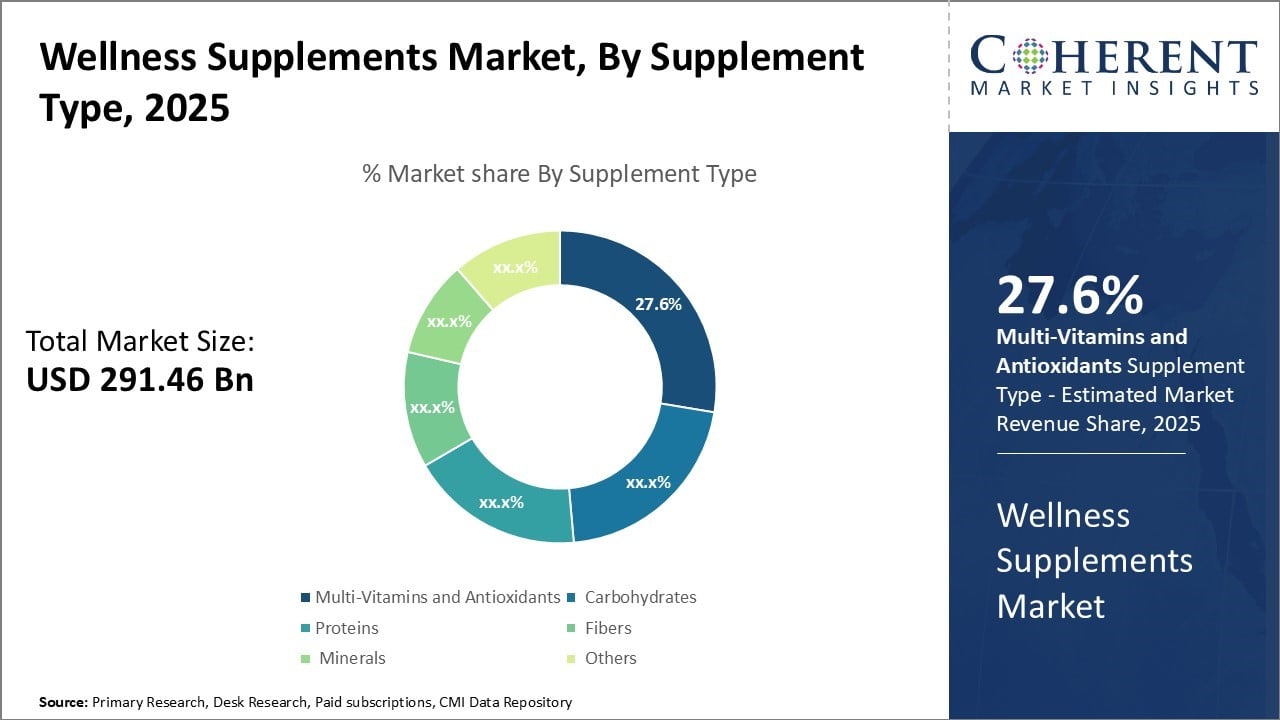
- Based on Supplement Type, the Multi-Vitamins And Antioxidants segment is expected to lead the market with a 28.6% share in 2026 owing to increasing recognition in the importance of vitamins and antioxidants to boost immunity.
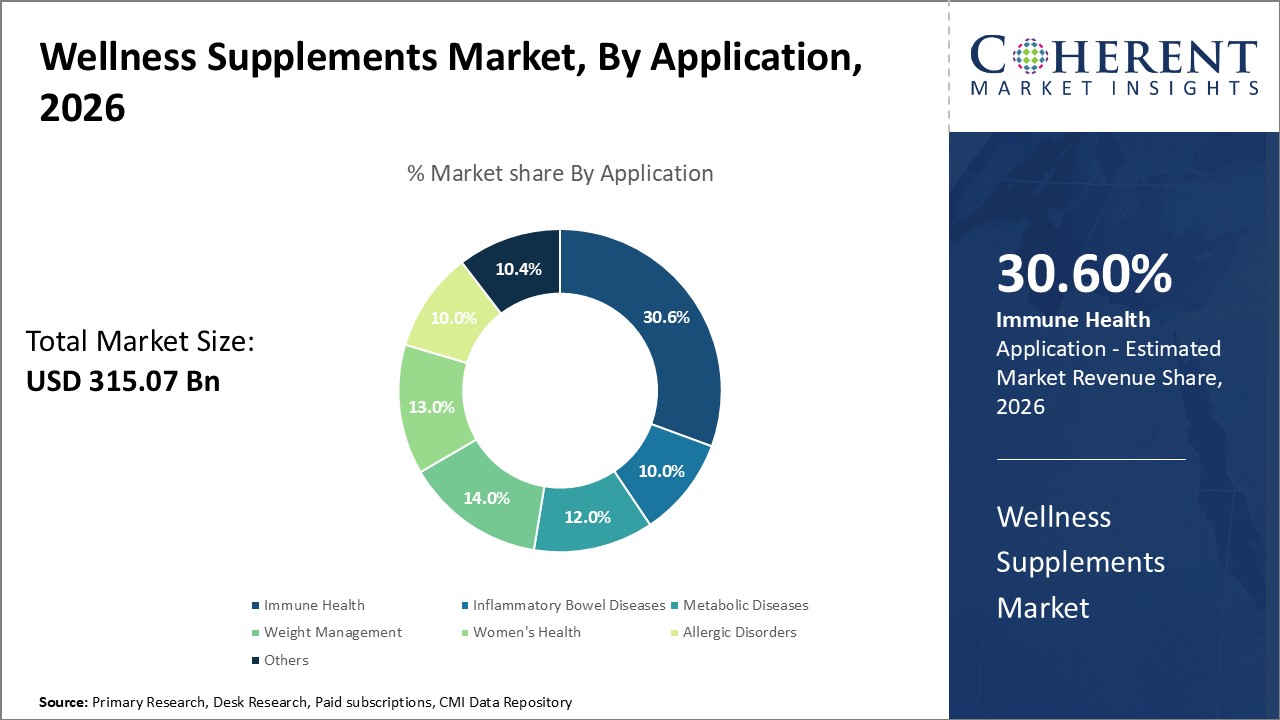
- Based on Application, the Immune Health segment is expected to dominate at 30.6% in 2026 due to weakened immune system of people leading to illnesses.
- Based on Form, the Capsules & Tablets segment remains the dominate segment with a estimated 30.8% share in 2026, supported by its ability of ease to consumption.
- Based on Distribution Channel, the Online segment is projected to account for the highest share of the market in 2026, owing to massive reach and brand variety.
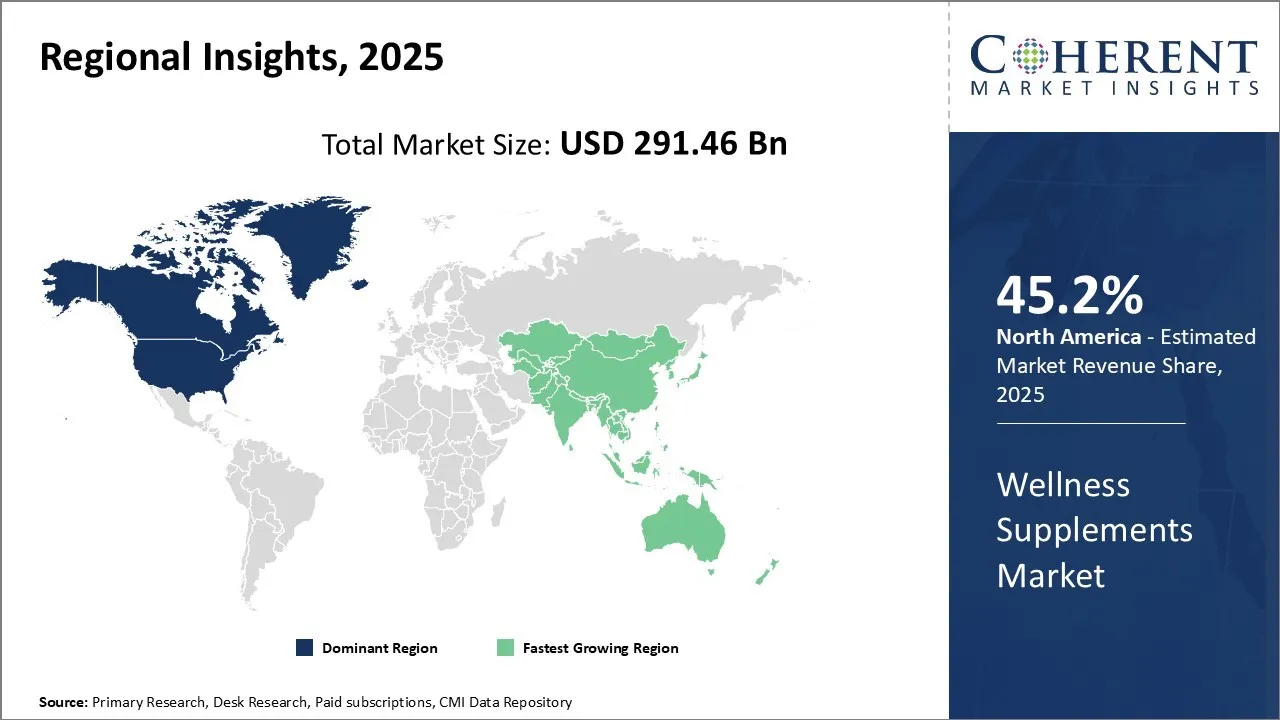
- Based on Region, North America is expected to lead the market, holding a share of 45.2% in 2026. While, Asia Pacific is anticipated to be the fastest growing region.
Market Overview
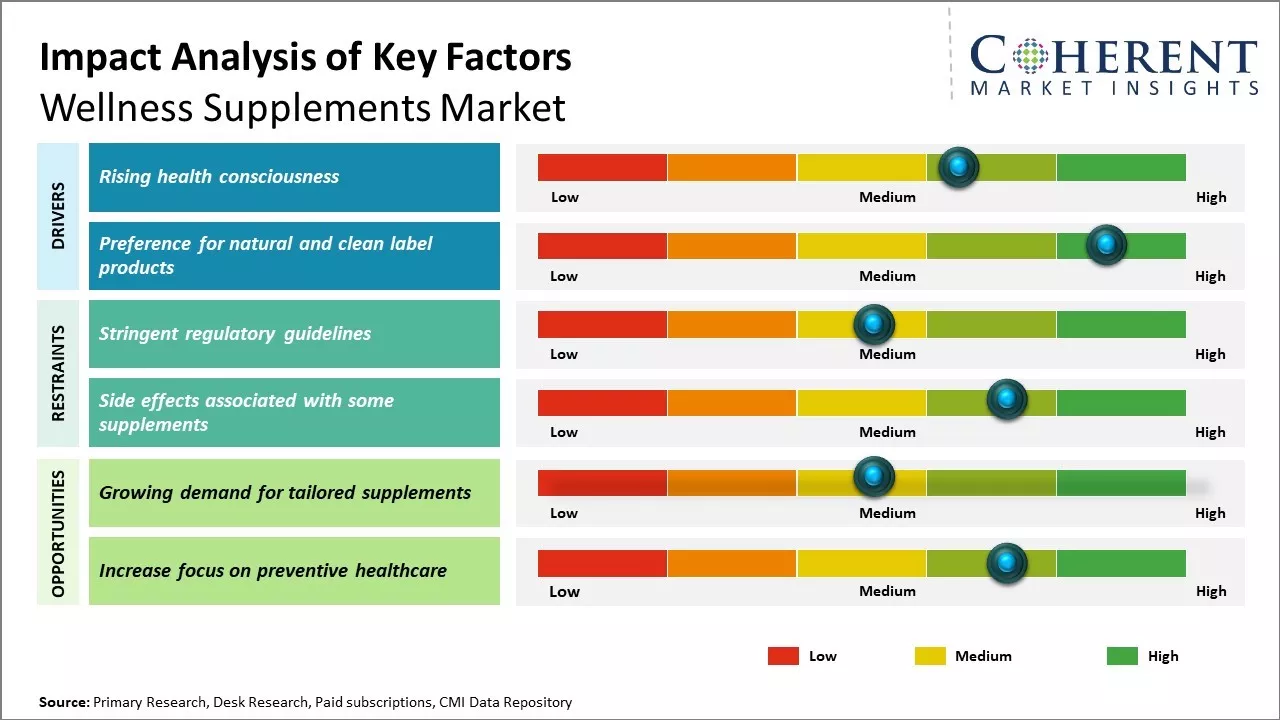
The wellness supplements market demand has been witnessing significant growth over the past few years. Factors, such as increasing health consciousness among consumers and growing prevalence of lifestyle diseases, have been driving the demand for wellness supplements. Moreover, the ability of wellness supplements to provide targeted nourishment and support specific health conditions is further boosting their popularity. Additionally, rising disposable income levels along with improving standards of living have also been fueling the wellness supplement market growth. However, regulatory issues pertaining to the substantiation of label claims and strict guidelines over new ingredients may hamper the growth of the wellness supplements market during the forecast period.
Current Events and their Impact on the Wellness Supplements Market
Current Event | Description and its Impact |
Regulatory Shifts and Compliance Requirements |
|
Economic and Inflationary Pressures |
|
Role of Artificial Intelligence (AI) into Wellness Supplements Market
The rapid integration of artificial intelligence in nutrition science is transforming the wellness supplement market. This technological advancement facilitates hyper-targeted, data-driven solutions based on individual genetics, lifestyle, gut microbiome, and real-time health metrics. AI algorithms are now integral to platforms that recommend personalized supplement regimens, commonly delivered through monthly subscription models. This represents a significant shift from generic, one-size-fits-all products to precision wellness.
Companies such as Baze, Care/of, and Nutrigenomix are leveraging machine learning and biometric data to create customized formulations, thereby establishing a new competitive benchmark. According to industry experts, consumers, particularly from millennials and Gen Z demographics, increasingly expecting personalized, clinically-supported solutions, with loyalty favoring tech-integrated brands.
In April 2025, A six-week pilot study led by the PROTEIN project at Greece’s Center for Research and Technology demonstrates that AI-driven personalized nutrition can significantly improve gut microbiome diversity in healthy adults. The study, published in Nutrients, tracked 29 participants using a smartphone app that delivered tailored Mediterranean-style meal plans informed by artificial intelligence and microbiome profiling. Results highlighted increased microbial richness and diversity, along with reductions in bloating, constipation, and inflammatory markers. While encouraging, researchers emphasize that further large-scale, longer-duration trials are needed to confirm health benefits and establish clinical guidelines.
- Current Industry Events of 2026
- Market Size Estimation
- Regional Breakdown
- Competitive Landscape
- Customer Intelligence
- Segmental Analysis
- Pricing Analysis
- Key Market Drivers, Challenges & Future Trends
- Customized Insights Section
Segmental Insights
Wellness Supplements Market Insights, By Supplement Type
Expanding awareness about benefits drives the growth of multi-vitamins and antioxidants
In terms of supplement type, the multi-vitamins and antioxidants segment is anticipated to hold 28.6% of the market share in 2026. Consumers are increasingly recognizing the essential role played by vitamins and antioxidants in boosting immunity, reducing oxidative stress, and promoting overall well-being. Many people suffer from vitamin deficiencies due to lack of nutrients in regular diet and polluted environment. This provides a massive opportunity for multi-vitamin and antioxidant supplements to fulfill the nutritional gaps. Moreover, hectic modern lifestyles lead to fatigue and reduced immunity, prompting people to rely on these supplements. The positive recommendations by health experts and influencers regarding vitamins and antioxidants have boosted their popularity. Consequently, the multi-vitamins and antioxidants segment will continue dominating the wellness supplements market over the foreseeable future.
In March 2025, Fitness and wellness brand Life Time launched NOURISH, a drinkable daily greens and multivitamin powder, timed with National Nutrition Month. Formulated by in-house dietitians, one scoop provides 23 essential vitamins and minerals, 21 % more than leading rivals, plus probiotics, digestive enzymes, Peak O2 mushroom blend, Sensoril® ashwagandha, CoQ10, and astaxanthin.
Wellness Supplements Market Insights, By Application
Improved access drives the growth of the immune health segment
Immune health segment is expected to contribute the highest share of the wellness supplements market and is projected to hold 30.6% of the market share in 2026. A weakened immune system leaves people vulnerable to various illnesses throughout the year. This provides a massive opportunity for immune health supplements to gain penetration. Earlier, these supplements used to be available mainly through expensive prescription packages. However, immune boosters are now easily available as over-the-counter products at affordable prices. This improved access through multiple sales channels including pharmacies, health stores, online portals as well as recommendation by doctors has propelled the uptake of immune health supplements. The growing prevalence of chronic lifestyle diseases also necessitates bolstering immunity, benefiting this segment's growth.
In June 2025, Amway India expanded its wellness range with Nutrilite Triple Protect, a plant-based supplement designed to support immunity, gut health, and skin wellness. The product combines Acerola Cherry extract (rich in vitamin C), turmeric and licorice, fully sourced from certified organic farms, to deliver antioxidant and anti-inflammatory benefits. Each serving meets 100% RDA of vitamin C, with no artificial additives.
Wellness Supplements Market Insights, By Form
User convenience drives the preference for capsules & tablets
Capsules & tablets segment is expected to contribute the highest share of the wellness supplements market and is projected to hold 30.8% of the market share in 2026. Capsules and tablets are easier for most users to incorporate into their daily routine as compared to powders, liquids or gummies/softgels. Being small and lightweight, capsules and tablets can be easily packed and carried anywhere, improving user compliance. Their solid form also provides precision in dosage and ensures accurate consumption of recommended amounts of ingredients. The no-mess and spill-proof advantage of capsules and tablets makes them a preferred format for on-the-go lifestyles. Manufacturers are also able to incorporate high concentrations of ingredients into capsules and tablets, allowing them to deliver potent support in compact delivery.
In June 2025, Health supplement brand Nixol launched its new vegan-friendly Nixol Capsules in the UK, targeting consumers seeking natural metabolic support and weight management solutions. Featuring a blend of plant-based ingredients such as apple cider vinegar, guarana, inulin, and essential amino acids, the once-daily capsules aim to support metabolism, curb cravings, and boost energy without synthetic additives. It is produced in GMP-certified facilities, the non-GMO, gluten- and dairy-free supplement enters the UK market amid growing consumer demand for clean-label health products.
Wellness Supplements Market Insights, By Distribution Channel
Brand Variety Drives the Online Segment
In terms of distribution channel, the online segment is expected to contribute the highest share of the market in 2026, owing to massive reach and brand variety. The online availability of wellness supplements on platforms such as Amazon, iHerb, and Flipkart Health+ offer an extensive range of supplement brands, formulations, and price points, all in one place, making them highly attractive to global consumers. Busy lifestyle persists, with consumers preferring the convenience of doorstep delivery, quick reordering, and subscription models for daily wellness products like multivitamins, probiotics, and adaptogens. Globally there are 2297 Online Supplement Stores companies which include top companies like HealthKart, SastaSundar and HyugaLife.
Regional Insights
North America Wellness Supplements Market Analysis & Trends
North America has established itself as the dominant player in the wellness supplements market over the years and is anticipated to hold 45.2% of the market share in 2026. The large population of health-conscious consumers and rising disposable incomes in countries like the U.S. have propelled the market growth. Additionally, North America has traditionally been at the forefront of innovation in dietary and herbal supplements. Leading manufacturers have their headquarters in the region and invest heavily in new product development. This has ensured that North American consumers have easy access to the widest variety of supplements. Stringent regulations have also helped build consumer trust in the quality and efficacy of supplements sold. Regional players have highly optimized supply chains and distribution networks to service both brick-and-mortar retailers as well as the thriving e-commerce channels. This extensive retailer coverage enables them to maintain competitive price points across categories while still achieving healthy margins. The presence of major private label manufacturers further intensifies the price competition.
In June 2026, Nerve Freedom, a new plant-based wellness supplement aimed at supporting nerve health and physical comfort, has launched nationwide. Formulated with botanical and nutritional ingredients, the U.S.-made formula is designed to ease everyday sensations in the hands, feet, and limbs while promoting mobility. Produced under rigorous quality and safety standards, Nerve Freedom requires no prescriptions and integrates effortlessly into daily routines.
Asia Pacific Wellness Supplements Market Analysis & Trends
The Asia Pacific region is anticipated to develop at the highest CAGR over the forecasted period. Countries like India, China, Thailand, Malaysia, Indonesia, Philippines, and Vietnam have seen a surge in health awareness in recent years. Changing lifestyles, hectic work schedules, and increased medicalization have shifted focus onto preventive healthcare and supplements. This has prompted international as well as regional players to focus on these emerging economies. E-commerce has revolutionized retail in Asia Pacific and driven supplement consumption. Consumers heavily rely on digital platforms to purchase all product categories, including wellness items. Leading regional retailers have established robust cross-border networks as well to source popular international brands.
In March 2026, Suntory Wellness, the health and wellness arm of Japan’s Suntory Group, launched VISTRA Sesamin Night Time in Thailand, the first supplement jointly developed with its subsidiary NBD Healthcare . Featuring sesamin compounds derived from sesame seeds and enriched with L‑theanine, the non-habit-forming formula is designed to enhance deep sleep quality and reduce next-day fatigue. Available now through select e-commerce platforms, pharmacies, and drugstores, each 30-capsule bottle is priced at 890 THB.
Wellness Supplements Market Outlook Country-Wise
The U.S. Wellness Supplements Market Trends
The U.S. market represents the largest and most sophisticated growth in the wellness supplement market globally, characterized by largest global market, a strong consumer focus on fitness, immunity, mental health and preventive care. Americans are increasingly adopting a preventive approach to healthcare, choosing supplements, fitness routines, and healthy diets to avoid chronic illnesses rather than just treating them due to rising conditions of obesity, heart disease, and diabetes have made prevention a national health priority. The U.S. has one of the largest fitness industries globally, with over 64 million gym memberships and growing at home fitness culture.
In June 2026, a new Consumer Healthcare Products Association (CHPA) survey revealed robust American support for modernizing dietary supplement regulations under the Dietary Supplement Health and Education Act (DSHEA). Among registered voters, 92% say supplements positively impact health.
UK Wellness Supplements Market Trends
The U.K. wellness supplements market is witnessing a significant transformation driven by increased focus on immunity, gut health, and vegan-friendly formulation. Consumers in the UK are increasingly focused on preventive health and everyday wellness, rather than treating illness after onset. There’s strong interest in supplements for immunity, energy, sleep, digestion, and mental wellbeing.
In February 2026, The UK introduced Icesupp, the country’s first frozen oral nutritional supplement range, targeting cancer patients and elderly individuals struggling with conventional meal-replacement drinks. Developed by Amy Smith and Robert Upton in collaboration with Reading University scientists and healthcare professionals, the 100% plant-based lollies combine real fruit, pea protein, fibre, vitamins, and minerals. Each 86 ml pouch delivers 150 calories, 5 g protein, and 2.5 g fibre.
China Wellness Supplements Market Trends
China wellness supplements market is witnessing increased consumer base, aging population and traditional medicine integration. China has a high demand for traditional ingredients like ginseng and mushroom-based blends. Older adults in China are increasingly turning to supplements for joint health, immunity, heart support, and cognitive wellness to maintain quality of life.
For instance, Young Chinese consumers are adopting “punk wellness” by integrating herbal supplements into daily routines, blending modern style with TCM traditions. rom ginseng slices at 1 AM office desks to herb‑infused gelato and portable cordyceps powders, this trend caters to busy lifestyles. Brands such as Tong Ren Tang have launched youth‑focused sub‑brands like Zhima Health, offering personalized consultations, DIY workshops, and Instagram‑friendly packaging, attracting over 80% of visitors aged 18–35.
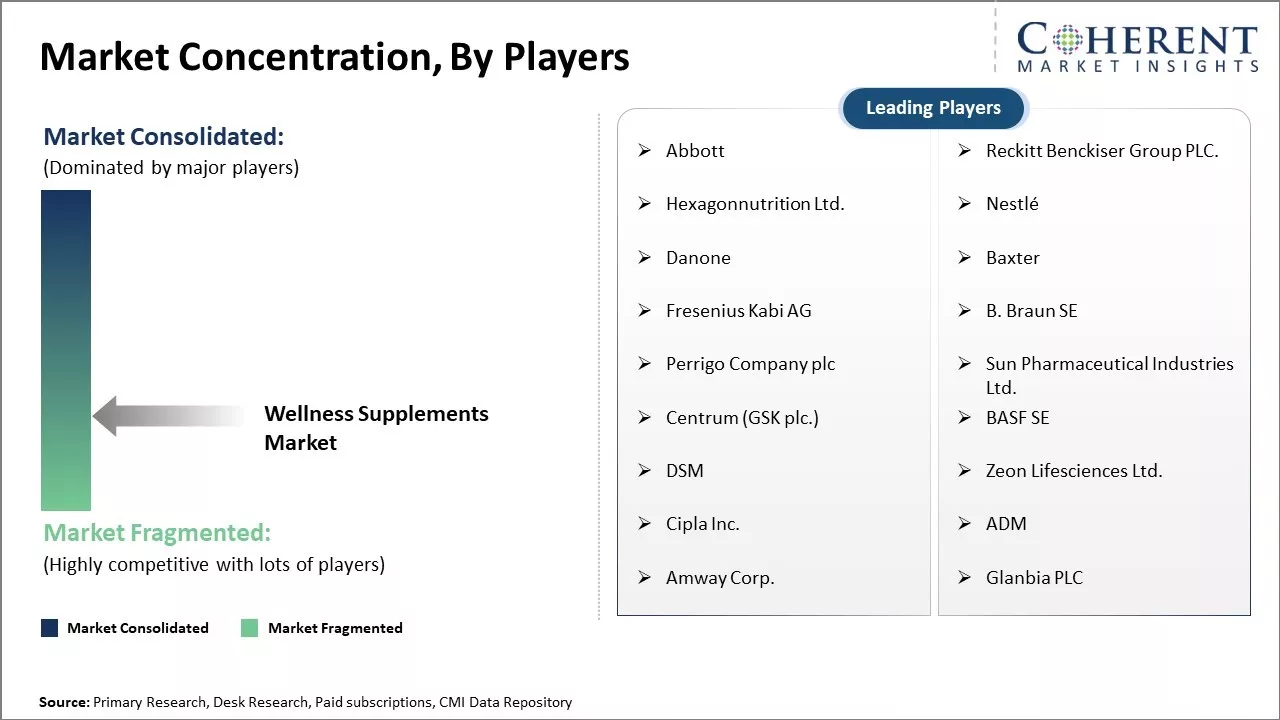
Market Concentration and Competitive Landscape
Recent Development
- In June 2025, Dabur India has launched Siens, a premium direct‑to‑consumer nutraceutical line targeting beauty, gut health, and daily wellness. Siens offers marine collagen, 3‑in‑1 hair‑skin‑nails gummies, multivitamins, omega‑3 softgels, and pre‑ and probiotics. Formulated with clinically studied, globally sourced ingredients and manufactured in GMP, ISO, and HACCP‑certified facilities, the brand caters to health‑conscious, digitally engaged consumers.
- In June 2025, Oriflame expanded its personalized Wellosophy Nutrition Pack following a successful pilot in Spain under its Wellosophy wellness line. Consumers complete an online nutritional assessment and receive a customised daily supplement pack delivered in a reusable dispenser box. Designed by registered nutritionists, the algorithm-tailored packs address deficiencies in skin, brain, sleep, immunity, and energy.
- In February 2024, Herbalife, a premier health and wellness company and community, announced the launch of the Herbalife GLP-1 Nutrition Companion, a new line of food and supplement product combinations designed to meet the nutritional needs of people taking GLP-1 and other weight-loss medications.
- In May 2023, Roquette, a global leader in plant-based ingredients and a leading provider of pharmaceutical and nutraceutical excipients, invited the health and nutrition market to explore a more versatile, stable, and consumer-focused future for probiotic supplements with the introduction of PEARLITOL ProTec.
Market Report Scope
Wellness Supplements Market Report Coverage
| Report Coverage | Details | ||
|---|---|---|---|
| Base Year: | 2025 | Market Size in 2026: | USD 315.07 Bn |
| Historical Data for: | 2020 To 2024 | Forecast Period: | 2026 To 2033 |
| Forecast Period 2026 to 2033 CAGR: | 8.1% | 2033 Value Projection: | USD 543.48 Bn |
| Geographies covered: |
| ||
| Segments covered: |
| ||
| Companies covered: | Abbott, Reckitt Benckiser Group PLC., Hexagonnutrition Ltd., Nestlé, Danone, Baxter, Fresenius Kabi AG, B. Braun SE, Perrigo Company plc, Sun Pharmaceutical Industries Ltd., Centrum (GSK plc.), BASF SE, DSM, Zeon Lifesciences Ltd., Cipla Inc., ADM, Amway Corp., and Glanbia PLC | ||
| Growth Drivers: |
| ||
| Restraints & Challenges: |
| ||
Wellness Supplements Market Driver
Rising health consciousness
As people are becoming more concerned about their health and lifestyle, they are looking for convenient ways to maintain their overall wellbeing. There is greater awareness now about the importance of nutrition and supplements in daily life. According to the Council for Responsible Nutrition, 92 percent of users agree that dietary supplements are essential to maintaining their health. Modern life comes with long working hours, less time for proper meals, higher stress levels, and often unhealthy diets. This has fueled the demand for wellness supplements that can fulfill nutrient deficiencies and promote health from within. People want solutions which are easy to incorporate in their routine, backed by science and effective in delivering tangible benefits. Moreover, access to health information is much higher today. People extensively research online about various nutrition and supplement options available in the market. This allows them to make informed choices. Recent wellness supplements market research by McKinsey & Company highlights this shift, noting that consumers are prioritizing personalized, clean-label, and evidence-backed supplements, with brands like HUM Nutrition and Ritual gaining traction for their transparency and digital-first approach.
Preference for natural and clean label products
With growing preferences for natural products, the wellness industry has seen a strong demand for clean label options. Consumers are wary of synthetic and chemically-processed ingredients in supplements. There is a clear shift to products which are free from common allergens, are plant-based, contain fewer ingredients, and have transparent labeling. The clean label trend has picked up significantly in recent years, influencing both product development cycles as well as purchase decisions. Nearly 1 in 2 consumers globally purchased more fresh, unprocessed foods over the past year. Around 30% are reducing processed foods, while 27% are trying to limit products or ingredients perceived as bad for them.
Customers give preference to supplements derived from natural sources like herbs, plants, and fruits which are perceived to be more familiar to the body with little or no side effects. Even for common supplement categories like vitamins and minerals, offerings from natural sources are preferred over the synthetic variants available in the market. Similarly, preference for vegan supplements has also increased manifold as more people adopt plant-based diets and lifestyles. Additionally, absence of major allergens like gluten, soy, and dairy is an important purchase criterion. With greater awareness of supplement ingredients, consumers check labels carefully for unnecessary additives and chemically-altered substances. Thus, supplement brands are formulating cleaner label, natural products to meet evolved consumer preferences. This consumer behavior is fueling the wellness supplements market demand.
Wellness Supplements Market Opportunities
Growing demand for tailored supplements
The mainstreaming of wellness concepts means more people are actively seeking supplements to support their health goals. An aging population demands products promoting longevity and active lifestyles. Tailored supplements designed for specific demographic needs present an avenue for growth. Emerging research validating ingredients like adaptogens and nootropics piques interest. Novel delivery forms beyond pills could attract new audiences. According to the wellness supplements market forecast, these trends are expected to significantly drive product innovation and expand consumer segments globally over the coming years.
Analyst Opinion (Expert Opinion)
The wellness supplements market value is currently experiencing a significant transformation. The focus is shifting away from mass produced multivitamins and fleeting superfood trends toward precision wellness. Consumers are increasingly gravitating toward formulations that are clinically validated, personalized, and tailored to specific conditions. This shift is most evident in the escalating consumer demand for adaptogens, nootropics, and microbiome-supporting formulations, which are being embraced not merely as supplementary boosters, but as fundamental elements of functional health regimens.
Generic, one-size-fits-all supplements are progressively losing ground. Innovative platforms such as Rootine, Bioniq, and Care/of have captured early adopters by offering DNA-based and biomarker-driven supplement personalization. A recent 2024 study conducted by McKinsey Health revealed that 72% of U.S. consumers under age 45 now prefer wellness products that are customized according to their biological profiles or lifestyle, up from 58% in 2022. This trend underscores a growing skepticism regarding standardized supplementation and an increasing focus on targeted efficacy.
There is a notable discontent among consumers surrounding synthetic isolates and unclear labeling practices. The term "clean label," which formerly equated to "natural," has now evolved to signify "natural and clinically proven." Adaptogens such as Ashwagandha KSM-66 and Bacopa Monnieri BacoMind serve as exemplary cases, supported by peer-reviewed clinical studies, and are now utilized in products from reputable brands like Goli Nutrition and Mind Lab Pro.
In contrast, products that promote proprietary blends without specific dosages are increasingly scrutinized by consumers. In a 2023 consumer trust survey conducted by Label Insight revealed that, 87% of wellness shoppers said they’re more likely to repurchase products that publish human clinical trial data on their packaging or website.
Traditional categories such as weight loss and immunity have reached a plateau in innovation. The real action is in previously underserved but now explosively growing verticals: men’s hormonal health, deep sleep optimization, and cognitive endurance. The launch of Momentous’ Tongkat Ali+ formula, which targets testosterone support, alongside that Glycine + Apigenin combinations offered by brands endorse by Huberman Lab, signifies a decisive shift toward addressing highly specific life-stage and lifestyle requirements.
Speak to the analyst
Want personalized insights?
Take the findings above to one of our principal consultants, or have the report rebuilt around the segments, geographies and competitors you actually track.
Market Segmentation
- Supplement Type Insights (Revenue, USD Bn, 2021 - 2033)
- Proteins
- Carbohydrates
- Multi-Vitamins and Antioxidants
- Fibers
- Minerals
- Others
- Application Insights (Revenue, USD Bn, 2021 - 2033)
- Inflammatory Bowel Diseases
- Metabolic Diseases
- Weight Management
- Women's Health
- Allergic Disorders
- Immune Health
- Others
- Form Insights (Revenue, USD Bn, 2021 - 2033)
- Gummies & Softgels
- Capsules & Tablets
- Powder Form
- Liquid Form
- Others
- Distribution Channel Insights (Revenue, USD Bn, 2021 - 2033)
- Online
- Company Websites
- Third Party Aggregators
- Offline
- Hypermarkets/Supermarkets
- Specialty Stores
- Drug & Pharmacy Stores
- Others
- Online
- Regional Insights (Revenue, USD Bn, 2021 - 2033)
- North America
- U.S.
- Canada
- Latin America
- Brazil
- Argentina
- Mexico
- Rest of Latin America
- Europe
- Germany
- U.K.
- Spain
- France
- Italy
- Russia
- Rest of Europe
- Asia Pacific
- China
- India
- Japan
- Australia
- South Korea
- ASEAN
- Rest of Asia Pacific
- Middle East
- GCC Countries
- Israel
- Rest of Middle East
- Africa
- South Africa
- North Africa
- Central Africa
- North America
- Key Players Insights
- Abbott
- Reckitt Benckiser Group PLC
- Hexagonnutrition Ltd.
- Nestlé
- Danone
- Baxter
- Fresenius Kabi AG
- B. Braun SE
- Perrigo Company plc
- Sun Pharmaceutical Industries Ltd.
- Centrum (GSK plc.)
- BASF SE
- DSM
- Zeon Lifesciences Ltd.
- Cipla Inc.
- ADM
- Amway Corp.
- Glanbia PLC
Sources
Primary Research Interviews from the following stakeholders
Stakeholders
- Interviews with wellness product formulators, dietary supplement manufacturers, nutraceutical distributors, e-commerce managers, regulatory affairs professionals, and procurement heads across leading global markets.
Databases
- UN Comtrade Database
- WHO Global Health Observatory
- Food and Agriculture Organization (FAO) Statistics
- U.S. National Institutes of Health (NIH) Dietary Supplement Label Database
- Directorate General of Commercial Intelligence and Statistics (DGCIS), India
- Eurostat
- India Nutraceuticals Regulatory Database (FSSAI)
- China Customs
- Korean Statistical Information Service (KOSIS)
- Japan’s Ministry of Health, Labour and Welfare
Magazines
- Nutrition Insight
- Nutraceuticals World
- Natural Products Insider
- WholeFoods Magazine
- NutraIngredients Asia / USA
- Health & Nutrition
- Vitamin Retailer
- Clean Eating Magazine – Wellness Trends Section
Journals
- Journal of Dietary Supplements
- Nutrients (MDPI)
- Food & Function (Royal Society of Chemistry)
- American Journal of Clinical Nutrition
- International Journal of Food Sciences and Nutrition
- Journal of Functional Foods
- Phytotherapy Research
- Journal of Preventive Nutrition and Food Science
Newspapers
- The Economic Times – Health & Wellness
- The Hindu Business Line – Nutrition Industry
- Financial Times – Consumer Health Reports
- South China Morning Post – Wellness Market Features
- The Wall Street Journal – Health & Lifestyle
- Business Standard – Nutraceuticals & FMCG Section
Associations
- International Alliance of Dietary/Food Supplement Associations (IADSA)
- Council for Responsible Nutrition (CRN)
- Indian Drug Manufacturers’ Association – Nutraceutical Wing
- American Herbal Products Association (AHPA)
- Japan Health Food & Nutrition Food Association (JHNFA)
- Food Safety and Standards Authority of India (FSSAI)
- European Federation of Associations of Health Product Manufacturers (EHPM)
Public Domain Sources
- Ministry of AYUSH (India) – Nutraceuticals and Herbal Data
- U.S. Food and Drug Administration (FDA) – Dietary Supplement Regulations
- European Food Safety Authority (EFSA) – Functional Food Claims
- NITI Aayog – Wellness and AYUSH Sector Reports
- National Center for Complementary and Integrative Health (NCCIH) – Supplement Use Data
- Ministry of Health, Labour and Welfare (Japan) – Functional Food Approval List
- Reserve Bank of India (RBI) – Reports on Health and Consumer Markets
- India Brand Equity Foundation (IBEF) – Wellness Sector Briefs
- UK Office for Health Improvement and Disparities (OHID) – Supplement Use Insights
Proprietary Elements
- CMI Data Analytics Tool, and Proprietary CMI Existing Repository of information for last 8 years
*Definition: The wellness supplements market consists of various vitamins, minerals, herbal supplements, and other products that promote overall health and well-being. These supplements are taken orally and are available in capsule, powder, or tablet forms. Some popular wellness supplements include multivitamins, omega-3 supplements, probiotics, amino acids, green tea extracts, turmeric, and garlic supplements. Customers use these products to complement their diet and support specific health goals like immunity boosting, heart health, and digestion.
Get access to 250+ pages report
Every segment, forecast, competitor profile and data table behind the analysis above — available for instant download.
- ESOMAR Member
- ISO 9001:2015 Certified
- D-U-N-S Registered
- GDPR & CCPA Compliant
Missing comfort of reading report in your local language? Find your preferred language:
Transform your Strategy with Exclusive Trending Reports
Frequently Asked Questions
The Wellness Supplements Market is estimated to be valued at USD 315.07 Bn in 2026, and is expected to reach USD 543.48 Bn by 2033.
The CAGR of the Wellness Supplements Market is projected to be 8.1% from 2026 to 2033.
Rising health consciousness and preference for natural and clean label products are the major factors driving the growth of the wellness supplements market.
Stringent regulatory guidelines and side effects associated with some supplements are the major factors hampering the growth of the wellness supplements market.
In terms of supplement type, multi-vitamins and antioxidants is estimated to dominate the market revenue share in 2026.
Abbott, Reckitt Benckiser Group PLC., Hexagonnutrition Ltd., Nestlé, Danone, Baxter, Fresenius Kabi AG, B. Braun SE, Perrigo Company plc, Sun Pharmaceutical Industries Ltd., Centrum (GSK plc.), BASF SE, DSM, Zeon Lifesciences Ltd., Cipla Inc., ADM, Amway Corp., and Glanbia PLC are the major players.
North America is expected to lead the wellness supplements market.