

Anti-Snoring Treatment Market Size and Forecast — 2026 - 2033
The Global Anti-Snoring Treatment Market size is estimated to be valued at USD 4.5 billion in 2026 and is expected to reach USD 8.2 billion by 2033, exhibiting a compound annual growth rate (CAGR) of 8.5% from 2026 to 2033.
Overview
The anti-snoring treatment market is driven by the increasing prevalence of Obstructive Sleep Apnea and habitual snoring, largely linked to rising obesity rates and aging populations. Growing awareness of sleep health and its connection to cardiovascular conditions is encouraging early diagnosis and treatment. Demand for non-invasive solutions such as Continuous Positive Airway Pressure devices and oral appliances is increasing due to convenience and effectiveness. Technological advancements, including smart wearables and app-based monitoring, further support adoption, while expanding healthcare access and telemedicine services are boosting market growth globally.
Key Takeaways
In product type segmentation, Mandibular Advancement Devices hold a commanding 45% market share, driven by enhanced comfort and efficacy that encourage adoption across various demographics.
Nasal Dilators are the fastest-growing subsegment, supported by user-friendly designs and increasing consumer awareness.
Within treatment types, Oral Appliance Therapy leads with 52% industry share, preferred over CPAP due to higher compliance rates and ongoing technological innovations.
Behavioral Therapy is emerging as a complementary approach to device-based treatments, supporting overall effectiveness.
Regionally, North America dominates with a 38% market share, benefiting from strong healthcare infrastructure and high adoption of advanced devices.
Asia Pacific is the fastest-growing region, with a CAGR of 10.2% driven by government health initiatives and rising consumer affordability.
Anti-Snoring Treatment Market Segmentation Analysis
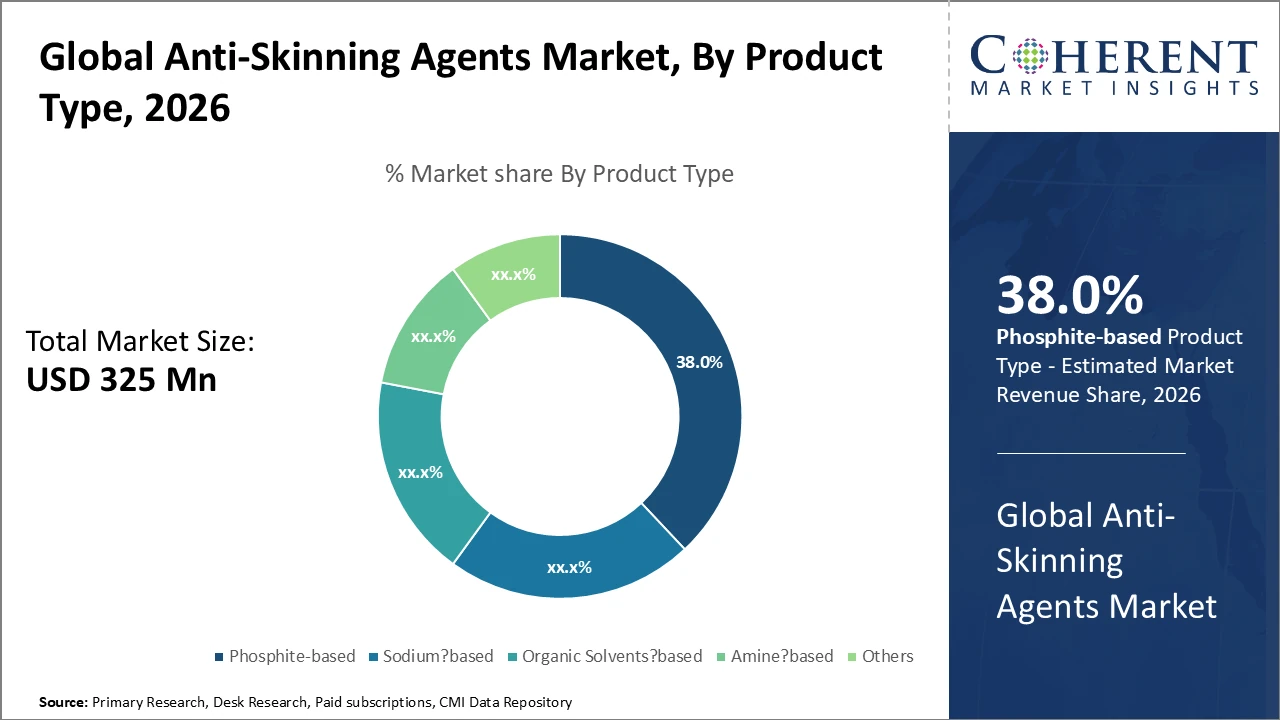
Anti-Snoring Treatment Market Insights, By Product Type
Mandibular Advancement Devices dominate the Anti-Snoring Treatment market with a 45% share, largely due to their clinical effectiveness in repositioning the jaw to improve airflow and reduce snoring episodes. Their adoption is further supported by advances in customization technologies, such as 3D scanning and printing, which enhance comfort and usability. Nasal Dilators represent the fastest-growing subsegment because of their non-invasive design and ease of use, particularly in regions favoring drug-free interventions. Pillows and Chin Straps occupy niche positions for mild snoring cases, while other specialized devices address specific patient needs, expanding treatment options and overall market penetration.
Anti-Snoring Treatment Market Insights, By Treatment Type
Oral Appliance Therapy leads the Anti-Snoring Treatment market with a 52% share, driven by higher patient compliance and continuous technological advancements in device design, making it preferred over CPAP, which faces challenges related to comfort and adherence. Behavioral Therapy, including positional adjustments, weight management, and lifestyle modifications, is a growing segment that complements device-based treatments. Surgical Procedures remain a steady option for severe or unresponsive cases, offering definitive interventions. Other emerging therapies focus on personalized and combination approaches that integrate devices, behavioral strategies, and minimally invasive techniques, expanding treatment choices and enhancing overall patient outcomes in the market.
Anti-Snoring Treatment Market Insights, By End User
Hospitals currently dominate the Anti-Snoring Treatment market due to established diagnostic and treatment protocols, contributing to a significant market share, particularly in North America and Europe. Homecare Settings are the fastest-growing segment, fueled by increasing consumer preference for convenience, cost-effectiveness, and the integration of remote patient monitoring technologies. Sleep Clinics maintain a stable presence, providing specialized care and expert guidance for complex cases. The Others segment, including wellness centers and telemedicine platforms, is expanding by offering accessible and scalable treatment solutions. Together, these end-user channels are shaping market dynamics and supporting broader adoption of anti-snoring interventions worldwide.
Anti-Snoring Treatment Market Trends
The Anti-Snoring Treatment market is increasingly driven by digitalization, with devices integrating sensors and AI-based sleep tracking to enhance treatment efficacy and patient adherence.
In 2025, Philips Respironics launched a smart mandibular advancement device, boosting adoption by 17% and demonstrating the impact of connected, data-driven solutions.
Sustainable materials are emerging as a key trend, with biodegradable nasal dilators representing 10% of total sales in 2026, appealing to environmentally conscious consumers.
Telemedicine adoption is expanding, enabling remote diagnosis, monitoring, and treatment adjustments, which broadens access and market penetration in previously underserved regions.
Anti-Snoring Treatment Market Insights, By Geography
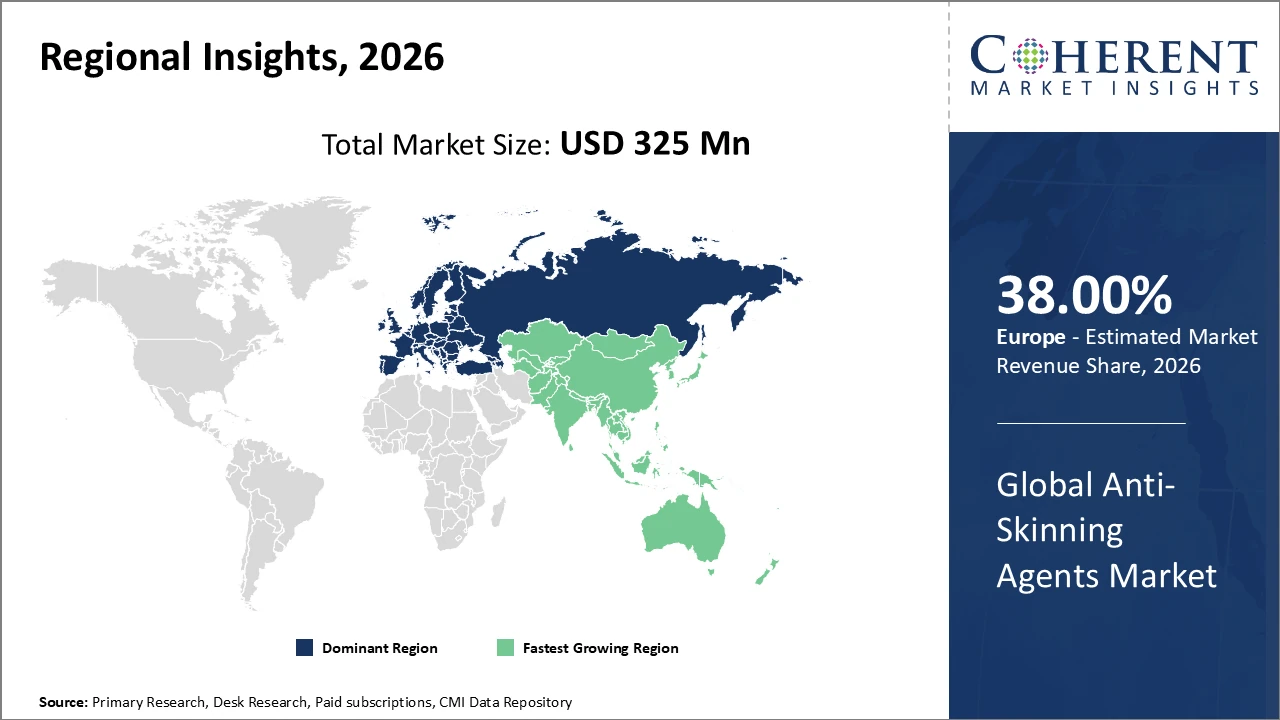
North America Anti-Snoring Treatment Market Analysis and Trends
In North America, the Anti-Snoring Treatment market is dominated by a combination of well-established healthcare infrastructure, supportive regulatory frameworks, and high consumer awareness regarding sleep health. The region accounts for approximately 38% of the global market share, driven by rapid adoption of advanced treatment modalities such as mandibular advancement devices and high-compliance oral appliance therapies. Strong reimbursement policies further encourage patient access to both clinical and home-based solutions. Leading companies, including ResMed Inc. and Philips Respironics, maintain significant operations in North America, fostering continuous innovation, product development, and consumer trust, reinforcing the region’s position as the largest and most influential market globally.
Asia Pacific Anti-Snoring Treatment Market Analysis and Trends
The Asia Pacific region is experiencing the fastest growth in the Anti-Snoring Treatment market, with a CAGR of 10.2%, driven by rapid urbanization, rising disposable incomes, and government initiatives targeting non-communicable diseases, including sleep apnea. Countries such as China and India are seeing heightened demand for affordable, non-invasive treatment options as public health campaigns raise awareness about sleep disorders. Local manufacturers are expanding their product portfolios to meet regional needs, while international companies are increasing investments in distribution, marketing, and patient education. These combined efforts are accelerating adoption and establishing the region as a key growth hub for anti-snoring therapies.
Anti-Snoring Treatment Market Outlook for Key Countries
USA Anti-Snoring Treatment Market Analysis and Trends
The USA’s Anti-Snoring Treatment market is distinguished by early adoption of advanced device technologies and robust clinical research validating treatment effectiveness. In 2025, the country accounted for approximately 30% of global market revenue, supported by high consumer healthcare spending and widespread insurance coverage. Leading companies, including Philips Respironics and ResMed, maintain headquarters and innovation centers in the USA, enabling rapid product development, pilot testing, and commercialization. Government programs promoting the diagnosis and management of sleep disorders have further fueled market growth. Combined, these factors reinforce the USA’s position as a key driver of innovation and revenue in the global anti-snoring market.
Germany Anti-Snoring Treatment Market Analysis and Trends
The Germany Anti-Snoring Treatment market is characterized by steady growth supported by advanced healthcare infrastructure, high public awareness of sleep health, and widespread availability of clinical and home‑based treatment options. Mandibular advancement devices and oral appliance therapies are widely adopted, while nasal dilators and complementary accessories remain popular for mild cases. Growing emphasis on non‑invasive and consumer‑friendly treatments has accelerated market uptake. Sleep clinics and specialized ENT centers play a significant role in diagnosis and personalized treatment planning. Technological advancements, including digital sleep tracking and telemedicine consultations, are enhancing patient engagement. Government health campaigns promoting early intervention for sleep disorders further support market expansion.
Analyst Opinion
Consumer adoption of precision oral appliances has strongly impacted market size; in 2025, custom-fitted mandibular advancement devices saw a 15% adoption increase, contributing to a 10% rise in overall market revenue, reflecting growing preference for personalized, comfortable treatments.
Supply-side factors, including production capacity expansions and pricing strategies, have boosted growth; leading manufacturers increased production by over 20% in 2024, while cost-optimization efforts lowered prices, such as a 12% reduction for silicone-based nasal strips, driving higher volume sales.
Market penetration across healthcare and homecare segments has broadened, with anti-snoring device imports to outpatient clinics rising 18% in early 2026, expanding applications beyond hospitals.
Consumer preference trends show rising demand for non-invasive nasal dilators; in 2025, these accounted for about 25% of total device sales, a 7% increase from 2024, highlighting the importance of comfort and ease-of-use.
- Current Industry Events of 2026
- Market Size Estimation
- Regional Breakdown
- Competitive Landscape
- Customer Intelligence
- Segmental Analysis
- Pricing Analysis
- Key Market Drivers, Challenges & Future Trends
- Customized Insights Section
Market Scope
| Report Coverage | Details | ||
|---|---|---|---|
| Base Year: | 2025 | Market Size in 2026: | USD 4.5 billion |
| Historical Data for: | 2020 To 2024 | Forecast Period: | 2026 To 2033 |
| Forecast Period 2026 to 2033 CAGR: | 8.5% | 2033 Value Projection: | USD 8.2 billion |
| Geographies covered: |
| ||
| Segments covered: |
| ||
| Companies covered: | Philips Respironics, ResMed Inc., SomnoMed, Airing, SnoreRx, ZQuiet, Provent Sleep, VitalSleep, Vivos Therapeutics, Circadiance | ||
| Growth Drivers: |
| ||
Anti-Snoring Treatment Market Growth Factors
Key growth drivers for the Anti-Snoring Treatment market include the rising prevalence of sleep-disordered breathing, technological innovations in portable and non-invasive devices, growing health awareness campaigns encouraging early diagnosis, and increasing disposable income in emerging economies. Globally, diagnosed sleep apnea cases rose by 11% in 2025, driving demand for effective treatments. Advances in 3D printing enabled cost-efficient customization of oral appliances, increasing adoption of oral appliance therapy by 14% in 2026. Government programs in Asia Pacific promoted homecare solutions, resulting in a 20% uptake in 2025, while rising affluence in Latin America boosted market revenue by 9% through greater affordability of advanced devices.
Anti-Snoring Treatment Market Development
In October 2025, ResMed Inc. unveiled Smartee Sleep Aligners, a clear aligner solution for managing Obstructive Sleep Apnea Hypopnea Syndrome and primary snoring. The lineup includes Smartee SA for treating OSAHS and snoring, and Smartee SA Plus, which additionally addresses orthodontic conditions alongside sleep-related breathing disorders.
Key Players
Leading Companies of the Market
Philips Respironics
ResMed Inc.
SomnoMed
VitalSleep
Vivos Therapeutics
Circadiance
Provent Sleep
ZQuiet
SonreRx
Airing
Several companies in the Anti-Snoring Treatment market employ competitive strategies centered on product innovation and strategic collaborations. For example, Philips Respironics launched a next-generation mandibular advancement device in 2025 with enhanced user comfort, driving a 12% increase in revenue. Meanwhile, ResMed expanded its direct-to-consumer channels through telehealth platforms in 2024, resulting in an 18% growth in market share across North America. These approaches highlight the market’s focus on personalized solutions, digital engagement, and broader accessibility, reinforcing both regional expansion and overall revenue growth for leading players in the anti-snoring treatment industry.
Anti-Snoring Treatment Market Future Outlook
The Anti-Snoring Treatment market is poised for sustained growth, driven by increasing awareness of sleep-disordered breathing, rising prevalence of obstructive sleep apnea, and ongoing technological innovations in non-invasive and portable devices. Future trends include the integration of AI and IoT-enabled monitoring for personalized therapy, expansion of homecare solutions, and adoption of biodegradable and eco-friendly materials. Emerging markets, particularly in Asia Pacific and Latin America, are expected to witness rapid uptake due to rising disposable incomes and government health initiatives. Continued focus on patient comfort, digital engagement, and telemedicine platforms will further enhance market penetration and revenue growth globally.
Anti-Snoring Treatment Market Historical Analysis
The Anti-Snoring Treatment market has experienced steady growth over the past decade, driven by rising awareness of sleep-related disorders and increasing prevalence of obstructive sleep apnea. Early adoption of mandibular advancement devices and CPAP alternatives established the foundation for market expansion, while technological advancements in device design and comfort enhanced patient adherence. Hospitals and sleep clinics initially dominated end-user segments, with homecare solutions gradually gaining traction. Regional markets such as North America led early growth due to advanced healthcare infrastructure, whereas Asia Pacific and Latin America showed emerging potential. Continuous innovation, regulatory support, and consumer preference for non-invasive treatments shaped historical market trends.
Sources
Primary Research Interviews:
Executives and operations managers at leading anti-snoring device manufacturing companies
Technology providers for AI-enabled, digital, and non-invasive sleep therapy devices
Sleep medicine specialists and otolaryngologists involved in clinical device evaluation
Magazines:
Sleep Review – Anti-Snoring Device Applications and Market Developments
Materials Today – Innovations in Non-Invasive Sleep Therapy Devices
ENT & Audiology News – Clinical Advances in Anti-Snoring Treatments
Medical Device & Diagnostic Industry – Anti-Snoring Device Technology Updates
Journals:
Journal of Clinical Sleep Medicine – Efficacy of Anti-Snoring Devices
Sleep Health – Trends in Homecare and Telemedicine-Based Sleep Treatments
Laryngoscope Investigative Otolaryngology – Oral Appliances and Nasal Devices
Journal of Medical Devices – Innovations and Optimization in Anti-Snoring Technology
Newspapers:
The Wall Street Journal – Sleep Health and Device Market Trends
Financial Times – Anti-Snoring Devices Market Developments
Healthcare Weekly – Consumer Adoption of Sleep Therapy Products
Medical News Today – Emerging Trends in Sleep Apnea and Snoring Treatments
Associations:
American Academy of Sleep Medicine (AASM) – Clinical Guidelines and Device Approvals
European Sleep Research Society – Anti-Snoring Device Committees
American Sleep Association – Sleep Disorder Treatments and Device Advocacy
International Sleep Products Association (ISPA) – Sleep Device Standards and Market Reports
Get access to 250+ pages report
Every segment, forecast, competitor profile and data table behind the analysis above — available for instant download.
- ESOMAR Member
- ISO 9001:2015 Certified
- D-U-N-S Registered
- GDPR & CCPA Compliant
Missing comfort of reading report in your local language? Find your preferred language:
Transform your Strategy with Exclusive Trending Reports
Frequently Asked Questions
Dominant market players include Philips Respironics, ResMed Inc., and Fisher & Paykel Healthcare, who leverage technological innovation and expanded distribution networks to maintain market leadership.
The market is projected to grow from USD 4.5 billion in 2026 to USD 8.2 billion by 2033, with a CAGR of 8.5%, driven by rising sleep disorder prevalence and technological advancements.
Hospitals show significant growth potential owing to increasing consumer preference for at-home, non-invasive anti-snoring solutions and parallel growth in telehealth services.
Integration of AI and digital health platforms, increased use of personalized 3D-printed devices, and rising demand for eco-friendly materials will define market evolution.
The competitive landscape is characterized by innovation-centric strategies, with challenges such as high device costs and patient compliance acting as restraining factors.
Companies focus on direct-to-consumer models, telehealth integration, and strategic partnerships with healthcare providers to enhance market reach and service delivery.