

Global Lidocaine Patches Market Size and Forecast – 2026 To 2033
The global lidocaine patches market is expected to grow from USD 2,727.6 Mn in 2026 to USD 4,955.4 Mn by 2033, registering a compound annual growth rate (CAGR) of 8.9% from 2026 to 2033. The market for lidocaine patches is poised for significant expansion, fueled by the soaring burden of musculoskeletal pain conditions requiring localized pain management.
According to the Global Alliance for Musculoskeletal Health (G-MUSC), musculoskeletal conditions affect approximately 1.71 billion people globally, with osteoarthritis impacting around 595 million people globally, reinforcing the growing need for effective topical pain therapies such as lidocaine patches.
Key Takeaways of the Global Lidocaine Patches Market
- 0% is projected to hold 53.6% of the global lidocaine patches market share in 2026, making it the dominant strength segment across North America due to the widespread adoption of topical lidocaine for localized neuropathic pain. For instance, the U.S. Centers for Disease Control and Prevention (CDC) recommend topical agents, including lidocaine patches, as non-opioid treatment options for neuropathic pain in its 2022 Clinical practice guideline for prescribing opioids for pain, supporting the use of prescription-strength topical analgesics.
- Aqueous is projected to hold 69.4% of the global lidocaine patches market share in 2026, making it the dominant adhesive material segment across Asia Pacific due to increasing regulatory approvals for hydrogel-based lidocaine cataplasms. For instance, in May 2024, China's National Medical Products Administration (NMPA) approved Lidoderm (lidocaine cataplasms) for post herpetic neuralgia (PHN), supporting the commercialization of aqueous-based transdermal formulations in China.
- Post Herpetic Neuralgia (PHN) is projected to hold 91.3% of the global lidocaine patches market share in 2026, making it the dominant application segment across Europe owing to evidence-based treatment recommendations for neuropathic pain. For instance, NHS England, in line with NICE guidance, recommends prescribing lidocaine plasters for patients with postherpetic neuralgia when first-line systemic therapies are ineffective or not tolerated, reinforcing PHN as the principal clinical application for lidocaine patches
- North America maintains its dominance with an expected share of 41.0% in 2026, bolstered by the region's strong adoption of non-opioid pain management strategies and favorable reimbursement for topical analgesics. For instance, the 2022 CDC Clinical Practice Guideline for Prescribing Opioids for Pain recommends considering non-opioid therapies, including topical agents, for pain management, supporting the continued use of lidocaine patches across clinical settings.
- Asia Pacific is expected to exhibit the fastest growth with an estimated contribution of 20.5% share in 2026, propelled by the rapidly increasing burden of aging-related neuropathic pain and expanding access to pain management therapies. For instance, Japan's Ministry of Health, Labour and Welfare (MHLW) reported that people aged 65 years and above accounted for 29.3% of the country's population in 2024, driving demand for localized pain management solutions for age-associated chronic pain conditions.
- Expansion of Multimodal Pain Management Protocols: The increasing adoption of multimodal pain management protocols is driving demand for lidocaine patches as an adjunctive therapy to reduce systemic analgesic use. Hospitals and pain management specialists are increasingly incorporating topical anesthetics into perioperative and chronic pain treatment pathways to improve pain control while minimizing opioid exposure and systemic adverse effects. This trend is supporting the broader clinical integration of lidocaine patches across surgical and outpatient settings.
- Development of Next-Generation Transdermal Patch Technologies: Advancements in transdermal drug delivery technologies present significant growth opportunities for the lidocaine patches market. Manufacturers are investing in innovative patch platforms featuring improved skin adhesion, controlled drug release, enhanced permeability and extended wear duration to improve therapeutic efficacy and patient comfort. These innovations are expected to expand the clinical utility of lidocaine patches across a wider range of acute and chronic pain indications.
Segmental Insights
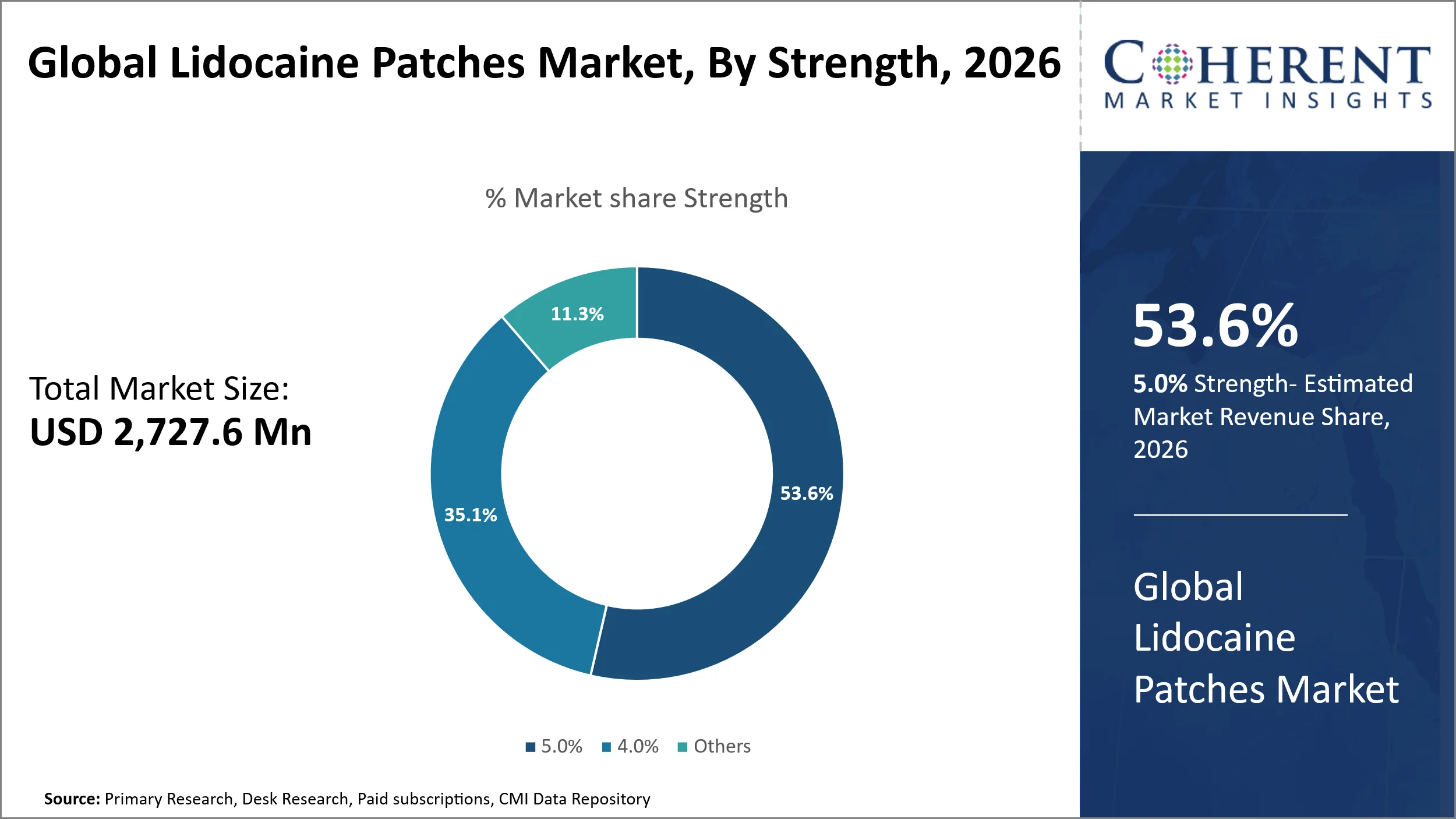
Why Does 5.0% Dominate the Global Lidocaine Patches Market?
5.0% is projected to hold a market share of 53.6% in 2026, as it is effective for long-lasting, localized relief with low exposure throughout the body making it the 5-0% strength of choice to treat patients experiencing neuropathic pain. Its favorable safety and user-friendly profile for consistent clinical implementation further bolster the segment’s adoption. For instance, in August 2023, YARAL Pharma Inc. lidocaine patch 5% was approved and launched in the U.S., further augmenting access to prescription-level Lidocaine topical treatments to alleviate the symptoms of postherpetic neuralgia, and illustrating continued commercial preference for the strength.
- Current Industry Events of 2026
- Market Size Estimation
- Regional Breakdown
- Competitive Landscape
- Customer Intelligence
- Segmental Analysis
- Pricing Analysis
- Key Market Drivers, Challenges & Future Trends
- Customized Insights Section
Why Does Aqueous Represent the Largest Adhesive Material Segment in the Lidocaine Patches Market?
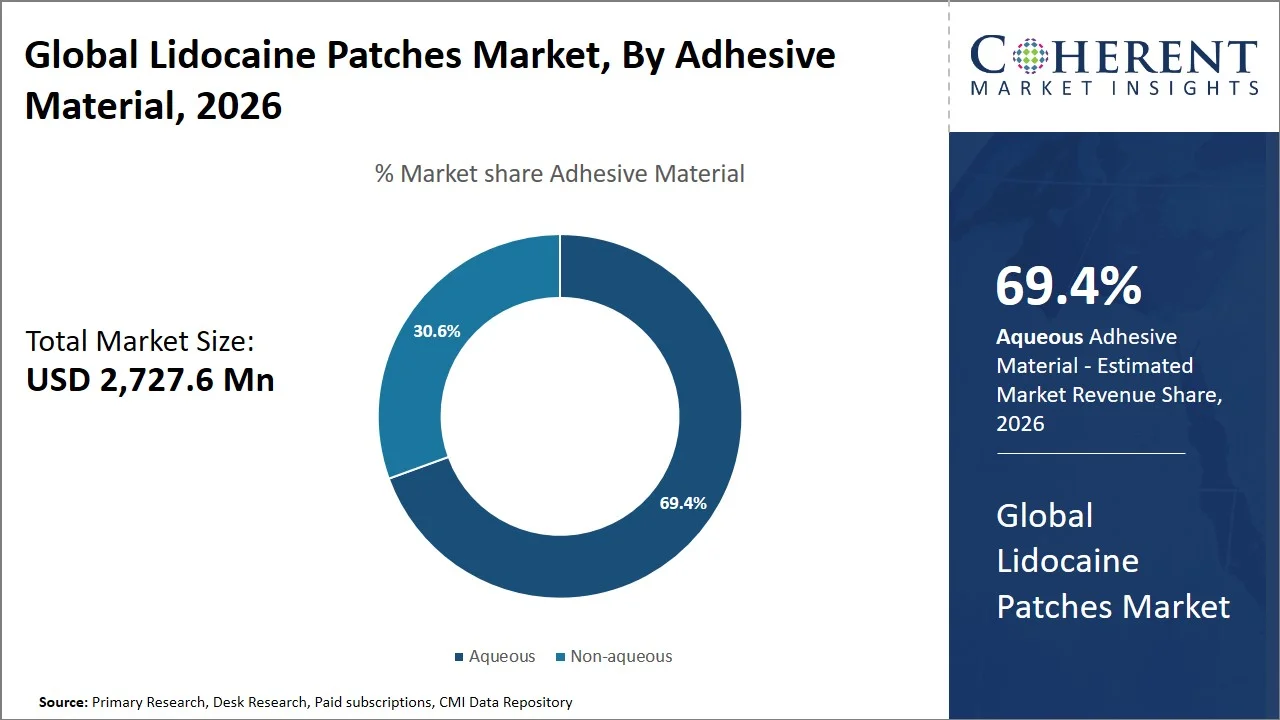
Aqueous is projected to hold a market share of 69.4% in 2026, due to higher skin compatibility, reduced irritation, improved patient comfort, and a more constant drug delivery during prolonged wear. Moreover, their safe and simple removal and minimized skin irritation facilitate them the most in long-term pain management that helps increase patients' adherence. For instance, the U.S. DailyMed prescribing information for lidocaine patch 5% mentions that the patch utilizes an aqueous adhesive base, pointing to the widespread use of water-based adhesive systems in U.S. FDA approved lidocaine patch products
Post Herpetic Neuralgia (PHN) Segment Dominates the Global Lidocaine Patches Market
The post herpetic neuralgia (PHN) segment is projected to hold a market share of 91.3% in 2026, due to severe persistent neuropathic pain, which follows the infection of herpes zoster among elderly patients and patients. Lidocaine patches are often the first-choice treatment for PHN because they offer site-specific analgesia, limiting systemic lidocaine exposure and, thus, enhancing the tolerability profile, the convenience for the patient, and, ultimately, patient compliance. For instance, Scilex Holding Company’s ZTlido (lidocaine topical system 1.8%) is U.S.FDA-approved for the relief of pain associated with postherpetic neuralgia, underscoring the continued clinical and commercial focus on PHN as the primary indication for topical lidocaine therapies.
Current Events and their Impact
Current Events | Description and its Impact |
U.S. FDA Issues Draft Guidance on Non-Opioid Analgesic Development for Acute Pain (May 2025) |
|
European Commission Revises Pharmaceutical Legislation to Accelerate Access to Innovative Medicines (April 2025) |
|
Global Lidocaine Patches Market Dynamics
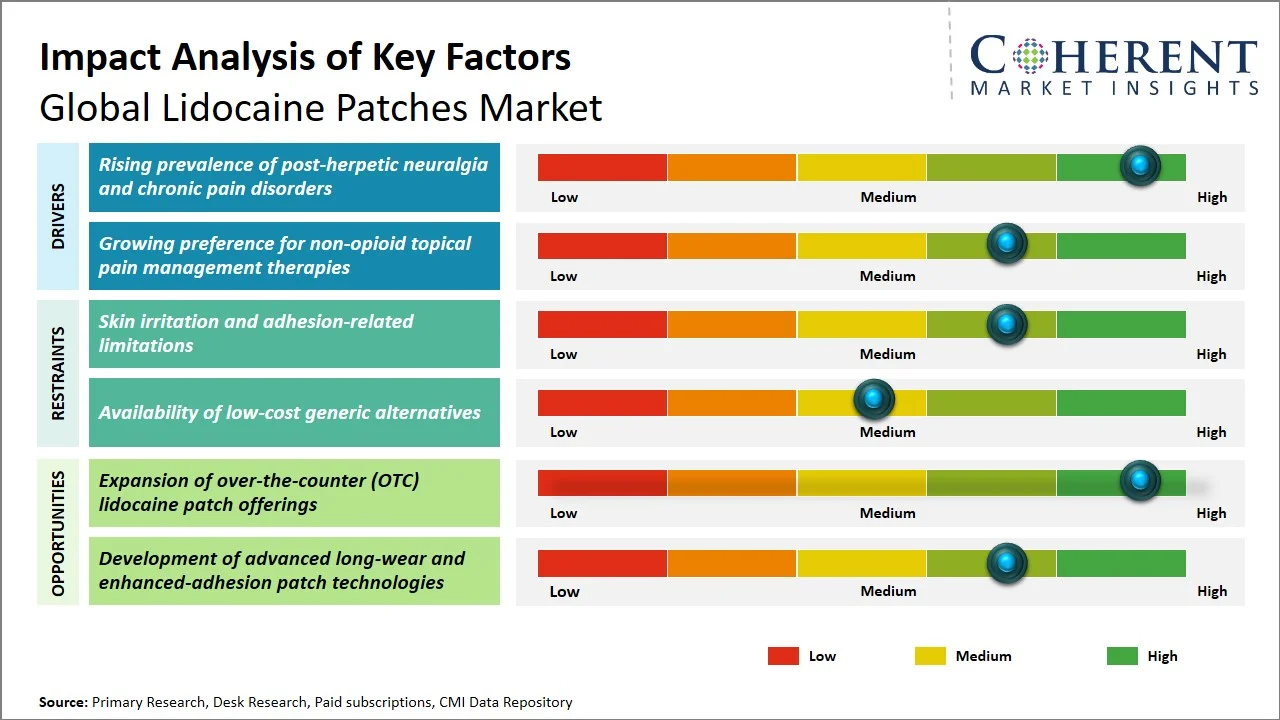
Market Drivers
Rising prevalence of post-herpetic neuralgia and chronic pain disorders
The increasing prevalence of post-herpetic neuralgia (PHN) and other chronic neuropathic pain conditions continues to drive demand for lidocaine patches as an effective localized pain management therapy. Their targeted analgesic action and favorable safety profile make them a preferred option for long-term neuropathic pain management. For instance, the International Association for the Study of Pain (IASP) recognizes topical lidocaine as an evidence-based treatment option for localized neuropathic pain, including post herpetic neuralgia (PHN), supporting its growing clinical adoption worldwide.
Growing preference for non-opioid topical pain management therapies
The growing focus on reducing opioid dependence is accelerating the adoption of non-opioid topical therapies for localized pain management, driving demand for lidocaine patches. Their targeted analgesic effect, minimal systemic exposure, and favorable safety profile make them an attractive alternative for chronic pain treatment. For instance, the U.S. Food and Drug Administration (FDA) launched the non-addictive pain treatment accelerator challenge to support the development of safe, effective non-opioid pain therapies, reinforcing the shift toward alternative pain management approaches.
Emerging Trends
Expansion of Over-the-Counter (OTC) Lidocaine Patch Availability
The availability of over-the-counter (OTC) lidocaine patches is expanding across major markets, improving patient access to self-managed pain relief for minor musculoskeletal and localized neuropathic conditions. This trend is broadening the consumer base while reducing reliance on prescription-only therapies.
Growing Adoption of Digital Health-Enabled Pain Management
Healthcare providers are increasingly integrating lidocaine patches into digital pain management programs supported by telemedicine and remote patient monitoring. This enables personalized treatment plans, better adherence tracking and improved long-term management of chronic pain in outpatient settings.
Regional Insights
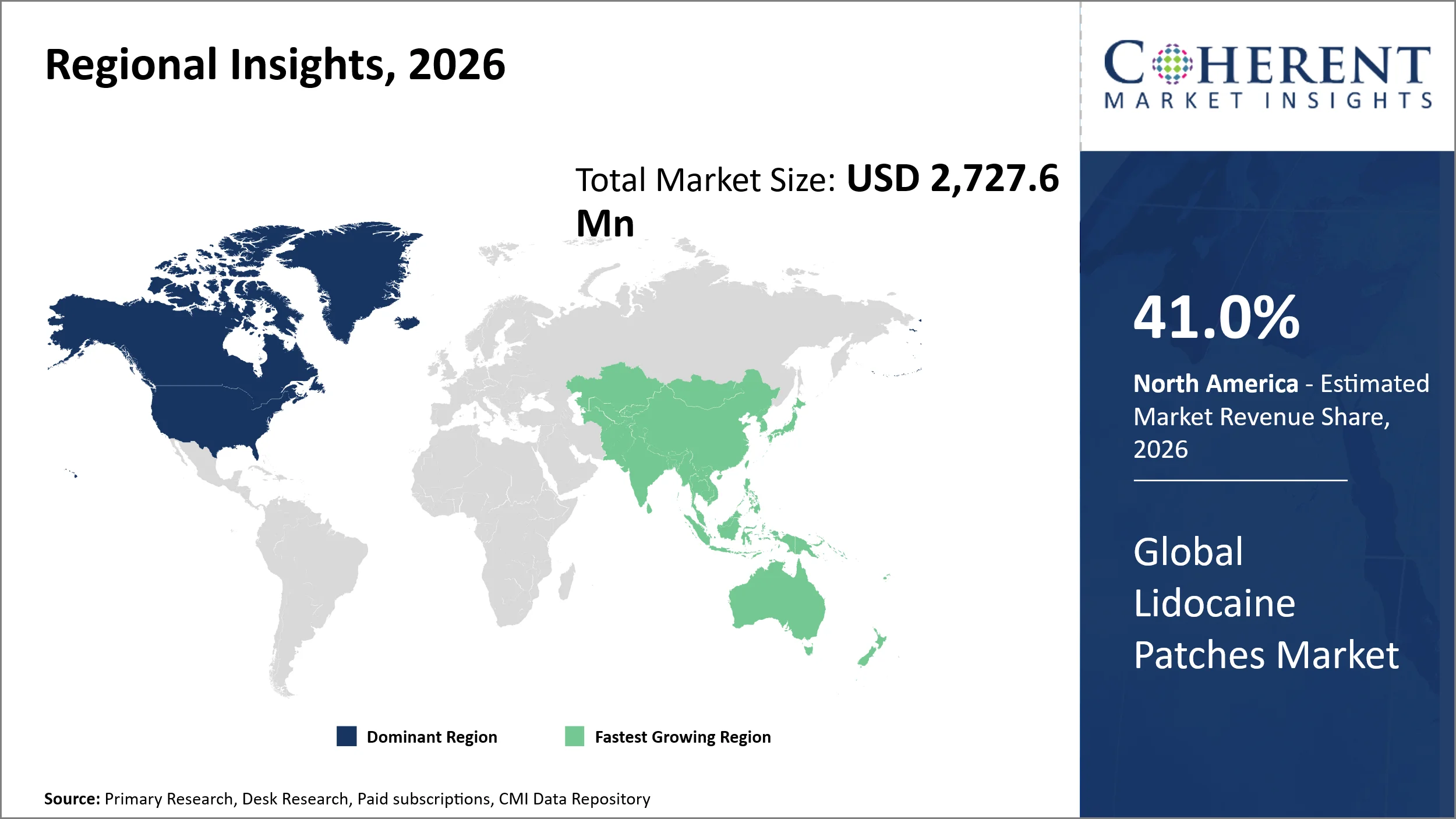
Why is North America a Strong Market for Lidocaine Patches?
North America leads the global lidocaine patches market, accounting for an estimated 41.0% share in 2026, due to the well-established pain management framework along with the widespread use of transdermal delivery of drugs across the region. Favorable regulatory framework in the region by the Food & Drug Administration of USA (FDA) along with Health Canada aids in the growth of the novel transdermal local pain-relieving formulations.
For instance, Health Canada endorsed the ICH Q12 Guideline – Technical and Regulatory Considerations for Pharmaceutical Product Lifecycle Management. It provides a systematic approach to post-approval change management across a product lifecycle. The guideline helps pharmaceutical companies implement manufacturing formulation changes to pharmaceuticals more efficiently, such as those being made to transdermal systems. Additionally, the extensive clinical prevalence of localized and non-opioid treatment for the pain management along with the presence of improved pharmaceutical manufacturing processes continue to strengthen North America's market leadership.
Why Does the Asia Pacific Lidocaine Patches Market Exhibit High Growth?
The Asia Pacific lidocaine patches market is expected to exhibit the fastest growth with an estimated contribution of 20.5% share to the global market in 2026, due to growing healthcare spending; improving pharmaceutical production capacity and increasing prevalence of localized pain therapies. The Asia Pacific market is supported by favorable government programs for enhancing accessibility to healthcare, improving the reimbursement mechanism, and encouragement for domestic drug development. For instance, China’s Healthy China 2030 Initiative enhances access to care and addresses chronic diseases and availability of essential drugs through ongoing health reform. Additionally, measures are supporting greater access to pain management therapies and creating a favorable environment for the adoption of topical analgesic products, including lidocaine patches.
Global Lidocaine Patches Market Outlook for Key Countries
Why is the U.S. Leading Innovation and Adoption in the Lidocaine Patches Market?
The U.S. holds the largest market share for innovation and adoption in the lidocaine patches market driven by its mature transdermal drug delivery infrastructure, expertise in topical product formulation & marketing. Well established prescription and OTC topical analgesic suppliers, along with retail and specialty pharmacy chain channels support new product penetration and life cycle advancement. In addition, advanced formulation and topical delivery platform technologies also foster growth in the lidocaine patches segment as differentiated products.
Is the U.K. a Favorable Market for Lidocaine Patches Market?
The U.K. is a promising market for lidocaine patches due to well-developed pain management pathways and high utilization of evidence-based prescribing for neuropathic pain. A sophisticated network of specialist pain clinics (such as Guy's and St Thomas' NHS Foundation Trust, University College London Hospitals (UCLH), and The Walton Centre NHS Foundation Trust), a relatively advanced system of hospital and community pharmacy services, and ubiquitous availability of prescription and OTC topical analgesia further bolster the growth. Additionally, the sustained growth and adoption are facilitated by the existence of a generic market and ongoing emphasis on local, opioid-sparing pain management support of lidocaine patch therapies.
Is China Emerging as a Key Growth Hub for the Lidocaine Patches Market?
China is becoming an important growth area in the lidocaine patches market owing to the growing manufacturing capacities for transdermal drugs and growing commercialization of superficial pain management. The number of domestic companies offering a variety of transdermal drug delivery systems is increasing in the country. Moreover, the rapidly growing retail pharmacy sector and the wide hospital network support broader market penetration.
Why Does Germany Top the European Lidocaine Patches Market?
Germany leads the European lidocaine patches market driven by country's formidable pharmaceutical production infrastructure, unparalleled experience in transdermal drug delivery technologies, and advanced formulation capacity along with the robustness of its generic medicine industry. The state-of-the-art production capacities of polymer science, and development techniques of topical drug formulation enable quicker commercialization of high efficacy transdermal analgesia products in the country.
Is the Lidocaine Patches Market Developing in Japan?
The lidocaine patches market in Japan is gradually expanding due to a long-standing tradition of expertise in transdermal drug delivery systems, strong capabilities in patch formulation and manufacturing technologies. Japan is home to global innovators in topical drug delivery which opens the door for further improvements in adhesive materials, controlled-release formulations, and skin-friendly patch designs. These technological advantages are helping Japan to strengthen its position as a key innovation hub in the global lidocaine patches market.
Product Innovation Landscape in the Global Lidocaine Patches Market
Innovation Area | Recent Advancement | Clinical Benefit | Market Impact |
Long-wear patch technology | Extended wear duration | Reduced patch replacement frequency | Improved patient compliance |
Enhanced adhesive systems | Better skin adhesion | Reduced patch detachment | Higher patient satisfaction |
Controlled-release formulations | Sustained lidocaine delivery | Longer pain relief | Product differentiation |
Thin & flexible patch design | Improved ergonomics | Better comfort and mobility | Increased adoption |
Skin-friendly materials | Hypoallergenic backing | Lower incidence of skin irritation | Wider patient acceptance |
How is the expansion of over-the-counter (OTC) lidocaine patch offerings creating new growth opportunities in the global lidocaine patches market?
The proliferation of over-the-counter (OTC) pain relievers will present substantial growth opportunities, providing wider access to pain control to help address specific pain concerns without requiring a prescription. This rise will facilitate self-medication by an increasing segment, thereby also widening consumer base and facilitating manufacturers to develop expanded range of product portfolio under topical pain relief. For instance, the U.S. Food and Drug Administration (FDA) governs OTC external analgesic drug products via its OTC monograph M017 which offers an accessible and uncomplicated route to market approval for skin products containing the topical anesthetic lidocaine.
Market Players, Key Development, and Competitive Intelligence
Key Developments
- In February 2026, China Medical System (CMS) signed an exclusive distribution agreement with Teikoku Pharma USA, Inc. for Lidoderm (lidocaine cataplasms) in Mainland China. Under the agreement, CMS obtained exclusive distribution rights, while Teikoku Pharma USA will be responsible for product manufacturing and supply. The partnership is expected to expand patient access to lidocaine-based topical therapies for postherpetic neuralgia (PHN) through broader commercial reach in China.
- In May 2025, Jiudian Pharmaceuticals launched its Lidocaine Gel Patch, China's first topical first-line treatment for postherpetic neuralgia (PHN). The launch expands access to non-opioid localized pain management and strengthens the availability of lidocaine-based transdermal therapies in China. The product is expected to support broader clinical adoption of topical analgesic patches for neuropathic pain management.
- In May 2024, Teikoku Pharma USA announced that China's National Medical Products Administration (NMPA) approved Lidoderm (lidocaine 5% patch) for the treatment of postherpetic neuralgia (PHN). The approval marks the entry of the company's prescription lidocaine patch into the Chinese market and expands access to topical, non-opioid therapies for neuropathic pain. It also reinforces the growing regulatory acceptance of lidocaine patches across major healthcare markets.
Competitive Landscape
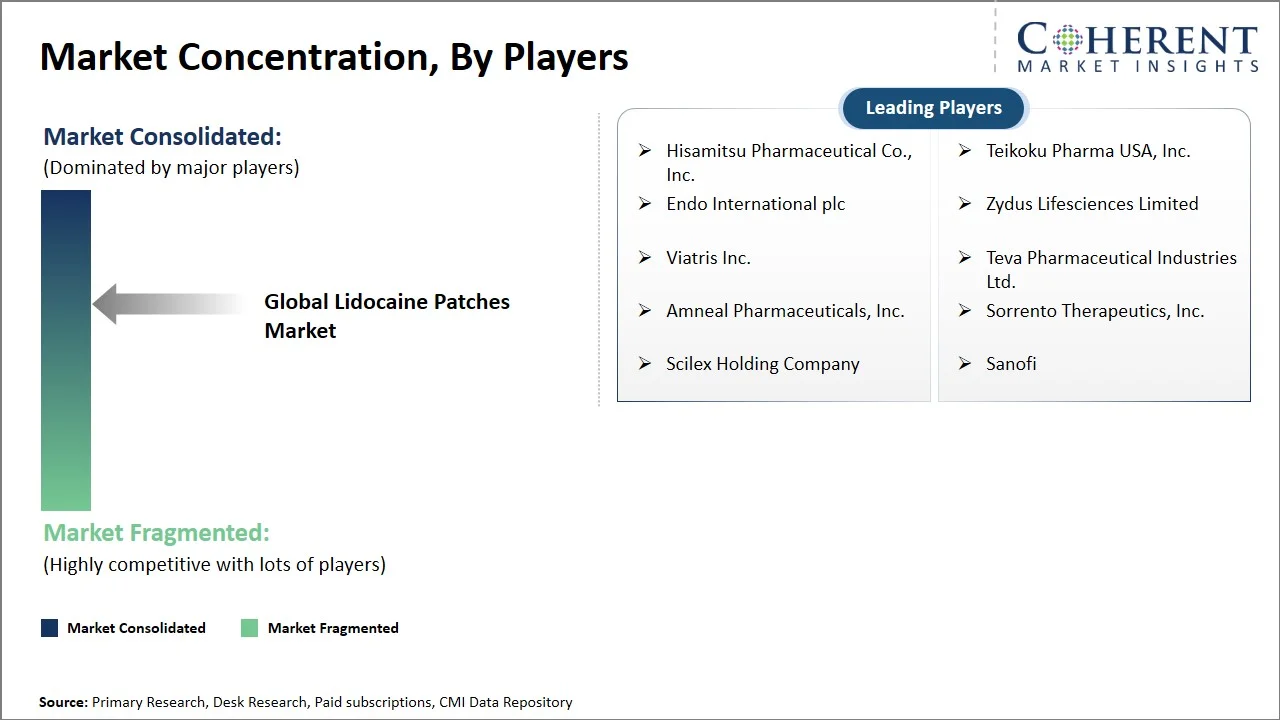
The global lidocaine patches market is moderately consolidated, with competition centered on pharmaceutical companies specializing in topical pain management, transdermal drug delivery, and generic formulations. Market participants compete through product innovation, lifecycle management, regulatory approvals, and geographic expansion while strengthening their presence across both prescription and over-the-counter (OTC) segments. Key focus areas include:
- Development of next-generation transdermal formulations
- Expansion of OTC product portfolios and retail distribution networks
- Strategic licensing agreements, partnerships, and commercialization initiatives
- Investment in patient-centric patch technologies, including skin-friendly materials and enhanced comfort
Market Report Scope
Lidocaine Patches Market Report Coverage
| Report Coverage | Details | ||
|---|---|---|---|
| Base Year: | 2025 | Market Size in 2026: | USD 2,727.6 Mn |
| Historical Data for: | 2020 To 2024 | Forecast Period: | 2026 To 2033 |
| Forecast Period 2026 to 2033 CAGR: | 8.9% | 2033 Value Projection: | USD 4,955.4 Mn |
| Geographies covered: |
| ||
| Segments covered: |
| ||
| Companies covered: | Hisamitsu Pharmaceutical Co., Inc., Teikoku Pharma USA, Inc., Endo International plc, Zydus Lifesciences Limited, Viatris Inc., Teva Pharmaceutical Industries Ltd., Amneal Pharmaceuticals, Inc., Sorrento Therapeutics, Inc., Scilex Holding Company, and Sanofi | ||
| Growth Drivers: |
| ||
| Restraints & Challenges: |
| ||
Analyst Opinion (Expert Opinion)
- In the coming years, the global lidocaine patches market is expected to witness steady growth over the forecast period, driven by the increasing burden of chronic neuropathic and musculoskeletal pain, expanding adoption of non-opioid pain management therapies, and continuous advancements in transdermal drug delivery technologies. The market is also likely to benefit from broader OTC availability and growing emphasis on localized, patient-centric pain management.
- The maximum opportunities are foreseen within postherpetic neuralgia (PHN) application segment, particularly in Asia Pacific, where aging populations, rising incidence of neuropathic pain, improving healthcare access, and supportive regulatory developments are accelerating the adoption of topical analgesic therapies.
- In order to gain a competitive advantage market players should focus on developing next-generation lidocaine patches with improved adhesion, extended wear duration, and enhanced skin tolerability. Strengthening OTC portfolios, expanding regional commercialization through strategic partnerships and licensing agreements, and investing in differentiated transdermal technologies will be key to sustaining long-term market leadership.
Speak to the analyst
Want personalized insights?
Take the findings above to one of our principal consultants, or have the report rebuilt around the segments, geographies and competitors you actually track.
Market Segmentation
- Strength Insights (Revenue, USD Mn, 2021 - 2033)
- 5.0%
- 4.0%
- Others
- Adhesive Material Insights (Revenue, USD Mn, 2021 - 2033)
- Aqueous
- Non-aqueous
- Application Insights (Revenue, USD Mn, 2021 - 2033)
- Post Herpetic Neuralgia (PHN)
- Other Pain Indications
- Distribution Channel Insights (Revenue, USD Mn, 2021 - 2033)
- Hospital Pharmacies
- Retail Pharmacies
- Online Pharmacies
- Regional Insights (Revenue, USD Mn, 2021 - 2033)
- North America
- U.S.
- Canada
- Latin America
- Brazil
- Argentina
- Mexico
- Rest of Latin America
- Europe
- Germany
- U.K.
- Spain
- France
- Italy
- Russia
- Rest of Europe
- Asia Pacific
- China
- India
- Japan
- Australia
- South Korea
- ASEAN
- Rest of Asia Pacific
- Middle East
- GCC Countries
- Israel
- Rest of Middle East
- Africa
- South Africa
- North Africa
- Central Africa
- North America
Sources
Primary Research Interviews
- Pain management specialists, neurologists, anesthesiologists, and dermatologists involved in chronic pain management
- Hospital pharmacists and clinical pharmacy managers from tertiary care hospitals
- Executives from pharmaceutical companies developing topical analgesics and transdermal drug delivery products
- Medical affairs and clinical development leaders specializing in pain management therapies
- Experts from transdermal drug delivery technology and formulation development companies
Stakeholders
- Pharmaceutical and specialty pain management companies
- Contract Development and Manufacturing Organizations (CDMOs) specializing in transdermal products
- Hospitals, pain management clinics, and ambulatory care centers
- Retail pharmacy chains and online pharmacy platforms
- Drug formulation and transdermal technology solution providers
- End-use Sectors
- Hospitals
- Specialty pain clinics
- Ambulatory surgical centers (ASCs)
- Retail pharmacies
- Online pharmacies
- Regulatory & Health Bodies:
- U.S. Food and Drug Administration (FDA)
- European Medicines Agency (EMA)
- Medicines and Healthcare products Regulatory Agency (MHRA), UK
- National Medical Products Administration (NMPA), China
- Pharmaceuticals and Medical Devices Agency (PMDA), Japan
- Health Canada
- Therapeutic Goods Administration (TGA), Australia
- World Health Organization (WHO)
Databases
- ClinicalTrials.gov
- U.S. FDA Drugs Database
- European Medicines Agency (EMA) Medicines Database
- DailyMed (U.S. National Library of Medicine)
- NIH RePORTER Database
Magazines
- Pharmacy Times
- Drug Topics
- Pain Medicine News
- Pharmaceutical Technology
- MedPage Today
Journals
- The Journal of Pain
- Pain Medicine
- Regional Anesthesia & Pain Medicine
- The Clinical Journal of Pain
Newspapers
- The Wall Street Journal (Health Section)
- Financial Times (Pharma & Healthcare)
- The New York Times (Health Section)
Associations
- International Association for the Study of Pain (IASP)
- American Academy of Pain Medicine (AAPM)
- American Society of Regional Anesthesia and Pain Medicine (ASRA)
- European Pain Federation (EFIC)
- American Chronic Pain Association (ACPA)
Public Domain Sources
- World Health Organization (WHO) Publications
- U.S. Food and Drug Administration (FDA) Publications
- Centers for Disease Control and Prevention (CDC) Reports
- National Institutes of Health (NIH) Publications
- National Institute of Neurological Disorders and Stroke (NINDS)
Proprietary Elements
- CMI Data Analytics Tool
- Proprietary CMI Existing Repository of information for last 10 years.
Get access to 250+ pages report
Every segment, forecast, competitor profile and data table behind the analysis above — available for instant download.
- ESOMAR Member
- ISO 9001:2015 Certified
- D-U-N-S Registered
- GDPR & CCPA Compliant
Missing comfort of reading report in your local language? Find your preferred language:
Transform your Strategy with Exclusive Trending Reports
Frequently Asked Questions
The global lidocaine patches market is estimated to be valued at USD 2,727.6 Mn in 2026 and is expected to reach USD 4,955.4 Mn by 2033.
5.0% dominates due to its established clinical efficacy and widespread prescription for managing postherpetic neuralgia (PHN) and other localized neuropathic pain conditions.
Lidocaine patches are transdermal drug delivery systems that provide localized pain relief by delivering lidocaine through the skin.
The CAGR of the global lidocaine patches market is projected to be 8.9% from 2026 to 2033.
Rising prevalence of post-herpetic neuralgia and chronic pain disorders, and growing preference for non-opioid topical pain management therapies are the major factors driving the growth of the global lidocaine patches market.
Skin irritation and adhesion-related limitations, and availability of low-cost generic alternatives are the major factors hampering the growth of the global lidocaine patches market.
In terms of application, post herpetic neuralgia (PHN) is estimated to dominate the market revenue share in 2026.