

Brassylic Acid Market Size and Forecast — 2026-2033
Brassylic Acid Market is estimated to be valued at USD 821.9 Mn in 2026 and is expected to reach USD 1,145.0 Mn in 2033, exhibiting a compound annual growth rate (CAGR) of 4.8% from 2026 to 2033. Companies operating in the brassylic acid market are focusing on adopting various strategies and innovative sustainable production processes for fragrances. For instance, in 2012, International Flavors & Fragrances (IFF), a U.S.-based company that manufactures flavors and fragrances, reduced usage of water by 10% per metric ton of fragrance production from 2007.
Brassylic Acid Market: Growth Factors
Rising applications of brassylic acid in various end use industries
The demand for brassylic acid is expected to increase over the forecast period, owing to rising applications of brassylic acid in various end use industries such as fragrances & perfumes, lubricants, and adhesives coupled with important use in the formation of polyurethanes, alkyd resins, and polyamides. Moreover, it is used as monomers for certain co-polymers such as nylon 13,13. Various diesters of brassylic acid are incorporated into PVC (Polyvinal Chloride)and are used as plasticizers. These derivatives of brassylic acid possess the property to remain stable at low-temperature conditions. Di-cyclohexyl brassylate (a derivative of brassylic acid) has properties similar to those shown by bis-3-Ethylhexyl phthalate, which is the most widely used plasticizer in moderate-temperature applications.
- Current Industry Events of 2026
- Market Size Estimation
- Regional Breakdown
- Competitive Landscape
- Customer Intelligence
- Segmental Analysis
- Pricing Analysis
- Key Market Drivers, Challenges & Future Trends
- Customized Insights Section
Brassylic Acid Market Report Coverage
| Report Coverage | Details | ||
|---|---|---|---|
| Base Year: | 2025 | Market Size in 2026: | USD 821.9 Mn |
| Historical Data for: | 2020 To 2024 | Forecast Period: | 2026 To 2033 |
| Forecast Period 2026 to 2033 CAGR: | 4.8% | 2033 Value Projection: | USD 1,145.0 Mn |
| Geographies covered: |
| ||
| Segments covered: |
| ||
| Companies covered: | Cathay Industrial Biotech, Palmary Chemical, Unisource Chemicals Pvt. Ltd., Zibo Guangtong Chemical Co., Ltd., Beyo Chemical Co., Ltd, Larodan Ab, Evonik Industries, Nantong Senos Biotechnology Co., Ltd., and Shanghai Kaleys Holding Co., Ltd. | ||
| Growth Drivers: |
| ||
| Restraints & Challenges: |
| ||
Nylon is manufactured with brassylic acid
Nylon that is manufactured with brassylic acid has low moisture absorption capability, which is suitable for applications that require toughness, retention of strength, abrasion resistance, and electrical properties under changing climatic conditions. Furthermore, the properties of nylon 1313, which is manufactured using brassylic acid is similar to that of commercially produced polyamides such as nylon 11, 12, 610, and 612. These factors are expected to drive demand for brassylic acid over the forecast period.
Brassylic Acid Market: Market Restraints
Availability of substitutes and its potential to cause health problems
Brassylic acid is majorly used in the fragrance industry for the synthesis of macrocyclic musk, however, other musk compounds such as nitro musk and polycyclic musk compounds are readily available in the market. Moreover, direct contact with brassylic acid can cause skin and eye irritation and is expected to cause respiratory problems. The availability of substitutes and their potential to cause health problems are expected to hamper the growth of the market over the forecast period.
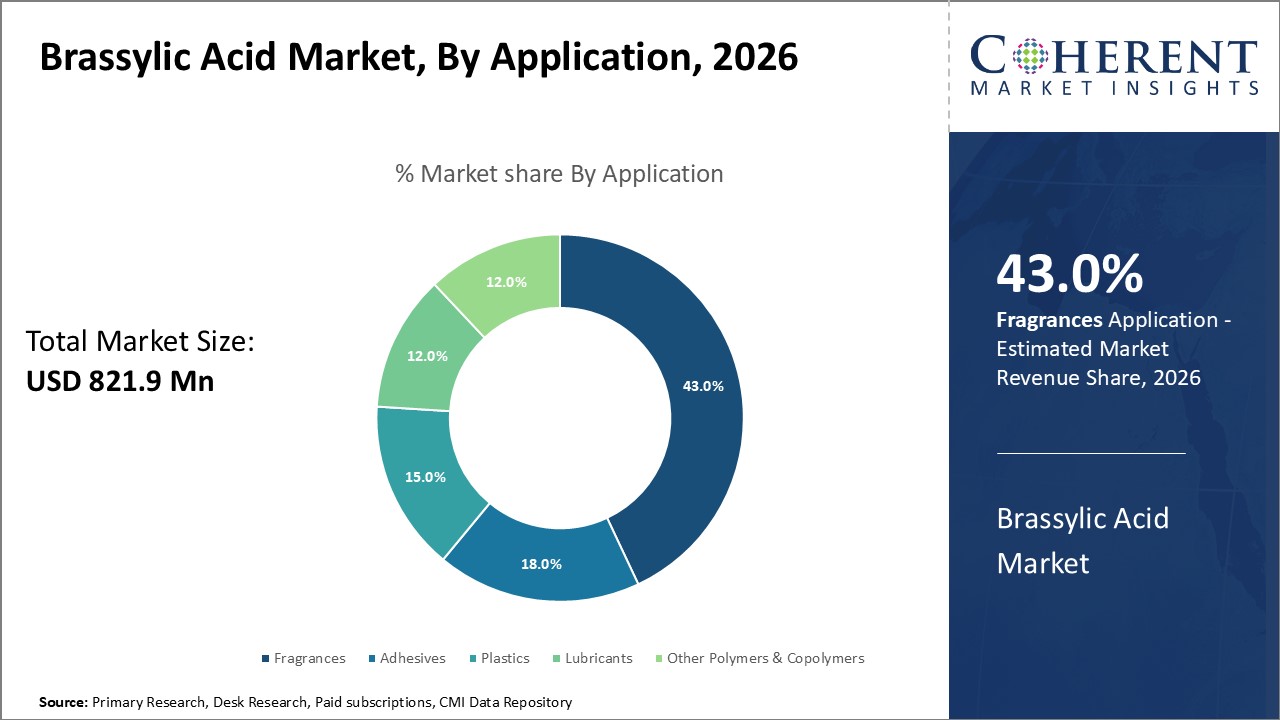
Figure 1. Global Brassylic Acid Market, By Application
Brassylic Acid Market: Market Segmentation
Among application, the fragrances segment held the dominant position and accounted for 43% of revenue share in the brassylic acid market in 2026. The fragrance industry is growing across the globe, owing to the continuous demand for fragrances from various industries such as perfumes, cosmetics, personal care & cosmetics, and homecare among others, which is expected to drive the growth of the market over the forecast period.
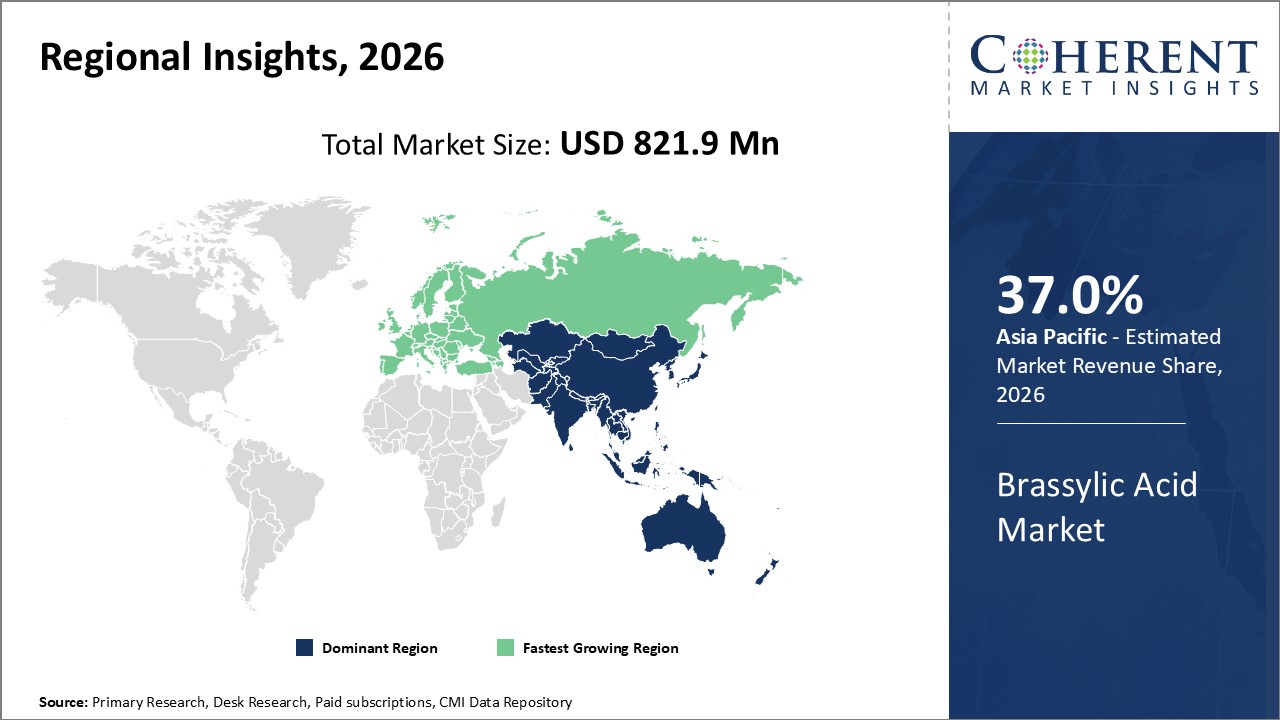
Figure 2. Global Brassylic Acid Market, By Region
Brassylic Acid Market: Regional Insights
In terms of Geography, the brassylic acid market has been segmented into North America, Europe, Asia Pacific, Latin America, and the Middle East & Africa. The Asia Pacific region dominates the global market for brassylic acid. As a result of rapid urbanization and an increase in disposable income along with a change in people's lifestyles, the use of brassylic acid in industrial businesses, such as perfume production, has increased. North America has a large market share. It holds one of the world's strong pharma bases. Improved investment in the pharmaceutical industry and growing people's spending power have contributed to a boom in the North American market for brassylic acid. Countries such as France, Italy, and Spain are the center of the fragrance industry and have the best perfumes produced in the world. Such a strong manufacturing base and sustainability in Europe has caused a spike in the demand for perfumes due to the evolving lifestyle of the people and has caused an increase in the market for brassylic acid. The Middle East and Africa are expected to face substantial growth. Due to the fact that the processing of brassylic acid is less tedious compared to fermentation, many producers in the region have experienced an increase in market growth. Latin America is experiencing relatively slow growth due to the limited number of manufacturers and the availability of substitutes
Brassylic Acid Market: Recent Developments
- In 2020, Evonik, a company for engineered polymer technology headquartered in Germany, announced that it had launched a new manufacturing center for 3D printing in Texas intending to grow its business in the field of additive manufacturing. This has helped the company to increase its product offerings on the market by gaining a competitive edge in the U.S. markets.
- In 2020, U.S.-based biotechnology company Cibus announced that it had developed a non-GMO method for producing high-Purity brassylic acid from canola plants. This method could potentially provide a more sustainable and cost-effective source of the acid compared to traditional methods.
Brassylic Acid Market: Key Companies
Major players operating in the brassylic acid market include Cathay Industrial Biotech, Palmary Chemical, Unisource Chemicals Pvt. Ltd., Zibo Guangtong Chemical Co., Ltd., Beyo Chemical Co., Ltd, Larodan Ab, Evonik Industries, Nantong Senos Biotechnology Co., Ltd., and Shanghai Kaleys Holding Co., Ltd.
Sources
Primary Research Interviews
- Brassylic acid producers (long-chain dicarboxylic acid) (e.g., Cathay Biotech, Evonik, Arkema)
- High-performance polyamide (nylon 6,13 / 13,13) and specialty lubricant formulators
- Fragrance and musk intermediate buyers
Databases
- UN Comtrade dicarboxylic acid trade data
- ECHA REACH registrations
- Eurostat specialty chemicals data
Magazines
- ICIS Chemical Business
- Chemical Week
Journals
- Industrial & Engineering Chemistry Research (ACS)
- Biotechnology Advances (Elsevier)
Newspapers
- Reuters Chemicals
- Financial Times – Chemicals
Associations
- American Chemistry Council (ACC)
- Cefic
- International Fragrance Association (IFRA)
Public Domain Sources
- U.S. EPA chemical data reporting
- ECHA REACH
- ResearchGate publications on long-chain dicarboxylic acid production
Proprietary Elements
- CMI Data Analytics Tool, Proprietary CMI Existing Repository of information for last 10 years.
*Definition: Brassylic acid is a versatile chemical intermediate. Brassylic acids were first created in the nineteenth century by oxidative ozonolysis of erucic acid. Brassylic acid is a dibasic acid, which is available in the market in the form of flakes, powder, or in diluted form. It belongs to the family of organic compounds called long-chain dicarboxylic acid.
Get access to 250+ pages report
Every segment, forecast, competitor profile and data table behind the analysis above — available for instant download.
- ESOMAR Member
- ISO 9001:2015 Certified
- D-U-N-S Registered
- GDPR & CCPA Compliant
Missing comfort of reading report in your local language? Find your preferred language:
Transform your Strategy with Exclusive Trending Reports
Frequently Asked Questions
The Brassylic Acid Market is estimated to be valued at USD 821.9 Mn in 2026, and is expected to reach USD 1,145.0 Mn by 2033.
The brassylic acid market is estimated to reach US$ 984.1 Million
Major players operating in the market include Cathay Industrial Biotech, Palmary Chemical, Unisource Chemicals Pvt. Ltd., Zibo Guangtong Chemical Co., Ltd., Beyo Chemical Co., Ltd, Larodan Ab, Evonik Industries, Nantong Senos Biotechnology Co., Ltd., and Shanghai Kaleys Holding Co., Ltd.
Among application, the fragrances segment accounted for the highest market share of 42% in the market, in 2026.
Rising applications of brassylic acid in various end use industries and Nylon is manufactured with brassylic acid are the key factors driving the growth of the market
The CAGR of the Brassylic Acid Market is projected to be 4.8% from 2026 to 2033.
Among regions, Asia Pacific accounted for the largest revenue share of 37% in the market in 2026.