
Contact Us Careers Register

Why Thermal Analysis Techniques are Critical for Quality Control in Manufacturing

17 Mar, 2026 - by CMI | Category : Advanced Materials

Why Thermal Analysis Techniques are Critical for Quality Control in Manufacturing - Coherent Market Insights

Why Thermal Analysis Techniques are Critical for Quality Control in Manufacturing

Present-day manufacturing operations require absolute quality control. Manufacturers need to ensure their products meet identical standards across all three product categories of plastics, electronics, pharmaceuticals, and food items. A product’s performance will change with even minor temperature shifts or material composition alterations or processing method adjustments.

This is the moment when thermal analysis methods start to demonstrate their highest value. The techniques enable manufacturers to study material behavior under three different temperature conditions, which include heating, cooling, and temperature fluctuations. The companies use reaction analysis to identify problems at an early stage while ensuring product quality remains consistent, and they prevent expensive manufacturing errors.

Understanding Thermal Analysis in Manufacturing

Through thermal analysis, manufacturers obtain material behavior information which shows how materials perform under various temperature conditions. This knowledge enables them to detect product defects during the initial stages of production while they keep their manufacturing standards intact.

Because of its importance in industries like plastics, pharmaceuticals, and electronics, the differential scanning calorimetry market has been growing steadily as more manufacturers adopt advanced quality control tools.

Detecting Material Defects Early

Materials face problems during production because they develop impurities, incorrect formulations, and unstable structures. The process of thermal analysis offers a rapid method to identify these problems before products enter the market.

Example

Your training will conclude in October 2023, as you have studied data up to that date. The operation of a plastic packaging company, which produces bottles, depends on its polymer material, which shows different melting points because of contamination. The bottle will experience cracking problems during both filling and storage when its polymer material shows any variation from its normal melting point.

DSC testing enables manufacturers to detect material variations, which allow them to stop production of defective products. Professionalism at its optimal level, however, tends to involve learning disputative steps, now practiced rather sweetly (perhaps with a great touch of emotion), with the administrative procedures undertaken ad hoc to avoid lawsuits.

Ensuring Consistent Product Quality

Consistency is critical in manufacturing. Customers expect the same product quality every time they make a purchase. Thermal analysis helps manufacturers monitor material behavior during production, ensuring that every batch follows the same thermal properties.

Example

Pharmaceutical manufacturing requires tablets to dissolve completely during their time inside the human body. The process of thermal analysis verifies the stability and structural integrity of drug compounds.
Improving Material Selection

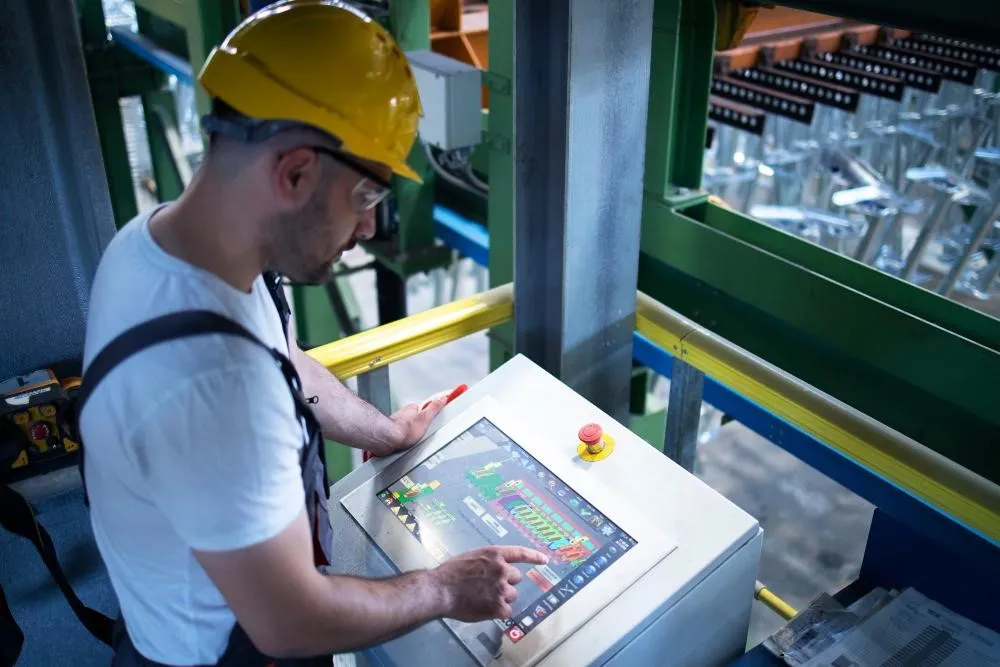
Why Thermal Analysis Techniques Matter for Manufacturing QC By Improving Material Selection

Not every material works well in every environment. Some materials may melt too easily, while others degrade at high temperatures and lose strength over time. Engineers use thermal analysis to select suitable materials for applications.

Example

The electronics sector experiences heat generation through its circuit elements, which operate during normal operation. If manufacturers select materials that cannot withstand elevated temperatures, their products will experience rapid failure. Engineers use thermal testing to determine which materials have excellent thermal stability properties that enhance product lifespan.

Supporting Process Optimization

Manufacturing processes require various heating and cooling and curing operations. If temperature conditions are not optimized, materials will not perform according to their expected results.

Through thermal analysis, manufacturers gain valuable insights which enable them to optimize their production methods.

Example

The baking temperatures that manufacturers apply during food production enable them to manage both moisture levels and product texture and shelf life. The process of thermal analysis enables companies to identify optimal heating parameters, which guarantee their products will maintain consistent quality.

FAQs

  • What is thermal analysis in manufacturing?
    • Thermal analysis serves as a testing method which enables researchers to observe how materials behave when their temperature undergoes heating and cooling changes. The technique enables researchers and manufacturers to determine a material's stability and its composition and complete operational capabilities.
  • Why is thermal analysis important for quality control?
    • The system detects defects while maintaining product quality standards, and it demonstrates that materials will fulfill performance requirements before products are released. The system detects defects in testing while maintaining product quality standards and shows that materials meet performance requirements through testing before products reach the market.
  • What industries use thermal analysis techniques?
    • The techniques show application in multiple industries, which encompass pharmaceutical companies and plastic manufacturing facilities and electronics production plants and automotive manufacturing operations and food processing establishments.
  • What does differential scanning calorimetry measure?
    • Differential Scanning Calorimetry measures the heat absorbed or released by a material during temperature changes. This process enables scientists to study melting points and crystallization behavior and thermal stability of materials.

About Author

Ravina Pandya

Ravina Pandya

Ravina Pandya is a seasoned content writer with over 3.5 years of hands-on experience across various writing formats, including news articles, blog posts, press releases, and informational content. Her expertise lies in producing high-quality, informative content tailored to meet the specific needs of diverse industries, such as Biotechnology, Clinical Diagnosti... View more

LogoCredibility and Certifications

Trusted Insights, Certified Excellence! Coherent Market Insights is a certified data advisory and business consulting firm recognized by global institutes.

Reliability and Reputation

860519526

Reliability and Reputation
ISO 9001:2015

9001:2015

ISO 27001:2022

27001:2022

Reliability and Reputation
© 2026 Coherent Market Insights Pvt Ltd. All Rights Reserved.
Enquiry Icon Contact Us