

Biosimilars and their influence on the pharmaceutical industry can be observed from many different angles
With the rise of technology over the decades, we have witnessed a steady growth in many different scientific fields. Healthcare has significantly improved, giving us new and improved ways of curing diseases. Pharmaceutical companies are at the top of the healthcare business. However, many things are yet to be discovered, and we can only expect medicine to reach higher peaks every year. An emerging area in the pharmaceutical industry is biosimilars development. Biosimilars and their influence on the pharmaceutical industry are leaving a profound mark on today's medicine.
Before we can discuss the effect of biosimilars on life as we know it, let's take a look at the definition.
The definition of biosimilars
Biosimilars, also known as biogenerics, are highly identical versions of biologics - medicines made from living microorganisms found in plant or animal cells. They are manufactured by other companies, approved copies of originals.
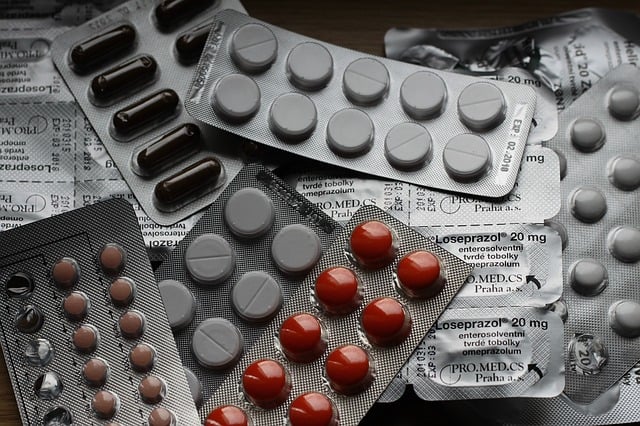
Biosimilars are approved copies of original products, equally safe and efficient, but with a lower cost
They exhibit high molecular complexity and are sensitive to changes in manufacturing. Biosimilars and their influence on the pharmaceutical industry can be observed from many different angles:
- benefits of biosimilars
- market development
- competition and prices
- pricing compared to the value
Let's dive deeper into this subject and find out what the benefits of biosimilars are.
Benefits of biosimilars
Here is where we can really see the benefits of biosimilars and their influence on the pharmaceutical industry. For starters, they can be used after the patent for the original medicine expires. Furthermore, the price of biosimilars is lower in comparison to the original product.
Market development - Europe vs. US
There is significant growth in biosimilar sales in Europe. For example, over the past three years, the market value has jumped from $2.5 billion to over $4 billion. The leading countries are the UK and Nordics, with France tightly behind. If we take into consideration that biosimilars are equally safe and efficient as the originals, it becomes clear why the demand is so high.
However, progress across the regions is uneven. If we compare the demand for retail products and self-injectable biologics with hospital-administered products, we can see the difference in sales.
On the other hand, the US market remains flat. For example, while eleven biosimilars have FDA approval, only three are active on the market. There are many disputes over patents, or they just wait for patent expiry.

After they are FDA approved, and the patent for the original medicine expires, biosimilars are going to conquer the market
Competition and prices
The biosimilar market is under a tremendous amount of pressure. All that because of price discounting and competition, especially in Europe. As I already mentioned, this trend started in Nordic countries, the UK and France, but it quickly spread over Germany, Italy, and Spain.
Competitor companies are offering over 70% discount for biosimilar drugs. Buyers are coordinating tenders to boost competition between suppliers. Also, new participants are entering the scene every day, competing to capture the market. As far as we can tell, the prices will only go down. The popularity and usability of biosimilars are rapidly increasing, and affordable prices are expected. Companies use international transport organizations to distribute medicines in all directions, securing their place on the market.
Pricing compared to the value
Pricing has a direct impact on the penetration of drugs on the market. There was a recorded case in July 2015 when Magellan Health reimbursed intravitreal anti-VEGF injectable drugs by implementing a new fee. The result was an increase of almost 10 percent in the share of sales.
Large pharmaceutical companies are moving away from traditional unit-price maximization. They are now using advanced analytics to inform the price-volume tradeoff. Furthermore, they can drive sales and force productivity.
Biosimilars and their influence on the pharmaceutical industry
The pharmaceutical industry is booming. The development of biosimilars has created an opportunity for a long-lasting market in the medical field. The influence on the pharmaceutical industry differs from case to case. The companies that make original drugs have to deal with these cheap copies at some point.
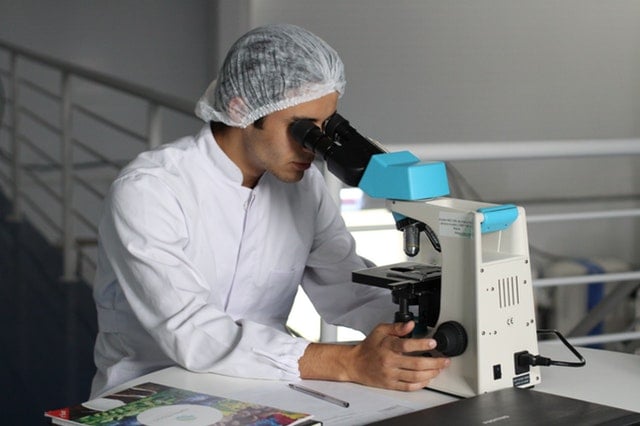
Research and development of biosimilars has evolved over the years
Branded companies that have biologics will have to guess the pricing of biosimilars in the future. Since discounted prices affect the sales of biologics, they will have to find a way to mitigate this situation. On the other hand, companies who make biosimilars only have to wait for the patent to expire. Once that happens, a whole new world of opportunity opens. They will have their own product, which will create new markets and new competition.
The future of biosimilars
Biosimilar companies are evolving into highly technical and specialized organizations. Due to the competitive environment that grew over the years, the current generation of biosimilars is far more complex. They require more restrictive analytical and clinical environments. Fortunately, biotechnology is progressing every day, discovering new technologies and finding better ways to improve medicine production.
The price of medicines will go down
It is hard to tell the exact price range for the future, but it is certain that the prices will go down. Biosimilars will most definitely affect the prices of all drugs. It is not the question of will it happen and by how much, but when and how fast.
Some experts think that the prices will go down fast, while others think it may happen slowly, over time. Besides the list of prices mentioned in the press, it is important to observe the net price as well. This is the price that can be negotiated on a payer basis. At the end of the day, what counts is which medicine will be on the formulary, or which drugs they prefer to use.
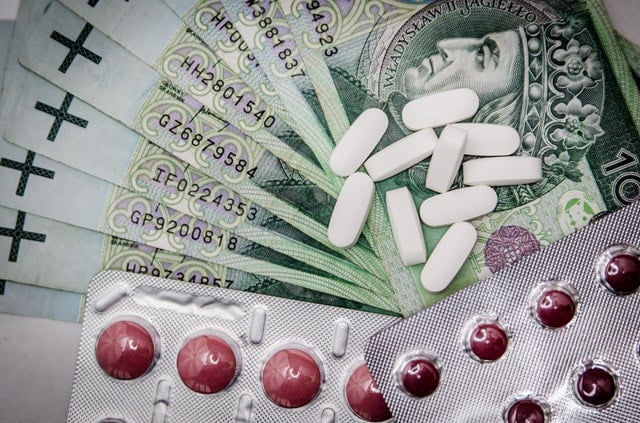
Besides having a lower price, biosimilars will also drive down the prices of original products
What will increase the use of biosimilars
Biosimilars and their influence on the pharmaceutical industry are not only reflected in prices. While the pricing of the medication is number one on this list, there are other ways to increase biosimilar use. It is essential to educate people about what biosimilars are, and what the benefits are. It also depends on what will companies do in the future. The biggest question to ask ourselves is will the companies who own original drugs try to compete with biosimilars, or will they give up and let the business fade away?
Phase-XS
Phase XS is a unique analytical platform, which helps you to plan your strategy for biosimilar and biologics development. It is a proprietary tool of Coherent Market Insights (CMI) that aims to provide meticulous details of clinical trials (Phase 3 and Phase 4) conducted in the U.S. along with the analytical insights from the team of CMI consultants and verified by industry experts