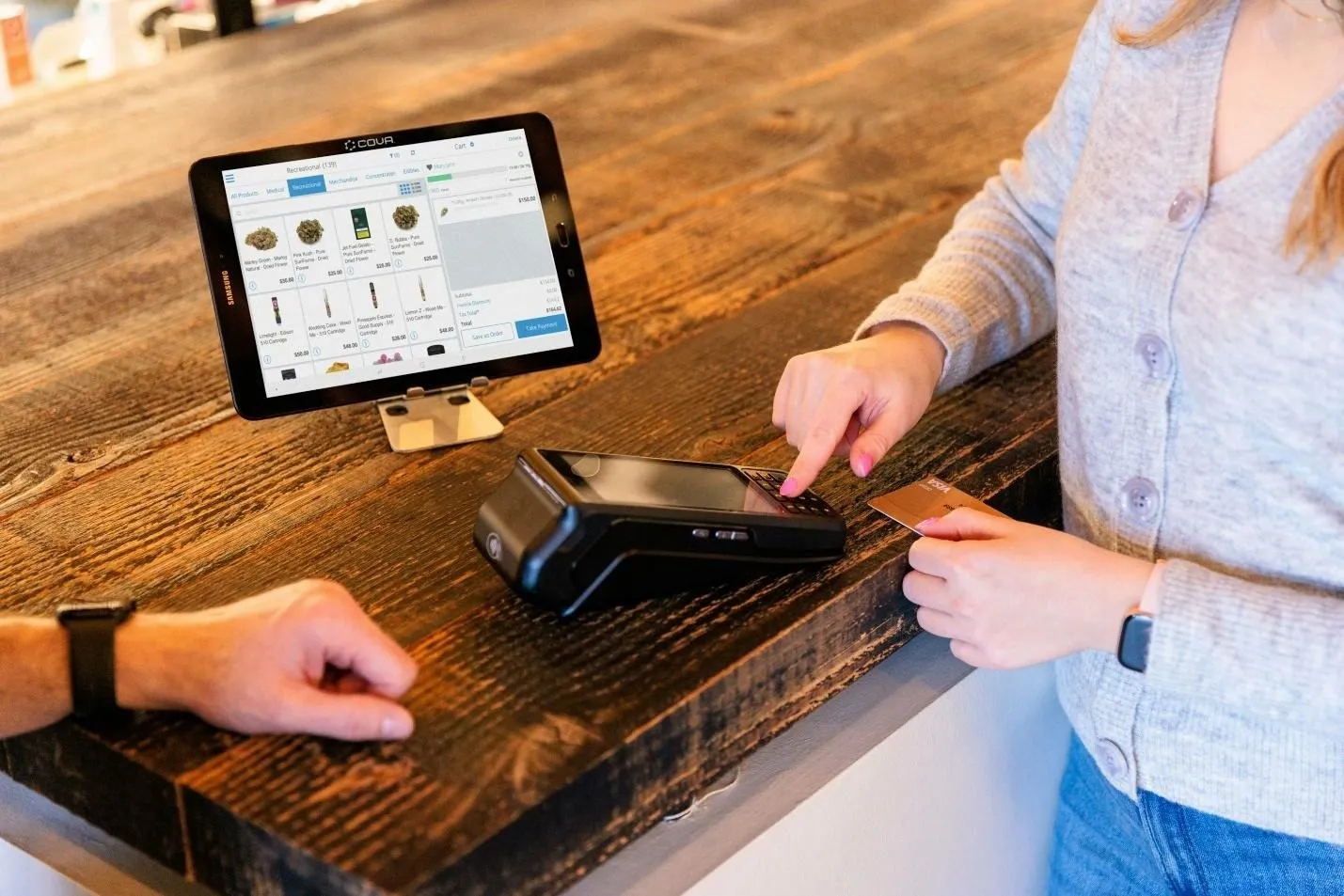
In today's world, organizations are adopting high-level technologies to help them optimize business operations and provide superior customer service. In recent years, the move to cashless has been one of the major transformations. In an e-commerce platform, retail chain, or small café, the transition from using cash to digital payment has altered the way people transact.
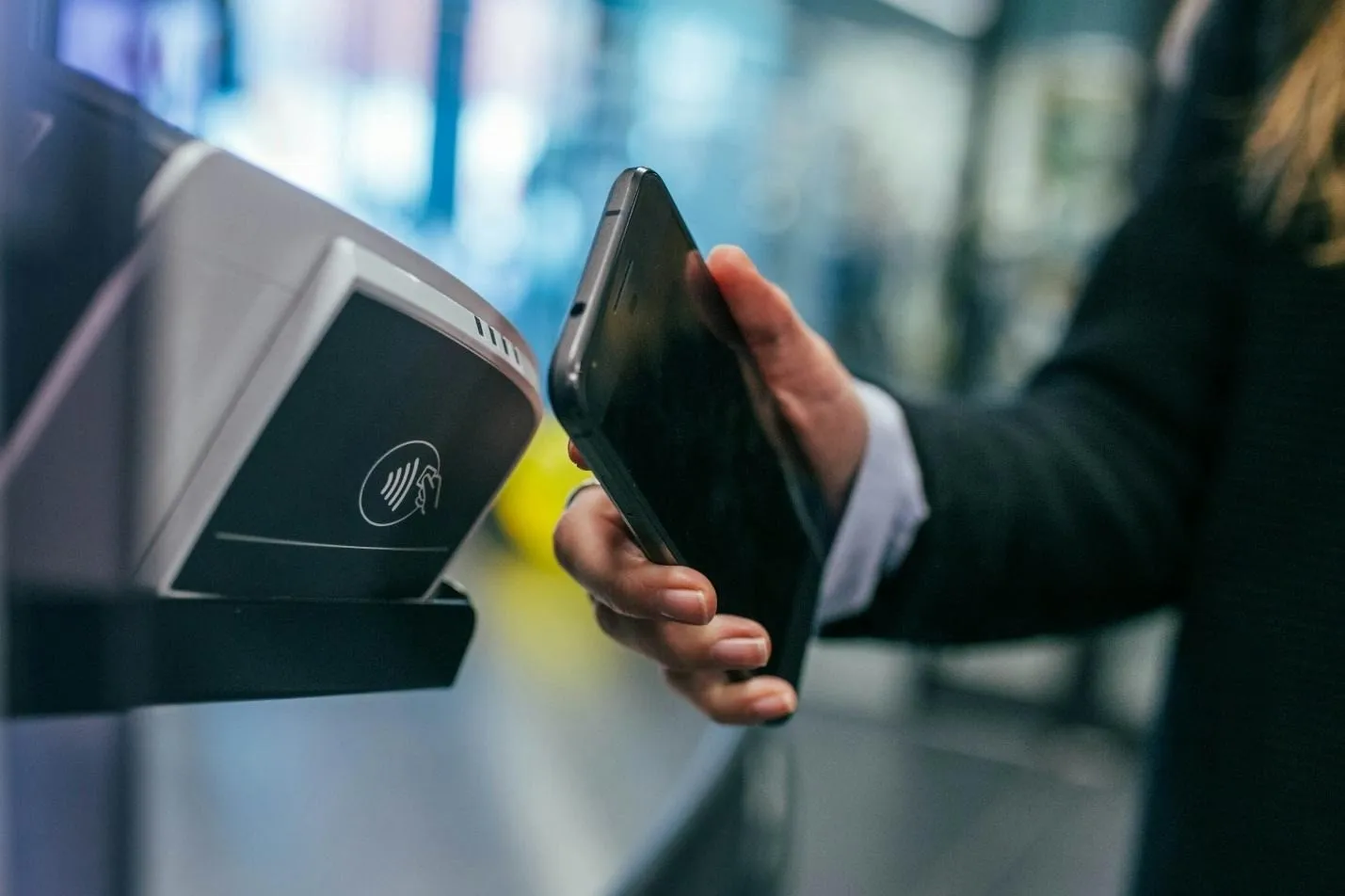
People prefer subscription and on-demand services for their convenience and for a more efficient, secure, and profitable outcome. Today, consumers are used to simply tapping their cards, scanning a QR code, or using their Apple Pay, Google Pay, etc. People are increasingly accepting digital payments nowadays, and this global trend does not seem to slow down.
Many businesses think that going cashless is an investment that will help them act faster, smarter, and safer in a digital world.
Continue reading to learn more about why businesses are moving to cashless systems.
Faster Transactions
One of the clearest reasons why businesses are switching to a cashless system is the speed of the transaction.
With digital payments, people save on counting cash, giving change, and balancing cash drawers. With contactless cards and payment apps, customers can make a transaction in seconds, enabling shorter queues and faster service. With the increase in productivity, businesses can serve more customers in less time. Sectors like retail, hospitality, and foodservice that require quick turnaround greatly benefit from cashless systems in day-to-day functioning.
Likewise, with everything flowing more smoothly, the customers also have a better experience since people like it easy and fast. When transactions are performed faster, time is saved. It also reduces stress on the staff as they can deal with customers better instead of cash logistics.
To learn more about how cashless systems can improve your business efficiency, check NAYAX for detailed insights and solutions.
Reduced Cash Handling Costs
The hidden costs of handling cash are often overlooked by firms. Handling cash physically takes time and money, from bank deposits to security and staff training. Businesses must spend money on safes, armored transport, and insurance for theft or loss. Every day, at the end of each day, people spend a lot of hours reconciling cash!
Through utilizing cashless systems, these costs are lowered drastically or even eliminated. Payments made through digital methods are auto-registered, so cash counting and collection are not required. You can use the savings from cash handling for other growth initiatives like marketing, technology upgrades, and employee training and learning.
Enhanced Security Against Theft
Safety is another primary reason for switching to a cashless system. Cash on site invites theft from inside and outside sources, which is a constant concern for business owners. When employees are given access to large amounts of cash, mistakes or fraud can occur. Furthermore, businesses that store money on-site are often robbed. Stealing money would be less risky if it were not physically available.
Due to encryption, authentication, and fraud monitoring systems, select digital transactions are already protected. Also, if there's any fraud, then people can track the payment. People can also reverse the credit card or mobile wallet payment.
Better Tracking and Record-Keeping
Cashless systems make record-keeping simpler and more accurate. All transactions get recorded automatically in a digital manner. Hence, it provides real-time data for businesses, which includes sales, expenses, and customers. When bookkeeping is automated, no manual bookkeeping is done, and human error is reduced.
Digital platforms for payment integrate smoothly with accounting and inventory software, ensuring a smooth workflow and valuable insight into Performance. The ability to always accurately track things helps you identify trends while controlling cost and astonishingly preparing tax documents. Having access to transaction history enables the owners of these businesses to make better pricing, marketing, and operation decisions.