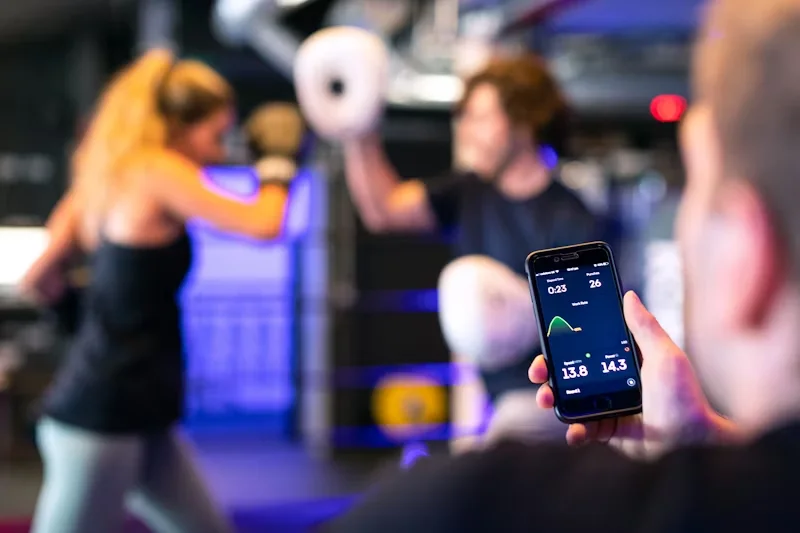
The old model of fitness app development was built around logs, streaks, and a few dashboard charts. That model still works for some products, but the market has moved. Buyers now expect adaptive coaching, clean wearable sync, sharper feedback loops, and products that respond to movement, fatigue, and intent. This ranking focuses on software development and product engineering companies that publicly show real relevance at that intersection. It is not a list of consumer apps, gyms, or hardware brands.
Why Fitness Products are Moving Beyond Basic Tracking
The shift is not just cosmetic. The WHO reported that 31% of adults worldwide, about 1.8 billion people, did not meet recommended physical activity levels in 2022. If a product wants to improve adherence, it has to do more than count steps. That changes how to build a fitness app for real use, because the job is no longer just tracking activity. The job is helping people keep going.
The technology side is moving just as fast. ACSM named wearable technology the number one fitness trend for 2025, and IDC said global wearable device shipments grew 9.1% in 2025 to 611.5 million units. It creates a much wider product canvas: sensor data, recovery signals, motion feedback, and ongoing personalization. It also changes how to create a fitness app that feels useful after the novelty wears off.
How We Evaluated Fitness App Developers That Go Beyond Basic Tracking
We ranked the teams on public signals, not vague agency claims. We looked for dedicated fitness or wellness pages, visible AI or ML relevance, real wearable or connected-device depth, computer vision or motion analysis credibility, and signs of product engineering discipline rather than generic delivery language. These factors matter when developing a fitness app for a category where user engagement rises or falls on execution detail.
Where Generic App Vendors Fall Short
What many buyers miss is that simple app work and advanced fitness products are not the same thing. A vendor may be fine for screens, payments, and admin flows, then struggle once movement data, devices, or adaptive logic enter the picture. The gap becomes obvious in fitness application development when the product needs live classes, wearable inputs, posture feedback, or hardware integration without turning into a brittle stack.
TOP 5 Company Mastering AI-Powered Fitness Development
If you're planning to develop a fitness app that incorporates coaching logic, wearable data, or movement intelligence, the companies mentioned below will help you get started.
ProCoders
ProCoders takes the top spot in this niche because its public positioning is unusually specific. The services page mentions custom fitness software development, minimum viable product (MVP) validation, multi-platform delivery, and practical customer retention features. On top of that, the company’s AI services page points to sports and fitness use cases such as personalized training analytics and movement-based injury prevention. It also talks openly about launching across iOS, Android, and web when that makes sense, plus WebRTC for live class experiences. Its guide to fitness mobile app development adds another useful signal: this is a team that thinks in terms of scope, user flows, and launch tradeoffs, not just code output.
TechAhead
TechAhead looks strongest when the product brief revolves around AI-driven personalization and retention. Its fitness pages clearly lean into behavioral science, adaptive coaching, real-time data handling, and wearable integration with platforms such as Apple Watch, Fitbit, Garmin, Whoop, and Oura. That is a solid fit for subscription fitness products where the core challenge is not just acquisition, but keeping people engaged long enough to build habit. It is also one of the clearer options for teams asking how to make a workout app feel dynamic rather than static. The company’s public material points to conversational AI, predictive recommendations, biometric data use, and churn-aware product thinking.