As the world continues to adjust to the recent AI revolution, industries are doing their best to rethink their workflows for maximum efficiency. And while AI adoption can provide what industries are looking for, it is not necessarily the most optimal approach to take at the moment. Efficient, widescale industrial automation is the need of the hour.
Industrial automation and control systems have emerged as game-changers. At present, automation is less of a luxury and more of a survival strategy for industries. Even warehouses and distribution centers are having to deploy efficient automation systems in their operations.
Remember that distribution centers, in particular, are under constant pressure to move goods faster, more accurately, and at lower costs. For that, they really can’t rely on the old ways of depending heavily on manual labor. Automation steps in as the ultimate game-changer, offering seamless control, precise data handling, and smooth movement of goods from one end to the other.
But automation alone isn’t enough; it must be implemented efficiently. And here’s how distribution centers can do just that.
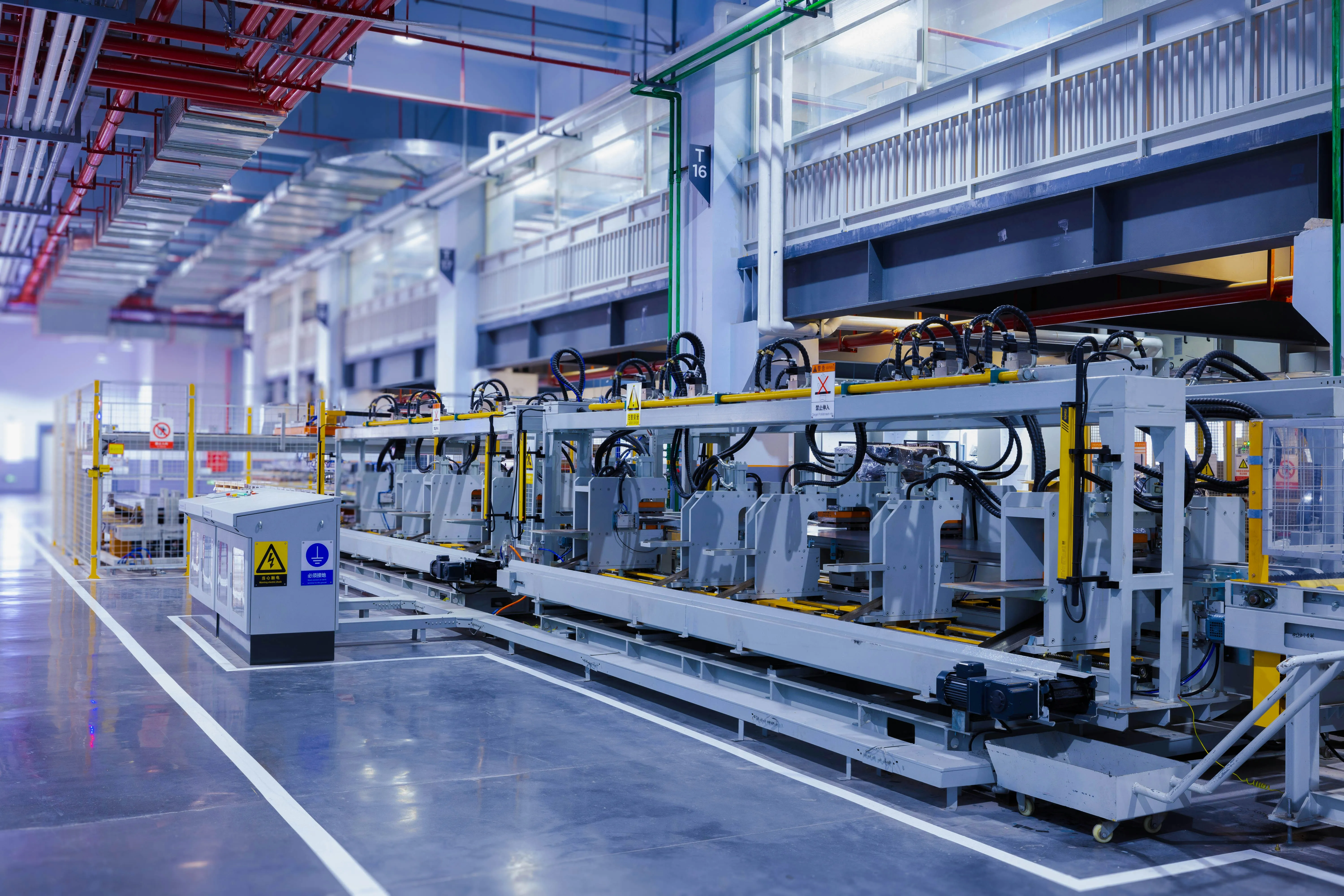
Going Wireless for a Clean, Efficient Setup
Traditional wired setups often clutter floors with cables, increase maintenance issues, and limit mobility. With wireless tech, that chaos is replaced by a cleaner, safer, and more flexible environment.
Wireless industrial automation is becoming the backbone of smart warehouses. It removes cables and redefines how data flows. Currently, across industries, IO-Link Wireless technology has become the global wireless communication standard designed to replace cables and improve the productivity of machines.
According to the IO-Link Wireless technology provider, CoreTigo, this technology enhances reliability in industrial applications. It provides a dependable means of data transmission vital for maximum industrial efficiency.
A standardized wireless setup makes communication between devices and control systems fast and reliable. With such seamless connectivity, every piece of equipment can operate in sync, and any disruption can be identified before it slows down operations.
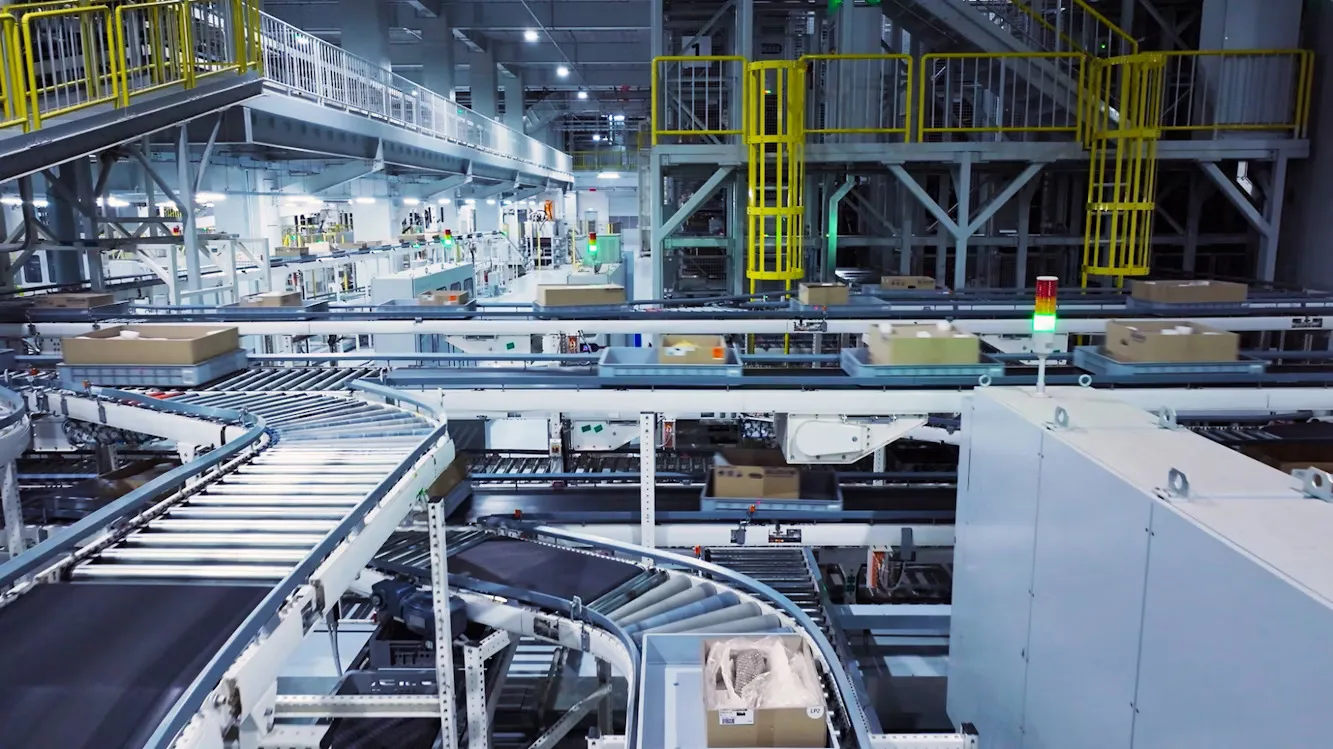
Taking Extra Care with Automated Sorting Operations
When it comes to distribution centers, sorting operations are the heartbeat of efficiency. Every package that enters must be processed, categorized, and routed to the right destination in record time. Even the smallest hiccup in sorting can cause delays down the line.
Automated sorting systems are designed to address such hiccups. These systems utilize a combination of precise sensors, software, and conveyor designs. Together, these elements ensure that each package reaches the correct lane instead of losing its way.
On the other hand, the slightest lag in automation calibration can lead to misrouting, which can negatively impact delivery times and operational costs. Fortunately, cross belt sorters have changed the game for distribution centers, thanks to their dependable speed and accuracy.
With cross belt sorters, processing efficiency becomes a breeze, moving goods quickly and curbing the need for manual handling. Adaptability is another factor that sets them apart. These sorters can handle everything without compromising speed, whether a system handles small parcels or oddly shaped boxes.
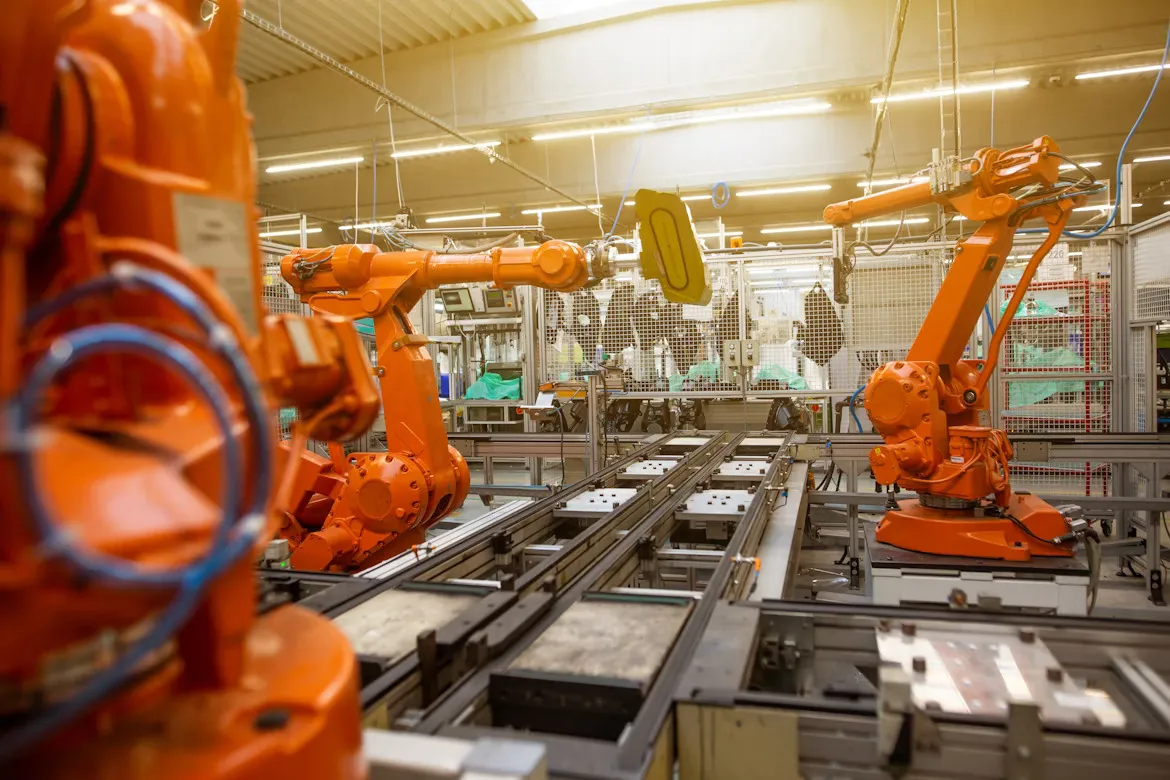
Integrating Smart Robotics for Consistency
The ‘smart’ in smart warehouse comes from the use of various technologies within this market. Robotics happens to be one such tech that is being widely used to deliver efficiency across these sectors. This same tech can help distribution centers work at maximum efficiency day and night.
Robotic arms, for instance, can pick, pack, and place items with speed and precision that cannot be matched manually. Unlike humans, robotic arms are never tired or distracted. Moreover, consistent performance day and night can be expected if they are maintained properly.
And then there are ‘smart’ robots with machine learning capabilities. They require minimal reprogramming to adapt to new products or layouts. Additionally, they give warehouse managers a clear view of performance metrics and potential issues. With this information at hand, they can make better, faster decisions.
Optimizing Data Flow Between Systems
For automation to work efficiently, data has to flow freely across all systems. A well-optimized data network allows every component to communicate in real time. When the process encounters a slowdown or failure, the system quickly detects the issue and triggers corrective actions.
Further, integrated management platforms in modern distribution centers gather and analyze data, uncover performance lags, and optimize workflows automatically.
An overloaded conveyor line, for example, can cause a process bottleneck. The integrated platform will quickly reroute packages to a less busy lane for a seamless flow. Automation evolves with intelligent data coordination in action.
As you can tell by now, efficient automation in distribution centers is all about machines working in harmony. From going wireless for a cleaner yet more connected workspace to optimizing data flow between systems, every choice is critical in achieving seamless operations.
When done right, automation turns chaos into control. It minimizes waste, speeds up operations, and ensures every package moves smoothly from point A to point B.

