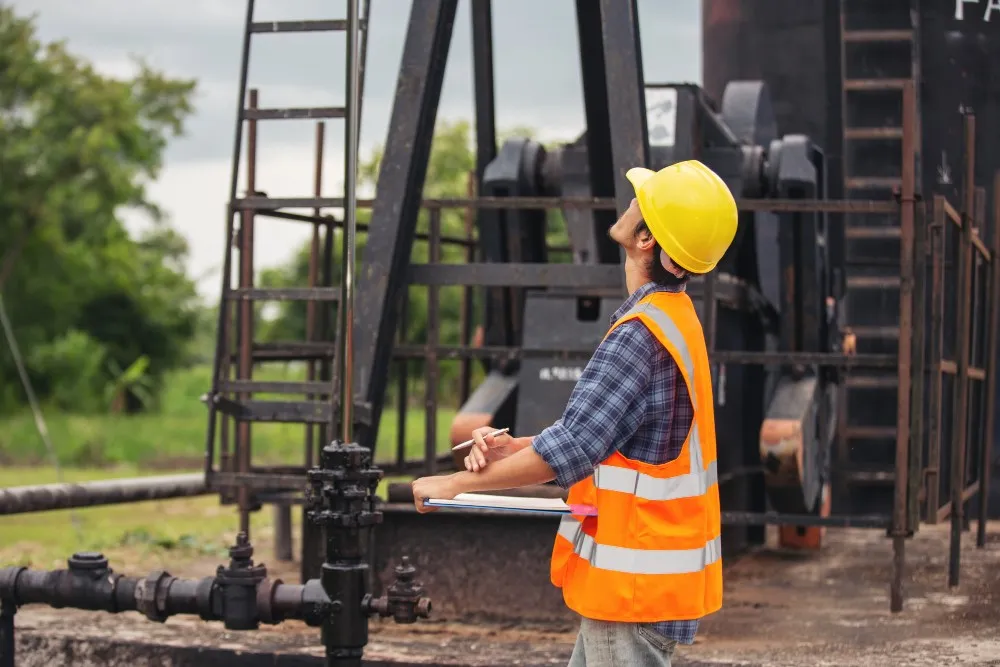
Let’s be real—oil, gas, and energy operations bring intense working conditions. The work requires employees to handle high-pressure situations in extreme environments while making no mistakes. Pressure monitoring functions as a hidden protective system that maintains safe operations and efficient processes throughout the entire system.
Pressure monitoring exists throughout all operations, which include drilling deep underground and transporting fuel over long distances. The operation would face immediate danger without this crucial element, which functions as a protective measure.
Why Pressure Monitoring Matters So Much
The oil and gas industry, along with the energy sector, considers pressure to be its most important measurement. Excessive pressure creates a situation that can lead to explosions. Insufficient pressure causes operational breakdowns and efficiency problems.
Pressure monitoring enables teams to:
- Detect issues early
- Maintain system balance
- Avoid costly breakdowns
- Keep workers safe
The process works like checking your car's tire pressure. The situation requires immediate attention because you have chosen to disregard it. The basic concept remains the same but now applies to a wider situation that involves greater dangers.
Real-Life Example: Drilling Operations
The process of oil and gas exploration requires companies to drill their wells to depths of thousands of feet underground. The pressure down there is insanely high.
Improper pressure monitoring leads to three dangerous outcomes:
- Blowouts can happen (basically uncontrolled oil or gas release).
- Equipment can get damaged.
- Workers can be put at serious risk.
Engineers use intelligent pressure monitoring systems to monitor current pressure data, which they use to make immediate operational changes. The system functions as a real-time monitoring interface that enables complete system control.
Keeping Pipelines Safe and Smooth
Pipelines operate as systems that move oil and gas over extended distances. The process appears straightforward, but it contains multiple intricate elements.
Pressure monitoring helps by:
- Detecting leaks at an early stage
- Stopping pipeline systems from experiencing material failure
- Maintaining consistent rate of fluid movement