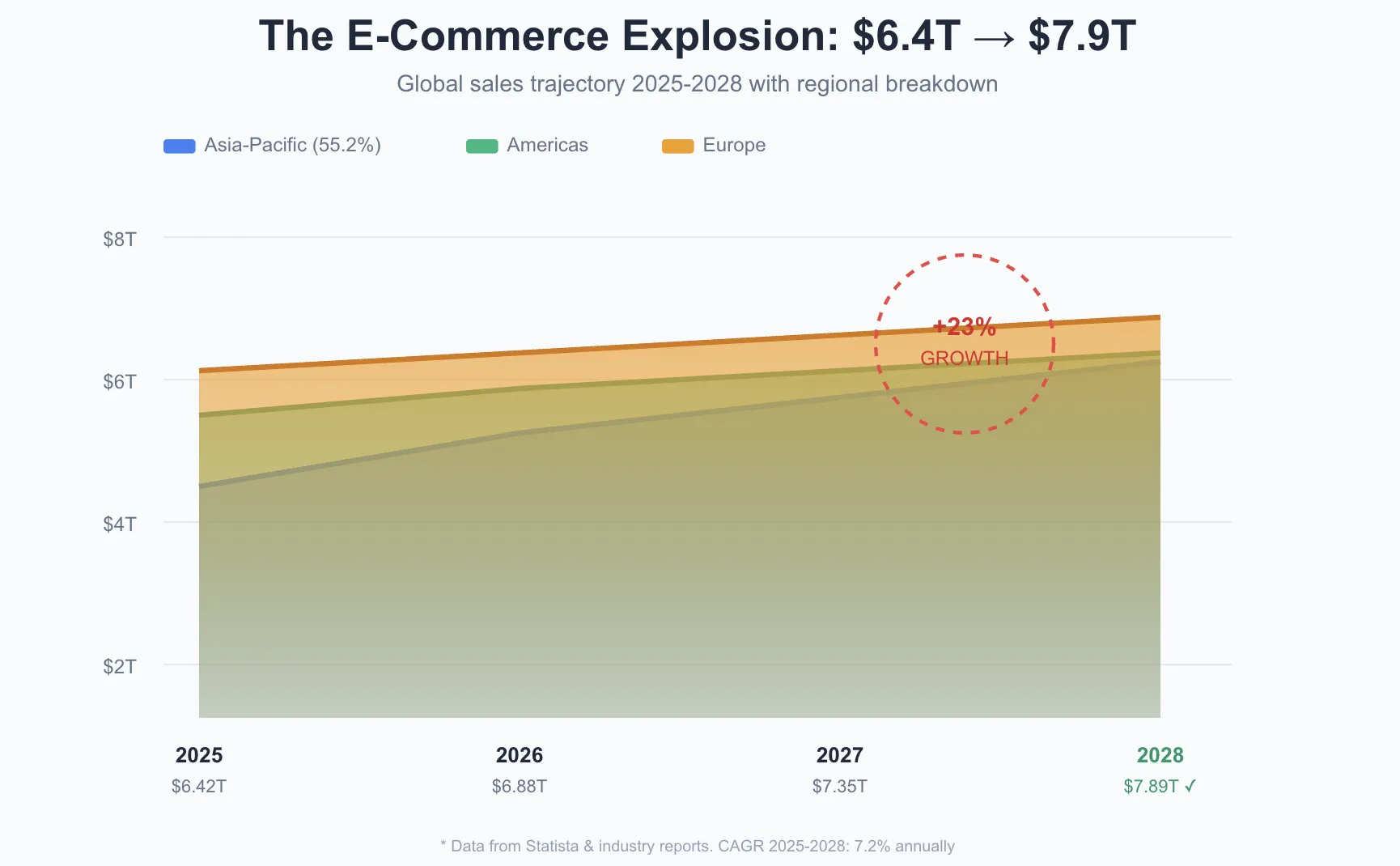
In 2026, people are spending more of their time shopping online. Online businesses are growing quickly in different parts of the world. This is because more people are shopping on their phones, digital payments are easier to use, and online stores are offering more products. According to Coherent Market Insights (CMI), the global retail e-commerce market is estimated to be valued at USD 8.14 Trillion in 2026 and is expected to reach USD 15.82 Trillion by 2033, growing at a CAGR of 11.7% during 2026-2033.
This growth is creating more demand for digital marketing, analytics, product management, online payment services as well as logistics. Businesses are also using online channels to reach customers in markets outside their home countries.
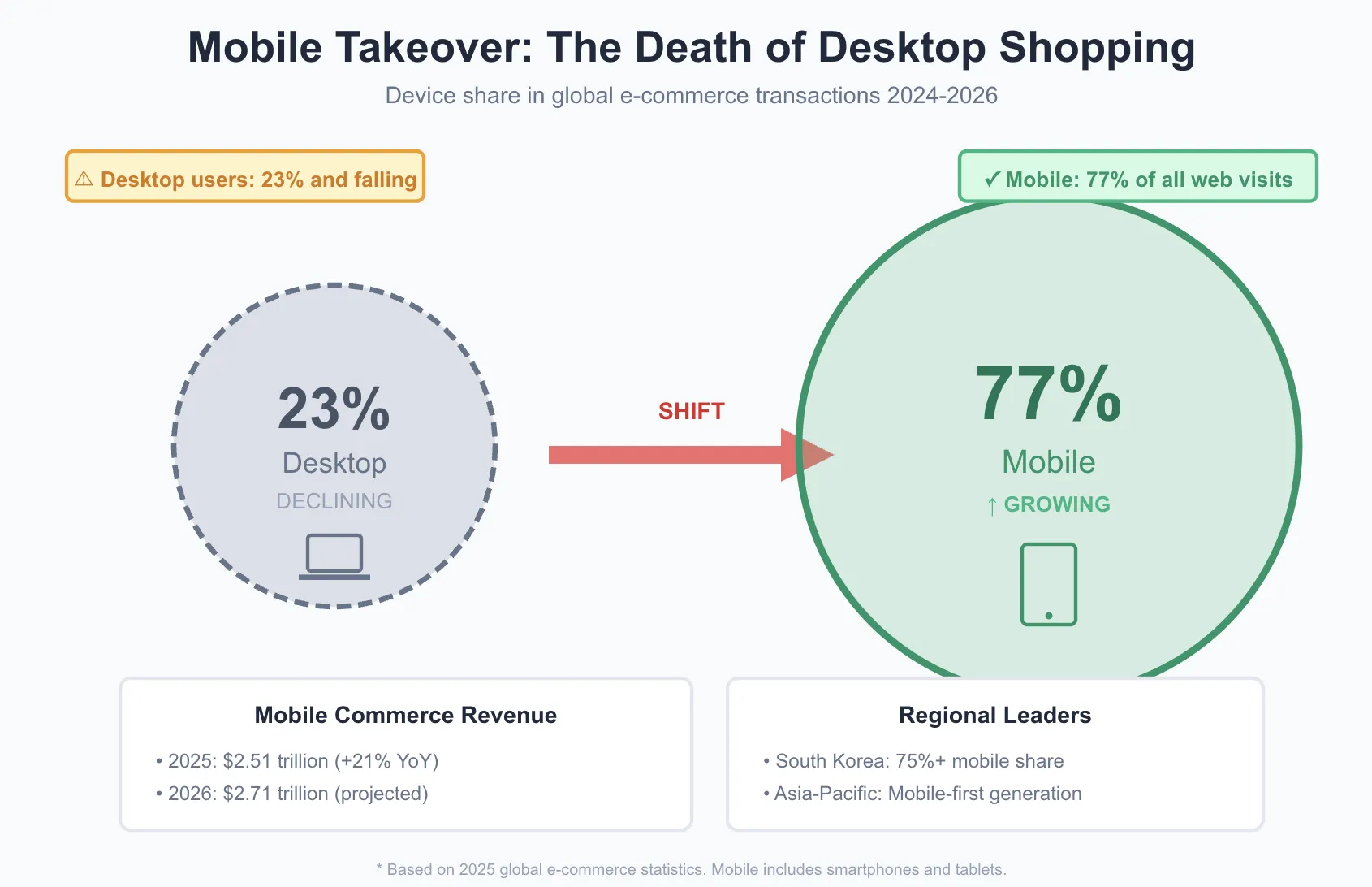
One important trend is the growing use of mobile shopping. Customers can now search for products, compare prices, make payments as well as track orders using a smartphone. Another trend is the use of AI in online shopping, where businesses use customer data for product recommendations, search, customer service, and demand forecasting. A third trend is the growth of social commerce and direct-to-consumer selling, which allows brands to reach customers through social platforms and their own online stores.
We’ve looked at the latest market information to show where the industry is going and what businesses need to know right now.
Digital Commerce Definition and E-Business Basics
Digital commerce is all about buying and selling things online. This includes websites, apps, social media as well as other digital channels. E-business uses technology in different parts of the customer journey, from managing stock to processing payments, helping customers, and keeping them interested after they have bought something.
The move towards digital-first models happened much faster after 2020. Online shopping increased, and businesses had to improve their websites, payment systems as well as delivery networks. Customers also became more comfortable with digital wallets, online payments, and home delivery.
What makes this different from previous waves is how closely online shopping is now connected with other business systems. Companies do not just sell online. They also use technology for inventory, payments, customer data, marketing, and delivery.
Amazon and Walmart have large online operations along with physical stores. Shopify allows businesses to create their own online stores. Social media platforms are also becoming part of the buying process as customers discover products through posts and videos.
The CMI report covers the retail e-commerce market by product category, sales channel as well as region. Product categories include fashion (apparel and accessories), electronics and media, food and grocery, beauty and personal care, home and furniture, toys and hobby, and others. Sales channels include online marketplaces, direct to consumer (D2C), social commerce, and online retailers.
How Global E-Commerce Is Expanding
More and more people are shopping online, which means there is now a higher demand for professionals in areas such as online sales, analytics, marketing, and digital product management. Online retailers are also expanding their delivery networks to serve customers in smaller cities and developing markets.
A lot of these jobs are now in Cyprus. Limassol is an international business hub. This means that companies from all over Europe and the Middle East are attracted to it. The city has good tax conditions, is in a great location and has a workforce that speaks English. This makes it a great place for digital commerce operations, and jobs in Limassol help people looking for work find current vacancies and employment opportunities in commerce company that are setting up regional headquarters or expanding tech teams.
Asia Pacific region is expected to account for 41.3% of the global retail e-commerce market in 2026, making it the leading regional market. Growing internet access, smartphone use, digital payments as well as the large consumer population are some of the factors supporting online shopping in the region.
The United States is yet another key market for online retail business. As per the report by the United States Census Bureau, the retail e-commerce sales stood at US$340.2 billion in the second quarter of 2026, contributing 17.1% of the total retail sales in the quarter.
In India, China, and other parts of Asia, there is an increase in online shopping as well, due to availability of smartphones and digital payment systems, which has helped businesses target customers beyond metropolitan cities.
The growth of e-commerce also depends on local shopping habits. Payment methods, delivery services, product choices, and customer expectations can be different from one country to another. Businesses entering new markets therefore need to understand these differences.
Ecommerce Market Research and Insights
The latest ecommerce research shows a few changes that are shaping the industry. First, mobile shopping continues to grow as consumers use smartphones for most parts of the buying process. This has made mobile-friendly websites and shopping apps important for online retailers.
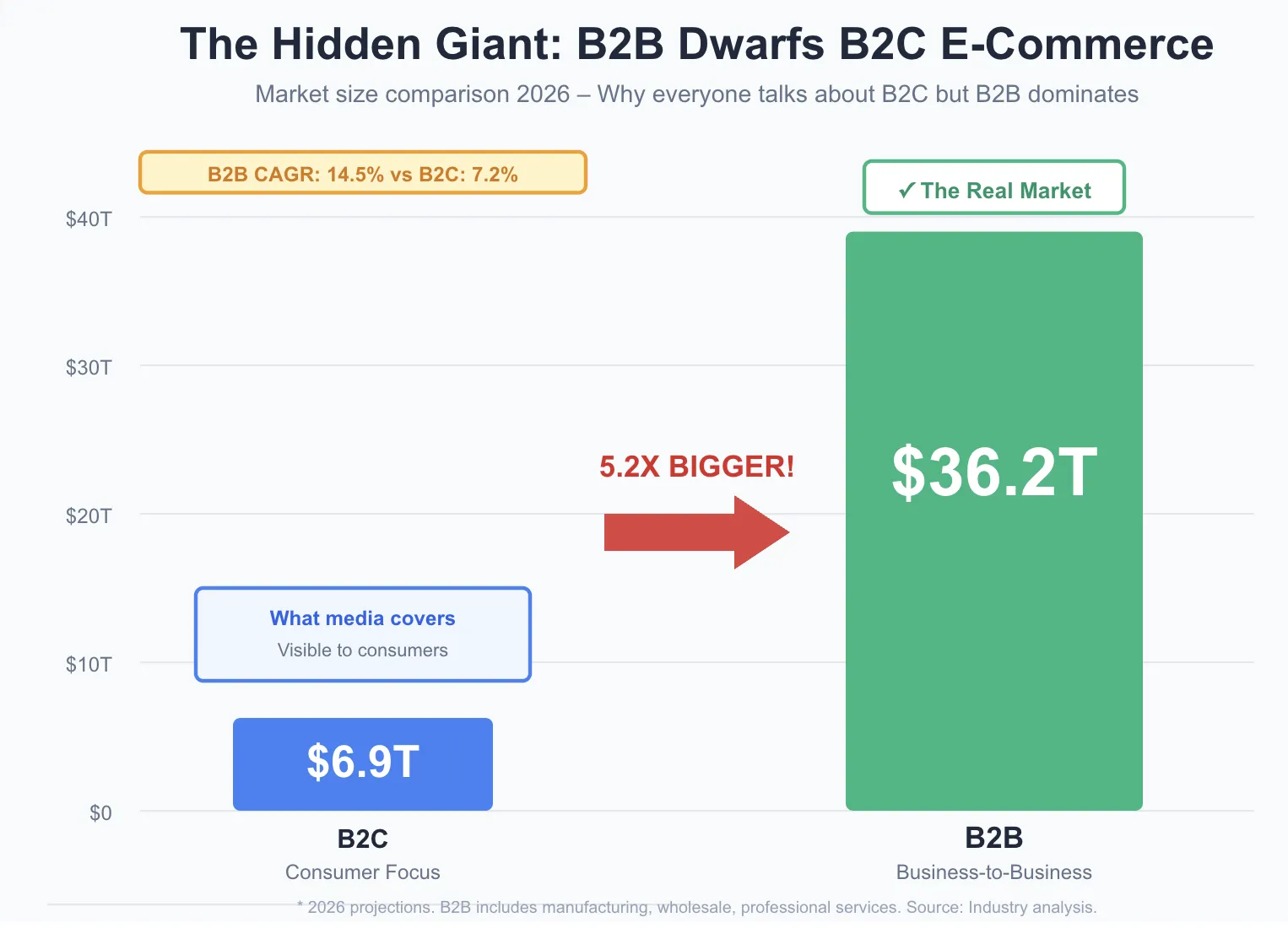
Secondly, B2B digital commerce is growing faster than B2C. Manufacturers and distributors are using digital technology to manage their orders, and they need to be able to access catalogues, agree on credit terms, and connect their systems to the ERP.
As millennial buyers take over purchasing roles, they expect the same personalised recommendations and live chat they experience as consumers.
Finally, social commerce expanded way beyond the expectations of many. Social commerce is estimated to generate worldwide revenues of over $1.17 trillion by 2026. TikTok Shop drove 26% growth in social commerce in the US during 2024. There will be 80 million social shoppers on Facebook in the United States by 2026. These social media platforms have revolutionized the process of product discovery. For a better understanding of the trends in the industry, the brands use social listening and consumer insights tools such as YouScan. 76% of Gen Z discovers products via social media, and 39% of them purchase products without even visiting the website of the brand.
Similarly, AI and data-based tools are becoming more common. Retailers use them for product recommendations, search, customer service, demand forecasting as well as inventory management. These tools can help businesses understand customer needs and offer products that are more relevant.
Social commerce and D2C sales are also gaining attention. Customers can discover products through social media and then buy them through a social platform or the brand's own website.
The product category covered in the CMI report also shows where online shopping is strongest. Fashion (apparel and accessories) is expected to hold the largest share of 32.2% in 2026. Fashion products are suitable for online shopping because customers can easily compare different products, prices, styles as well as reviews.