Running a SaaS company means dealing with a lot of moving parts. And when it comes to marketing, the question is no longer "do we need an agency?" It is more like "which agencies do we actually need?" The old model of hiring one agency to handle everything is fading fast. In 2026, the most effective SaaS marketing stacks are built around specialist partners, each handling a distinct piece of the growth puzzle. This article breaks down the core agency types worth investing in and where they fit in your overall strategy.
Why the Way SaaS Companies Market Has Changed
From Full-Service to Focused
Not long ago, most SaaS companies would hire one agency and expect it to manage ads, content, SEO, and strategy all at once. That approach worked when the channels were simpler. Today, each marketing channel has its own complexity, tools, and best practices. A team that claims to be great at everything is usually great at nothing in particular. Buyers also interact with your brand across multiple touchpoints before converting, which means each channel needs someone who truly understands it.
Layers That Drive Real Results
The modern SaaS marketing stack is layered. You have paid acquisition at the bottom, driving demand. You have content and brand in the middle, building trust. And at the top, you have AI search visibility, ensuring your brand gets found in the places buyers are increasingly turning to first. Each layer supports the others, and each one ideally has a specialist running it.
Getting Paid Acquisition Right from the Start
Why Paid Channels Still Matter
Paid advertising gives SaaS companies something valuable i.e., speed. When you need pipeline now, not six months from now, paid channels like Google Ads, LinkedIn, and retargeting campaigns let you get in front of buyers who are actively searching for solutions. The key is connecting that ad spend to meaningful outcomes like demo requests, trial signups, and ultimately, revenue. Not just clicks or impressions.
What a Specialist Brings to Paid Strategy
This is where working with a dedicated B2B SaaS PPC Agency makes a real difference. A generalist PPC agency will optimize for traffic. A SaaS-specific one, like Hey Digital, understands that the goal is a qualified pipeline. They know how to structure campaigns around intent, tie Google Ads activity back to CRM data, and reduce wasted spend without sacrificing reach. If your in-house team is stretched thin or your cost per lead keeps climbing, a specialist paid partner is often the first hire that pays for itself.
Building the Middle Layer with Content and Conversion
Why Content Still Earns Its Place
Content marketing in SaaS is not just about blogging. It is about building the kind of trust that makes a buyer feel confident choosing you over a competitor. Well-structured content helps with organic search, supports paid retargeting, and gives your sales team useful assets to share during the buying process. A good content agency helps you build topical authority in your niche while keeping messaging consistent across every channel your audience touches. This layer is easy to underestimate early on, but it compounds significantly over time.
The Role of Landing Pages and Conversion Optimization
After content, conversion rate optimization is probably the most overlooked layer in a SaaS marketing stack. You can have great ads and strong content but still lose buyers because your landing pages are unclear, slow to load, or misaligned with the ad they clicked. A CRO specialist focuses specifically on what happens after the click. They run A/B tests, refine messaging, and make sure the experience a visitor has on your site actually pushes them toward signing up or booking a demo. Pairing CRO expertise with paid acquisition significantly improves the return on every dollar you spend on advertising.
Getting Your Brand in Front of AI-Powered Search
The Way Buyers Research Has Shifted
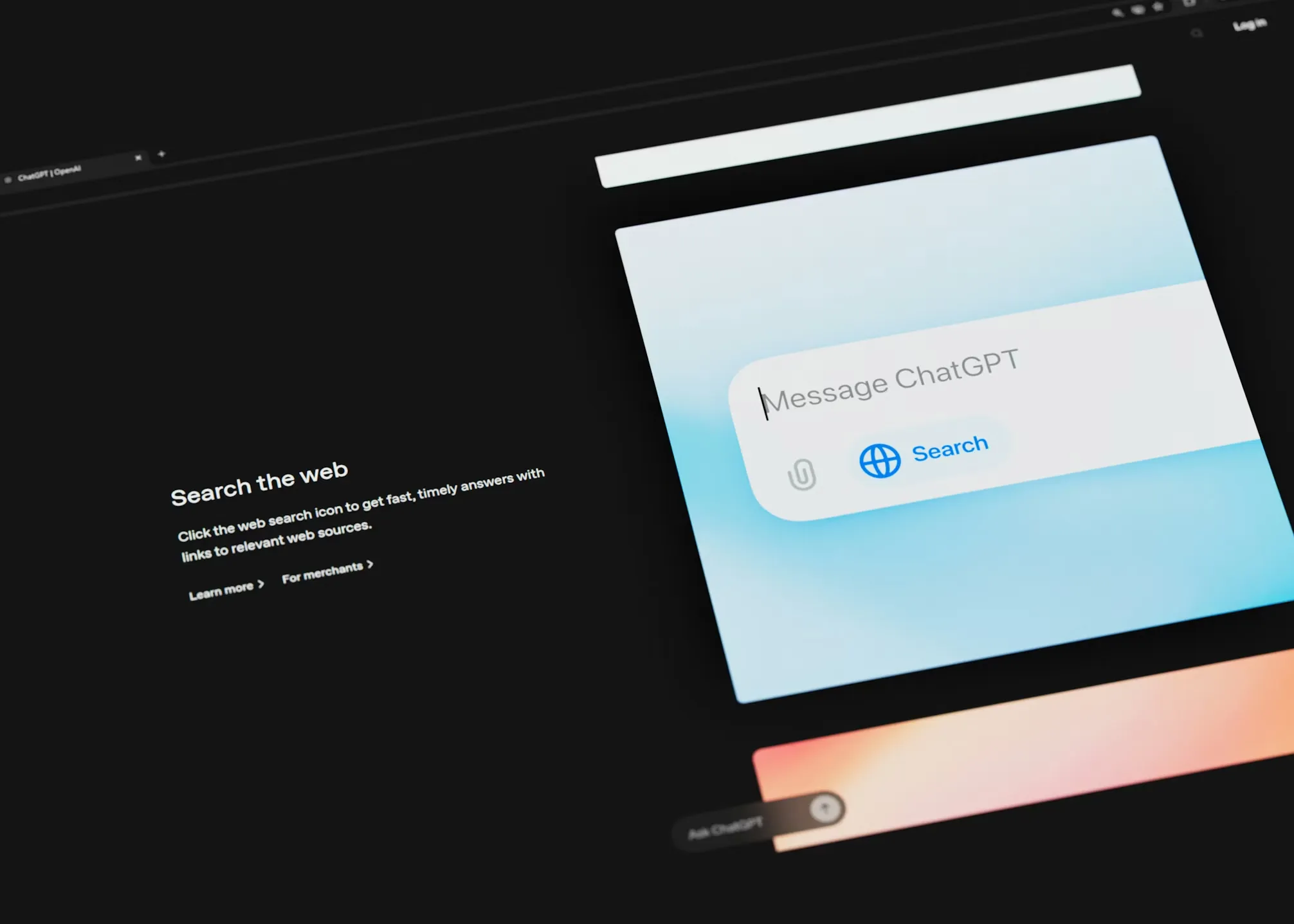
Here is something worth paying attention to. A growing number of B2B buyers are no longer starting their research on Google. They are opening ChatGPT, Perplexity, or Google AI Overviews and asking questions like "What is the best project management tool for remote teams?" TheAI search engines market is projected to grow substantially through 2032, driven by rising demand for personalized, context-aware results. If your brand is not showing up in those AI-generated responses, you are invisible to a meaningful and fast-growing slice of your audience. This is not a future problem. It is a present one.
A Different Kind of Visibility Partner
This is where working with a specialistgeo agency becomes highly relevant. Generative Engine Optimization is the practice of making your brand the one AI systems choose to cite, recommend, or reference when answering relevant queries. It is different from traditional SEO because you are not just optimizing for keyword rankings. You are building the kind of entity authority, content structure, and credibility signals that make AI engines trust your brand as a reliable source. For SaaS companies operating in competitive categories, this layer is quickly becoming non-negotiable.
Matching Your Agency Stack to Your Growth Stage
You Do Not Need Everything at Once
One of the most common mistakes SaaS founders make is trying to build the full stack too early. If you are pre-product-market-fit, your priority is validation, not AI visibility. If you are at Series A, paid acquisition and conversion optimization are probably your biggest levers. By Series B and beyond, content, brand authority, and generative search all start to matter considerably more. Be honest about where you are and choose agency partners that match your current goals rather than your aspirational ones.
What to Watch Out For
Not all agencies are equally transparent. Watch out for partners who promise results across every channel without showing you SaaS-specific case studies. Ask how they measure success, how often they report, and whether their KPIs connect to revenue rather than vanity metrics. The best agency relationships feel collaborative. You should always know what is being tested, what is working, and what is being adjusted.
Conclusion
Building a marketing stack in 2026 is less about finding one agency that does it all and more about assembling the right specialist partners for each layer of growth. Paid acquisition drives pipeline. Content and conversion optimization build trust and improve results. AI search visibility ensures you show up where buyers are increasingly looking first. You do not have to do all of this at once. Start with the layer that matches your biggest current bottleneck and build from there. The companies getting this right today will have a serious compounding advantage as the marketing landscape continues to evolve.
FAQs
What is a SaaS marketing stack?
A SaaS marketing stack refers to the combination of channels, tools, and agency partnerships a company uses to attract, engage, and convert buyers. It typically includes paid advertising, content marketing, SEO, and increasingly, AI search optimization.
How many agencies does a typical B2B SaaS company work with?
Most growth-stage SaaS companies work with two to four specialist agencies. The exact number depends on budget, team capacity, and the growth priorities at any given stage of the business.
When should a SaaS company start thinking about paid advertising partnerships?
When in-house teams lack the channel expertise to drive consistent pipeline, or when cost per lead starts rising without a clear reason, that is usually a strong signal to bring in a paid acquisition specialist.
How is AI search optimization different from regular SEO?
Traditional SEO focuses on ranking pages in Google search results. AI search optimization focuses on getting your brand cited and recommended inside AI-generated answers, which requires a different set of content, authority, and entity-level signals.
Disclaimer: This post was provided by a guest contributor. Coherent Market Insights does not endorse any products or services mentioned unless explicitly stated.
Share this story
V
About Author
Vlad Orlov
Vlad Orlov is an experienced content writer with over 5 years of expertise in content marketing and market research-oriented writing. He specializes in exploring emerging market trends, industry developments, and competitive landscapes. His work transforms complex industry insights into clear, engaging, and informative content for readers.
Interested in industry outlook for SaaS (Software as a Service) Enterprise Applications Market?Request Free Sample