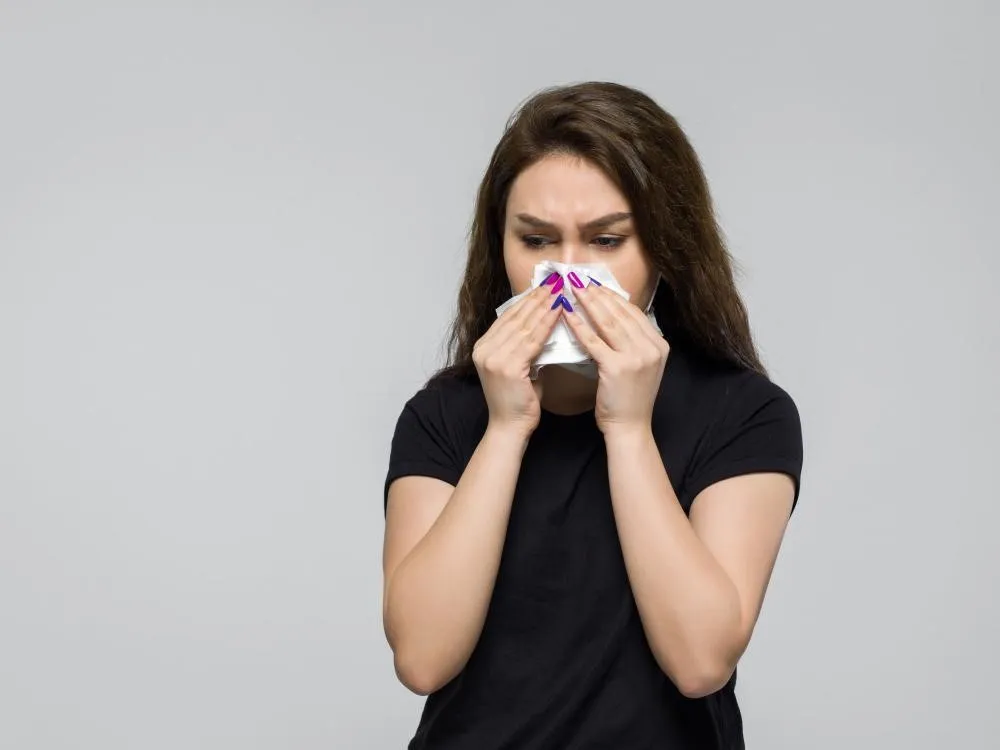
Your eyes start to itch during spring because you experience this condition which affects many people. People experience increased eye problems during the seasonal changes which result in greater need for eye drops. People require eye drops on more occasions because their need for relief depends on weather conditions that include pollen and dry winter winds.
Multiple market research studies and healthcare research reports demonstrate that people use eye drops more during specific seasonal periods to deal with seasonal allergies and their eye care needs.
Environmental factors like higher springtime pollen levels and dry winter air and temperature changes between summer and winter are environmental factors which researchers in eye care and allergy studies have used to demonstrate their impact on eye irritation and allergic reactions. The seasonal triggers cause symptoms which include itching and redness and dryness, which leads consumers to use eye drops for treatment.
The research findings show that consumer behavior links directly to seasonal weather patterns because people buy eye drops more during allergy seasons and dry weather periods, which supports the expansion of the eye drops market.
Why Spring and Fall are Peak Seasons for Eye Drops
Springtime presents its beautiful flowers, but this period also represents the time when most people experience their worst allergic reactions. The three types of plants, which include trees and grass together with flowering plants, create pollen, which causes eye discomfort for people.
Many people experience:
- Redness
- Itching
- Watery eyes
- Swelling
For example, someone who never had eye irritation during winter may suddenly need anti-allergy eye drops in March or April. The same happens in the fall when ragweed pollen increases.
Summer: Heat, Dust, and Screen Time
Summer brings people to vacation destinations and sunny weather. The season creates favorable outdoor conditions where people spend more of their time. During this time, heat, dust, and increased screen time are the three major elements that can lead to eye irritation problems.
A beach visitor experiences several environmental conditions, including sand, salty air, and strong sun exposure, which can irritate the eyes. A city commuter who experiences pollution, hot winds, and dust is also likely to suffer from eye irritation and may need eye drops for relief. Additionally, people often spend more time on phones, laptops, and tablets during travel or leisure, which increases screen exposure and can cause dryness and eye strain.
Winter: Dry Air Means Dry Eyes
Pollen counts decrease during winter. Eye problems persist despite the cold weather. The combination of cold winds and indoor heaters creates a decrease in humidity levels.
For example,
A person who works from home while using a heater throughout the day will experience dry and fatigued eyes by the time evening arrives. People require lubricating drops, which function as artificial tear drops, during this period.
The eye drops market operates continuously throughout the year because customers need allergy drops during spring and lubricating drops during winter.
Climate Change and Longer Allergy Seasons
Here’s something important: allergy seasons are lasting longer than before. Warmer temperatures can extend pollen production. That means people are dealing with eye allergies for more months in a year.