

Global Ceftriaxone Sodium Market Size and Forecast – 2026 to 2033
The Global Ceftriaxone Sodium Market is estimated to be valued at USD 2.57 Bn in 2026 and is expected to reach USD 4.44 Bn by 2033, exhibiting a compound annual growth rate (CAGR) of 8.1% from 2026 to 2033. The market's steady expansion is driven by the increasing prevalence of bacterial infections and the growing demand for effective antibiotic therapies worldwide. Enhanced healthcare infrastructure and rising awareness about ceftriaxone sodium's efficacy in treating serious infections further support market growth during this period.
Key Takeaways of the Global Ceftriaxone Sodium Market
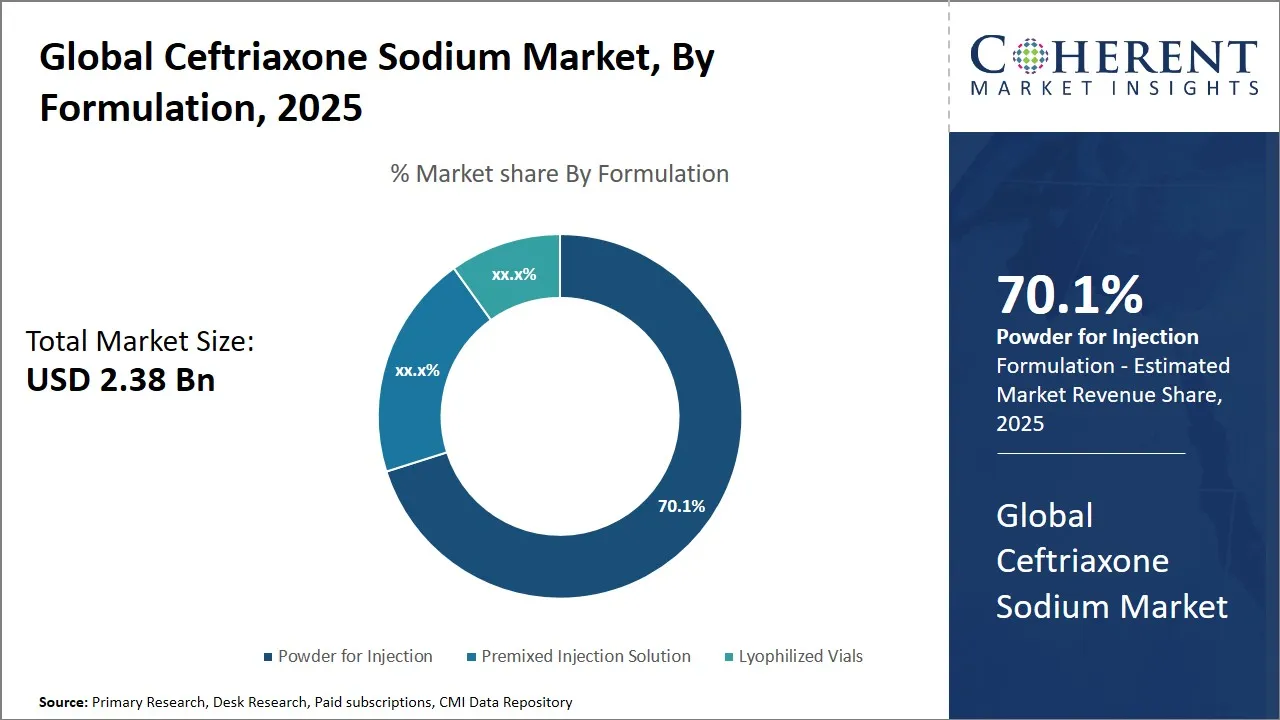
- In the global ceftriaxone sodium market, the powder for injection formulation is expected to lead the segment, accounting for 71.1% share in 2026.
- By strength, the 250 mg dosage is projected to hold significant importance, representing 33.3% of the market share in 2026.
- When viewed by route of administration, the intravenous segment is expected to emerge as the most preferred, capturing 66.2% share in 2026.
- North America is expected to lead the market, holding a share of 39.3% in 2026. Asia Pacific is anticipated to be the fastest-growing region, with a market share of 23.2% in 2026.
Market Overview
A prominent trend in the ceftriaxone sodium market is the shift towards innovative drug formulations and improved delivery systems that enhance patient compliance and therapeutic outcomes. Additionally, increasing investments in research and development for antibiotic resistance management are fueling product advancements. The growing adoption of ceftriaxone sodium in emerging economies, coupled with expanding hospital networks and government initiatives promoting access to essential medicines, continues to propel market momentum throughout the forecast period.
Currents Events and their Impact
Current Events | Description and its impact |
Rising Antibiotic Resistance |
|
Government Procurement Programs in Emerging Economies |
|
Segmental Insights
- Current Industry Events of 2026
- Market Size Estimation
- Regional Breakdown
- Competitive Landscape
- Customer Intelligence
- Segmental Analysis
- Pricing Analysis
- Key Market Drivers, Challenges & Future Trends
- Customized Insights Section
Ceftriaxone Sodium Market Insights, By Formulation - Powder for injection contributes the highest share of the market owing to its superior stability and ease of storage
The global ceftriaxone sodium market, when analyzed by formulation, distinctly highlights the dominance of the powder for injection segment with an estimated share of 71.1% in 2026. This formulation has sustained its leading market position primarily due to its enhanced chemical stability. Ceftriaxone sodium in powder form exhibits a longer shelf life compared to liquid formulations, which is critical for maintaining drug efficacy, especially in regions where cold chain infrastructure is limited or inconsistent. As a result, healthcare providers and suppliers prefer powders for injection as they can be reconstituted at the point of use, allowing flexibility in inventory management.
Powder formulation facilitates controlled dosing. Since the powder needs to be reconstituted just prior to administration, it minimizes the risk of contamination and degradation that can occur with premixed solutions exposed over extended periods. Additionally, the powder format allows for easier transportation and storage due to its reduced weight and volume when compared with liquid injections, enhancing logistics efficiencies and reducing costs.
For instance, Ceftriaxone-AFT is an injectable antibiotic marketed by AFT Pharmaceuticals Ltd., available in 500 mg, 1 g, and 2 g vial presentations as ceftriaxone sodium. It is supplied as a sterile powder for reconstitution and use via intravenous or intramuscular injection. Each gram of ceftriaxone contains approximately 83 mg (3.6 mmol) of sodium as an excipient, which is clinically relevant for patients requiring sodium monitoring.
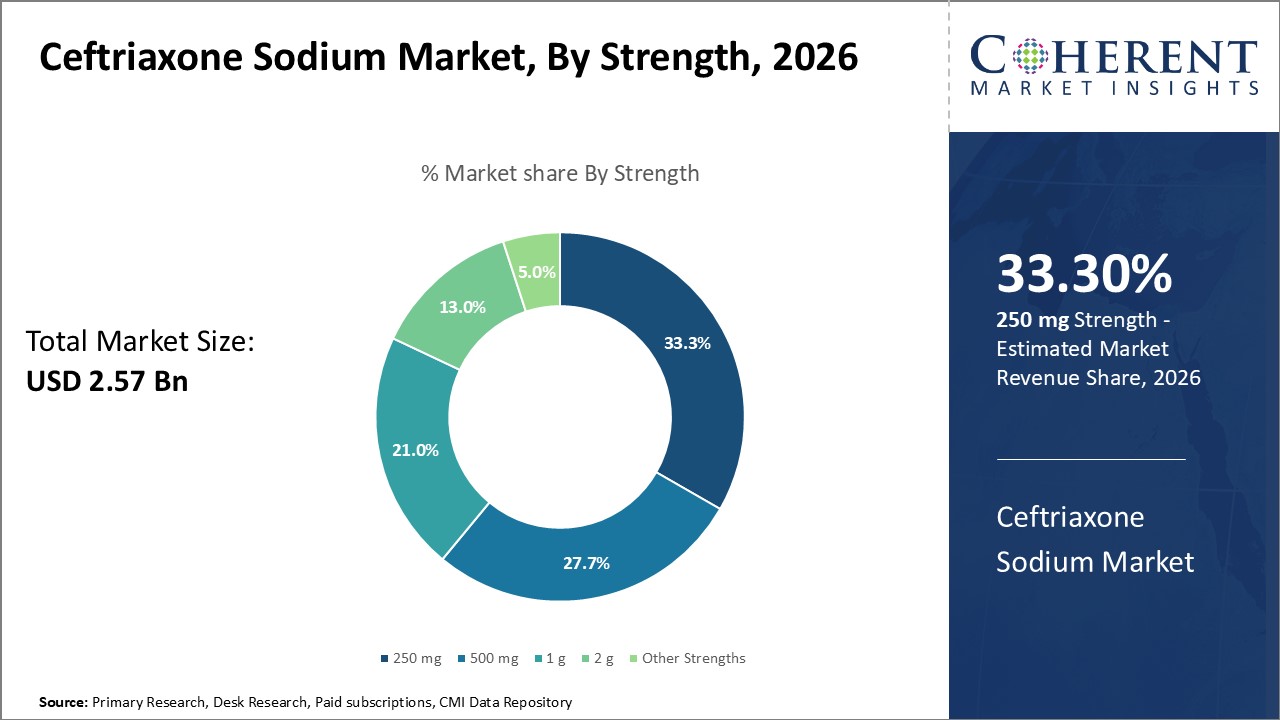
Ceftriaxone Sodium Market Insights, By Strength - 250 mg holds the highest share driven by its suitability for pediatric and minor infection treatments
Analyzing the global ceftriaxone sodium market by strength reveals that the 250 mg segment is expected to command a notable prominence with a share of 33.3% in 2026. This strength enjoys widespread utilization largely due to its clinical appropriateness for pediatric patients and cases involving mild to moderate bacterial infections. Ceftriaxone is frequently prescribed in pediatric wards where dosing must be precise yet appropriate for the smaller body weights and metabolic rates of children. The 250 mg strength aligns well with pediatric treatment regimens, essentially reducing the risks of overdose and enhancing therapeutic safety.
Furthermore, the 250 mg strength benefits from enhanced dosing flexibility in outpatient settings and primary healthcare centers, where physicians often treat less severe infections that do not require higher dosages. This strength serves as a convenient option for community healthcare providers who prioritize effective treatment with minimal side effects. It also encourages better patient compliance due to reduced injection volumes and lower discomfort during administration.
Ceftriaxone Sodium Market Insights, By Route of Administration - Intravenous leads the market due to its rapid onset and greater therapeutic control
Within the global ceftriaxone sodium market, the intravenous route of administration commands the highest preference with an estimated share of 66.2% in 2026. This trend is driven by the need for rapid drug delivery and immediate onset of therapeutic effects, which are crucial in treating severe systemic infections, sepsis, and life-threatening conditions. Intravenous administration allows ceftriaxone to enter directly into the bloodstream, bypassing the absorption delays associated with other routes, thereby ensuring faster clinical response and improved patient outcomes.
Hospitals and intensive care units predominantly favor intravenous administration as it offers more precise control over dosing, essential for critically ill patients who require carefully monitored antibiotic therapy. The IV route supports easy adjustment of treatment protocols based on patient response and severity of infection, with immediate availability for dose escalation or cessation. This adaptability proves indispensable in settings with dynamic clinical requirements.
Regional Insights
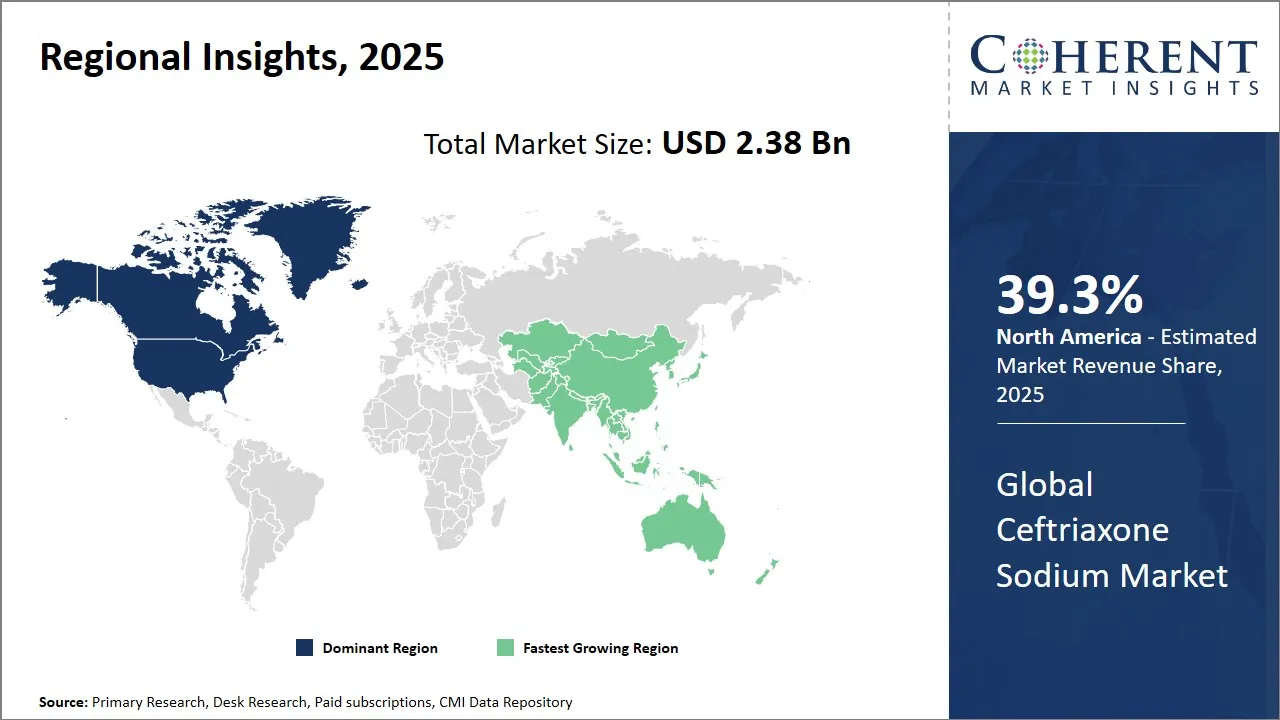
North America Ceftriaxone Sodium Market Analysis and Trends
In North America, the dominance in the global ceftriaxone sodium market is driven by a mature healthcare infrastructure with an estimated share of 39.3% in 2026, advanced pharmaceutical R&D, and strong regulatory frameworks. The U.S. and Canada, in particular, have well-established pharmaceutical sectors with stringent quality and safety standards, encouraging the production and consumption of antibiotics like ceftriaxone sodium. Government support through healthcare funding and favorable policies for drug approvals further solidifies the region’s leadership.
For example, Apotex, headquartered in Canada, is a major generic drug manufacturer with operations in over 45 countries. Its portfolio includes oral and injectable antibiotics, including ceftriaxone sodium, supplied to hospitals and pharmacies worldwide.
Asia Pacific Ceftriaxone Sodium Market Analysis and Trends
Asia Pacific is expected to exhibit the fastest growth fueled by rising healthcare awareness with 23.2% of the market share in 2026. This growth is aided by improving medical infrastructure and expanding pharmaceutical manufacturing capabilities in the region. Rapid urbanization and government initiatives to enhance healthcare access in countries like India, China, and Southeast Asia are key growth contributors. Additionally, the region benefits from a large patient pool and increasing incidence of infectious diseases, as well as growing antibiotic consumption. The presence of numerous contract manufacturing organizations (CMOs) and generic drug manufacturers bolsters supply and price competitiveness.
For example, Torrent, an Indian pharmaceutical company, operates in over 40 countries with a focus on generics and APIs. Its anti-infective range includes ceftriaxone sodium, marketed across India, Europe, and emerging global markets.
Global Ceftriaxone Sodium Market Outlook for Key Countries
U.S. Ceftriaxone Sodium Market Trends
The U.S. ceftriaxone sodium market is shaped by advanced hospital infrastructure and well-regulated pharmaceutical industry standards. Major players like Pfizer and Merck have a strong presence, focusing on both innovation and generics. The U.S. FDA’s rigorous approval process ensures high-quality drug supply, while government healthcare programs sustain steady demand for injectable antibiotics. Additionally, the country’s emphasis on combating antimicrobial resistance has led to strategic use protocols, influencing production and distribution trends.
For example, Baxter International, based in the U.S., delivers hospital-focused products such as IV solutions, parenteral nutrition, and generic injectables. Ceftriaxone sodium is included in its anti-infective line, distributed across North America, Europe, and Latin America.
India Ceftriaxone Sodium Market Trends
India's ceftriaxone sodium market benefits from a robust pharmaceutical manufacturing base and increasing healthcare expenditure. With companies like Cipla, Sun Pharmaceutical, and Aurobindo Pharma leading production, the country serves as a key supplier globally, especially for generic ceftriaxone sodium. Government initiatives to bolster healthcare infrastructure and expand access to medicines enhance domestic consumption. Moreover, regulatory reforms aimed at manufacturing quality improvements drive market growth and export readiness.
For example, Lupin, headquartered in India, is a global pharmaceutical company with strong markets in the U.S., Europe, and Asia Pacific. Its product range covers branded and generic medicines, including injectable and oral antibiotics like ceftriaxone sodium.
China Ceftriaxone Sodium Market Trends
China continues to lead as a critical manufacturing hub for ceftriaxone sodium due to its extensive raw material availability and cost advantages. Firms such as Sino Biopharmaceutical and CSPC Pharmaceutical have expanded capacities to cater both to domestic needs and export markets. The government's push for improved healthcare services and strict control on antibiotic usage supports balanced market expansion. Increasing investment in pharmaceutical R&D and infrastructure also position China as a significant player in the global market ecosystem.
For example, CSPC Zhongnuo, part of CSPC Pharmaceutical Group in China, focuses on anti-infectives and cardiovascular drugs. It manufactures ceftriaxone sodium in high volumes for the domestic Chinese market and for international distribution.
Germany Ceftriaxone Sodium Market Trends
Germany’s ceftriaxone sodium market benefits from strong pharmaceutical innovation and high healthcare standards. Companies like Bayer and Stada Arzneimittel invest in advanced formulations and quality control for ceftriaxone sodium, targeting hospital and clinical uses. The country’s robust regulatory environment promotes safety and efficacy, building trust among healthcare providers. Additionally, well-established healthcare insurance systems ensure consistent demand for critical antibiotics used in inpatient care.
For example, B. Braun, headquartered in Germany, operates in over 60 countries with a focus on medical devices, infusion solutions, and pharmaceuticals. Its portfolio includes a wide range of injectable antibiotics, including ceftriaxone sodium, distributed globally.
End User Feedback and Unmet Needs - Ceftriaxone Sodium Market
- Feedback from end users in the global ceftriaxone sodium market reflects both satisfaction with its effectiveness and challenges tied to accessibility and operational use across healthcare systems. Hospitals and clinics consistently highlight the reliability of ceftriaxone sodium in treating severe bacterial infections, especially in critical care settings where rapid action is essential. For instance, infectious disease specialists have reported strong clinical outcomes when using intravenous formulations in cases of sepsis, noting the drug’s broad-spectrum coverage and quick therapeutic response as crucial in reducing patient mortality. This positive experience underlines the value healthcare providers place on consistent quality, predictable efficacy, and a stable supply chain to ensure uninterrupted treatment cycles.
- At the same time, recurring concerns from end users reveal a set of unmet needs that remain largely unaddressed. Smaller healthcare facilities and public hospitals in emerging economies frequently cite challenges around affordability and irregular supply, with shortages during peak demand periods forcing them to rely on substitute antibiotics that may not be as effective. In addition, some users raise issues about the lack of flexible dosage forms for pediatric and geriatric patients, which complicates treatment administration and increases the risk of dosing errors. These unmet needs point to opportunities for manufacturers to innovate in formulation technology, improve cost efficiency, and invest in more resilient distribution networks. Addressing these gaps could not only enhance patient outcomes but also strengthen trust and loyalty among healthcare providers, while opening avenues for long-term market expansion.
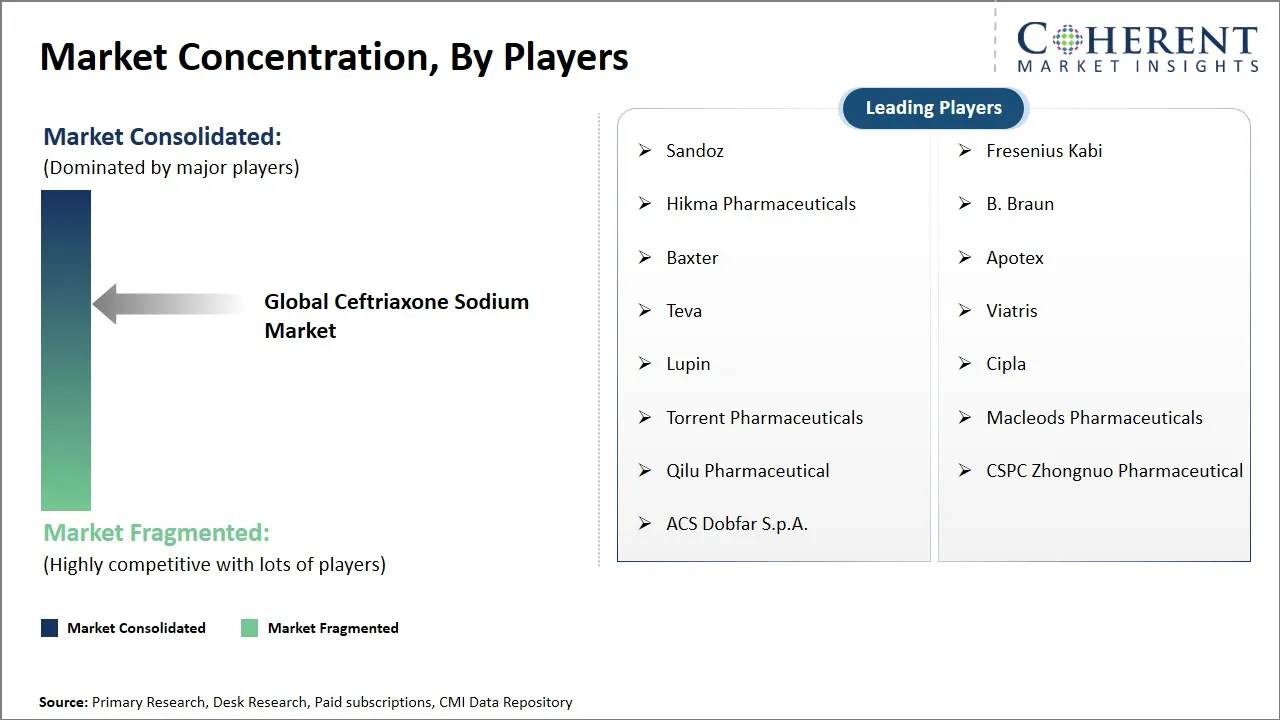
Market Players, Key Developments, and Competitive Intelligence
Key Developments
- In July 2024, Fresenius Kabi Canada Ltd., a global healthcare company specializing in essential medicines and technologies, announced the launch of Ceftriaxone Sodium for Injection, USP in the Canada ceftriaxone sodium market. The new preservative-free single-use vials with latex-free stoppers are available in 1 g and 2 g formats, featuring 2D DataMatrix barcodes for enhanced safety and traceability. With this addition, Fresenius Kabi expands its injectable antibiotic portfolio, offering hospitals and healthcare providers reliable treatment options for a broad range of infections.
- In April 2024, Basilea Pharmaceutica Ltd, a Swiss commercial-stage biopharmaceutical company, focused on severe bacterial and fungal infections, announced that the U.S. Food and Drug Administration approved its antibiotic ZEVTERA (ceftobiprole medocaril sodium for injection). The approval covers three important indications: treatment of adult patients with Staphylococcus aureus bloodstream infections (bacteremia) including right-sided infective endocarditis, adult patients with acute bacterial skin and skin structure infections, and both adult and pediatric patients (from 3 months to under 18 years) with community-acquired bacterial pneumonia.
- In July 2023, Bio-Labs announced the launch of Nextone (Ceftriaxone Sodium USP) I.V and I.M injection, a broad-spectrum third-generation cephalosporin antibiotic. Nextone is indicated for the treatment of multiple susceptible infections, including abdominal infections such as gastroenteritis, peritonitis, and biliary tract infections, genital infections like gonorrhea and chancroid, as well as meningitis, septicemia, surgical prophylaxis, Whipple’s disease, Lyme disease, and renal urinary and respiratory tract infections.
Top Strategies Followed by Global Ceftriaxone Sodium Market Players
- Established players dominate through substantial investments in research and development (R&D), channeling resources into innovating high-performance ceftriaxone sodium formulations that meet rigorous efficacy and safety standards. These industry leaders also actively engage in forging strategic partnerships and collaborations with major pharmaceutical companies, original equipment manufacturers (OEMs), and healthcare providers to reinforce their presence and brand credibility. Such alliances enable them to leverage complementary strengths and tap into new technological advancements.
- For example, Fresenius Kabi consistently invests in sterile injectable manufacturing infrastructure and partners with hospital systems worldwide to expand its injectable antibiotic portfolio. Similarly, Sandoz (a Novartis division) leverages global R&D networks to develop biosimilars and generic antibiotics, including ceftriaxone, while collaborating with public health agencies to improve access. Hikma Pharmaceuticals, with its strong injectable segment, has also entered partnerships with technology providers to expand advanced antibiotic production, further consolidating its role as a leading established player.
- Mid-level competitors in the ceftriaxone sodium market primarily compete on the basis of cost-effectiveness, offering products that balance quality with affordability to appeal to price-sensitive consumers, especially in developing countries. These players focus on optimizing production processes to maintain competitive pricing without compromising compliance with international regulatory standards. To enhance their capabilities, mid-level companies increasingly enter into collaborations and joint ventures with contract manufacturers, technology providers, or regional distributors.
- For example, Lupin Limited and Cipla have expanded their cephalosporin portfolios in Asia Pacific and Africa, offering ceftriaxone at lower costs to cater to government tenders and public health programs. Torrent Pharmaceuticals also competes effectively by entering joint ventures and improving its injectable facilities to meet regulatory standards in emerging markets. Such collaborations allow mid-level firms to strengthen their distribution reach and technical capabilities while staying price competitive.
- Small-scale companies in the ceftriaxone sodium sector adopt more specialized and agile strategies to carve out niches for themselves. Often unable to compete on scale or price, they focus on delivering innovative or differentiated product features, such as enhanced delivery mechanisms or formulations targeting specific patient groups. These smaller players prioritize adopting cutting-edge technologies, including advanced synthesis methods or novel excipient combinations, to maintain their competitive edge.
- For example, Macleods Pharmaceuticals has focused on strengthening its anti-infective segment, including ceftriaxone, for regional hospital markets, while Qilu Pharmaceutical in China emphasizes differentiated formulations for both domestic and export use. Additionally, companies like ACS Dobfar S.p.A., with expertise in antibiotic APIs, collaborate with local startups and academic institutions to explore advanced synthesis processes, improving efficiency and addressing niche therapeutic needs.
Market Report Scope
Ceftriaxone Sodium Market Report Coverage
| Report Coverage | Details | ||
|---|---|---|---|
| Base Year: | 2025 | Market Size in 2026: | USD 2.57 Bn |
| Historical Data for: | 2020 To 2024 | Forecast Period: | 2026 To 2033 |
| Forecast Period 2026 to 2033 CAGR: | 8.1% | 2033 Value Projection: | USD 4.44 Bn |
| Geographies covered: |
| ||
| Segments covered: |
| ||
| Companies covered: | Sandoz, Fresenius Kabi, Hikma Pharmaceuticals, B. Braun, Baxter, Apotex, Teva, Viatris, Lupin, Cipla, Torrent Pharmaceuticals, Macleods Pharmaceuticals, Qilu Pharmaceutical, CSPC Zhongnuo Pharmaceutical, and ACS Dobfar S.p.A. | ||
| Growth Drivers: |
| ||
| Restraints & Challenges: |
| ||
Ceftriaxone Sodium Market Dynamics
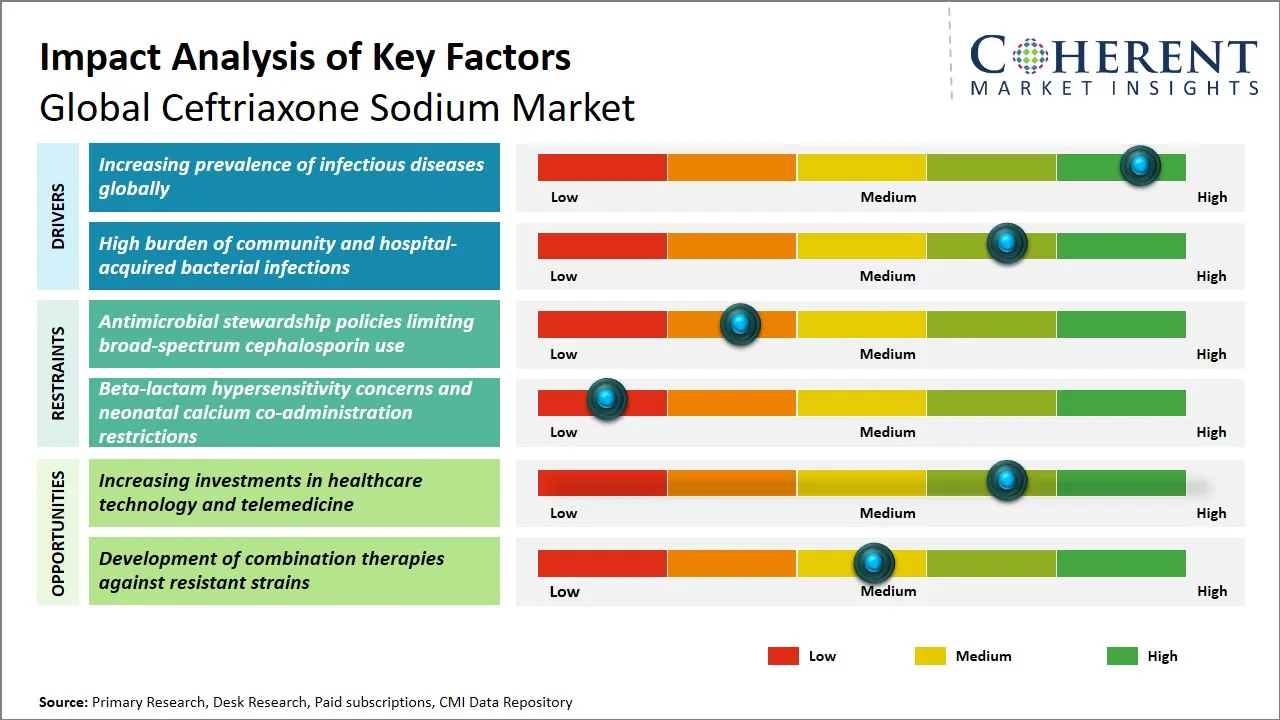
Ceftriaxone Sodium Market Driver - Increasing Prevalence of Infectious Diseases Globally
The rising incidence of infectious diseases worldwide significantly fuels the demand for effective antibiotic treatments such as Ceftriaxone Sodium. Various bacterial infections, including respiratory tract infections, urinary tract infections, meningitis, and sepsis, continue to pose critical health challenges across all age groups and geographic regions. Factors such as urbanization, population growth, increased international travel, and the emergence of drug-resistant bacterial strains contribute to the persistence and spread of infectious diseases. Healthcare systems are increasingly relying on broad-spectrum antibiotics like Ceftriaxone Sodium due to its potent efficacy against a wide range of Gram-positive and Gram-negative bacteria, as well as its favorable pharmacokinetic profile. Moreover, rising awareness and prompt diagnosis of bacterial infections have amplified the need for timely and targeted antibiotic therapy, further augmenting the consumption of Ceftriaxone Sodium.
In October 2025, World Health Organization (WHO) and the Government of India highlighted contrasting global and national trends in infectious diseases. Globally, tuberculosis (TB) resurged as the leading infectious killer with 8.2 million new cases in 2023, fueled by funding gaps and rising drug resistance, while in India, TB incidence dropped by 17.7% and mortality by 21.4% between 2015 and 2023 more than double the global reduction rates.
India also recorded a 78.1% fall in malaria cases, eliminated kala-azar in endemic districts ahead of the 2030 SDG target, sustained dengue fatality below 1%, expanded lymphatic filariasis drug coverage to 85%, and achieved an 84% decline in mother-to-child HIV transmission, showcasing significant national progress despite global challenges.
Ceftriaxone Sodium Market Opportunity - Increasing Investments in Healthcare Technology and Telemedicine
The global ceftriaxone sodium market stands to benefit significantly from the rising investments in healthcare technology and telemedicine, which are transforming the delivery of healthcare services worldwide. With advancements in digital health platforms, remote diagnostics, and teleconsultations, access to timely and effective treatment has improved substantially, thereby driving the demand for essential antibiotics like ceftriaxone sodium. Healthcare providers are increasingly integrating telemedicine to reach patients in remote and underserved areas, resulting in higher prescription rates for injectable antibiotics used in managing bacterial infections. Additionally, the adoption of electronic health records (EHRs) and AI-driven diagnostic tools enhances the accuracy of bacterial infection identification, allowing for more targeted use of ceftriaxone sodium, minimizing misuse, and optimizing treatment outcomes.
In March 2025, the World Health Organization (WHO), a specialized United Nations agency focused on global public health, partnered with Intelehealth, an India-based non-profit developing open-source digital health platforms for underserved communities. Together, they launched a 13-part webinar series titled Telemedicine in Action: Transforming Healthcare for Low- and Middle-Income Countries (LMICs).The first session showcased how telemedicine is improving accessibility, efficiency, and patient outcomes worldwide, with insights from health leaders including Sri Lanka’s Ministry of Health (MoH), which shared its digital transformation experience during the COVID-19 pandemic.
Analyst Opinion (Expert Opinion)
- The ceftriaxone sodium market is currently shaped by strong demand for broad-spectrum antibiotics, driven by rising incidences of bacterial infections, hospital-acquired diseases, and the increasing burden of antimicrobial resistance that requires effective treatment options. Advancements in drug formulation technologies, combined with supportive regulatory approvals for generic production, are helping expand access in both developed and emerging regions. At the same time, challenges around stringent quality standards, rising competition from alternative therapies, and concerns over antibiotic stewardship create hurdles for manufacturers. Yet, opportunities remain significant as global health agencies and governments continue to prioritize antimicrobial resistance initiatives, pushing for innovative solutions and sustained supply chains. Recent conferences such as the European Congress of Clinical Microbiology and Infectious Diseases (ECCMID), IDWeek in the U.S., and the Global AMR R&D Hub’s events over the last three years have provided key platforms for knowledge exchange, influencing policies, and showcasing novel antibiotic development strategies that directly impact this market.
- On the ground, real-world efforts such as the World Health Organization’s Global Action Plan on Antimicrobial Resistance and regional antimicrobial stewardship programs in Europe and Asia are shaping procurement and usage policies for ceftriaxone sodium. Governments in Africa and South Asia have also launched pilot projects to improve affordable access to essential antibiotics, with public-private collaborations ensuring continuous supply in rural healthcare networks. Pharmaceutical firms have scaled up initiatives to strengthen production capacity and distribution networks— for instance, several Indian manufacturers expanding export footprints in Latin America and Africa. These steps, alongside policy reforms and ongoing R&D, are steadily influencing market growth, making ceftriaxone sodium a critical element of the global antibiotic landscape.
Speak to the analyst
Want personalized insights?
Take the findings above to one of our principal consultants, or have the report rebuilt around the segments, geographies and competitors you actually track.
Market Segmentation
- Formulation Insights (Revenue, USD Bn, 2021 - 2033)
- Powder for Injection
- Premixed Injection Solution
- Lyophilized Vials
- Strength Insights (Revenue, USD Bn, 2021 - 2033)
- 250 mg
- 500 mg
- 1 g
- 2 g
- Other Strengths
- Route of Administration Insights (Revenue, USD Bn, 2021 - 2033)
- Intravenous
- Intramuscular
- Indication Insights (Revenue, USD Bn, 2021 - 2033)
- Lower Respiratory Tract Infections
- Acute Bacterial Otitis Media
- Skin and Skin Structure Infections
- Urinary Tract Infections
- Uncomplicated Gonorrhea
- Pelvic Inflammatory Disease
- Bacterial Septicemia
- Bone and Joint Infections
- Intra-abdominal Infections
- Meningitis
- Surgical Prophylaxis
- Others
- Age Group Insights (Revenue, USD Bn, 2021 - 2033)
- Adult
- Pediatric
- Geriatric
- Type Insights (Revenue, USD Bn, 2021 - 2033)
- Brand
- Generic
- End User Insights (Revenue, USD Bn, 2021 - 2033)
- Hospitals
- Specialty Clinics
- Ambulatory Surgical Centers
- Diagnostic and Research Laboratories
- Distribution Channel Insights (Revenue, USD Bn, 2021 - 2033)
- Hospital Pharmacies
- Retail Pharmacies
- Online Pharmacies
- Regional Insights (Revenue, USD Bn, 2021 - 2033)
- North America
- U.S.
- Canada
- Latin America
- Brazil
- Argentina
- Mexico
- Rest of Latin America
- Europe
- Germany
- U.K.
- Spain
- France
- Italy
- Russia
- Rest of Europe
- Asia Pacific
- China
- India
- Japan
- Australia
- South Korea
- ASEAN
- Rest of Asia Pacific
- Middle East
- GCC Countries
- Israel
- Rest of Middle East
- Africa
- South Africa
- North Africa
- Central Africa
- North America
- Key Players Insights
- Sandoz
- Fresenius Kabi
- Hikma Pharmaceuticals
- Braun
- Baxter
- Apotex
- Teva
- Viatris
- Lupin
- Cipla
- Torrent Pharmaceuticals
- Macleods Pharmaceuticals
- Qilu Pharmaceutical
- CSPC Zhongnuo Pharmaceutical
- ACS Dobfar S.p.A.
Sources
Primary Research Interviews
- Industry Stakeholders
- Pharmaceutical Manufacturing Directors
- Hospital Procurement Managers
- Clinical Pharmacologists
- R&D Heads of Generic Drug Producers
- Supply Chain Managers (Pharmaceutical Distributors)
- Regulatory Affairs Specialists
- End Users
- Infectious Disease Specialists
- Hospital Administrators
- Community Healthcare Providers
- Rural Health Clinic Managers
- Public Health Program Coordinators
- Pharmacists (Hospital & Retail)
Government and International Databases
- World Health Organization (WHO)
- U.S. Food and Drug Administration (FDA)
- European Medicines Agency (EMA)
- Centers for Disease Control and Prevention (CDC)
- United Nations Comtrade Database
- National Health Service (NHS) – UK
Trade Publications
- PharmaTimes
- Drug Development & Delivery
- The Pharmaceutical Journal
- BioPharm International
- Scrip Pharma Intelligence
- FiercePharma
Academic Journals
- The Lancet Infectious Diseases
- Journal of Antimicrobial Chemotherapy
- Clinical Infectious Diseases (CID)
- International Journal of Antimicrobial Agents
- Journal of Clinical Pharmacy and Therapeutics
- PLOS One (Infectious Diseases Section)
Reputable Newspapers
- The New York Times – Health Section
- The Guardian – Global Health
- The Wall Street Journal – Healthcare
- Financial Times – Pharmaceuticals
- The Hindu – Science & Health
- BBC News – Health
Industry Associations
- International Society for Infectious Diseases (ISID)
- Infectious Diseases Society of America (IDSA)
- International Federation of Pharmaceutical Manufacturers & Associations (IFPMA)
- European Federation of Pharmaceutical Industries and Associations (EFPIA)
- Indian Pharmaceutical Association (IPA)
- American Pharmacists Association (APhA)
Public Domain Resources
- National Center for Biotechnology Information (NCBI)
- Open Access Government Publications (OAG)
- World Bank Health Data
- OECD Health Statistics
Proprietary Elements
- CMI Data Analytics Tool: Proprietary analytics tool to analyze real-time market trends, consumer behavior, and technology adoption in market
- Proprietary CMI Existing Repository of Information for Last 8 Years
Get access to 250+ pages report
Every segment, forecast, competitor profile and data table behind the analysis above — available for instant download.
- ESOMAR Member
- ISO 9001:2015 Certified
- D-U-N-S Registered
- GDPR & CCPA Compliant
Missing comfort of reading report in your local language? Find your preferred language:
Transform your Strategy with Exclusive Trending Reports
Frequently Asked Questions
The global ceftriaxone sodium market is estimated to be valued at USD 2.57 Bn in 2026 and is expected to reach USD 4.44 Bn by 2033.
The CAGR of global ceftriaxone sodium market is projected to be 8.1% from 2026 to 2033.
Increasing prevalence of infectious diseases globally and high burden of community and hospital-acquired bacterial infections are the major factors driving the growth of the global ceftriaxone sodium market.
Antimicrobial stewardship policies limiting broad-spectrum cephalosporin use and beta-lactam hypersensitivity concerns and neonatal calcium co-administration restrictions are the major factors hampering the growth of the global ceftriaxone sodium market.
In terms of formulation, powder for injection is estimated to dominate the market revenue share in 2026.
Sandoz, Fresenius Kabi, Hikma Pharmaceuticals, B. Braun, Baxter, Apotex, Teva, Viatris, Lupin, Cipla, Torrent Pharmaceuticals, Macleods Pharmaceuticals, Qilu Pharmaceutical, CSPC Zhongnuo Pharmaceutical, and ACS Dobfar S.p.A. are the major players.
North America is expected to lead the global ceftriaxone sodium market in 2026.