

Antibiotics Market Size and Forecast – 2026 to 2033
Global antibiotics market is estimated to be valued at USD 61.47 Bn in 2026 and is expected to reach USD 89.43 Bn by 2033, exhibiting a compound annual growth rate (CAGR) of 5.5% from 2026 to 2033.
Key Takeaways
- By Drug Type, Cephalosporins acquired the prominent share of 27.5% in 2026 on account of the rising prevalence of infectious diseases.
- By Spectrum, Broad-spectrum antibiotics dominates the overall market with an estimated share of 55.2% in 2026 owing to the antibiotic resistance and multi-drug-resistant (mdr) pathogens.
- By Route of Administration, Oral holds the largest market share of 37.6% in 2026 owing to its patient convenience and compliance.
- By Drug Origin, Natural acquired the prominent share in 2026 owing to the rising demand for alternatives to synthetic drugs.
- By Region, North America dominates the overall market with an estimated share of 35.9% in 2026 owing to the high disease burden & hospital‑acquired infections.
Market Overview
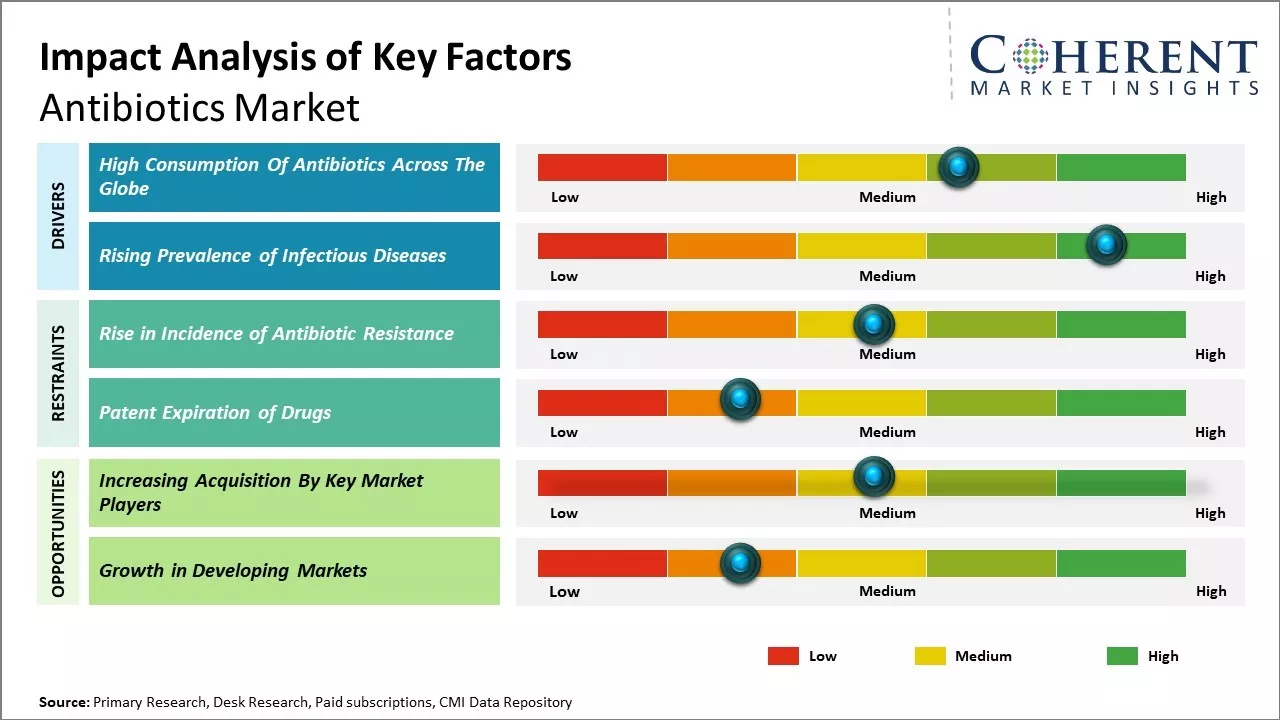
The antibiotics market demand is witnessing positive trends with the increasing demand for effective antibiotics for the treatment of bacterial infections. Rising prevalence of infectious diseases and growing awareness about antibiotic treatment options are expected to drive the market growth. Additionally, the market is also benefiting from recent new product launches with improved formulations and novel drug delivery systems. However, overutilization and misuse of antibiotics have led to antimicrobial resistance which remains a major challenge. This has encouraged manufacturers to invest more in the research and development of advanced antibiotics. Stringent regulations regarding the use of antibiotics are also being implemented to prevent antibiotic resistance.
Current Events and their Impact on the Antibiotics Market
Current Events | Description and its impact |
Global Policy Framework Modernization and International Coordination |
|
Innovative Financing and Market Access Models |
|
Breakthrough Antibiotic Approvals and Technology Innovation |
|
End-user Feedback and Unmet Needs in the Antibiotics Market
- Demand for Effective Treatments Against Resistant Infections: End-users, including clinicians and patients, express frustration with the limited effectiveness of current antibiotics against multidrug-resistant bacteria. There is a strong need for new antibiotics that can combat resistant strains while minimizing side effects and preventing further resistance development.
- Need for Rapid and Accurate Diagnostics: Healthcare providers emphasize the importance of faster, more reliable diagnostic tools to identify bacterial infections precisely. Improved diagnostics would enable targeted antibiotic use, reduce unnecessary prescriptions and enhance treatment outcomes, while helping to curb antimicrobial resistance.
- Preference for Oral and Convenient Formulations: Patients and caregivers prefer oral antibiotics for ease of administration, especially in outpatient settings. There is growing demand for antibiotics with improved bioavailability, shorter treatment courses, and minimal side effects to enhance adherence and reduce hospitalization.
- Current Industry Events of 2026
- Market Size Estimation
- Regional Breakdown
- Competitive Landscape
- Customer Intelligence
- Segmental Analysis
- Pricing Analysis
- Key Market Drivers, Challenges & Future Trends
- Customized Insights Section
Segmental Insights
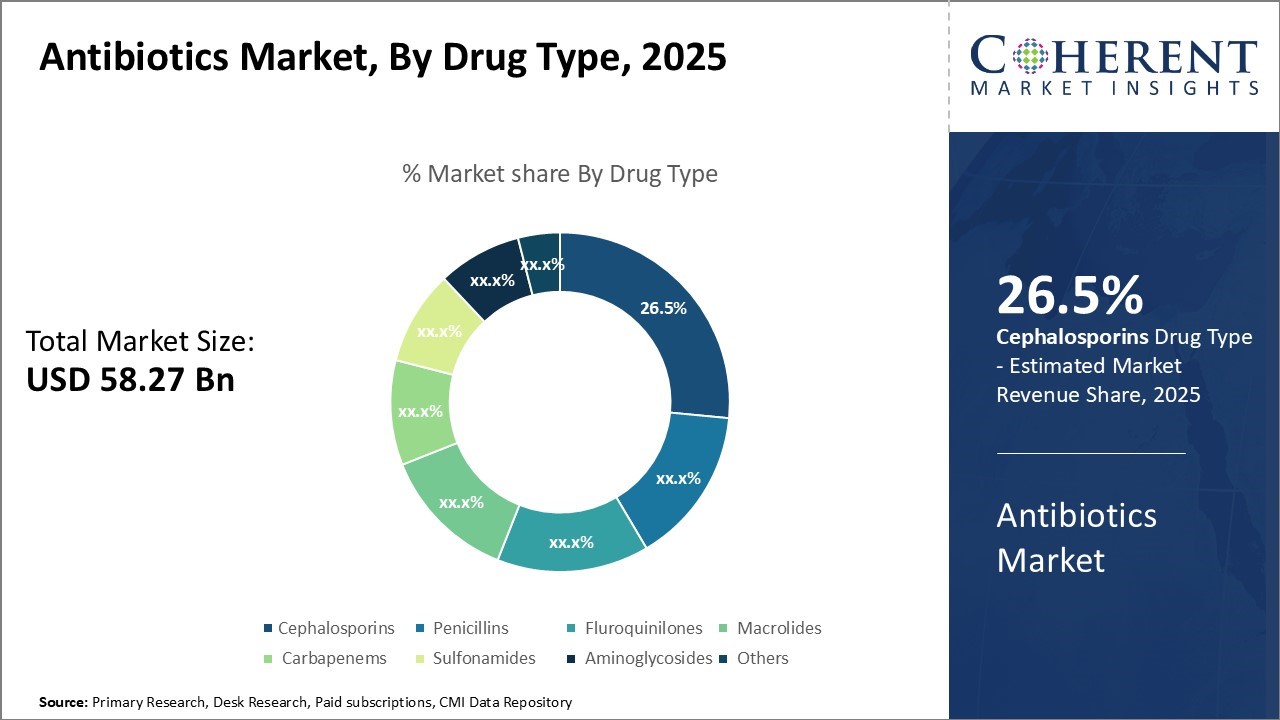
Antibiotics Market Insights, By Drug Type: Cephalosporins contribute the highest share of the market owing to its favorable drug profiles
Cephalosporins is estimated to hold 27.5% of the market share in 2026. Cephalosporins are semi-synthetic antibiotics that continue to evolve, allowing them to treat a wide range of bacterial infections. Newer generations have been developed with an even broader spectrum of coverage. This versatility makes Cephalosporins highly preferable for empirical therapy when the causative organism is unknown. It also allows them to be used as a substitute when patients exhibit resistance or allergies to other classes like Penicillins. The rising microbial resistance towards historically effective drugs like Penicillins is a significant driver for the popularity of Cephalosporins. Bacteria have developed various mechanisms like efflux pumps and alteration of binding sites to resist Penicillins and other older antibiotic classes. In May 2025, Innoviva Specialty Therapeutics, Inc., a subsidiary of Innoviva, Inc. announced that ZEVTERA is commercially available in the United States. ZEVTERA is the only advanced-generation cephalosporin approved by the U.S. Food and Drug Administration (FDA) to treat adult patients with Staphylococcus aureus bloodstream infections.
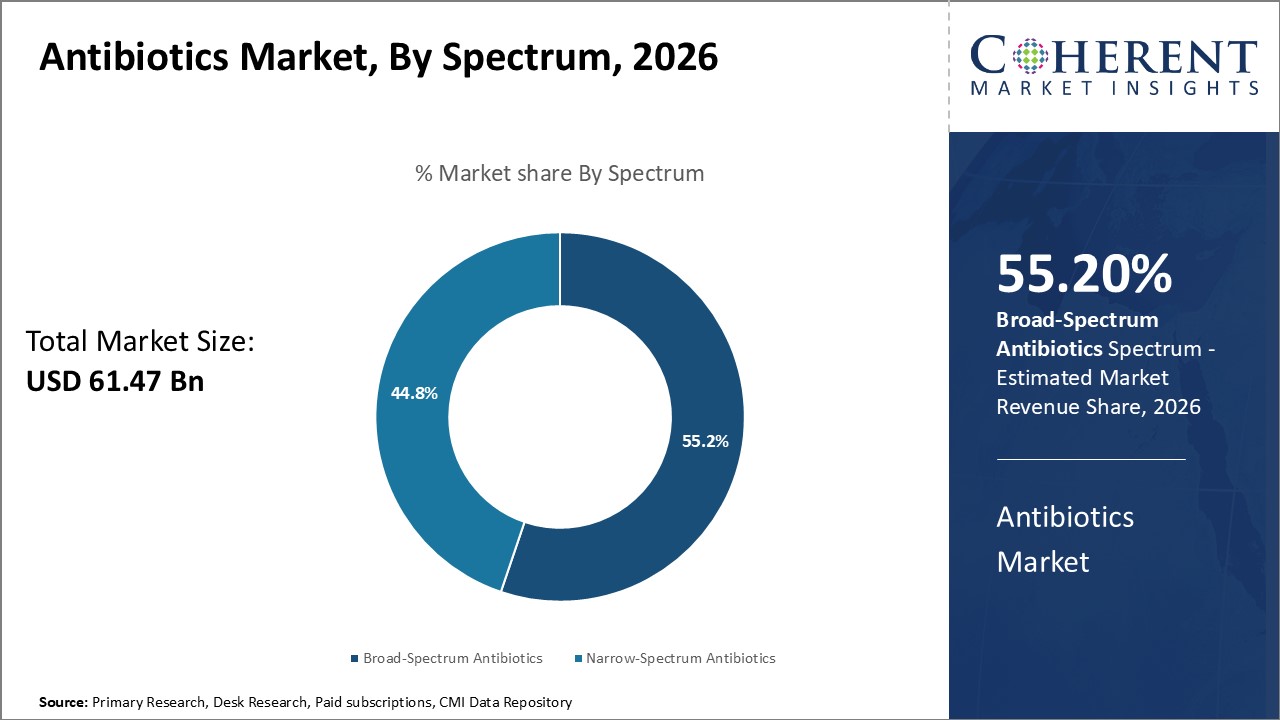
Antibiotics Market Insights, By Spectrum: Broad-spectrum antibiotics contribute the highest share of the market owing to its increasing surgical and immunocompromised patient population
The broad-spectrum antibiotics sub-segment is estimated to hold 55.2% of the market share in 2026. NSAIDS have been conventionally used as the first line treatment for relieving joint pains, fever, and swelling associated with Systemic Lupus Erythematosus (SLE). However, as the understanding of autoimmune pathways improved, biologics specifically targeting B-cells, T-cells and other cytokine pathways have replaced conventional NSAIDS for SLE patients with severe organ involvement or those inadequate responsive to NSAIDS. Innovation in the field of biologics has led to the approval of several autoimmune pathway inhibitors like belimumab, rituximab, hydroxychloroquine, and mycophenolate over the past decade, further enhancing the antibiotics market revenue. Additionally, patent expiration of blockbuster biologics has also fueled the market entry of their cheaper biosimilar counterparts. For instance, in May 2025, Avenacy, a specialty pharmaceutical company focused on providing critical injectable medications, unveiled Doxycycline for Injection. Doxycycline for Injection, USP is a broad-spectrum antibiotic used to treat infections caused by susceptible bacteria.
Antibiotics Market Insights, By Route of Administration: Oral contributes the highest share of the market owing to pharmaceutical advancements in drug delivery
The oral sub-segment is estimated to hold 37.6% of the market share in 2026. Unlike intravenous therapies requiring hospitalization, or even intramuscular injections, orally available drugs empower patients to self-administer treatment from the comfort of their own homes. This degree of comfort and access increases adherence to prescribed dosing regimens. It also promotes faster drug intake at the first onset of symptoms, which is conducive for quicker clinical resolution.
In February 2025, Kineticos Life Sciences launched Kinvard Bio, Inc., a newly formed biotech company specializing in anti-infectives. Kinvard Bio is actively advancing its lead programs through preclinical optimization, focusing on developing both oral and IV formulations to treat the most challenging acute and chronic drug-resistant infections.
Antibiotics Market Insights, By Drug Origin: Natural contribute the highest share of the market owing to its supportive regulations for traditional medicines
Growing concerns over antimicrobial resistance and the demand for safer, plant-based alternatives to synthetic drugs drive the natural antibiotics market. Researchers are actively exploring microbes, fungi, and plants for new antibiotic compounds, supported by advancements in biotechnology and natural product research. Consumers increasingly choose natural and organic treatments, while traditional medicine systems gain more recognition. Regulatory bodies also show interest in promoting novel natural therapies. The ongoing search for new mechanisms of action continues to boost the development of natural antibiotics. For instance, in March 2025, NoBACZ Healthcare introduced Ambugreen, a product designed to deliver both physical and microbial protection, preventing the passage of microbes while supporting natural healing.
Regional Insights
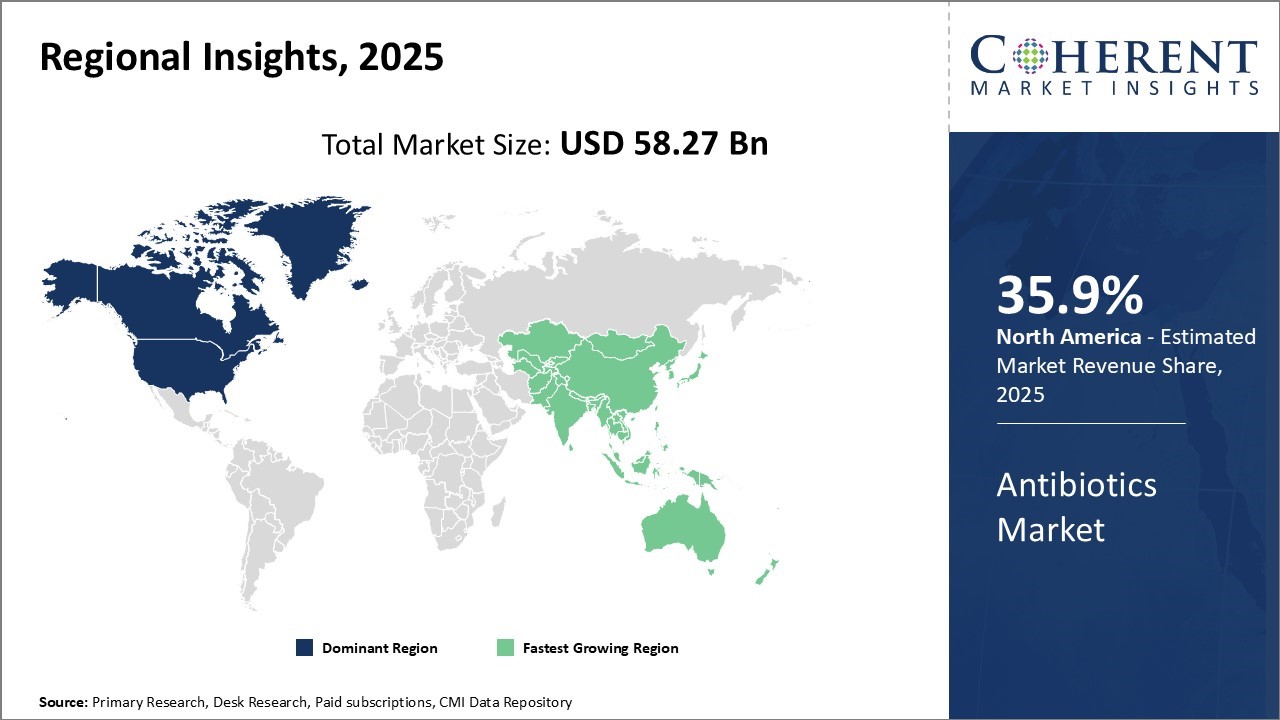
North America Antibiotics Market Trends
North America leads the global antibiotics market as rising infectious diseases, strong healthcare systems, and active pharmaceutical R&D efforts fuel growth. Healthcare providers continue to rely on established drug classes like cell-wall synthesis inhibitors, while researchers introduce new treatments targeting RNA mechanisms. Hospitals and stewardship programs promote responsible antibiotic use, increasing demand for targeted therapies. At the same time, evolving trade policies and supply chain disruptions affect generic drug pricing and availability, prompting manufacturers to strengthen local production capabilities.
For instance, in May 2026, Roche planned to introduce a phase 3 trial of its novel antibiotic candidate zosurabalpin in patients with carbapenem-resistant Acinetobacter baumannii (CRAB) infections. The study will evaluate the safety and efficacy of zosurabalpin by comparing its outcomes to standard-of-care antibiotics in an estimated 400 patients with CRAB infections at sites across North America.
Europe Antibiotics Market Trends
European countries are actively strengthening antimicrobial stewardship initiatives to curb antibiotic misuse and resistance. Hospitals and clinics implement strict prescribing guidelines, promoting narrow-spectrum antibiotics and encouraging diagnostics-driven treatments. This approach influences the choice and quantity of antibiotics used throughout the region. Additionally, the European market increasingly demands generic antibiotics, driven by cost-effectiveness and healthcare budget limitations. Governments and public health systems actively support generic use to improve access across populations.
United States Antibiotics Market Trends
U.S. healthcare institutions actively prioritize antimicrobial stewardship programs to fight antibiotic resistance. They enforce appropriate prescribing practices and promote targeted antibiotic use. Enhanced diagnostic tools help clinicians make timely, accurate treatment decisions, reducing unnecessary use of broad-spectrum antibiotics and improving patient outcomes. Meanwhile, the U.S. market sees strong growth in generic antibiotics as manufacturers compete to offer affordable options, supported by cost-containment efforts and insurance coverage policies that enhance patient access. For instance, in March 2026, Avenacy, a specialty pharmaceutical company dedicated to supplying critical injectable medications, unveiled a suite of injectable antibiotic products. This launch of five antibiotic products further strengthens Avenacy’s core portfolio of high-demand, essential injectable medications.
India Antibiotics Market Trends
Antibiotic-resistant infections are rising significantly in India, especially in diseases like typhoid and tuberculosis. Studies show that over 90% of bacteria in regions like Gujarat resist key antibiotics such as ceftriaxone and ciprofloxacin. This situation demands urgent revision of treatment protocols and stronger monitoring systems. To improve access, the Indian government launched programs like the Pradhan Mantri Bhartiya Janaushadhi Pariyojana (PMBJP), which provide affordable generic medicines and help reduce healthcare costs while enhancing public health outcomes.
The Central Drugs Standard Control Organisation (CDSCO), the country’s apex drug regulator, will now require mandatory approval for the launch of any antibiotics in India, including those containing approved active pharmaceutical ingredients (APIs). This decision follows increasing global and national concerns over antimicrobial resistance (AMR).
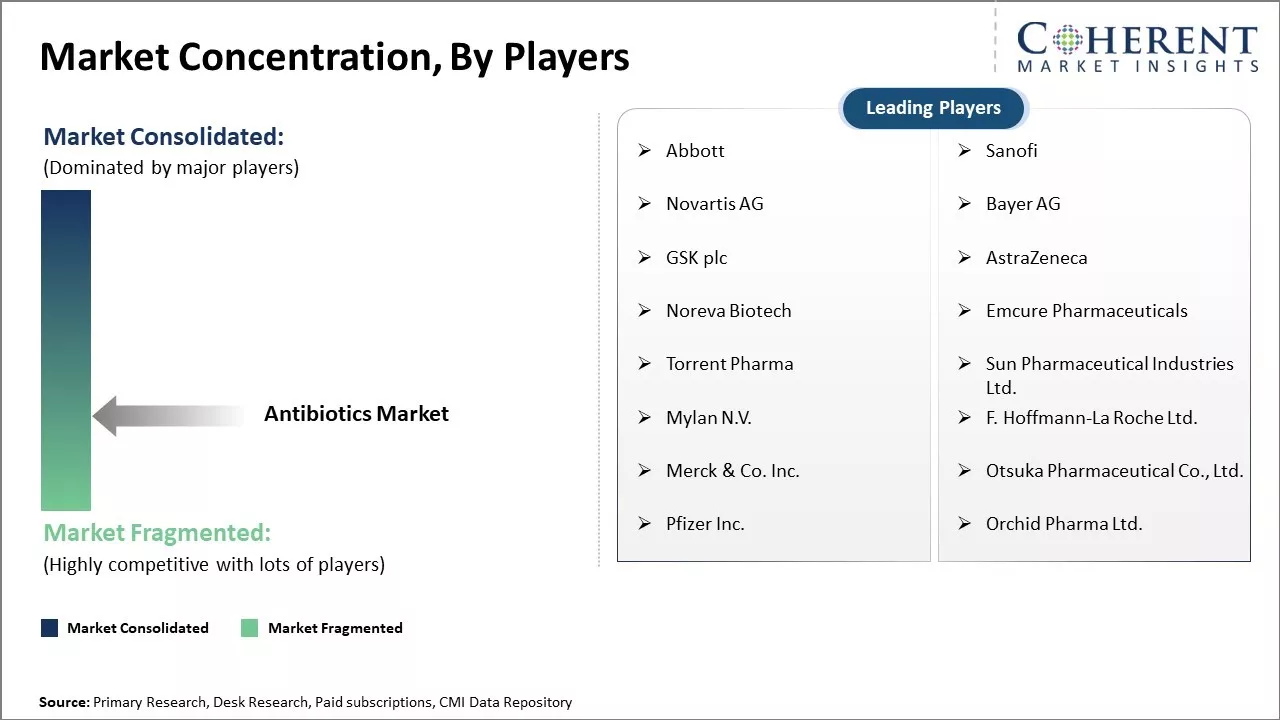
Market Concentration and Competitive Landscape
Antibiotics Market News
- In July 2025, the Veterinary Medicines Directorate (VMD) announced that researchers are developing the world’s first dedicated surveillance system in healthy dogs and cats, as part of new, groundbreaking efforts to protect both animal and human health from antibiotic-resistant infections.
- In April 2025, the UK Health Security Agency (UKHSA) launched a new digital campaign to preserve the effectiveness of antibiotics and address the growing threat of antibiotic resistance. Recognizing it as a major public health concern, UKHSA conducted new attitudinal research revealing that nearly half of the UK population (42%) are worried about how antibiotic resistance could impact them.
- In November 2024, India launched its first indigenous antibiotic, Nafithromycin, to combat drug resistance. The new antibiotic is ten times more effective than existing treatments and provides patients with a safer, faster, and more tolerable option.
Market Report Scope
Antibiotics Market Report Coverage
| Report Coverage | Details | ||
|---|---|---|---|
| Base Year: | 2025 | Market Size in 2026: | USD 61.47 Bn |
| Historical Data for: | 2020 To 2024 | Forecast Period: | 2026 To 2033 |
| Forecast Period 2026 to 2033 CAGR: | 5.5% | 2033 Value Projection: | USD 89.43 Bn |
| Geographies covered: |
| ||
| Segments covered: |
| ||
| Companies covered: | Abbott, Sanofi, Novartis AG, Bayer AG, GSK plc, AstraZeneca, Noreva Biotech, Emcure Pharmaceuticals, Torrent Pharma, Sun Pharmaceutical Industries Ltd., Mylan N.V., F. Hoffmann-La Roche Ltd., Merck & Co. Inc., Otsuka Pharmaceutical Co., Ltd., Pfizer Inc., and Orchid Pharma Ltd. | ||
| Growth Drivers: |
| ||
| Restraints & Challenges: |
| ||
Antibiotics Market Trend
- Rising Antibiotic Resistance Fuels Demand for Novel Drugs
The increasing prevalence of multidrug-resistant bacteria globally drives urgent demand for new antibiotics with unique mechanisms of action. Healthcare providers seek treatments effective against resistant strains like MRSA and CRE. Pharmaceutical companies focus on innovation and fast-tracking novel compounds through regulatory pathways. This trend emphasizes the need for sustained R&D investment and stronger collaborations between governments and industry to combat antibiotic resistance and safeguard public health.
- Growth in Generic Antibiotics Market to Enhance Access
Generic antibiotics continue to dominate due to their affordability and wide availability, especially in emerging markets. Healthcare systems rely heavily on generics to reduce costs while ensuring broad patient access. Increased competition among manufacturers has led to improved supply chains and price stabilization. However, challenges such as quality control and regulatory compliance remain focal points to maintain trust and efficacy in generic antibiotic products.
Antibiotics Market Opportunity
- Development of Antibiotics Targeting Resistant Pathogens
The growing threat of antibiotic-resistant bacteria presents a significant opportunity for pharmaceutical companies to develop novel antibiotics targeting these hard-to-treat infections. Innovation in new drug classes and mechanisms of action can address critical gaps in treatment. Collaborations between biotech firms, academia, and governments can accelerate research, offering solutions for multidrug-resistant strains and positioning companies as leaders in this urgent therapeutic area.
Analyst Opinion (Expert Opinion)
- The antibiotics market is at a critical inflection point, driven predominantly by the relentless rise of antimicrobial resistance (AMR), which the WHO identifies as one of the top ten global public health threats. Recent data underscore a stark reality: over 90% of Salmonella Typhi isolates in regions such as India’s Gujarat state show resistance to frontline antibiotics like ceftriaxone and ciprofloxacin. This alarming statistic reflects a broader global trend where traditional antibiotic classes are rapidly losing efficacy, demanding urgent innovation.
- Pharmaceutical pipelines remain perilously thin; less than 40 antibiotics are currently in clinical trials, with only a handful targeting Gram-negative pathogens—arguably the most threatening bacteria in hospital-acquired infections. For example, Merck’s Zavicefta, a novel β-lactam/β-lactamase inhibitor combination, demonstrates the type of innovation needed but remains one of few recent success stories.
- Moreover, stewardship programs across the U.S. and Europe increasingly mandate precise diagnostic-driven prescribing, which, while essential, places immense pressure on antibiotic developers to produce narrow-spectrum agents that can compete in a shrinking empirical-use market. The paradox here is that despite escalating resistance, the commercial incentive to develop new antibiotics remains weak due to short treatment courses and stewardship constraints, making government incentives like the U.S. GAIN Act crucial but still insufficient.
- Generic antibiotics continue to grow, especially in emerging markets, but their rampant overuse accelerates resistance. India’s role as the “pharmacy of the world” is both an opportunity and a challenge; supplying 40% of U.S. generic demand while battling local resistance outbreaks puts the spotlight on quality control and regulatory rigor.
Speak to the analyst
Want personalized insights?
Take the findings above to one of our principal consultants, or have the report rebuilt around the segments, geographies and competitors you actually track.
Market Segmentation
- Drug Type Insights (Revenue, USD Bn, 2021 - 2033)
- Cephalosporins
- Penicillins
- Fluroquinilones
- Macrolides
- Carbapenems
- Sulfonamides
- Aminoglycosides
- Others
- Spectrum Insights (Revenue, USD Bn, 2021 - 2033)
- Broad-Spectrum Antibiotics
- Narrow-Spectrum Antibiotics
- Route of Administration Insights (Revenue, USD Bn, 2021 - 2033)
- Oral
- Intravenous
- Others
- Drug Origin Insights (Revenue, USD Bn, 2021 - 2033)
- Natural
- Semisynthetic
- Artificial
- Regional Insights (Revenue, USD Bn, 2021 - 2033)
- North America
- U.S.
- Canada
- Latin America
- Brazil
- Argentina
- Mexico
- Rest of Latin America
- Europe
- Germany
- U.K.
- Spain
- France
- Italy
- Russia
- Rest of Europe
- Asia Pacific
- China
- India
- Japan
- Australia
- South Korea
- ASEAN
- Rest of Asia Pacific
- Middle East
- GCC Countries
- Israel
- Rest of Middle East
- Africa
- South Africa
- North Africa
- Central Africa
- Key Players Insights
- Abbott
- Sanofi
- Novartis AG
- Bayer AG
- GSK plc
- AstraZeneca
- Noreva Biotech
- Emcure Pharmaceuticals
- Torrent Pharma
- Sun Pharmaceutical Industries Ltd.
- Mylan N.V.
- F. Hoffmann-La Roche Ltd.
- Merck & Co. Inc.
- Otsuka Pharmaceutical Co., Ltd.
- Pfizer Inc.
- Orchid Pharma Ltd.
Sources
Primary Research Interviews
- Industry experts from pharmaceutical companies
- Infectious disease specialists and clinicians
- Regulatory authority representatives
- Hospital pharmacy directors
- Biotech researchers focused on antibiotic development
Databases
- PubMed
- ClinicalTrials.gov
- FDA Drug Database
- WHO Global Antimicrobial Resistance Surveillance System (GLASS)
- CDC Antibiotic Resistance Threats Reports
Magazines
- Pharmaceutical Executive
- BioPharm International
- Infection Control Today
- PharmaVOICE
- MedTech Insight
Journals
- The Lancet Infectious Diseases
- Journal of Antimicrobial Chemotherapy
- Clinical Infectious Diseases
- Antimicrobial Agents and Chemotherapy
- Nature Reviews Drug Discovery
Newspapers
- The New York Times (Health Section)
- The Guardian (Science & Health)
- The Hindu (Health & Medicine)
- Financial Times (Pharma & Healthcare)
- Times of India (Health News)
Associations
- Infectious Diseases Society of America (IDSA)
- European Society of Clinical Microbiology and Infectious Diseases (ESCMID)
- American Society for Microbiology (ASM)
- Indian Council of Medical Research (ICMR)
- Global Antibiotic Research and Development Partnership (GARDP)
Public Domain Sources
- World Health Organization (WHO) Reports
- Centers for Disease Control and Prevention (CDC) Publications
- National Institutes of Health (NIH) Publications
- United Nations (UN) Health Reports
- Government Health Ministry Websites
Proprietary Elements
- CMI Data Analytics Tool, and Proprietary CMI Existing Repository of information for last 8 years
Get access to 250+ pages report
Every segment, forecast, competitor profile and data table behind the analysis above — available for instant download.
- ESOMAR Member
- ISO 9001:2015 Certified
- D-U-N-S Registered
- GDPR & CCPA Compliant
Missing comfort of reading report in your local language? Find your preferred language:
Transform your Strategy with Exclusive Trending Reports
Frequently Asked Questions
The Antibiotics Market is estimated to be valued at USD 61.47 Bn in 2026, and is expected to reach USD 89.43 Bn by 2033.
The CAGR of the Antibiotics Market is projected to be 5.5% from 2026 to 2033.
High consumption of antibiotics across the globe and rising prevalence of infectious diseases are the major factors driving the growth of the antibiotics market.
Rise in incidence of antibiotic resistance and patent expiration of drugs are the major factors hampering the growth of the antibiotics market.
In terms of drug type, Cephalosporins is estimated to dominate the market revenue share in 2026.
Abbott, Sanofi, Novartis AG, Bayer AG, GSK plc, AstraZeneca, Noreva Biotech, Emcure Pharmaceuticals, Torrent Pharma, Sun Pharmaceutical Industries Ltd., Mylan N.V., F. Hoffmann-La Roche Ltd., Merck & Co. Inc., Otsuka Pharmaceutical Co., Ltd., Pfizer Inc., and Orchid Pharma Ltd. are the major players.
North America is expected to lead the antibiotics market.