

Global Cell Freezing Media Market Size and Forecast – 2026 to 2033
The global cell freezing media market is estimated to be valued at USD 2.11 Bn in 2026 and is expected to reach USD 4.09 Bn by 2033, exhibiting a compound annual growth rate (CAGR) of 9.9% from 2026 to 2033. This significant growth reflects increasing demand for advanced preservation solutions in biopharmaceutical research, regenerative medicine, and stem cell therapy sectors, driven by technological advancements and rising investments in cell-based research and therapies worldwide.
Key Takeaways of the Cell Freezing Media Market
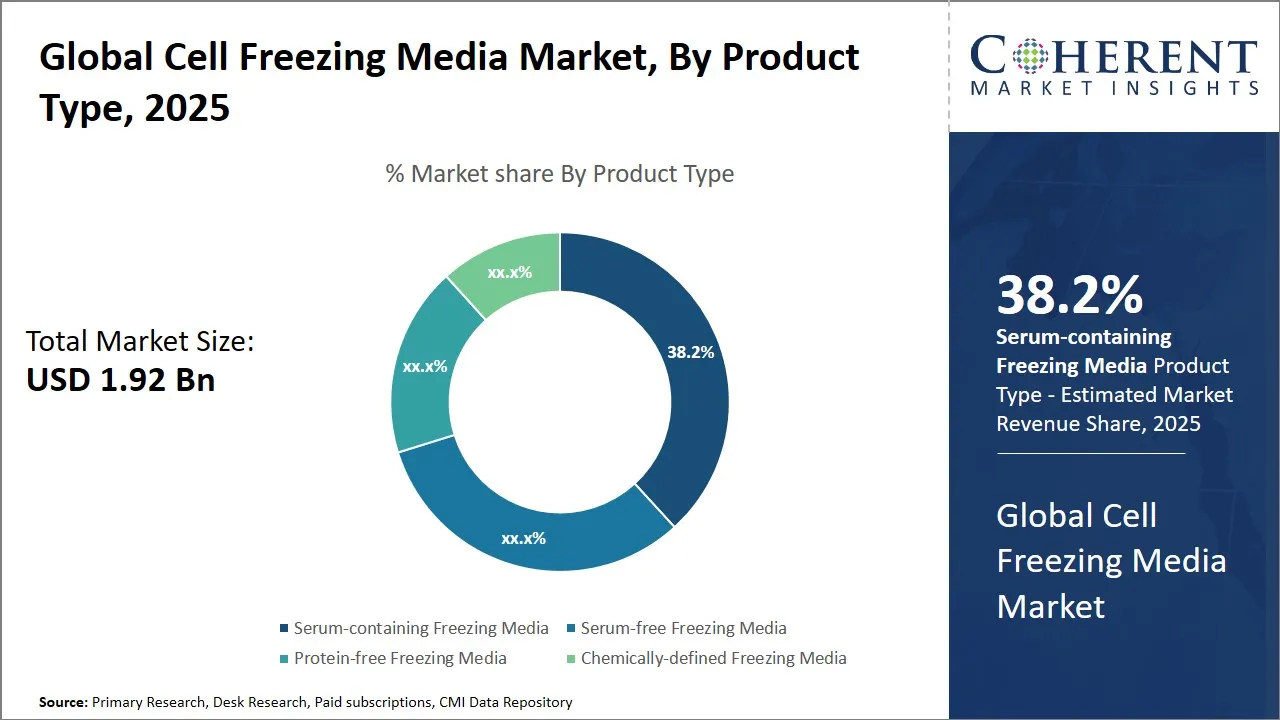
- In 2026, serum-containing freezing media segment is expected to lead the global cell freezing media market with a 39.2% share.
- Within cell types, mammalian cell freezing media are projected to account for the largest share at 25.3 % in 2026.
- In terms of cryoprotectant type, DMSO-containing media dominate with an estimated 33.4 % share in 2026.
- North America is expected to lead the market, holding a share of 39.3 % in 2026. Asia Pacific is anticipated to be the fastest-growing region, with a projected market share of 25.3% in 2026.
Market Overview
A prominent trend shaping the cell freezing media market is the shift towards more specialized, high-performance cryopreservation solutions that ensure higher cell viability and longevity post-thaw. Additionally, there is a growing focus on developing serum-free and animal component-free freezing media to meet regulatory requirements and enhance safety profiles. Increasing adoption of regenerative medicine and personalized therapies further fuels demand for efficient cell preservation techniques, fostering innovation, and expanding application areas within biotechnology and healthcare industries.
Current Events and Its Impact
Current Events | Description and its impact |
Advancements in Serum-Free Cryopreservation Formulations |
|
Expansion of Cell Therapy Manufacturing Capacity in Asia-Pacific |
|
Segmental Insights
- Current Industry Events of 2026
- Market Size Estimation
- Regional Breakdown
- Competitive Landscape
- Customer Intelligence
- Segmental Analysis
- Pricing Analysis
- Key Market Drivers, Challenges & Future Trends
- Customized Insights Section
Cell Freezing Media Market Insights, by Product Type- Serum-Containing Freezing Media Lead by Superior Cellular Protection and Established Industry Preference
In terms of product type, serum-containing freezing media segment is expected to dominate the global cell freezing media market with a share of 39.2% in 2026 primarily due to their well-established efficacy in preserving cell viability and functionality during ultra-low temperature storage. Serum, typically Fetal Bovine Serum (FBS), contains a rich array of growth factors, proteins, and antioxidants that provide an optimal protective environment for cells subjected to freezing and thawing cycles. These biological components play a critical role in maintaining membrane integrity and minimizing ice crystal formation, which can otherwise damage intracellular structures and compromise cell survival.
The long-standing use of serum-containing formulations in both academic research and biopharmaceutical manufacturing has resulted in widespread clinician and researcher familiarity, fostering continued preference for this segment. Many protocols and standard operating procedures (SOPs) still recommend serum inclusion to ensure consistent cryopreservation outcomes, especially for sensitive primary cells and complex cell cultures used in regenerative medicine or vaccine production.
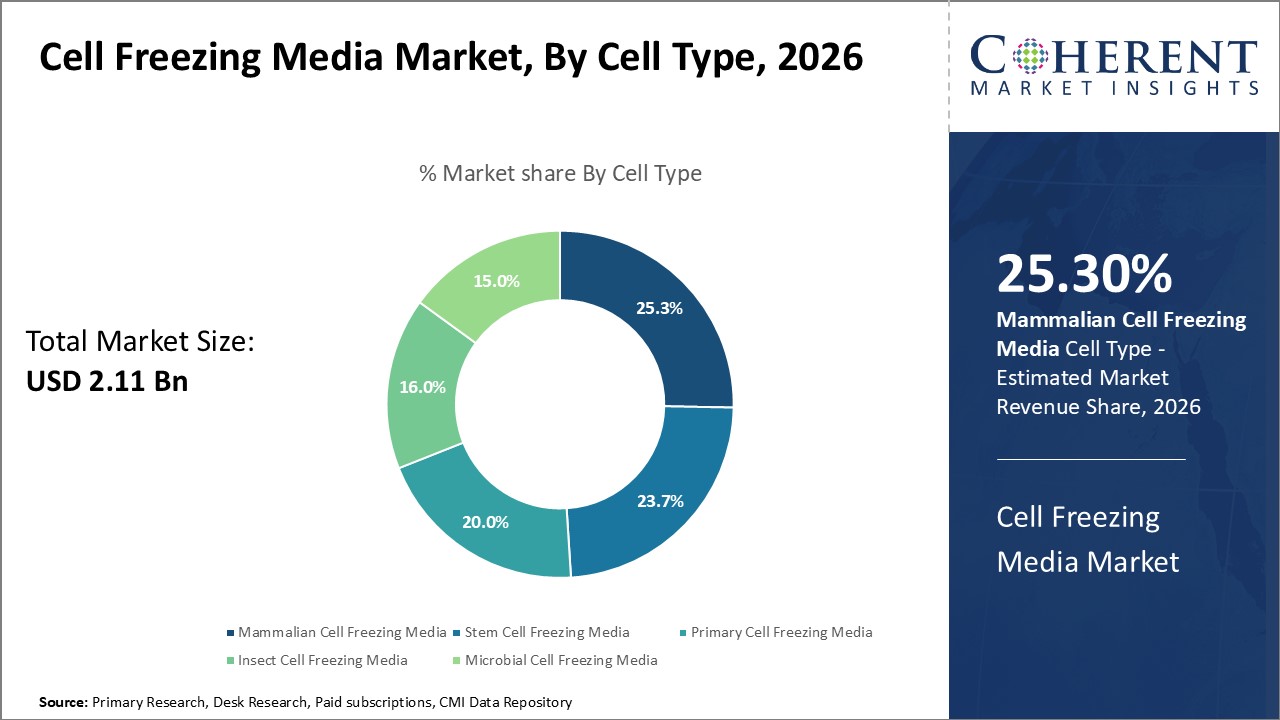
Cell Freezing Media Market Insights, by Cell Type- Mammalian Cell Freezing Media Growth Fueled by Widespread Adoption in Biopharmaceutical Production and Advanced Cell Therapies
Among cell types, mammalian cell freezing media maintain the largest share in the global market, driven by the extensive application of mammalian cells in biopharmaceutical research with a projected share of 25.3% in 2026. Mammalian cells such as Chinese Hamster Ovary (CHO) cells, HeLa cells, and various primary human cells are foundational to biologics manufacturing, including monoclonal antibodies, vaccines, and cell-based therapies.
One of the main factors propelling the growth of mammalian cell freezing media is the rapid expansion of the biopharmaceutical industry and cell therapy sectors. With increasing numbers of biologics entering clinical development, the demand for reliable cryopreservation solutions that maintain cell functionality post-thaw has surged.
In April 2025, Northern Illinois University (NIU), a leading public research institution in the U.S., announced the launch of its first biomaterials and tissue engineering “wet lab” at the College of Engineering and Engineering Technology. The state-of-the-art facility is equipped for advanced mammalian cell culture, biomaterial scaffold fabrication, and organ-on-a-chip development, providing students with hands-on biomedical research experience.
Cell Freezing Media Market Insights, by Cryoprotectant Type - DMSO-Containing Media Segment Driven by Proven Efficacy and Broad Applicability
In the category of cryoprotectant type, DMSO-containing media hold the predominant position with an estimated share of 33.4% in 2026 due to DMSO’s unmatched ability to prevent ice crystal formation and enhance cell survival during freezing. Dimethyl Sulfoxide (DMSO) remains the gold standard cryoprotectant, credited for its high permeability and capacity to reduce intracellular ice formation which is the primary cause of cryoinjury in cells.
The widespread usage of DMSO-based formulations is attributed to its proven efficacy across a vast array of cell types, including both adherent and suspension cultures. Its small molecular structure enables rapid penetration through cell membranes, effectively reducing osmotic stress and the mechanical damage that freezing imposes. This versatility makes DMSO-containing media indispensable for preserving cells vital to research and therapeutic applications.
Regional Insights
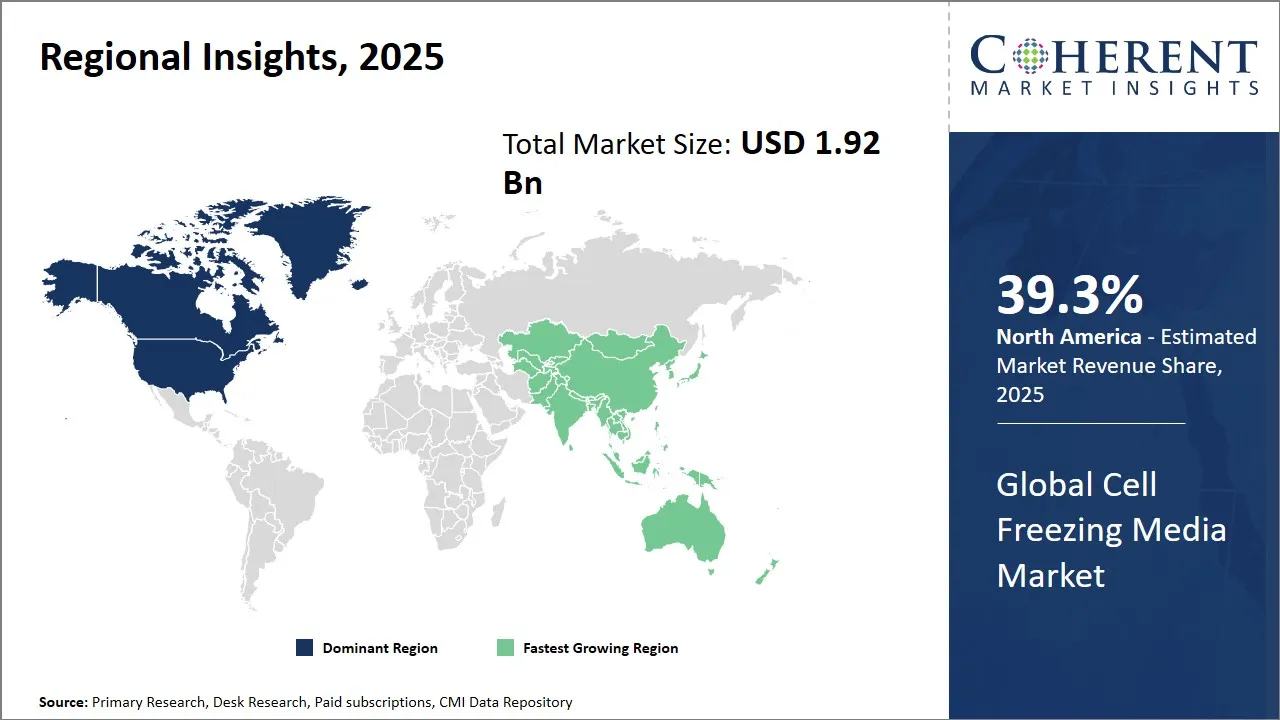
North America Cell Freezing Media Market Analysis and Trends
North America’s dominance in the global cell freezing media market, with a projected share of 39.3% in 2026, is driven by a well-established biotechnology and pharmaceutical industry ecosystem, substantial government funding for life sciences research, and the presence of advanced healthcare infrastructure. The region’s robust R&D capabilities, combined with proactive regulatory frameworks that support stem cell research and biobanking, create an enabling environment for the adoption and innovation of cell freezing media. Key players like Thermo Fisher Scientific, Merck KGaA (operating through MilliporeSigma), and Corning Incorporated have a strong foothold here, contributing through extensive product portfolios and continuous technological advancements.
In February 2024, PHC Corporation of North America (PHCNA), a leading supplier of PHCbi brand cell preservation and growth products in the North America and Latin America markets, has launched the new PHCbi VIP ECO SMART Dual Voltage Ultra-Low Temperature Freezer (MDF-DU703VHA-PA).
Asia Pacific Cell Freezing Media Market Analysis and Trends
The Asia Pacific exhibits the fastest growth in the cell freezing media market, fueled by rapid advances in biotechnological research with an estimated share of 25.3% in 2026, increasing investments in healthcare infrastructure, and government initiatives aimed at promoting regenerative medicine and cell therapy. Countries in this region are witnessing an upsurge in clinical research activities and biobanking projects, supported by favorable regulatory reforms that encourage innovation while ensuring safety. The expanding CRO (Contract Research Organization) landscape and increasing collaborations with global players bolster demand for high-quality cell freezing media.
Companies such as Fujifilm Wako Pure Chemical Corporation, GE Healthcare (Life Sciences), and domestic players in China, Japan, and South Korea are expanding their market presence. Rising awareness about cell-based therapeutics and increasing incidence of chronic diseases necessitating advanced cell preservation solutions also play a crucial role in market acceleration. Trade liberalization and improved logistical networks further aid market penetration across this diverse region.
Global Cell Freezing Media Market Outlook for Key Countries
U.S. Cell Freezing Media Market Analysis and Trends
The U.S. market is mature and sophisticated, marked by a dense network of biopharmaceutical companies, research institutions, and cutting-edge manufacturing facilities. The presence of leading corporations such as Thermo Fisher Scientific and Lonza enhances the availability of innovative, tailored cell freezing media solutions. Strong government support from agencies like the NIH and FDA facilitates research in stem cells and regenerative therapies, while stringent quality standards ensure the reliability of products used in clinical and research settings. The U.S. also serves as a key export hub for these products, influencing worldwide supply chains.
In April 2021, BioLife Solutions, Inc., a U.S. based leader in bioproduction products and services for cell and gene therapies, announced the launch of its new High-Capacity Controlled Rate Freezer (HCRF) line, with the first shipment delivered to a leading cell therapy developer.
Germany Cell Freezing Media Market Analysis and Trends
Germany’s market benefits from its well-established pharmaceutical and biotechnology sectors, backed by significant government initiatives in personalized medicine and regenerative biology. Companies such as Merck KGaA play a pivotal role in advancing cell freezing technologies through continuous innovation. The country’s rigorous regulatory framework ensures high product quality and safety, which boosts end-user confidence. Germany's strategic location and strong trade relations within Europe also contribute to its prominent market position.
In Germany, PromoCell GmbH supplies high-quality, serum-free and ready-to-use cell freezing media designed for primary human cells and stem cells, catering to research institutions and biopharma companies.
Japan Cell Freezing Media Market Analysis and Trends
Japan continues to lead in Asia with its long-standing focus on advanced biomedical research and regenerative medicine. The government’s proactive stance through supportive policies and funding accelerates the adoption of cell freezing media in clinical and research institutions. Local firms like Fujifilm Wako Pure Chemical Corporation, alongside global enterprises present in the country, drive the availability and development of specialized freezing media tailored to regional needs. Japan’s emphasis on aging population healthcare solutions further elevates demand.
From Japan, Nacalai Tesque Inc. offers specialized DMSO-free and animal-origin-free cryopreservation solutions, serving academic and clinical research sectors with a focus on regulatory compliance and product safety.
China Cell Freezing Media Market Analysis and Trends
China’s market is rapidly expanding due to escalating government investments in biotechnology infrastructure and growing biopharmaceutical manufacturing capacity. Regulatory reforms aimed at fast-tracking approvals in regenerative therapies have stimulated research and commercial use of cell freezing media. Domestic companies are evolving with enhanced R&D capabilities, while multinational corporations establish joint ventures and partnerships to tap into the large patient pool and research community. The country also benefits from initiatives promoting biobanking and stem cell research.
In China, Procell Life Science & Technology Co., Ltd. provides a range of cryopreservation media optimized for mammalian and primary cell types, supporting both research and biomanufacturing needs.
End User Feedback and Unmet Needs
- Across the global cell freezing media market, end-users from sectors such as biopharmaceutical manufacturing, research institutions, and government-backed clinical programs consistently emphasize the importance of reliability, compliance, and scalability in cryopreservation solutions. Many contract manufacturing organizations and academic labs have expressed satisfaction with newer serum-free, chemically defined media, noting that these formulations improve post-thaw viability and reduce contamination risk in regulated environments. For example, a North American gene therapy developer highlighted that switching to a GMP-compliant, animal-origin-free medium significantly streamlined their regulatory submissions and improved batch-to-batch consistency, allowing them to meet tight clinical timelines without compromising cell quality. This kind of positive experience reflects the growing appreciation for products that balance high performance with stringent compliance requirements.
- At the same time, recurring concerns reveal important unmet needs. Smaller biotech firms and early-stage research groups frequently point to the high cost of premium-grade media and limited flexibility in formulation options, especially for niche or emerging cell types. One Southeast Asian regenerative medicine start-up reported that while the performance of top-tier cryopreservation products was excellent, the lack of tailored solutions for their specific stem cell line and the minimal technical onboarding support created operational bottlenecks and extended validation timelines. Addressing these gaps—whether through more affordable pricing models, modular formulations, or robust application support—could open new market segments, improve long-term customer loyalty, and drive innovation. For manufacturers, closing these gaps is not just about competing on price or technology but about enabling a more adaptable, accessible, and partnership-driven approach to serving a diversifying global customer base.
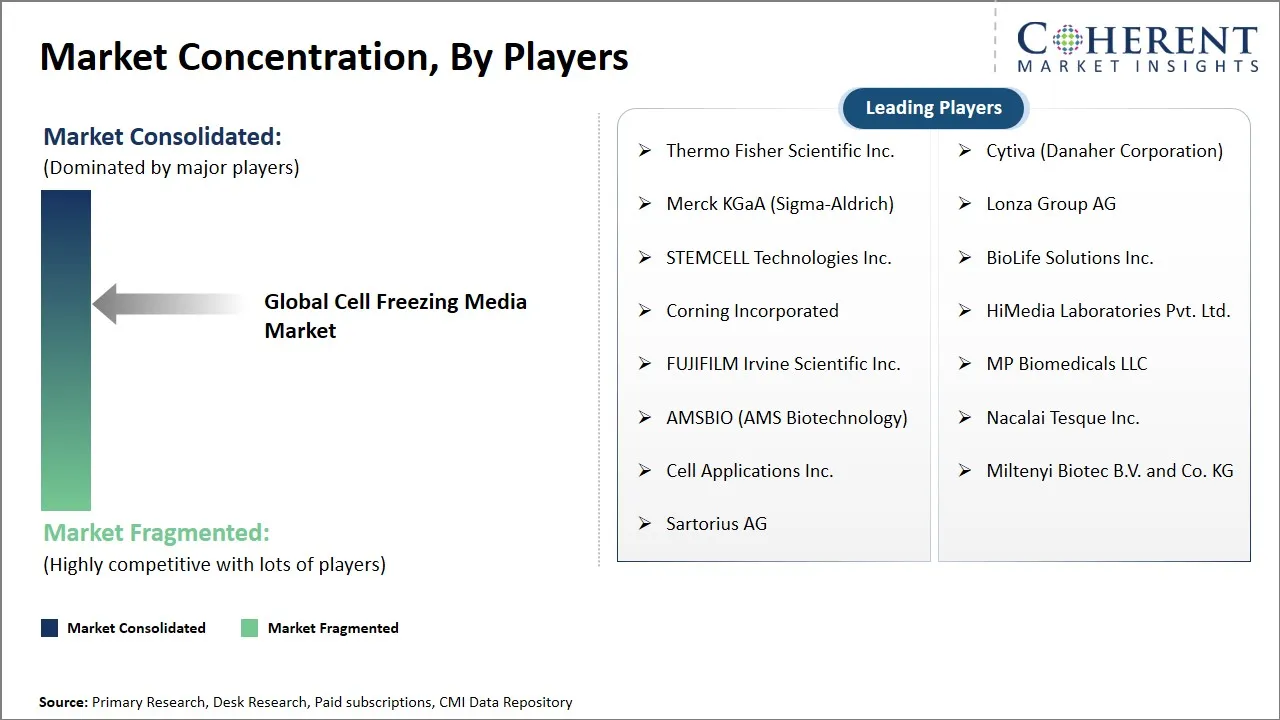
Concentration and Competitive Landscape
Key Developments
- On August 12, 2025, Gameto, a clinical-stage biotech focused on reproductive health, raised USD 44 million in Series C funding, bringing total investment to USD 127 million. The funds will advance its Phase 3 Fertilo program, which uses advanced cell freezing media to preserve stem cell viability, with approvals in multiple countries and over 20 recorded pregnancies to date.
- On August 12, 2025, ConServ, a U.S.-based brand known for energy-efficient and space-saving appliances, announced the launch of its 33-Inch TMRI 210 S Top Mount Refrigerator with a factory-installed ice maker. While primarily designed for apartments and compact living spaces, the frost-free, Energy Star-rated model’s reliable temperature control and storage versatility can also support specialized uses such as storing research materials and cell freezing media, combining capacity, convenience, and modern design in one appliance.
- In January 2025, Kryogene, a biotechnology company specializing in advanced cryopreservation solutions, launched its new Kryogene Cell Freezing Media – CGT (USFDA MasterFile). This high-efficiency, safe, and easy-to-use cryopreservation medium is specifically optimized for the unique requirements of cell and gene therapy drugs, helping maintain optimal cell viability and functionality during freezing, storage, and thawing.
Top Strategies Followed by Global Cell Freezing Media Market Players
- Established players, often multinational corporations with extensive resources, prioritize heavy investments in research and development to create high-performance, innovative products launches that meet evolving customer demands. These companies harness cutting-edge scientific advancements to enhance cell viability, preservation efficiency, and user convenience, setting benchmarks for quality and reliability. To further consolidate their leadership, they engage in strategic partnerships and alliances with major industry players and Original Equipment Manufacturers (OEMs).
- In April 2024, Pluristyx, a leading U.S. provider of tools, technologies, and services for cellular therapies, announced the launch of PluriFreeze Cryopreservation Media, an innovative solution designed to improve post-thaw viability and functionality of pluripotent stem cells and other sensitive cell types.
- Mid-level players in the cell freezing media market adopt a differentiated approach by emphasizing cost-effective solutions that strike a balance between quality and affordability. Recognizing the growing price sensitivity among academic institutions, small biotech firms, and research centers, these companies focus on developing standardized formulations that meet essential performance criteria without the premium pricing of advanced variants.
- In October 2024, Nucleus Biologics, a leading provider of cell culture and bioprocessing solutions for the Cell and Gene Therapy (CGT) industry, has launched NB-KUL DF, a DMSO-free, chemically-defined cryomedia designed to match the performance of DMSO-based media while surpassing other DMSO-free options in cell viability, recovery, and expansion.
- Small-scale players carve out specialized niches within the competitive landscape by concentrating on innovation and differentiation. These companies often develop unique formulations or integrate novel cryoprotectants to address specific challenges in cell preservation, thereby attracting customers with specialized applications or stringent quality demands. By adopting advanced technologies such as automated production processes or proprietary stabilization methods, small-scale manufacturers enhance product consistency while maintaining agility in innovation.
- An example of this trend can be seen with HiMedia Laboratories, which has developed specialized cell freezing media formulations tailored for stem cell and primary cell preservation, targeting research institutions and niche biotech clients in Asia and the Middle East. Another instance is Amsbio (AMS Biotechnology), which offers niche DMSO-free and animal-origin-free cryopreservation solutions, partnering with regional distributors and research labs to address specific quality and compliance requirements. Cell Applications Inc., focusing on customized freezing media for primary human cell types, collaborates with universities and small biotech firms to serve specialized research needs.
Market Report Scope
Cell Freezing Media Market Report Coverage
| Report Coverage | Details | ||
|---|---|---|---|
| Base Year: | 2025 | Market Size in 2026: | USD 2.11 Bn |
| Historical Data for: | 2020 To 2024 | Forecast Period: | 2026 To 2033 |
| Forecast Period 2026 to 2033 CAGR: | 9.9% | 2033 Value Projection: | USD 4.09 Bn |
| Geographies covered: |
| ||
| Segments covered: |
| ||
| Companies covered: | Thermo Fisher Scientific Inc., Cytiva (Danaher Corporation), Merck KGaA (Sigma-Aldrich), Lonza Group AG, STEMCELL Technologies Inc., BioLife Solutions Inc., Corning Incorporated, HiMedia Laboratories Pvt. Ltd., FUJIFILM Irvine Scientific Inc., MP Biomedicals LLC, AMSBIO (AMS Biotechnology), Nacalai Tesque Inc., Cell Applications Inc., Miltenyi Biotec B.V. and Co. KG, and Sartorius AG | ||
| Growth Drivers: |
| ||
| Restraints & Challenges: |
| ||
Market Dynamics
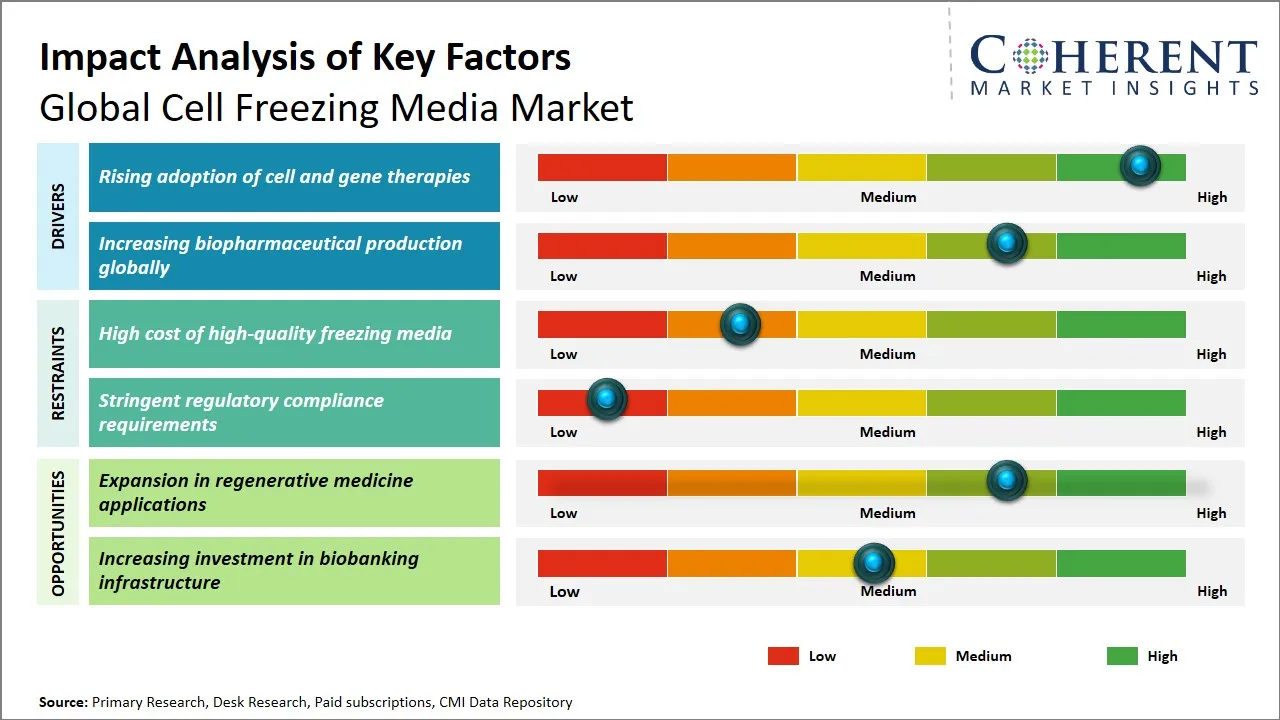
Global Cell Freezing Media Market Driver - Rising Adoption of Cell and Gene Therapies
The increasing adoption of cell and gene therapies is significantly driving the demand for advanced cell freezing media, as these therapies rely heavily on the preservation of viable cells for both research and clinical applications. As novel treatments targeting genetic disorders, cancers, and rare diseases gain traction, there is a growing need for reliable and effective cryopreservation solutions to maintain cell integrity during storage and transportation. Cell freezing media play a vital role in protecting cellular structures from damage caused by ice crystal formation during freezing and thawing processes, ensuring high post-thaw viability and functionality. Furthermore, advancements in personalized medicine and regenerative therapies have expanded the scope of cell-based products, necessitating more sophisticated preservation techniques. This trend is encouraging manufacturers to innovate formulations that cater to various cell types used in therapeutic interventions, thereby fueling the demand for specialized cell freezing media across research institutions, biopharmaceutical companies, and clinical facilities.
In July 2025, Cellular Origins, a biotechnology company specializing in advanced cell therapy manufacturing technologies, Cell and Gene Therapy (CGT) Catapult, a U.K.-based innovation and industrialization center for cell and gene therapies, and Resolution Therapeutics, a biotechnology company developing macrophage cell therapies for chronic liver diseases, formed a consortium to develop a cell therapy manufacturing platform. The 20-month project began at the start of July 2025.
Global Cell Freezing Media Market Opportunity: Expansion in Regenerative Medicine Applications
The global cell freezing media market stands to gain significantly from the rapidly expanding field of regenerative medicine, which is driving increased demand for advanced cryopreservation solutions. Regenerative medicine, encompassing stem cell therapies, tissue engineering, and cellular therapies, relies heavily on the availability of viable, high-quality cells stored for extended periods. Cell freezing media play a critical role in maintaining cell integrity and functionality during cryopreservation, which is essential for the success of these therapies. As research advances and new treatments receive regulatory approvals, the number of clinical trials and commercial applications involving stem cells and engineered tissues continues to grow. This growth necessitates reliable, efficient freezing media tailored to diverse cell types including pluripotent stem cells, mesenchymal stem cells, and induced pluripotent stem cells (iPSCs). Additionally, personalized medicine initiatives, which often use patient-specific cells, further underscore the need for robust cryopreservation techniques.
On August 6, 2025, Galapagos NV, a Belgium-based biotechnology company listed on Euronext and NASDAQ, announced that the U.S. FDA has granted Regenerative Medicine Advanced Therapy (RMAT) designation to its anti-CD19/4-1BB CAR-T candidate GLPG5101 for relapsed/refractory mantle cell lymphoma. This milestone highlights a key cell freezing media market opportunity in regenerative medicine, as advanced cell therapies depend on high-quality cryopreservation to ensure cell viability and functionality during production and delivery.
Analyst Opinion (Expert Opinion)
- The cell freezing media market is gaining strong momentum as advances in cryopreservation technology, growing adoption of cell and gene therapies, and increasing investment in biobanking reshape the competitive landscape. Regulatory support for regenerative medicine, combined with the rising demand for high-quality, chemically defined, and DMSO-free formulations, is accelerating product innovation. Opportunities are opening up in regenerative medicine, stem cell research, and personalized therapies, while industry challenges such as high production costs, stringent compliance requirements, and maintaining cell viability in large-scale operations remain. Events like the ISCT Annual Meeting, World Stem Cell Summit, and Phacilitate Advanced Therapies Week over the past few years have played a vital role in knowledge exchange, policy discussions, and showcasing novel cryopreservation technologies, enabling the market to stay aligned with scientific and regulatory developments.
- Recent market activity reflects this momentum, with companies such as Nucleus Biologics launching DMSO-free cryomedia, Pluristyx introducing PluriFreeze for stem cell therapy, and collaborations like Cellular Origins with CGT Catapult focusing on advanced manufacturing platforms. Government-backed regenerative medicine programmes in regions like the U.S., Japan, and Europe, along with pilot projects in large-scale biobanking, are setting the stage for wider adoption of next-generation freezing media. These initiatives not only demonstrate the commercial and clinical potential of improved cryopreservation solutions but also underscore their role as an essential enabler in delivering safe, effective, and scalable cell-based therapies worldwide.
Speak to the analyst
Want personalized insights?
Take the findings above to one of our principal consultants, or have the report rebuilt around the segments, geographies and competitors you actually track.
Market Segmentation
- Product Type Insights (Revenue, USD Bn, 2021 - 2033)
- Serum-containing Freezing Media
- Serum-free Freezing Media
- Protein-free Freezing Media
- Chemically-defined Freezing Media
- Cell Type Insights (Revenue, USD Bn, 2021 - 2033)
- Mammalian Cell Freezing Media
- Stem Cell Freezing Media
- Primary Cell Freezing Media
- Insect Cell Freezing Media
- Microbial Cell Freezing Media
- Cryoprotectant Type Insights (Revenue, USD Bn, 2021 - 2033)
- DMSO-containing Media
- DMSO-free Media
- Glycerol-based Media
- Application Insights (Revenue, USD Bn, 2021 - 2033)
- Stem Cell Preservation
- Tissue Preservation
- Sperm Freezing
- Oocyte and Embryo Freezing
- Regenerative Medicine
- Formulation Insights (Revenue, USD Bn, 2021 - 2033)
- Ready-to-use Formulations
- Custom/Research-grade Formulations
- End User Insights (Revenue, USD Bn, 2021 - 2033)
- Pharmaceutical and Biotechnology Companies
- Hospitals and Diagnostic Laboratories
- Cell Banks and Biorepositories
- Contract Research Organizations (CROs)
- Others (Academic and Research Institutes, etc.)
- Regional Insights (Revenue, USD Bn, 2021 - 2033)
- North America
- U.S.
- Canada
- Latin America
- Brazil
- Argentina
- Mexico
- Rest of Latin America
- Europe
- Germany
- U.K.
- Spain
- France
- Italy
- Russia
- Rest of Europe
- Asia Pacific
- China
- India
- Japan
- Australia
- South Korea
- ASEAN
- Rest of Asia Pacific
- Middle East
- GCC Countries
- Israel
- Rest of Middle East
- Africa
- South Africa
- North Africa
- Central Africa
- North America
- Key Players Insights
- Thermo Fisher Scientific Inc.
- Cytiva (Danaher Corporation)
- Merck KGaA (Sigma-Aldrich)
- Lonza Group AG
- STEMCELL Technologies Inc.
- BioLife Solutions Inc.
- Corning Incorporated
- HiMedia Laboratories Pvt. Ltd.
- FUJIFILM Irvine Scientific Inc.
- MP Biomedicals LLC
- AMSBIO (AMS Biotechnology)
- Nacalai Tesque Inc.
- Cell Applications Inc.
- Miltenyi Biotec B.V. and Co. KG
- Sartorius AG
Sources
Primary Research Interviews
Industry Stakeholders List
- Senior executives from biotechnology manufacturing companies
- R&D directors from cryopreservation solution developers
End Users List
- Cell therapy researchers in academic institutions
- Biobank managers and laboratory heads
Government and International Databases
- U.S. Food and Drug Administration (FDA)
- European Medicines Agency (EMA)
- World Health Organization (WHO)
- National Institutes of Health (NIH)
- Organization for Economic Co-operation and Development (OECD)
- United Nations Educational, Scientific and Cultural Organization (UNESCO)
Trade Publications
- BioProcess International
- Pharmaceutical Technology
- GEN (Genetic Engineering & Biotechnology News)
- Cell & Gene Therapy Insights
- Labiotech.eu
- BioPharm International
Academic Journals
- Cryobiology
- Nature Biotechnology
- Cell Stem Cell
- Stem Cell Reports
- Journal of Biotechnology
- Regenerative Medicine
Industry Associations
- International Society for Cell & Gene Therapy (ISCT)
- Alliance for Regenerative Medicine (ARM)
- International Society for Biological and Environmental Repositories (ISBER)
- American Society of Gene & Cell Therapy (ASGCT)
- European Society for Animal Cell Technology (ESACT)
- Society for Cryobiology
Public Domain Resources
- United States Patent and Trademark Office (USPTO)
- European Patent Office (EPO)
- World Intellectual Property Organization (WIPO)
- National Center for Biotechnology Information (NCBI)
Proprietary Elements
- CMI Data Analytics Tool: Proprietary analytics tool to analyze real-time market trends, consumer behavior, and technology adoption in market
- Proprietary CMI Existing Repository of Information for Last 8 Years
Get access to 250+ pages report
Every segment, forecast, competitor profile and data table behind the analysis above — available for instant download.
- ESOMAR Member
- ISO 9001:2015 Certified
- D-U-N-S Registered
- GDPR & CCPA Compliant
Missing comfort of reading report in your local language? Find your preferred language:
Transform your Strategy with Exclusive Trending Reports
Frequently Asked Questions
The global cell freezing media market is estimated to be valued at USD 2.11 Bn in 2026 and is expected to reach USD 4.09 Bn by 2033.
The CAGR of global cell freezing media market is projected to be 9.9% from 2026 to 2033.
Rising adoption of cell and gene therapies and increasing biopharmaceutical production globally are the major factors driving the growth of global cell freezing media market.
High cost of high-quality freezing media and stringent regulatory compliance requirements are the major factors hampering the growth of global cell freezing media market.
In terms of product type, serum-containing freezing media segment is estimated to dominate the market revenue share in 2026.
Dimethyl Sulfoxide (DMSO) is the most effective cryoprotectant, preventing intracellular ice formation, reducing osmotic stress, and significantly improving post-thaw survival rates across multiple cell types
Serum-containing formulations remain popular due to their well-documented performance, broad compatibility with different cell types, and ability to provide essential growth factors during freezing and recovery.