

Global Diabetic Nephropathy Market Size and Forecast – 2026 to 2033
The Global Diabetic Nephropathy Market is estimated to be valued at USD 3.74 Bn in 2026 and is expected to reach USD 5.81 Bn by 2033, exhibiting a compound annual growth rate (CAGR) of 6.5% from 2026 to 2033. This steady growth reflects the increasing prevalence of diabetes worldwide, advancements in diagnostic technologies, and expanding therapeutic options targeted at managing diabetic kidney complications effectively.
Key Takeaways of the Global Diabetic Nephropathy Market
- In 2026, Angiotensin‑Converting Enzyme (ACE) Inhibitors are expected to account for the largest share of the global diabetic nephropathy market, with 35.5%.
- Type 1 Diabetes segment is projected to hold the dominant share in the diabetic nephropathy market, representing 61.8% in 2026.
- The oral segment is expected to lead the market, capturing 50.5% of the global diabetic nephropathy market share in 2026.
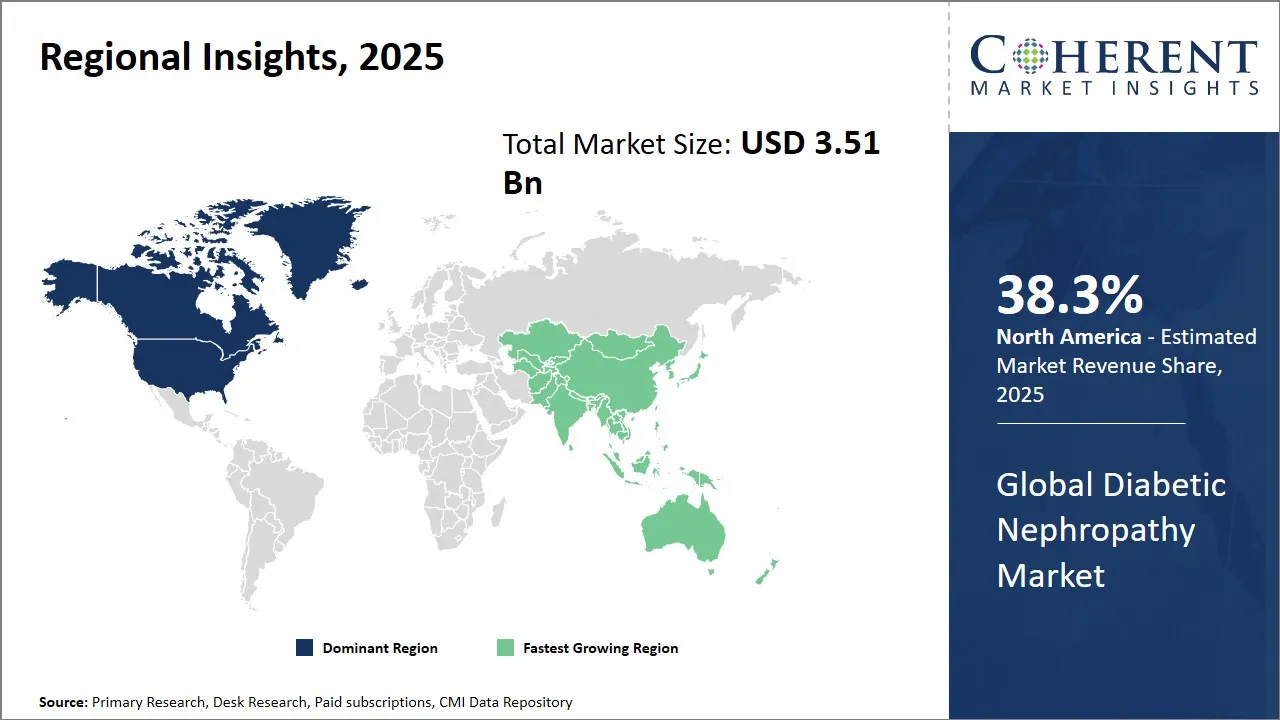
- North America is expected to lead the market, holding a share of 38.3% in 2026. Asia Pacific is anticipated to be the fastest-growing region, with a market share of 24.6% in 2026.
Market Overview
Market trends indicate a significant shift towards personalized medicine and novel treatment approaches, focusing on early diagnosis and prevention of diabetic nephropathy progression. Additionally, rising healthcare awareness, improved healthcare access in emerging economies, and increasing investment in research and development are driving innovation. Furthermore, the integration of digital healthcare technologies and biomarkers to monitor disease progression is gaining traction, making the landscape highly dynamic and promising for stakeholders.
Currents Events and Its Impact
Current Events | Description and its Impact |
Introduction of New Drug Classes (e.g., SGLT2 Inhibitors, GLP-1 RAs) |
|
Clinical trial data show superior renal outcomes with combination therapy in diabetic kidney disease |
|
Segmental Insights
- Current Industry Events of 2026
- Market Size Estimation
- Regional Breakdown
- Competitive Landscape
- Customer Intelligence
- Segmental Analysis
- Pricing Analysis
- Key Market Drivers, Challenges & Future Trends
- Customized Insights Section
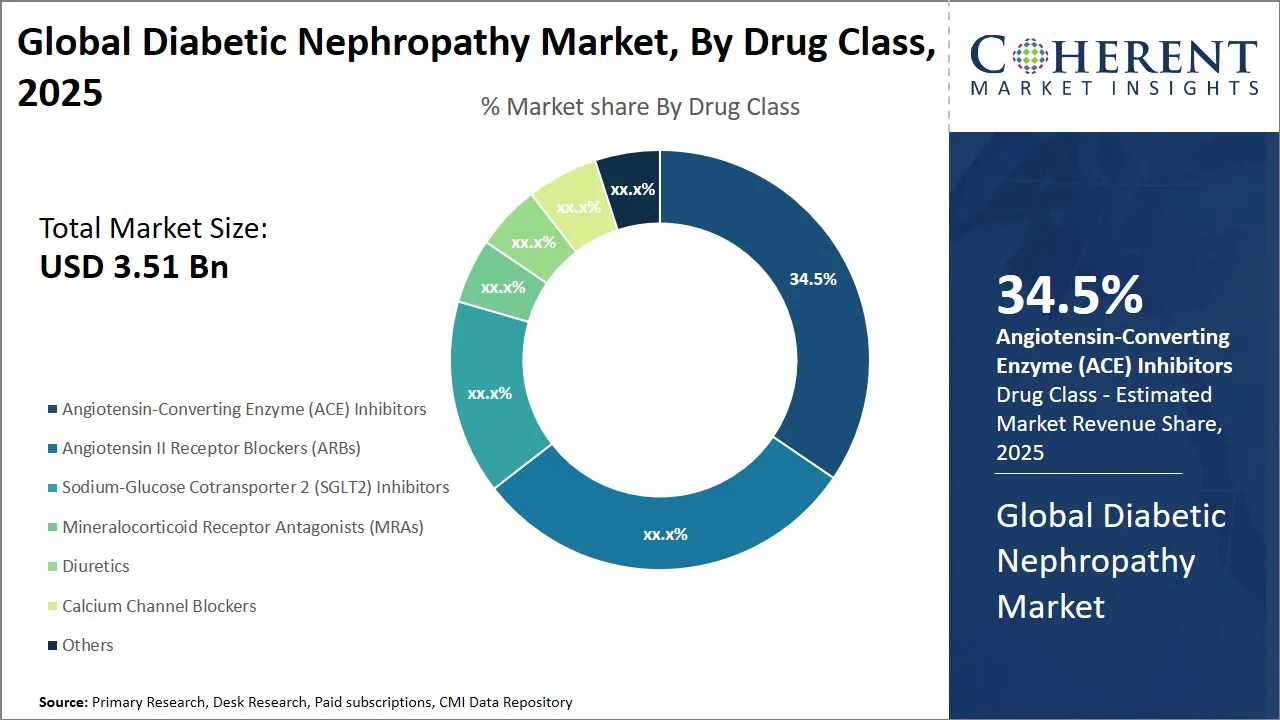
Diabetic Nephropathy Market Insights, By Drug Class - Dominance of ACE Inhibitors is Driven by Proven Efficacy and Established Clinical Use
Based on drug class, Angiotensin‑Converting Enzyme (ACE) Inhibitors will dominate the worldwide diabetic nephropathy market, capturing a significant share of 35.5% in 2026. This is due to their strong reputation as the top choice for doctors treating early renal complications in diabetic patients. ACE inhibitors have been considered a pillar in the management of diabetic nephropathy because of their efficacy in controlling blood pressure and protecting the kidneys simultaneously.
These agents work by blocking the conversion of angiotensin I to angiotensin II, which is a strong vasoconstrictor and the main cause of the increase in blood pressure and the decrease in the size of the blood vessels. By reducing the levels of angiotensin II, ACE inhibitors are able to reverse glomerular hypertension, which is the primary cause of kidney damage in diabetes.
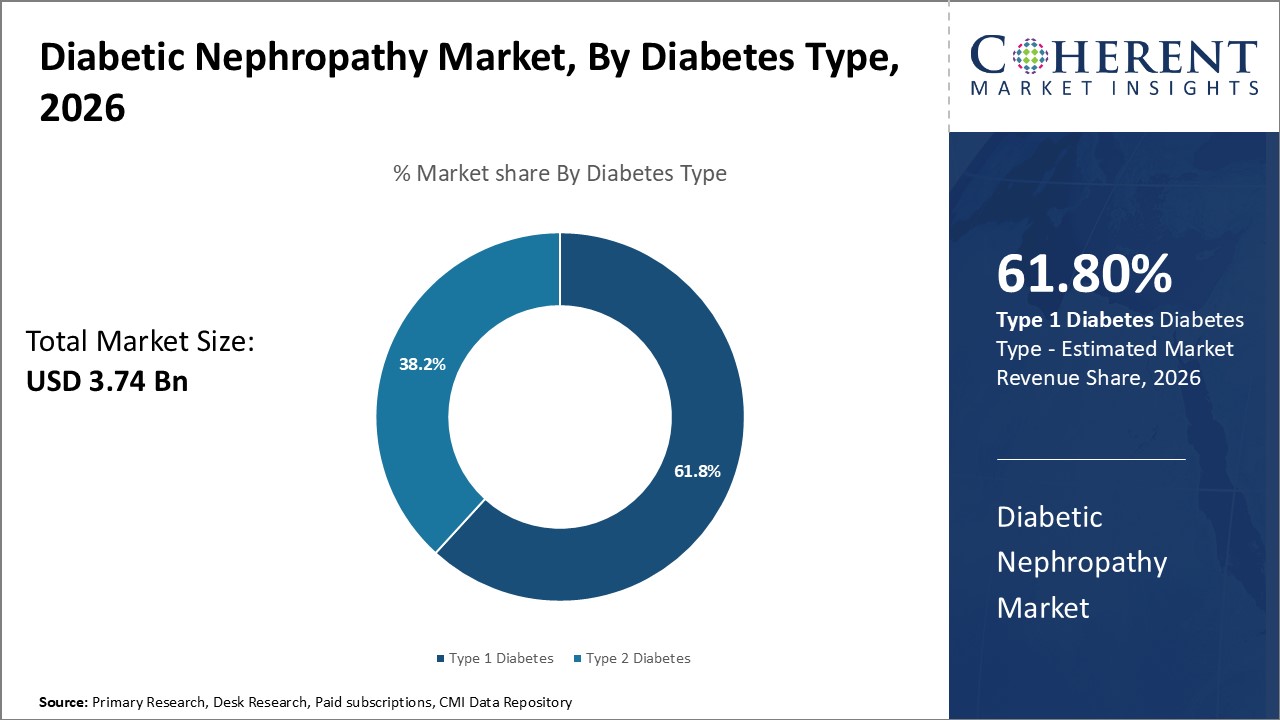
Diabetic Nephropathy Market Insights, By Diabetes Type - Type 1 Diabetes Segment Growth is Fueled by Early Onset Nephropathy Risk and Intensive Management
Type 1 Diabetes is the largest segment in the diabetic nephropathy market with an estimated 61.8% share in 2026 due to its early onset and a higher risk of nephropathy. Children or teenagers usually develop this type of diabetes, and it is always necessary to manage it for the rest of their lives. This marks a significant advancement in kidney care for T1D, with finerenone demonstrating its potential to slow kidney disease progression.
In November 2026, Bayer announced that KERENDIA (finerenone) met the primary endpoint of the FINE-ONE Phase III trial. It achieved a 25% reduction in the urine albumin-to-creatinine ratio (UACR) over six months in type 1 diabetes patients with chronic kidney disease. This is a major step forward for T1D kidney treatment, as it has been indicated that finerenone might be able to halt the development of kidney disease.
Diabetic Nephropathy Market Insights, By Route of Administration - Oral Route Advantages Propel Market Led by Enhancing Patient Compliance and Accessibility
Among the various segments of the global diabetic nephropathy market, the oral segment comes out on top, accounting for an estimated 50.5% of the market share in 2026. The factors responsible for this are patient preference, convenience of administration, and high compliance. Oral drugs provide a secure and comfortable delivery method and thus it becomes easier for patients to include them in their daily routine.
Patients able to administer their medications orally experience less stringency in terms of time and location and have more power, especially when dealing with chronic conditions either at home or outpatient. The simple use of medication is a very important factor in deciding the long-term treatment adherence which in turn affects the patient outcomes positively in diabetic nephropathy management as well.
Epidemiology and Disease Burden of Diabetic Nephropathy (DN)/Diabetic Kidney Disease (DKD)
Metric | Global/Selected Region Data |
Prevalence of DN/DKD among diabetics | ~ 30–40% of diabetic patients develop DKD. Global prevalence of DN estimated at 107.6 million cases in 2021. In South Asia, approximately 1,547 per 100,000 people have DN. Southeast Asia reports about 1,739 per 100,000. |
Prevalence of CKD in diabetics (any stage) | Meta-analysis: pooled prevalence of CKD among Type 2 diabetes is ~27%. In India, the prevalence of diabetic-CKD is about 62.3%. |
Incidence/progression rates | Microalbuminuria progresses by ~2% per year; progression from microalbuminuria to macroalbuminuria occurs at a rate of 2.8% annually. In one cohort, the average duration from diabetes diagnosis to ESRD is ~14.4 years. Annual GFR decline is about 3.3 mL/min/1.73m² (in Saudi population). |
Stage-specific prevalence by CKD Stage (1–5) in diabetics | Diabetics with severe albuminuria have a 10-year cumulative incidence of kidney failure at ~16%. |
Dialysis/ESKD dependency ratio in diabetics | Diabetes is a leading cause of End-Stage Renal Disease (ESRD) globally. In the US, ~30–50% of incident ESRD cases are attributed to diabetes. In Taiwan, approximately 1.91% of Type 2 diabetics are dependent on chronic dialysis. |
Regional Insights
North America Diabetic Nephropathy Market Analysis and Trends
In 2026, North America is projected to dominate the global market for diabetic nephropathy by a remarkable 38.3% share owing to its top-notch healthcare system and the rampant incidence of diabetes in the region. The region's early adoption of diagnostic and therapeutic technologies serves as the main factor behind the market's supremacy.
In addition, considerable government schemes and initiatives not only support diabetic treatment and chronic kidney disease management but also provide huge funding for research and innovations in the field of treatment. Moreover, big pharmaceutical firms like Johnson & Johnson, Pfizer, and Abbott Laboratories are all investing in the diabetic nephropathy market and are committed to developing new and innovative therapies.
Asia Pacific Diabetic Nephropathy Market Analysis and Trends
Asia Pacific is the fastest-growing region in the diabetic nephropathy segment, with an estimated 24.6% market share in 2026. This growth is driven by the rising number of diabetes patients, increased healthcare investment, and infrastructure development in India, China, and Southeast Asia. Urbanization and government policies are working to boost the levels of awareness and treatment of diseases.
Pharmaceutical companies like Novartis, Sanofi, and AstraZeneca are partnering with regional companies and conducting localized clinical trials, which are thereby supporting the market growth. For example, Novartis is collaborating with a local partner in India while AstraZeneca is trying to solve the issue of diabetes-related complications across the region.
Diabetic Nephropathy Market Outlook for Key Countries
U.S. Diabetic Nephropathy Market Trends
The U.S. diabetic nephropathy market is at the top position due to the strong healthcare infrastructure and major investments in medical research that explicitly target diabetic complications. The presence of such major companies as Johnson & Johnson and Pfizer makes sure that the advanced therapeutics, such as sodium-glucose co-transporter-2 (SGLT2) inhibitors and angiotensin receptor blockers (ARBs), are easily accessible.
In November 2026, Vertex Pharmaceuticals, a leading biotech company, presented positive Phase 1/2 data from its RUBY-3 trial at the American Society of Nephrology Kidney Week. The trial showed that povetacicept (pove), a dual BAFF+APRIL inhibitor, significantly reduced proteinuria by 64% in patients with IgA nephropathy and 82% in those with primary membranous nephropathy.
China Diabetic Nephropathy Market Trends
Among the factors driving the diabetic nephropathy market in China, an increase in public health awareness, healthcare reforms led by the government, and the investment in chronic disease management programs are the most important. The Chinese government provides substantial support for the biopharmaceutical industry and encourages innovation, which in turn sparks the interest of multinational companies like AstraZeneca and Sanofi and leads to their forming partnerships with local manufacturers.
In June 2026, CU Medicine partnered with the University of Exeter and Second Xiangya Hospital to develop a Chinese-specific "Type 1 Diabetes Genetic Risk Score" (C-GRS). The tool, based on genetic markers, improves the accuracy of diagnosing type 1 diabetes, with nearly 90% accuracy, outperforming European-based methods.
India Diabetic Nephropathy Market Trends
India is a vital market characterized by the increasing number of diabetic patients and the adoption of new healthcare services. Government programs, including the National Programme for Prevention and Control of Cancer, Diabetes, Cardiovascular Diseases and Stroke (NPCDCS) support screening and management of diabetic nephropathy. Indian big pharma companies such as Dr. Reddy’s Laboratories and Lupin are playing a significant role in offering affordable treatment options, thereby overcoming the problem of high prices for large populations living in rural areas.
In March 2026, Alkem Laboratories, a leading Indian pharmaceutical company, launched the generic medication Empanorm in India, aimed at treating type-2 diabetes, chronic kidney disease, and heart failure. The drug, containing empagliflozin, is priced 80% lower than the innovator products, making it more accessible to patients.
Germany Diabetic Nephropathy Market Trends
Germany's diabetic nephropathy market continues to be the leader by virtue of the strong health insurance systems that allow the patients to get access to the latest treatments for the condition. The country has an advanced healthcare system supported by well-established pharmaceutical and biotech industries which provides a base for continuous development of new drug molecules and medical devices. Companies like Bayer and Boehringer Ingelheim are actively involved in researching and collaborating with others to improve patient outcomes with personalized medicine approaches.
In May 2024, STADA Arzneimittel launched the first approved treatment for primary IgA nephropathy (Berger’s disease) in Germany. Developed by Calliditas Therapeutics AB, Nefecon received conditional approval from the European Commission for patients with rapid disease progression.
Impact of Comorbidities on Diabetic Nephropathy Progression
- Comorbidities like hypertension, obesity, and cardiovascular diseases significantly contribute to the progression of diabetic nephropathy (DN). Hypertension accelerates kidney damage by increasing blood pressure, while obesity worsens metabolic regulation and inflammation, further impacting kidney health. Cardiovascular diseases, common in diabetics, also complicate the management of both heart and kidney function.
- Studies show that patients with diabetes and comorbidities are at a higher risk of severe nephropathy. Hypertension and obesity, in particular, speed up disease progression, emphasizing the need for treatments that address both diabetes and its associated comorbidities.
Market Players, Key Developments, and Competitive Intelligence
Key Developments
- In August 2025, Vertex Pharmaceuticals faced a setback after the U.S. FDA rejected its broad label application for Journavx in peripheral neuropathy (PNP). While the drug was approved for acute pain in January 2025, the U.S. FDA did not approve its expansion into chronic pain conditions like lumbosacral radiculopathy and diabetic peripheral neuropathy.
- In March 2025, Morepen Laboratories Ltd launched Empamore, a new cost-effective drug for Type 2 diabetes, heart failure, and chronic kidney disease. The drug, containing empagliflozin, is available in 10mg and 25mg doses, along with combination variants with metformin. Manufactured at U.S. FDA-approved facilities, Empamore provides an affordable alternative to existing treatments, offering up to 90% cost savings.
- In March 2025, UC Davis Health began evaluating an innovative treatment for Chronic Kidney Disease (CKD) through cell therapy, specifically the Renal Autologous Cell Therapy (REACT). This first-in-class therapy uses a patient's own renal cells to potentially preserve kidney function in people whose kidneys are damaged by type 2 diabetes. The Proact study, a randomized, placebo-controlled clinical trial, aims to assess the safety and efficacy of this treatment.
- In March 2025, Proteomics International, a leading innovator in diagnostic testing, launched its PromarkerD predictive test for diabetic kidney disease (DKD) in Australia. This clinically validated blood test helps predict the risk of developing chronic DKD in type 2 diabetes patients up to four years before symptoms appear.
Top Strategies Followed by Global Diabetic Nephropathy Market Players
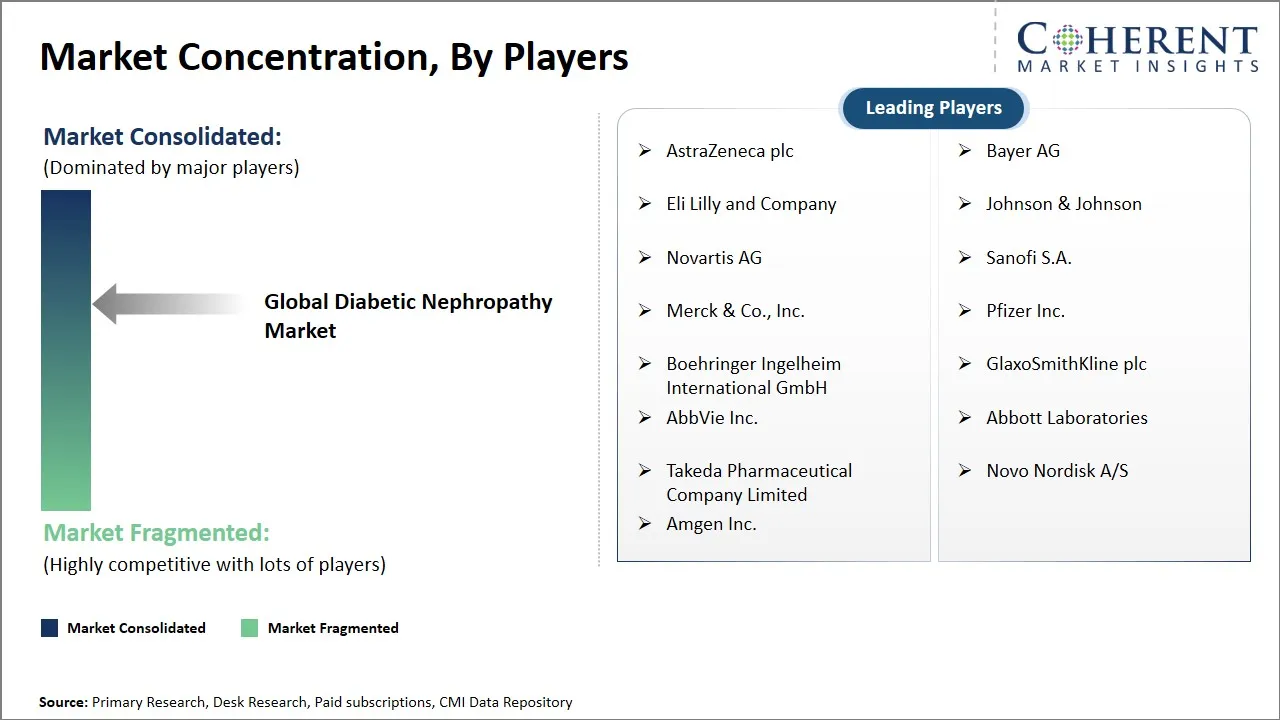
- The diabetic nephropathy market is dominated by the big players who utilize their extensive resources to foster innovation and reach out more. These major firms allocate massive amounts of money for R&D in order to come up with products not only maximizing the therapeutic outcomes but also increasing the patients' quality of life. Besides, they also engage in forming strategic alliances with the top players in the industry and OEMs to adopt new technologies and reinforce their product ranges.
- For example, AbbVie, Fresenius Medical Care, and Baxter International are among those companies that take the lead by gatekeeping the market with their heavy R&D investments complemented by strategic partnerships. AbbVie, for instance, has made a major breakthrough in treating the disease with its product Kirby for diabetic nephropathy.
- The mid-market players are concentrating on introducing the best possible solutions at reasonable prices which will take into account both the quality and the price aspect. Primarily, they are targeting those consumers who are most sensitive to price and are looking for reliable treatment options without having to pay the premium price. Often, such companies come together to share the costs of improving their production capacity, upgrading their technology, and getting deeper into the market which is done to strengthen their presence.
- For example, Amgen and Boehringer Ingelheim are examples of companies that are seeking solutions that are economically competitive. Amgen has made a great deal of progress in the development of diabetic nephropathy treatments that are reasonably priced and is in partnership with local healthcare providers to promote the availability of the products in the market.
- The tiny players are dealing with a very specific segment of the diabetic nephropathy market and are relying solely on innovation and quick reaction capability. They set themselves apart by focusing on developing special product features, meeting unmet clinical needs, or working on new therapies. To be able to compete, they keep on investing in the latest technologies like digital health tools, advanced biomarkers, and customized medicine approaches.
- For example, companies like Akebia Therapeutics and Vifor Pharma that are smaller concentrate on niche innovations. Akebia is engaged in discovering new therapies and one of them is Vadadustat, whereas Vifor Pharma is working on personalized medicine and dynamic biomarkers.
Market Report Scope
Diabetic Nephropathy Market Report Coverage
| Report Coverage | Details | ||
|---|---|---|---|
| Base Year: | 2025 | Market Size in 2026: | USD 3.74 Bn |
| Historical Data for: | 2020 To 2024 | Forecast Period: | 2026 To 2033 |
| Forecast Period 2026 to 2033 CAGR: | 6.5% | 2033 Value Projection: | USD 5.81 Bn |
| Geographies covered: |
| ||
| Segments covered: |
| ||
| Companies covered: | AstraZeneca plc, Bayer AG, Eli Lilly and Company, Johnson & Johnson, Novartis AG, Sanofi S.A., Merck & Co., Inc., Pfizer Inc., Boehringer Ingelheim International GmbH, GlaxoSmithKline plc, AbbVie Inc., Abbott Laboratories, Takeda Pharmaceutical Company Limited, Novo Nordisk A/S, and Amgen Inc. | ||
| Growth Drivers: |
| ||
| Restraints & Challenges: |
| ||
Diabetic Nephropathy Market Dynamics
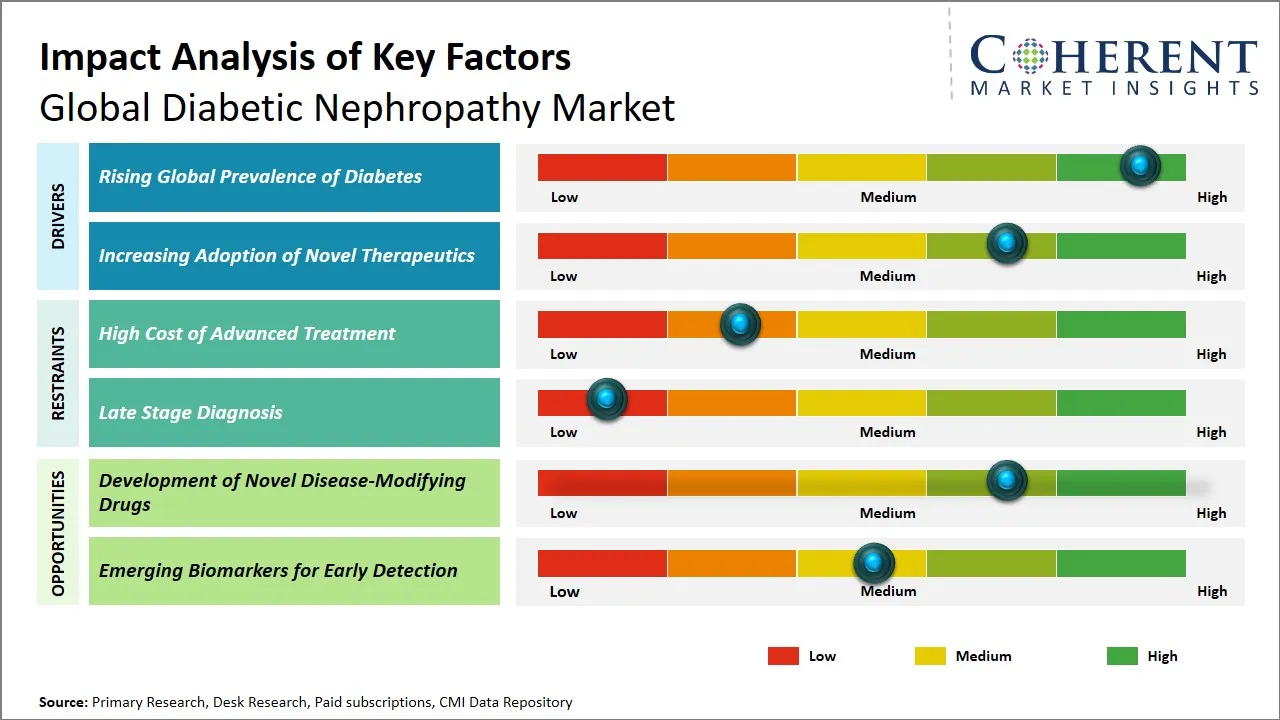
Diabetic Nephropathy Market Driver - Rising Global Prevalence of Diabetes
The increasing global incidence of diabetes is one of the major factors that contribute to the growing demand for diabetic nephropathy treatments. Diabetic nephropathy is one of the most damaging microvascular complications resulting from untreated hyperglycemia.
Urbanization, aging populations, and lifestyle changes are among the factors that have contributed to the increase in diabetes cases around the world, and thus, a larger patient population is at risk of suffering from kidney problems. Uncontrolled diabetes often results in progressive kidney injury marked by the excretion of albumin, reduction in glomerular filtration rate, and subsequently chronic kidney disease, hence, the need for early diagnosis and the development of efficient treatment options.
For example, in November 2024, global diabetes prevalence surged from 200 million in 1990 to 830 million in 2022, with the fastest growth in low- and middle-income countries. Diabetes, which causes severe complications such as blindness, kidney failure, heart attacks, and stroke, is responsible for over 2 million deaths annually. In 2021, 47% of diabetes-related deaths occurred before the age of 70. Despite these challenges, a healthy diet, regular physical activity, and medication can prevent or delay type 2 diabetes.
Diabetic Nephropathy Market Opportunity - Development of Novel Disease-Modifying Drugs
The global diabetic nephropathy market is an attractive area for development, where the focus would be on disease-modifying drugs that impact mainly the biological basis of the disease i.e. diabetic nephropathy, rather than just the symptoms, hence, the development of such drugs will address the main patient complaint thus leading to larger, more satisfied, and less medically-driven customer base. The market has already been supplied partly by the existing treatment practices that mainly deal with blood sugar control and slowed-down disease progression, but real solutions that would stop or even reverse diabetes-induced kidney damage are still lacking.
For example, in September 2025, Walden Biosciences, a biotech company focused on kidney diseases, announced initiatives to support its Phase 2 study of WAL0921 for rare chronic kidney diseases, including diabetic nephropathy. The company engaged former U.S. FDA director Dr. Norman Stockbridge for regulatory guidance and partnered with NephCure to boost patient recruitment and awareness for the trial, with initial data expected in late 2025 or early 2026.
Analyst Opinion (Expert Opinion)
- The diabetic nephropathy market is advancing because of milestone progress in diagnostics and treatments accompanied by supportive regulatory measures. The global rise in diabetes patients has made it necessary to provide good renal care, and hence there is a need for new therapies to be developed that are effective and investable. Different technologies such as personalized medicine and biomarkers are opening new avenues for early detection and customized treatment. Still, the problem continues to be how to tackle the increasing number of diabetic and kidney disease cases worldwide effectively.
- One of the upsides is the use of digital health technologies, such as telehealth, which can lead to better patient management. Besides, the WHO and some international congresses like those of the European Renal Association are promoting the working together of different parties and the progress of research. The market is also seeing new innovations coming from real-world stories like AI-powered diagnostic tools that are expected to lead further to the development of patient care being delivered in a more integrated manner.
Speak to the analyst
Want personalized insights?
Take the findings above to one of our principal consultants, or have the report rebuilt around the segments, geographies and competitors you actually track.
Market Segmentation
- Drug Class Insights (Revenue, USD Bn, 2021 - 2033)
- Angiotensin‑Converting Enzyme (ACE) Inhibitors
- Angiotensin II Receptor Blockers (ARBs)
- Sodium‑Glucose Cotransporter 2 (SGLT2) Inhibitors
- Mineralocorticoid Receptor Antagonists (MRAs)
- Diuretics
- Calcium Channel Blockers
- Others (e.g., GLP‑1 Receptor Agonists, DPP‑4 Inhibitors, Endothelin‑A Receptor Antagonists, Fibrosis/Inflammation Modulators)
- Diabetes Type Insights (Revenue, USD Bn, 2021 - 2033)
- Type 1 Diabetes
- Type 2 Diabetes
- Route of Administration Insights (Revenue, USD Bn, 2021 - 2033)
- Oral
- Parenteral (injectables/infusions)
- Other routes (e.g., transdermal, novel delivery)
- Gender Insights (Revenue, USD Bn, 2021 - 2033)
- Male
- Female
- Age Group Insights (Revenue, USD Bn, 2021 - 2033)
- Pediatric
- Adult
- Disease Stage Insights (Revenue, USD Bn, 2021 - 2033)
- Early Stage
- Moderate Stage
- End-Stage Renal Disease (ESRD)
- Distribution Channel Insights (Revenue, USD Bn, 2021 - 2033)
- Hospital Pharmacies
- Retail Pharmacies
- Online Pharmacies
- End User Insights (Revenue, USD Bn, 2021 - 2033)
- Hospitals and Clinics
- Specialty Nephrology Centers
- Home Care/Ambulatory Care
- Other settings (dialysis centers, renal transplant units)
- Regional Insights (Revenue, USD Bn, 2021 - 2033)
- North America
- U.S.
- Canada
- Latin America
- Brazil
- Argentina
- Mexico
- Rest of Latin America
- Europe
- Germany
- U.K.
- Spain
- France
- Italy
- Russia
- Rest of Europe
- Asia Pacific
- China
- India
- Japan
- Australia
- South Korea
- ASEAN
- Rest of Asia Pacific
- Middle East
- GCC Countries
- Israel
- Rest of Middle East
- Africa
- South Africa
- North Africa
- Central Africa
- North America
- Key Players Insights
- AstraZeneca plc
- Bayer AG
- Eli Lilly and Company
- Johnson & Johnson
- Novartis AG
- Sanofi S.A.
- Merck & Co., Inc.
- Pfizer Inc.
- Boehringer Ingelheim International GmbH
- GlaxoSmithKline plc
- AbbVie Inc.
- Abbott Laboratories
- Takeda Pharmaceutical Company Limited
- Novo Nordisk A/S
- Amgen Inc.
Sources
Primary Research Interviews
Industry Stakeholders
- Nephrology clinical leads in major hospitals
- Senior executives in renal-focused pharma companies
End-Users - Endocrinologists treating diabetic kidney disease patients
- Nephrology nurse specialists managing DN clinics
Government and International Databases
- Centers for Disease Control and Prevention (CDC) – National Diabetes Statistics Report
- World Health Organization (WHO) – Diabetes & Kidney Disease Overview
- International Diabetes Federation (IDF) – Diabetes Atlas
- United States Renal Data System (USRDS) – End-Stage Renal Disease data
- International Society of Nephrology (ISN) – Global Kidney Health Atlas
- Institute for Health Metrics and Evaluation (IHME) – Global burden and risk factor metrics
Trade Publications
- Kidney Disease: Improving Global Outcomes (KDIGO) guideline summaries
- Nephrology News & Issues magazine
- Renal & Urology News
- PharmaTimes – Renal therapy updates
- MedTech Insight – Renal diagnostics segment
- BioPharma Insight – kidney disease drug development news
Academic Journals
- Diabetic Nephropathy: Update on Pillars of Therapy Slowing
- The Global Epidemiology of Diabetes and Kidney Disease
- An updated overview of diabetic nephropathy: Diagnosis
- Diabetic nephropathy: Focusing on pathological signals
- Update on Diabetic Nephropathy: Core Curriculum 2018
- Comprehensive insights into diabetic nephropathy
Reputable Newspapers
- The New York Times – Health section (kidney disease/diabetes)
- The Guardian – Global health and chronic diseases
- Wall Street Journal – Health and biotech market moves
- Financial Times – Pharma & biotech industry news
- The Lancet’s correspondent articles on kidney disease
- Bloomberg – Healthcare sector and renal therapy developments
Industry Associations
- National Kidney Foundation (NKF)
- American Diabetes Association (ADA)
- European Renal Association (ERA)
- International Federation of Kidney Foundations (IFKF)
- International Diabetes Federation (IDF)
- Kidney Disease: Improving Global Outcomes (KDIGO)
Public Domain Resources
- WHO Global Health Observatory (GHO) data portal
- UK Biobank (Open-access dataset)
- ClinicalTrials.gov database of DN trials
- Healthdata.org by IHME
- Government health department statistics portals (e.g., national renal registries)
Proprietary Elements:
- CMI Data Analytics Tool: Proprietary analytics tool to analyze real-time market trends, consumer behavior, and technology adoption in market
- Proprietary CMI Existing Repository of Information for Last 8 Years
Get access to 250+ pages report
Every segment, forecast, competitor profile and data table behind the analysis above — available for instant download.
- ESOMAR Member
- ISO 9001:2015 Certified
- D-U-N-S Registered
- GDPR & CCPA Compliant
Missing comfort of reading report in your local language? Find your preferred language:
Transform your Strategy with Exclusive Trending Reports
Frequently Asked Questions
The global diabetic nephropathy market is estimated to be valued at USD 3.74 Bn in 2026 and is expected to reach USD 5.81 Bn by 2033.
The CAGR of global diabetic nephropathy market is projected to be 6.5% from 2026 to 2033.
Rising global prevalence of diabetes and increasing adoption of novel therapeutics are the major factors driving the growth of the global diabetic nephropathy market.
High cost of advanced treatment and late stage diagnosis are the major factors hampering the growth of the global diabetic nephropathy market.
In terms of drug class, Angiotensin‑Converting Enzyme (ACE) Inhibitors are estimated to dominate the market revenue share in 2026.
AstraZeneca plc, Bayer AG, Eli Lilly and Company, Johnson & Johnson, Novartis AG, Sanofi S.A., Merck & Co., Inc., Pfizer Inc., Boehringer Ingelheim International GmbH, GlaxoSmithKline plc, AbbVie Inc., Abbott Laboratories, Takeda Pharmaceutical Company Limited, Novo Nordisk A/S, and Amgen Inc. are the major players.
North America is expected to lead the global diabetic nephropathy market in 2026.