

Global Digital Diagnostics Market Size and Forecast – 2026 to 2033
The Global Digital Diagnostics Market is estimated to be valued at USD 6.25 Bn in 2026 and is expected to reach USD 10.44 Bn by 2033, exhibiting a compound annual growth rate (CAGR) of 7.6% from 2026 to 2033. This growth is driven by the increasing adoption of advanced diagnostic technologies, rising prevalence of chronic diseases, and growing demand for remote patient monitoring devices and personalized healthcare solutions worldwide.
Key Takeaways of the Global Digital Diagnostics Market
- In 2026, the global digital diagnostics market is projected to lead by medical imaging diagnostics with a 36.1% share.
- Software solutions account for an estimated 31.1% share in 2026, playing a key role in improving diagnostic accuracy and clinical efficiency.
- Hospitals represent the largest end user segment with an estimated 25.2% share in 2026.
- North America is expected to lead the market, holding a share of 37. 3% in 2026.
- Asia Pacific is anticipated to be the fastest-growing region, with a market share of 28. 2% in 2026.
Market Overview
Key market trends include the integration of artificial intelligence and machine learning in diagnostic tools, enabling faster and more accurate disease detection. Additionally, there is a significant shift towards wearable devices and mobile health applications, which facilitate continuous health monitoring and real-time data collection. These innovations are transforming healthcare delivery by improving patient outcomes and reducing costs, thus boosting the overall digital diagnostics market growth.
Current Events and Its Impact
Current Events | Description and its impact |
Bio-Rad Laboratories Launches Four New Droplet Digital PCR Platforms
|
|
Apollo Diagnostics Launches Fully Automated Digi-Smart Central Reference Laboratory in Chennai
|
|
Segmental Insights
- Current Industry Events of 2026
- Market Size Estimation
- Regional Breakdown
- Competitive Landscape
- Customer Intelligence
- Segmental Analysis
- Pricing Analysis
- Key Market Drivers, Challenges & Future Trends
- Customized Insights Section
Digital Diagnostics Market Insights, By Application – Medical Imaging Diagnostics Maintains Dominance Owing to Technological Advancements and Rising Clinical Demand
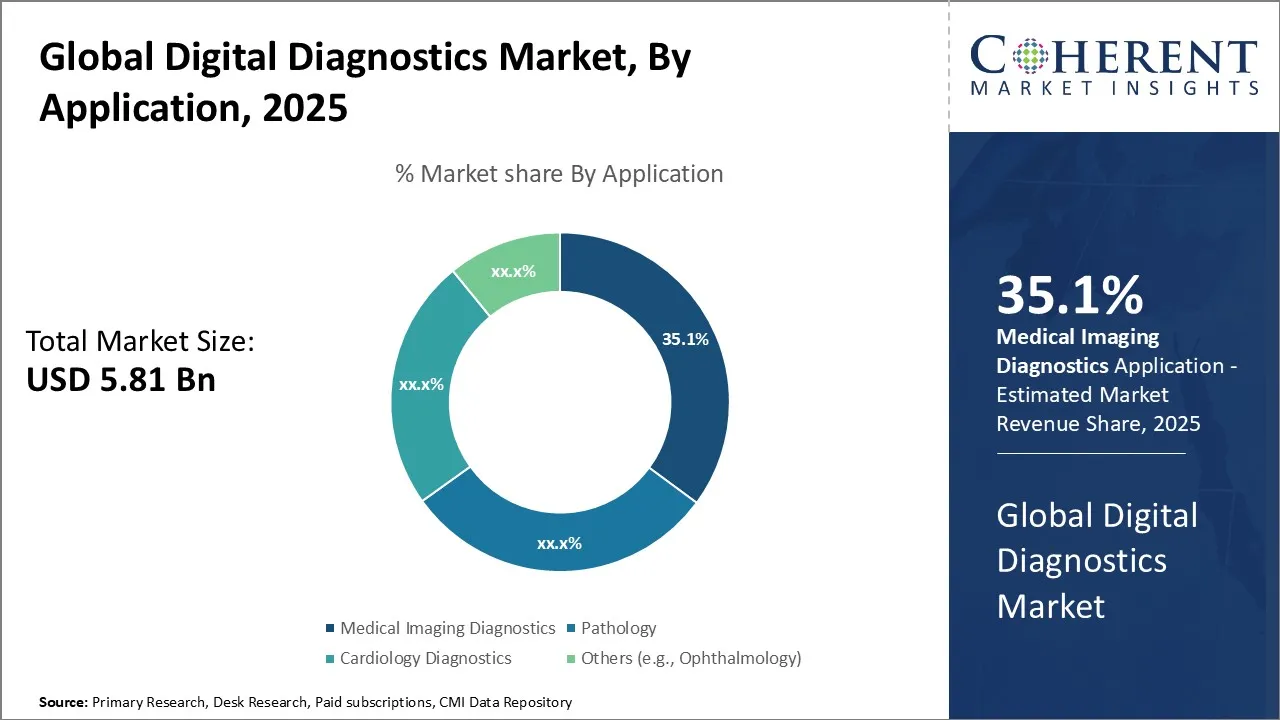
In terms of application, the global digital diagnostics market is prominently led by medical imaging diagnostics with an estimated share of 36.1% in 2026. This segment's supremacy is primarily driven by the continuous innovation and integration of advanced imaging technologies that have revolutionized disease detection and management. Medical imaging diagnostics encompasses various modalities including X-ray, MRI, CT scans, and ultrasound, which collectively provide comprehensive visualization of internal body structures, enabling early and accurate diagnosis of a wide range of conditions.
Technological advancements, especially the integration of artificial intelligence (AI) and machine learning algorithms into imaging tools, have significantly boosted diagnostic accuracy and workflow efficiency. These technologies support radiologists by identifying subtle anomalies, automating image analysis, and reducing human errors, leading to improved patient outcomes. The growing awareness of preventive healthcare and the importance of regular screening has further driven the adoption of medical imaging diagnostics, extending their use beyond traditional hospital settings to outpatient clinics and community health centers. This shift is reshaping how healthcare services are delivered, making diagnostics more accessible and efficient.
In April 2025, Unilabs Middle East, a leading provider of diagnostic services, has introduced the region's first AI-powered digital cytology technology in the U.A.E, integrating Hologic's Genius Digital Diagnostics System into its cervical cancer lab services. This state-of-the-art system combines deep learning AI with advanced imaging technology to enhance cervical cancer detection by identifying pre-cancerous and cancerous cells with exceptional accuracy. The system streamlines the workflow from slide to screen, offering improved efficiency, collaboration, and diagnostic insights. This launch underscores the U.A.E’s leadership in cervical cancer prevention and its growing position as a hub for healthcare innovation.
Digital Diagnostics Market Insights, By Type – Software Solutions Lead Due to the Integration of AI and Big Data Analytics
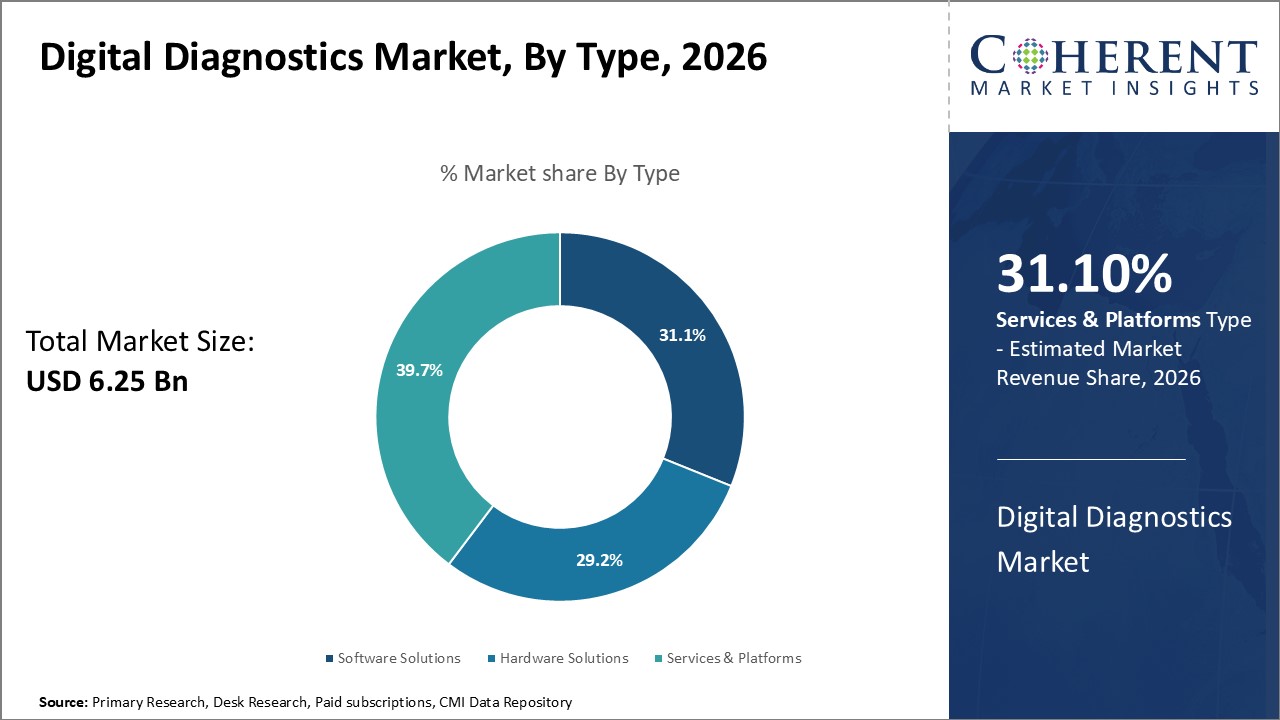
Within the type-based segmentation, software solutions segment is expected to hold the largest share of 31.1% of the digital diagnostics market. This prominence is largely attributable to the escalating role of software in enhancing diagnostic capabilities, streamlining clinical workflows, and enabling data-driven decision-making. Software solutions encompass AI-based diagnostic imaging software, clinical decision support systems (CDSS), standard imaging software, and various digital platforms that manage, analyze, and interpret diagnostic data. The shift from purely hardware-dependent diagnostics to software-augmented solutions has enabled healthcare providers to leverage vast datasets, improving diagnostic precision and clinical efficiency.
AI and machine learning algorithms embedded in diagnostic software solutions are transforming the healthcare sector by enabling automated image interpretation, pattern recognition, and risk stratification. These capabilities significantly accelerate the diagnostic process and assist clinicians in managing complex cases by providing predictive analytics and personalized treatment recommendations. Additionally, the integration of clinical decision and management support software empowers healthcare providers by offering evidence-based guidelines, helping reduce errors, and enhancing patient safety. This shift in technology not only streamlines workflows but also ensures more accurate and efficient diagnoses.
A notable example of this innovation is Labcorp, a leader in diagnostic and laboratory services. In February 2022, Labcorp launched Labcorp OnDemand, an online platform that allows users to order tests and potentially collect samples at home. This initiative makes diagnostic testing more accessible to a broader population by offering convenient, at-home services. By integrating AI-driven technologies into its services, Labcorp enhances the accessibility, speed, and accuracy of diagnostic testing, improving healthcare delivery and patient care.
Digital Diagnostics Market Insights, By End User – Hospitals Commanding the Market, Driven by Infrastructure and Multispecialty Care
From the perspective of end users, hospitals represent the dominant segment in the global digital diagnostics market with an estimated share of 25.2% in 2026. Their leading position is largely underpinned by the complex nature of care they provide, which necessitates comprehensive diagnostic capabilities supported by digital technology. Hospitals serve as tertiary care centers offering multispecialty services, often handling high volumes of patients with diverse diagnostic requirements, thereby driving demand for a broad range of digital diagnostic solutions.
Significant investments in healthcare infrastructure have equipped hospitals with advanced diagnostic modalities, integrating both hardware and software solutions to facilitate timely and accurate clinical decisions. The shift towards value-based care and emphasis on diagnostic precision further incentivize hospitals to adopt cutting-edge digital tools that optimize patient outcomes while reducing operational costs. Advanced imaging devices, AI-enabled software, and wearable diagnostic tools are increasingly deployed within hospital settings to support diagnostic accuracy, workflow efficiency, and patient monitoring.
Role of Artificial Intelligence (AI) in the Global Digital Diagnostics Market
- Artificial Intelligence (AI) is transforming the global digital diagnostics market by introducing innovative solutions that significantly enhance efficiency, reduce costs, and streamline operations. Through predictive analytics, AI enables healthcare providers to anticipate disease outbreaks and diagnose conditions more accurately, thereby improving patient outcomes. AI-driven personalization allows for tailored diagnostic approaches, while process automation reduces the need for manual intervention, improving speed and accuracy. Moreover, AI plays a key role in data-driven decision-making, helping healthcare professionals interpret vast amounts of diagnostic data swiftly and accurately. This has also led to improved customer experiences as AI can predict patient needs and customize interactions, driving satisfaction and retention.
- AI is opening up numerous emerging opportunities within the market, such as the creation of new business models and the innovation of diagnostic products and services. Companies are leveraging AI to enhance diagnostic equipment, improve accuracy, and expand into new market segments. For example, companies like PathAI and Zebra Medical Vision use AI to offer automated image analysis, reducing diagnostic errors and accelerating workflows. However, while the benefits of AI are clear, challenges remain, such as the need for significant investment in AI infrastructure, regulatory hurdles, and the risk of over-reliance on technology. Overall, AI holds immense potential for scalability and growth in the global digital diagnostics market, but companies must balance innovation with careful implementation to maximize long-term success.
Regional Insights
North America Digital Diagnostics Market Analysis and Trends
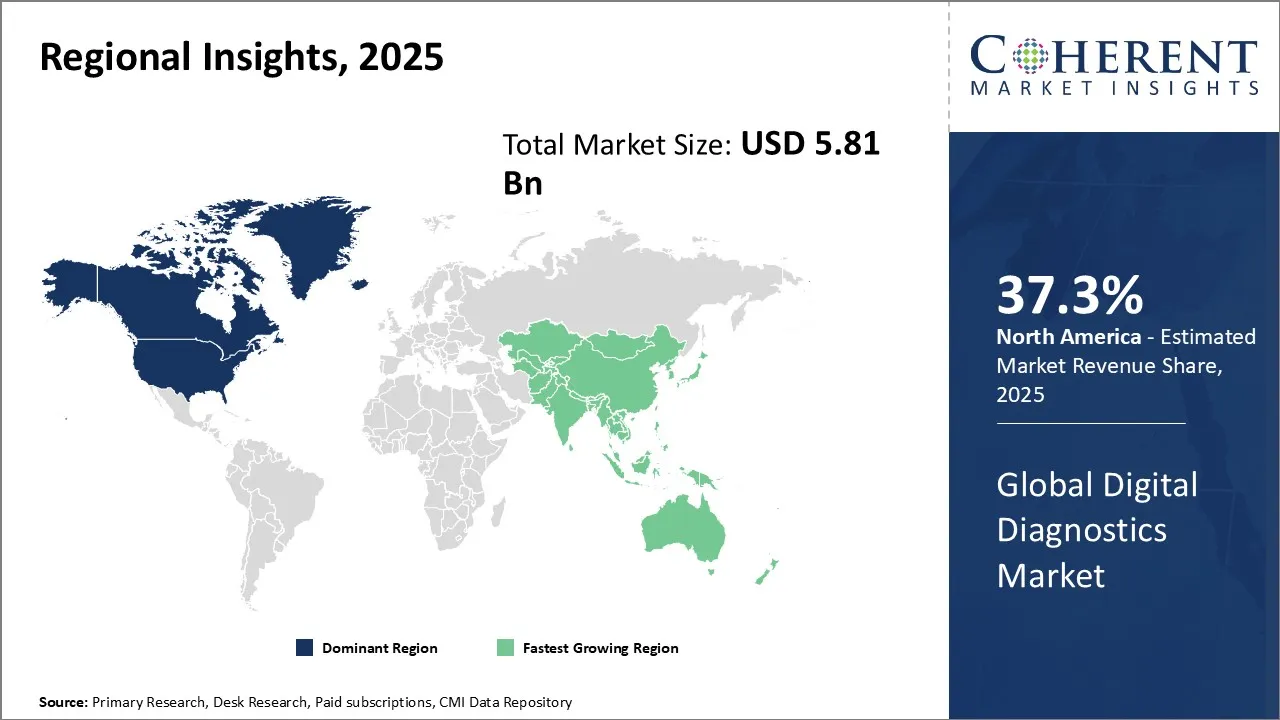
North America’s dominance in the global digital diagnostics market is driven by a mature healthcare infrastructure, significant technological advancements, and a highly supportive regulatory environment with an estimated share of 37.3% in 2026. The region benefits from strong government initiatives promoting digital health adoption, such as extensive funding for telemedicine and AI-driven diagnostic tools. The presence of a well-established healthcare ecosystem, incorporating leading hospitals, research institutions, and technology firms, fosters rapid innovation and adoption of digital diagnostics.
The North American digital diagnostics market is primarily driven by the increasing prevalence of chronic diseases, the growing adoption of technology for disease management, and rising investments. In the United States, the high burden of chronic conditions such as cancer is expected to boost demand for digital diagnostics. For example, the American Cancer Society estimated that 236,740 new cases of lung cancer and 79,000 new cases of kidney cancer would be diagnosed in 2022, driving the need for advanced diagnostic solutions.
Key initiatives, including product launches and strategic partnerships, are further accelerating market growth. In March 2022, Digital Diagnostics formed a partnership with Baxter International Inc. to offer the IDx-DR AI software along with the Welch Allyn RetinaVue 700 Imager, enhancing diagnostic accuracy and treatment planning. Moreover, major market players like Neuberg Diagnostics are expanding their presence, as seen with the launch of the Neuberg Centre for Genomic Medicine in the U.S. in October 2021, focusing on genomic testing through digital pathology systems.
Asia Pacific Digital Diagnostics Market Analysis and Trends
The Asia Pacific exhibits the fastest growth in the global digital diagnostics market with an estimated share of 28.2% in 2026, due to rising healthcare expenditures, expanding patient awareness, and increasing digital penetration across developing countries. Governments in countries like China, India, and South Korea are proactively promoting healthcare digitization through supportive policies and infrastructure development. A surge in chronic and infectious diseases drives demand for efficient diagnostic solutions, while burgeoning medical device manufacturing hubs facilitate supply chain growth. Leading players like Samsung Electronics, Wipro GE Healthcare, and BGI Group are at the forefront of driving innovations in AI-powered imaging and molecular diagnostics. Their efforts are closely aligned with the growing trend of expanding healthcare accessibility in the Asia Pacific region, particularly in rural areas. As these companies advance digital solutions, improving internet connectivity is enabling faster market penetration for digital diagnostics.
In January 2026, India’s healthcare sector is embracing digital transformation through initiatives like the Ayushman Bharat Digital Mission (ABDM), telemedicine platforms such as e-Sanjeevani, and the U-Win portal for vaccination management. These programs enhance accessibility and data-sharing, particularly in rural areas. Additionally, the Digital Health Incentive Scheme (DHIS) promotes digital health adoption, while apps like Aarogya Setu and the National Tele Mental Health Programme (Tele MANAS) further improve healthcare delivery. These efforts align with the National Health Policy (2017) to integrate digital tools into the healthcare system.
Global Digital Diagnostics Market Outlook for Key Countries
U.S. Digital Diagnostics Market Trends
The U.S.’ market remains the most advanced globally owing to concentrated investments in research and development, robust reimbursement frameworks, and a highly integrated healthcare IT ecosystem. Prominent companies like Abbott Laboratories and Thermo Fisher Scientific have pioneered a range of digital diagnostic devices integrating AI and cloud computing, which enhance accuracy and speed of diagnosis. Regulatory bodies such as the FDA actively streamline approvals for digital health solutions, encouraging innovation. Additionally, collaborations between technology giants and healthcare providers contribute to a dynamic and competitive market environment, facilitating rapid adoption of cutting-edge digital diagnostics.
In May 2023, Digital Diagnostics, an AI-driven healthcare company, has launched its United States Food and Drug Administration-cleared LumineticsCore AI diagnostic system in the southeast U.S. Formerly known as IDx-DR, the system is now installed in nine Labcorp patient service centers in Alabama, where it will aid in diagnosing diabetic retinopathy. Digital Diagnostics is known for pioneering autonomous AI diagnostic solutions to enhance healthcare accuracy and efficiency.
Germany Digital Diagnostics Market Trends
Germany’s market is characterized by a strong med-tech manufacturing base and a highly developed healthcare system, making it a critical hub within Europe. With supportive government policies promoting Industry 4.0 and digital health initiatives, Germany emphasizes integration of digital diagnostics into routine clinical workflows. Siemens Healthineers and BioNTech are at the forefront of driving innovation in digital pathology and molecular diagnostics in Germany, similar to the advancements seen in global markets. These companies are utilizing cutting-edge technology to enhance the accuracy and efficiency of cancer diagnostics, aligning with the broader trend of integrating AI-powered solutions into diagnostic workflows.
In March 2024, Epredia, a global leader in precision cancer diagnostics and subsidiary of PHC Holdings Corporation recent USFDA 510(K) clearance for its E1000 Dx Digital Pathology Solution aligns with the ongoing innovations in digital diagnostics, as seen in other regions such as India and China. The E1000 Dx, capable of digitizing up to 1,500 tissue samples daily, exemplifies how AI-powered solutions are improving efficiency in cancer diagnostics.
U.K. Digital Diagnostics Market Trends
The U.K. digital diagnostics market is experiencing significant growth, driven by advancements in technology and the increasing burden of chronic diseases such as cardiovascular conditions, neurological disorders, and cancer. Key trends shaping this market include the adoption of AI-powered diagnostic solutions, which are enhancing diagnostic accuracy and efficiency. These technologies are being integrated into various healthcare workflows, including medical imaging, pathology, and genetic testing, enabling more timely and precise diagnoses.
A study by the British Heart Foundation in January 2022 reported that, approximately 7.6 million people in the U.K. suffer from heart disease, with nearly 160,000 deaths annually—an average of 460 fatalities per day due to cardiovascular diseases (CVDs). The growing burden of CVDs is increasing the demand for innovative diagnostic technologies, further fueling the growth of the digital diagnostics market.
India Digital Diagnostics Market Trends
India's market dynamics revolve around the democratization of diagnostic services through digital platforms, driven by rising healthcare demand and expanding telehealth adoption. Companies such as Tata Elxsi and Apollo Hospitals are investing in cloud-based diagnostic applications and portable devices, aiming to increase accessibility in underserved regions. Government initiatives like the National Digital Health Mission (NDHM) in India are playing a crucial role in enhancing data interoperability and promoting the adoption of digital diagnostics. This initiative aims to streamline healthcare processes and improve the accessibility of diagnostic tools across the country. While challenges related to infrastructure and regulatory consistency remain, India presents significant growth opportunities for digital diagnostics due to its large patient base and increasing healthcare investments.
On June 23, 2026, Amazon India launched Amazon Diagnostics, an at-home healthcare service in partnership with Orange Health Labs. Available in cities like Bengaluru, Delhi, Mumbai, and Hyderabad, the service offers over 800 diagnostic tests, including CBC and Platelet Count. Customers can book tests, schedule appointments, and receive digital reports via the Amazon app. The service provides doorstep sample collection from 6 AM to 9 PM, with results delivered digitally. It covers more than 450 PIN codes across major cities.
Market Players, Key Developments, and Competitive Intelligence
Key Developments
- In June 2025, SCIINV, an India-based biotech startup incubated at ASPIRE BioNEST, University of Hyderabad, partnered with Microbira Limited, a U.K.-based biotechnology firm, to develop advanced digital diagnostic solutions to combat antimicrobial resistance (AMR) in India. The collaboration aims to create a rapid, accurate, and affordable pathogen detection platform, AMRx and MAAP IR, to help reduce the misuse of broad-spectrum antibiotics, a key contributor to AMR, particularly in regions like India.
- In April 2025, the American Telemedicine Association acquired the Digital Therapeutics Alliance (DTA) to form the Advancing Digital Health Coalition, aimed at advancing telehealth, virtual care, and digital therapeutics (DTx). The coalition will advocate for transformative patient care technologies, including digital therapeutics, mental health treatment devices, and remote monitoring tools, as well as AI and digital diagnostics.
- In February 2025, AsiaMedic Limited, an SGX Catalist-listed company, and Sunway Equity Holdings, a subsidiary of the Malaysian conglomerate Sunway Group, launched AsiaMedic Sunway Imaging, a new medical diagnostic imaging center at Royal Square in Novena. Spanning 6,000 sqft, the center is equipped with advanced imaging technologies, including 3T MRI and the Revolution Apex Elite CT scanner, offering services like CT, MRI, mammography, ultrasound, and X-ray. The facility focuses on sub-specialized radiology and aims to deliver high-quality care, aligning with the standards set by AsiaMedic’s flagship Orchard Road Center.
- In September 2024, NHS Supply Chain (National Health Service Supply Chain) announced a (USD 924 million) procurement framework for digital diagnostic solutions, set to launch in August 2025. The framework, named Digital Diagnostic Solutions, aims to improve the storage, management, and sharing of data across hospital departments, including areas like radiology, cardiovascular information systems, and imaging archives. It will offer both managed and non-managed services, as well as software-only solutions, to support the implementation of comprehensive diagnostic IT solutions across NHS organizations in England and Wales.
Top Strategies Followed by Global Digital Diagnostics Market Players
- Established players dominate the sector through significant investments in research and development (R&D), enabling continuous innovation and the launch of high-performance products that meet evolving healthcare demands. These companies capitalize on strategic partnerships with major industry players and original equipment manufacturers (OEMs), leveraging these alliances to enhance product integration and expand their influence across various medical domains. Additionally, they pursue aggressive global expansion strategies, broadening their distribution networks to tap into emerging markets, which offer vast growth potential due to rising healthcare awareness and infrastructure development.
- In August 2022, Roche, a global leader in healthcare and diagnostics, launched its Digital LightCycler System, a next-generation digital PCR platform designed to improve disease detection, particularly in oncology and infectious diseases. The system can detect ultra-rare mutations by accurately quantifying trace amounts of DNA and RNA, which are often undetectable with traditional PCR methods. It divides clinical samples into up to 100,000 microscopic reactions for precise, high-sensitivity analysis, supporting early diagnosis and treatment decisions.
- Mid-level players in the digital diagnostics market pursue a somewhat different approach, focusing primarily on cost-effective solutions that strike a balance between quality and affordability. Catering to price-sensitive consumers, particularly in developing regions, these companies emphasize producing reliable yet economically viable diagnostic tools. To enhance their production capabilities and technological portfolio, mid-tier firms often engage in collaborations with technology providers and contract manufacturers. These partnerships not only help reduce operational costs but also facilitate access to newer technologies, enabling mid-level players to offer competitive products without compromising essential functionalities.
- In February 2024, Hologic, Inc., a leader in women’s health innovation, announced the USFDA clearance of its Genius Digital Diagnostics System, the first and only FDA-cleared digital cytology system. The system combines artificial intelligence (AI) with advanced volumetric imaging technology to more accurately detect pre-cancerous lesions and cervical cancer cells. The Genius system uses AI to analyze digitally imaged cervical cell samples, improving diagnostic accuracy and workflow.
- Small-scale players address the competitive digital diagnostics market by carving out specialized niches and focusing on innovation targeted at specific clinical needs or unique product features. Their strategy revolves around adopting cutting-edge technologies such as artificial intelligence, machine learning, or novel biosensing mechanisms to differentiate their offerings. This agility allows them to stay competitive with limited resources by addressing gaps or emerging trends that larger firms may overlook.
- In May 2022, TestCard, a MedTech company focused on diagnostic solutions, secured USD 10 million in its latest fundraising round. The funds will primarily support the commercialization of its existing products and the launch of new tests for diabetes, pregnancy, CKD, and flu.
Market Report Scope
Digital Diagnostics Market Report Coverage
| Report Coverage | Details | ||
|---|---|---|---|
| Base Year: | 2025 | Market Size in 2026: | USD 6.25 Bn |
| Historical Data for: | 2020 To 2024 | Forecast Period: | 2026 To 2033 |
| Forecast Period 2026 to 2033 CAGR: | 7.6% | 2033 Value Projection: | USD 10.44 Bn |
| Geographies covered: |
| ||
| Segments covered: |
| ||
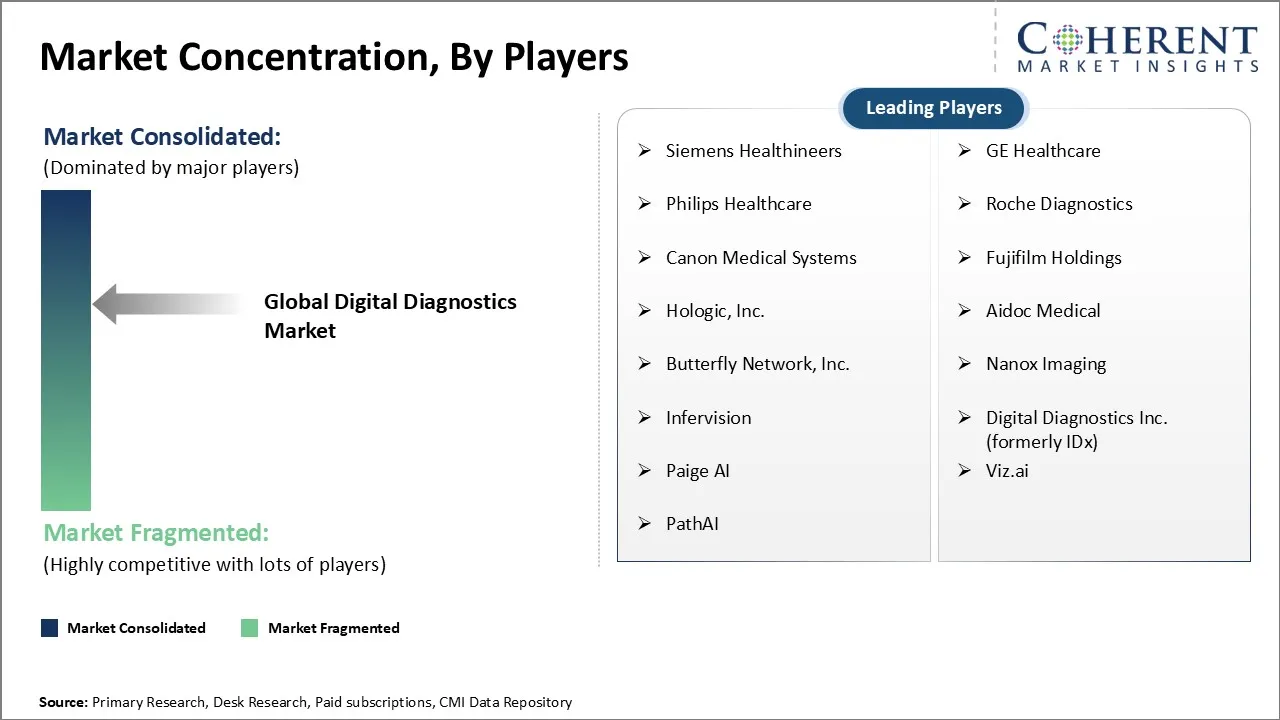
| Companies covered: | Siemens Healthineers, GE Healthcare, Philips Healthcare, Roche Diagnostics, Canon Medical Systems, Fujifilm Holdings, Hologic, Inc., Aidoc Medical, Butterfly Network, Inc., Nanox Imaging, Infervision, Digital Diagnostics Inc. (formerly IDx), Paige AI, Viz.ai, and PathAI | ||
| Growth Drivers: |
| ||
| Restraints & Challenges: |
| ||
Digital Diagnostics Market Dynamics
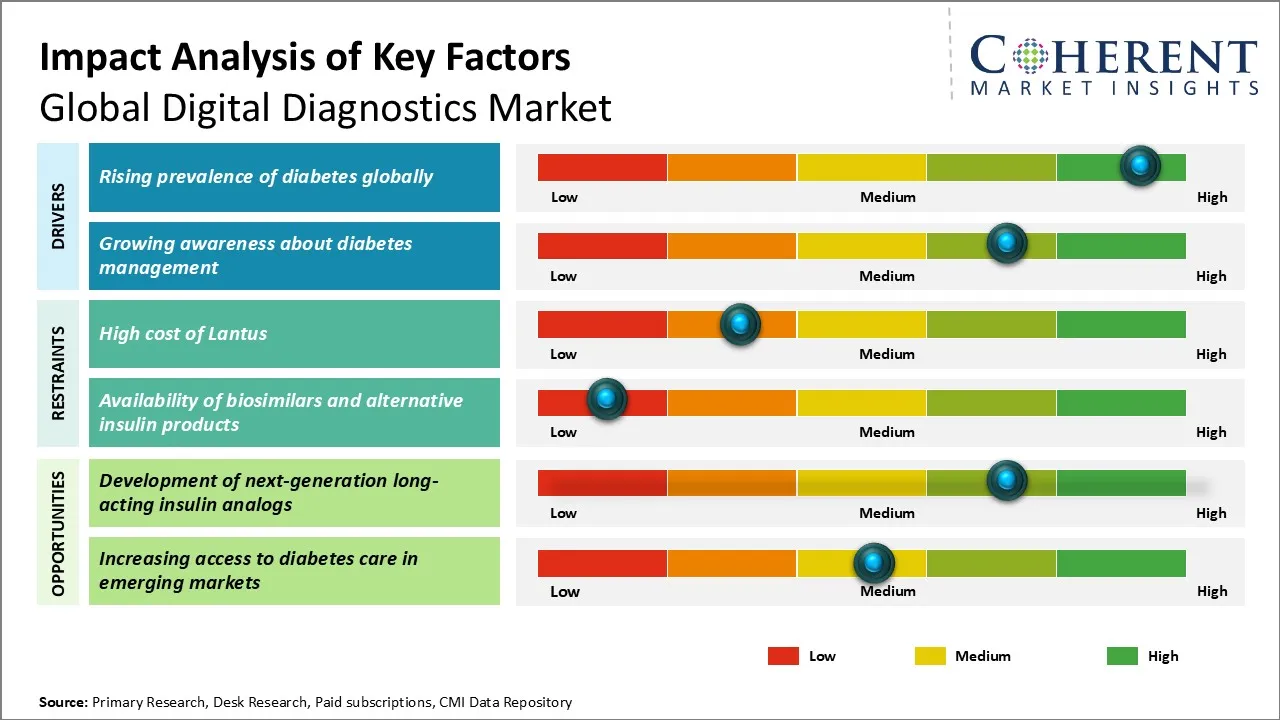
Digital Diagnostics Market Driver - Rising prevalence of diabetes globally
The escalating prevalence of diabetes worldwide serves as a significant driver for the growth of the global digital diagnostics market. As the incidence of diabetes continues to climb due to changing lifestyles, urbanization, and increasing obesity rates, there is a growing need for timely and accurate monitoring of glucose levels and related health parameters. Digital diagnostic tools, such as continuous glucose monitoring systems, smart wearable devices, and mobile health applications, enable patients and healthcare providers to track blood sugar levels in real time, facilitating better disease management and reducing the risk of complications. These technologies offer ease of use, improved accuracy, and remote accessibility, which are particularly beneficial for diabetic patients who require regular monitoring. Consequently, the rising diabetes burden is propelling the adoption of innovative digital diagnostic solutions across the globe.
In June 2024, a recent study by the National Library of Medicine, Secular Trends in Diabetes in India (STRiDE-I), revealed a concerning rise in type 2 diabetes (T2DM) prevalence among younger individuals (ages 20–39) in southern India. Over a 10-year period, the prevalence in younger individuals increased by 36%, from 4.5% to 7.8%, significantly outpacing the 11% rise in older individuals (ages 40 and above). The incidence of T2DM in the younger group surged by 120%, highlighting a troubling trend in youth diabetes rates. Key risk factors contributing to this increase were obesity and a family history of diabetes, both of which were more prevalent among younger individuals. The study also found that cardiometabolic risks, including dyslipidemia and hypertension, rose more rapidly in the younger population. These findings underscore the need for targeted interventions to address diabetes risk factors in the youth population.
Digital Diagnostics Market Opportunity - Development of next-generation long-acting insulin analogs
The development of next-generation long-acting insulin analogs presents a significant opportunity within the global digital diagnostics market, especially as diabetes rates rise. These insulin analogs, when integrated with digital tools like continuous glucose monitoring (CGM) systems and digital insulin pens, offer real-time data and automated adjustments, improving glycemic control, reducing complications, and minimizing healthcare costs. Growing investments in research and development and increasing healthcare provider awareness are driving demand for these integrated solutions, particularly in emerging markets with expanding diabetic populations.
When integrated with digital diagnostic tools like continuous glucose monitoring (CGM) systems and digital insulin pens, next-generation insulin analogs can significantly enhance diabetes management. This integration provides real-time data, automated insulin adjustments, and improved glycemic control, which reduces complications and long-term healthcare costs. As digital diagnostics tools, such as wearables and sensor-based biomarkers, become more prevalent, they complement the efficacy of insulin analogs, helping to optimize treatment regimens and improve patient outcomes globally.
In December 2024, The IQVIA Institute for Human Data Science reports that digital health tools are rapidly expanding to enhance patient diagnosis, treatment, and monitoring. With 337,000 digital health apps and over 360 software-based digital therapies, including 140 prescription digital therapeutics (DTx), the industry is evolving to provide more value to healthcare systems. The approval and reimbursement of these tools are accelerating, with AI/ML-enabled digital diagnostics now used to assess disease risk, accelerate diagnosis, and monitor patient health. Over 103 digital diagnostics are commercially available, reflecting growing use of wearables and sensor-based digital biomarkers.
Analyst Opinion (Expert Opinion)
- The global digital diagnostics market is experiencing significant growth, driven by technological advancements, rising demand for accessible healthcare, and regulatory support. Innovations in artificial intelligence (AI) and machine learning (ML) are revolutionizing the diagnostic landscape, allowing for more accurate and efficient detection of diseases at earlier stages. The increasing adoption of digital health solutions, coupled with government policies promoting digital health infrastructure like the Ayushman Bharat Digital Mission in India, is accelerating market expansion. Additionally, the demand for remote diagnostics and wearable health devices is growing, especially in light of the pandemic, which has pushed the healthcare industry towards more virtual and home-based healthcare solutions.
- Emerging opportunities include the integration of AI/ML in diagnostics, which is expected to improve accuracy and speed in disease detection, particularly in oncology and infectious diseases. However, challenges such as data privacy concerns, the need for regulatory frameworks, and integration with existing healthcare systems remain. Notable conferences such as the World Health Summit 2023 and the Health 2.0 Conference have played pivotal roles in showcasing new technologies and shaping policies in digital diagnostics. Real-world examples include the collaboration between Stilla Technologies and Bio-Rad Laboratories for expanding Droplet Digital PCR systems, and the FDA’s approval of digital diagnostic tools, which are reshaping the future of disease monitoring and patient care globally. These efforts are expected to significantly impact market growth and innovation.
Speak to the analyst
Want personalized insights?
Take the findings above to one of our principal consultants, or have the report rebuilt around the segments, geographies and competitors you actually track.
Market Segmentation
- Application Insights (Revenue, USD Bn, 2021 - 2033)
- Medical Imaging Diagnostics
- Pathology
- Cardiology Diagnostics
- Others (e.g., Ophthalmology)
- Type Insights (Revenue, USD Bn, 2021 - 2033)
- Software Solutions
- Imaging Software
- AI-based Diagnostic Imaging Software
- Standard Diagnostic Imaging Software
- Clinical Decision and Management Support Software
- Others
- Imaging Software
- Hardware Solutions
- Imaging Devices
- CT Scanners
- X-ray
- Magnetic Resonance Imaging (MRI)
- Ultrasound Devices
- Others (e.g., PET/CT)
- Point-of-Care (POC) Diagnostic Devices
- Biosensors and Wearable Diagnostic Devices
- Digital ECG (Electrocardiogram) Systems
- Others (e.g., Digital Microscopy & Pathology Devices)
- Imaging Devices
- Services & Platforms
- Software Solutions
- End User Insights (Revenue, USD Bn, 2021 - 2033)
- Hospitals
- Diagnostic Centers
- Pathological Labs
- Homecare Settings
- Others (e.g. Academic & Research Institutes, etc.)
- Regional Insights (Revenue, USD Bn, 2021 - 2033)
- North America
- U.S.
- Canada
- Latin America
- Brazil
- Argentina
- Mexico
- Rest of Latin America
- Europe
- Germany
- U.K.
- Spain
- France
- Italy
- Russia
- Rest of Europe
- Asia Pacific
- China
- India
- Japan
- Australia
- South Korea
- ASEAN
- Rest of Asia Pacific
- Middle East
- GCC Countries
- Israel
- Rest of Middle East
- Africa
- South Africa
- North Africa
- Central Africa
- North America
- Key Players Insights
- Siemens Healthineers
- GE Healthcare
- Philips Healthcare
- Roche Diagnostics
- Canon Medical Systems
- Fujifilm Holdings
- Hologic, Inc.
- Aidoc Medical
- Butterfly Network, Inc.
- Nanox Imaging
- Infervision
- Digital Diagnostics Inc. (formerly IDx)
- Paige AI
- Viz.ai
- PathAI
Sources
Primary Research Interviews
- Healthcare professionals (e.g., doctors, lab technicians)
- Industry experts and consultants
- Technology developers in digital diagnostics
- Hospital administrators and decision-makers
- Regulatory bodies representatives
Government and International Databases
- World Health Organization (WHO)
- U.S. Food and Drug Administration (FDA)
- European Medicines Agency (EMA)
- Centers for Disease Control and Prevention (CDC)
- National Institutes of Health (NIH)
- The World Bank (Health Data)
Trade Publications
- Journal of Digital Diagnostics
- Medical Device Technology
- Healthcare IT News
- Diagnostics World News
- Medical Technology News
Academic Journals
- Journal of Clinical Diagnostics
- Journal of Medical Internet Research (JMIR)
- IEEE Transactions on Biomedical Engineering
- The Lancet Digital Health
- Nature Digital Medicine
Reputable Newspapers
- The New York Times (Health Section)
- The Guardian (Health and Technology Section)
- The Wall Street Journal (Health Industry Section)
- Financial Times (Health and Tech Section)
- Reuters Health News
Industry Associations
- American Medical Association (AMA)
- European Society of Radiology (ESR)
- Healthcare Information and Management Systems Society (HIMSS)
- International Society for Telemedicine and eHealth (ISfTeH)
- Association for the Advancement of Medical Instrumentation (AAMI)
Public Domain Resources
- National Library of Medicine (PubMed)
- U.S. National Institutes of Health (NIH) Data Sharing Resources
- Open Access Health Data Repositories
Proprietary Elements:
- CMI Data Analytics Tool: Proprietary analytics tool to analyze real-time market trends, consumer behavior, and technology adoption in market
- Proprietary CMI Existing Repository of Information for Last 8 Years
Get access to 250+ pages report
Every segment, forecast, competitor profile and data table behind the analysis above — available for instant download.
- ESOMAR Member
- ISO 9001:2015 Certified
- D-U-N-S Registered
- GDPR & CCPA Compliant
Missing comfort of reading report in your local language? Find your preferred language:
Transform your Strategy with Exclusive Trending Reports
Frequently Asked Questions
The global digital diagnostics market is estimated to be valued at USD 6.25 Bn in 2026 and is expected to reach USD 10.44 Bn by 2033.
The CAGR of the global digital diagnostics market is projected to be 7.6% from 2026 to 2033.
Rising prevalence of diabetes globally and growing awareness about diabetes management are the major factors driving the growth of the global digital diagnostics market.
High cost of Lantus and availability of biosimilars and alternative insulin products are the major factors hampering the growth of the global digital diagnostics market.
In terms of Application, Medical Imaging Diagnostics segment is estimated to dominate the market revenue share in 2026.
Siemens Healthineers, GE Healthcare, Philips Healthcare, Roche Diagnostics, Canon Medical Systems, Fujifilm Holdings, Hologic, Inc., Aidoc Medical, Butterfly Network, Inc., Nanox Imaging, Infervision, Digital Diagnostics Inc. (formerly IDx), Paige AI, Viz.ai, and PathAI are the major players in the global digital diagnostics market.
North America is expected to lead the global digital diagnostics market in 2026.