

Global Enzyme, Peptide and MAB Therapeutics Market Size and Forecast – 2026 To 2033
The global enzyme, peptide and MAB therapeutics market is expected to grow from USD 425,918.7 Mn in 2026 to USD 982,657.9 Mn by 2033, registering a compound annual growth rate (CAGR) of 12.7% from 2026 to 2033. The market for enzyme, peptide and MAB therapeutics is poised for significant expansion, fueled by the expanding biologics ecosystem and increasing adoption of biosimilars.
According to the U.S. Food and Drug Administration (FDA), as of July 2025, 84 biosimilars for 21 reference biologics had been approved, with 67 available to patients, contributing to an estimated 460 million additional therapy days through improved affordability and access to biologic medicines. This trend is accelerating the uptake of enzyme, peptide, and monoclonal antibody therapeutics worldwide.
Key Takeaways of the Global Enzyme, Peptide and MAB Therapeutics Market
- Monoclonal antibody is projected to hold 78.9 % of the global enzyme, peptide and MAB therapeutics market share in 2026, making it the dominant product type segment across North America due to the strong regulatory framework supporting biologics innovation. For instance, in 2025, the U.S. Food and Drug Administration (FDA) announced measures to accelerate biosimilar development and reduce drug costs by simplifying bio similarity studies and streamlining interchangeability requirements, promoting broader adoption of monoclonal antibody therapeutics.
- Recombinant technology is projected to hold 41.1 % of the global enzyme, peptide and MAB therapeutics market share in 2026, making it the dominant manufacturing technology segment, across Europe due to robust regulatory oversight for biotechnology-derived medicines. For instance, the European Medicines Agency (EMA) strengthened regulatory guidance for biotechnology-derived medicinal products through its quality, manufacturing, and biosimilar guidelines, supporting the development and commercialization of recombinant biologics across the region.
- Cancer is projected to hold 37.2 % of the global enzyme, peptide and MAB therapeutics market share in 2026, making it the dominant application segment across Asia Pacific due to increasing regulatory emphasis on expanding access to innovative oncology treatments. For instance, China's National Medical Products Administration (NMPA) prioritizes the review and approval of innovative oncology biologics under its accelerated review pathways, supporting faster availability of advanced biologic therapies for cancer patients.
- North America maintains its dominance with an estimated share of 41.2 % in 2026, bolstered by its mature biologics ecosystem, robust regulatory framework, and strong public investment in biomedical research. For instance, in September 2025, the U.S. National Institutes of Health (NIH) launched the generation gold standard consortium to develop advanced human cell models for drug discovery and biologics research, strengthening the region's capabilities in next-generation therapeutic development.
- Asia Pacific is expected to exhibit the fastest growth with an estimated contribution of 15.8 % share in 2026, driven by expanding biopharmaceutical manufacturing capacity and supportive regulatory initiatives across emerging economies. For instance, in 2025, China's National Medical Products Administration (NMPA) implemented the technical guidelines for comparability studies of therapeutic biological products to strengthen biologics development, manufacturing consistency, and regulatory review, fostering growth in the regional biologics market.
- Expansion of AI-enabled Protein and Antibody Engineering: Advancements in artificial intelligence for protein structure prediction, antibody engineering, and peptide optimization are accelerating biologic drug discovery while reducing development timelines. AI-assisted molecular design enables the identification of high-affinity therapeutic candidates with improved stability and efficacy, supporting faster progression from discovery to clinical development. This is driving innovation across enzyme, peptide, and monoclonal antibody therapeutics.
- Growing Commercialization of Continuous Bioprocessing: The transition from conventional batch manufacturing to continuous bioprocessing presents significant opportunities for biologic manufacturers. Continuous manufacturing improves production efficiency, product consistency, and scalability while lowering manufacturing costs for recombinant proteins and monoclonal antibodies. Increasing regulatory acceptance of advanced manufacturing technologies is expected to accelerate adoption and expand global production capacity.
Segmental Insights
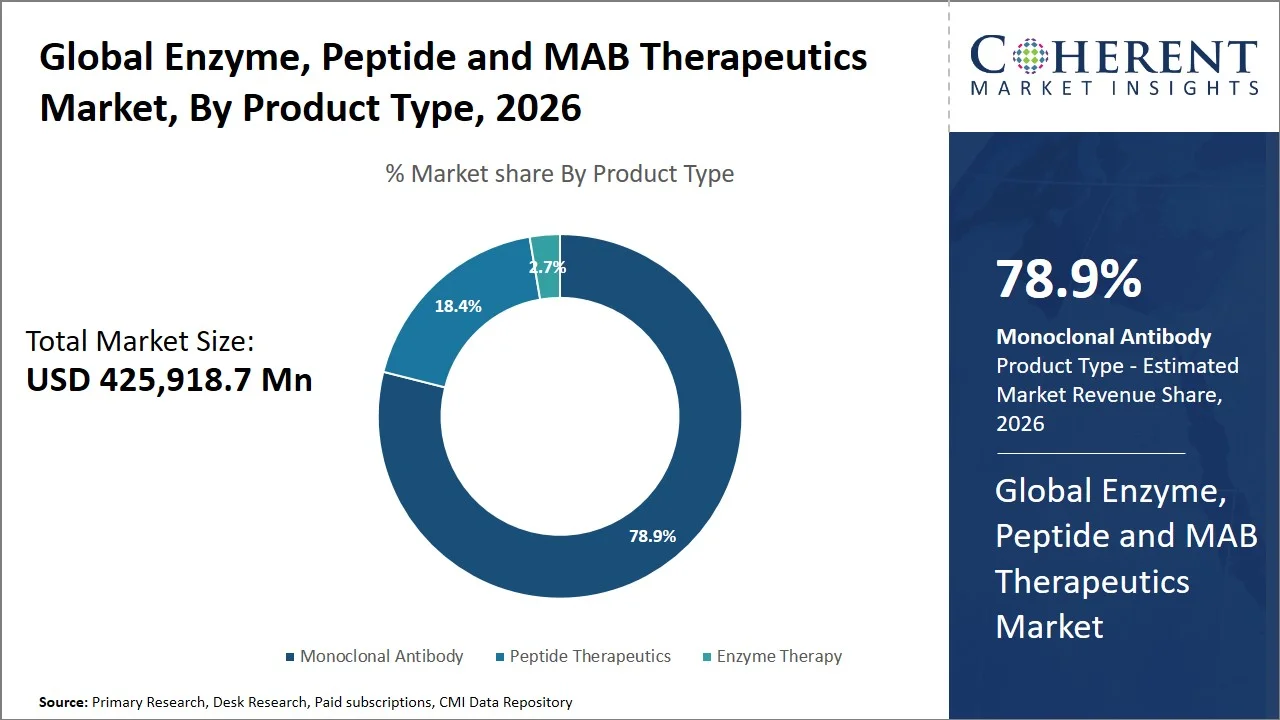
Why Does the Monoclonal Antibody Segment Dominate the Global Enzyme, Peptide and MAB Therapeutics Market?
Monoclonal antibody is projected to hold a market share of 78.9% in 2026, attributed to the high target specificity, versatility, and enhanced efficacy in treating oncology, autoimmune and inflammatory diseases. Furthermore, advancements in antibody engineering through novel platforms such as next-generation bispecific antibodies, antibody-drug conjugates are further strengthening market growth. For instance, in May 2025, the U.S. Food and Drug Administration (FDA) approved F. Hoffmann-La Roche Ltd. Susvimo (ranibizumab) 100 mg/mL for the treatment of diabetic retinopathy, expanding the use of monoclonal antibody-based therapies in ophthalmology with a long-acting refillable ocular implant.
- Current Industry Events of 2026
- Market Size Estimation
- Regional Breakdown
- Competitive Landscape
- Customer Intelligence
- Segmental Analysis
- Pricing Analysis
- Key Market Drivers, Challenges & Future Trends
- Customized Insights Section
Why Does Recombinant Technology Represent the Largest Manufacturing Technology Segment in the Global Enzyme, Peptide and MAB Therapeutics Market?
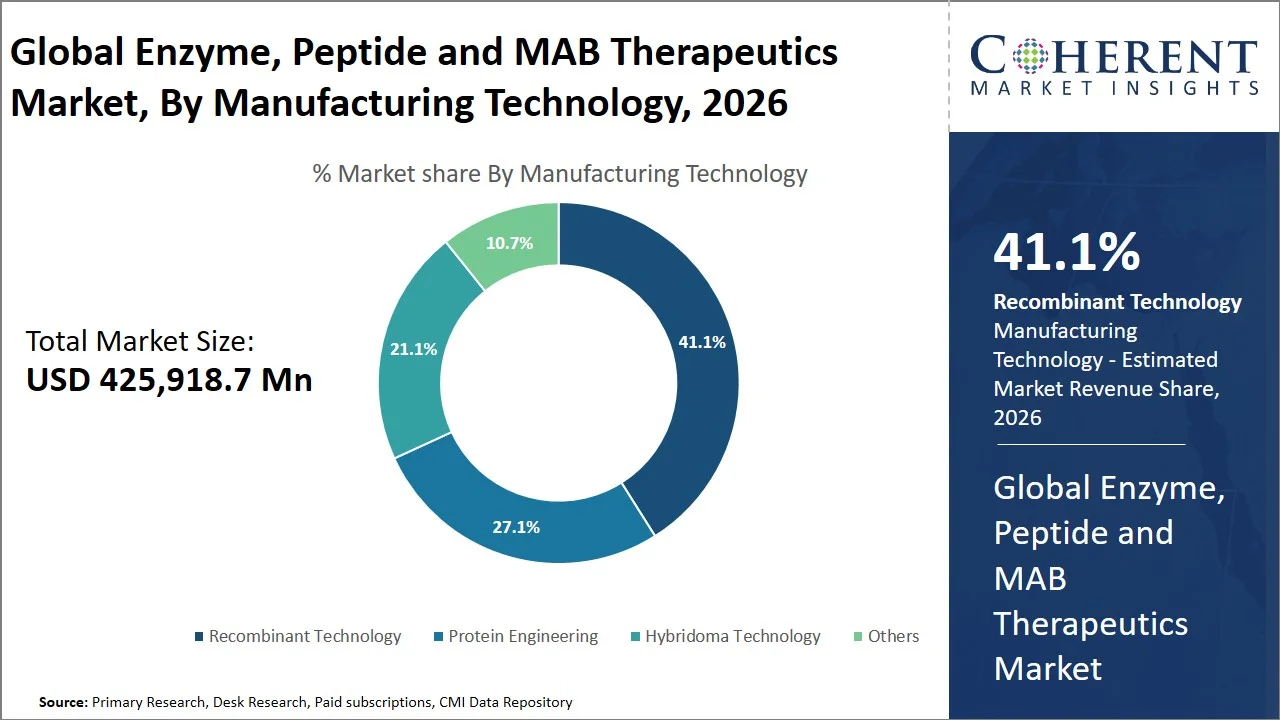
Recombinant technology is projected to hold a market share of 41.1% in 2026, owing to its ability to produce high-purity, consistent and scalable biologics with safety and efficacy, which are higher as compared to biologics produced through traditional technologies. The technology enables efficient commercial manufacturing of complex therapeutic proteins, enzymes, peptides and monoclonal antibodies, while facilitating innovation in next-generation biologics and biosimilars. For instance, in December 2024, Novo Nordisk A/S announced an investment of USD 1.27 billion (DKK 8.5 billion) to establish a new production facility in Odense, Denmark, equipped with advanced manufacturing technologies to expand production capacity for recombinant biologic medicines and meet rising global demand.
Cancer Segment Dominates the Global Enzyme, Peptide and MAB Therapeutics Market
The cancer segment is projected to hold a market share of 37.2% in 2026, owing to the rising global cancer burden and increasing adoption of targeted biologic therapies for improved efficacy and reduced systemic toxicity. The ongoing developments in precision oncology, biomarker-guided treatment and immunotherapy are further strengthening the role of biologics in cancer management. For instance, in May 2026, the U.S Food and Drug Administration (FDA) approved AstraZeneca’s Imfinzi (durvalumab – an anti-PD-L1 monoclonal antibody) in combination with BCG (Bacillus Calmette-Gurin) to treat BCG-naive, high-risk non-muscle invasive bladder cancer, highlighting the central role of antibody-based immunotherapy in oncology.
Current Events and their Impact
Current Events | Description and its Impact |
U.S. FDA Moves to Accelerate Biosimilar Development and Lower Drug Costs (October 2025) |
|
U.S. FDA Releases Draft Framework for AI Models in Drug and Biological Product Submissions (January 2025) |
|
Global Enzyme, Peptide and MAB Therapeutics Market Dynamics
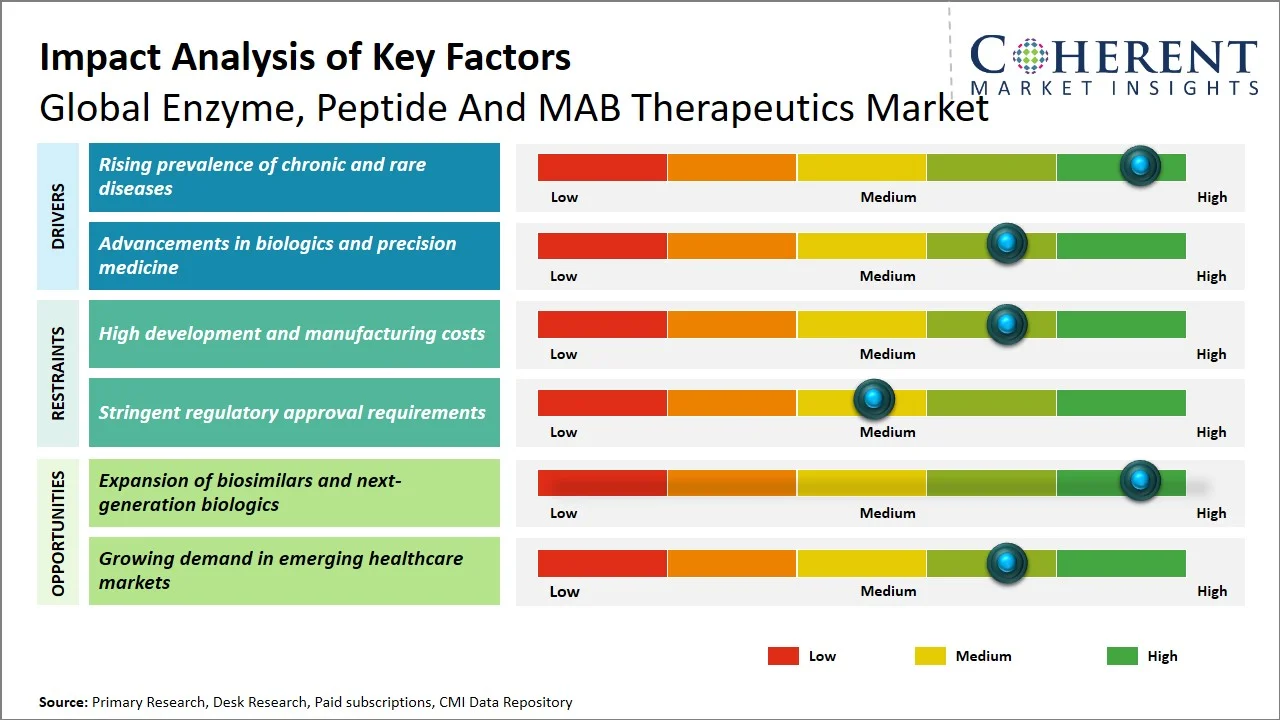
Market Drivers
- Rising prevalence of chronic and rare diseases: The increasing prevalence of chronic and rare diseases is driving demand for enzyme, peptide, and monoclonal antibody (MAB) therapeutics, owing to their high target specificity and ability to address complex disease mechanisms. These biologics are increasingly adopted for oncology, autoimmune, metabolic, and genetic disorders where conventional therapies often have limited efficacy. For instance, in May 2025, the World Health Assembly adopted its first-ever resolution recognizing rare diseases as a global health priority and called for accelerating research, innovation, diagnosis, and access to effective treatments, reinforcing long-term demand for advanced biologic therapeutics.
- Advancements in biologics and precision medicine: Advancements in biologics and precision medicine are accelerating the development of enzyme, peptide, and monoclonal antibody (MAB) therapeutics by enabling highly targeted treatments tailored to individual patient profiles. Innovations in biomarker-driven drug development, companion diagnostics, and molecular profiling are improving therapeutic efficacy while minimizing adverse effects. For instance, in June 2025, the European Medicines Agency (EMA) published its Reflection Paper on Precision Medicine, outlining a regulatory framework to facilitate the development and approval of precision medicines across the European Union, supporting continued innovation in targeted biologic therapies.
Emerging Trends
- Increasing Development of Multi specific Antibody Therapeutics: The market is witnessing growing investment in bispecific and multi specific antibodies that can simultaneously target multiple disease pathways or immune cells. These next-generation biologics are demonstrating improved therapeutic efficacy, particularly in oncology and autoimmune disorders, and are expanding the scope of monoclonal antibody therapeutics beyond conventional single-target approaches.
- Expansion of Subcutaneous Biologic Formulations: Manufacturers are increasingly developing subcutaneous formulations of enzyme and monoclonal antibody therapeutics to improve patient convenience and reduce dependence on hospital-based intravenous administration. This trend is enhancing treatment adherence, enabling home-based care, and supporting the broader shift toward patient-centric biologic therapy delivery.
Regional Insights
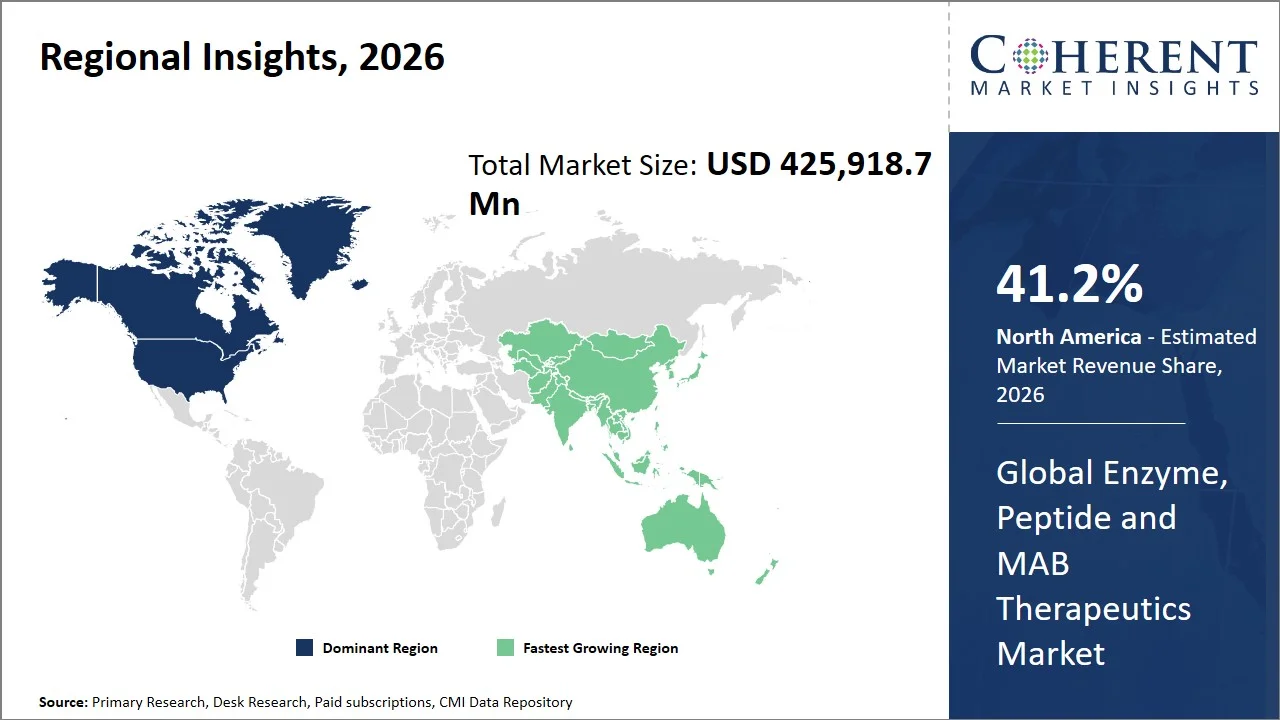
Why is North America a Strong Market for Enzyme, Peptide and MAB Therapeutics?
North America leads the global enzyme, peptide and MAB therapeutics market, accounting for an estimated 41.2% share in 2026, due to its well-established biopharmaceutical ecosystem and advanced healthcare infrastructure, as well as the ongoing investments in biologics R&D. The region’s robust regulatory support encourages the clinical development and commercialization of novel biologics. Government incentives and intellectual property rights protection further promote the continuous innovation and long-term investments in advanced therapeutics. For instance, the U.S. Food and Drug Administration (FDA) Office of Orphan Products Development provides grants, tax incentives, fee exemptions, and market exclusivity to encourage the development of innovative biologics for rare diseases, strengthening long-term investment in advanced therapeutics. Moreover, high healthcare expenditure and the widespread use of biologic therapies further reinforce the region's market leadership.
Why Does the Asia Pacific Enzyme, Peptide and MAB Therapeutics Market Exhibit High Growth?
The Asia Pacific enzyme, peptide and MAB therapeutics market is expected to exhibit the fastest growth with an estimated contribution of 15.8% share to the global market in 2026. The market is driven by increasing access to healthcare, increasing investments in biotechnology and surging demand for biologic therapies. Government-led initiatives and enabling policies in key countries like India, China, and Japan are fast-tracking innovation, enhancing biopharmaceutical infrastructure and driving public-private partnerships for biologics development.
For instance, in February 2026, the Government of India announced the Biopharma SHAKTI initiative with an outlay of USD 1.16 billion (INR 10,000 crore) over five years to strengthen the country's end-to-end biologics and biosimilars ecosystem, supporting domestic innovation, manufacturing infrastructure, and global competitiveness in biopharmaceuticals. Furthermore, Asia Pacific’s cost-effective manufacturing capabilities and skilled workforce further support large-scale production of biosimilars and next-generation biologics, making Asia Pacific a global growth hub.
Global Enzyme, Peptide and MAB Therapeutics Market Outlook for Key Countries
Why is the U.S. Leading Innovation and Adoption in the Enzyme, Peptide and MAB Therapeutics Market?
The U.S. dominates the enzyme, peptide and MAB therapeutics market driven by its integrated biologics ecosystem, covering from R&D through the latest development activities into large-scale commercial manufacturing processes. The well-established expertise in the fields of antibody engineering, recombinant protein development as well as precision medicine drives the faster introduction of biologics solutions, in the therapy areas like oncology, Immunology and ultra rare diseases. Favorable biologics development and prompt progression of discovery toward commercial applications further augments the position of the U.S. in the market place.
Is Japan a Favorable Market for Enzyme, Peptide and MAB Therapeutics?
Japan is one of the most promising markets for the enzyme, peptide and MAB therapeutics market, due to its strong capabilities in protein engineering, recombinant biologics manufacturing and translational research for complex biologics. The country’s expertise in regenerative medicine, oncology and rare disease therapeutics has accelerated the development of high-value biologic products. The country’s emphasis on advanced biologics process development and high-quality manufacturing standards continue to support innovation and adoption of enzyme, peptide and monoclonal antibody therapeutics.
Is China Emerging as a Key Growth Hub for the Enzyme, Peptide and MAB Therapeutics Market?
China is positioned as a key growth hub in the global enzyme, peptide and MAB therapeutics market owing to an extensive proficiency in the area of protein engineering, recombinant biologics manufacturing, and translational research, which enables the discovery of highly advanced biologics. The excellence of the country in the field like oncology, regenerative medicine, and development of biologics targeted at rare diseases helped the country expedite progress in the manufacture of high-value biologics product. Furthermore, the country's growing emphasis on efficient biologics process development along with high-standard production, a robust uptake on biologic therapeutics is anticipated.
Why Does Germany Top the Europe Enzyme, Peptide and MAB Therapeutics Market?
Germany leads the Europe enzyme, peptide and MAB therapeutics market due to its strong knowledge base in biopharmaceutical process development, manufacturing of recombinant proteins and advanced biologics production technologies. The country has a well-established environment for the development of complex biologics such as monoclonal antibodies, therapeutic enzymes and peptide-based medicines and its high-class biologics manufacturing capabilities and process optimization initiatives keep it at the forefront as a prime center of innovation and commercial manufacturing in Europe.
Is the Enzyme, Peptide and MAB Therapeutics Market Developing in India?
India is a high-potential market for enzyme, peptide and MAB therapeutics due to its rising biologics manufacturing capacity and growing expertise in biosimilars, recombinant proteins and monoclonal antibody manufacturing. The country has developed a robust contract development and manufacturing (CDMO) ecosystem with cost-effective large-scale biologics manufacturing capabilities. Increasing investments in bioprocessing technologies and the growth of domestic biologics manufacturing further strengthen India’s position in the global enzyme, peptide and MAB therapeutics value chain.
Product Innovation Landscape in the Global Enzyme, Peptide and MAB Therapeutics Market
Innovation Area | Technology/Innovation | Clinical Significance | Market Impact |
Monoclonal Antibodies | Bispecific & Multi specific Antibodies | Simultaneously targets multiple disease pathways | Expands oncology and autoimmune therapy pipeline |
Peptide Therapeutics | Long-acting Peptide Engineering | Improves pharmacokinetics and dosing convenience | Enhances patient compliance and lifecycle management |
Enzyme Therapeutics | Next-generation Enzyme Replacement Therapies | Improves tissue targeting and therapeutic efficacy | Expands treatment for rare metabolic disorders |
Drug Delivery | Subcutaneous & Self-administered Biologics | Reduces hospital-based infusions | Supports homecare adoption and market penetration |
Manufacturing | Single-use Bioprocessing & Modular Manufacturing | Improves manufacturing flexibility | Reduces production costs and accelerates commercialization |
How is the expansion of biosimilars and next-generation biologics creating new growth opportunities in the global enzyme, peptide and MAB therapeutics market?
The market for enzyme, peptide and MAB therapeutics is expected to experience strong growth driven by a growing pipeline of biosimilars and next-generation biologics, which will enhance treatment accessibility, lower healthcare costs and speed up innovation in targeted therapies. Advancements in biologics manufacturing and favorable regulatory changes will also contribute to the faster development and commercialization of these therapies. For instance, in April 2025, the European Medicines Agency (EMA) released a draft reflection paper proposing a streamlined clinical approach for biosimilar development, including reducing unnecessary clinical data requirements to facilitate wider patient access to biologic medicines across the European Union.
Market Players, Key Development, and Competitive Landscape
Key Developments
- On July 20, 2026, Samsung Biologics announced an all-cash public tender offer to acquire PolyPeptide Group AG for approximately USD 1.8 billion (CHF 1.46 billion). The acquisition expands Samsung Biologics' peptide development and manufacturing capabilities, strengthens its multi-modality CDMO portfolio, and broadens its global manufacturing footprint across the U.S., Europe, and India. The move reflects the growing strategic importance of peptide therapeutics in the biologics industry.
- In June 2026, LG AI Research and D&D Pharmatech entered a strategic collaboration to accelerate the discovery of AI-driven oral peptide therapeutics. The partnership combines generative AI and advanced molecular modeling to identify and optimize oral peptide drug candidates with improved efficacy and bioavailability. This collaboration highlights the growing integration of AI into peptide therapeutic development to shorten discovery timelines and enhance clinical success.
- In May 2025, Alchemab Therapeutics entered a licensing agreement worth up to USD 415 million with Eli Lilly and Company for ATLX-1282, a first-in-class antibody therapeutic for neurodegenerative diseases. The agreement expands Eli Lilly's antibody pipeline and highlights continued investment in next-generation monoclonal antibody therapeutics targeting novel disease mechanisms.
Competitive Landscape
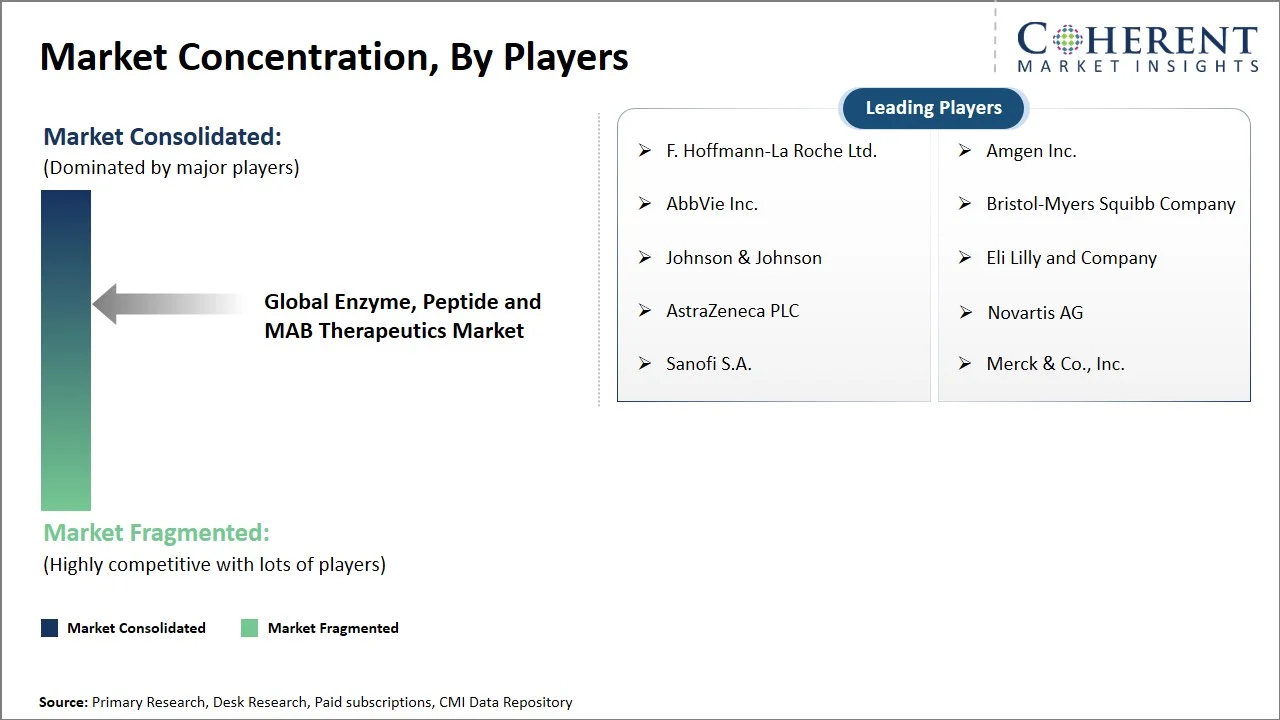
The global enzyme, peptide and MAB therapeutics market is moderately consolidated, with competition centered on expanding biologics pipelines, advancing next-generation therapeutic platforms, and strengthening manufacturing capabilities. Market participants are investing in precision biologics, lifecycle management of existing therapies, and scalable biologics manufacturing while pursuing strategic collaborations and licensing agreements to accelerate innovation. Regulatory approvals, global market expansion, and investments in advanced bioprocessing technologies continue to shape competitive positioning. Key focus areas include:
- Development of next-generation biologics, including bispecific antibodies, long-acting peptides, and engineered enzyme therapeutics
- Expansion of biosimilar portfolios and lifecycle management strategies to enhance market penetration following biologic patent expirations
- Strengthening biologics manufacturing capacity through advanced bioprocessing technologies and global production network expansion
- Strategic licensing, co-development, and research collaborations to accelerate biologics innovation and diversify therapeutic pipelines
- Securing regulatory approvals and geographic expansion to strengthen presence across high-growth biologics markets
Market Report Scope
Enzyme, Peptide and MAB Therapeutics Market Report Coverage
| Report Coverage | Details | ||
|---|---|---|---|
| Base Year: | 2025 | Market Size in 2026: | USD 425,918.7 Mn |
| Historical Data for: | 2020 To 2024 | Forecast Period: | 2026 To 2033 |
| Forecast Period 2026 to 2033 CAGR: | 12.7% | 2033 Value Projection: | USD 982,657.9 Mn |
| Geographies covered: |
| ||
| Segments covered: |
| ||
| Companies covered: | F. Hoffmann-La Roche Ltd., Amgen Inc., AbbVie Inc., Bristol-Myers Squibb Company, Johnson & Johnson, Eli Lilly and Company, AstraZeneca PLC, Novartis AG, Sanofi S.A., and Merck & Co., Inc. | ||
| Growth Drivers: |
| ||
| Restraints & Challenges: |
| ||
Analyst Opinion (Expert Opinion)
- In the coming years, the enzyme, peptide and MAB therapeutics market is expected to witness robust long-term growth, driven by the convergence of precision medicine, biologics innovation, and expanding biosimilar adoption. As healthcare systems increasingly prioritize targeted therapies with improved clinical outcomes, next-generation biologics—including engineered antibodies, long-acting peptides, and novel enzyme therapies—are expected to reshape treatment standards across oncology, autoimmune, metabolic, and rare diseases.
- The maximum opportunities will probably exist within monoclonal antibody therapeutics for cancer applications in the U.S., supported by a strong biologics pipeline, favorable reimbursement environment, advanced clinical research infrastructure, and continuous regulatory support for innovative biologics and biosimilars. Significant opportunities are also emerging in Asia Pacific, particularly for biosimilars and recombinant biologics, driven by expanding manufacturing capabilities and increasing healthcare investments.
- In order to obtain a competitive advantage, market participants should prioritize the development of differentiated next-generation biologics, invest in advanced biologics manufacturing platforms to improve scalability and cost efficiency, and strengthen strategic partnerships with biotechnology firms, academic research institutions, and contract development and manufacturing organizations (CDMOs). Expanding biosimilar portfolios, integrating biomarker-driven precision medicine approaches, and accelerating regulatory approvals across high-growth markets will be critical to sustaining long-term competitive advantage.
Speak to the analyst
Want personalized insights?
Take the findings above to one of our principal consultants, or have the report rebuilt around the segments, geographies and competitors you actually track.
Market Segmentation
- Product Type Insights (Revenue, USD Mn, 2021 - 2033)
- Monoclonal Antibody
- Peptide Therapeutics
- Enzyme Therapy
- Manufacturing Technology Insights (Revenue, USD Mn, 2021 - 2033)
- Recombinant Technology
- Protein Engineering
- Hybridoma Technology
- Others
- Application Insights (Revenue, USD Mn, 2021 - 2033)
- Cancer
- Gaucher Disease
- Fabry Disease
- Pompe Disease
- Acute Myocardial Infarction
- Cystic Fibrosis
- Gout
- Others
- Regional Insights (Revenue, USD Mn, 2021 - 2033)
- North America
- U.S.
- Canada
- Latin America
- Brazil
- Argentina
- Mexico
- Rest of Latin America
- Europe
- Germany
- U.K.
- Spain
- France
- Italy
- Russia
- Rest of Europe
- Asia Pacific
- China
- India
- Japan
- Australia
- South Korea
- ASEAN
- Rest of Asia Pacific
- Middle East
- GCC Countries
- Israel
- Rest of Middle East
- Africa
- South Africa
- North Africa
- Central Africa
- North America
- Key Players Insights
- F. Hoffmann-La Roche Ltd.
- Amgen Inc.
- AbbVie Inc.
- Bristol-Myers Squibb Company
- Johnson & Johnson
- Eli Lilly and Company
- AstraZeneca PLC
- Novartis AG
- Sanofi S.A.
- Merck & Co., Inc.
Sources
Primary Research Interviews
- Biopharmaceutical R&D directors from enzyme, peptide, and monoclonal antibody therapeutics manufacturers
- Clinical immunologists, oncologists, and rare disease specialists utilizing biologic therapies
- Biologics manufacturing and process development experts from CDMOs
- Regulatory affairs professionals from biologics and biosimilar companies
- Executives and portfolio managers from global biopharmaceutical companies
Stakeholders
- Enzyme, peptide and monoclonal antibody therapeutics manufacturers
- Contract Development and Manufacturing Organizations (CDMOs)
- Biopharmaceutical research organizations and biotechnology companies
- Healthcare distributors and specialty pharmacy providers
- End-use Sectors
- Hospitals and multispecialty healthcare facilities
- Specialty oncology centers
- Autoimmune disease treatment centers
- Rare disease and metabolic disorder clinics
- Academic and research institutes
- Regulatory & Health Bodies
- U.S. Food and Drug Administration (FDA)
- European Medicines Agency (EMA)
- Pharmaceuticals and Medical Devices Agency (PMDA), Japan
- National Medical Products Administration (NMPA), China
- Medicines and Healthcare products Regulatory Agency (MHRA), UK
- World Health Organization (WHO)
Databases
- FDA Drugs@FDA Database
- FDA Purple Book Database (Licensed Biological Products)
- EMA European Medicines Database
- ClinicalTrials.gov
- WHO Global Observatory on Health Research and Development
- OECD Health Statistics
Magazines
- Biopharma Dive
- Pharmaceutical Technology
- BioPharm International
- Genetic Engineering & Biotechnology News (GEN)
- European Pharmaceutical Review
Journals
- Nature Biotechnology
- Nature Reviews Drug Discovery
- mAbs
- The Journal of Biological Chemistry
- Molecular Therapy
- Clinical Cancer Research
Newspapers
- The Wall Street Journal
- Financial Times
- The Economic Times – Health & Pharma
Associations
- Biotechnology Innovation Organization (BIO)
- International Federation of Pharmaceutical Manufacturers & Associations (IFPMA)
- American Society of Clinical Oncology (ASCO)
- European Society for Medical Oncology (ESMO)
- American Association for Cancer Research (AACR)
- Alliance for Regenerative Medicine (ARM)
Public Domain Sources
- World Health Organization (WHO) – Biological Standardization & Essential Medicines
- U.S. Food and Drug Administration (FDA) – Biologics and Biosimilars Resources
- European Medicines Agency (EMA) – Human Medicines & Biosimilars Guidance
- National Institutes of Health (NIH) – National Center for Advancing Translational Sciences (NCATS)
- ClinicalTrials.gov – Global Biologics Clinical Trial Registry
- Organisation for Economic Co-operation and Development (OECD) – Health Statistics
Proprietary Elements
- CMI Data Analytics Tool, Proprietary CMI Existing Repository of information for last 10 years.
Get access to 250+ pages report
Every segment, forecast, competitor profile and data table behind the analysis above — available for instant download.
- ESOMAR Member
- ISO 9001:2015 Certified
- D-U-N-S Registered
- GDPR & CCPA Compliant
Missing comfort of reading report in your local language? Find your preferred language:
Transform your Strategy with Exclusive Trending Reports
Frequently Asked Questions
The global enzyme, peptide and MAB therapeutics market is estimated to be valued at USD 425,918.7 Mn in 2026 and is expected to reach USD 982,657.9 Mn by 2033.
Monoclonal antibody dominates due to their high target specificity, superior clinical efficacy, broad application across oncology and autoimmune diseases, and a strong pipeline of innovative biologics and biosimilars.
The market is expected to be driven by next-generation biologics, expanding biosimilar adoption, precision medicine, and advances in biologics manufacturing, with oncology and rare diseases remaining the fastest-growing therapeutic areas.
Recombinant DNA technology is a biomanufacturing method that uses genetically engineered cells to produce therapeutic proteins, enzymes, peptides, and monoclonal antibodies at commercial scale.
Monoclonal antibodies are large proteins that bind to specific antigens, whereas peptide therapeutics are short amino acid chains that modulate biological functions through receptor interactions.
Enzyme, peptide, and monoclonal antibody (MAB) therapeutics are biologic medicines that use enzymes, peptides, or engineered antibodies to selectively treat diseases by targeting specific biological pathways.
The CAGR of the global enzyme, peptide and MAB therapeutics market is projected to be 12.7% from 2026 to 2033.