

Global Fiducial Markers Market Size and Forecast – 2026 To 2033
The global fiducial markers market is expected to grow from USD 224.8 Mn in 2026 to USD 316.9 Mn by 2033, registering a compound annual growth rate (CAGR) of 5% from 2026 to 2033. The market for fiducial markers is poised for significant expansion, fueled by the soaring burden of cancer coupled with the increasing adoption of precision radiotherapy techniques demanding highly accurate tumor localization.
According to the World Health Organization, in 2022, there were an estimated 20 million new cancer cases and 9.7 million deaths. The estimated number of people who were alive within 5 years following a cancer diagnosis was 53.5 million. About 1 in 5 people develop cancer in their lifetime, approximately 1 in 9 men and 1 in 12 women die from the disease. Furthermore, over 35 million new cancer cases are predicted in 2050, a 77% increase from the estimated 20 million cases in 2022.
(Source: World Health Organization)
Key Takeaways of the Global Fiducial Markers Market
- Gold fiducial markers are projected to hold 54.2 % of the global fiducial markers market share in 2026, making it the dominant product type segment, especially in North America where hospitals utilize gold-based markers broadly due to better radiopacity and biocompatibility, and compatibility with image-guided radiation therapy (IGRT) procedures. For instance, the U.S. National Cancer Institute emphasizes greater reliance on image-guided radiation therapy (IGRT) technology for the localization of tumors with reductions in the effects of surrounding normal tissue. Thus, there is a growing need for highly visible gold fiducial for oncologic indications. (Source: U.S. National Cancer Institute)
- Prostate cancer is projected to hold 41.8% of the global fiducial markers market share in 2026, making it the dominant application segment, across North America, due to the high prevalence of prostate cancer and the rising use of precision radiation treatment techniques that necessitate precisely locating tumors. For instance, according to the American Cancer Society, prostate cancer in the U.S. is estimated at approximately 333,830 new cases and 36,320 deaths in 2026, supporting the demand for fiducial marker-guided radiotherapy procedures. (Source: American Cancer Society)
- Hospitals are projected to hold 56.4% of the global fiducial markers market share in 2026, making it the dominant end user segment, throughout Europe, where hospitals and dedicated oncology centers continue investing in state-of-the-art infrastructure for both cancer diagnosis and radiotherapy. For instance, the European Commission's Europe's Beating Cancer Plan proposes initiatives to make cancer screening and diagnosis, as well as advanced treatment technologies more available in healthcare facilities, aiding general hospital implementation of precision oncology procedures employing fiducial markers. (Source: European Commission)
- North America maintains its dominance with an estimated share of 38.6 % in 2026, bolstered by significant availability of sophisticated infrastructure for cancer treatment, large-scale implementation of precision radiotherapy techniques, as well as existing favorable reimbursement frameworks. For instance, the U.S. Cancer Moonshot program continues to support investments for cancer research, early diagnosis, and cutting-edge therapy developments, further boosting the region's utilization of image-guided oncology procedures with fiducial markers. (Source: National Cancer Institute)
- Asia Pacific is expected to exhibit the fastest growth with an estimated contribution of 24.5 % share in 2026, accelerated by the growth of the healthcare infrastructure, increasing cancer screening programs, and increased investments in upscaling oncology treatment. For instance, India's National Programme for Prevention and Control of Non-Communicable Diseases (NP-NCD) promotes cancer diagnosis and treatment access through further healthcare system development, bolstering regional needs for leading edge oncology technologies. (Source: Ministry of Health and Family Welfare)
- Growing Integration of Fiducial Markers in Adaptive Radiation Therapy Workflows: Growing use of adaptive radiation therapy procedures, i.e., adjusting treatment delivery based on interim evaluation of intervening changes in tumor size/shape and location during treatment course, appears to be a niche factor for the growing fiducials markers market. Growing trend towards customized treatment plan and accurate radiotherapy delivery is expected to favor fiducials use.
- Expanding Use of Fiducial Markers in Minimally Invasive Oncology Procedures: The use of image-guided intervention and targeted therapy techniques is increasing, demanding unique solutions to optimum lesion identification and successful procedural implementation. These techniques are gaining favor, and creating new market growth channels.
Segmental Insights
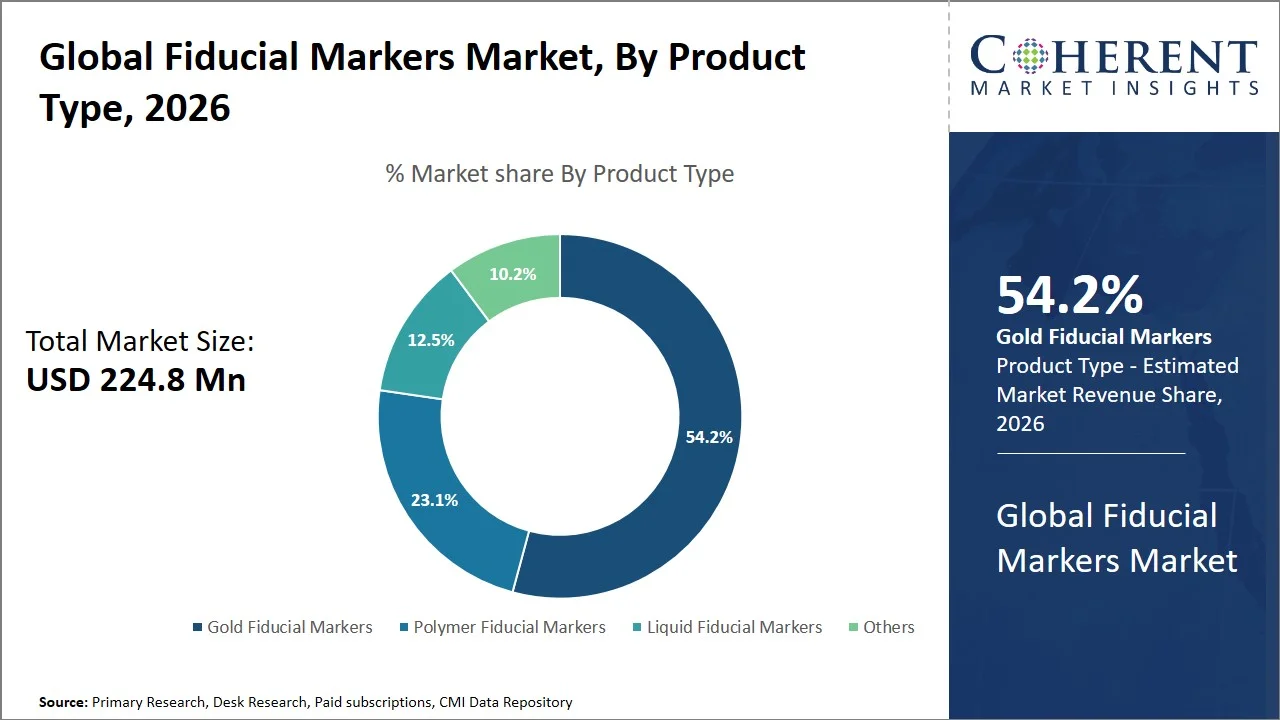
Why Do Gold Fiducial Markers Dominate the Global Fiducial Markers Market?
Gold fiducial markers are projected to hold a market share of 54.2% in 2026, owing to their high radiopacity, good imaging contrast, biocompatibility, and multi-imaging modality capability for radiation oncology imaging work-flows. Since gold possesses high atomic number it produces sharp contrast images with CT, CBCT, X-ray, and ultrasound and helps physicians to precisely identify tumor locations. In addition, gold markers have good chemical inertness and low tissue reactivity.
Thus, it is well applicable to implantable markers in patients' bodies. Wide clinical application in the therapy of prostate and lung cancer has supported its market leadership. For instance, a study published in the National Library of Medicine, conducted a comparison on gold, carbon, and polymer fiducial markers and revealed that gold markers were the most visible within the various imaging techniques of a radiotherapy workflow. It emphasized that with improved detectability it allows more precision in targeting and treatment planning for image guided treatments. (Source: National Library of Medicine)
- Current Industry Events of 2026
- Market Size Estimation
- Regional Breakdown
- Competitive Landscape
- Customer Intelligence
- Segmental Analysis
- Pricing Analysis
- Key Market Drivers, Challenges & Future Trends
- Customized Insights Section
Why Does Prostate Cancer Represent the Largest Application Segment in the Fiducial Markers Market?
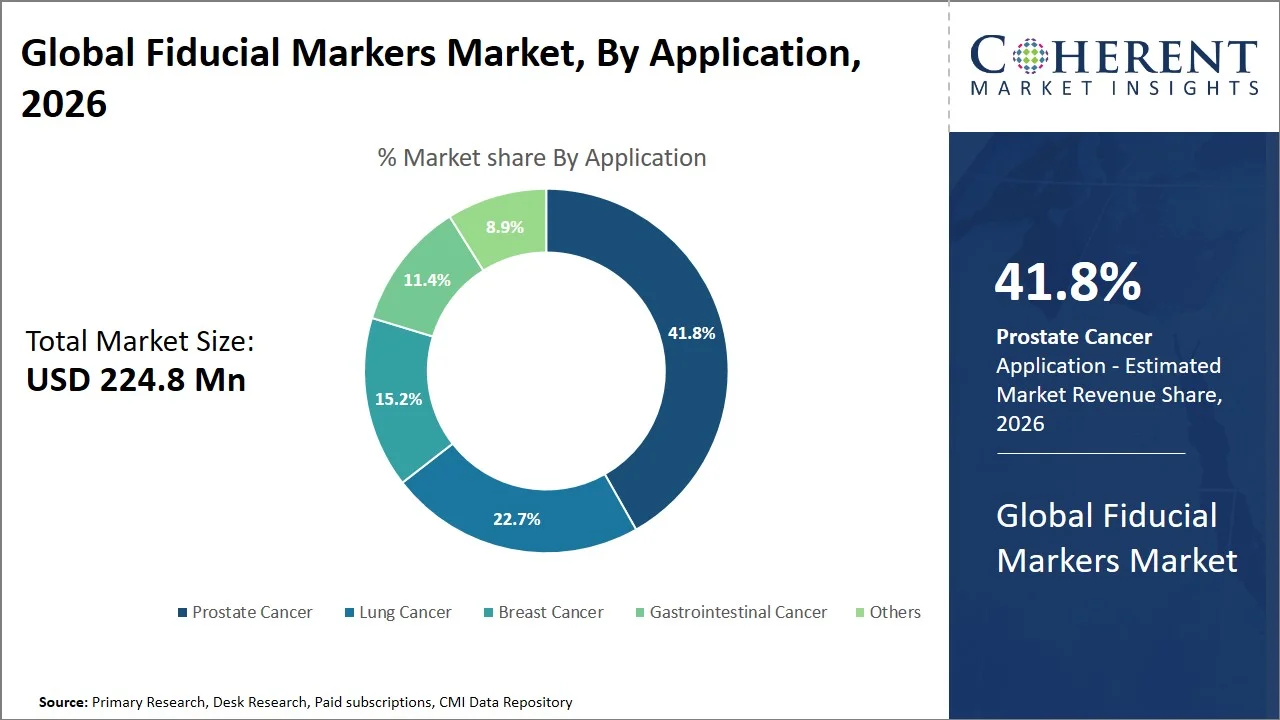
Prostate cancer is projected to hold a market share of 41.8% in 2026, driven by the widespread use of image-guided and precision radiation therapy for the treatment of prostate cancer. Correct positioning of the prostate gland is crucial as it can move due to the movement of the bladder and rectal volume, potentially causing inaccuracies in the treatment delivered by radiation therapy. The use of fiducial markers helps the clinician to achieve greater target identification, thus limiting exposure to radiation on surrounding healthy tissues and improving treatment accuracy.
The procedural integration of marker based prostate cancer treatment workflows has shown positive clinical results and further contributing to the large market share of the prostate cancer segment. For instance, the National Comprehensive Cancer Network (NCCN) - Prostate Cancer Guidelines considers image guided treatment techniques to be integral to the planning and delivery of prostate cancer radiotherapy. Growing reliance upon precision-guided treatment technologies in prostate cancer management contributes to ongoing demand for fiducial marker technologies. (Source: National Comprehensive Cancer Network)
Hospitals Segment Dominates the Global Fiducial Markers Market
The hospitals segment is projected to hold a market share of 56.4% in 2026, attributed to the virtue of the high concentration of advanced oncology infrastructure and variety of sophisticated cancer treatment procedures available at such facilities. Implantation of fiducial markers and image-guided radiation treatment relies on the participation of oncologists, radiologists and other surgeons for treatment and hence it's the hospitals where patients are most likely to get these procedures done. Moreover, hospitals possess advanced imaging systems and radiotherapy machines that are necessary for accurate treatment planning and localization of tumor and growing preference of minimally invasive procedures and precision-guided cancer treatment.
For instance, according to the National Cancer Institute-Cancer Centers Program, the centers for excellence in cancer and networks of hospitals focus on the delivery of high-level care and the integration of advanced technologies used in the treatment of cancer. Access to such highly complete and integrated treatment sites is also responsible for greater use of fiducial marker placement in hospital setting. (Source: National Cancer Institute)
Currents Events and their Impact
Current Events | Description and its Impact |
European Union Expands EUDAMED Medical Device Implementation (November 2025) |
|
FDA Expands Oncology Guidance Framework for Precision Cancer Technologies (March 2026) |
|
(Source: European Commission, Food and Drug Administration)
Fiducial Markers Market Dynamics
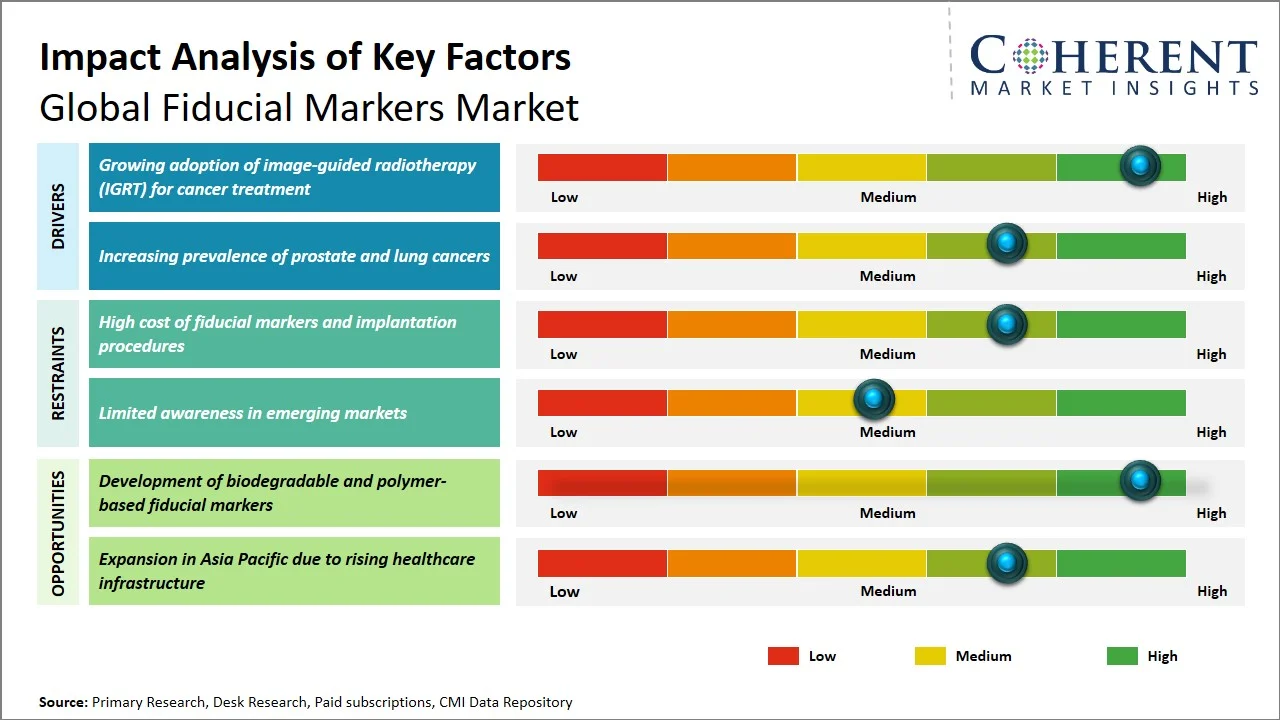
Market Drivers
- Growing adoption of image-guided radiotherapy (IGRT) for cancer treatment: Image-Guided Radiation Therapy (IGRT) is becoming a rapidly growing trend affecting the market for fiducial markers with increasing applications, which aids accurate radiation dose delivery and improves treatment accuracy. IGRT makes use of imaging technology at the time of treatment to check the target position and enables the necessary adjustments based on changes in anatomy during the treatment sessions. There has been an increase in the demand for localization-enabling technologies to achieve precise and effective treatments in oncology. For instance, Mayo Clinic highlights advanced radiation techniques aimed at precisely targeting the tumor with minimal damage to adjacent tissue, thereby encouraging wider implementation of precision-oriented oncology workflows. (Source: Mayo Clinic)
- Increasing prevalence of prostate and lung cancers: The rising prevalence of prostate and lung cancer cases globally has led to a rise in the market for fiducial markers, as both cancer types need an accurate method for locating the tumor and tracking tumor motion throughout a treatment procedure. Fiducial markers allow for more accurate targeting and delivery of radiation treatment to tumors that may move during the procedure, and increased numbers of patients who need precise oncology treatments are anticipated to increase the demand for these marker guided treatment procedures. For instance, according to the International Agency for Research on Cancer (IARC) there were around 2.5 million new cases of lung cancer globally in 2022 and 1.5 million new cases of prostate cancer, which highlights the significant market opportunity for precision oncology technologies. (Source: Global Cancer Observatory)
Emerging Trends
- Shift Toward Bioabsorbable Fiducial Marker Technologies: Bioabsorbable fiducial markers are being actively investigated due to the reduced concerns for long term implantation, and the reduced impact on imaging artifact during treatment procedure. Materials are being formulated that are compatible with a broader range of imaging techniques and optimized for improved treatment work-flow.
- Increasing Integration with Adaptive Radiation Therapy Platforms: Fiducial markers are becoming an essential part of adaptive radiotherapy (ART), an increasingly common practice where treatment plans are updated during a patient's therapy sessions according to changes in tumor size, position, or shape. This increasing usage will continue to drive the demand for highly accurate localization techniques for more accurate treatment, better clinical results, and higher accuracy of treatment.
Regional Insights
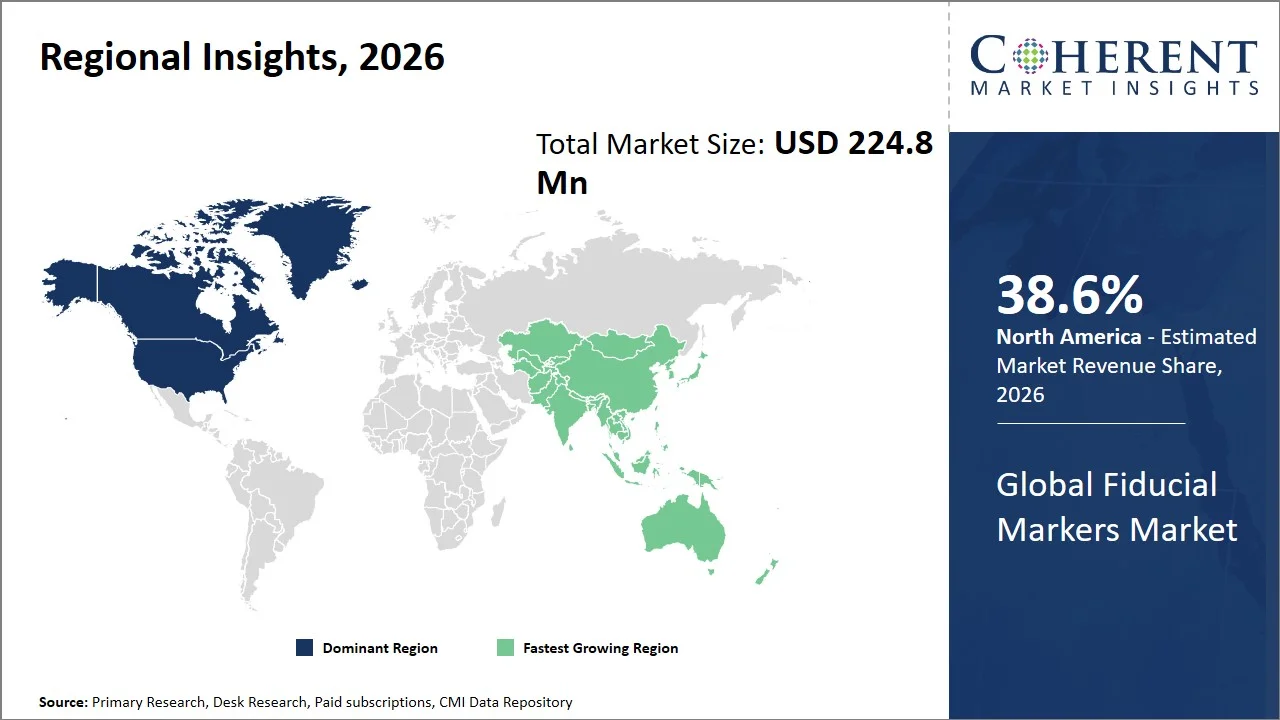
Why is North America a Strong Market for Fiducial Markers?
North America leads the global fiducial markers market, accounting for an estimated 38.6% share in 2026, attributed to the widespread adoption of advanced radiation oncology workflows for generic cancer care and comprehensive adoption of precision treatment strategies within the cancer care paradigm. The region is known for the widespread deployment of image-guided procedures, where the use of fiducial markers is significant for precise tumor targeting, treatment planning, and motion management in near real time, thereby improving the efficacy of radiotherapy driven therapy.
Moreover, rising adoption of minimally invasive implantation techniques and advanced radiotherapy modalities escalates the overall demand for fiducial marker technologies in the region. For instance, in North America, Peptide Receptor Radionuclide Therapy (PRRT) workflows using precision are being incorporated into the majority of cancer therapy services. The region’s focus on advanced cancer treatment through image-guided procedures is placing greater reliance on technologies that allow tumor target delineation and motion management, which is resulting in an increased use of fiducial marker-based systems. (Source: Radiological Society of North America, Inc.)
Why Does the Asia Pacific Fiducial Markers Market Exhibit High Growth?
The Asia Pacific fiducial markers market is expected to exhibit the fastest growth with an estimated contribution of 24.5% share to the market in 2026, driven by a new proliferation of sub-specialist cancer treatment centers and the growing implementation of advanced treatment planning systems in the oncology workflow, creating greater need for solutions that offer support and streamlined workflows to complex cancer interventions. Furthermore, the growing local production capacity and wider availability of progressive oncology diagnostic systems are further fueling the regional market.
Countries across the Asia Pacific region are actively expanding the presence of radiation oncology facilities to develop a more comprehensive cancer treatment strategy. For instance, the International Atomic Energy Agency (IAEA) remains active with the provision of assistance in the area of access to radiotherapy technology and increasing the capacity of radiotherapy services that should ensure greater use of tumor localization solutions including fiducial markers. (Source: International Atomic Energy Agency)
Global Fiducial Markers Market Outlook for Key Countries
Why is the U.S. Leading Innovation and Adoption in the Fiducial Markers Market?
The U.S. is at the forefront of innovation and adoption in the fiducial markers market attributed to the high usage of fiducial markers in sophisticated radiation oncology workflow and high usage of precision treatment planning systems. Furthermore, the adoption is fueled by the increased usage of minimally invasive implantation procedures and a high rate of collaboration among medical device manufacturers and cancer care providers for the development of this new technology. On the other hand, constant progress made by the manufacturers in areas such as compatible with imaging and treatment navigation techniques will promote the wider clinical usage of fiducial markers in all oncology applications.
Is the U.K. a Favorable Market for Fiducial Markers?
The U.K. is a lucrative market in the fiducial markers market, driven by the rising trend of the utilization of image-guided radiotherapy in the treatment of cancer and the widespread use of precise, targeting oncology. Specialized radiotherapy centers equipped with complex treatment planning systems and precise tumor localization techniques are in demand within the country. Furthermore, efforts toward increasing the precision of treatment delivery and limiting the dose received by healthy tissues enhance the use of fiducial marker-based solutions in oncology.
Is China Emerging as a Key Growth Hub for the Fiducial Markers Market?
China is projected to be the fastest growing region in the fiducial markers market driven by the evolving focus towards the widespread implementation of precision radiotherapy workflows as well as the rising incorporation of the latest imaging modalities into cancer treatment regimes. The trend for comprehensive implant of technologically advanced image-guided treatment planning systems, necessitating accurate tumor mapping is gaining popularity. Growing domestically driven investment towards medical device innovation, supporting localized product manufacturing capabilities is further expected to fuel the adoption of fiducial marker technology in oncology applications.
Why Does Germany Top the Europe Fiducial Markers Market?
Germany emerges as the leading country in the Europe fiducial markers market owing to the high adoption of precision-oriented radiation treatment workflows and widely spread utilization of incorporated imaging backed oncology procedures. The country has sophisticated radiotherapy infrastructure where precise tumor localization and motion management are still aspects of treatment design. Moreover, the growing integration of precancer treatment protocols with sophisticated technology sustains the usage of fiduciary marker solutions.
Is the Fiducial Markers Market Developing in Japan?
Japan is an emerging market for fiducial markers owing to the rising prevalence of progressive radiation planning systems and image-guided treatment workflow. Increasing use of accurate tumor localization and tracking methods to enhance treatment precision and aid motion management during radiation therapy is observed in the country. Moreover, rising integration of imaging and treatment devices is slated to support widespread application of fiducial markers in the country.
Regulatory Landscape Governing the Global Fiducial Markers Market
Region | Authority & Classification | Approval Pathway | Key Regulatory Insight |
North America | U.S. Food and Drug Administration (FDA) – Fiducial markers are generally regulated as Class II medical devices depending on intended use | 510(k) Premarket Notification demonstrating substantial equivalence to predicate devices | Focus on biocompatibility, sterility validation, imaging visibility, device safety, and labeling requirements for implantation procedures |
Europe | European Medicines Agency (EMA) / Medical Device Regulation (EU MDR 2017/745) under notified body assessment; generally, Class IIa/IIb depending on risk profile | CE Mark approval through conformity assessment and technical documentation review | Strong emphasis on clinical evidence, post-market surveillance, risk management, and long-term device safety monitoring |
Asia Pacific | National Medical Products Administration (NMPA–China), Pharmaceuticals and Medical Devices Agency (PMDA–Japan), CDSCO–India | Country-specific registration, local clinical data requirements, and product evaluation pathways | Increasing harmonization of medical device standards and growing regulatory focus on oncology and imaging device quality standards |
Latin America | ANVISA (Brazil), COFEPRIS (Mexico) | Device registration, safety and efficacy documentation submission | Regulatory frameworks are evolving toward international standards with stronger quality and compliance requirements |
Middle East & Africa | Saudi Food and Drug Authority (SFDA), UAE Ministry of Health and Prevention (MOHAP), South African Health Products Regulatory Authority (SAHPRA) | Medical device registration supported by international certifications and local review processes | Increasing healthcare investments and strengthening medical device regulations are improving market entry opportunities |
How is the development of biodegradable and polymer-based fiducial markers creating new growth opportunities in the fiducial markers market?
Innovative biodegradable and polymer-based fiducial markers are paving new opportunities in the fiducial markers market as they decrease imaging artifacts, enhance performance with new imaging modalities, and counteract the requirements for removal procedures. Such features enable them to offer superior visualization as compared to existing metallic counterparts, while addressing long-term concerns of implant practices such as decreased complications, and reduced time for placement leading to reducing patient discomfort. For instance, a prospective study published in National Library of Medicine, assessed TraceIT, a resorbable radiopaque hydrogel fiducial marker intended for radiation therapy of bladder cancer, and verified its use and feasibility in enhancing image guidance while being naturally reabsorbed. (Source: National Library of Medicine) As a result, such developments are likely to facilitate more widespread uptake of such sophisticated fiducial technologies in precision oncology.
Market Players, Key Development, and Competitive Intelligence
Key Developments
- On May 5, 2026, CQ Medical announced the purchase of .decimal to enhance patient-specific cancer care within radiation oncology workflows, a trend indicative of growing emphasis on accurate, precision-guided treatment planning and integrated cancer care. The development signals potential for increased adoption of image-guided intervention methods and indirectly, use of fiducial markers.
- In August 2025, Carbon Medical Technologies announced that its BiomarC Fiducial Markers and BiomarC Restore had achieved EU Medical Device Regulation (MDR) certification, cementing regulatory compliance for commercialization in the region. The certification is set to provide broader reach for adoption of advanced fiducial marker technologies, with better accessibility and to boost confidence in Image Guided Radiotherapy (IGRT) solutions.
Competitive Landscape
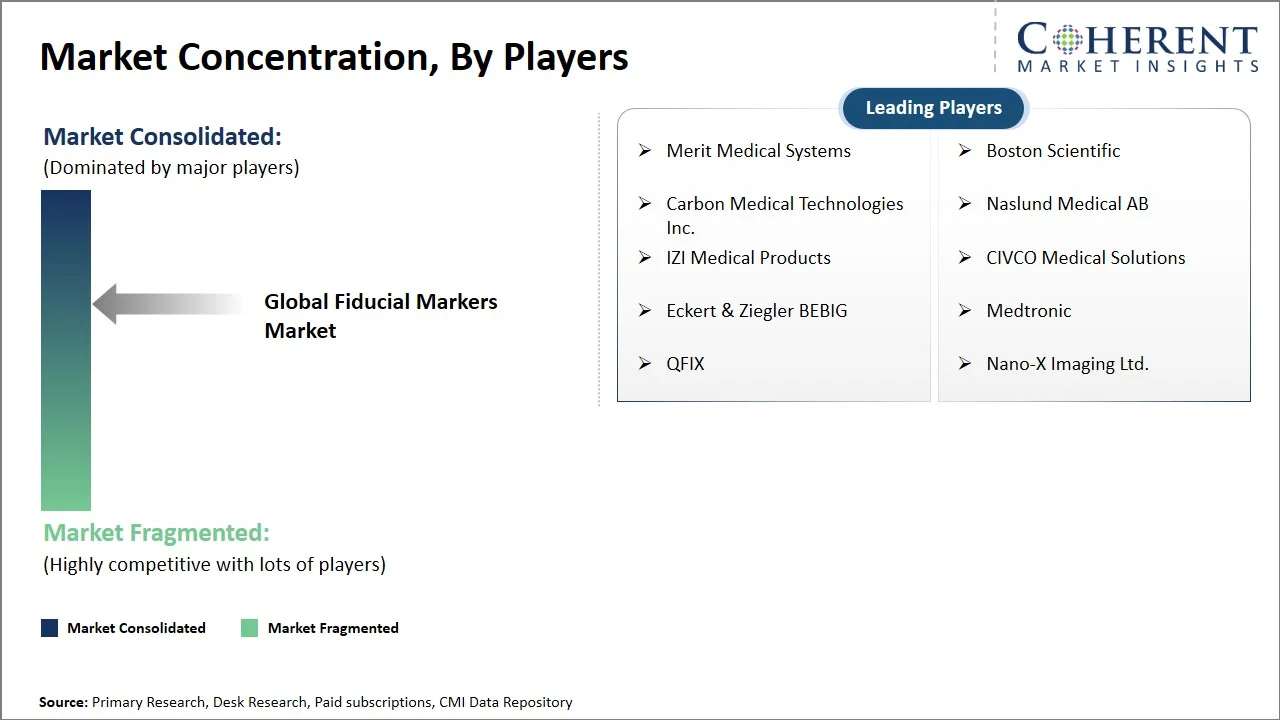
The global fiducial markers market is moderately competitive with market participants focusing on enhancing marker visibility, procedure accuracy and imaging system compatibility thus supporting current business strategy. Most of the companies are investing in next generation of marker materials and devices for minimally invasive placement, supporting the early adoption of precision oncology procedures and image-guided treatment workflow. Key focus areas include:
- Development of advanced gold, polymer, and bioabsorbable fiducial marker technologies
- Expansion of product portfolios supporting image-guided radiation therapy (IGRT) and Stereotactic Body Radiation Therapy (SBRT) applications
- Investment in minimally invasive placement systems and precision localization solutions
- Strengthening regulatory approvals, clinical collaborations, and global distribution capabilities
Market Report Scope
Fiducial Markers Market Report Coverage
| Report Coverage | Details | ||
|---|---|---|---|
| Base Year: | 2025 | Market Size in 2026: | USD 224.8 Mn |
| Historical Data for: | 2020 To 2024 | Forecast Period: | 2026 To 2033 |
| Forecast Period 2026 to 2033 CAGR: | 5% | 2033 Value Projection: | USD 316.9 Mn |
| Geographies covered: |
| ||
| Segments covered: |
| ||
| Companies covered: | Merit Medical Systems, Boston Scientific, Carbon Medical Technologies Inc., Naslund Medical AB, IZI Medical Products, CIVCO Medical Solutions, Eckert & Ziegler BEBIG, Medtronic, QFIX, and Nano-X Imaging Ltd. | ||
| Growth Drivers: |
| ||
| Restraints & Challenges: |
| ||
Analyst Opinion (Expert Opinion)
- The market for fiducial markers is likely to remain heavily influenced by the ongoing transition within the healthcare system toward higher information, precision oncology, personalized treatment planning, and the use of image-guided cancer therapy. Healthcare professionals will continue to shift away from traditional treatment regimens toward advanced targeted radiation treatment protocols that utilize precise tumor localization and monitoring throughout each treatment session. The repeated adoption of integrated technologies such as Image-Guided Radiation Therapy (IGRT), Stereotactic Body Radiation Therapy (SBRT), adaptive radiotherapy protocols, and robotic/aided treatment systems on a widespread scale is expected to be a key determining factor in the overall sustaining force driving this market in the long-term.
- The greatest potential for growth is anticipated in applications in the U.S. for prostate cancer related treatments, driven by the significant prostate cancer burden, and the increasing utilization of precision radiotherapy approaches by hospitals and specialty cancer centers in the United States. The U.S. Health care system has invested heavily in superior infrastructure for cancer care, including radiotherapy infrastructure and advanced radiotherapy technologies, providing a conducive environment for increasing usage of fiducials markers. Opportunities are also expected to grow in lung and gastrointestinal applications where accurate tumor motion management and lesion localization is still an integral part of many modern radiotherapy treatment paradigms.
- To create a sustainable and long-term strategic advantage, industry players should focus on development of advanced next-generation fiducial markers with added benefits of better imaging compatibility, visualization, and ease of implantation through minimally invasive procedures. It also involves forging new collaborations with cancer treatment centers, radiotherapy equipment manufacturers and hospitals and other health care systems to foster stronger market penetration and product acceptance. Increasing spends on clinical validation trials, obtaining regulatory clearances, and exploring target geographies within emerging health care markets is likely to pave path for established market leaders to capture future growth in this market.
Speak to the analyst
Want personalized insights?
Take the findings above to one of our principal consultants, or have the report rebuilt around the segments, geographies and competitors you actually track.
Market Segmentation
- Product Type Insights (Revenue, USD Mn, 2021 - 2033)
- Gold Fiducial Markers
- Polymer Fiducial Markers
- Liquid Fiducial Markers
- Others
- Application Insights (Revenue, USD Mn, 2021 - 2033)
- Prostate Cancer
- Lung Cancer
- Breast Cancer
- Gastrointestinal Cancer
- Others
- End User Insights (Revenue, USD Mn, 2021 - 2033)
- Hospitals
- Radiotherapy Centers
- Research Institutes and Specialty Clinics
- Others
- Regional Insights (Revenue, USD Mn, 2021 - 2033)
- North America
- U.S.
- Canada
- Latin America
- Brazil
- Argentina
- Mexico
- Rest of Latin America
- Europe
- Germany
- U.K.
- Spain
- France
- Italy
- Russia
- Rest of Europe
- Asia Pacific
- China
- India
- Japan
- Australia
- South Korea
- ASEAN
- Rest of Asia Pacific
- Middle East
- GCC Countries
- Israel
- Rest of Middle East
- Africa
- South Africa
- North Africa
- Central Africa
- North America
- Key Players Insights
- Merit Medical Systems
- Boston Scientific
- Carbon Medical Technologies Inc.
- Naslund Medical AB
- IZI Medical Products
- CIVCO Medical Solutions
- Eckert & Ziegler BEBIG
- Medtronic
- QFIX
- Nano-X Imaging Ltd.
Sources
Primary Research Interviews
- Radiation oncologists and interventional radiologists utilizing fiducial marker-guided treatment procedures
- Oncology specialists and cancer care physicians involved in precision radiotherapy planning
- Hospital procurement managers and medical device specialists involved in radiation oncology equipment purchasing
- Medical imaging professionals and cancer treatment center administrators
Stakeholders
- Fiducial marker manufacturers and radiation oncology solution providers
- End-use Sectors
- Hospitals and cancer treatment centers
- Ambulatory surgical and oncology care centers
- Specialized radiotherapy and diagnostic imaging centers
- Academic and healthcare research institutions
- Oncology clinics and precision medicine facilities
- Regulatory & Health Bodies: U.S. Food and Drug Administration (FDA) – medical device approvals and oncology device compliance, European Medicines Agency (EMA) – healthcare device safety and regulatory standards, Pharmaceuticals and Medical Devices Agency (PMDA), Japan – medical device approvals and monitoring, National Medical Products Administration (NMPA), China – medical device registration and regulatory oversight, World Health Organization (WHO) – global cancer burden and healthcare statistics
Databases
- WHO Global Health Observatory – cancer incidence and healthcare infrastructure statistics
- Global Cancer Observatory (GLOBOCAN) – cancer prevalence and mortality data
- Surveillance, Epidemiology, and End Results (SEER) Database – cancer epidemiology and treatment trends
- FDA Medical Device Databases – device approvals and safety information
- OECD Health Statistics – healthcare expenditure and oncology infrastructure data
Magazines
- MedTech Dive – medical device and oncology technology trends
- Medical Device Network – radiation oncology and imaging innovation updates
- Healthcare Technology Report – cancer care and medical technology developments
- RT: For Decision Makers in Radiation Oncology – radiotherapy technology trends
Journals
- International Journal of Radiation Oncology, Biology, Physics
- Radiotherapy and Oncology Journal
- Journal of Applied Clinical Medical Physics
- Journal of Cancer Research and Clinical Oncology
- Brachytherapy Journal
Newspapers
- Financial Times – healthcare and medical technology industry coverage
- The Wall Street Journal – medical device and healthcare market developments
- The New York Times (Health Section) – oncology and healthcare innovation trends
- The Guardian (Science & Health) – global medical technology developments
Associations
- American Society for Radiation Oncology (ASTRO)
- European Society for Radiotherapy and Oncology (ESTRO)
- American Association of Physicists in Medicine (AAPM)
- Society of Interventional Radiology (SIR)
- American Cancer Society (ACS)
Public Domain Sources
- World Health Organization (WHO) – cancer burden and healthcare statistics
- Centers for Disease Control and Prevention (CDC) – cancer prevalence and treatment utilization data
- U.S. Food and Drug Administration (FDA) – medical device approval and compliance framework
- National Cancer Institute (NCI) – oncology research and treatment statistics
- OECD – healthcare expenditure and oncology infrastructure statistics
Proprietary Elements
- CMI Data Analytics Tool, Proprietary CMI Existing Repository of information for last 10 years.
Get access to 250+ pages report
Every segment, forecast, competitor profile and data table behind the analysis above — available for instant download.
- ESOMAR Member
- ISO 9001:2015 Certified
- D-U-N-S Registered
- GDPR & CCPA Compliant
Missing comfort of reading report in your local language? Find your preferred language:
Transform your Strategy with Exclusive Trending Reports
Frequently Asked Questions
The global fiducial markers market is estimated to be valued at USD 224.8 Mn in 2026 and is expected to reach USD 316.9 Mn by 2033.
Gold fiducial markers dominate due to their superior radiopacity, high biocompatibility, minimal migration risk, and excellent visibility across imaging modalities such as CT and X-ray, enabling accurate tumor localization during radiotherapy procedures.
Fiducial markers are small implantable devices placed near or within a tumor to improve localization and tracking accuracy during image-guided diagnostic and radiation treatment procedures.
The CAGR of the global fiducial markers market is projected to be 5% from 2026 to 2033.
Growing adoption of image-guided radiotherapy (IGRT) for cancer treatment, and increasing prevalence of prostate and lung cancers are the major factors driving the growth of the global fiducial markers market.
High cost of fiducial markers and implantation procedures, and limited awareness in emerging markets are the major factors hampering the growth of the global fiducial markers market.
In terms of application, prostate cancer is estimated to dominate the market revenue share in 2026.