

Global Gel Ice Pack Market Size and Forecast – 2026 to 2033
The Global Gel Ice Pack Market is estimated to be valued at USD 340.1 Mn in 2026 and is expected to reach USD 633.9 Mn by 2033, exhibiting a compound annual growth rate (CAGR) of 9.3% from 2026 to 2033. This steady growth reflects increasing demand across the healthcare, sports therapy, and food transportation sectors, driven by heightened awareness about injury prevention and temperature-sensitive logistics.
Key Takeaways of the Global Gel Ice Pack Market
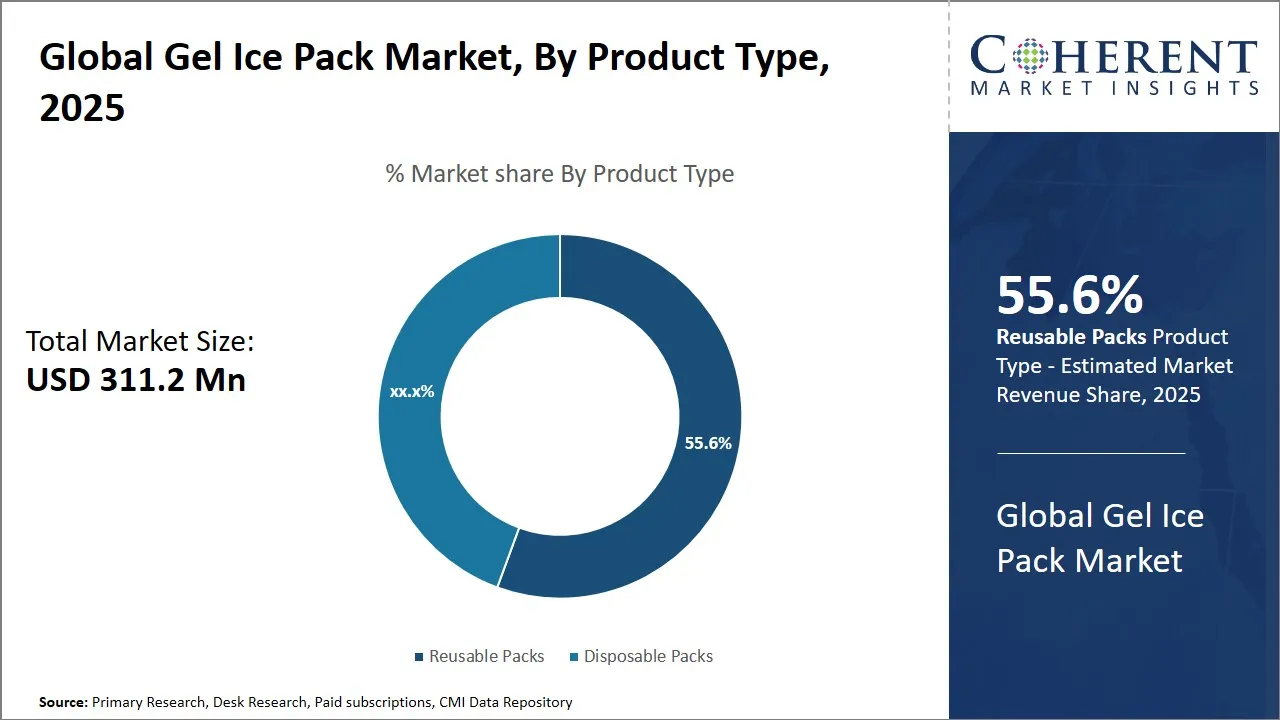
- In terms of product type, reusable packs are expected to dominate the global gel ice pack market, holding a 56.6% share in 2026.
- Post-surgery recovery segment leads the market by application, accounting for an estimated 33.1% of the market share in 2026.
- Among the materials used in gel ice packs, non-toxic gel packs are projected to hold the largest market share at 57.8% in 2026.
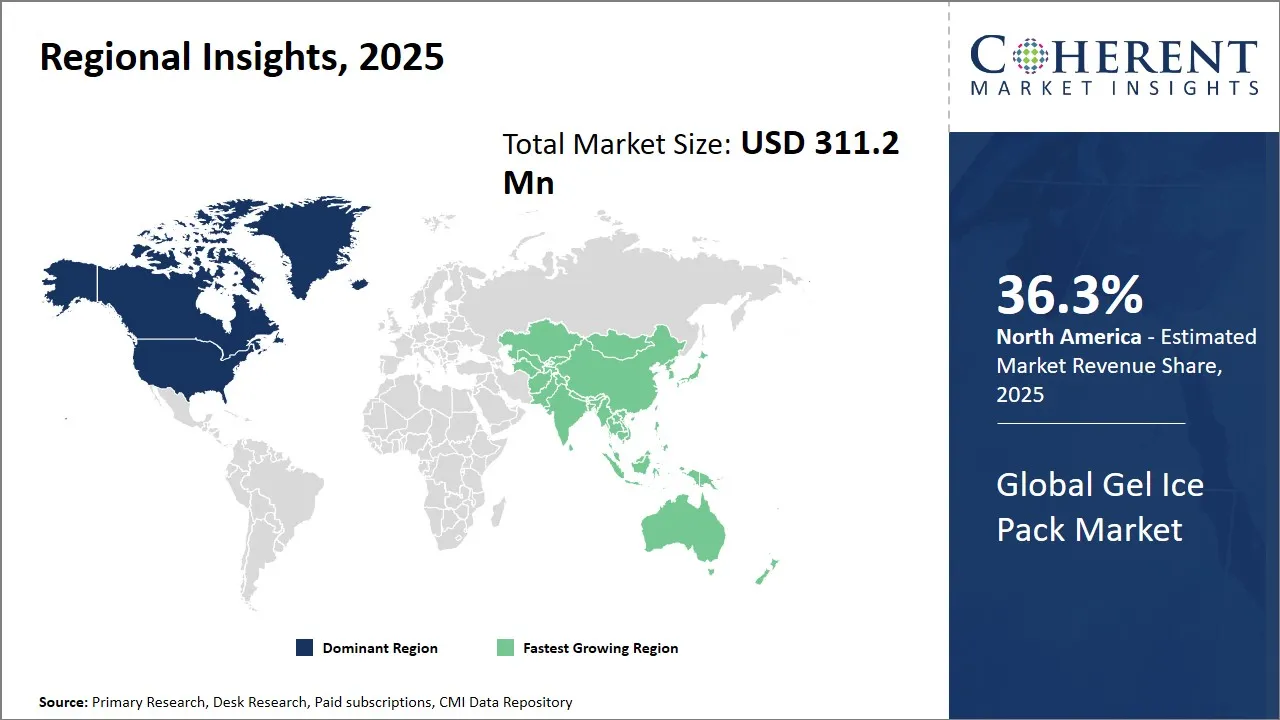
- North America is expected to lead the market, holding a share of 36. 3% in 2026. Asia Pacific is anticipated to be the fastest-growing region, with a market share of 29.2% in 2026.
Market Overview
Current market trends indicate a rising preference for eco-friendly and reusable gel ice packs, propelled by growing environmental concerns and regulatory pressures. Additionally, innovations in material technology enhancing durability and cooling efficiency are gaining traction. The increasing adoption of gel ice packs in cold chain management and outpatient care settings further supports market expansion, while rising consumer focus on convenience and safety is shaping product development strategies globally.
Currents Events and their Impact
Current Events | Description and its impact |
Rising Chronic Pain Prevalence |
|
Cold Chain Expansion for Biologics |
|
Segmental Insights
- Current Industry Events of 2026
- Market Size Estimation
- Regional Breakdown
- Competitive Landscape
- Customer Intelligence
- Segmental Analysis
- Pricing Analysis
- Key Market Drivers, Challenges & Future Trends
- Customized Insights Section
Gel Ice Pack Market Insights, By Product Type - Reusable Packs Dominate by Offering Sustainability and Cost Efficiency
In terms of product type, reusable packs dominate the global gel ice pack market with an estimated share of 56.6% in 2026, primarily due to their inherent sustainability and long-term cost benefits. Unlike disposable packs which are designed for single use, reusable packs can withstand multiple freeze-thaw cycles without degrading in quality, making them a preferred choice across both consumer and professional sectors. This durability addresses growing consumer awareness around environmental concerns and waste reduction, positioning reusable packs as an eco-friendly alternative in a market increasingly driven by sustainability values.
Additionally, the cost-effectiveness of reusable gel ice packs propels their widespread adoption. While the initial purchase price might be slightly higher compared to disposable options, their repeated usability translates into lower costs over time. For healthcare providers, athletic organizations, and individual users frequently relying on cold therapy, reusable packs represent a practical investment that delivers continual value without the need for constant replacement. This financial advantage is especially appealing in institutional settings where budget constraints are balanced with the need for effective treatment tools.
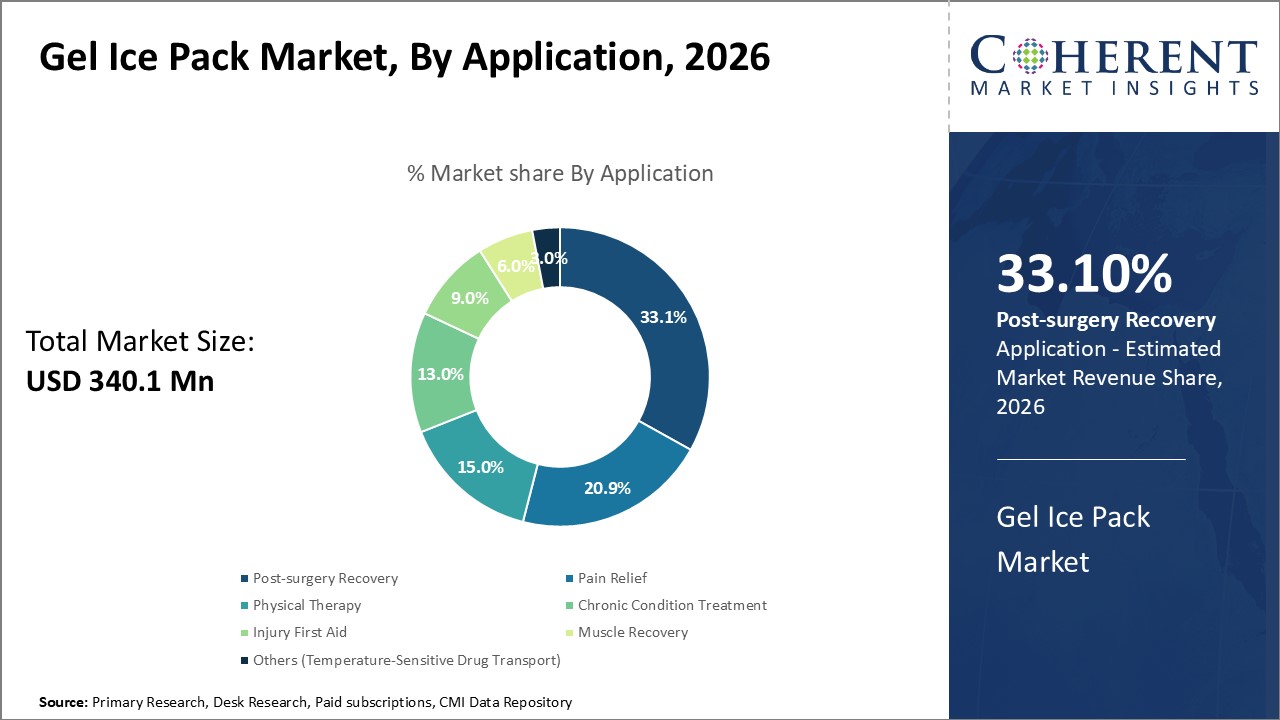
Gel Ice Pack Market Insights, By Application - Post-surgery Recovery Segment Commands Leading Market Share Due to Rising Patient Care Focus and Clinical Advancements
The post-surgery recovery segment is expected to command the highest share in the global gel ice pack market by application with a share of 33.1% in 2026, driven by a confluence of factors related to patient care optimization and advancements in clinical protocols. Cold therapy is widely recognized as a non-invasive, drug-free intervention crucial for managing pain, reducing inflammation, and expediting healing post-surgery. As surgical procedures continue to increase globally, especially in aging populations and emerging economies, the demand for effective recovery aids like gel ice packs grows concomitantly.
Increasing awareness among healthcare providers about the benefits of cold therapy during the recovery phase encourages the integration of gel ice packs into standard post-operative care regimens. Hospitals and rehabilitation centers actively recommend their use to manage swelling and discomfort associated with various surgical interventions—ranging from orthopedic operations like joint replacements and arthroscopic surgeries to cosmetic or dental surgery. This clinical endorsement instills trust, fostering broader adoption of gel ice packs in recovery settings.
Gel Ice Pack Market Insights, By Material - Dominance of Non-toxic Gel Packs is Fueled by Growing Health Consciousness and Regulatory Emphasis
Among materials used in gel ice packs, non-toxic gel packs hold the largest market share with an estimated share of 57.8% in 2026, reflecting the heightened priority consumers and manufacturers place on safety and environmental responsibility. The direct skin contact and prolonged exposure associated with gel ice pack usage necessitate materials that minimize health risks, such as allergic reactions or chemical hazards. Non-toxic gels meet this expectation by employing formulations free from harmful substances, making them particularly suitable for medical applications, pediatric care, and sensitive user groups.
For instance, in May 2025, Gelpax.com, a top North American manufacturer, is revolutionizing the gel ice pack market with customizable, full-color branded products. Ideal for healthcare recovery and promotional giveaways, Gelpax offers businesses durable ice packs with vibrant logos and messages. Made from medical-grade materials, these gel ice packs ensure safety and effectiveness, with orders shipped within 10 business days. Co-founder Mr. Aston Scott highlights their versatility, making them both a practical healthcare solution and a powerful branding tool.
Regional Insights
North America Gel Ice Pack Market Analysis and Trends
North America’s dominance in the global gel ice pack market, with an estimated share of 36.3% in 2026, is driven by a highly developed healthcare infrastructure and strong presence of key industry players. The established ecosystem supports advanced manufacturing capabilities and extensive distribution networks. Additionally, stringent government regulations on product safety and environmental standards push companies to innovate better-quality, reusable gel ice packs. The region’s robust trade relationships facilitate the steady import and export of raw materials and finished products, aiding supply chain stability. Prominent companies like Cryopak, Alaska Bear, and VViViD contribute significantly by offering a wide variety of innovative gel ice pack solutions tailored for medical use, sports injury treatment, and cold chain logistics, further strengthening North America’s market leadership.
For example, Nordic Ice, based in the U.S, offers a wide range of high-performance gel ice packs for medical, food, and retail applications. Its products include regular gel packs in various sizes, no sweat gel packs designed to minimize condensation, linked gel packs for efficient refrigerant use, and eco-friendly paper gel packs made from biodegradable materials. These gel packs are designed for temperature-sensitive products, ensuring reliable thermal protection during transport.
Asia Pacific Gel Ice Pack Market Analysis and Trends
The Asia Pacific region is expected to exhibit the fastest growth for gel ice packs due to rising healthcare expenditures with a share of 29.2% in 2026, increasing awareness about injury prevention in sports, and expanding cold chain transportation in pharmaceutical and food industries. Favorable government initiatives aimed at improving healthcare infrastructure, along with economic growth in emerging countries, underpin this expansion.
The presence of burgeoning manufacturing hubs in China, India, and Southeast Asia allows for cost-effective production, attracting both domestic and international companies. Key players such as Hangzhou ZH Packaging, Coolpac, and Guangzhou Qingce Medical Devices are expanding product lines and distribution channels, supported by improving trade policies and expanding e-commerce penetration, which collectively accelerate market adoption in this region.
Global Gel Ice Pack Market Outlook for Key Countries
U.S. Gel Ice Pack Market Trends
The U.S. gel ice pack market is characterized by the presence of well-established healthcare and sports therapy sectors, with companies like Cryopak and VViViD emphasizing product innovation and sustainability. Regulatory compliance regarding safety and environmental impact pushes firms to develop non-toxic, reusable gel packs. The country’s advanced cold chain logistics infrastructure enhances demand within pharmaceutical and food preservation applications. Partnerships with healthcare providers and sports organizations further anchor the gel ice pack market’s growth and strengthening consumer trust in these products.
For example, Cold Ice, based in California, U.S., serves North America with gel ice packs and frozen gel bags, targeting the food, pharmaceutical, and medical industries to maintain temperature integrity during transit. They are known for offering reliable and cost-effective cooling solutions.
Australia Gel Ice Pack Market Trends
The Australia gel ice pack market is driven by several key trends, including a growing shift toward sustainable packaging solutions, with a focus on recyclable and biodegradable materials. The expansion of cold chain logistics and the rise of e-commerce and direct-to-consumer deliveries are increasing the demand for efficient cooling solutions. Additionally, stricter food safety regulations are pushing industries to adopt high-quality gel ice packs to maintain product integrity. These trends highlight the market's evolution towards more eco-friendly and efficient solutions in response to growing environmental and logistical demands.
For example, Techniice, based in Australia, operates in the Asia Pacific and North American regions and provides reusable gel ice packs for sports recovery, medical, and food applications. Their products are known for long-lasting cooling and flexibility during use.
Germany Gel Ice Pack Market Trends
Germany continues to lead the European gel ice pack market, supported by its strong industrial base and stringent medical product regulations that ensure high-quality standards in gel ice pack manufacturing. Companies such as Hartenstein and Ofa Bamberg are key contributors, focusing on product applications in rehabilitation and physiotherapy. Germany’s well-developed healthcare ecosystem and favorable government support for medical technology innovation encourage ongoing advancements. Additionally, the country’s strategic trade ties with neighboring European nations facilitate smooth market penetration and distribution.
China Gel Ice Pack Market Trends
China’s gel ice pack market is rapidly expanding, fueled by the country’s growing healthcare infrastructure and increased investments in cold chain logistics. Domestic companies like Hangzhou ZH Packaging and Guangzhou Qingce Medical Devices benefit from supportive government policies aimed at boosting local manufacturing and export capabilities. The rising popularity of sports and fitness activities among the population also drives consumer demand. Furthermore, China serves as a global manufacturing hub offering cost-efficient production, attracting multinational corporations to establish joint ventures and broaden their market reach.
For example, Ningbo Hejia Ice Pack Co., Ltd., based in Ningbo, China, specializes in gel ice packs for food and medical industries. Known for producing custom-sized and reusable gel packs, they are recognized for their thermal efficiency.
End User Feedback and Unmet Needs: Global Gel Ice Pack Market
- In the healthcare sector, gel ice packs are a crucial tool for managing pain, inflammation, and swelling post-surgery or injury. End users, including hospitals, clinics, and rehabilitation centers, have consistently highlighted their satisfaction with the product's effectiveness in providing localized cold therapy. A commonly cited positive feature is the gel’s ability to maintain a consistent temperature for extended periods, significantly improving post-operative recovery for patients. For instance, a prominent rehabilitation center reported that the reusable gel packs provided better temperature retention compared to traditional ice bags, enhancing patient comfort during therapy sessions. This feature has been especially appreciated in settings where rapid and effective recovery is paramount.
- However, feedback also reveals concerns regarding the lack of flexibility and comfort, especially for patients with varying body types. Many healthcare professionals note that the gel packs, though effective, do not always conform well to anatomical contours, particularly around joints like the knee or shoulder. This has been frequently mentioned as a limitation by hospitals dealing with post-surgical patients. Additionally, the packs' weight and rigidity often make them less suitable for long-term use, leading to a need for more ergonomic designs.
- Unmet needs in this market include better customization to cater to diverse body shapes, enhanced comfort, and more affordable options for large-scale healthcare providers. Addressing these gaps could open up growth opportunities by improving patient experience, driving product adoption, and fostering innovation in cold therapy solutions that could eventually integrate with smart technology for real-time temperature regulation and tracking. This could not only improve customer retention but also position manufacturers as leaders in providing comprehensive, patient-centered solutions.
Market Players, Key Developments, and Competitive Intelligence
Key Developments
- In May 2025, Hydropac, a leading provider of sustainable cold chain solutions, is calling on the industry to address the environmental impact of gel ice packs, which contribute to microplastic pollution. With increasing sustainability efforts in the food, beverage, and pet food sectors, Hydropac's "Switching Sides" campaign seeks to raise awareness, reduce waste, and encourage the adoption of more sustainable cold chain solutions. The initiative highlights the need to move away from conventional gel ice packs and embrace eco-friendly alternatives for a cleaner future.
- In July 2024, Cryopak, a leading provider of cold chain packaging and temperature monitoring solutions, acquired the Gel Ice Pack manufacturing segment of Garden State Cold Storage (GSCS). This acquisition allows Cryopak to produce Gel Ice Packs and execute freezing operations at the same location, improving efficiency, reducing costs, and shortening lead times.
Top Strategies Followed by Global Gel Ice Pack Market Players
- Established market leaders invest heavily in research and development (R&D) to drive continuous innovation, enhancing the performance and functionality of their products. This focus on high-performance gel ice packs enables them to meet evolving consumer demands and regulatory standards. Moreover, these industry giants strategically form partnerships and collaborations with major stakeholders, including original equipment manufacturers (OEMs) and key suppliers, to consolidate their market share and broaden their influence across various applications such as medical, commercial, and sports sectors.
- For example, Thermo Fisher Scientific has enhanced its cold chain logistics offerings by developing temperature-stable gel packs used in pharmaceutical and biotech shipments, helping ensure compliance with strict regulatory standards.
- Mid-level players in the gel ice pack market primarily adopt strategies that emphasize cost-effectiveness without compromising product quality. Recognizing the significance of price-sensitive segments, these companies balance affordability with acceptable performance standards, catering to consumers seeking reliable yet economical solutions. By optimizing manufacturing processes and sourcing cost-efficient materials, mid-tier firms successfully position themselves as value-for-money providers within regional or niche markets.
- For example, Polar Tech Industries offers economical yet durable gel ice packs and partners with regional distributors to expand its footprint in North America. Polar Tech Industries focuses on producing gel ice packs that are affordable and cost-effective, making them attractive for bulk buyers like hospitals, logistics companies, and e-commerce platforms that require temperature control in packaging.
- Small-scale players in the global gel ice pack market adopt distinctive strategies designed to differentiate themselves amid intense competition. Often targeting specialized niches, these companies concentrate on developing innovative products with unique features, such as eco-friendly materials, custom shapes, or enhanced thermal retention capabilities. By leveraging cutting-edge technologies like advanced polymer gels or sustainable manufacturing practices, small enterprises maintain a competitive edge and appeal to particular consumer segments seeking specialized solutions.
- For example, FlexiKold is a company offering reusable gel ice packs with custom sizes and shapes. It emphasizes the use of advanced polymer gels to improve thermal performance. FlexiKold partners with regional distributors and health-focused startups to enhance visibility in specific markets, such as athletic training and physical therapy.
Market Report Scope
Gel Ice Pack Market Report Coverage
| Report Coverage | Details | ||
|---|---|---|---|
| Base Year: | 2025 | Market Size in 2026: | USD 340.1 Mn |
| Historical Data for: | 2020 To 2024 | Forecast Period: | 2026 To 2033 |
| Forecast Period 2026 to 2033 CAGR: | 9.3% | 2033 Value Projection: | USD 633.9 Mn |
| Geographies covered: |
| ||
| Segments covered: |
| ||
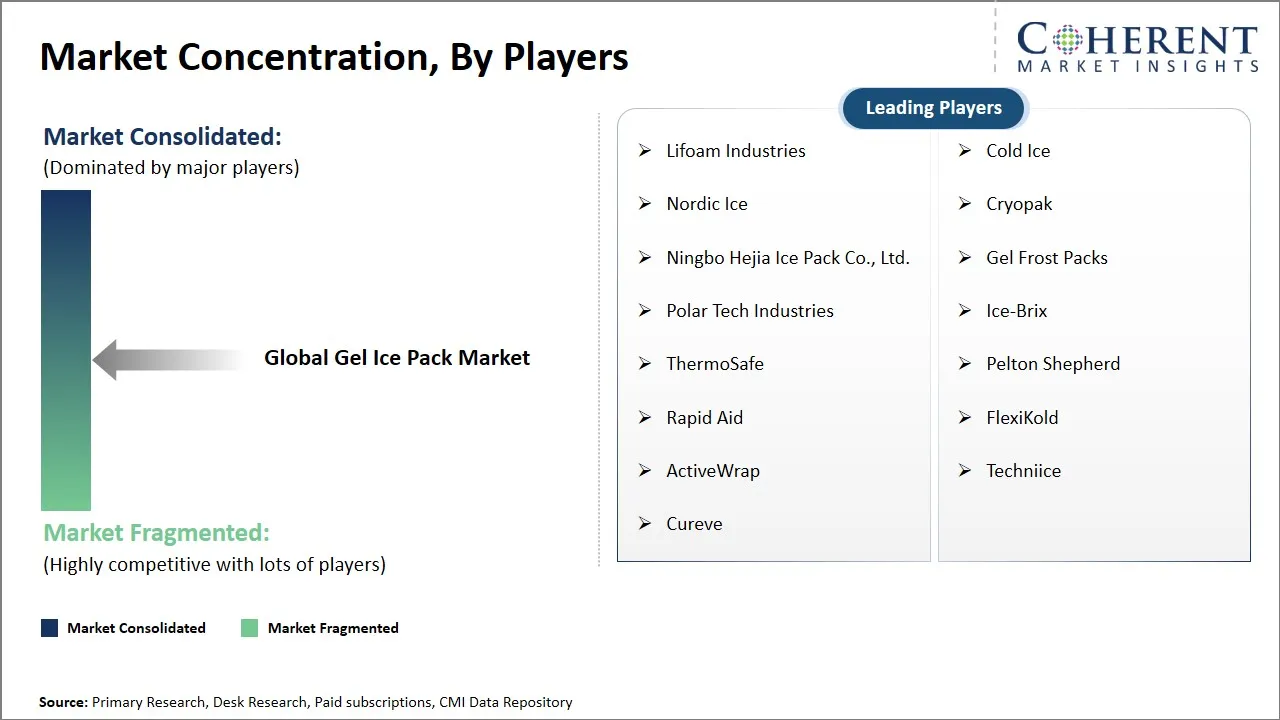
| Companies covered: | Lifoam Industries, Cold Ice, Nordic Ice, Cryopak, Ningbo Hejia Ice Pack Co., Ltd., Gel Frost Packs, Polar Tech Industries, Ice-Brix, ThermoSafe, Pelton Shepherd, Rapid Aid, FlexiKold, ActiveWrap, Techniice, and Cureve | ||
| Growth Drivers: |
| ||
| Restraints & Challenges: |
| ||
Global Gel Ice Pack Market Dynamics
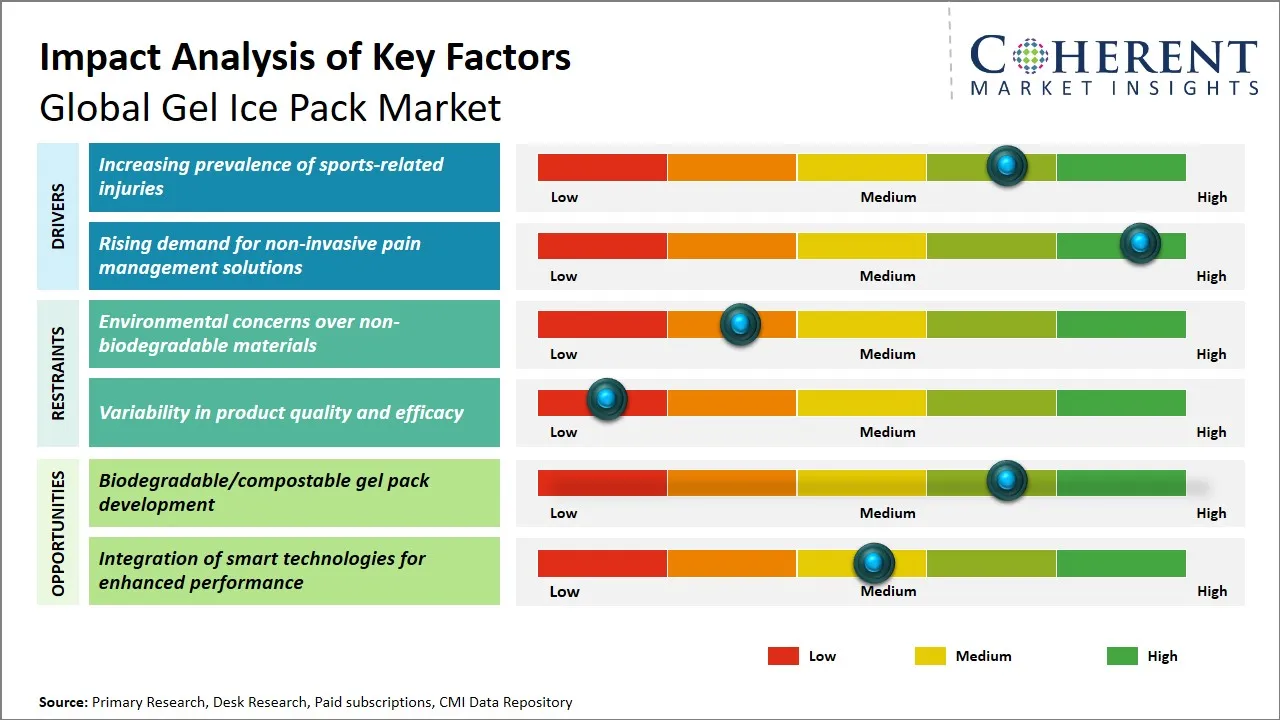
Global Gel Ice Pack Market Driver - Increasing Prevalence of Sports-related Injuries
The growing popularity of various sports and physical activities across all age groups has led to a significant increase in sports-related injuries, which, in turn, is driving the demand for gel ice packs globally. Athletes, whether professional or amateur, frequently experience acute injuries such as sprains, strains, bruises, and muscle inflammation that require immediate and effective first aid treatment to manage pain and swelling. Gel ice packs have become a preferred choice due to their convenience, reusability, and ability to conform to different body parts, enabling targeted relief. Furthermore, the expanding focus on injury prevention and rehabilitation within sports medicine emphasizes the importance of cold therapy as a non-invasive and cost-effective solution. This trend is particularly prominent as more people engage in high-intensity training and competitive sports, increasing the necessity for reliable pain management tools.
In February 2024, a recent study presented at the 2024 Annual Meeting of the American Academy of Orthopaedic Surgeons highlighted a significant increase in sports-related injuries among seniors aged 65 and older. From 2012 to 2021, sports injuries in this age group rose from 55,684 to 93,221, with projections showing a 123% increase by 2040. The most common injuries were fractures, especially in the elbow and upper leg, correlating with increased participation in activities like cycling and scooters. However, the number of orthopedic surgeons is expected to grow only modestly, creating a potential gap between demand and availability. This trend underscores the need for a patient-centered approach to address the unique needs of older adults engaging in sports.
Global Gel Ice Pack Market Opportunity - Development of Biodegradable and Compostable Gel Ice Packs
The growing consumer and regulatory emphasis on environmental sustainability presents a significant opportunity in the global gel ice pack market through the development and adoption of biodegradable and compostable gel ice packs. Traditional gel ice packs are predominantly made from non-biodegradable materials such as polyethylene and other synthetic polymers, which pose considerable environmental challenges, particularly in terms of plastic waste accumulation and long-term landfill burden. As governments worldwide implement stringent regulations aimed at reducing plastic pollution and encouraging eco-friendly packaging solutions, manufacturers in the gel ice pack segment are increasingly incentivized to innovate with sustainable materials. Biodegradable and compostable gel ice packs, produced using plant-based polymers and natural gel components, can decompose more readily in natural environments, aligning with circular economy principles and reducing environmental impact.
In November 2022, Lifoam Industries, a division of LifeMade Products LLC, introduced its new recyclable Propak gel pack at PACK EXPO 2022, designed for sustainable temperature-controlled shipping. The new gel bags, packaged in recyclable film, are ideal for applications such as food deliveries and pharmaceutical shipping.
Analyst Opinion (Expert Opinion)
- The global gel ice pack market is poised for robust growth, fueled by a rising preference for non-invasive pain management options in healthcare and sports sectors. With a growing emphasis on personalized healthcare, consumers are increasingly seeking solutions that combine both functionality and sustainability. Companies are capitalizing on technological advancements in gel formulations, creating products that not only improve efficiency but also cater to the eco-conscious consumer.
- The shift towards biodegradable and plant-based alternatives presents a significant opportunity, particularly as environmental concerns continue to gain traction. Additionally, the integration of smart features like real-time temperature monitoring and remote control aligns with the growing demand for smarter, more tailored healthcare solutions. With the rising elderly population and a surge in sports-related injuries, the market is well-positioned to expand, driven by both technological innovations and evolving consumer preferences.
- However, the market faces challenges including environmental concerns over non-biodegradable materials and fluctuating raw material prices. Notable industry events like the International Cold Chain Conference and Packaging Innovations Expo have been key in shaping industry strategies and fostering collaborations, while highlighting trends in sustainable packaging and cold chain logistics. Real-world examples such as Polar Tech Industries' adoption of eco-friendly gel packs and the Cryopak collaboration with healthcare providers for customized solutions are paving the way for future innovation. These efforts, combined with the growing focus on sustainability, are expected to continue influencing the market’s trajectory.
Speak to the analyst
Want personalized insights?
Take the findings above to one of our principal consultants, or have the report rebuilt around the segments, geographies and competitors you actually track.
Market Segmentation
- Product Type Insights (Revenue, USD Mn, 2021 - 2033)
- Reusable Packs
- Disposable Packs
- Application Insights (Revenue, USD Mn, 2021 - 2033)
- Post-surgery Recovery
- Pain Relief
- Physical Therapy
- Chronic Condition Treatment
- Injury First Aid
- Muscle Recovery
- Others (Temperature-Sensitive Drug Transport)
- Material Insights (Revenue, USD Mn, 2021 - 2033)
- Non-toxic Gel Packs
- Medical-grade Gel
- Plant-based Gel
- Toxic-Free Gel Packs
- PVC-based Gel
- Non-toxic Gel Packs
- End User Insights (Revenue, USD Mn, 2021 - 2033)
- Hospitals and Clinics
- Home Healthcare Patients
- Pharmaceutical and Logistics Companies
- Sports Facilities and Athletes
- Others
- Distribution Channel Insights (Revenue, USD Mn, 2021 - 2033)
- Online Sales
- Offline Sales
- Regional Insights (Revenue, USD Mn, 2021 - 2033)
- North America
- U.S.
- Canada
- Latin America
- Brazil
- Argentina
- Mexico
- Rest of Latin America
- Europe
- Germany
- U.K.
- Spain
- France
- Italy
- Russia
- Rest of Europe
- Asia Pacific
- China
- India
- Japan
- Australia
- South Korea
- ASEAN
- Rest of Asia Pacific
- Middle East
- GCC Countries
- Israel
- Rest of Middle East
- Africa
- South Africa
- North Africa
- Central Africa
- North America
- Key Players Insights
- Lifoam Industries
- Cold Ice
- Nordic Ice
- Cryopak
- Ningbo Hejia Ice Pack Co., Ltd.
- Gel Frost Packs
- Polar Tech Industries
- Ice-Brix
- ThermoSafe
- Pelton Shepherd
- Rapid Aid
- FlexiKold
- ActiveWrap
- Techniice
- Cureve
Sources
Primary Research Interviews
- Product Development Manager – Reusable Gel Pack Manufacturer
- Procurement Head – Hospital and Medical Supply Chain
- Sustainability Consultant – Cold Chain Packaging Solutions
- Sales Director – E-commerce Medical Supplies Retailer (U.S. & Europe)
Stakeholders
- Gel Ice Pack Manufacturers
- Cold Chain Logistics Providers
- Online Health & Wellness Retailers
- Pharmaceutical Distributors and Vaccine Transportation Services
- Packaging Material Innovators
- Environmental Compliance Agencies and Consultants
Databases
- UN Comtrade – Trade Data on Reusable/Disposable Ice Packs
- WHO Cold Chain Equipment Performance Data
Magazines
- Cold Chain Management Review
- Healthcare Packaging Magazine
- Pharmaceutical Commerce
- Packaging Europe
- Frozen & Refrigerated Buyer
Journals
- International Journal of Pharmaceutics (Cold Storage in Pharma Supply Chain)
- Journal of Packaging Technology and Research
- International Journal of Medical Sciences and Packaging
- Journal of Thermal Biology (Thermal Retention Research)
- Transportation Research Part E Logistics and Transportation Review
Newspapers
- The New York Times – Healthcare Supply Chain Reports
- The Guardian – Sustainability in Packaging Materials
- The Economic Times – India’s Healthcare Logistics and Cold Chain Expansion
- The Wall Street Journal – Supply Chain and Pharmaceutical Transport
- South China Morning Post – Cold Chain and E-commerce in Asia
Associations
- Cold Chain Alliance (CCA)
- International Safe Transit Association (ISTA)
- Healthcare Distribution Alliance (HDA)
- Global Cold Chain Alliance (GCCA)
- U.S. Food & Drug Administration (FDA) – Pharmaceutical Packaging Guidelines
Public Domain Sources
- U.S. Department of Health & Human Services (HHS) – Cold Chain Best Practices
- European Medicines Agency (EMA) – Temperature-Sensitive Product Guidelines
- Indian Ministry of Health – National Cold Chain Logistics Strategy
- World Health Organization (WHO) – Temperature Monitoring & Cold Chain Device Reports
- OECD – Global Trade in Perishable Healthcare Goods
Proprietary Elements
- CMI Data Analytics Tool, Proprietary CMI Existing Repository of information for last 8 years
Get access to 250+ pages report
Every segment, forecast, competitor profile and data table behind the analysis above — available for instant download.
- ESOMAR Member
- ISO 9001:2015 Certified
- D-U-N-S Registered
- GDPR & CCPA Compliant
Missing comfort of reading report in your local language? Find your preferred language:
Transform your Strategy with Exclusive Trending Reports
Frequently Asked Questions
The global gel ice pack market is estimated to be valued at USD 340.1 Mn in 2026 and is expected to reach USD 633.9 Mn by 2033.
The CAGR of global gel ice pack market is projected to be 9.3% from 2026 to 2033.
Increasing prevalence of sports-related injuries and rising demand for non-invasive pain management solutions are the major factors driving the growth of the global gel ice pack market.
Environmental concerns over non-biodegradable materials and variability in product quality and efficacy are the major factors hampering the growth of the global gel ice pack market.
In terms of product type, reusable packs are estimated to dominate the market revenue share in 2026.
Lifoam Industries, Cold Ice, Nordic Ice, Cryopak, Ningbo Hejia Ice Pack Co., Ltd., Gel Frost Packs, Polar Tech Industries, Ice-Brix, ThermoSafe, Pelton Shepherd, Rapid Aid, FlexiKold, ActiveWrap, Techniice, and Cureve are the major players.
North America is expected to lead the global gel ice pack market in 2026.