

Global Liraglutide Market Size and Forecast – 2026 - 2033
The Global Liraglutide Market is estimated to be valued at USD 2.38 Bn in 2026 and is expected to decline to USD 1.58 Bn by 2033, exhibiting a negative compound annual growth rate (CAGR) of -5.4% from 2026 to 2033. This contraction indicates a shrinking market size over the forecast period, reflecting challenges such as increased competition, patent expirations, or shifting treatment paradigms affecting liraglutide’s demand.
Key Takeaways of the Global Liraglutide Market
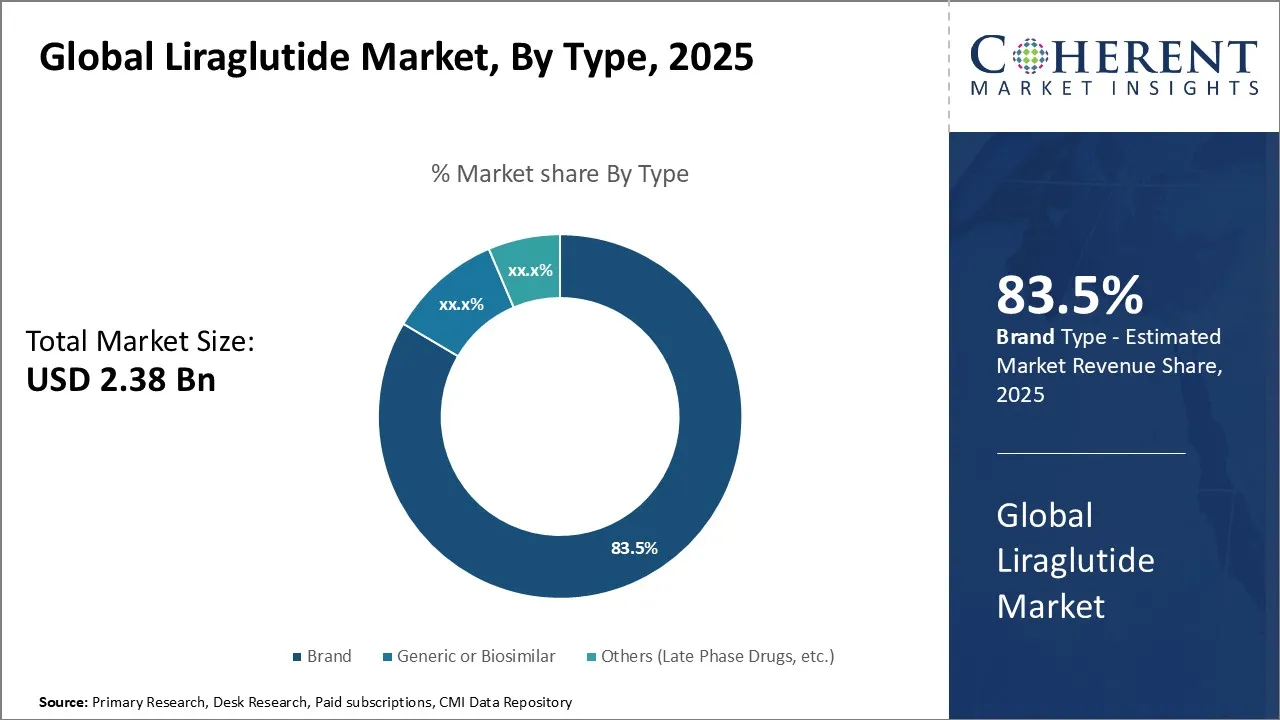
- In the Global Liraglutide Market, the brand segment dominates with a projected market share of 84.5% in 2026.
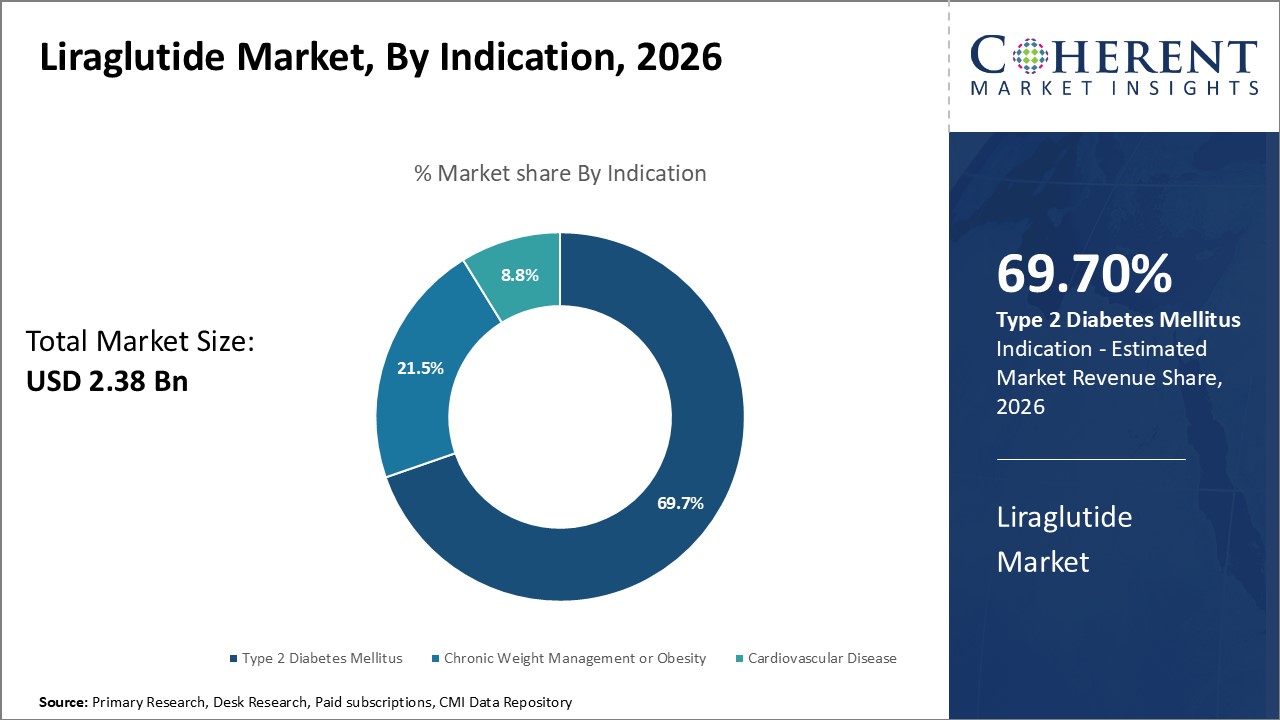
- By indication, type 2 diabetes mellitus (T2DM) is expected to represent the largest share, accounting for 69.7% of the market in 2026.
- In terms of age group, the adult population (18–64 years) constitutes a substantial portion of the market, with an estimated 76.3 % share in 2026.
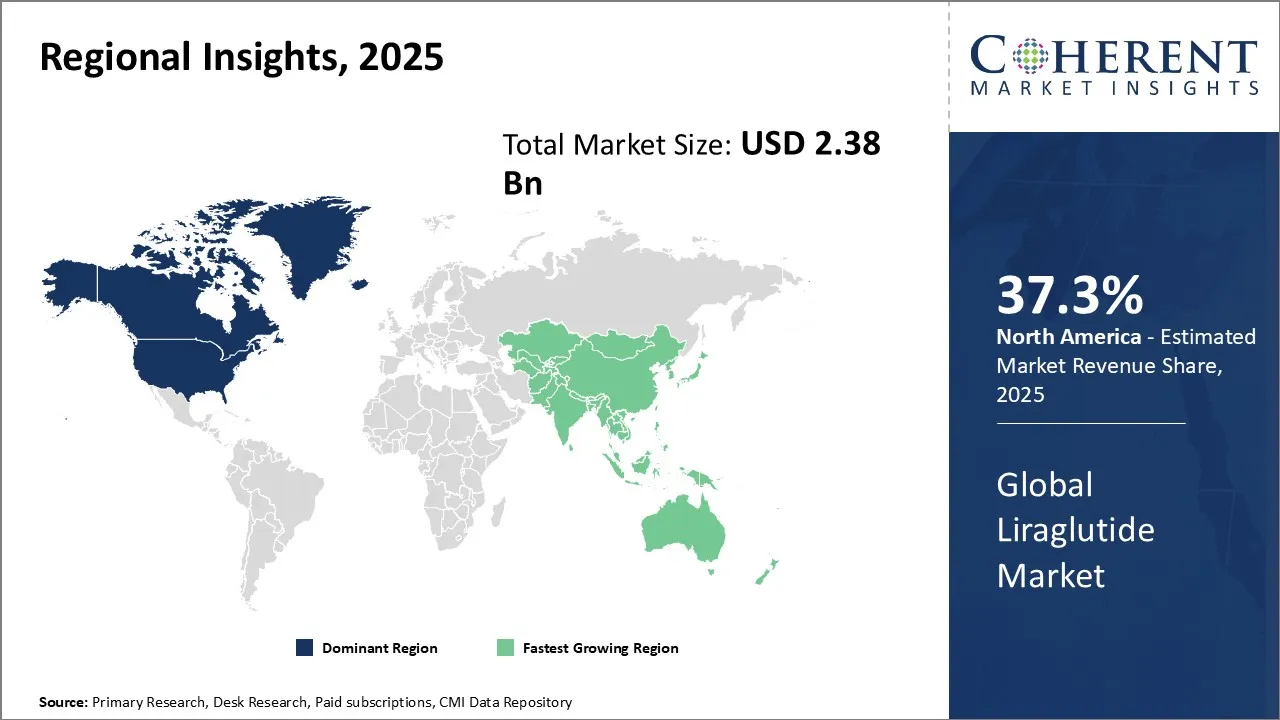
- North America is expected to lead the market, holding a share of 37.3 % in 2026.
- Asia Pacific is anticipated to be the fastest-growing region, with a market share of 25.2 % in 2026.
Market Overview
Current market trends highlight a decreasing preference for liraglutide driven by the emergence of newer, more effective GLP-1 receptor agonists and alternative diabetes treatments with improved efficacy and safety profiles. Additionally, the growing focus on weight management therapies and stricter regulatory scrutiny are influencing market dynamics. Companies are also investing in innovative drug delivery methods and combination therapies to sustain their market share amidst declining sales and evolving patient needs.
Current Events and Its Impact
Current Events | Description and its impact |
Novo Nordisk’s USD 4.10 Billion Investment in Manufacturing Expansion |
|
Patent Expirations & Generic/Biosimilar Entry |
|
Segmental Insights
- Current Industry Events of 2026
- Market Size Estimation
- Regional Breakdown
- Competitive Landscape
- Customer Intelligence
- Segmental Analysis
- Pricing Analysis
- Key Market Drivers, Challenges & Future Trends
- Customized Insights Section
Liraglutide Market Insights, by Type - Dominance of Brand Liraglutide Driven by Established Efficacy and Market Trust
In terms of type, the brand segment is expected to hold the highest market share with 84.5% in 2026, a position strongly anchored in a combination of established clinical efficacy, regulatory approvals, and strong physician and patient trust. Brand liraglutide products such as Victoza and Saxenda have long-standing presence in the market, supported by extensive clinical trial data demonstrating their safety and effectiveness for managing chronic conditions like type 2 diabetes mellitus and obesity. This established track record significantly influences prescribing behavior, as healthcare providers prefer trusted and well-validated options over generics or biosimilars, which are often newly introduced and require additional real-world evidence to gain similar confidence.
The patent protection on branded products enables pharmaceutical companies to maintain a competitive edge via controlled pricing and increased investment in marketing and education initiatives. Such efforts effectively build strong brand loyalty among patients and healthcare professionals alike. Moreover, pharmaceutical companies behind these branded liraglutide products invest heavily in continuous research and development, which leads to incremental innovations such as improved formulations, delivery mechanisms, or patient support programs that further distinguish the brand products from their generic counterparts.
Liraglutide Market Insights, By indication - Type 2 Diabetes Mellitus as Primary Driver with Expanding Patient Pool and Clinical Necessity
By indication, the type 2 diabetes mellitus segment overwhelmingly commands the largest share of the global liraglutide market with an estimated 69.7% share in 2026, driven by multiple factors rooted in the epidemiology and clinical management challenges of the disease. It represents a rapidly increasing health burden worldwide due to factors such as urbanization, sedentary lifestyles, and rising obesity rates. This expanding patient pool creates a substantial and growing demand for effective glucose-lowering therapies, making liraglutide an essential option in diabetes management.
Liraglutide’s mechanism as a glucagon-like peptide-1 agonist offers multiple therapeutic benefits relevant to T2DM treatment, including improved glycemic control, reduction in HbA1c levels, and potential benefits on weight management. These attributes position liraglutide as a preferred drug for patients not adequately controlled by oral antidiabetic agents or those at higher cardiovascular risk.
In January 2024, Glenmark Pharmaceuticals Ltd., a research-driven global pharmaceutical company, has become the first in India to launch a biosimilar of the anti-diabetic drug liraglutide, under the brand name Lirafit. Approved by the DCGI, Lirafit is indicated for improving glycemic control in adults with type 2 diabetes mellitus.
Liraglutide Market Insights, by Age Group - Adult Segment Growth Fueled by Rising Awareness and Early Intervention Strategies
The adult segment (ages 18–64) is projected to hold a significant share in the global liraglutide market with 76.3% in 2026, largely due to the growing burden of lifestyle-related conditions such as obesity, type 2 diabetes, and metabolic syndrome. With unhealthy diets, physical inactivity, and stress contributing to rising metabolic disorders, adults are increasingly seeking effective pharmacological options to complement lifestyle changes. Liraglutide, marketed as Victoza for diabetes and Saxenda for weight management, has become a preferred therapy due to its proven efficacy in controlling blood glucose and supporting sustainable weight loss.
This segment’s growth is further fueled by broader clinical acceptance, expanded treatment guidelines, and a rising focus on early intervention for cardiometabolic health. The convenience of once-daily injections, combined with a favorable safety profile, makes liraglutide an appealing choice for long-term management. As awareness increases and access improves, the adult population continues to drive demand, positioning liraglutide as a key component in managing chronic health risks across primary care and specialist settings.
Regional Insights
North America Liraglutide Market Analysis and Trends
North America liraglutide market holds a dominant position, with an estimated share of 37.3% in 2026, due to a well-established healthcare infrastructure, advanced research and development capabilities, and strong industry presence. The U.S., in particular, benefits from significant investment in biotechnology and pharmaceutical innovation, supported by favorable government policies including regulatory frameworks by the U.S. Food and Drug Administration that expedite drug approvals. The presence of major players like Novo Nordisk— the pioneer and leading manufacturer of liraglutide contributes heavily to market leadership.
The liraglutide market is facing negative growth due to factors such as intense competition from biosimilars and generics, safety concerns and side effects, high treatment costs, and regulatory and reimbursement challenges. These issues are limiting adoption and reducing market expansion. For example, in North America, government policies focusing on chronic disease management, such as the Affordable Care Act (ACA) in the U.S. and Canadian healthcare initiatives, have significantly increased access to diabetes treatments, including iraglutide. These policies ensure that more individuals, especially those with chronic conditions like Type 2 Diabetes, have insurance coverage, which enhances the affordability and accessibility of medications.
Asia Pacific Liraglutide Market Analysis and Trends
The Asia Pacific region is expected to exhibit the fastest growth in the global liraglutide market, with share of 25.2% in 2026, due to rising diabetes incidence rates. For example, according to the World Health Organization, in November 2024, the Western Pacific region is experiencing a rising prevalence of diabetes, largely due to lifestyle changes associated with industrialization, mechanization, and urbanization. The majority of cases are Type 2 diabetes, although Type 1 rates are also increasing. Over 30 million people in the region are currently living with diabetes, and this number is projected to double by 2026. Twelve countries have already surpassed a diabetes prevalence rate of 8%. This rise is driven by increasing awareness and better access to healthcare.
Rapid urbanization, growing middle-class populations, and expanding healthcare infrastructure are driving higher demand. Government initiatives to enhance chronic disease management and growing investments in healthcare technology play critical roles in market expansion. Countries like China, India, Japan, and South Korea serve as hubs for manufacturing and distribution, often underpinned by partnerships between global pharmaceutical companies and local enterprises. Notable players such as Novo Nordisk and Sanofi actively engage in market development through patient education programs and tailored treatment solutions. Trade liberalization and improving logistics also contribute to faster product availability and competitive pricing.
Liraglutide Market Outlook for Key Countries
U.S. Liraglutide Market Trends
The U.S. market continues to lead with widespread liraglutide adoption supported by robust healthcare infrastructure and intense focus on diabetes and obesity treatment frameworks. For instance, in September 2024, new data from the Centers for Disease Control and Prevention (CDC) showed that in 2023, 23 U.S. states reported adult obesity rates at or above 35%. Obesity affects at least 20% of adults in every state. Major pharmaceutical companies, notably Novo Nordisk, drive innovation and distribution, introducing patient-centric programs and support services. Regulatory encouragement via fast-track approvals and insurance reimbursement frameworks ensure wider accessibility. Moreover, ongoing clinical trials and research collaborations contribute to pipeline expansion and sustained market growth.
U.K. Liraglutide Market Trends
U.K. liraglutide market is witnessing expanded access and adoption, particularly with the introduction of new generic formulations. As a GLP-1 receptor agonist, liraglutide plays a critical role in managing type 2 diabetes and obesity, conditions that continue to pose significant public health challenges. Its effectiveness in promoting weight loss and improving glycemic control has led to its inclusion in national treatment guidelines, with growing use in both primary and specialist care settings.
In March 2026, Zentiva Pharma, a leading generics and OTC medicines manufacturer in europe owned by Advent International, has launched two liraglutide injection pens in the UK: Nevolat for weight loss and Zegluxen for diabetes management. The move aims to improve access to vital GLP-1 treatments, originally developed by Novo Nordisk, for patients across the country.
Brazil Liraglutide Market Trends
Liraglutide has emerged as a key pharmaceutical solution in Brazil for managing type 2 diabetes and obesitytwo major public health concerns affecting a significant portion of the population. Its dual action in controlling blood glucose and promoting weight loss has led to increased clinical adoption across various healthcare settings. Approved for use in both adult and pediatric populations, liraglutide supports early and sustained intervention in metabolic disorders, contributing to improved long-term patient outcomes.
The launch of local production in August 2024, led by EMS, marks a pivotal development for the Brazilian market. The new facility, the first in the country dedicated to synthetic polypeptides, reflects a strategic move to enhance national pharmaceutical autonomy. This investment aligns with Brazil’s broader goal of strengthening its Health Economic-Industrial Complex by boosting domestic capabilities, lowering treatment costs, and improving the availability of advanced therapies like liraglutide and semaglutide within the public and private healthcare sectors.
Japan Liraglutide Market Trends
Japan continues to hold a significant position in the liraglutide market, supported by a high prevalence of type 2 diabetes and an aging population requiring advanced treatment options. The country’s robust healthcare infrastructure and government support for innovation encourage adoption of novel therapeutics. Major pharmaceutical firms, including Novo Nordisk and domestic companies, engage in extensive patient education programs and physician outreach to enhance market penetration. Japan’s efficient insurance reimbursement system plays a crucial role in making liraglutide therapies accessible.
Government policies such as enhanced insurance reimbursement and national health campaigns significantly boost acceptance. For example, the Japan Diabetes Society (JDS), established in April 1958, is a voluntary association dedicated to advancing diabetes research and improving the care and treatment of people with diabetes in Japan. Initially formed during Japan's post-war recovery, JDS foresaw the growing diabetes burden due to lifestyle changes and economic growth.
End User Feedback and Unmet Needs
- End user feedback in the global liraglutide market reveals a generally positive reception regarding the drug’s efficacy, especially among healthcare professionals managing type 2 diabetes mellitus (T2DM) and obesity. Physicians have noted liraglutide’s dual impact on glycemic control and weight reduction as a significant therapeutic advantage, contributing to better patient adherence and long-term outcomes. For instance, a network of endocrinologists in the U.K. reported increased patient compliance with daily liraglutide injections due to observable metabolic improvements and reduced insulin dependency. Additionally, bariatric clinics in the U.S. have highlighted the drug’s role as a bridge therapy for obese individuals who are either ineligible for surgery or seeking non-invasive alternatives, underscoring its versatility in both primary care and specialist settings.
- However, several concerns persist across user segments that point to notable unmet needs. Cost remains a major barrier, particularly in low- and middle-income regions where insurance coverage for GLP-1 analogs like liraglutide is limited or nonexistent, affecting long-term patient access and adherence. Pharmacists and hospital procurement teams in Southeast Asia, for example, frequently cite affordability and inconsistent supply chains as critical issues, especially for government-funded programs. Moreover, clinicians have voiced a need for more convenient delivery mechanisms, such as once-weekly formulations or oral alternatives, to reduce the burden of daily injections. Addressing these gaps through expanded reimbursement models, localized manufacturing partnerships, or innovations in formulation and delivery could significantly enhance market penetration, improve therapy compliance, and unlock new patient populations. For manufacturers and policymakers, aligning drug design and distribution with real-world user needs could serve as a powerful catalyst for competitive differentiation and market growth.
Market Players, Key Developments, and Competitive Intelligence
Key Developments
- In June 2025, Biocon Limited, a Bengaluru-based global biopharmaceutical company known for its focus on affordable innovation, has received regulatory approval in India for its Liraglutide drug substance and product (6 mg/ml solution for injection). The approval, granted under the CDSCO’s new 101 route, covers the generic version of Victoza, intended for treating type 2 diabetes in adults and children aged 10 and above, as an adjunct to diet and exercise.
- In April 2025, Meitheal Pharmaceuticals, a U.S.-based company specializing in generic injectables, biologics, fertility, and branded products, has launched its FDA-approved liraglutide injection (18mg/3mL)—a generic version of Victoza—in the United States. The product is indicated for glycemic control in adults and children aged 10 and above with type 2 diabetes, alongside diet and exercise.
- In April 2025, Hydreight Technologies Inc., a U.S.-based mobile clinical network offering flexible at-home healthcare across all 50 states, has expanded its VSDHOne telehealth platform with the launch of Liraglutide. These daily injectable joins the company’s growing GLP-1 portfolio, which already includes semaglutide, tirzepatide, and needle-free sublingual and buccal options. The launch enhances Hydreight’s commitment to accessible, customizable weight management and metabolic care solutions.
Top Strategies Followed by Global Liraglutide Market Players
- The global liraglutide market is marked by growing competition as major pharmaceutical companies, mid-sized firms, and emerging players implement targeted strategies to strengthen their market position. Amid declining market momentum, large pharmaceutical companies are shifting focus from aggressive expansion of liraglutide assets to portfolio diversification and optimization strategies. Many are streamlining operations and concentrating efforts on high-margin markets, while selectively investing in combination therapies or next-generation GLP-1 analogs to mitigate revenue erosion from branded liraglutide products.
- In December 2024, Hikma Pharmaceuticals PLC, a multinational pharmaceutical company known for its broad portfolio of generic and branded products, has received USFDA approval and launched the generic version of Victoza (Liraglutide Injection, 6 mg/mL) in the US. The GLP-1 drug is used as an adjunct to diet and exercise to improve glycemic control in adults and children aged 10+ with type 2 diabetes. This launch reinforces Hikma’s commitment to expanding its diabetes portfolio and ensuring affordable access to essential injectable treatments.
- Mid-level players adopt a price-access strategy, producing high-quality but cost-effective generics to address the needs of public healthcare systems and low- to middle-income countries. With shrinking profit margins in the liraglutide segment, mid-sized pharmaceutical companies are increasingly turning to volume-driven strategies and regional expansion to sustain commercial viability. These firms are capitalizing on post-patent opportunities by launching biosimilar and generic versions, particularly in cost-sensitive markets across Latin America, Eastern Europe, and parts of Asia.
- On April 4, 2025, Nanjing King-Friend Biochemical Pharmaceutical Co., Ltd. (NKF) received U.S. USFDA approval for its liraglutide injection, marking its entry into the U.S. market. NKF, a China-based pharmaceutical company known for its peptide-based drug manufacturing, will soon launch the product in the U.S. to support type 2 diabetes management and reduce cardiovascular risks in affected patients aged 10 and above.
- Small In a liraglutide market marked by declining growth and increasing competition, small-scale players are carving out a role through innovation and targeted specialization. These companies focus on unmet clinical needs and alternative delivery platforms to differentiate themselves within niche segments.
- For example, is A subsidiary of Alkem Laboratories, Enzene is working on biosimilars including GLP-1 analogs like liraglutide. Its use of continuous manufacturing platforms helps reduce production costs and ensure rapid scalability in emerging markets.
Market Report Scope
Liraglutide Market Report Coverage
| Report Coverage | Details | ||
|---|---|---|---|
| Base Year: | 2025 | Market Size in 2026: | USD 2.38 Bn |
| Historical Data for: | 2020 To 2024 | Forecast Period: | 2026 To 2033 |
| Forecast Period 2026 to 2033 CAGR: | -5.4% | 2033 Value Projection: | USD 1.58 Bn |
| Geographies covered: |
| ||
| Segments covered: |
| ||
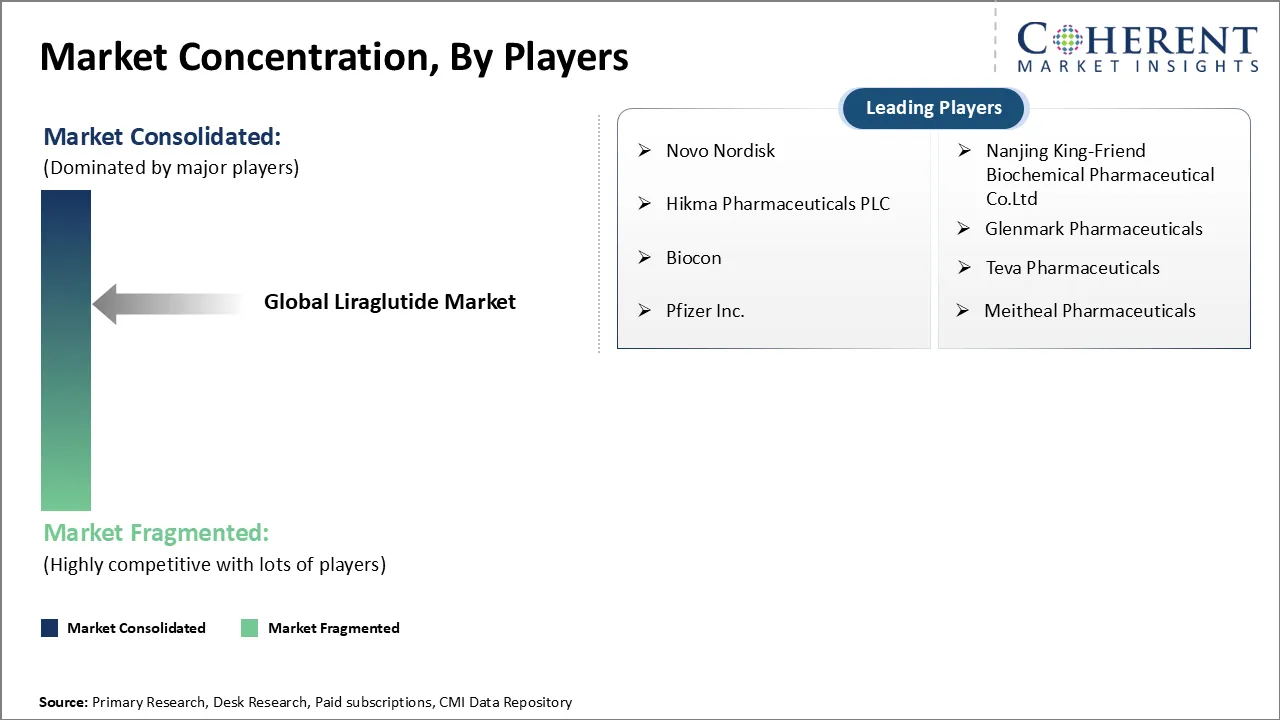
| Companies covered: | Novo Nordisk, Nanjing King-Friend Biochemical Pharmaceutical Co.Ltd, Hikma Pharmaceuticals PLC, Glenmark Pharmaceuticals, Biocon, Teva Pharmaceuticals, Pfizer Inc., and Meitheal Pharmaceuticals | ||
| Growth Drivers: |
| ||
| Restraints & Challenges: |
| ||
Liraglutide Market Dynamics
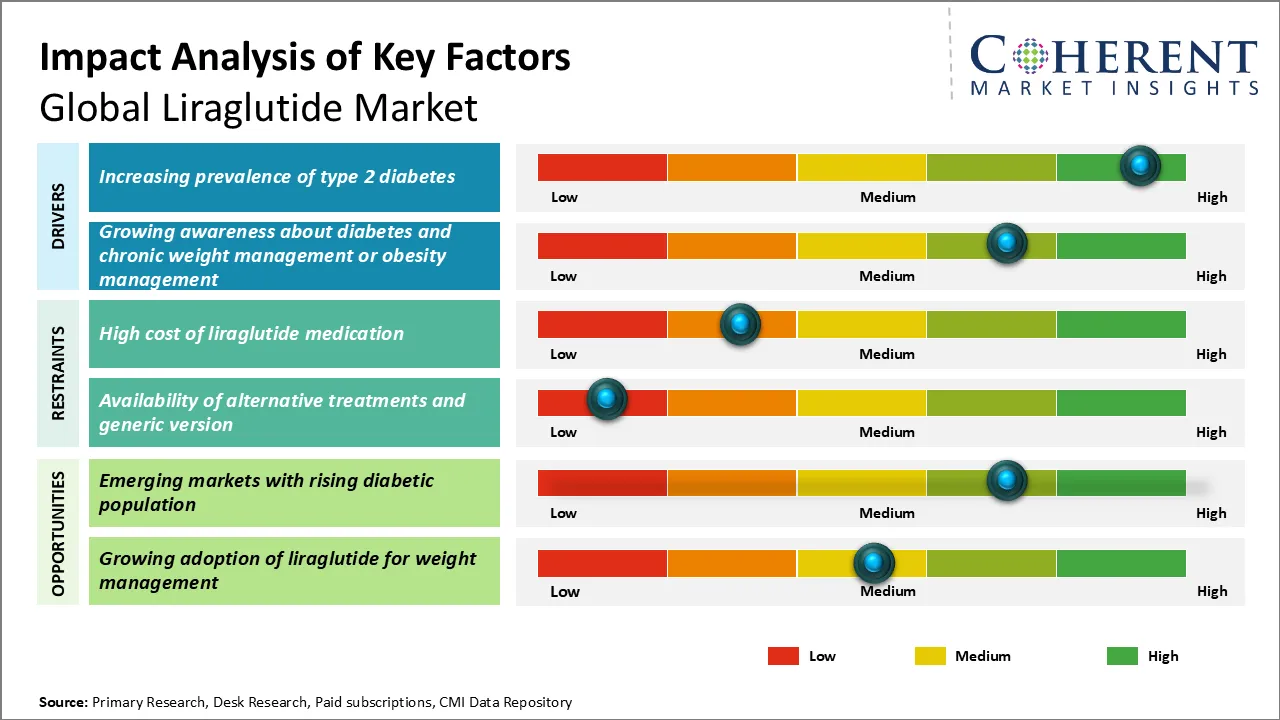
Liraglutide Market Driver - Increasing Prevalence of Type 2 Diabetes
Despite the global liraglutide market facing a slowdown marked by a negative CAGR and declining growth trajectory, the increasing prevalence of type 2 diabetes continues to offer a stabilizing influence. Rising rates of obesity, sedentary lifestyles, and poor dietary habits are contributing to a sustained incidence of the disease, maintaining baseline demand for effective therapies like liraglutide. While the drug remains clinically relevant due to its benefits in glycemic control, weight management, and cardiovascular risk reduction, its market performance is increasingly challenged by competition from newer GLP-1 receptor agonists, biosimilars, and evolving treatment preferences. Cost pressures and patent expirations have further constrained market expansion, yet liraglutide continues to play a role in specific patient populations and geographies where it remains a trusted part of diabetes management.
In November 2024, according to the WHO, the global diabetes population grew from 200 million in 1990 to 830 million in 2022, with the highest rise in low- and middle-income countries. Over half of those affected didn’t take medication in 2022, particularly in these regions. Diabetes causes severe complications, including blindness, kidney failure, and heart attacks, contributing to over 2 million deaths in 2021. Preventing type 2 diabetes is possible through a healthy lifestyle. Diabetes occurs when the body can't produce or effectively use insulin, leading to high blood sugar. In 2022, 14% of adults had diabetes, with type 2 being the most common form. Early diagnosis is crucial, as symptoms can be mild and go unnoticed for years. Lifestyle changes can help prevent or manage the disease.
Liraglutide Market Opportunity: Expansion in Emerging Markets with Rising Diabetic Population
Although the global liraglutide market is experiencing slow growth and a negative CAGR, emerging markets such as India, China, Brazil, and Southeast Asia still offer modest opportunities amid the overall downturn. These regions continue to report a rising prevalence of type 2 diabetes due to urbanization and lifestyle shifts, supporting baseline demand. However, market expansion remains limited by affordability issues and growing competition from lower-cost alternatives. Local partnerships, targeted pricing, and public health initiatives—such as screening programs and awareness campaigns—may help sustain liraglutide’s presence, though gains are expected to be incremental rather than transformative.
In February 2025, Nectar Life Care is expanding its presence in emerging markets, particularly in India, where the diabetic population is rapidly growing. The company has launched affordable anti-diabetic medications like Dapagliflozin (DAPNEC) and combination formulations, making treatments more accessible. With over 77 million diabetics in India, including many undiagnosed, Nectar’s cost-effective, WHO-GMP-certified products aim to address the increasing demand. The company expects a significant rise in sales, projecting revenues to exceed USD 1.8 million this year.
Analyst Opinion (Expert Opinion)
- Despite facing a declining growth trajectory and negative CAGR, the global liraglutide market remains shaped by evolving dynamics. The increasing prevalence of type 2 diabetes, particularly in emerging economies, and liraglutide’s continued relevance in managing glycemic control and obesity offer a stabilizing influence. However, market expansion is constrained by growing competition from newer GLP-1 receptor agonists, biosimilars, and pricing pressures post-patent expiry. Opportunities exist in low- and middle-income regions where affordability strategies, localized manufacturing, and public-private partnerships could help maintain product relevance. Key challenges include shifting treatment preferences, reimbursement limitations, and the rising demand for once-weekly or oral alternatives.
- Relevant conferences such as the International Diabetes Federation (IDF) Congress, American Diabetes Association (ADA) Scientific Sessions, and Asia Diabetes Foundation forums over the past few years have facilitated critical dialogue around GLP-1 therapies, including liraglutide, in the broader context of global diabetes care. These events have highlighted best practices in treatment strategies and market access solutions. Notable initiatives include Sun Pharma’s launch of liraglutide biosimilars in India and Glenmark’s Lirafit, which reflect efforts to improve affordability. Similarly, diabetes management programs supported by WHO and local governments in Southeast Asia are aimed at improving early diagnosis and treatment adherence, indirectly supporting liraglutide usage despite the overall market contraction.
Speak to the analyst
Want personalized insights?
Take the findings above to one of our principal consultants, or have the report rebuilt around the segments, geographies and competitors you actually track.
Market Segmentation
- Type Insights (Revenue, USD Bn, 2021 - 2033)
- Brand
- Victoza
- Saxenda
- Generic or Biosimilar
- Others (Late Phase Drugs, etc.)
- Brand
- Indication Insights (Revenue, USD Bn, 2021 - 2033)
- Type 2 Diabetes Mellitus
- Chronic Weight Management or Obesity
- Cardiovascular Disease
- Age Group Insights (Revenue, USD Bn, 2021 - 2033)
- Pediatric (10 years and older)
- Adult
- Distribution Channel Insights (Revenue, USD Bn, 2021 - 2033)
- Hospital Pharmacies
- Retail Pharmacies
- Online Pharmacies
- End User Insights (Revenue, USD Bn, 2021 - 2033)
- Hospitals
- Specialty Clinics
- Outpatient and Primary Care Centers
- Long-Term Care Facilities
- Others (Research and Academic Institutions, etc.)
- Regional Insights (Revenue, USD Bn, 2021 - 2033)
- North America
- U.S.
- Canada
- Latin America
- Brazil
- Argentina
- Mexico
- Rest of Latin America
- Europe
- Germany
- U.K.
- Spain
- France
- Italy
- Russia
- Rest of Europe
- Asia Pacific
- China
- India
- Japan
- Australia
- South Korea
- ASEAN
- Rest of Asia Pacific
- Middle East
- GCC Countries
- Israel
- Rest of Middle East
- Africa
- South Africa
- North Africa
- Central Africa
- North America
- Key Players Insights
- Novo Nordisk
- Nanjing King-Friend Biochemical Pharmaceutical Co.Ltd
- Hikma Pharmaceuticals PLC
- Glenmark Pharmaceuticals
- Biocon
- Teva Pharmaceuticals
- Pfizer Inc.
- Meitheal Pharmaceuticals
Sources
Primary Research Interviews
- Healthcare Professionals (Endocrinologists, General Practitioners)
- Pharmaceutical Manufacturers
- Pharmacists
- Diabetes Care Specialists
- Medical Practitioners and Experts
- Hospital and Clinic Administrators
Government and International Databases
- World Health Organization (WHO)
- International Diabetes Federation (IDF)
- Centers for Disease Control and Prevention (CDC)
- National Institutes of Health (NIH)
- U.S. Food and Drug Administration (FDA)
- European Medicines Agency (EMA)
- Indian Council of Medical Research (ICMR)
- Centers for Medicare & Medicaid Services (CMS)
Trade Publications
- Pharmaceutical Technology
- Drug Development and Delivery
- Diabetes Care Journal
- Journal of Diabetes and Metabolism
- The Pharmaceutical Journal
Academic Journals
- The Lancet Diabetes & Endocrinology
- Diabetes Research and Clinical Practice
- Journal of Clinical Endocrinology & Metabolism
- Nature Reviews Endocrinology
- Diabetes, Obesity and Metabolism
Reputable Newspapers
- The New York Times
- The Guardian
- Wall Street Journal
- The Times of India
- The Economic Times
Industry Associations
- International Diabetes Federation (IDF)
- American Diabetes Association (ADA)
- European Association for the Study of Diabetes (EASD)
- National Institute for Health and Care Excellence (NICE)
- American Association of Clinical Endocrinologists (AACE)
Public Domain Resources
- National Library of Medicine (NLM)
- EU Clinical Trials Register
Proprietary Elements
- CMI Data Analytics Tool: Proprietary analytics tool to analyze real-time market trends, consumer behavior, and technology adoption in market
- Proprietary CMI Existing Repository of Information for Last 8 Years
Get access to 250+ pages report
Every segment, forecast, competitor profile and data table behind the analysis above — available for instant download.
- ESOMAR Member
- ISO 9001:2015 Certified
- D-U-N-S Registered
- GDPR & CCPA Compliant
Missing comfort of reading report in your local language? Find your preferred language:
Transform your Strategy with Exclusive Trending Reports
Frequently Asked Questions
The global Liraglutide market is estimated to be valued at USD 2.38 Bn in 2026 and is expected to reach USD 1.58 Bn by 2033.
The CAGR of global Liraglutide market is projected to be -5.4% from 2026 to 2033.
Increasing prevalence of type 2 diabetes and growing awareness about diabetes and chronic weight management or obesity management are the major factors driving the growth of global Liraglutide market.
High cost of liraglutide medication and availability of alternative treatments and generic version are the major factors hampering the growth of the global Liraglutide market.
In terms of Type, Brand is estimated to dominate the market revenue share in 2026.
Novo Nordisk, Nanjing King-Friend Biochemical Pharmaceutical Co.Ltd, Hikma Pharmaceuticals PLC, Glenmark Pharmaceuticals, Biocon, Teva Pharmaceuticals, Pfizer Inc., and Meitheal Pharmaceuticals are the major players in the liraglutide market
North America is expected to lead the global Liraglutide market in 2026.