

Glucagon Like Peptide 1 Analogs Market Size and Forecast
the glucagon like peptide 1 analogs market is estimated to be valued at USD 59.01 Bn in 2026 and is expected to reach USD 117.21 Bn by 2033, exhibiting a compound annual growth rate (CAGR) of 10.3% from 2026 to 2033. This robust growth reflects increasing prevalence of diabetes and obesity worldwide, driving the demand for innovative therapeutic options. Continued advancements in peptide therapeutics and expanding patient awareness contribute significantly to the market expansion over the forecast period.
Key Takeaways of the Global Glucagon Like Peptide 1 Analogs Market
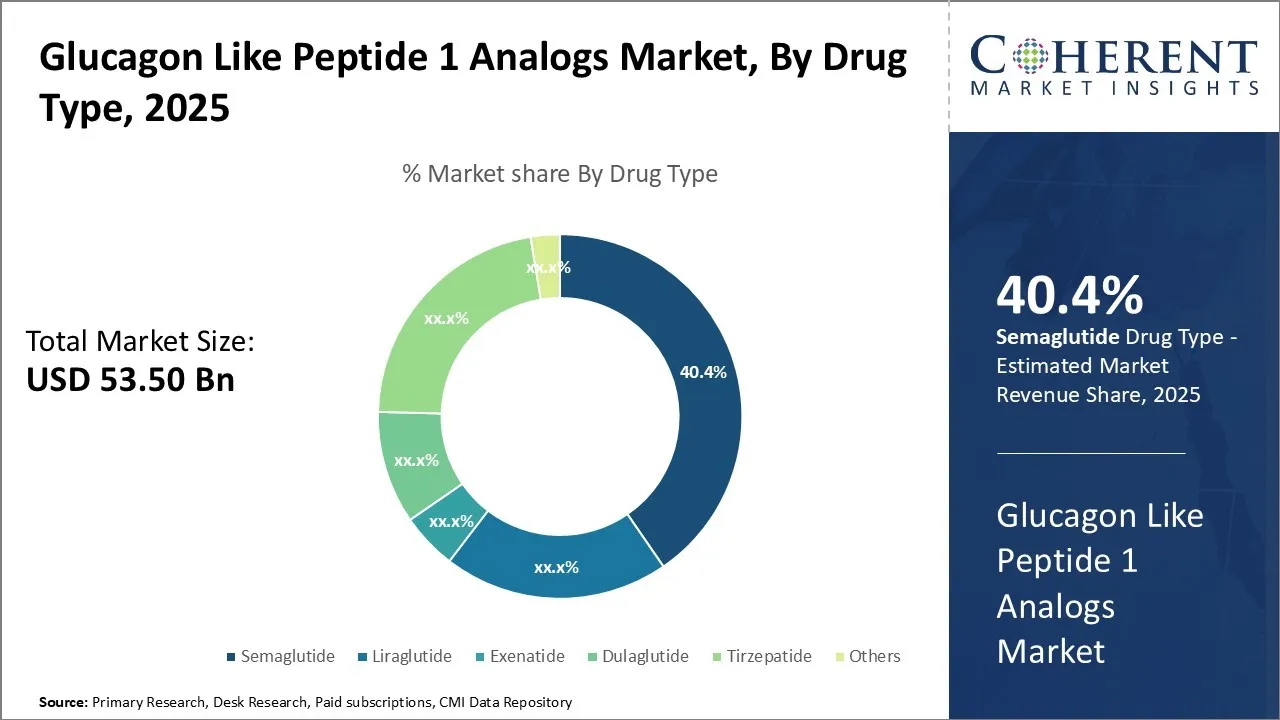
- Semaglutide is expected to dominate glucagon like peptide 1 analogs market in 2026, commanding a 41.4% share.
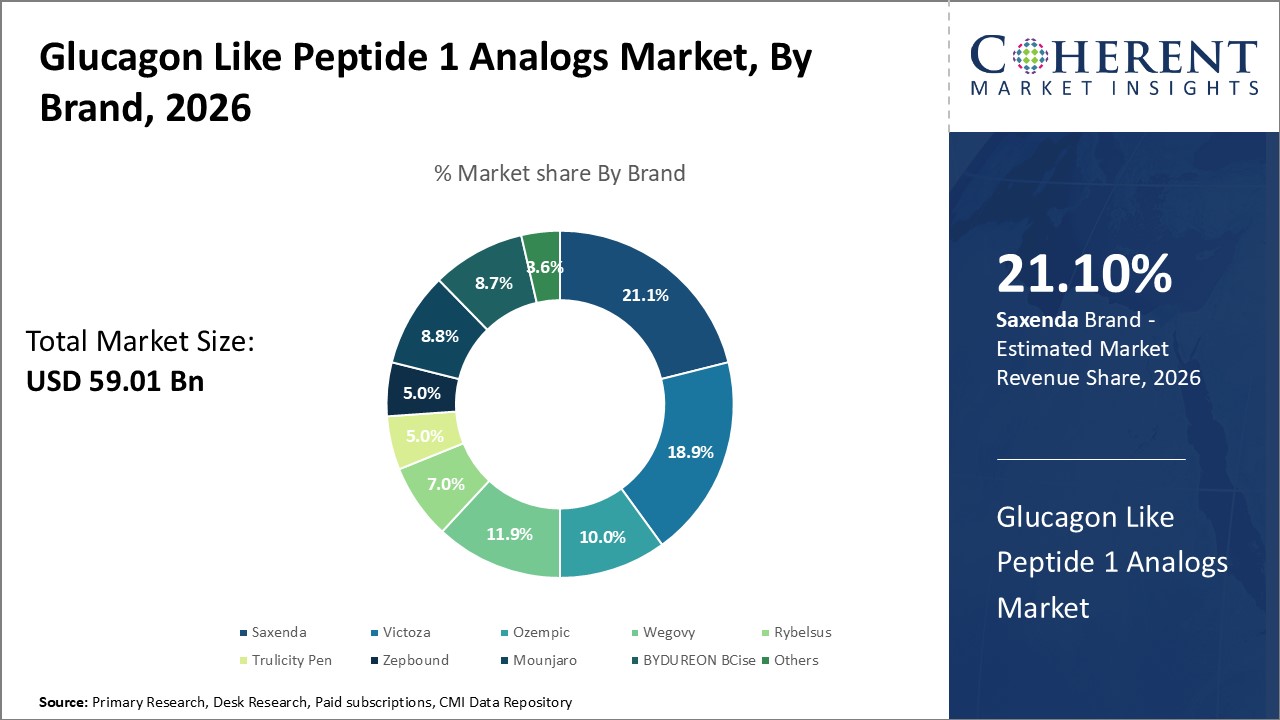
- Saxenda is expected to hold the leading position by brand in the glucagon like peptide 1 analogs market, with a 21.1% share in 2026.
- The Type 2 Diabetes Mellitus segment is expected to remain the largest application area for glucagon like peptide 1 analogs, representing 53.1% of the market in 2026.
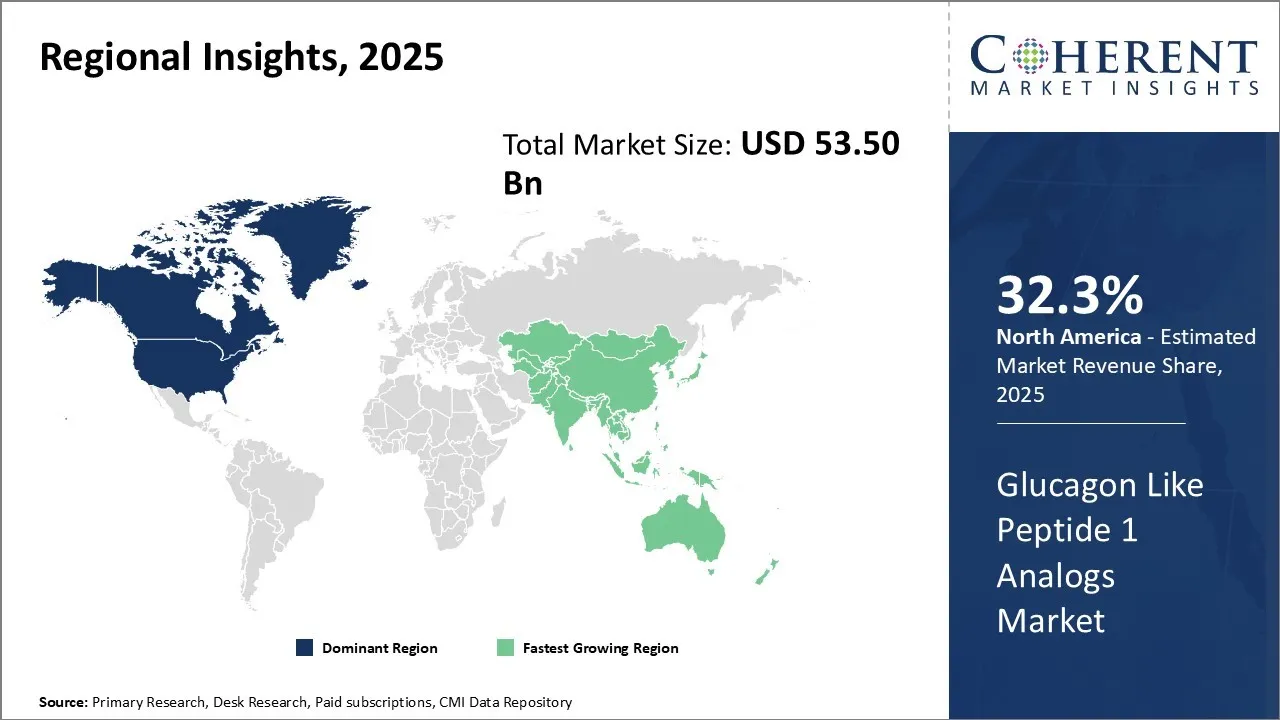
- North America is expected to lead the market, holding a share of 32.3% in 2026.
- Asia Pacific is anticipated to be the fastest-growing region, with a market share of 25.2% in 2026.
Market Overview
Market trends indicate a strong shift towards personalized medicine, with a focus on once-weekly and oral glucagon like peptide 1 analogs formulations enhancing patient compliance and convenience. Additionally, the rising integration of digital health tools and continuous glucose monitoring systems fosters improved treatment management. Collaborations between pharmaceutical companies and technology providers are shaping the landscape, while emerging markets present lucrative opportunities due to growing healthcare infrastructure and rising incidence of metabolic disorders, fueling sustained demand for glucagon like peptide 1 analogs therapies.
Currents Events and their Impact
Current Events | Description and its impact |
Patent Expirations and Generic Market Entry |
|
Emergence of Digital Therapeutics
|
|
Segmental Insights
- Current Industry Events of 2026
- Market Size Estimation
- Regional Breakdown
- Competitive Landscape
- Customer Intelligence
- Segmental Analysis
- Pricing Analysis
- Key Market Drivers, Challenges & Future Trends
- Customized Insights Section
Glucagon Like Peptide 1 Analogs Market Insights, By Drug Type - Semaglutide contributes the highest share of the market, owing to its robust clinical efficacy and versatility
Semaglutide is expected to emerge as the dominant drug type in the glucagon like peptide 1 analogs market with a share of 41.4% in 2026 primarily due to its remarkable efficacy in glycemic control and weight reduction. Its ability to significantly lower HbA1c levels while promoting sustained weight loss positions it as a preferred treatment for patients with type 2 diabetes mellitus (T2DM) and obesity. Semaglutide’s once-weekly injectable formulation, coupled with the availability of an oral version, enhances patient compliance and convenience, factors that are crucial in chronic disease management.
Another key driver of Semaglutide’s dominance is its favorable safety profile, which has been validated across numerous large-scale clinical trials. The drug has demonstrated not only effective glucose regulation but also cardiovascular benefits, making it attractive to healthcare providers who seek comprehensive risk reduction in their diabetic patients. This dual-action characteristic taps into the widening need for multifunctional treatment options in a population with complex comorbidities.
Glucagon Like Peptide 1 Analogs Market Insights, By Brand - Saxenda commands the highest share of the market driven by its targeted weight management positioning and brand recognition
Saxenda is expected to lead the glucagon like peptide 1 analogs market by brand largely because of its established presence as an effective weight management therapy for obesity and overweight adults with share of 21.1% in 2026. Its approval specifically for chronic weight management distinguishes it from many other GLP-1 based medications primarily indicated for diabetes, thereby carving a niche segment focused on the growing global obesity epidemic.
A major growth factor for Saxenda is the increasing awareness and emphasis on obesity as a medical condition requiring pharmacological intervention alongside lifestyle modifications. Healthcare systems and patients are becoming more proactive in seeking treatments that facilitate sustainable weight loss and help reduce obesity-related complications, giving Saxenda a strong advantage as a recognized solution in this domain.
In May 2024, Biocon Limited, one of the global biopharmaceutical companies, entered into a semi-exclusive distribution and supply agreement with Medix, a specialty pharmaceutical company in Mexico, for the commercialization of generic Saxenda (Liraglutide) for chronic weight management. Biocon will handle regulatory approval, manufacturing, and supply, while Medix will manage commercialization in Mexico.
Glucagon Like Peptide 1 Analogs Market Insights, By Application - Type 2 diabetes mellitus dominates the market, fueled by the increasing prevalence of t2dm and unmet clinical needs
The Type 2 Diabetes Mellitus segment remains the largest application area for glucagon like peptide 1 analogs, driven primarily by the global surge in diabetes prevalence due to lifestyle changes, urbanization, and aging populations with an estimated share of 53.1% in 2026. GLP-1 receptor agonists have become critical in T2DM therapy by addressing key pathophysiological defects including impaired insulin secretion and excess glucagon production, aligning pharmacology directly with disease mechanisms.
This growth is driven by the increasing prevalence of type 2 diabetes and the broad availability of GLP-1 receptor agonists for its treatment. For instance, in November 2024, according to the World Health Organization November 2024 (WHO), over 95% of people globally are affected by diabetes, with type 2 diabetes—once considered an adult-onset, non-insulin-dependent condition—becoming more common among children due to changing eating habits. Currently, several GLP-1 receptor agonists, including Dulaglutide (Trulicity), Exenatide (Byetta), and Liraglutide (Victoza), are used to treat type 2 diabetes. The rising incidence of the disease is expected to further drive demand for glucagon like peptide drugs.
Regulatory Scenario of the Glucagon Like Peptide 1 Analogs Market
The regulatory landscape for glucagon like peptide 1 analogs, such as Exenatide, Liraglutide, Dulaglutide, and Semaglutide, is closely monitored by health authorities globally to ensure their safety and efficacy for treating Type 2 diabetes.
- U.S.: The Food and Drug Administration (FDA) is the primary regulatory body, ensuring the safety and efficacy of incretin mimetics like Exenatide, Liraglutide, Dulaglutide, and Semaglutide. The approval process is stringent, contributing to a competitive market for type 2 diabetes treatments.
- Europe: The European Medicines Agency oversees the approval of incretin mimetics, with drugs like Exenatide and Semaglutide approved since 2008. The European market is characterized by strong safety and efficacy standards, driven by the high prevalence of diabetes and demand for innovative treatments.
- China: The CFDA regulates incretin mimetics, with Liraglutide being approved in 2018. The market is growing due to increasing diabetes prevalence and government healthcare initiatives aimed at improving access to treatments.
- Japan: The MHLW governs drug approvals, with Exenatide approved in 2010 and others following. Japan’s regulatory landscape emphasizes rigorous safety standards, supporting the demand for effective type 2 diabetes therapies.
In all regions, the approval process involves preclinical research, clinical trials, and post-market surveillance to ensure the drugs' long-term safety and effectiveness, addressing the growing global diabetes burden.
Regional Insights
North America Glucagon Like Peptide 1 Analogs Market Analysis and Trends
North America's dominance in the glucagon-like peptide 1 analogs market, with an estimated share of 32.3% in 2026, can be attributed to its well-established pharmaceutical ecosystem and robust healthcare infrastructure. These factors have fostered the development and widespread adoption of innovative treatments like glucagon-like peptide 1 analogs. Pharmaceutical giants, such as Eli Lilly and Novo Nordisk, are capitalizing on favorable regulatory policies and reimbursement frameworks to expand access to these therapies, ensuring they are available to a broader population. The collaborations between biotech firms, academic institutions, and healthcare providers, as exemplified by Canada’s diabetes framework development, are accelerating innovation and patient access, reinforcing North America’s position as the leader in the glucagon like peptide 1 analogs market. This newly announced framework will likely further drive market penetration and improve outcomes for individuals with diabetes in the region.
For instance, in October 2022, the government of Canada announced a new framework for diabetes in Canada. The Framework provides common policy direction to help align efforts and to support improved access prevention and treatment for all types of diabetes to ensure better health outcomes. The Framework was developed with input from people living with diabetes, academics, researchers, not-for-profit organizations, provinces and territories, Indigenous communities, and other key partners to ensure it significantly improves the lives of those with diabetes.
Asia Pacific Glucagon Like Peptide 1 Analogs Market Analysis and Trends
Asia Pacific is expected to exhibit the fastest growth in the glucagon like peptide 1 analogs market with a share of 25.2% in 2026, propelled by increasing diabetes prevalence, growing healthcare awareness, and expanding access to advanced treatments. Government initiatives targeting chronic disease management, combined with rising healthcare expenditure, create a fertile environment for market expansion. Countries, such as China, Japan, and India, are witnessing rapid adoption of GLP-1 therapies backed by local manufacturing and import facilitation. Additionally, a growing middle class and improving insurance coverage stimulate demand.
Market players in the glucagon like peptide 1 analogs market are heavily focused on securing regulatory approvals, which is expected to significantly contribute to the growth of the "Others" segment of the market over the forecast period. Regulatory approvals allow for the introduction of new drugs, including innovative formulations and generic versions, thus expanding treatment options and increasing market competition.
For instance, in December 2023, Lupin Limited, one of the global pharmaceutical companies, received tentative approval from the U.S. Food and Drug Administration (FDA) for its Abbreviated New Drug Application (ANDA) for Sitagliptin Tablets USP (25 mg, 50 mg, and 100 mg), a generic version of Januvia Tablets, originally developed by Merck Sharp and Dohme Corp. This approval facilitates Lupin’s entry into the glucagon like peptide 1 analogs market, offering a more affordable alternative to existing therapies, thus enhancing the "others" segment. With increasing competition and a broader range of available treatments, regulatory approvals are expected to play a pivotal role in driving growth in the glucagon like peptide 1 analogs market.
Glucagon Like Peptide 1 Analogs Market Outlook for Key Countries
U.S. Glucagon Like Peptide 1 Analogs Market Trends
The U.S. glucagon like peptide 1 analogs market remains at the forefront of adoption, with high patient awareness and widespread access to advanced therapies. Leading pharmaceutical companies like Eli Lilly and Novo Nordisk have significantly influenced treatment paradigms with blockbuster drugs such as Trulicity and Ozempic, respectively. These medications are driving the market, supported by strong intellectual property laws, extensive clinical research networks, and comprehensive payer reimbursement systems that facilitate rapid market uptake. Collaborative efforts between healthcare providers and manufacturers also ensure patient-centric care, further solidifying the U.S.'s role as a leader in market innovation.
An example of this ongoing innovation is Pfizer Inc.'s progress in developing Danuglipron, a once-daily modified-release oral GLP-1 receptor agonist. In July 2024, Pfizer Inc., a global pharmaceutical leader, announced the progress of its development of a once-daily modified release formulation for Danuglipron, an oral glucagon-like peptide-1 (GLP-1) receptor agonist. The company has selected its preferred formulation based on encouraging pharmacokinetic data from ongoing studies (NCT06153758). Pfizer Inc. will conduct dose optimization studies in the second half of 2024 to evaluate multiple doses of this formulation, which will inform registration-enabling studies.
Canada Glucagon Like Peptide 1 Analogs Market Trends
Canada glucagon like peptide 1 analogs market is witnessing significant growth, driven by the rising prevalence of type 2 diabetes and obesity. With more Canadians affected by these conditions, the adoption of GLP-1 therapies has increased, particularly in urban areas where access to healthcare is better. The Canadian government has actively supported the adoption of these therapies through initiatives like the Diabetes 360° strategy, which aims to reduce the national diabetes burden by improving access to innovative treatments. Moreover, public healthcare programs and insurance support for chronic disease management have enhanced the affordability and accessibility of glucagon like peptide 1 analogs across diverse populations, including those in remote areas.
For instance, in November 2023, Lilly Canada, a medicine company, announced that Mounjaro (tirzepatide) is now available in Canada. Mounjaro is a new once-weekly GIP (glucose-dependent insulinotropic polypeptide) and GLP-1 (glucagon-like peptide-1) receptor agonist, and is indicated as an adjunct to diet and exercise to improve glycemic control in adults with type 2 diabetes. Mounjaro has not been studied in patients with a history of pancreatitis and is not indicated for use in patients with type 1 diabetes mellitus and is not indicated for weight management.
U.K. Glucagon Like Peptide 1 Analogs Market Trends
The U.K. glucagon like peptide 1 analogs market is experiencing significant growth, driven by the rising adoption of drugs like Ozempic and Wegovy for type 2 diabetes and obesity. This growth is fueled by increased access through online pharmacies, where around 500,000 individuals are bypassing NHS (National Health Service) channels. Generic alternatives for drugs like Saxenda and Victoza are expected to lower costs and improve accessibility. Additionally, the NHS is rolling out weight-loss injections in pharmacies to combat obesity, and the MHRA (Medicines and Healthcare products Regulatory Agency) continues to monitor the safety of these drugs due to concerns over side effects like nausea. These trends highlight the growing demand for GLP-1 therapies in the U.K., supported by improved access and regulatory oversight.
For instance, in March 2023, The National Health Service in the U.K. approved Wegovy (semaglutide) by Novo Nordisk A/S, making it available to thousands of people with obesity in England. Wegovy mimics GLP-1 to suppress appetite and support weight loss.
China Glucagon Like Peptide 1 Analogs Market Trends
China’s glucagon like peptide 1 analogs market is rapidly evolving due to substantial government focus on diabetes control and expanding healthcare infrastructure across urban and rural regions. The market is influenced by both multinational corporations like Novo Nordisk and growing local pharmaceutical firms investing in biopharmaceutical development. Regulatory bodies in China are actively easing drug approval pathways, which is facilitating the introduction of novel glucagon like peptide 1 analogs tailored to the country's demographic. Factors like increasing urbanization, improved health insurance coverage, and rising disposable incomes are driving the growing adoption of GLP-1 therapies in the region. These changes have created an environment conducive to the swift uptake of new treatments.
On February 7, 2024, Innovent announced that the New Drug Application (NDA) for mazdutide, a glucagon-like peptide-1 receptor (GLP-1R) and glucagon receptor (GCGR) dual agonist, had been accepted by the Center for Drug Evaluation (CDE) of the National Medical Products Administration (NMPA) of China, for chronic weight management in adults with obesity or overweight.
India Glucagon Like Peptide 1 Analogs Market Trends
The India glucagon like peptide 1 analogs market is estimated to be valued at USD 1.39 Bn in 2026 and is expected to reach USD 3.01 Bn by 2032, exhibiting a compound annual growth rate (CAGR) of 11.7% from 2026 to 2032.
India’s glucagon like peptide 1 analogs market is steadily growing, driven by a significant diabetic population and increasing investments in healthcare. As awareness about newer treatment options rises among both healthcare professionals and patients, adoption of these therapies continues to expand. The government's efforts to improve healthcare accessibility, along with financial assistance programs, play a crucial role in enabling market growth. Multinational companies like AstraZeneca and Novo Nordisk dominate product availability, but emerging domestic biopharma companies are making strides in the market with biosimilar developments.
For instance, on January 3, 2024, Glenmark Pharmaceuticals Ltd., an Indian multinational pharmaceutical company, announced that it had launched a biosimilar of the anti-diabetic drug, Liraglutide, in India. The drug is being marketed under the brand name Lirafit following the approval from the Drug Controller General of India (DCGI). The drug has been approved globally for the management of type 2 diabetes mellitus in adult patients in the U.S. and the European Union. Moreover, in July 2022, Glenmark Pharmaceuticals Ltd. launched Sitagliptin and its Fixed Dose Combinations (FDCs) for adults with Type 2 diabetes in India.
India Specific Drug Approved Matrix
Category | Details |
Generic Name | Liraglutide, Semaglutide, Dulaglutide, Lixisenatide, Tirzepatide |
Brand Names (India) | Victoza, Saxenda, Ozempic, Rybelsus, Wegovy, Trulicity, Lyxumia, Mounjaro |
Therapeutic Class | Antidiabetic (GLP-1 Receptor Agonist); Anti-Obesity (specific formulations) |
Approved Indications | Type-2 Diabetes Mellitus (all); Weight Management (Liraglutide [Saxenda], Semaglutide [Wegovy]); Obesity with comorbidities (Saxenda) |
Dosage Forms (Approved) |
|
Key Manufacturers | Novo Nordisk (Liraglutide, Semaglutide), Eli Lilly (Dulaglutide, Tirzepatide), Sanofi (Lixisenatide) |
OTC/Rx Status | Prescription-only (Rx) |
Post-Marketing Requirements | Pharmacovigilance (PvPI) compliance mandatory; Periodic safety update reports (PSURs); Risk Management Plans (RMPs) for newer agents |
Physician Opinion on Glucagon Like Peptide 1 Analogs in India
- Physician opinion on glucagon like peptide 1 analogs in India is generally positive, especially with their effectiveness in managing type 2 diabetes and obesity. These medications, such as liraglutide, semaglutide, and tirzepatide, have shown significant results in lowering HbA1c levels and promoting weight loss, which is particularly beneficial for patients with coexisting diabetes and obesity. Physicians appreciate the dual benefit of these drugs in managing both conditions, which is essential given the rising incidence of diabetes in India. Additionally, the cardiovascular benefits of glucagon like peptide 1 analogs have also been recognized, making them an essential part of treatment regimens for diabetic patients at risk of heart disease.
- However, challenges persist, particularly concerning the cost of these medications. The high price limits their widespread use, especially in rural areas and among lower-income patients. There is also a concern regarding side effects, with gastrointestinal issues such as nausea and vomiting being common, which can affect patient adherence. Physicians also feel that awareness and education about glucagon like peptide 1 analogs need improvement, both among healthcare providers and patients, to ensure optimal use. Despite these hurdles, there is a growing acceptance of glucagon like peptide 1 analogs in India, and with increasing generic availability and improved healthcare infrastructure, their use is expected to expand, making them more accessible to a larger patient population.
Pricing of Glucagon Like Peptide 1 (GLP-1) Analogs
- The pricing of Glucagon Like Peptide 1 (GLP-1) analogs, including Mounjaro and Wegovy, varies significantly in India. Mounjaro’s cost is substantial, with the starter dose priced at around ₹3,500 per vial and maintenance doses at ₹4,375 per vial. This results in a monthly expenditure ranging from ₹14,000 to ₹17,500, potentially exceeding ₹2 lakh annually. However, there is hope for cost reduction following the patent expiry of tirzepatide in 2026, which may allow for the introduction of more affordable generic versions.
- Novo Nordisk's Wegovy also carries a high price tag, with costs for different dosages ranging from ₹17,345 per month for the lowest dose (0.25 mg) to ₹26,050 for the highest (2.4 mg). The weekly cost for a higher dose can be up to ₹4,366, making these treatments financially inaccessible for many. Similar to Mounjaro, there is a potential for cost reduction in the future, driven by generic drug alternatives following patent expirations.
Market Players, Key Developments, and Competitive Intelligence
Key Developments
- On June 30, 2025, Protagonist Therapeutics, Inc., a clinical-stage biopharmaceutical company focused on peptide-based therapeutics, announced the nomination of PN-477, a triple agonist peptide targeting GLP-1, GIP, and GCG receptors, for obesity treatment. PN-477 is designed to offer effective weight loss, improved gastrointestinal tolerability, and an optimal fat-to-lean mass ratio. The candidate will be developed as both an oral formulation (PN-477o) for once-daily dosing and a subcutaneous version (PN-477sc) for once-weekly injections.
- On June 27, 2025, Innovent Biologics, Inc., a leading biopharmaceutical company focused on developing, manufacturing, and commercializing high-quality medicines for oncology, autoimmune, cardiovascular, and metabolic diseases, announced that China's National Medical Products Administration (NMPA) approved Mazdutide, the world’s first dual glucagon (GCG)/glucagon-like peptide-1 (GLP-1) receptor agonist, for chronic weight management in Chinese adults with overweight or obesity. This first-in-class drug enhances weight loss, reduces visceral fat, and offers comprehensive metabolic benefits.
- In April 2025, Pfizer Inc. announced the decision to discontinue the development of Danuglipron (PF-06882961), an oral GLP-1 receptor agonist previously investigated for chronic weight management. Despite achieving pharmacokinetic objectives in its dose-optimization studies, a safety concern arose when a participant in one of the studies experienced potential drug-induced liver injury, prompting Pfizer to halt development.
- In July 2024, Amylyx Pharmaceuticals, a clinical-stage biopharmaceutical company, acquired Avexitide from Eiger Biopharmaceuticals. Avexitide, a GLP-1 receptor agonist with U.S. FDA breakthrough therapy designation, is set to enter Phase 3 trials for Postbariatric Hypoglycemia (PBH) in early 2025.
Top Strategies Followed by Glucagon Like Peptide 1 Analogs Market Players
- Established market leaders in the glucagon like peptide 1 analogs market focus heavily on research and development (R&D) to innovate high-performance products that not only improve efficacy but also enhance patient compliance through better delivery mechanisms and reduced side effects. These companies continually push the boundaries of scientific research, aiming to create next-generation glucagon like peptide 1 analogs that can address unmet clinical needs, such as improving ease of use and minimizing adverse effects. In addition to innovation, strategic partnerships with major pharmaceutical companies, original equipment manufacturers (OEMs), and biotechnology firms are critical for cementing their market dominance.
- An example of such strategic efforts is the initiative announced by GNC, a global leader in health and wellness. In April 2024, GNC, the global leader in health and wellness, announced its unprecedented initiative to support individuals using GLP-1 agonists. GNC has officially become the world's first major retailer to establish an entire section dedicated to assisting GLP-1 users in managing the common side effects and challenges associated with treatment. The new support section will be featured in all 2,300-plus GNC locations across the U.S.
- Mid-level players in the glucagon like peptide 1 analogs market often build their competitive advantage by offering cost-effective treatment options that balance quality and affordability. This strategy allows them to address the needs of price-sensitive consumers, particularly in regions where healthcare budgets are constrained, and affordability is a major concern. To strengthen their market position, these companies are increasingly pursuing collaborations and partnerships that enhance their production capabilities and enable them to access new technologies. Such collaborations can include technology licensing agreements or joint ventures, which improve their ability to manufacture and distribute glucagon like peptide 1 analogs more efficiently.
- In March 2024, Eli Lilly and Company, a pharmaceutical company, announced that it had partnered with Amazon to deliver drug prescriptions sent to its direct-to-consumer service - LillyDirect. Lilly launched the platform to enable patients to obtain their migraine, diabetes and obesity drugs, including its popular GLP-1 drugs Mounjaro and Zepbound, directly from the company via delivery from online pharmacy Truepill.
- Small-scale players in the glucagon like peptide 1 analogs market are making significant strides by focusing on niche segments and leveraging specialized features or innovative product designs to stand out against larger competitors. These companies often incorporate cutting-edge technologies such as novel drug delivery systems, digital health integrations, and unique molecular formulations to create competitive advantages despite their limited resources. Their agility in adapting to emerging market trends and regulatory changes allows them to outperform larger firms in specific applications, especially in the fast-evolving landscape of weight management and diabetes treatment.
- In March 2024, Regor Therapeutics Group, a clinical-stage global biopharmaceutical company utilizing a cutting-edge drug discovery engine and a differentiated clinical development pipeline, announced the initiation of its Phase 2 trial of the highly selective oral GLP-1 agonist RGT-075. This trial targets adults with obesity or overweight conditions accompanied by weight-related comorbidities and has achieved First Patient First Visit (FPFV).
Market Report Scope
Glucagon Like Peptide 1 Analogs Market Report Coverage
| Report Coverage | Details | ||
|---|---|---|---|
| Base Year: | 2025 | Market Size in 2026: | USD 59.01 Bn |
| Historical Data for: | 2020 To 2024 | Forecast Period: | 2026 To 2033 |
| Forecast Period 2026 to 2033 CAGR: | 10.3% | 2033 Value Projection: | USD 117.21 Bn |
| Geographies covered: |
| ||
| Segments covered: |
| ||
| Companies covered: | Novo Nordisk, Eli Lilly and Company, Sanofi, AstraZeneca, Boehringer Ingelheim, Merck & Co., Amgen, GlaxoSmithKline, Bristol-Myers Squibb, Takeda Pharmaceutical Company, Daiichi Sankyo, Pfizer, Teva Pharmaceutical Industries, Regeneron Pharmaceuticals, Intarcia Therapeutics, and Hngzhou Jiuyuan Gene Engineering Co Ltd | ||
| Growth Drivers: |
| ||
| Restraints & Challenges: |
| ||
Glucagon Like Peptide 1 Analogs Market Dynamics
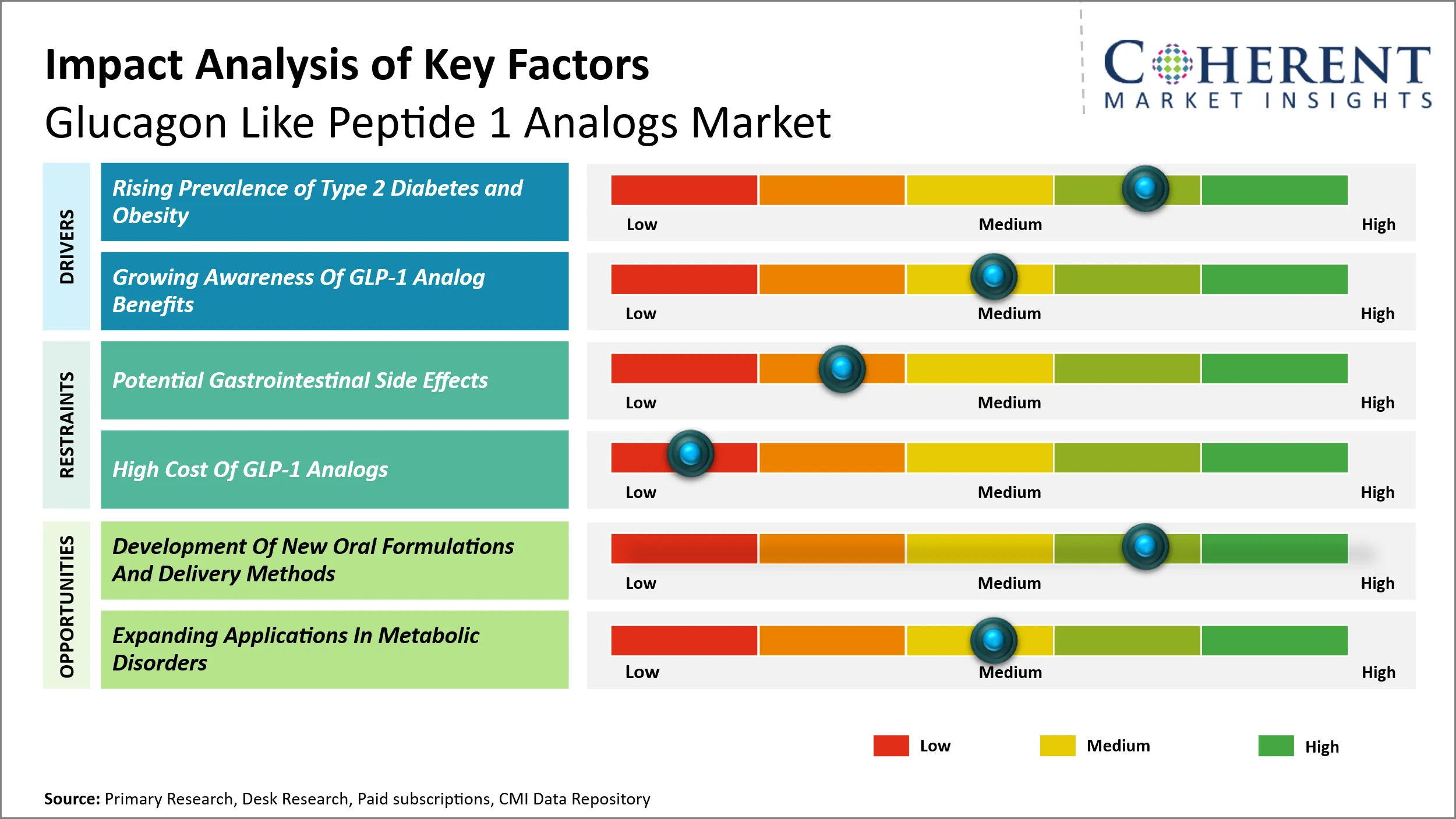
Glucagon Like Peptide 1 Analogs Market Driver - Rising Prevalence of Type 2 Diabetes and Obesity
The escalating prevalence of type 2 diabetes and obesity worldwide is a significant factor driving the demand for Glucagon Like Peptide 1 (GLP-1) analogs. As lifestyle changes, sedentary behavior, and unhealthy dietary patterns become increasingly common, the incidence of these metabolic disorders continues to surge. For example, introduction of injectable and oral long-acting formulations has revolutionized the way these drugs are administered. Exenatide extended-release (ER) injection (Byetta, Bydureon), liraglutide ER injection (Victoza, Saxenda), and dulaglutide ER injection (Trulicity) are some of the long-acting injectable incretin mimetics that have been approved by U.S. Food and Drug Administration (FDA) since 2010. These formulations offer several advantages over the short-acting injectable and oral forms, including improved patient compliance, reduced injection frequency, and better glycemic control.
In June 2024, a recent study by the National Library of Medicine, Secular Trends in Diabetes in India (STRiDE-I), revealed a concerning rise in type 2 diabetes (T2DM) prevalence among younger individuals (ages 20–39) in southern India. Over a 10-year period, the prevalence in younger individuals increased by 36%, from 4.5% to 7.8%, significantly outpacing the 11% rise in older individuals (ages 40 and above). The incidence of T2DM in the younger group surged by 120%, highlighting a troubling trend in youth diabetes rates. Key risk factors contributing to this increase were obesity and a family history of diabetes, both of which were more prevalent among younger individuals. The study also found that cardiometabolic risks, including dyslipidemia and hypertension, rose more rapidly in the younger population. These findings underscore the need for targeted interventions to address diabetes risk factors in the youth population.
Glucagon Like Peptide 1 Analogs Market Opportunity - Development of New Oral Formulations and Delivery Methods
The glucagon like peptide 1 analogs market stands to benefit significantly from advancements in oral formulations and innovative delivery methods. Traditionally, glucagon like peptide 1 analogs have been administered via subcutaneous injections, which can pose adherence challenges among patients, limiting widespread acceptance and consistent usage. The development of oral glucagon like peptide 1 analogs offers a transformative opportunity to enhance patient convenience, improve compliance, and expand the target demographic, particularly among individuals with needle aversions or injection phobia. Additionally, innovations such as transdermal patches, inhalable formulations, and implantable devices are being explored to provide alternative, less invasive routes of administration. These novel delivery platforms could lower the treatment burden, enhance patient lifestyle compatibility, and facilitate more personalized diabetes and obesity management protocols.
The development of oral semaglutide (Ozempic, Rybelsus) can also drive the market growth. Semaglutide is a once-weekly injectable and a once-daily oral medication that makes it a versatile treatment option for patients with type 2 diabetes. The oral formulation of semaglutide, Rybelsus, was approved by the U.S. FDA in 2019, providing an alternative to injectable treatments for those who prefer oral administration.
For instance, according to a research article published by the National Institutes of Health (NIH) in December 2020, titled ‘Oral Nano Drug Delivery Systems for the Treatment of Type 2 Diabetes Mellitus,’ it was found that oral nano drug delivery systems for phytocompounds aimed at treating T2DM not only retain the benefits of oral administration but also address the limitations of traditional oral drug delivery methods.
Analyst Opinion (Expert Opinion)
- The glucagon like peptide 1 analogs market is experiencing significant growth, driven primarily by technological advancements in drug delivery systems, rising regulatory support for diabetes treatment, and a growing demand for effective therapies to address Type 2 diabetes and obesity. The development of novel GLP-1 receptor agonists, with enhanced efficacy and fewer side effects, has made them an attractive choice for clinicians. Additionally, government initiatives promoting diabetes management and the increasing prevalence of metabolic diseases worldwide are further propelling market growth. However, challenges such as high treatment costs and patient adherence to lifelong therapies remain key hurdles to broader adoption.
- Emerging opportunities lie in the combination therapies that integrate glucagon like peptide 1 analogs with other metabolic disease treatments, enhancing the therapeutic value for patients. Notable industry conferences such as the American Diabetes Association (ADA) Scientific Sessions and European Association for the Study of Diabetes (EASD) Annual Meeting have provided significant platforms for knowledge exchange, innovation showcases, and discussions on regulatory advancements. In terms of market initiatives, collaborations like that of Novo Nordisk and Eli Lilly on integrated GLP-1 therapies demonstrate successful partnerships driving innovation. Furthermore, regional policies in Europe and North America focused on improving diabetes care access are expected to boost the adoption of glucagon like peptide 1 analogs, positively impacting the market’s future outlook.
Speak to the analyst
Want personalized insights?
Take the findings above to one of our principal consultants, or have the report rebuilt around the segments, geographies and competitors you actually track.
Market Segmentation
- Drug Type Insights (Revenue, USD Bn, 2021 - 2033)
- Semaglutide
- Liraglutide
- Exenatide
- Dulaglutide
- Tirzepatide
- Others
- Linagliptin
- Lixisenatide
- Brand Insights (Revenue, USD Bn, 2021 - 2033)
- Saxenda
- Victoza
- Ozempic
- Wegovy
- Rybelsus
- Trulicity Pen
- Zepbound
- Mounjaro
- BYDUREON BCise
- Others
- Application Insights (Revenue, USD Bn, 2021 - 2033)
- Type 2 Diabetes Mellitus
- Weight Management (Obesity/Overweight)
- Cardiovascular Risk Reduction
- Route of Administration Insights (Revenue, USD Bn, 2021 - 2033)
- Oral
- Parenteral
- Type Insights (Revenue, USD Bn, 2021 - 2033)
- Brand
- Generic
- Gender Insights (Revenue, USD Bn, 2021 - 2033)
- Male
- Female
- Age Group Insights (Revenue, USD Bn, 2021 - 2033)
- Adult
- Pediatric/Children
- Distribution Channel Insights (Revenue, USD Bn, 2021 - 2033)
- Hospital Pharmacies
- Retail Pharmacies
- Online Pharmacies
- Regional Insights (Revenue, USD Bn, 2021 - 2033)
- North America
- U.S.
- Canada
- Latin America
- Brazil
- Argentina
- Mexico
- Rest of Latin America
- Europe
- Germany
- U.K.
- Spain
- France
- Italy
- Russia
- Rest of Europe
- Asia Pacific
- China
- India
- Japan
- Australia
- South Korea
- ASEAN
- Rest of Asia Pacific
- Middle East
- GCC Countries
- Israel
- Rest of Middle East
- Africa
- South Africa
- North Africa
- Central Africa
- North America
- Key Players Insights
- Novo Nordisk
- Eli Lilly and Company
- Sanofi
- AstraZeneca
- Boehringer Ingelheim
- Merck & Co.
- Amgen
- GlaxoSmithKline
- Bristol-Myers Squibb
- Takeda Pharmaceutical Company
- Daiichi Sankyo
- Pfizer
- Teva Pharmaceutical Industries
- Regeneron Pharmaceuticals
- Intarcia Therapeutics
- Hngzhou Jiuyuan Gene Engineering Co Ltd.
Sources
Primary Research Interviews
- Healthcare Practitioners (Endocrinologists, Diabetologists)
- Clinical Trial Coordinators
- Pharmaceutical Executives
- Patient Advocacy Groups
- Regulatory bodies (e.g., U.S. FDA, EMA)
- Healthcare Providers (Hospitals, Clinics)
Government and International Databases
- World Health Organization (WHO)
- U.S. Food and Drug Administration (FDA)
- European Medicines Agency (EMA)
- Centers for Disease Control and Prevention (CDC)
- National Institutes of Health (NIH)
- United Nations Population Division
- Global Health Data Exchange
Trade Publications
- Pharmaceutical Technology
- Diabetes Care
- Endocrinology Today
- The Pharmaceutical Journal
- Medical News Today
Academic Journals
- The Lancet Diabetes & Endocrinology
- Journal of Clinical Endocrinology & Metabolism
- Diabetes Research and Clinical Practice
- Nature Reviews Endocrinology
- Journal of Diabetes Science and Technology
- Diabetes, Obesity and Metabolism
Reputable Newspapers
- The New York Times
- The Guardian
- Financial Times
- Wall Street Journal
- The Washington Post
Industry Associations
- American Diabetes Association (ADA)
- European Association for the Study of Diabetes (EASD)
- International Diabetes Federation (IDF)
- Diabetes UK
- American Association of Clinical Endocrinologists (AACE)
Public Domain Resources
- National Library of Medicine (NLM)
- U.S. National Library of Medicine’s
- Open Government Data Platforms
Proprietary Elements
- CMI Data Analytics Tool Proprietary analytics tool to analyze real-time market trends, consumer behavior, and technology adoption in market
- Proprietary CMI Existing Repository of Information for Last 8 Years
Get access to 250+ pages report
Every segment, forecast, competitor profile and data table behind the analysis above — available for instant download.
- ESOMAR Member
- ISO 9001:2015 Certified
- D-U-N-S Registered
- GDPR & CCPA Compliant
Missing comfort of reading report in your local language? Find your preferred language:
Transform your Strategy with Exclusive Trending Reports
Frequently Asked Questions
The glucagon like peptide 1 analogs market is estimated to be valued at USD 59.01 Bn in 2026 and is expected to reach USD 117.21 Bn by 2033.
The CAGR of the glucagon like peptide 1 analogs market is projected to be 10.3% from 2026 to 2033.
Rising prevalence of type 2 diabetes and obesity and growing awareness of glucagon like peptide 1 analogs benefits are the major factors driving the growth of the glucagon like peptide 1 analogs market.
Potential gastrointestinal side effects and high cost of glucagon like peptide 1 analogs are the major factors hampering the growth of the glucagon like peptide 1 analogs market.
In terms of drug type, Semaglutide is estimated to dominate the market revenue share in 2026.
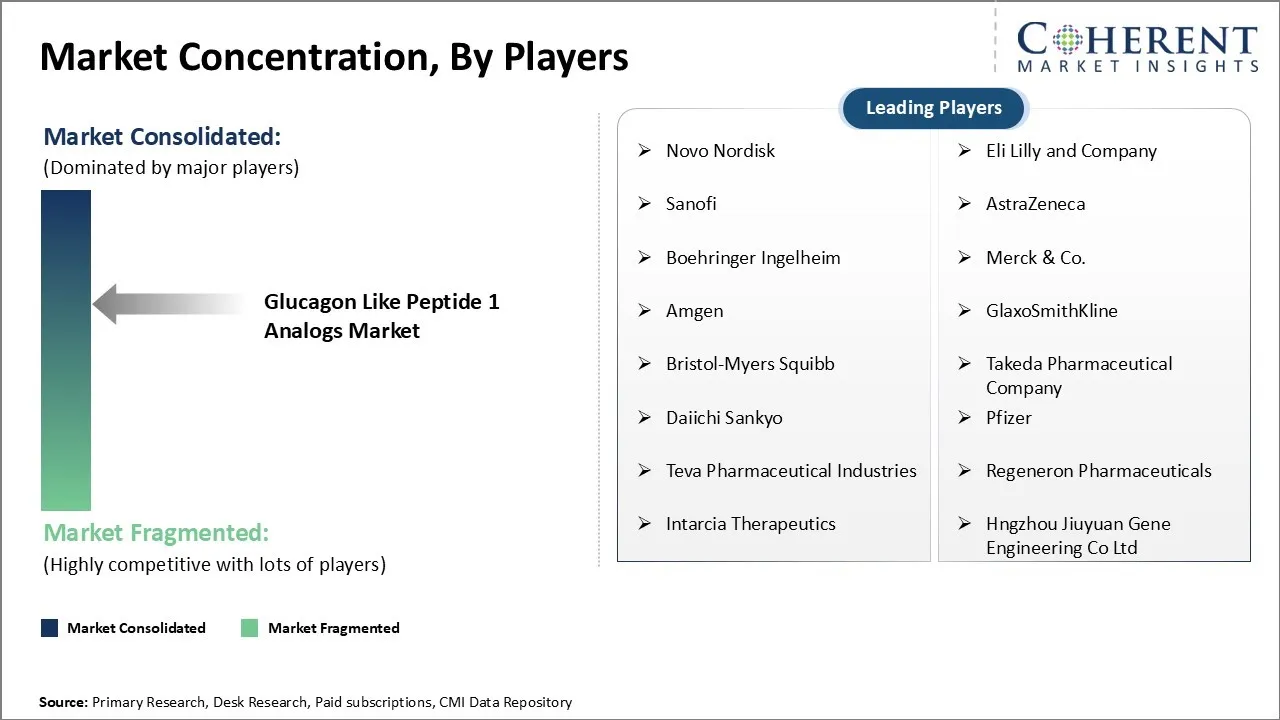
Novo Nordisk, Eli Lilly and Company, Sanofi, AstraZeneca, Boehringer Ingelheim, Merck & Co., Amgen, GlaxoSmithKline, Bristol-Myers Squibb, Takeda Pharmaceutical Company, Daiichi Sankyo, Pfizer, Teva Pharmaceutical Industries, Regeneron Pharmaceuticals, Intarcia Therapeutics, and Hngzhou Jiuyuan Gene Engineering Co Ltd are the major players in the glucagon like peptide 1 analogs market.
North America is expected to lead the glucagon like peptide 1 analogs market in 2026.