

Global Liver Health Supplements Market Size and Forecast – 2026-2033
The global liver health supplements market is estimated to be valued at USD 1.51 Bn in 2026 and is expected to reach USD 3.56 Bn by 2033, exhibiting a compound annual growth rate (CAGR) of 13.0% from 2026 to 2033. This substantial growth reflects increasing consumer awareness about liver health, coupled with rising incidences of liver-related diseases worldwide. The expanding preference for natural and herbal supplements further propels the market demand, making it a promising segment within the dietary supplements industry.
Key Takeaways of the Global Liver Health Supplements Market
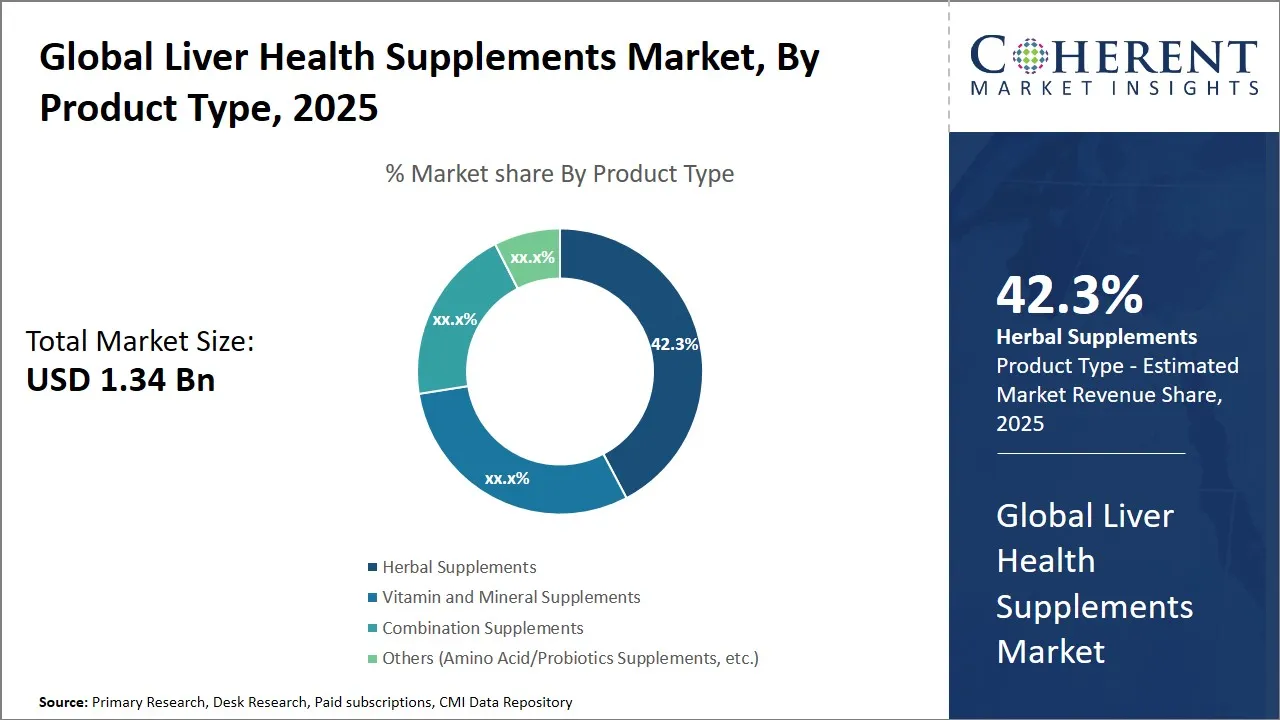
- The herbal supplements segment is projected to account for the largest share of the global liver health supplements market at 43.3 % in 2026.
- By dosage form, the tablets segment is expected to lead the market with a 33.2 % share in 2026.
- By ingredient sources, the plant-based supplements segment is expected to dominate with 24.2 % share in 2026.
- North America is expected to lead the market, holding a share of 37.3 % in 2026. Asia Pacific is anticipated to be the fastest-growing region, with an estimated market share of 25.2% in 2026.
Market Overview
A key trend driving the liver health supplements market is the growing inclination towards preventive healthcare and holistic wellness. Consumers are increasingly opting for products enriched with ingredients like milk thistle, turmeric, and artichoke extract, known for their hepatoprotective properties. Additionally, advancements in formulation technologies and rising e-commerce penetration facilitate easier access and product variety. Strategic collaborations among supplement manufacturers and healthcare providers also boost the market penetration, positioning liver health supplements as a vital component of contemporary health regimes.
Current Events and Its Impact
Current Events | Description and its Impact |
Launch of New Vegan and Herbal Liver Supplement Lines |
|
Fast Growth in Asia Pacific, Driven by Economic Gains and Rising Liver Disease Cases |
|
Segmental Insights
- Current Industry Events of 2026
- Market Size Estimation
- Regional Breakdown
- Competitive Landscape
- Customer Intelligence
- Segmental Analysis
- Pricing Analysis
- Key Market Drivers, Challenges & Future Trends
- Customized Insights Section
Liver Health Supplements Market Insights, by Product Type - Herbal Supplements Segment Dominates Owing to Rising Consumer Preference for Natural Remedies
The herbal supplements segment is projected to hold 43.3% share in 2026, driven by increasing consumer inclination toward natural and plant-based remedies. The surge in awareness about the long-term side effects associated with synthetic pharmaceuticals has motivated consumers to seek safer, holistic alternatives, making herbal supplements the preferred choice for liver health management. Traditional medicine systems such as Ayurveda and Traditional Chinese Medicine bolster this trend by endorsing the efficacy of herbs like milk thistle, turmeric, and dandelion, which are celebrated for their hepatoprotective properties. Additionally, the growing prevalence of lifestyle-related liver ailments such as fatty liver disease and alcohol-induced liver damage has increased the demand for preventive health products.
For example, in February 2022, Garden of Life, a U.S.-based manufacturer specializing in clean-label, organic, and whole food-based dietary supplements, introduced beet supplements to its portfolio. These supplements are formulated to promote liver function, support anti-aging benefits, and improve heart health while delivering the full nutritional value of beets.
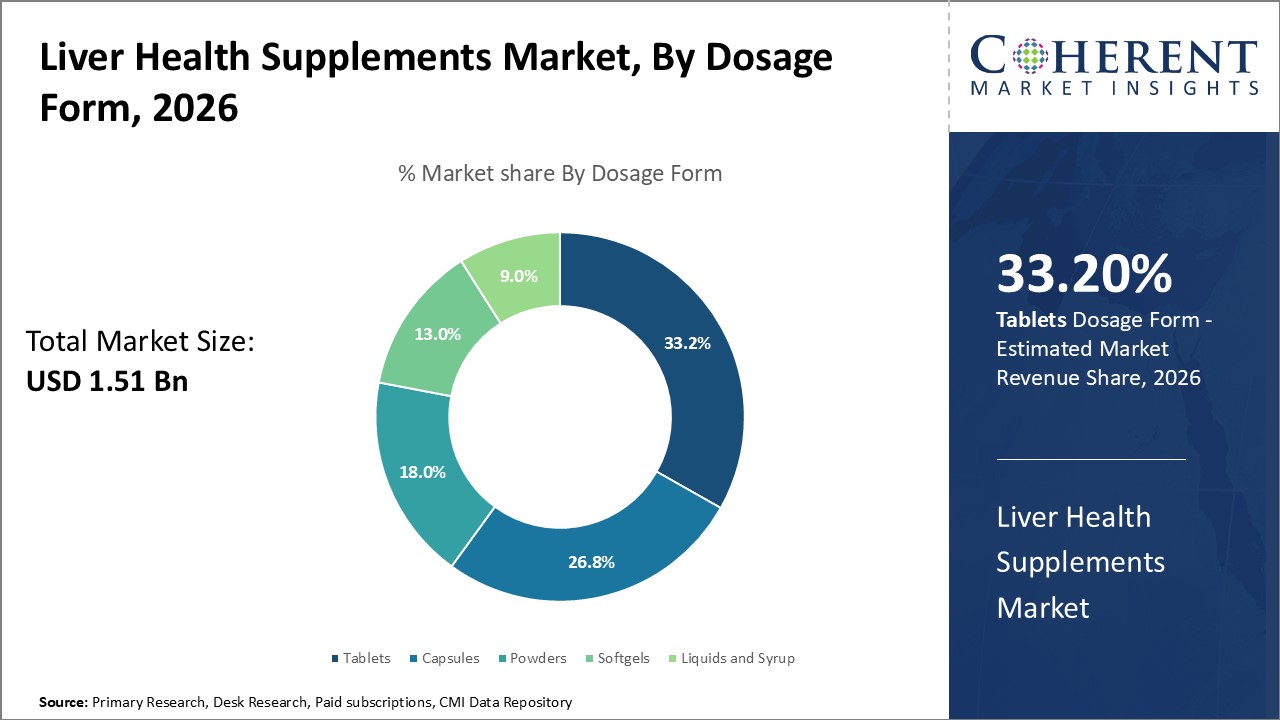
Liver Health Supplements Market Insights, by Dosage Form - Tablets Segment Leads the Market Due to Convenience and Consumer Familiarity
The tablets segment is expected to capture 33.2% share in 2026, due to their convenience and widespread consumer acceptance. Tablets offer an easy-to-use, portable format that fits seamlessly into the daily routines of consumers, which is critical for supplements targeting liver health that necessitate consistent, long-term use. They provide precise dosing, ensuring consumers receive accurate amounts of active ingredients, which is essential for efficacy and safety in liver health supplementation.
The production advantages of tablets such as longer shelf life and higher stability compared to liquids and powders also fuel their popularity among manufacturers and consumers alike. Tablets can be easily fortified with a combination of herbal extracts, vitamins, and minerals, catering to consumer demand for comprehensive liver support solutions. Additionally, tablets often carry well-established regulatory approvals and standardized quality controls, which foster consumer confidence in product reliability.
Liver Health Supplements Market Insights, by Ingredient Source - Plant-Based Ingredients Gain Traction Owing to Sustainability and Health Perception
The plant-based supplements segment is projected to hold 24.2% share in 2026, propelled by consumer preference for natural and sustainable health solutions. The emphasis on plant-derived ingredients aligns with broader consumer values around environmental responsibility, ethical sourcing, and clean-label products. Plant-based supplements are associated with a perception of being gentler on the body, free from harsh chemicals, and congruent with traditional dietary patterns, which enhances their desirability among health-conscious consumers.
The liver’s central role in detoxification and metabolism makes consumers vigilant about the purity and origin of supplements intended to aid liver function. Plant-based ingredients—from well-known herbs like milk thistle and artichoke to lesser-known botanicals are valued for their bioactive compounds, which provide antioxidant and anti-inflammatory benefits integral to liver health. This natural composition appeals to those looking to avoid synthetic additives and potential allergens commonly found in animal-based or synthetic products.
Consumer Attribute Trends
- Product attribute preferences play a central role in shaping consumer demand for liver health supplements. A growing share of consumers lean toward herbal-based products, particularly those containing traditional botanicals like milk thistle, turmeric, artichoke extract, and dandelion root, as they are perceived to be safer and more natural compared to synthetic formulations. At the same time, vitamin and mineral blends (such as Vitamin E, Vitamin C, and Zinc combinations) are popular among consumers seeking clinically recognized nutrients for overall liver function. An emerging segment is multi-ingredient formulas, which combine herbs, antioxidants, and amino acids like NAC (N-acetyl cysteine) to provide broader liver support. These formulas are gaining attention for their “all-in-one” positioning, offering convenience and perceived efficacy.
- In terms of dosage form, consumers display a clear inclination toward capsules and tablets due to portability, ease of dosing, and familiarity. However, powders and liquids are preferred by health-conscious and older populations who favor faster absorption and customizable dosages, while gummies are steadily gaining traction among younger consumers seeking a more convenient and palatable option. Alongside form, natural and organic positioning is a decisive factor in purchase decisions. Clean-label, non-GMO, and plant-based certifications are driving product preference across all demographics, with a significant portion of consumers willing to pay premium prices for supplements marketed as organic, sustainably sourced, or free from artificial additives. This growing shift toward transparency and natural claims reflects broader wellness and sustainability trends shaping the global liver health supplements market.
Regional Insights
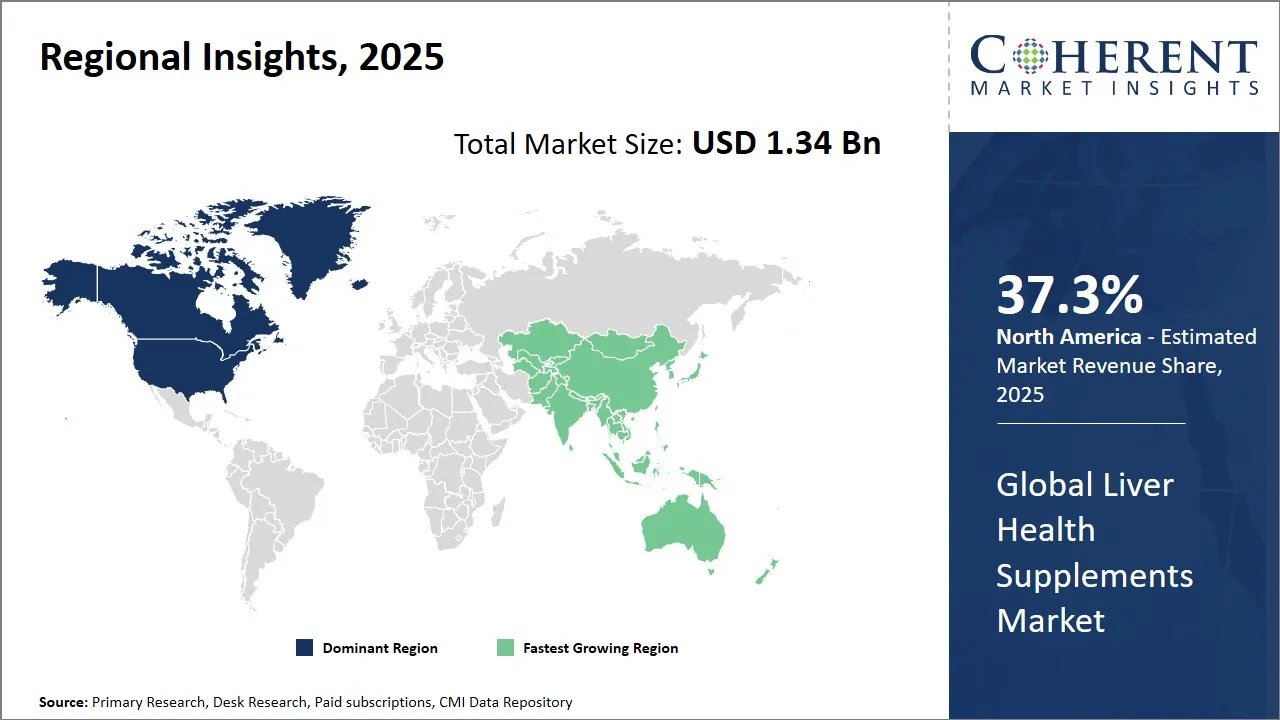
North America Liver Health Supplements Market Analysis and Trends
North America region is projected to lead the market with a 37.3% share in 2026, driven by a highly sophisticated healthcare infrastructure, widespread awareness about liver health, and aggressive marketing strategies by major supplement manufacturers. The region benefits from strong regulatory frameworks established by agencies such as the FDA, which ensure product safety and efficacy, fostering consumer trust. Additionally, the presence of key industry players such as GNC Holdings, Herbalife Nutrition, and NOW Foods anchors the market with diversified product portfolios tailored to liver health. The region’s extensive distribution networks, including pharmacies, health stores, and online platforms, facilitate robust the market coverage.
In January 2024, Cymbiotika, a leading U.S. wellness brand known for its premium, science-backed nutritional formulas, revealed the upcoming launch of Liver Health +, a groundbreaking supplement formulated to reduce inflammation, enhance detoxification, regenerate the liver, prevent liver damage, and support bile production, among other benefits.
Asia Pacific Liver Health Supplements Market Analysis and Trends
The Asia Pacific exhibits the fastest growth in the liver health supplements market with an estimated 25.2% share in 2026, due to rising health consciousness accelerating urbanization and expanding middle-class populations in countries like China and India. The region’s traditional reliance on herbal and natural remedies dovetails with increasing interest in preventive health supplements. Governments across Asia Pacific are progressively easing regulations to accommodate functional foods and nutraceutical supplements, enabling easier market access for local and global players. Key companies such as Amway India, Patanjali Ayurved, and BY-HEALTH Co. actively promote liver health supplements leveraging traditional herbal ingredients like milk thistle and turmeric.
Global Liver Health Supplements Market Outlook for Key Countries
U.S. Liver Health Supplements Market Analysis and Trends
The U.S. liver health supplements market leads due to high consumer awareness and stringent regulatory oversight fostering product quality. Industry giants like Pfizer and GNC focus on innovation in liver detox and antioxidant-rich formulations. The country’s extensive healthcare system and well-established retail channels, including mainstream pharmacies and online platforms, ensure broad product availability. Federal health initiatives aimed at combating liver diseases, supported by extensive clinical research, contribute to sustaining market growth.
In June 2024, Plexus Worldwide, a U.S.-based health and wellness company recognized for its nutritional supplements and weight management products, announced the anticipated launch of Restore, a liver support and detoxification product designed to empower individuals seeking enhanced natural detoxification and comprehensive liver support.
China Liver Health Supplements Market Analysis and Trends
China is a critical growth hub characterized by a blend of traditional medicinal practices and modern supplement innovations. Companies such as BY-HEALTH and Tong Ren Tang harness the power of traditional herbs in formulating liver health supplements. Government policies promoting Traditional Chinese Medicine (TCM) and health supplements as part of national wellness plans substantially influence the market. Additionally, rapid urbanization and digital commerce expansion provide ample opportunities for the market penetration.
In March 2024, as per research study published by the National Library of Medicine, researchers highlighted the growing role of Traditional Chinese Medicine (TCM) in treating Non-Alcoholic Fatty Liver Disease (NAFLD), a condition now considered the world’s most common chronic liver disease. NAFLD affects about 25% of the global population, with prevalence rates nearing 30% in Asia Pacific, and is a leading cause of cirrhosis and liver cancer. While modern drugs such as the recently USFDA-approved Rezdiffra (resmetirom) provide new hope for NASH patients with liver fibrosis, they still present side effects and limited efficacy.
India Liver Health Supplements Market Analysis and Trends
India liver health supplements market is propelled by a large population base, growing awareness about liver conditions, and increasing preference for herbal supplements. Leaders such as Patanjali Ayurved leverage indigenous Ayurvedic knowledge to provide liver support products made from natural ingredients like bhumyamalaki and kutki. Government initiatives encouraging traditional medicine and wellness tourism further foster market development. E-commerce growth also facilitates wide product distribution even in rural markets.
In July 2026, the Proven Code, one of India’s pioneering nutraceutical brands focused on patented and clinically validated formulations, drew national attention at the International Health and Wellness Expo 2026 in New Delhi, India. With its Proof First Movement, the company highlighted the risks of unverified and unsafe supplements on liver, kidney, and overall health, positioning its products as a safer alternative within the liver health supplements market.
Germany Liver Health Supplements Market Analysis and Trends
Germany liver health supplements market stands out due to strong pharmaceutical and nutraceutical industries focused on liver health. Companies such as Bayer and Queisser Pharma invest in research-driven supplement development, emphasizing clinically validated liver support products. The robust healthcare ecosystem and cautious consumer base prioritize product safety and evidence-based benefits. Moreover, Germany benefits from the European Medicines Agency’s regulatory frameworks that maintain high-quality standards for health supplements.
For example, Bayer AG, offers a wide portfolio of healthcare and wellness products and continues to channel investments into natural and science-based liver support solutions. Queisser Pharma, known for its Doppelherz brand, has introduced herbal and micronutrient-based supplements targeted at liver function and detoxification, catering to Germany’s health-conscious population.
Market Players, Key Developments, and Competitive Intelligence
Key Developments
- On September 04, 2025, Purezen, an India-based nutraceutical company founded by Mitesh Desai and co-led by Anushka Desai, introduced a new range of health supplements designed to address the top 10 health concerns in India. The company, known for combining India’s traditional wellness practices with modern innovations, emphasized its commitment to delivering high-quality, science-backed, multi-ingredient formulations that align with its philosophy of holistic wellness “Pure, Precise, and Powerful.” This development strengthens the positioning of liver health supplements and broader nutraceutical solutions in the Indian liver health supplements market.
- In June 2025, Liver Revive, a U.S.-based wellness brand focused on botanical detox and clean-label nutrition, released its 2025 Transparency Update in the liver health supplements market. The update highlights key natural ingredients such as milk thistle, turmeric, and dandelion root in its non-clinical liver health formula, aligning with modern consumer trends for metabolic support, bloating relief, and ingredient transparency. By reinforcing its commitment to openness and product quality, Liver Revive strengthens its positioning as a leader in the clean-label liver supplements segment.
- In June 2025, HepatoBurn, a U.S.-based wellness brand focused on plant-based health solutions, updated its official website to showcase its natural daily supplement supporting metabolic health and liver function in the liver health supplements market. The formula, designed for adult wellness routines, emphasizes convenience, detox support, and metabolic balance, offering consumers a routine-friendly option that integrates seamlessly into everyday lifestyles without restrictive diets or complex regimens.
- In January 2025, Salk Institute, a leading U.S. research organization renowned for its pioneering work in life sciences, published findings that highlight a breakthrough for the liver health supplements market. Scientists discovered that removing the bile acid–producing protein Bile Acid-CoA:Amino Acid N-Acyltransferase (BAAT) and supplementing with Ursodeoxycholic Acid (UDCA) controlled tumor growth in mice with liver cancer. The study revealed that UDCA dietary supplements improved T cell function and could make immunotherapy more effective for liver cancer patients, offering a potentially quick and accessible solution to enhance treatment outcomes.
Top Strategies Followed by Global Liver Health Supplements Market Players
- Established market leaders primarily focus on heavy investments in research and development (R&D) to drive innovation and deliver high-performance products that meet evolving consumer needs. By leveraging advanced scientific research, these companies develop formulations with enhanced efficacy and safety profiles, setting them apart in a crowded market. Additionally, they actively pursue strategic partnerships and collaborations with major industry stakeholders, including Original Equipment Manufacturers (OEMs), to strengthen supply chains, optimize production efficiencies, and solidify their market positions.
- For example, in January 2024, Cymbiotika, a San Diego–based wellness brand known for its science-backed premium supplements, announced the launch of Liver Health+, a revolutionary formula in the Liver Health Supplements market. Designed with a blend of liver-protective vitamins, herbs, and nutrients, Liver Health+ supports detoxification, inflammation reduction, liver regeneration, bile production, and enzyme regulation. Priced at USD 48 and available exclusively on cymbiotika.com, this product underscores Cymbiotika’s commitment to creating innovative, high-quality solutions that empower individuals to take charge of their long-term wellness
- Mid-level competitors in the liver health supplements arena adopt a differentiated approach centered on delivering cost-effective solutions that strike a balance between quality and affordability. Their target consumer segment typically includes price-sensitive customers who seek reliable liver support products without premium pricing. To maintain competitiveness, mid-sized companies often form strategic alliances or joint ventures that enable them to leverage enhanced production capabilities, adopt emerging technologies, and gain access to wider distribution channels. These collaborations not only help optimize operational costs but also facilitate innovation through shared knowledge and resources.
- For example, in August 2025, Kilcoy Global Foods, a long-established Australian beef producer, introduced its nutrient-rich Beef Liver Powders to the global nutrition market, aligning well with trends in the Liver Health Supplements space. By offering both a premium range for human health supplements and a cost-effective range for pet nutrition, Kilcoy reflects the strategy often seen among mid-level competitors in the liver health supplements arena delivering differentiated, high-quality yet affordable solutions.
- Small-scale players, meanwhile, carve out niche market segments by emphasizing specialized product features or introducing innovative formulations that cater to unique consumer needs. Their agility allows them to adopt cutting-edge technologies rapidly, whether that involves novel delivery systems such as liposomal encapsulation, or the use of rare botanicals and scientifically-supported ingredients. In order to navigate the challenges of market entry and visibility, these smaller entities frequently establish local alliances with startups, regional manufacturers, and health practitioners to gain footholds in specific geographic areas.
- An example of this strategy can be seen in brands like HerBodhi, which launched in July 2025 with a plant-powered, science-backed alternative to Primal Queen, targeting women’s wellness through natural hormonal balance and liver support. Similarly, Liver Revive has positioned itself as a clean-label, botanical detox brand, leveraging transparency updates to highlight ingredients such as milk thistle, turmeric, and dandelion root.
Market Report Scope
Liver Health Supplements Market Report Coverage
| Report Coverage | Details | ||
|---|---|---|---|
| Base Year: | 2025 | Market Size in 2026: | USD 1.51 Bn |
| Historical Data for: | 2020 To 2024 | Forecast Period: | 2026 To 2033 |
| Forecast Period 2026 to 2033 CAGR: | 13.0% | 2033 Value Projection: | USD 3.56 Bn |
| Geographies covered: |
| ||
| Segments covered: |
| ||
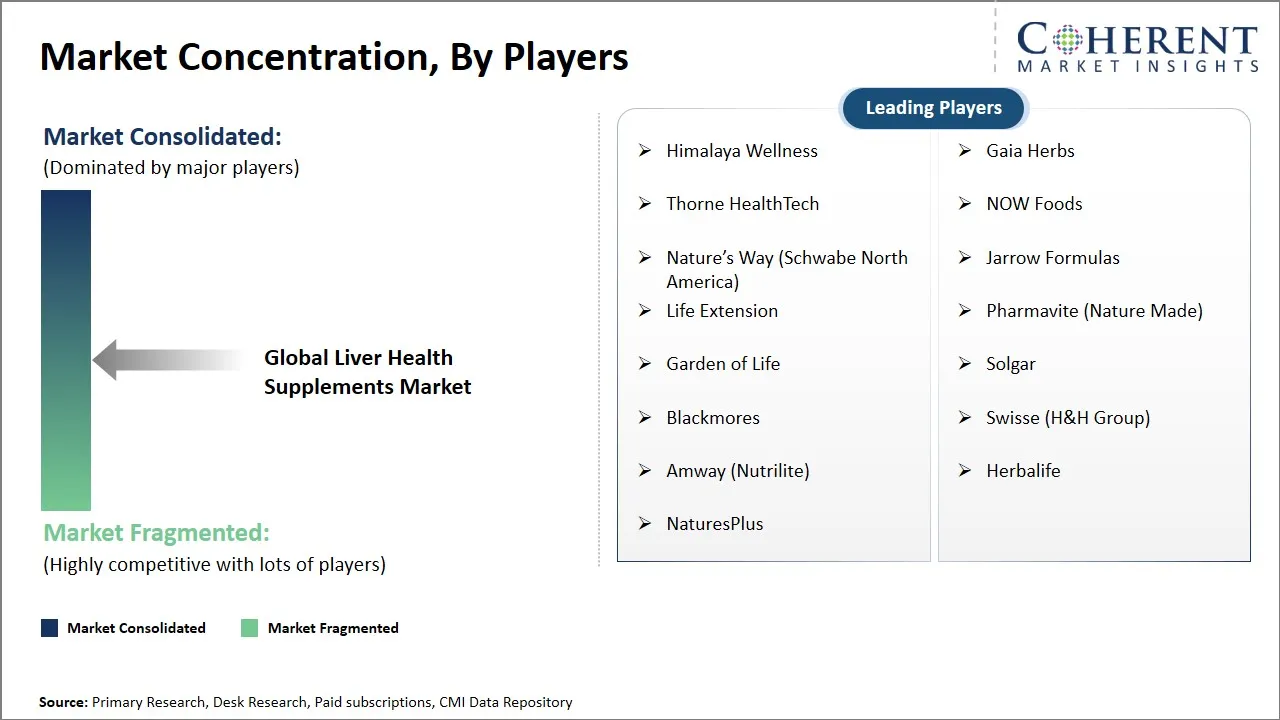
| Companies covered: | Himalaya Wellness, Gaia Herbs, Thorne HealthTech, NOW Foods, Nature’s Way (Schwabe North America), Jarrow Formulas, Life Extension, Pharmavite (Nature Made), Garden of Life, Solgar, Blackmores, Swisse (H&H Group), Amway (Nutrilite), Herbalife, and NaturesPlus | ||
| Growth Drivers: |
| ||
| Restraints & Challenges: |
| ||
Liver Health Supplements Market Dynamics
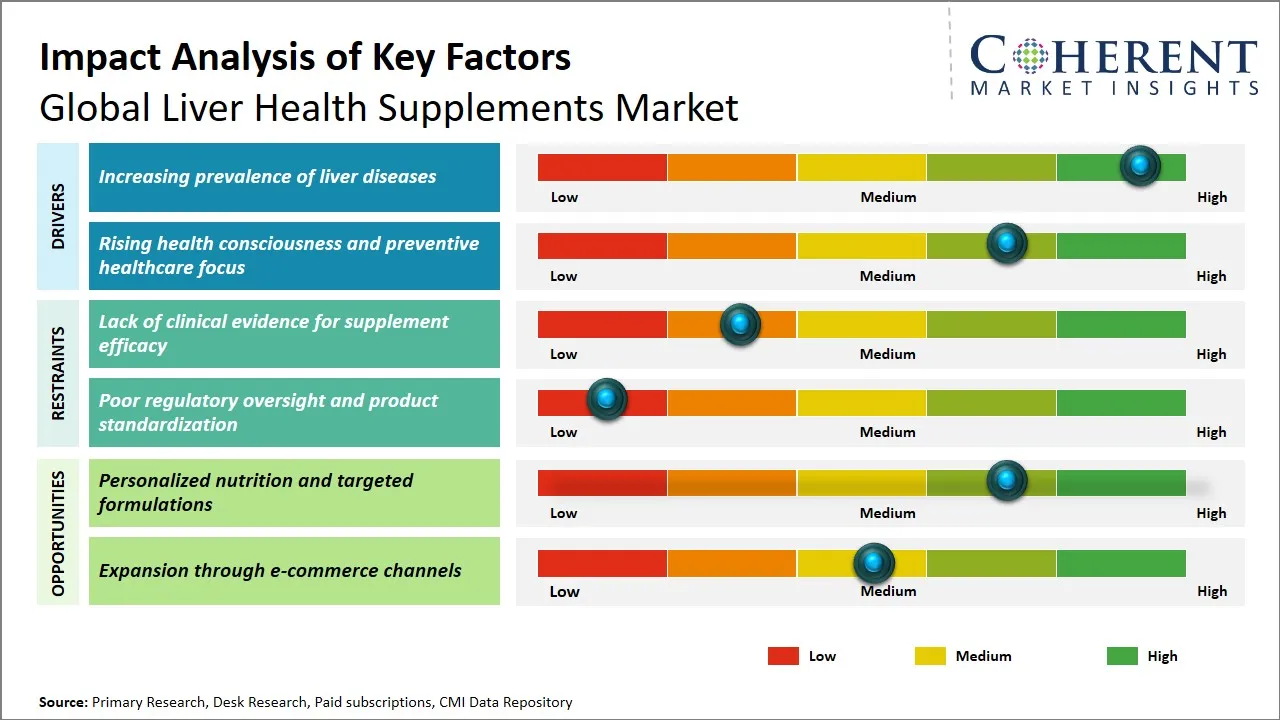
Liver Health Supplements Market Driver - Increasing Prevalence of Liver Diseases
The rising incidence of liver-related disorders worldwide, including fatty liver disease, hepatitis, cirrhosis, and liver cancer, is a significant factor driving the demand for liver health supplements. Modern lifestyles characterized by poor dietary habits, excessive alcohol consumption, and increasing obesity rates contribute notably to the escalating burden of liver diseases. Additionally, the growing prevalence of viral hepatitis infections in various regions further exacerbates liver health concerns. As conventional treatments for these conditions often involve prolonged medical intervention and carry potential side effects, consumers are increasingly turning to liver health supplements as complementary or preventive options to support liver function and detoxification. The awareness about maintaining liver health to prevent disease progression is further amplified by various public health initiatives and rising health consciousness globally.
In February 2025, according to data published in journal Springer Nature Limited, Liver diseases account for around 2 million deaths annually (about 4% of global mortality). Major contributors include cirrhosis (1.26 million deaths in 2019), liver cancer (830,000 deaths in 2020), and viral Hepatitis B Virus (HBV) and hepatitis C virus (HCV) causing about 1.3 million deaths each year. Alcohol-associated liver disease (ALD) adds over 3.3 million new cases annually, while Metabolic Dysfunction-Associated Steatotic Liver Disease (MASLD), also known as Non-Alcoholic Fatty Liver Disease (NAFLD), caused nearly 280,000 deaths in 2019. Prevalence varies widely across regions, with the highest liver cancer mortality rate in Mongolia (71 per 100,000 people) and the lowest in the U.S. (6.6 per 100,000 people), largely due to differences in HBV/HCV prevalence, alcohol consumption, and healthcare access.
Liver Health Supplements Market Opportunity - Personalized Nutrition and Targeted Formulations
The growing consumer demand for personalized nutrition presents a significant opportunity in the global liver health supplements market. Advances in biotechnology and data analytics have enabled companies to develop targeted formulations tailored to individual liver health needs, genetic predispositions, lifestyle factors, and dietary habits. Personalized liver supplements can address specific conditions such as fatty liver disease, cirrhosis, or detoxification requirements more effectively than generic products. This customization not only enhances product efficacy but also improves customer engagement and loyalty by providing consumers with solutions that align closely with their unique health profile.
In June 2025, Guttify, a gut health brand from India backed by Lifechart and recently funded with over USD 1 million in seed investments, launched the Liver Lift Kit, the country’s first clinically guided at-home solution for fatty liver management in the Liver Health Supplements space. Specially designed for busy professionals and health-conscious consumers, the kit combines plant-based supplements with natural ingredients like milk thistle, dandelion, and moringa, along with personalized dietary guidance and lifestyle tips, offering a convenient and science-backed approach to sustainable liver wellness.
Analyst Opinion (Expert Opinion)
- The liver health supplements market is gaining strong momentum as consumers become more proactive about preventive wellness, especially against rising cases of fatty liver disease, hepatitis, and alcohol-related conditions. Growing confidence in natural and plant-based ingredients such as milk thistle, turmeric, and artichoke extract is fueling the demand, while regulatory support for dietary supplements in regions like North America and Europe is creating a favorable environment for innovation. At the same time, challenges such as limited clinical validation of some herbal claims and the growing risk of counterfeit products are shaping competitive strategies. Opportunities lie in personalized nutrition and digital health platforms that integrate supplement routines with lifestyle management. Knowledge-sharing platforms like the International Liver Congress organized by the European Association for the Study of the Liver and the Global Liver Institute’s annual Liver Health Awareness Summit have been instrumental in driving policy discussions and highlighting new therapeutic approaches that indirectly support the supplements industry.
- Real-world initiatives continue to shape the market outlook. In recent years, several nutraceutical brands have launched clinically backed liver health products, with companies in the U.S. and Asia Pacific investing in R&D around bioavailable formulations. Governments in regions such as Asia Pacific are running nationwide awareness campaigns on liver disease prevention, which in turn is pushing consumer adoption of supplements as part of daily wellness routines. Strategic collaborations between research institutes and supplement manufacturers, such as joint trials on milk thistle efficacy, are also strengthening product credibility. These developments, alongside ongoing global programs promoting digestive and metabolic health, are expected to reinforce consumer trust and expand the reach of liver health supplements in the coming years.
Speak to the analyst
Want personalized insights?
Take the findings above to one of our principal consultants, or have the report rebuilt around the segments, geographies and competitors you actually track.
Market Segmentation
- Product Type Insights (Revenue, USD Bn, 2021 - 2033)
- Herbal Supplements
- Vitamin and Mineral Supplements
- Combination Supplements
- Others (Amino Acid/Probiotics Supplements, etc.)
- Dosage Form Insights (Revenue, USD Bn, 2021 - 2033)
- Tablets
- Capsules
- Powders
- Softgels
- Liquids and Syrup
- Ingredient Source Insights (Revenue, USD Bn, 2021 - 2033)
- Plant-Based
- Animal-Based
- Synthetic
- Function Insights (Revenue, USD Bn, 2021 - 2033)
- Detoxification Support
- Liver Regeneration and Repair
- Digestive Health Support
- Fatty Liver and Cholesterol Management
- Alcohol-Related Liver Care
- General Wellness and Preventive Care
- Age Group Insights (Revenue, USD Bn, 2021 - 2033)
- Adults
- Pediatric
- Geriatric
- Distribution Channel Insights (Revenue, USD Bn, 2021 - 2033)
- Pharmacies and Drug Stores
- Supermarkets and Hypermarkets
- Health and Specialty Stores
- Online Retail/E-commerce
- Regional Insights (Revenue, USD Bn, 2021 - 2033)
- North America
- U.S.
- Canada
- Latin America
- Brazil
- Argentina
- Mexico
- Rest of Latin America
- Europe
- Germany
- U.K.
- Spain
- France
- Italy
- Russia
- Rest of Europe
- Asia Pacific
- China
- India
- Japan
- Australia
- South Korea
- ASEAN
- Rest of Asia Pacific
- Middle East
- GCC Countries
- Israel
- Rest of Middle East
- Africa
- South Africa
- North Africa
- Central Africa
- North America
- Key Players Insights
- Himalaya Wellness
- Gaia Herbs
- Thorne HealthTech
- NOW Foods
- Nature’s Way (Schwabe North America)
- Jarrow Formulas
- Life Extension
- Pharmavite (Nature Made)
- Garden of Life
- Solgar
- Blackmores
- Swisse (H&H Group)
- Amway (Nutrilite)
- Herbalife
- NaturesPlus
Sources
Primary Research Interviews
- Industry Stakeholders List
- Senior executives from nutraceutical companies
- Product managers in dietary supplements manufacturing
- End Users List
- Healthcare practitioners (hepatologists, nutritionists)
- Regular supplement consumers (urban adults, fitness enthusiasts)
Government and International Databases
- World Health Organization (WHO)
- Food and Drug Administration (FDA)
- European Food Safety Authority (EFSA)
- Centers for Disease Control and Prevention (CDC)
- National Institutes of Health (NIH)
- United Nations Food and Agriculture Organization (FAO)
Trade Publications
- NutraIngredients
- Natural Products Insider
- Nutritional Outlook
- Functional Foods & Nutraceuticals
- WholeFoods Magazine
- Vitamin Retailer Magazine
Academic Journals
- Journal of Hepatology
- Hepatology (AASLD)
- Liver International
- Journal of Dietary Supplements
- Nutrients (MDPI)
- Phytotherapy Research
Reputable Newspapers
- The New York Times – Health Section
- The Guardian – Health & Science
- The Washington Post – Health & Wellness
- Financial Times – Healthcare Insights
- The Times of India – Health News
- South China Morning Post – Health
Industry Associations
- European Association for the Study of the Liver (EASL)
- American Association for the Study of Liver Diseases (AASLD)
- Council for Responsible Nutrition (CRN)
- International Alliance of Dietary/Food Supplement Associations (IADSA)
- Global Liver Institute (GLI)
- Natural Products Association (NPA)
Public Domain Resources
- (U.S. National Library of Medicine)
- World Bank Health Data
- Global Burden of Disease Database (IHME)
- OECD Health Statistics
- ScienceDirect
Proprietary Elements
- CMI Data Analytics Tool: Proprietary analytics tool to analyze real-time market trends, consumer behavior, and technology adoption in market
- Proprietary CMI Existing Repository of Information for Last 8 Years
Get access to 250+ pages report
Every segment, forecast, competitor profile and data table behind the analysis above — available for instant download.
- ESOMAR Member
- ISO 9001:2015 Certified
- D-U-N-S Registered
- GDPR & CCPA Compliant
Missing comfort of reading report in your local language? Find your preferred language:
Transform your Strategy with Exclusive Trending Reports
Frequently Asked Questions
The global liver health supplements market is estimated to be valued at USD 1.51 Bn in 2026 and is expected to reach USD 3.56 Bn by 2033.
The CAGR of the global liver health supplements market is projected to be 13.0% from 2026 to 2033.
Increasing prevalence of liver diseases and rising health consciousness and preventive healthcare focus are the major factors driving the growth of the global liver health supplements market.
Lack of clinical evidence for supplement efficacy and poor regulatory oversight and product standardization are the major factors hampering the growth of the global liver health supplements market.
In terms of product type, the herbal supplements segment is estimated to dominate the market revenue share in 2026.
The market is set for steady growth with innovations in plant-based formulations and increasing focus on holistic wellness.
Milk thistle, artichoke extract, turmeric, and vitamin E are widely used for their detox and antioxidant benefits.