

Global Macrolide Antibiotics Market Size and Forecast – 2026 to 2033
The global macrolide antibiotics market is estimated to be valued at USD 6.42 Bn in 2026 and is expected to reach USD 9.10 Bn by 2033, exhibiting a compound annual growth rate (CAGR) of 5.1% from 2026 to 2033. This steady growth reflects rising demand driven by the increasing prevalence of respiratory infections and advancements in formulation technologies, which are helping expand the therapeutic applications of macrolide antibiotics worldwide.
Key Takeaways of the Global Macrolide Antibiotics Market
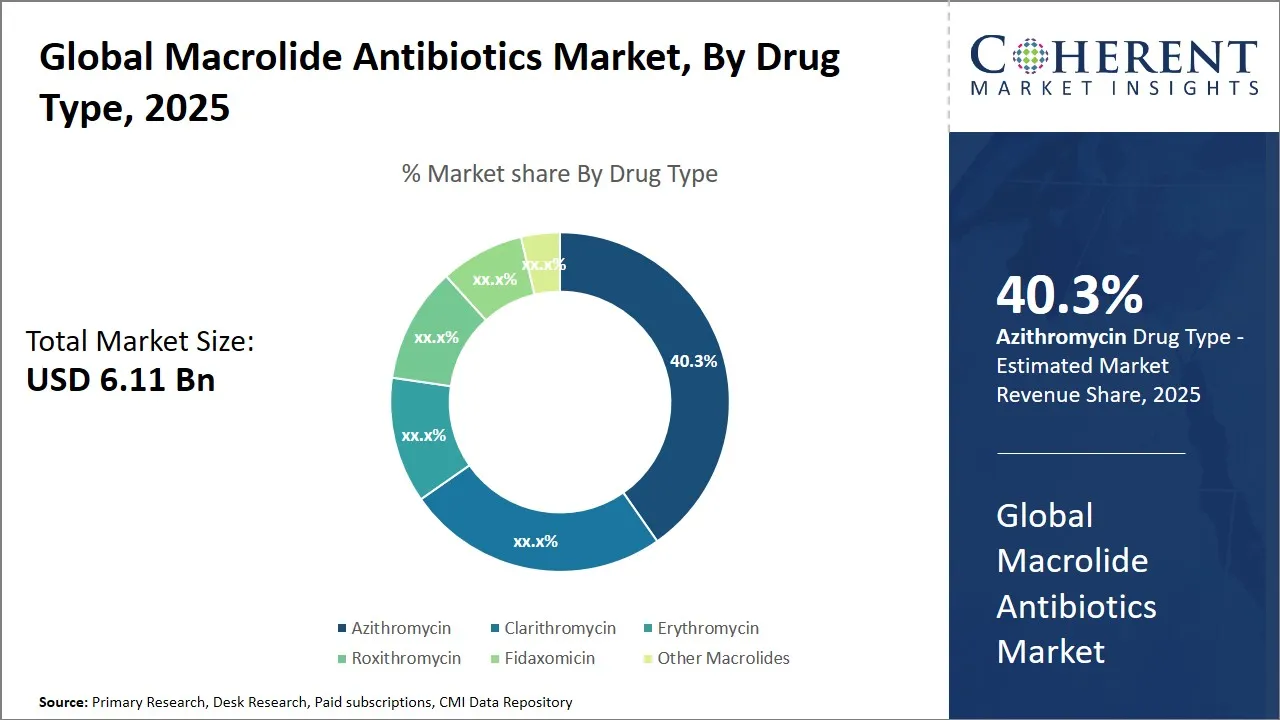
- Azithromycin is expected to lead the global macrolide antibiotics market by drug type, accounting for 41.3 % of the market share in 2026.
- The respiratory infections segment is the largest indication segment within the market, representing an estimated market share of 33.3 % in 2026.
- The pediatric segment is projected to hold a significant share of 46.7 % in 2026.
- North America is expected to lead the market, holding a share of 40.4 % in 2026. Asia Pacific is anticipated to be the fastest-growing region, accounting for a market share of 24.5% in 2026.
Market Overview
Market trends indicate a growing focus on developing novel macrolide derivatives with improved efficacy and reduced side effects, catering to the unmet needs in antibiotic-resistant infections. Additionally, increasing awareness about the importance of appropriate antibiotic use and government initiatives supporting research and development are propelling market growth. The rising adoption of combination therapies and expansion into emerging markets also contribute prominently to the sustained positive outlook for the macrolide antibiotics segment.
Current Events and Its Impact
Current Events | Description and their Impact |
Government Funding for Indigenous Drug Development |
|
Patent Expiration of a Leading Branded Macrolide |
|
Segmental Insights
- Current Industry Events of 2026
- Market Size Estimation
- Regional Breakdown
- Competitive Landscape
- Customer Intelligence
- Segmental Analysis
- Pricing Analysis
- Key Market Drivers, Challenges & Future Trends
- Customized Insights Section
Macrolide Antibiotics Market Insights, By Drug Type - Azithromycin contributes the highest market share owing to its broad-spectrum efficacy and favorable pharmacokinetics
Azithromycin is projected to lead the global macrolide antibiotics market, capturing 41.3% share in 2026. This dominance is driven by its strong antibacterial efficacy and the convenience of its dosage regimen for patients. This is a wide-spectrum drug as it is a good antimicrobial agent to Gram-positive and Gram-negative bacteria, and that implies it can be used against a wide variety of infections. Other distinctive strengths of Azithromycin include long half-life which enables it to be given once and requires a limited course of treatment compared to other antibiotics.
In May 2025, the European Medicines Agency (EMA) proposed a set of amendments to the use of azithromycin in the EU to help optimize its use and reduce the issue of antimicrobial resistance (AMR). The changes include the refinement and harmonization of its approved applications particularly respiratory diseases, sexually transmitted diseases, and Mycobacterium avium complex diseases.
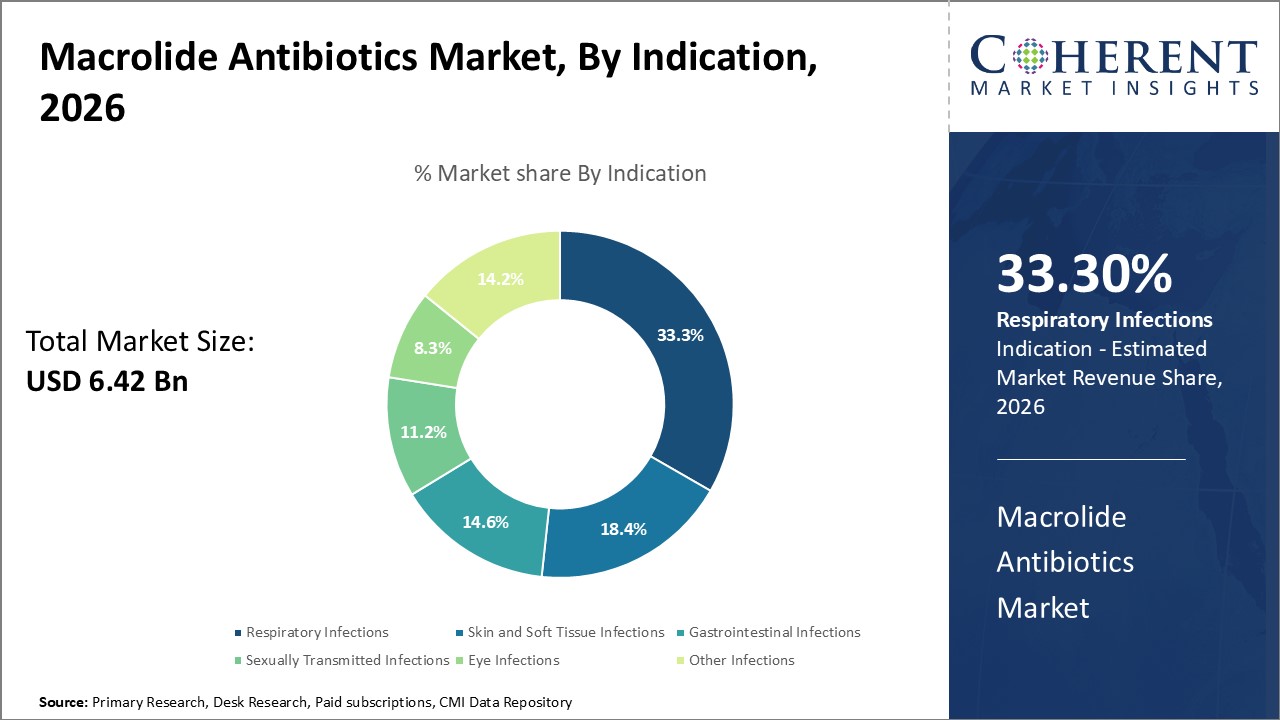
Macrolide Antibiotics Market Insights, By Indication - Respiratory infections hold significant market share due to the high prevalence and clinical complexity of these conditions
The respiratory infections segment is the largest indication in the global macrolide antibiotics market with an estimated share of 33.3% in 2026, due to a high rate of the disease, which includes community-acquired pneumonia (CAP), bronchitis, and sinusitis. Macrolides are particularly useful in the treatment of respiratory tract infections due to increased penetration and activity against non-typical pathogens such as Legionella pneumophila, Mycoplasma pneumoniae, and Chlamydia pneumoniae that causes these types of infections.
Urbanization, environmental pollution, smoking, and the rising incidence of chronic respiratory diseases (e.g. asthma and chronic obstructive pulmonary disease (COPD)) may predispose an individual to bacterial infections.
Macrolide Antibiotics Market Insights, By Age Group - The Pediatric segment commands the highest share driven by the high vulnerability of children to infections and increasing focus on child health
The pediatric segment is expected to account for the largest share in the global macrolide antibiotics market of 46.7% in 2026, owing to the fact that children are highly vulnerable to bacterial infections that demand the use of macrolide.
Communal interactions like school, and increased contact with infectious agents are common in pediatric populations as childhood respiratory infections, ear infections (otitis media), and skin infections are common because their immune systems are not fully developed.
Regional Insights
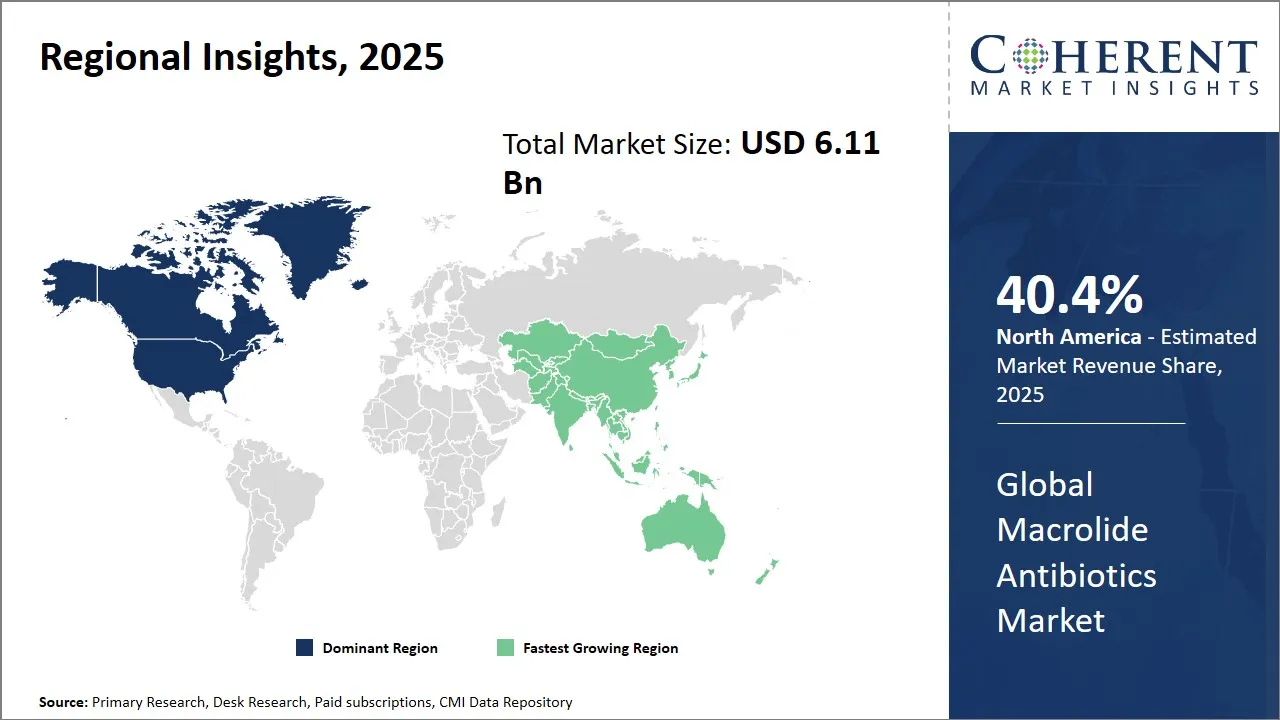
North America Macrolide Antibiotics Market Analysis and Trends
The global macrolide antibiotics market leadership in North America is based on a well-developed healthcare system with an estimated market share of 40.4% in 2026. This growth is driven by high pharmaceutical research and development and a large number of multinational pharmaceutical corporations. The fully developed market ecosystem encourages the high level of clinical investigations and quick introduction of new antibiotics with the help of strict regulations structures such as the U.S. FDA, which guarantees the effectiveness and safety of drugs.
For example, Abbott Laboratories is actively developing new formulations and drug delivery systems for antibiotics, particularly macrolides. One such example is Cethromycin (ABT 773, A-195773, or Abbott-195773), a once-daily ketolide antibiotic derived from Abbott's research on next-generation compounds based on the macrolide antibiotic clarithromycin.
Asia Pacific Macrolide Antibiotics Market Analysis and Trends
The macrolide antibiotics market has the fastest growth in Asia Pacific with an estimated market share of 24.5% in 2026 which is driven by the growing healthcare infrastructure, increasing prevalence of infectious diseases, and boosting the support of the governments towards the enhancement of healthcare accessibility and quality. The presence of prominent firms like Cipla, Sun Pharmaceutical, and Hainan Poly Pharm together with the activities of multinationals like GlaxoSmithKline have been playing their role in ensuring that this growth continues by strengthening production facilities and distribution channels across the region.
For example, one of the most famous and prosperous global pharmaceutical corporations, based in India, is Sun Pharma, which is recognized due to innovative medicines and broad therapeutic outcomes. The firm produces diverse prescription drugs, among which is Crixan 250mg Tablet or Clarithromycin, the macrolide antibiotic, employed in treating infection like middle ear infection, tonsillitis, throat infections, bronchitis, pneumonia, and skin infection.
Global Macrolide Antibiotics Market Outlook for Key Countries
U.S. Macrolide Antibiotics Market Trends
The market environment in the U.S. that surrounds macrolide antibiotics is represented by a well-developed antibiotic research, the presence of a favorable regulatory environment, and the widespread use of macrolide antibiotics in healthcare facilities. Large pharmaceutical corporations such as Pfizer and Merck have also sustained a large market share due to the introduction of new derivatives of macrolides and sustained-release preparations. The emphasis on the antimicrobial stewardship programs and infection control measures in hospitals facilitate the rational use of the macrolides, which guarantees the best therapeutic effects.
For example, Merck & Co., a global leader in the pharmaceutical industry, is renowned for its innovation in healthcare. The company’s macrolide antibiotics, including azithromycin, clarithromycin, and erythromycin, are crucial in treating respiratory, skin, and bacterial infections.
China Macrolide Antibiotics Market Trends
The macrolide antibiotics market in China is experiencing significant growth due to increased government healthcare spending and extensive population health campaigns focused on addressing respiratory tract infections and other bacterial diseases. Domestic firms like Hainan Poly Pharm and CSPC Pharmaceutical Group are vigorously expanding their production and research investment, whereas multinationals like GlaxoSmithKline are entering into partnerships to reach the huge Chinese market segment. Government policies that have supported the innovation of pharmaceuticals and simplified the processes of approval of new drugs facilitate quicker introduction of new macrolide antibiotics.
For example, CSPC Pharmaceutical Group Co., Ltd., based in China, is a major player in the global pharmaceutical industry, particularly in the production of macrolide antibiotics. The company offers azithromycin, a macrolide used to treat a wide range of infections caused by aerobic gram-positive and gram-negative cocci, as well as pathogens like Legionella, Mycoplasma, and Chlamydia.
India Macrolide Antibiotics Market Trends
Macrolide antibiotics remain a significant manufacturing hub in India, taking advantage of low production prices, and skilled workforce. Indian pharmaceutical giants such as Cipla, Sun Pharmaceutical, and Dr. Reddy laboratories play a central role, and they provide the market (both local and international) with generic and branded macrolides. The increasing awareness about bacterial infections and the development of healthcare infrastructure can guarantee constant demand.
For example, Azinolt-500, manufactured by Norchem Healthcare in India, is an effective Azithromycin 500mg antibiotic used to treat a variety of bacterial infections, including respiratory, skin, and sexually transmitted infections. It offers convenient once-daily dosing, broad-spectrum coverage, and minimal side effects.
Germany Macrolide Antibiotics Market Trends
The macrolide antibiotics industry in Germany is advantageous due to a good healthcare system, well developed pharmaceutical laws and a high rate of uptake of prescribed antibiotics into clinical practice. Firms, such as Bayer and BioNTech, are piling their efforts on research and development aimed at overcoming the resistance to antibiotics, which affects the design of better macrolide antibiotics. The distribution channels are also well established and the reimbursement policies are favorable which makes it readily available and affordable.
In Germany, Azithromycin prices are expected to continue falling by the end of December 2024, following a downward trend in recent weeks. This decrease is driven by a combination of economic pressures, inventory buildups by distributors and wholesalers, and shifting market dynamics.
End User Feedback and Unmet Needs in the Global Macrolide Antibiotics Market
- The end users in the macrolide antibiotics market, especially in healthcare units like hospitals and clinics are always satisfied with the effectiveness of these drugs to treat respiratory and bacterial infections. The first positive experience is associated with the fact that healthcare professionals report the effectiveness of azithromycin, which has been adopted as a macrolide of choice in the treatment of acute infections. Its longer half-life and the ability to take the drug at a convenient time is especially valued, as this will decrease the load on the patient and enhance the adherence rates. The rural healthcare facility users also commend the shelf life of the drug and its easy storage which makes it a viable alternative in an environment with little access to refrigeration storage. Nevertheless, other areas are still problematic. One of the common issues the physicians have raised, as an example, is the rising problem of antimicrobial resistance (AMR) owing to excessive prescriptions. This not only impacts the efficacy of treatment but patient safety and long-term outcomes is also being a matter of concern. Numerous end-users note that more efficient alternative to the current macrolide antibiotics are needed to combat the resistant strains of bacteria, and there is a gaping need in the innovation of the next-generation treatments.
- Regardless of the popularity of the macrolides, end users mention that there are some unmet needs which once met would lead to a substantial increase in the market. Such issues are the non-customization of treatment choices of patients having multiple morbidities or those having side effects with the usual doses. The affordability of alternative formulations of macrolide, especially in the low-income and developing countries, is also under consistent pressure where the affordability of treatment may restrict it. Moreover, the absence of combined treatment solutions based on the combination of macrolides with other antibiotics or therapies is also mentioned as a constraint. By addressing these issues, there would be a more sustainable and consumer-friendly market which would result in loyalty among the healthcare service providers in addition to the innovation in drug formulation and distribution approaches. Policymakers and manufacturers putting emphasis on these gaps will not only increase the results of treatment but also increase access and affordability to macrolide antibiotics so that it continues to be an important tool in the war on infectious disease all over the world.
Market Players, Key Developments, and Competitive Intelligence
Key Developments
- In May 2025, Wockhardt, a leading Indian pharmaceutical company, launched Nafithromycin, India’s first indigenous macrolide antibiotic, developed with support from the Biotechnology Industry Research Assistance Council (BIRAC). This breakthrough drug targets drug-resistant Community-Acquired Bacterial Pneumonia (CABP) and is 10 times more effective than azithromycin, offering a three-day treatment regimen. Nafithromycin, marketed as "Miqnaf," promises improved patient outcomes with minimal side effects. It addresses the growing concern of antimicrobial resistance (AMR), a major global health issue, particularly in India.
- In May 2024, the World Health Organization (WHO) released its updated Bacterial Priority Pathogens List (BPPL), highlighting 15 families of antibiotic-resistant bacteria that pose the most significant threats to human health. The list categorizes these bacteria into critical, high, and medium priorities, emphasizing the need for new treatments to combat antimicrobial resistance (AMR). Critical threats include gram-negative bacteria resistant to last-resort antibiotics and Mycobacterium tuberculosis resistant to rifampicin.
- In April 2024, Advancing Chemical Industries HealthCare Limited (ACI), a Bangladesh-based manufacturer, received World Health Organization (WHO) Prequalification for its Azithromycin 500mg film-coated tablets. This marks the first prequalification of azithromycin for the treatment of trachoma, a neglected tropical disease (NTD) that causes blindness, particularly in rural and low-income areas.
- In May 2021, Teva Pharmaceuticals, a leading global pharmaceutical company, announced the launch of its generic Erythromycin Tablets USP in 250 mg and 500 mg strengths in the U.S. This new generic version is a therapeutic equivalent to the reference listed drug from Arbor Pharmaceuticals and is used to treat various bacterial infections including respiratory tract infections, skin infections, and pertussis.
Top Strategies Followed by Global Macrolide Antibiotics Market Players
- Established industry leaders predominantly invest heavily in research and development (R&D) to innovate high-performance macrolide formulations that offer enhanced efficacy, safety, and patient compliance. Such rigorous R&D endeavors enable these players to maintain technological superiority and address unmet medical needs, thereby sustaining their competitive edge. Alongside innovation, these major companies strategically form alliances and partnerships with other significant industry players or original equipment manufacturers (OEMs).
- In the macrolide antibiotics market, established industry leaders like Pfizer and AbbVie invest significantly in research and development (R&D) to innovate high-performance formulations. For instance, Pfizer’s ongoing development of Zithromax, a widely used macrolide antibiotic, showcases its commitment to enhancing efficacy, safety, and patient compliance.
- Mid-level companies in the macrolide antibiotics market typically adopt strategies that prioritize cost-effectiveness while maintaining adequate product quality to appeal to price-sensitive customer segments. These players focus on developing and marketing formulations that offer an optimal balance between affordability and therapeutic efficacy, targeting hospitals, public health programs, and consumers in regions where budget constraints are paramount.
- On the other hand, mid-level companies like Dr. Reddy’s Laboratories and Teva Pharmaceutical Industries focus on cost-effective solutions. These companies target price-sensitive segments by offering generic versions of macrolide antibiotics, ensuring accessibility in budget-conscious regions. For example, Teva’s Azithromycin tablets, an affordable generic version of Zithromax, caters to public health programs and hospitals in developing markets where cost constraints are a priority.
- Small-scale players in the macrolide antibiotics market carve out their market niches by emphasizing specialized product attributes or novel innovations that distinguish them from larger competitors. These companies often leverage cutting-edge technologies, such as advanced drug delivery systems, to enhance product effectiveness and patient adherence, thereby catering to specific clinical requirements or unmet therapeutic needs.
- Finally, small-scale players such as Melinta Therapeutics and Nabriva Therapeutics differentiate themselves by focusing on novel innovations. For instance, Melinta’s development of Vabomere, a combination of meropenem and vaborbactam, provides an alternative to traditional macrolides for treating resistant infections, targeting niche clinical needs.
Market Report Scope
Macrolide Antibiotics Market Report Coverage
| Report Coverage | Details | ||
|---|---|---|---|
| Base Year: | 2025 | Market Size in 2026: | USD 6.42 Bn |
| Historical Data for: | 2020 To 2024 | Forecast Period: | 2026 To 2033 |
| Forecast Period 2026 to 2033 CAGR: | 5.1% | 2033 Value Projection: | USD 9.10 Bn |
| Geographies covered: |
| ||
| Segments covered: |
| ||
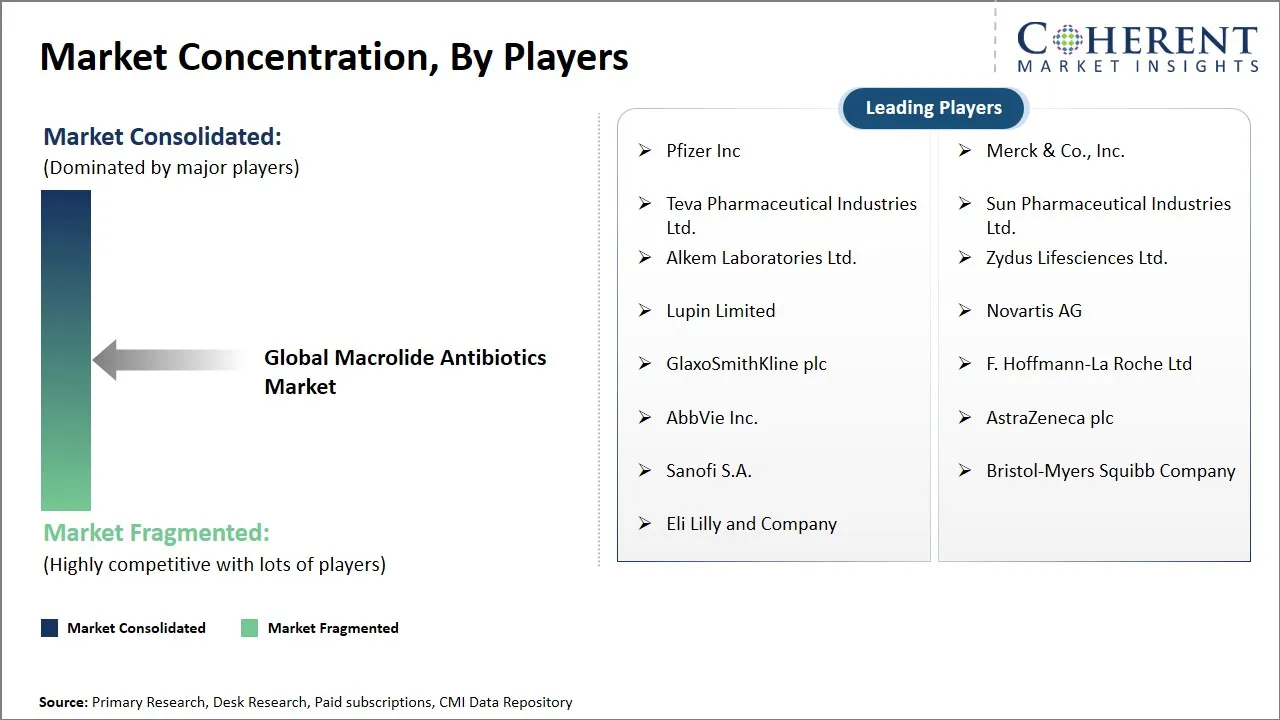
| Companies covered: | Pfizer Inc, Merck & Co., Inc., Teva Pharmaceutical Industries Ltd., Sun Pharmaceutical Industries Ltd., Alkem Laboratories Ltd., Zydus Lifesciences Ltd., Lupin Limited, Novartis AG, GlaxoSmithKline plc, F. Hoffmann-La Roche Ltd, AbbVie Inc., AstraZeneca plc, Sanofi S.A., Bristol-Myers Squibb Company, and Eli Lilly and Company | ||
| Growth Drivers: |
| ||
| Restraints & Challenges: |
| ||
Macrolide Antibiotics Market Dynamics
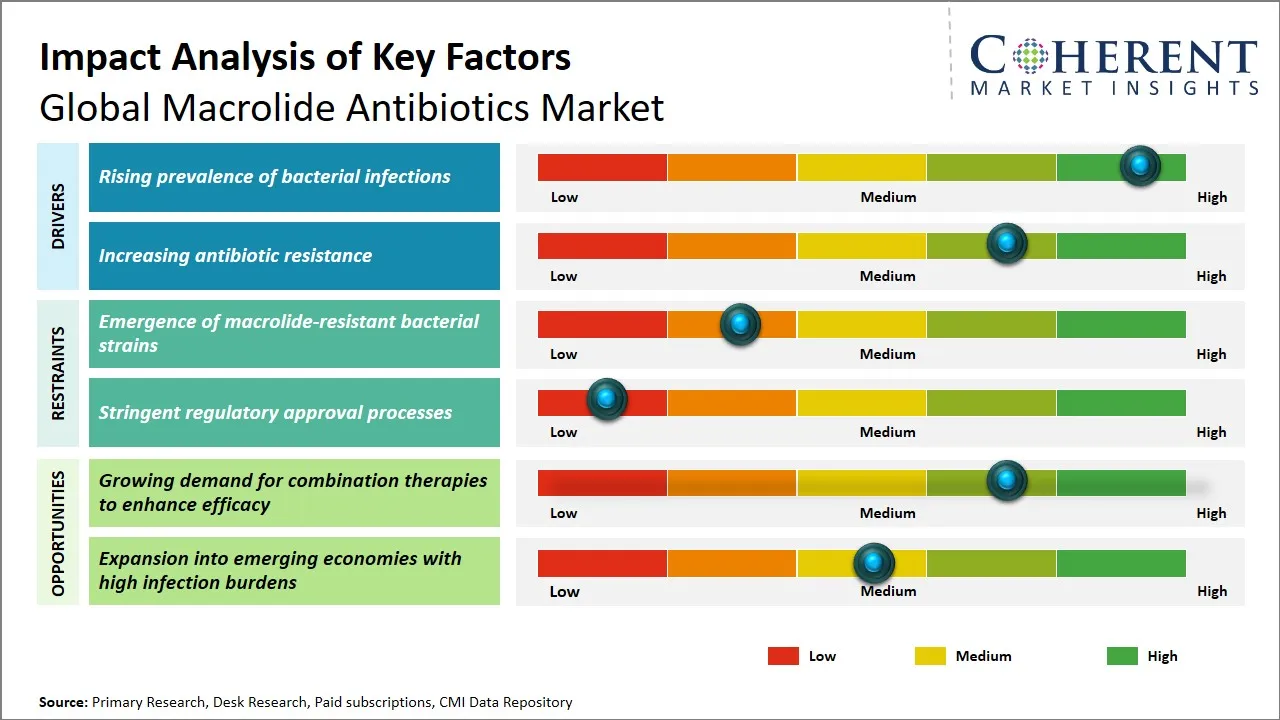
Macrolide Antibiotics Market Driver - Rising Prevalence of Bacterial Infections
One of the major factors contributing to the high demand of the macrolide antibiotics is the rising rate of bacterial infections across the world. These infections that include respiratory tract infections and skin infections, as well as sexually transmitted diseases are on the increase because of various factors like urbanization and environmental changes and the increasing resistance to antibiotics. The use of macrolide antibiotics that are characterized by broad-spectrum effects and comparatively good safety is frequent both as a first-line or alternative therapy, particularly when the patient presents with allergies to penicillin or when dealing with atypical pathogens. Moreover, there is the increasing level of respiratory chronic diseases like chronic obstructive pulmonary disease (COPD) and bronchitis which is often complicated by bacterial infections that also increase the use of macrolides.
In June 2024, WHO indicated a dire global requirement in new antibacterial therapies as antimicrobial resistance (AMR) keeps growing, complicating the management of such illnesses as pneumonia and bloodstream infections and making them more dangerous. Although the number of antibacterial agents is growing, only some are novel and able to deal with the most threatening pathogens. In the meantime, the rise in NDM-CRE, a very resistant bacterium, increased more than 460% in the U.S. in 2019 to 2023 itself, which complicates treatment and detection because of a lack of test capacity.
Macrolide Antibiotics Market Opportunity - Growing Demand for Combination Therapies to Enhance Efficacy
The global macrolide antibiotics market will benefit from the increasing demand for combination therapy to enhance the effect of the treatment, as well as to overcome antibiotic resistance. With the growing resistance to monotherapy, medical professionals are progressively resisting to combination regimens involving the use of macrolides with other antibiotic classes to increase effectiveness and minimize the chances of resistance development. The strategy extends the antibacterial spectrum as well as utilizes the synergistic effect to enhance the rates of patient recovery and reduce the rates of treatment failure. Combination therapies are also becoming increasingly popular in the treatment of complex infections, including multidrug-resistant respiratory tract infections, skin and soft tissue infections and some sexually transmitted infections, where mono-agent treatment is usually insufficient.
In June 2024, the effectiveness of azithromycin and clarithromycin, both macrolide, was compared in the treatment of chronic rhinosinusitis (CRS) in a study published in the Annals of Internal Medicine. This was a randomized controlled trial, that was carried out at Shahid Mohammadi hospital in Bandar Abbas, Iran and involved 90 patients who were considered as undergoing conventional therapies in addition to azithromycin or clarithromycin. The findings indicated that azithromycin had a much better outcome where 71.1 percent of the study participants had the full recovery of the symptoms as opposed to only 24.4 percent of the clarithromycin patients.
Analyst Opinion (Expert Opinion)
- The macrolide antibiotics market is undergoing a tremendous growth due to a number of significant issues and among them are the technological advances in the drug formulations, the growing regulatory reinforcements towards the development of antibiotics and the augmenting demand of the antibiotic in the treatment of respiratory and bacterial infections. With technological advances, including the establishment of more efficient synthetic pathways as well as longer-acting formulations, have been possible, this has led to better targeted therapies, improving the efficacy and safety profile of macrolides. Furthermore, due to the fact that antimicrobial resistance is a global problem, governments and regulatory organizations are actively encouraging the growth and acceptance of novel antibiotics, such as the macrolides that are broad-spectrum antibiotics. This regulatory boost, together with the constant hospital and clinic demand is also stimulating the market development. The sector however has some challenges, the main one being the threat of generic drugs undermining the market value and the constant worry that there is resistance to antibiotics and thus this may cause future decrease in their effectiveness on a long term basis.
- Emerging opportunities within the macrolide antibiotics market encompass the growing use in new fields of therapy including those in cancer and autoimmune diseases under which the anti-inflammatory effects of Macrolides are under investigation. Other conferences such as the recent World Conference on antibiotics and the International Antimicrobial Resistance Forum have also taken center stage roles towards facilitating the discussion of the necessity of new antibiotics. Such events enable the sharing of knowledge and encourage policy debates, as well as present new innovations in the development of antibiotics. Examples in the real world of industry collaboration include the relationship between government agencies and pharmaceutical companies in order to cope with the current escalating threat of antimicrobial resistance by funding new antibiotic development. Policies will be altered by the global initiatives such as the WHO Global Action Plan on Antimicrobial Resistance and this will further influence the market landscape.
Speak to the analyst
Want personalized insights?
Take the findings above to one of our principal consultants, or have the report rebuilt around the segments, geographies and competitors you actually track.
Market Segmentation
- Drug Type Insights (Revenue, USD Bn, 2021 - 2033)
- Azithromycin
- Clarithromycin
- Erythromycin
- Roxithromycin
- Fidaxomicin
- Other Macrolides
- Indication Insights (Revenue, USD Bn, 2021 - 2033)
- Respiratory Infections
- Skin and Soft Tissue Infections
- Gastrointestinal Infections
- Sexually Transmitted Infections
- Eye Infections
- Other Infections
- Age Group Insights (Revenue, USD Bn, 2021 - 2033)
- Pediatric
- Adult
- Geriatric
- Type Insights (Revenue, USD Bn, 2021 - 2033)
- Branded Macrolides
- Generic Macrolides
- Route Of Administration Insights (Revenue, USD Bn, 2021 - 2033)
- Oral
- Parenteral
- Topical
- Distribution Channel Insights (Revenue, USD Bn, 2021 - 2033)
- Hospital Pharmacies
- Retail Pharmacies
- Online Pharmacies
- End User Insights (Revenue, USD Bn, 2021 - 2033)
- Hospitals
- Clinics
- Ambulatory Surgical Centers (ASCs)
- Homecare Settings
- Others
- Regional Insights (Revenue, USD Bn, 2021 - 2033)
- North America
- U.S.
- Canada
- Latin America
- Brazil
- Argentina
- Mexico
- Rest of Latin America
- Europe
- Germany
- U.K.
- Spain
- France
- Italy
- Russia
- Rest of Europe
- Asia Pacific
- China
- India
- Japan
- Australia
- South Korea
- ASEAN
- Rest of Asia Pacific
- Middle East
- GCC Countries
- Israel
- Rest of Middle East
- Africa
- South Africa
- North Africa
- Central Africa
- North America
- Key Players Insights
- Pfizer Inc
- Merck & Co., Inc.
- Teva Pharmaceutical Industries Ltd.
- Sun Pharmaceutical Industries Ltd.
- Alkem Laboratories Ltd.
- Zydus Lifesciences Ltd.
- Lupin Limited
- Novartis AG
- GlaxoSmithKline plc
- Hoffmann-La Roche Ltd
- AbbVie Inc.
- AstraZeneca plc
- Sanofi S.A.
- Bristol-Myers Squibb Company
- Eli Lilly and Company
Sources
Primary Research Interviews
Industry Stakeholders List
- Pharmaceutical Manufacturers
- Healthcare Providers (Hospitals, Clinics)
End Users List
- Physicians (Infectious Disease Specialists)
- Pharmacists
Government and International Databases
- World Health Organization (WHO)
- U.S. Food and Drug Administration (FDA)
- European Medicines Agency (EMA)
- Centers for Disease Control and Prevention (CDC)
- National Institute for Health and Care Excellence (NICE)
- National Health Service (NHS)
Trade Publications
- Pharmaceutical Technology
- Drug Development & Delivery
- PharmaTimes
- The Pharmaceutical Journal
- International Journal of Antimicrobial Agents
- Drug Research and Development
Academic Journals
- Journal of Antimicrobial Chemotherapy
- Clinical Infectious Diseases
- The Lancet Infectious Diseases
- Journal of Clinical Microbiology
- Antimicrobial Agents and Chemotherapy
- Journal of Global Antimicrobial Resistance
Reputable Newspapers
- The New York Times
- The Guardian
- The Wall Street Journal
- Reuters
- BBC News
- The Washington Post
Industry Associations
- International Society for Infectious Diseases (ISID)
- American Society for Microbiology (ASM)
- Infectious Diseases Society of America (IDSA)
- European Society of Clinical Microbiology and Infectious Diseases (ESCMID)
- Global Antibiotic Resistance Partnership (GARP)
- World Antibiotic Awareness Week
Public Domain Resources
- National Institutes of Health (NIH)
- Cochrane Library
- National Center for Biotechnology Information (NCBI)
- Centers for Disease Control and Prevention (CDC)
Proprietary Elements
- CMI Data Analytics Tool: Proprietary analytics tool to analyze real-time market trends, consumer behavior, and technology adoption in market
- Proprietary CMI Existing Repository of Information for Last 8 Years
Get access to 250+ pages report
Every segment, forecast, competitor profile and data table behind the analysis above — available for instant download.
- ESOMAR Member
- ISO 9001:2015 Certified
- D-U-N-S Registered
- GDPR & CCPA Compliant
Missing comfort of reading report in your local language? Find your preferred language:
Transform your Strategy with Exclusive Trending Reports
Frequently Asked Questions
The global macrolide antibiotics market is estimated to be valued at USD 6.42 Bn in 2026 and is expected to reach USD 9.10 Bn by 2033.
The CAGR of global macrolide antibiotics market is projected to be 5.1% from 2026 to 2033.
Rising prevalence of bacterial infections and increasing antibiotic resistance are the major factors driving the growth of the global macrolide antibiotics market.
Emergence of macrolide-resistant bacterial strains and stringent regulatory approval processes are the major factors hampering the growth of the global macrolide antibiotics market.
In terms of drug type, Azithromycin is estimated to dominate the market revenue share in 2026.
Pfizer Inc, Merck & Co., Inc., Teva Pharmaceutical Industries Ltd., Sun Pharmaceutical Industries Ltd., Alkem Laboratories Ltd., Zydus Lifesciences Ltd., Lupin Limited, Novartis AG, GlaxoSmithKline plc, F. Hoffmann-La Roche Ltd, AbbVie Inc., AstraZeneca plc, Sanofi S.A., Bristol-Myers Squibb Company, and Eli Lilly and Company are the major players.
North America is expected to the global macrolide antibiotics market in 2026.