

Global Mice Model Market Size and Forecast – 2026 to 2033
The Global Mice Model Market is estimated to be valued at USD 2.05 Bn in 2026 and is expected to reach USD 4.02 Bn by 2033, exhibiting a compound annual growth rate (CAGR) of 10.1% from 2026 to 2033. This growth is driven by increasing investments in biomedical research, rising prevalence of chronic diseases, and advancements in genetic engineering, which enhance the utility of mice models in drug development and disease modeling across pharmaceutical and healthcare industries.
Key Takeaways of the Global Mice Model Market
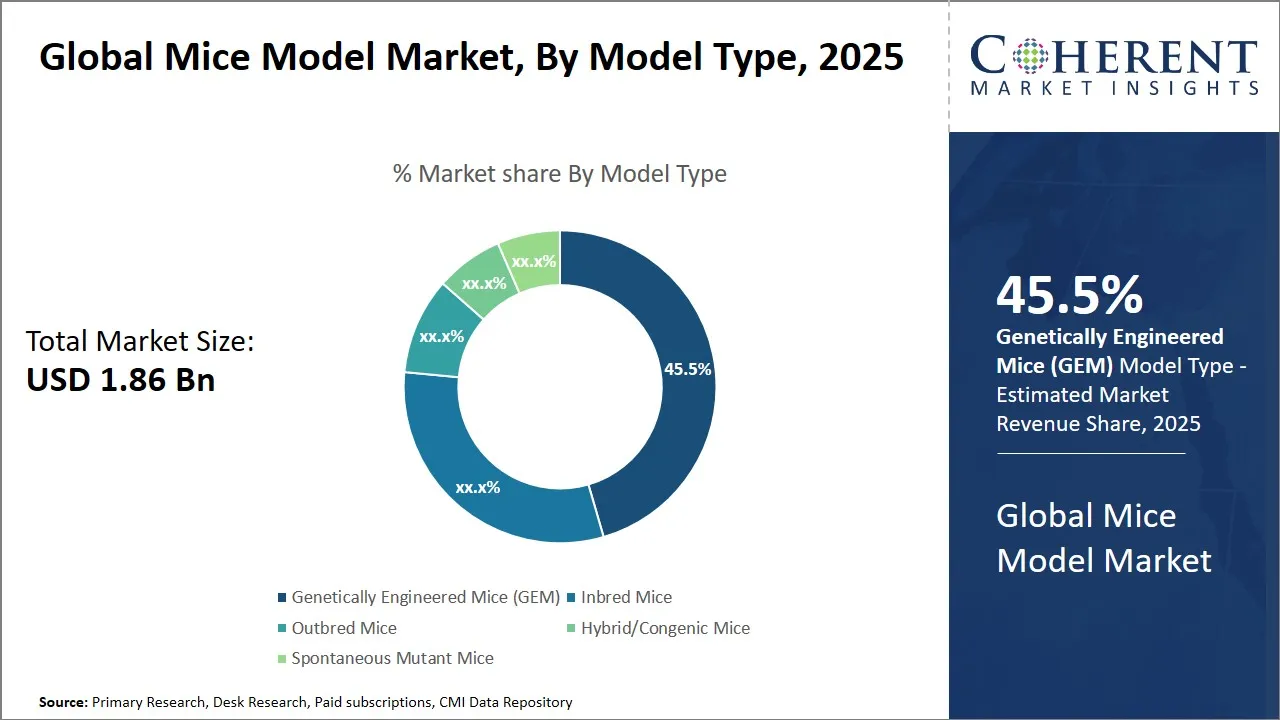
- Genetically Engineered Mice (GEM) are expected to lead the global mice model market, capturing 46.5 % of the market share in 2026.
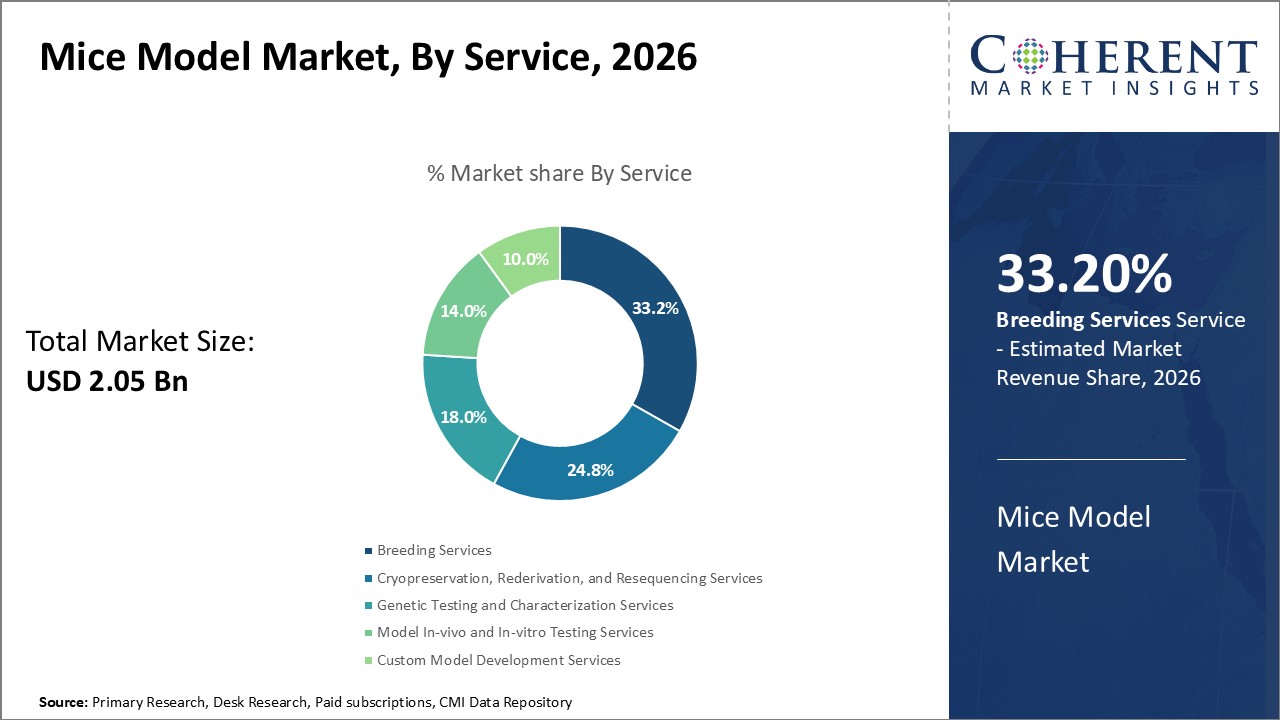
- Within the service sector, breeding services are projected to hold the largest share, accounting for 33.2 % in 2026.
- In the technology segment, the CRISPR/Cas9 sub-segment is expected to dominate, with a share of 25.5 % in 2026.
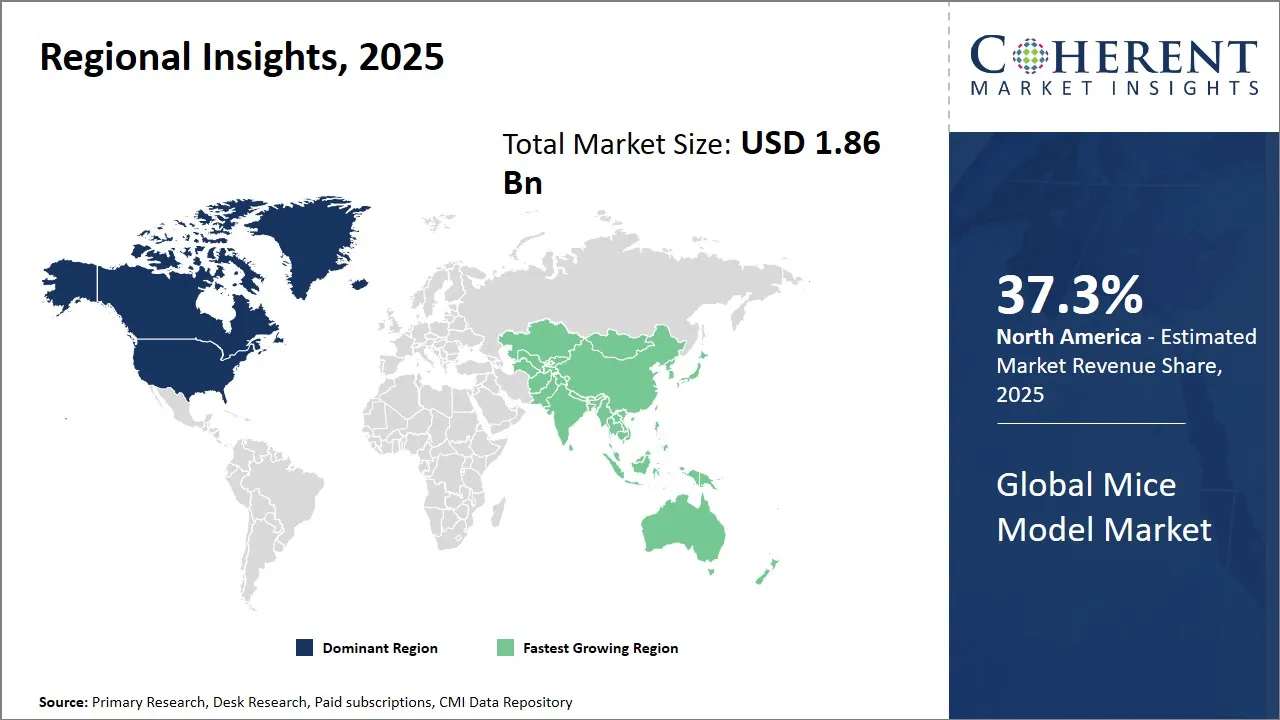
- North America is expected to lead the market, holding a share of 37.3 % in 2026. Asia Pacific is anticipated to be the fastest-growing region, with a market share of 24.5% in 2026.
Market Overview
A significant market trend shaping the global mice model market is the integration of advanced technologies such as CRISPR and other gene-editing tools that enable precise genetic modifications. Additionally, the increasing adoption of humanized mice models for immunology and oncology research is boosting demand. The rising focus on personalized medicine and preclinical testing further propels growth. Collaborations between research institutions and biotech firms are also fostering innovation, contributing to the expanding application scope and market growth over the forecast period.
Current Events and Its Impact
Current Events | Description and its impact |
Development of Humanized Telomere (HuT) Mice |
|
Rising Integration of Artificial Intelligence (AI) in Drug Discovery and Model Testing |
|
Segmental Insights
- Current Industry Events of 2026
- Market Size Estimation
- Regional Breakdown
- Competitive Landscape
- Customer Intelligence
- Segmental Analysis
- Pricing Analysis
- Key Market Drivers, Challenges & Future Trends
- Customized Insights Section
Mice Model Market Insights, By Model Type - Precision and Versatility Fuel Growth of the Genetically Engineered Mice (GEM) Segment
In terms of model type, Genetically Engineered Mice (GEM) is expected to dominate the global mice model market with a share of 46.5% in 2026 due to their unparalleled ability to mimic human disease phenotypes with high specificity. The driving factor behind the prominence of GEM lies in their versatility and the precision they offer for studying complex genetic testing, cancer biology, and drug development. Unlike traditional or naturally occurring mouse models, GEM can be tailored to carry targeted genetic modifications, such as gene knockouts, knock-ins, or conditional mutations. This customization enables researchers to investigate gene function and disease mechanisms in a controlled and replicable environment.
The demand for GEM is propelled by growing emphasis on personalized medicine and the need for models that accurately recapitulate human genetic variations. For example, knockout mice allow the disabling of specific genes to study their physiological roles and disease implications, while knock-in mice enable the insertion of particular mutations seen in patients, which is crucial for studying inherited diseases.
In December 2021, Inotiv, Inc., a leading contract research organization specializing in drug discovery and development services, announced the launch of novel new genetically engineered rodent models for SARS-CoV-2 research.
Mice Model Market Insights, By Service - Breeding Services Lead Due to Demand for Consistent, High-Quality Mice Models
Within the service segment, breeding services are expected to hold the largest share mainly with 33.2% in 2026 because they provide the essential foundation for sustaining and expanding colonies of mice that are genetically defined and pathogen-free. The complexity and specificity of modern mouse models, especially genetically engineered strains, have intensified the need for reliable breeding protocols to maintain genetic integrity and model reproducibility over time.
Breeding services are critical to ensure availability of adequate numbers of animals that meet stringent research standards, which is vital for longitudinal studies and multi-center trials. The demand is driven by the necessity to manage complex breeding schemes like those required for conditional and hybrid mice models, where intricate genetic crosses are needed to produce offspring with the desired genotype and phenotype.
Mice Model Market Insights, By Technology - CRISPR/Cas9 Technology Maintains Market Leadership by Offering Efficient and Precise Gene Editing
The technology segment of the global mice model market is anchored by CRISPR/Cas9 with an estimated share of 25.5% in 2026, which leads due to its unprecedented efficiency, accuracy, and cost-effectiveness in gene editing applications. CRISPR/Cas9 has revolutionized the development of mouse models by drastically reducing the time required to generate specific genetic modifications compared to traditional methods such as embryonic stem cell manipulation or microinjection.
CRISPR/Cas9’s simplicity in design, ability to target multiple genes simultaneously (multiplexing), and high precision drive its broad adoption across academic and pharmaceutical sectors. Researchers benefit from the rapid generation of knockout, knock-in, and conditional mutant mice with fewer off-target effects, enabling more reliable functional genomics studies.
Regional Insights
North America Mice Model Market Analysis and Trends
North America’s dominance in the global mice model market, with an estimated share of 37.3% in 2026, stems from a well-established ecosystem characterized by robust biomedical research infrastructure, strong government funding, and a high concentration of leading pharmaceutical and biotechnology companies. The presence of renowned research institutions and extensive collaborations between academia and industry have fostered innovation and adoption of advanced mice models for disease research and drug development. Companies like The Jackson Laboratory, Taconic Biosciences, and Charles River Laboratories play pivotal roles in North America, providing diverse and genetically engineered mice models tailored for oncology, immunology, and neurological studies.
For instance, in October 2024, La Jolla Institute for Immunology (LJI), a leading biomedical research institute, in partnership with Charles River, launched a study using the new hACE2-NCG humanized mouse model to examine early immune responses to SARS-CoV-2. Engineered to express human ACE2 on a triple-immunodeficient background, this first-of-its-kind model helps researchers analyze viral load, lung pathology, and immune cell behavior during early COVID-19 infection—offering valuable insights for future therapeutic development.
Asia Pacific Mice Model Market Analysis and Trends
Asia Pacific exhibits the fastest growth, with an estimated share of 24.5% in 2026, driven by expanding pharmaceutical and biotechnology sectors, increased government investments in life sciences, and rising awareness about the importance of animal models in drug discovery. Countries such as China, Japan, South Korea, and India are rapidly establishing state-of-the-art animal research facilities and regulatory frameworks to support ethical and scientific standards in preclinical research. Trade policies enhancing cross-border collaborations and import-export facilitation of biological research materials further stimulate market dynamics.
The growth of India's biomedical industry and the development of bio-clusters to support the biotechnology sector are driving the expansion of the Asia Pacific mice model market. Additionally, companies are increasing their presence in various Asia Pacific countries. For example, in November 2020, Beijing Biocytogen Co., Ltd. partnered with Ina Research Co., Ltd. to expand its footprint in the Japanese market. Through this collaboration, Biocytogen will provide its innovative animal models to Japanese customers, further contributing to the region's market growth.
Global Mice Model Market Outlook for Key Countries
U.S. Mice Model Market Trends
The U.S. continues to lead the market due to its unparalleled concentration of biotech firms, research universities, and government-supported laboratories. Companies like The Jackson Laboratory and Charles River Laboratories not only supply a broad portfolio of genetically engineered and humanized mice models but also lead in innovation around CRISPR and other gene-editing technologies. Federal funding programs from institutes like the NIH facilitate extensive research, promoting a steady demand for specialized mice models in oncological, immunological, and neurodegenerative disease research. Moreover, the regulatory landscape enables efficient yet ethical animal research, balancing innovation with welfare considerations.
In July 2024, the University of Texas Health Science Center at the U.S., a leading academic health institution, developed a groundbreaking humanized mouse model featuring a complete human immune system and human-like gut microbiome. Led by Dr. Paolo Casali, the model overcomes limitations of previous in vivo systems and accurately mimics human immune responses. Published in Nature Immunology, this advancement is set to enhance immunotherapy research and disease modeling.
China Mice Model Market Trends
China’s market for mice models is expanding swiftly, underpinned by massive government initiatives to bolster biomedical research and pharmaceutical development. Local companies such as Biocytogen and Shanghai Model Organisms Center are pivotal in meeting rising demand, offering advanced gene-editing services and customized models that cater to both domestic and international clients. China's improving regulatory framework and trade facilitation are fostering collaborations with global players, accelerating knowledge transfer and adoption of high-quality mice models.
In September 2024, Janvier Labs, a leading European provider of research models, and Shanghai Model Organisms Center (SMOC), a prominent Chinese developer of genetically engineered mouse models, announced an exclusive distribution agreement. This partnership grants researchers in Europe and India access to SMOC’s advanced GEM models, supporting studies in oncology, neurology, and immunology. The collaboration aims to accelerate preclinical research and advance life-saving therapeutic developments across both regions.
Japan Mice Model Market Trends
Japan maintains a critical position in the global mice model market owing to its strong pharmaceutical industry and advanced biomedical research capabilities. Leading entities like CLEA Japan and Japan SLC provide a range of conventional and genetically modified mice models targeted at drug development and toxicological evaluations. The government's consistent support through funding schemes and collaborations between public research institutes and private sectors have enhanced innovation around precise genetic tools and phenotyping technologies. Japan’s commitment to adhering to strict ethical standards ensures reliable and reproducible animal research outcomes, which attracts regional and global partnerships.
In December 2023, Kobe University, a leading Japanese research institution, developed a novel humanized mouse model focused on macrophages to improve preclinical testing of cancer immunotherapies. Led by immuno-oncologist Dr. Saito Yasuyuki, the team successfully tested a new treatment that disables immune cells’ self-recognition (via CD47/SIRPα), prompting them to attack tumors. Published in Frontiers in Immunology, the study shows that this approach not only reduces tumor size but also reprograms tumor-associated macrophages, offering a promising direction in immuno-oncology drug development.
India Mice Model Market Trends
India is emerging as a focal point for the global mice model market in Asia Pacific due to its rapidly expanding pharmaceutical R&D and contract research services. The government’s initiatives to foster biotech innovation, alongside investments in laboratory infrastructure and training, are improving the quality and availability of mice models domestically. Companies such as Sai Advantium Life Sciences are gaining prominence by offering customized and cost-effective solutions for preclinical studies focused on infectious diseases, cancer, and autoimmune disorders.
As mentioned earlier, Vivo Bio Tech is a full-service contract research organization that breeds and distributes select Taconic animal models in India. This enables researchers to access advanced animal models for drug discovery, contributing to the growth of India's pharmaceutical and biotech industries.
End User Feedback in the Global Mice Model Market
- End user feedback in the global mice model market reveals a mixed picture that provides valuable insights for manufacturers and developers. Many pharmaceutical and biotechnology companies commend the precision and reliability of genetically engineered mouse models, especially those utilizing advanced gene-editing technologies like CRISPR. These models have significantly accelerated preclinical research, allowing for more targeted drug development and personalized medicine applications. For example, a leading biotech firm highlighted how the availability of a humanized mouse model enabled them to successfully test novel immunotherapies, improving both trial outcomes and timelines. On the other hand, researchers and academic institutions often voice concerns about high costs, limited customization options, and challenges in integrating mouse models with emerging digital tools and data platforms. One recurring issue involves difficulties in maintaining complex mouse colonies, which can lead to operational inefficiencies and increased expenses, especially for smaller labs with constrained resources.
- Unmet needs in this market center around technological and operational gaps that end users feel must be addressed for broader adoption and improved satisfaction. There is a growing demand for more customizable mouse models tailored to rare or complex diseases, as well as better support for seamless integration with bioinformatics and AI-driven analytics. Affordability remains a key challenge, particularly for academic and governmental research bodies that operate under tight budgets.
- Addressing these gaps could unlock significant growth opportunities for manufacturers by fostering innovation in model development and expanding access through scalable pricing models. Improving customer support services and offering more flexible solutions could also enhance customer retention and strengthen partnerships with end users. For policymakers, promoting initiatives that fund collaborative research and infrastructure improvements can help bridge these unmet needs, ultimately driving advancements in biomedical research and drug discovery.
Market Players, Key Developments, and Competitive Intelligence
Key Developments
- In July 2025, Twist Bioscience, a leading life sciences company, introduced a humanized transgenic (HuTg) mouse model to enhance its antibody discovery services. This model, designed to complement Twist’s existing offerings, can be paired with their DiversimAb mouse and B cell screening platforms, providing researchers with greater flexibility to generate more antibody candidates for various diseases. Unlike traditional models that require licensing, Twist offers this service on a fee-for-service basis, eliminating lengthy licensing negotiations.
- In May 2025, Charles River Laboratories (U.S.), a global leader in early-stage contract research, and CHDI Foundation (US), a non-profit biomedical research organization focused on Huntington’s disease, expanded their long-standing collaboration to advance drug discovery for Huntington’s disease. This partnership, which has been active since 2005, has supported therapeutic development using specialized Huntington’s disease models. The extension enhances the integration of Charles River’s scientific expertise and the expanded use of preclinical models across its global network.
- In March 2025, Biocytogen (China), a global provider of innovative animal models for drug discovery, opened its new office in San Diego, CA. This expansion marks a strategic move to enhance its presence in the U.S. and strengthen its role as a global collaborator in therapeutic antibody discovery and preclinical research.
- In September 2024, Unravel Biosciences (U.S.), a biotech company focused on accelerating drug discovery through artificial intelligence, and The Jackson Laboratory (JAX) (US), an institution dedicated to research and development of mouse models, announced a strategic collaboration. This partnership aims to accelerate drug discovery for diseases with high unmet need, starting with Alternating Hemiplegia of Childhood (AHC). The collaboration combines Unravel’s AI-powered BioNAV platform with JAX’s disease-relevant mouse models to identify and validate repurposed drugs for rapid clinical translation.
Top Strategies Followed by Global Mice Model Market Players
- Established companies invest heavily in research and development (R&D) to drive innovation and create high-performance mice models that meet evolving consumer demands. These firms continuously enhance product features such as precision tracking, ergonomic designs, and enhanced durability to differentiate themselves. To solidify their market presence, many also form strategic partnerships and agreements with major original equipment manufacturers (OEMs) and industry leaders. These collaborations enable them to co-develop products, access advanced technologies, and leverage established distribution channels.
- In May 2024, Crown Bioscience (U.S.), a global contract research organization providing preclinical drug discovery services, signed a five-year global agreement with Shanghai Model Organisms Center (China). This partnership expands access to humanized mouse models, engineered cell lines, and GEMM models, strengthening Crown Bioscience’s global immuno-oncology services and ensuring consistent pricing, IP protection, and supply chain reliability.
- Mid-level players in the mice model market adopt a different approach, focusing on delivering cost-effective solutions that balance quality and affordability. Targeting price-sensitive consumers such as students, budget-conscious professionals, and small businesses, these companies develop models that offer reliable performance without premium pricing. To compete effectively, mid-level manufacturers often engage in collaborations to enhance their production capabilities and technological expertise.
- In November 2022, Inotiv, a major Contract Research Organization (CRO) offering discovery and development solutions, consolidated its two sites in Indianapolis and Indiana, U.S. The company initiated this integration to enhance its Research Models and Services (RMS) business and optimize its site strategy.
- Small-scale players in the mice model market often target specialized niches, similar to Ozgene’s focus on genetically customized mice. These firms often target specific consumer segments, such as gamers seeking customizable lighting effects or professionals requiring highly specialized ergonomic devices.
- In February 2023, Ozgene, a provider of genetically customized mice for researchers, was selected by the Animal Resources Centre (ARC) to take over its operations in Australia. This partnership will enable Ozgene to supply mouse and rat lines across Western Australia.
Market Report Scope
Mice Model Market Report Coverage
| Report Coverage | Details | ||
|---|---|---|---|
| Base Year: | 2025 | Market Size in 2026: | USD 2.05 Bn |
| Historical Data for: | 2020 To 2024 | Forecast Period: | 2026 To 2033 |
| Forecast Period 2026 to 2033 CAGR: | 10.1% | 2033 Value Projection: | USD 4.02 Bn |
| Geographies covered: |
| ||
| Segments covered: |
| ||
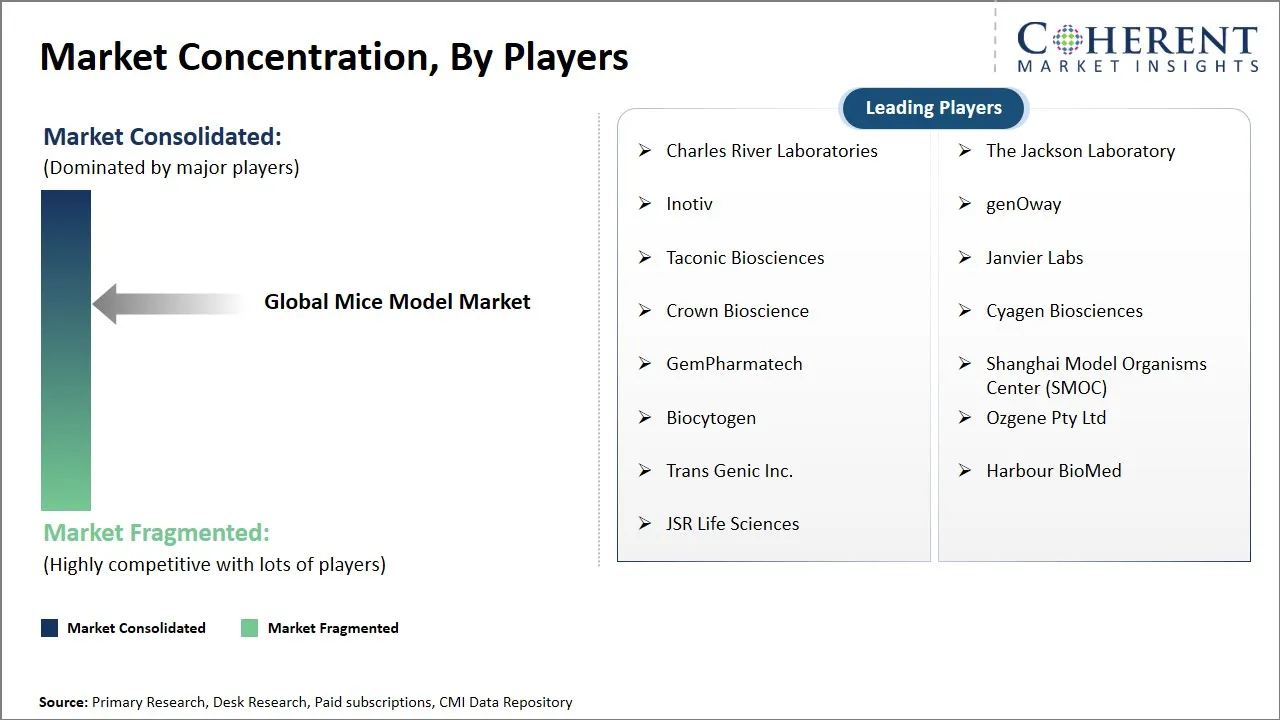
| Companies covered: | Charles River Laboratories, The Jackson Laboratory, Inotiv, genOway, Taconic Biosciences, Inc., Janvier Labs, Crown Bioscience, Cyagen, GemPharmatech, Shanghai Model Organisms Center, Inc., Biocytogen, Ozgene Pty Ltd, Trans Genic Inc., Harbour BioMed, and JSR Life Sciences, LLC | ||
| Growth Drivers: |
| ||
| Restraints & Challenges: |
| ||
Mice Model Market Dynamics
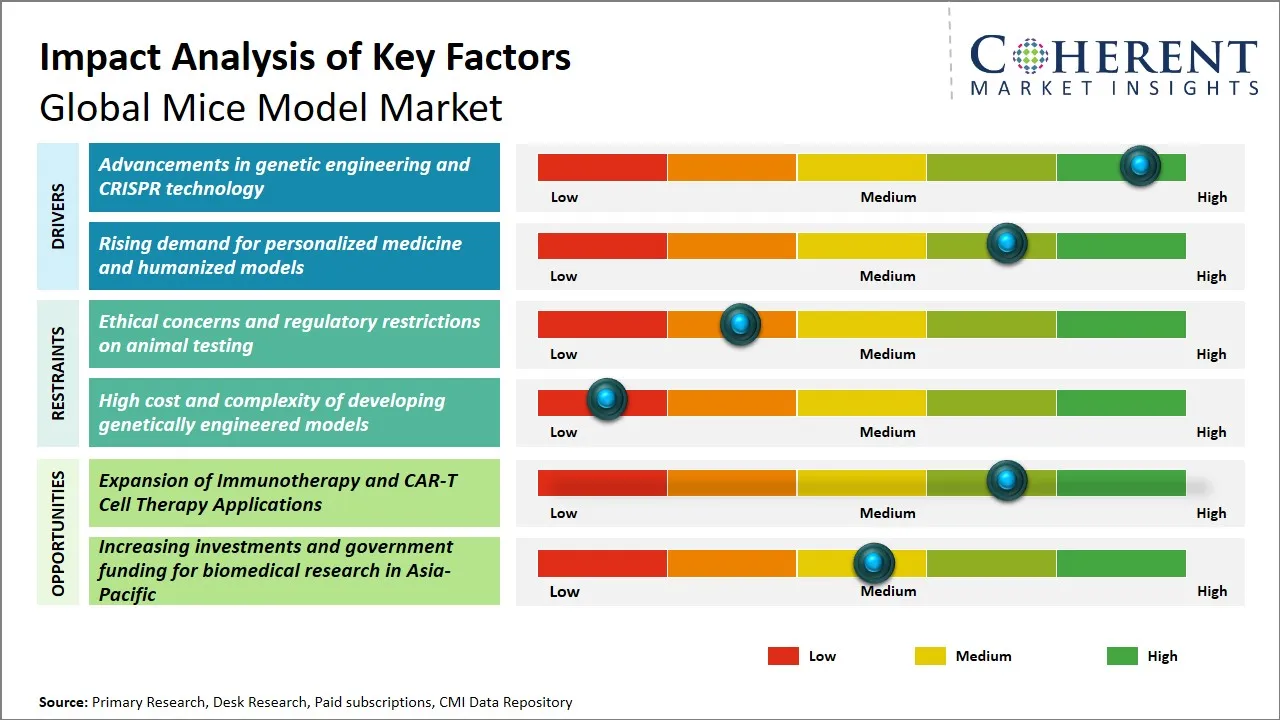
Mice Model Market Driver - Advancements in Genetic Engineering and CRISPR Technology
The rapid progress in genetic engineering, particularly the advent and refinement of CRISPR-Cas9 technology, has revolutionized the development and customization of mice models used in biomedical research. CRISPR technology enables precise, efficient, and cost-effective editing of genetic material, allowing researchers to create genetically modified mice that closely mimic human diseases with unprecedented accuracy.
This capability enhances the relevance and predictive power of mice models for studying complex conditions such as cancer, neurological disorders, and autoimmune diseases. Additionally, CRISPR’s versatility accelerates the creation of multiple gene edits simultaneously, facilitating the study of multifactorial diseases and gene interactions in vivo. These advancements not only reduce the time and resources required to develop new mice models but also expand the variety and specificity of available models, driving widespread adoption across pharmaceutical and biotech sectors.
In April 2025, a study published by Frontiers in Cellular Neuroscience Journal showcased how CRISPR-Cas9 technology is transforming mouse genome editing by enabling faster and more precise creation of knockout and knockin models. Unlike older methods like ZFNs and TALENs, CRISPR uses a guide RNA and Cas9 enzyme to target genes directly in mouse zygotes cutting development time from 10 months to just three. Companies like The Jackson Laboratory and Taconic Biosciences are applying these advances to accelerate disease research and drug development.
Mice Model Market Opportunity - Expansion of Immunotherapy and CAR-T Cell Therapy Applications
The global mice model market is poised to experience substantial growth driven by the rapid expansion of immunotherapy and CAR-T cell therapy applications. These advanced therapeutic approaches require highly specialized preclinical models to evaluate efficacy, safety, and mechanism of action, presenting significant opportunities for the development and adoption of innovative mouse models. Immunotherapies, including immune checkpoint inhibitors and cancer vaccines, rely heavily on robust in vivo models that can accurately mimic human immune responses, thereby increasing demand for genetically engineered and humanized mice. Similarly, CAR-T cell therapies, which involve engineering patients’ T cells to target cancer, necessitate sophisticated mouse models that support human immune cell engraftment and tumor microenvironment simulations.
For example, in February 2024, BioNTech SE, a leading immunotherapy innovator, and Autolus Therapeutics, a clinical-stage biotech specializing in advanced T cell therapies, entered a strategic collaboration to accelerate the development and commercialization of autologous CAR-T cell therapies. With BioNTech investing USD 200 million and gaining access to Autolus’ manufacturing capabilities and cell programming technologies, the partnership aims to fast-track candidates like BNT211 and obe-cel toward pivotal trials.
Analyst Opinion (Expert Opinion)
- The mice model market is experiencing notable growth, driven by technological advancements and increasing demand for more accurate and human-like models for drug testing and disease research. Key drivers include continuous innovation in biotechnology, where advancements in gene-editing technologies like CRISPR have enabled more precise animal models, which are critical for research in oncology, neurology, and infectious diseases. Additionally, regulatory support, particularly from organizations like the FDA and EMA, is encouraging the development of refined models that adhere to ethical standards. As researchers push the boundaries of precision medicine, the demand for advanced mice models continues to rise. However, the market does face challenges such as the ethical concerns surrounding animal testing and the high cost associated with developing and maintaining specialized models. Despite these challenges, emerging opportunities such as collaborations between biotech companies and research institutions are expected to further fuel growth.
- Notable global conferences like the International Conference on Animal Models for Drug Development and the European Society of Toxicology's annual events have been instrumental in shaping the future of the mice model market. These events have provided platforms for experts to share insights on the latest trends in animal modeling, policy changes, and regulatory updates. For instance, the collaboration between Charles River Laboratories and CHDI Foundation, aimed at advancing drug discovery for Huntington’s disease, exemplifies how cross-industry partnerships are helping accelerate breakthroughs. Programs such as the U.K. Government’s funding initiatives for research into alternative testing methods and animal welfare standards also continue to impact the market outlook, with a growing emphasis on ethical practices and regulatory compliance. These industry collaborations and policy changes are set to influence the market's evolution in the coming years.
Speak to the analyst
Want personalized insights?
Take the findings above to one of our principal consultants, or have the report rebuilt around the segments, geographies and competitors you actually track.
Market Segmentation
- Model Type Insights (Revenue, USD Bn, 2021 - 2033)
- Genetically Engineered Mice (GEM)
- Knockout Mice
- Knock-in Mice
- Conditional Mutant Mice
- Inbred Mice
- Outbred Mice
- Hybrid/Congenic Mice
- Spontaneous Mutant Mice
- Genetically Engineered Mice (GEM)
- Service Insights (Revenue, USD Bn, 2021 - 2033)
- Breeding Services
- Cryopreservation, Rederivation, and Resequencing Services
- Genetic Testing and Characterization Services
- Model In-vivo and In-vitro Testing Services
- Custom Model Development Services
- Technology Insights (Revenue, USD Bn, 2021 - 2033)
- CRISPR/Cas9
- Embryonic Stem Cell (ESC) Technology
- Nuclear Transfer Technology
- Microinjection Technology
- Others (e.g., TALENs, ZFNs)
- Application Insights (Revenue, USD Bn, 2021 - 2033)
- Oncology Research
- Immunology and Inflammation Studies
- Diabetes Research
- Cardiovascular Research
- Neurological Disease Research
- Rare Disease Research
- Toxicology and Safety Assessment
- Others (e.g., Metabolic Disorders, Infectious Diseases)
- End User Insights (Revenue, USD Bn, 2021 - 2033)
- Pharmaceutical and Biotechnology Companies
- Academic and Research Institutions
- Contract Research Organizations (CROs)
- Government and Nonprofit Organizations
- Regional Insights (Revenue, USD Bn, 2021 - 2033)
- North America
- U.S.
- Canada
- Latin America
- Brazil
- Argentina
- Mexico
- Rest of Latin America
- Europe
- Germany
- U.K.
- Spain
- France
- Italy
- Russia
- Rest of Europe
- Asia Pacific
- China
- India
- Japan
- Australia
- South Korea
- ASEAN
- Rest of Asia Pacific
- Middle East
- GCC Countries
- Israel
- Rest of Middle East
- Africa
- South Africa
- North Africa
- Central Africa
- North America
- Key Players Insights
- Charles River Laboratories
- The Jackson Laboratory
- Inotiv
- genOway
- Taconic Biosciences, Inc.
- Janvier Labs
- Crown Bioscience
- Cyagen
- GemPharmatech
- Shanghai Model Organisms Center, Inc.
- Biocytogen
- Ozgene Pty Ltd
- Trans Genic Inc.
- Harbour BioMed
- JSR Life Sciences, LLC
Sources
Primary Research Interviews
- Leading scientists in the field of genetics and biotechnology
- Research professionals from academic and pharmaceutical institutions
- Senior executives from biotech companies specializing in animal models
- Clinical researchers using humanized mouse models for disease research
Government and International Databases
- U.S. National Institutes of Health (NIH)
- European Medicines Agency (EMA)
- U.S. Food and Drug Administration (FDA)
- National Center for Biotechnology Information (NCBI)
- World Health Organization (WHO)
- National Institute of Health Research (NIHR)
- Organization for Economic Co-operation and Development (OECD)
Trade Publications
- Nature Biotechnology
- Scientific American
- BioTechniques
- Journal of Laboratory Automation
- Genetic Engineering & Biotechnology News (GEN)
- The Scientist
Academic Journals
- Journal of Immunology
- Nature Reviews Molecular Cell Biology
- Cell Stem Cell
- Journal of Clinical Investigation
- Trends in Biotechnology
- PLOS Biology
- Bioinformatics
Reputable Newspapers
- The New York Times
- The Guardian
- The Wall Street Journal
- Reuters Health
- The Financial Times
Industry Associations
- American Association for Cancer Research (AACR)
- International Society for Stem Cell Research (ISSCR)
- European Society of Human Genetics (ESHG)
- Society for Laboratory Automation and Screening (SLAS)
- International Society of Biotechnology (ISB)
Public Domain Resources
- National Center for Biotechnology Information (NCBI) database
- U.S. National Library of Medicine
Proprietary Elements
- CMI Data Analytics Tool: Proprietary analytics tool to analyze real-time market trends, consumer behavior, and technology adoption in market
- Proprietary CMI Existing Repository of Information for Last 8 Years
Get access to 250+ pages report
Every segment, forecast, competitor profile and data table behind the analysis above — available for instant download.
- ESOMAR Member
- ISO 9001:2015 Certified
- D-U-N-S Registered
- GDPR & CCPA Compliant
Missing comfort of reading report in your local language? Find your preferred language:
Transform your Strategy with Exclusive Trending Reports
Frequently Asked Questions
The global mice model market is estimated to be valued at USD 2.05 Bn in 2026 and is expected to reach USD 4.02 Bn by 2033.
The CAGR of global mice model market is projected to be 10.1% from 2026 to 2033.
Advancements in genetic engineering and CRISPR technology and rising demand for personalized medicine and humanized models are the major factors driving the growth of the global mice model market.
Ethical concerns and regulatory restrictions on animal testing and high cost and complexity of developing genetically engineered models are the major factors hampering the growth of the global mice model market.
In terms of model type, the Genetically Engineered Mice (GEM) segment is estimated to dominate the market revenue share in 2026.
The pharmaceutical industry uses mice models to test drug efficacy, toxicity, and side effects. This helps in accelerating the drug development process, particularly for new cancer, genetic, and autoimmune treatments.
The future of the mice model market looks promising, with continuous advancements in genetic research and increased demand for personalized medicine. The market is expected to grow significantly, especially in developing regions.