

Global Minocycline Hydrochloride Market Size and Forecast – 2026 To 2033
The global minocycline hydrochloride market is expected to grow from USD 825.6 Mn in 2026 to USD 1,240.0 Mn by 2033, registering a compound annual growth rate (CAGR) of 6% from 2026 to 2033. The global market for minocycline hydrochloride is poised for significant expansion, fueled by the soaring burden of acne vulgaris and bacterial skin infection globally.
According to Global Burden of Disease (GBD) estimates, acne affects approximately 9.4% of the global population, making it one of the most prevalent skin disorders worldwide. Additionally, as per the data published by National Library of Medicine, acne vulgaris is commonly observed in adolescents and young adults. Its prevalence rates are estimated to range from 35% to over 90% among adolescents.
(Source: MDPI, National Library of Medicine)
Key Takeaways of the Global Minocycline Hydrochloride Market
- Capsules are projected to hold 42.8 % of the global minocycline hydrochloride market share in 2026, making it dominant dosage form segment, across North America due to high patient demand for convenient oral therapies and the use of capsule formulations in long-term management of acne and bacterial infections. Additionally, capsule-based minocycline formulations offer better dose compliance and increased stability of the drug in outpatient treatment. For instance, U.S. Pharmacopeia Pharmaceutical Dosage Forms Guidelines states that the usage of capsules, an oral solid dosage form, is advantageous in-patient compliance and treatment convenience during chronic therapies. (Source: U.S. Pharmacopeia)
- Acne treatment is projected to hold 46.2 % of the global minocycline hydrochloride market share in 2026, making it dominant application segment, across Asia Pacific. The increased incidence of skin conditions, particularly acne vulgaris in adolescents and young adults, and surging demand for oral antibiotic medications are factors behind the market growth. Additionally, the wide availability of retail prescription skincare products in countries like India, South Korea and China is likely to propel the market expansion. For instance, the incidence of acne rose from 9.1 to 18.5 million cases in Asia Pacific, highlighting surging demand for acne treatment therapies across the region. (Source: Dermatology Times)
- Retail pharmacies are projected to hold 48.3 % of the global minocycline hydrochloride market share in 2026, making it dominant distribution channel segment, throughout the Asia Pacific, fueled by the dramatic growth of the community pharmacy chains and increasing availability of low-cost generics in developing economies like India. For instance, in India, Pradhan Mantri Bhartiya Janaushadhi Pariyojana (PMBJP) has further enhanced the availability of affordable generic medicines to masses through Jan Aushadhi Kendras, enabling the increased distribution of prescription medicines through retail pharmacy. (Source: Department of Pharmaceuticals)
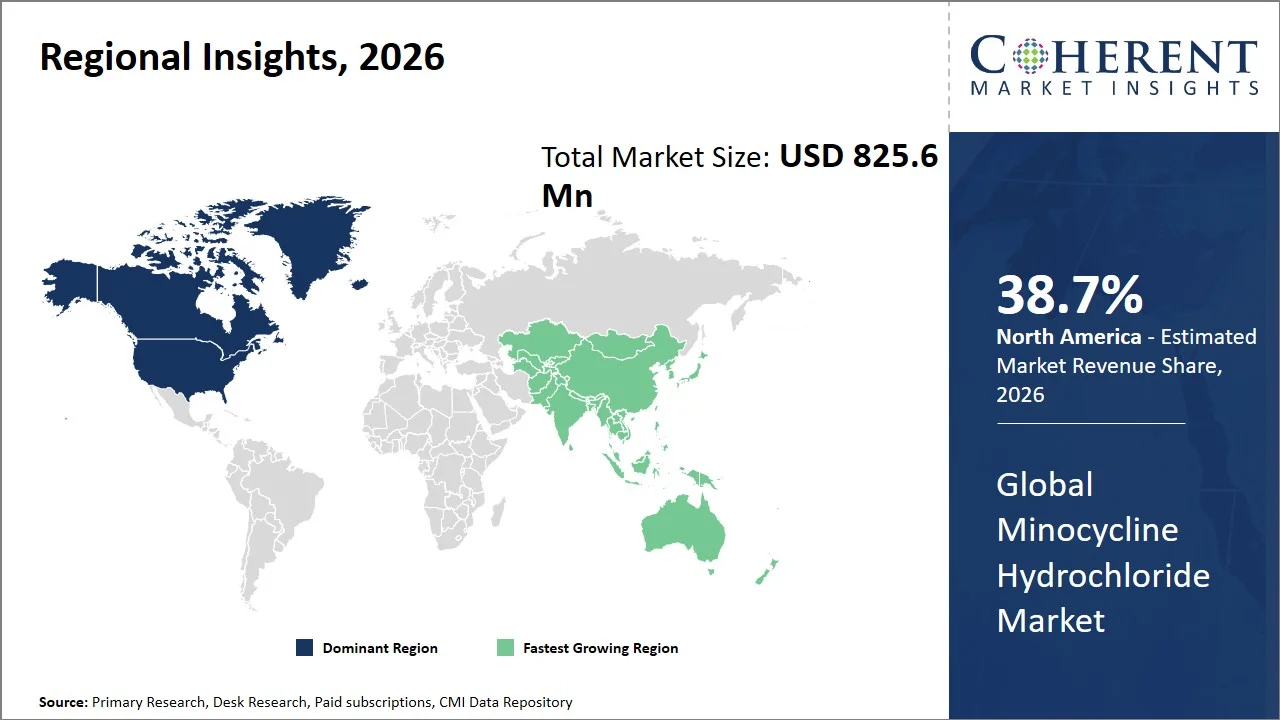
- North America market maintains dominance with an expected share of 38.7 % in 2026, bolstered by the high prevalence of acne vulgaris, strong dermatology prescription volumes, and substantial regional availability of branded and generic oral antibiotic therapies in the region. Further, the region also has sophisticated dermatology care infrastructure and the high uptake of long-term acne control therapies. For instance, according to the American Academy of Dermatology Association, acne is the most common skin condition in the U.S, affecting up to 50 million Americans annually. (Source: American Academy of Dermatology Association)
- Asia Pacific is expected to exhibit the fastest growth with a contribution of 24.6 % share in 2026, driven by the growing incidence of acne vulgaris and bacterial infections, boom in dermatology awareness, and increasing penetration of affordable prescription medicines in developing economies. Governments in the region are undertaking efforts to enhance healthcare accessibility and pharmaceuticals availability through broad public health campaigns and healthcare infrastructure modernization programs. For instance, The Healthy China 2030 Initiative encompasses measures such as reform of health care services to ensure greater access to health care throughout the nation, enhancing the provision of essential medicines, and developing systems to treat chronic diseases, all of which play roles in facilitating the wider availability of other dermatological and antibiotic therapies like minocycline hydrochloride. (Source: ScienceDirect)
- Increasing Adoption of Oral Antibiotics in Adult Acne Management: The rising incidence of chronic & late onset acne in geriatric population has avenues of niche growth for minocycline hydrochloride in long-term dermatological care. With an increase in the number of acne cases that are moderate to severe with resistant to typical topical therapy, there is a rising trend in administration of oral tetracycline antibiotics (e.g. Minocycline hydrochloride) with clinicians. Predominantly specific to young adulthood and working population seeking efficient acne treatment options with good results.
- Expanding Research on Anti-Inflammatory and Neuroprotective Applications: Minocycline hydrochloride has shown promising signs for use in therapeutic applications, with experimental work supporting its anti-inflammatory and neuroprotective characteristics. This new area of research is allowing pharmaceutical developers to explore the drugs with immunomodulatory properties, such as a possible use in neurological conditions, rheumatoid inflammation and as an adjunct therapy for neurodegenerative conditions. The result of this growing field of research is anticipated to enable market players to broaden product portfolios and diversify revenues.
Segmental Insights
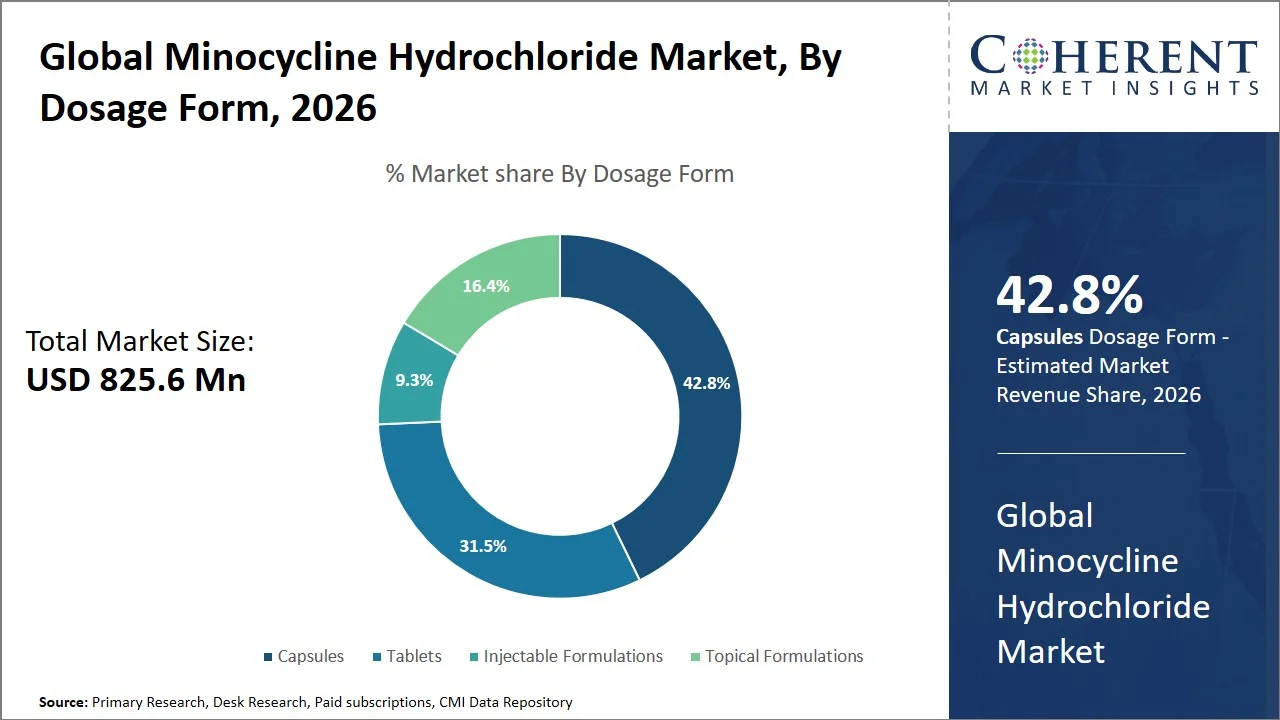
Why Do Capsules Dominate the Global Minocycline Hydrochloride Market?
Capsules are projected to hold the market share of 42.8% in 2026, owing to the ease of administration, ability to improve patient medication compliance, and positive pharmacokinetic profile, especially when used in long-term dermatological indications and prolonged courses of antibacterial therapy. Additionally, capsule preparations are effective in augmenting both, drug absorption and their therapeutic efficiency, thus ensuring a readily available drug action critical for the successful treatment of acne vulgaris and bacterial infections. Furthermore, controlled release capsule technology has played a crucial role in minimizing the dosing frequency while ensuring prolonged drug action to improve patient acceptance in the management of long-term medication courses. For instance, in March 2025, Journey Medical launched Emrosi, a newly approved dual-release minocycline for Rosacea, highlighting continued innovation within the dual-release oral minocycline hydrochloride market with the goal of achieving better effectiveness and long-term success. (Source: Journey Medical)
- Current Industry Events of 2026
- Market Size Estimation
- Regional Breakdown
- Competitive Landscape
- Customer Intelligence
- Segmental Analysis
- Pricing Analysis
- Key Market Drivers, Challenges & Future Trends
- Customized Insights Section
Why Does Acne Treatment Represent the Largest Application Segment in the Minocycline Hydrochloride Market?
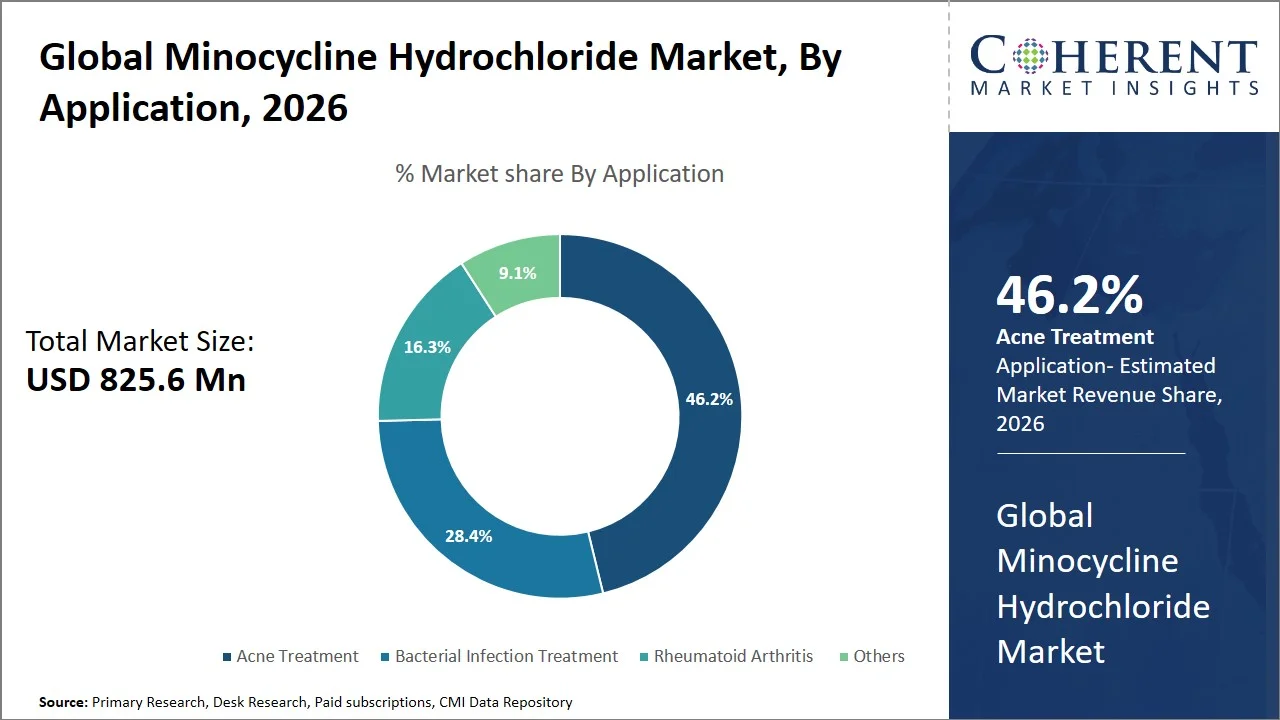
Acne treatment is projected to hold a market share of 46.2% in 2026, owing to the high incidence of acne vulgaris among adolescents and young adults globally. Minocycline hydrochloride has been widely utilized by dermatologists as a first-line treatment of moderate-to-severe inflammatory acne due to its high broad-spectrum activity along with proven broad efficacy with respect to acne lesion and skin inflammation reduction. The segment is also driven by an increase in awareness about skin health, greater dermatologist consultation and a higher propensity for treating acne with chronic therapies. Besides, changes in pharmaceutical formulations of the drug through modified-release and combination formulations are further providing impetus to its clinical use. For instance, the U.S. FDA had approved Minocycline Hydrochloride extended-release tablets for acne vulgaris highlighting extended-release minocycline formulations remain in clinical use for treatment of moderate-to-severe inflammatory acne vulgaris, demonstrating ongoing utilization of oral minocycline therapies for this indication. (Source: Drugs.com)
Retail Pharmacies Segment Dominates the Global Minocycline Hydrochloride Market
The retail pharmacies segment is projected to hold a market share of 48.3% in 2026, owing to robust presence of organized pharmacy chains, ease of availability of prescription medicines and increased outpatient procedures in chronic dermatological disorders. Retail pharmacy has significantly contributed to the accurate access to chronic doses of minocycline hydrochloride in drug sensitive conditions such as acne vulgaris, rosacea, and bacterial skin infections. Furthermore, growing pharmacy operations have further enhanced accessibility of medication in urban and suburban areas. For instance, the Centers for Medicare & Medicaid Services (CMS) - Long-Term Care Pharmacy Services emphasizes the increasing role of pharmacy services networks with the provision of pharmacy services in the continuum of care for patients requiring continuous treatment support. (Source: Centers for Medicare & Medicaid Services)
Currents Events and their Impact
Current Events | Description and its Impact |
European Union Advances Critical Medicines Act (May 2026) |
|
United States Expands Focus on Antimicrobial Resistance and Antibiotic Stewardship (February 2026) |
|
(Source: European Commission, Centers for Disease Control and Prevention)
Minocycline Hydrochloride Market Dynamics
Market Drivers
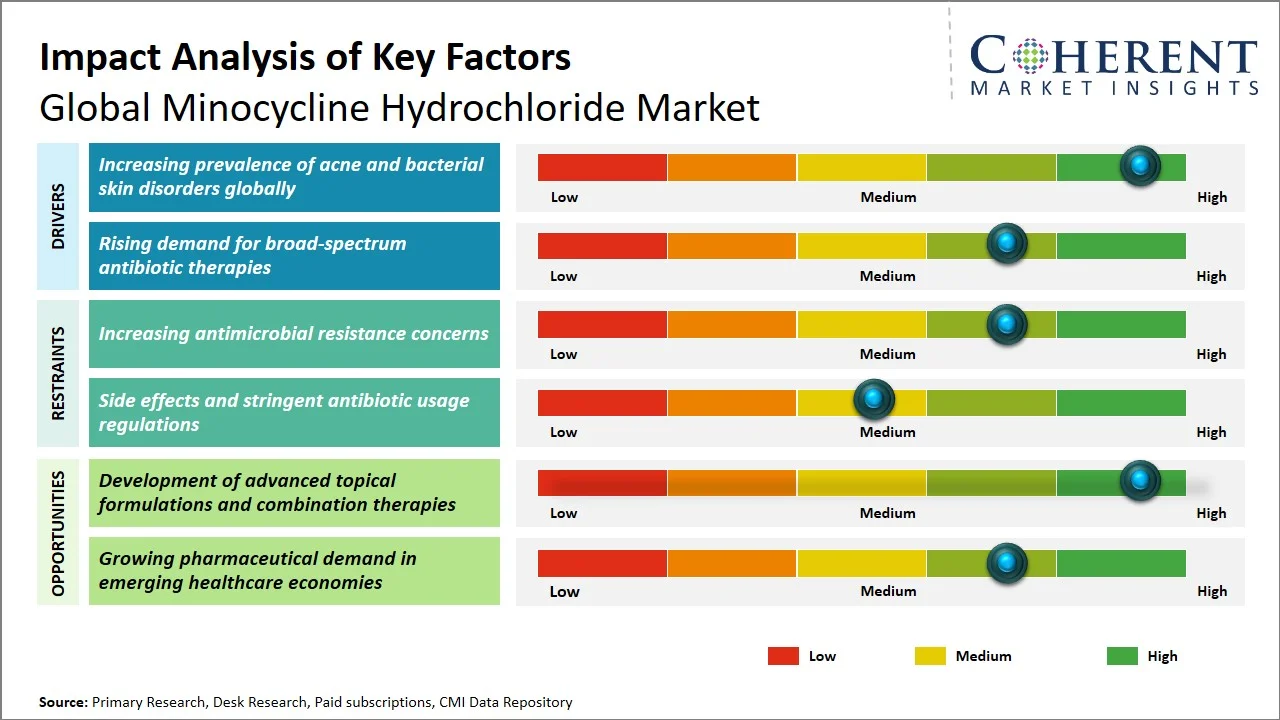
- Increasing prevalence of acne and bacterial skin disorders globally: Minocycline hydrochloride continues to be widely used within dermatology, because of its broad level-spectrum antibacterial and anti-inflammatory properties against Cutiobacterium acnes, as well as other bacteria that cause infection and inflammation in the skin. Also, rising awareness of maintaining healthy skin, increasing consultations to dermatologists and increasing penetration of prescription dermatology therapies are further contributing to more widespread usage, while the persistent clinical importance of minocycline hydrochloride in treating moderate-to-severe acne and resistant bacterial skin problems is likely to maintain its practice in the long term. For instance, according to dermatology times, incidence of acne is expected to grow from 31.7 million cases in 2022 to 34.9 million in 2040, highlighting the growing burden of skin disorders globally. (Source: Dermatology Times)
- Rising demand for broad-spectrum antibiotic therapies: The rising prevalence of bacterial skin infections and inflammatory dermatological disorder is stimulating demand for a more comprehensive anti-bacterial treatment regime, including minocycline hydrochloride. Its robust anti-bacterial effectiveness on broad types of gram-positive and gram-negative bacteria has been an influential factor in the longstanding use of the drug in the treatment of acne vulgaris and other skin infections. Furthermore, the increase in popularity of oral antibiotic treatments for moderate-to-severe dermatological problems is boosting demand for prescriptions worldwide. For instance, according to study published by National Library of Medicine, the antibiotic minocycline is known to have effective broad-spectrum antibacterial activity toward both gram-positive and gram-negative bacteria, and has been one of the most conventional in the treatment of acne vulgaris because of its anti-bacterial and anti-inflammatory bio-therapeutic effects. (Source: National Library of Medicine)
Emerging Trends
- Growing Preference for Low-Dose and Modified-Release Antibiotic Therapies: Dermatological treatment providers are turning to the use of low dose and extended-release minocycline hydrochloride formulations to help improve long term compliance among patients, as well as decrease the gastrointestinal, side effects encountered when using traditional oral antibiotics. This trend is aiding in the commercialization of patient friendly dermatology therapies with increased safety profiles.
- Increasing Integration of Combination Dermatology Treatment Approaches: The use of oral minocycline hydrochloride is being progressively combined with topical retinoids, benzoyl peroxide and anti-inflammatory medication in the treatment of patients with moderate-to-severe acne vulgaris and rosacea, thus enlarging the scope of therapeutic protocols for the usage of minocycline hydrochloride.
Regional Insights
Why is North America a Strong Market for Minocycline Hydrochloride?
North America leads the global minocycline hydrochloride market, accounting for an estimated 38.7% share in 2026, due to advancements in its healthcare system, substantial pharmaceutical R&D investments, and overall positive regulatory environment encouraging antibiotic practices and new drug formulations. For instance, The Centers of Medicare & Medicaid services continue supporting increased access to prescription drug through community-based healthcare and medication management programs which ensure patient access to long term dermatological therapies (Source: Centers of Medicare & Medicaid services). Furthermore, the presence of major pharmaceutical firms including Pfizer, Teva Pharmaceuticals and Amneal Pharmaceuticals have a significant presence and associated production and delivery networks operating within the region. Moreover, North America's advanced regulatory structure under the auspices of the U.S. FDA guarantees a high standard of effective formulations, boosting confidence in the regional market.
Why Does Asia Pacific Minocycline Hydrochloride Market Exhibit High Growth?
The Asia Pacific minocycline hydrochloride market is expected to exhibit the fastest growth with an estimated contribution of 24.6% share to the global market in 2026, owing to the availability of enhanced healthcare facilities, growing population and rising incidence of infectious diseases, which require antibiotics. The growth of economy in the countries like India and China has complemented the growth of healthcare infrastructure and the pharmaceutical manufacturing industry, which is primarily supported by initiatives like Make in India and proliferation of national healthcare policies in China. For instance, Make in India has been a prominent driving force behind the generation of indigenous API manufacturing with the global investment on direct and contract manufacturing of medicines and formulation facilities, therefore enabling easier access to antibiotic therapies like minocycline hydrochloride in India. (Source: Make in India)
Global Minocycline Hydrochloride Market Outlook for Key Countries
Why is the U.S. Leading Innovation and Adoption in the Minocycline Hydrochloride Market?
The U. S. is at the forefront of innovation and adoption in the minocycline hydrochloride market with comprehensive clinical incorporation of oral antibiotics into American dermatology treatment protocols for acne vulgaris and inflammatory diseases of the skin. The country demonstrates the extensive use of modified-release and other high-performance minocycline formulations to enhance patient acceptance and combat long-term treatment adverse effects. Furthermore, U.S pharmaceutical companies are actively working focusing on differentiated dermatology therapies, combination therapies, and niche technologies to optimize dosing regimens of the drug.
Is Japan a Favorable Market for Minocycline Hydrochloride Market?
Japan is one of the most promising markets for the minocycline hydrochloride market owing to the existence of excellent dermatology care facilities and high consumer knowledge regarding dermatology conditions and chronic acne management. Japan reflects high demand for prescriptive dermatology therapies, especially these addressing inflammatory dermatology conditions for which oral antibiotic regimens are prone to recur. Also, the high demand for advanced modified-release therapies and high-quality formulations offers an opportunity for product penetration throughout the dermatology practice setting.
Is China Emerging as a Key Growth Hub for the Minocycline Hydrochloride Market?
China is positioned as a key growth hub in the global minocycline hydrochloride market owing to its thriving pharmaceutical manufacturing industry and gradual rise in need for antibiotics in dermatology and other antibacterial based products. The widespread use of oral antibiotics in treatments against acne vulgaris and inflammatory skin conditions has become prominent in the urban healthcare and dermatology clinic settings. Furthermore, rise in local API manufacturing and favorable investments and developments in pharmaceutical supply chain infrastructure are augmenting the accessibility and prices of minocycline hydrochloride formulations in the country
Why Does Germany Top the European Minocycline Hydrochloride Market?
Germany is the leader in the European market for minocycline hydrochloride due to the mature dermatological treatment environment and high consumption prescription oral antibiotics for acne vulgaris and inflammatory skin conditions. The mature and high demand for high-end and modified-release dermatological formulations is driven by extensive access to advanced dermatology specialists and retail pharmacy chains in the country. The being-succeeded and quality-oriented antibiotic regime has been bolstering the generic manufacturing of minocycline hydrochloride and market exposure for clinical dermatology application.
Is Minocycline Hydrochloride Market Developing in India?
India is emerging as a lucrative market for minocycline hydrochloride owing to increasing incidences of acne vulgaris and bacterial skin infections. Along with this, demand for cost-effective dermatology treatments in India from the expanding younger population segment has led to the wide availability and availability of treatment options with the oral antibiotic formulations through the retail pharmacies and general practitioners in urban and semi-urban regions of India. With increasing awareness about skin health, consistent increase in dermatology visits and the continuous expansion of domestic pharmaceutical manufacturing base, the uptake of minocycline hydrochloride treatments in India has been on a steady uptrend.
Regulatory Landscape Governing the Global Minocycline Hydrochloride Market
Region | Authority & Classification | Approval Pathway | Key Regulatory Insight |
North America | U.S. Food and Drug Administration (Prescription Antibiotic Drug) | New Drug Application (NDA) and Abbreviated New Drug Application (ANDA) pathways for branded and generic minocycline hydrochloride products | Strong emphasis on antibiotic stewardship, bioequivalence studies for generics, labeling compliance, and long-term safety monitoring for oral tetracycline therapies used in dermatology and bacterial infections |
Europe | European Medicines Agency (Prescription Antibacterial Medicine) | Centralized and decentralized approval procedures under EMA and national agencies | Regulatory focus on antimicrobial resistance mitigation, pharmacovigilance, API supply chain resilience, and quality compliance for oral antibiotic formulations |
Asia Pacific | National Medical Products Administration (China), CDSCO (India), PMDA (Japan) | Country-specific generic drug approval and pharmaceutical registration pathways | Increasing regulatory support for domestic API manufacturing, faster generic drug approvals, and strengthening antibiotic quality standards across emerging pharmaceutical markets |
Latin America | ANVISA (Brazil), COFEPRIS (Mexico) | Regional pharmaceutical registration and generic medicine approval frameworks | Governments are focusing on improving access to affordable antibiotics while strengthening pharmaceutical import regulations and manufacturing quality standards |
Middle East & Africa | Saudi FDA, South African Health Products Regulatory Authority (SAHPRA) | National medicine registration and import authorization pathways | Regulatory agencies are increasingly emphasizing antibiotic accessibility, counterfeit medicine control, and pharmaceutical supply chain monitoring to support essential drug availability |
How is the development of advanced topical formulations and combination therapies creating new growth opportunities in the minocycline hydrochloride market?
Innovative topical formulations and combination therapies are expected to boost growth of minocycline hydrochloride market across the globe by targeting drug delivery to affected skin with minimal systemic exposure and adverse effects. Modified release delivery systems, advanced dermatology formulations including topical delivery systems for antibacterial and anti-inflammatory activity targeted to deep skin layers would likely the developments for treatment of skin conditions such as acne vulgaris and rosacea. Moreover, combination drug treatment involving antibiotics based oral therapy in combination with topical dermatology formulations has been found effective in treatment of inflammatory skin conditions. For instance, in December 2025, Journey Medical Corporation has published the clinical trial data for Emrosi emphasizing the continued clinical progression of dual-release minocycline formulations to provide maximum efficacy and tolerability in the treatment of skin conditions. (Source: Journey Medical Corporation)
Market Players, Key Development, and Competitive Intelligence
Key Developments
- In February 2026, OraPharma (a Bausch Health company) celebrated 25 years of the approval of Bausch Health OraPharma's ARESTIN (minocycline Hcl) Microspheres, a locally administered antibiotic for the treatment of periodontal disease. This event demonstrates that formulations based on minocycline are still utilized clinically and due to their therapeutic indications have a long-term well-defined niche in targeted therapy indications.
- In September 2025, CorMedix acquired Melinta Therapeutics underlining continued consolidation within the anti-infectives pharmaceutical industry as a whole, with the aim of broadened commercial antibiotic offerings and enhanced specialty pharmaceutical franchise strength. The buyout represents growing strategic emphasis on product pipeline development of infectious disease and antibacterial treatment-specific medicines.
Competitive Landscape
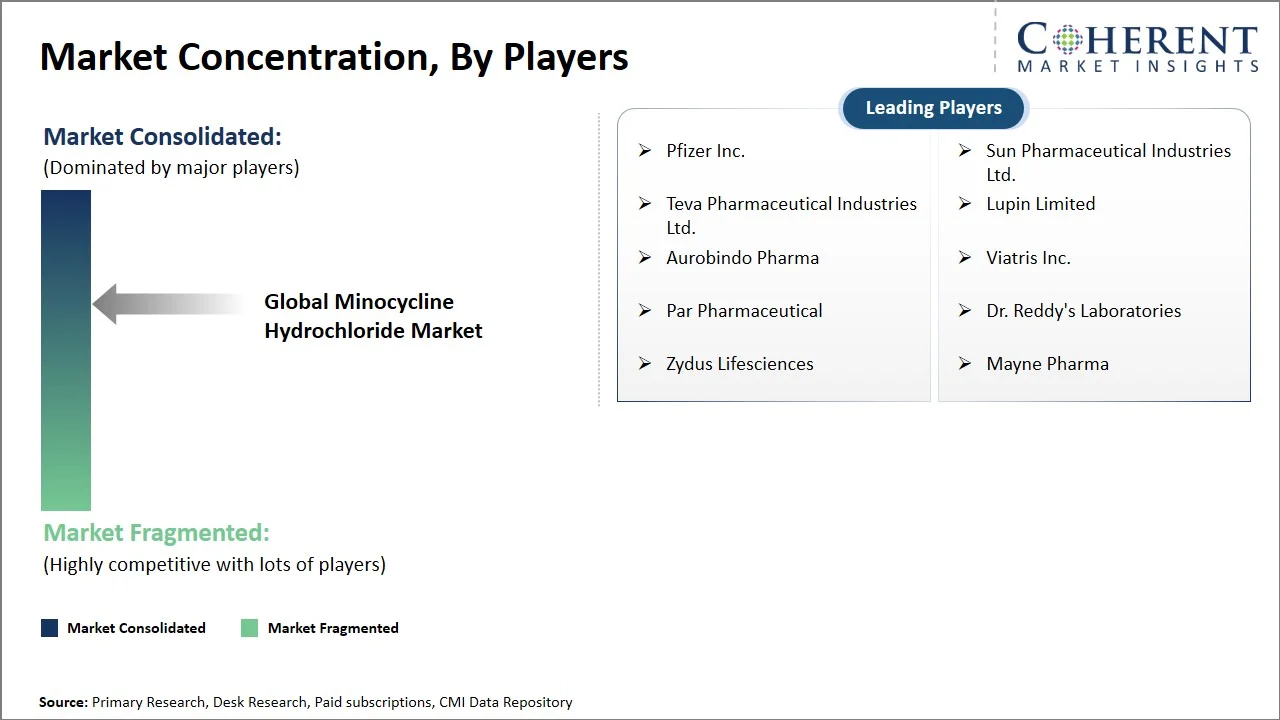
The global minocycline hydrochloride market is highly competitive with competition between branded pharmaceutical companies and generic manufacturing companies based on formulation innovation, pricing strategies and geographical expansions. The market players are intensively working on launching more effective dermatologist formulations, more patient acceptant formulations and generic manufacturing, retail pharmacy partnerships, regional supply chains for the availability of dermatology and general medicine articles to emerging markets. The major country market strategies revolve around dermatologist formulations, generic drugs, retail pharmacy strengthening, antibiotic stewardship program. Key focus areas include:
- Development of extended-release and patient-friendly minocycline hydrochloride formulations
- Expansion of generic drug manufacturing and regional supply chain capabilities
- Strengthening retail pharmacy distribution and healthcare provider partnerships
- Increasing focus on antibiotic stewardship, regulatory compliance, and pharmacovigilance initiatives
Market Report Scope
Minocycline Hydrochloride Market Report Coverage
| Report Coverage | Details | ||
|---|---|---|---|
| Base Year: | 2025 | Market Size in 2026: | USD 825.6 Mn |
| Historical Data for: | 2020 To 2024 | Forecast Period: | 2026 To 2033 |
| Forecast Period 2026 to 2033 CAGR: | 6% | 2033 Value Projection: | USD 1,240.0 Mn |
| Geographies covered: |
| ||
| Segments covered: |
| ||
| Companies covered: | Pfizer Inc., Sun Pharmaceutical Industries Ltd., Teva Pharmaceutical Industries Ltd., Lupin Limited, Aurobindo Pharma, Viatris Inc., Par Pharmaceutical, Dr. Reddy's Laboratories, Zydus Lifesciences, and Mayne Pharma | ||
| Growth Drivers: |
| ||
| Restraints & Challenges: |
| ||
Analyst Opinion (Expert Opinion)
- The future outlook for the global market for minocycline hydrochloride is anticipated to remain positive supported by rise in prevalence of acne vulgaris, bacterial skin infections and other skin inflammations globally. The global market is also anticipated to benefit from the increase in the demand for long-term dermatological therapy, accessibility of generic antibiotics, and launches of innovative modified-release and new patient-friendly formulations. In addition, the increasing interests of targeted dermatological therapy, as well as factors of antibiotic stewardship are likely to significantly influence product development in the future.
- The maximum opportunities will probably exist within oral dermatology antibiotic therapies for acne treatment market in India and China, due to their large teenage population, more education on skin health, more visits to the dermatologist, as well as increased availability of low-cost prescription drugs. Growth levels are also predicted to rise in the modified-release minocycline pharmaceutical companies’ sector as well as into applications in the treated of inflammatory skin disorders such as rosacea and chronic acne.
- In order to obtain a competitive advantage, market participants should seek to develop generic extended–release minocycline and combination minocycline formulations that demonstrate improved tolerability and reduce the length of the dosing schedule. Market players need to also develop added value high component strategies by enhancing regional generic manufacturing capabilities and extending into retail pharmacy/dermatology clinic alliances and undertaking antibiotic stewardship and pharmacovigilance initiatives, among others, in response to the growing regulatory monitoring over long term antibiotic usage.
Speak to the analyst
Want personalized insights?
Take the findings above to one of our principal consultants, or have the report rebuilt around the segments, geographies and competitors you actually track.
Market Segmentation
- Dosage Form Insights (Revenue, USD Mn, 2021 - 2033)
- Capsules
- Tablets
- Injectable Formulations
- Topical Formulations
- Application Insights (Revenue, USD Mn, 2021 - 2033)
- Acne Treatment
- Bacterial Infection Treatment
- Rheumatoid Arthritis
- Others
- Distribution Channel Insights (Revenue, USD Mn, 2021 - 2033)
- Hospital Pharmacies
- Retail Pharmacies
- Online Pharmacies
- Regional Insights (Revenue, USD Mn, 2021 - 2033)
- North America
- U.S.
- Canada
- Latin America
- Brazil
- Argentina
- Mexico
- Rest of Latin America
- Europe
- Germany
- U.K.
- Spain
- France
- Italy
- Russia
- Rest of Europe
- Asia Pacific
- China
- India
- Japan
- Australia
- South Korea
- ASEAN
- Rest of Asia Pacific
- Middle East
- GCC Countries
- Israel
- Rest of Middle East
- Africa
- South Africa
- North Africa
- Central Africa
- North America
- Key Players Insights
- Pfizer Inc.
- Sun Pharmaceutical Industries Ltd.
- Teva Pharmaceutical Industries Ltd.
- Lupin Limited
- Aurobindo Pharma
- Viatris Inc.
- Par Pharmaceutical
- Reddy's Laboratories
- Zydus Lifesciences
- Mayne Pharma
Sources
Primary Research Interviews
- Dermatologists, infectious disease specialists, and clinical practitioners involved in acne vulgaris and bacterial infection treatment protocols using minocycline hydrochloride
- Retail pharmacy managers and pharmaceutical distributors overseeing prescription dermatology medicine accessibility and dispensing operations
- Pharmaceutical formulation scientists and generic drug manufacturers engaged in oral minocycline capsule and modified-release formulation development
- Hospital pharmacists and clinicians managing bacterial skin infections, rosacea, and inflammatory dermatological disorders
- Researchers and healthcare professionals evaluating antibiotic stewardship practices and long-term oral antibiotic safety in dermatology care
Stakeholders
- Minocycline hydrochloride manufacturers and generic pharmaceutical companies
- End-use Sectors
- Hospitals and dermatology specialty clinics
- Retail pharmacies and community pharmacy chains
- Dermatology and cosmetic treatment centers
- Pharmaceutical and biotechnology companies
- Academic and dermatological research institutions
- Healthcare providers and outpatient care facilities
- Regulatory & Health Bodies: World Health Organization – antibiotic resistance and dermatology disease statistics, U.S. Food and Drug Administration – oral antibiotic approval and prescription safety regulations, Centers for Disease Control and Prevention – antimicrobial resistance and healthcare burden data, European Medicines Agency – antibiotic pharmacovigilance and pharmaceutical quality standards, Centers for Medicare & Medicaid Services – prescription drug accessibility and retail pharmacy frameworks
Databases
- WHO Global Health Observatory – skin disease and antimicrobial resistance statistics
- CDC National Center for Health Statistics – healthcare utilization and dermatological disease burden data
- OECD Health Statistics – pharmaceutical expenditure and antibiotic consumption trends
- Global Burden of Disease (GBD) Database – acne vulgaris and skin infection prevalence data
- World Bank Health Database – healthcare infrastructure and pharmaceutical access indicators
Magazines
- Pharmaceutical Technology – dermatology drug formulation and pharmaceutical manufacturing trends
- Drug Store News – retail pharmacy and prescription dermatology medicine developments
- Pharmaceutical Commerce – pharmaceutical distribution and supply chain updates
- BioPharma Dive – pharmaceutical industry advancements and regulatory developments
- Dermatology Times – dermatology therapeutics and skincare treatment innovations
Journals
- Journal of Clinical and Aesthetic Dermatology
- Dermatology and Therapy
- Journal of Drugs in Dermatology
- Clinical, Cosmetic and Investigational Dermatology
- Journal of Antimicrobial Chemotherapy
- International Journal of Dermatology
Newspapers
- Financial Times – pharmaceutical industry and healthcare market developments
- The Wall Street Journal – prescription drug pricing and pharmaceutical policy updates
- The New York Times (Health Section) – skincare treatment and dermatology industry trends
Associations
- American Academy of Dermatology
- International Society of Dermatology
- American Acne and Rosacea Society
- Infectious Diseases Society of America
- International League of Dermatological Societies
Public Domain Sources
- World Health Organization – antimicrobial resistance and skin disease statistics
- Centers for Disease Control and Prevention – antibiotic stewardship and healthcare burden data
- National Institutes of Health – dermatology and antibacterial therapy research publications
- World Bank – healthcare expenditure and pharmaceutical infrastructure data
- American Academy of Dermatology Association – acne prevalence and dermatological treatment statistics
Proprietary Elements
- CMI Data Analytics Tool, Proprietary CMI Existing Repository of information for last 10 years.
Get access to 250+ pages report
Every segment, forecast, competitor profile and data table behind the analysis above — available for instant download.
- ESOMAR Member
- ISO 9001:2015 Certified
- D-U-N-S Registered
- GDPR & CCPA Compliant
Missing comfort of reading report in your local language? Find your preferred language:
Transform your Strategy with Exclusive Trending Reports
Frequently Asked Questions
The global Minocycline Hydrochloride market is estimated to be valued at USD 825.6 Mn in 2026 and is expected to reach USD 1,240.0 Mn by 2033.
Capsules dominate due to their improved patient compliance, ease of oral administration, formulation stability, and suitability for long-term dermatological disorder treatment.
Minocycline hydrochloride is a broad-spectrum tetracycline antibiotic used primarily for the treatment of bacterial infections and inflammatory dermatological conditions such as acne vulgaris.
The CAGR of global minocycline hydrochloride market is projected to be 6%from 2026 to 2033.
Increasing prevalence of acne and bacterial skin disorders globally, and rising demand for broad-spectrum antibiotic therapies are the major factors driving the growth of the global minocycline hydrochloride market.
Increasing antimicrobial resistance concerns, and side effects and stringent antibiotic usage regulations are the major factors hampering the growth of the global minocycline hydrochloride market.
Minocycline hydrochloride is widely used in acne treatment due to its strong anti-inflammatory and antibacterial activity against Cutibacterium acnes, helping reduce inflammatory lesions and skin irritation.