

Global Shelf Pessary Market Size and Forecast – 2026 to 2033
The global shelf pessary market is estimated to be valued at USD 180.1 Mn in 2026 and is expected to reach USD 344.4 Mn by 2033, exhibiting a compound annual growth rate (CAGR) of 9.7% from 2026 to 2033. The market’s steady growth reflects increasing awareness and adoption of pessary devices for pelvic organ prolapse and urinary incontinence, driven by technological advancements and expanding healthcare infrastructure worldwide.
Key Takeaways of the Global Shelf Pessary Market
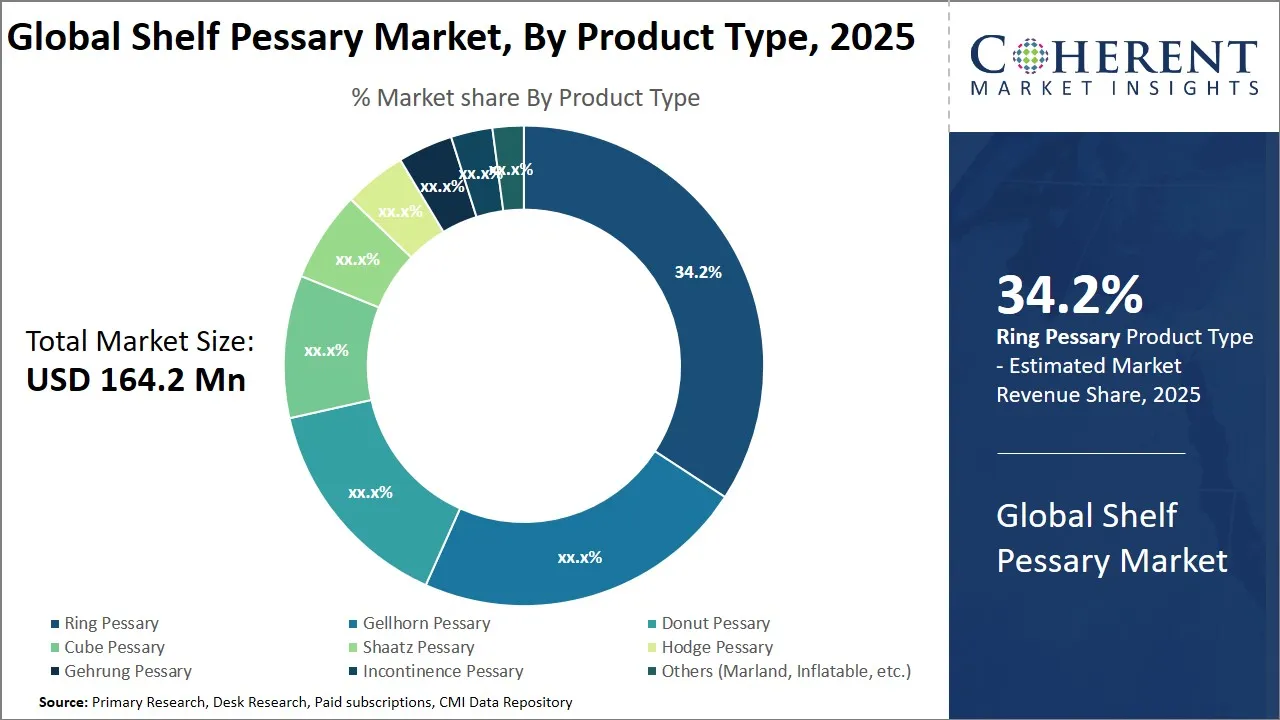
- Among the product type in the global shelf pessary market, the ring pessary segment is expected to be the dominant segment, holding a share of 35.2% in 2026.
- Silicone is expected to dominate the global shelf pessary market in 2026, holding a share of 28.4 %.
- Pelvic Organ Prolapse (POP) is projected to be the largest application segment, accounting for 33.4% of the market share in 2026.
- North America is expected to lead the market, holding a share of 37.3% in 2026.
- Asia Pacific is anticipated to be the fastest-growing region, with an estimated market share of 24.3% in 2026.
Market Overview
A current market trends indicate a rising preference for minimally invasive and patient-friendly treatment options, which is propelling the demand for shelf pessaries. Additionally, the increased focus on women’s health and geriatric care is boosting product penetration across emerging economies. Innovations like customized pessaries and improved materials for enhanced comfort and durability are also gaining traction, further fueling the market expansion and supporting sustained growth over the forecast period.
Current Events and Its Impact
Current Events | Description and its Impact |
Advancements in Biocompatible Materials |
|
Adoption of AI-driven customized pessary designs |
|
Segmental Insights
- Current Industry Events of 2026
- Market Size Estimation
- Regional Breakdown
- Competitive Landscape
- Customer Intelligence
- Segmental Analysis
- Pricing Analysis
- Key Market Drivers, Challenges & Future Trends
- Customized Insights Section
Shelf Pessary Market Insights, By Product Type - Ring Pessary Contributes the Highest Share of the Market Owing to its Versatility and Ease of Use
Among the product type in the global shelf pessary market, the ring pessary segment is likely to be the leading segment, capturing 35.2% of the market share in 2026. The main reasons for this are its well-established design, multifunctional applications, and characteristics that are friendly to patients. It is the type of product that is most frequently used by both patients and doctor because it allows the patient to manage the disorder without undergoing surgery hence the patient is free of the complications of surgery and also the patient can manage such disorders effectively.
In September 2024, ConTIPI Medical, a company specializing in innovative medical devices, partnered with EVERSANA to support the U.S. launch of its ProVate device, a vaginal ring pessary for patients with Pelvic Organ Prolapse (POP). The device has received U.S. FDA 510(k) clearance and CE Mark approval for Europe.
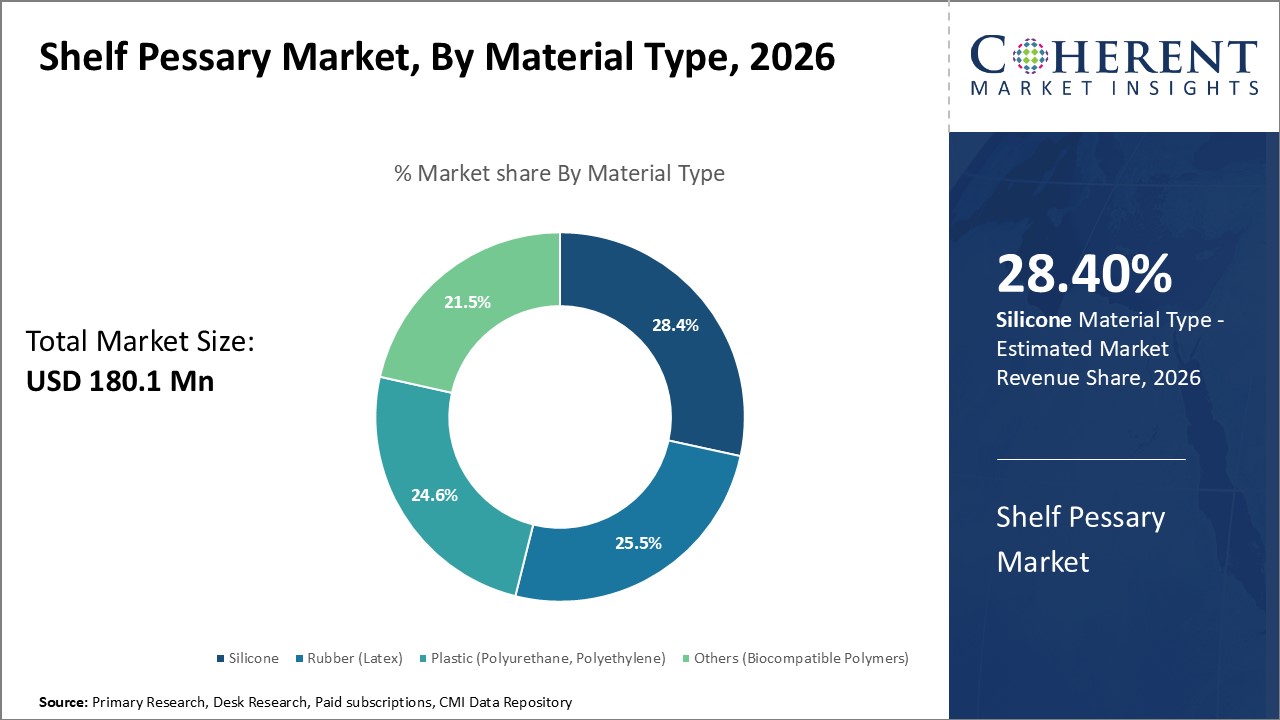
Shelf Pessary Market Insights, By Material Type - Silicone Contributes the Highest Share of the Market Driven by Superior Biocompatibility and Patient Comfort
Silicone is predicted to grab the number one position in the global shelf pessary market with a share of 28.4% in 2026, because of its excellent properties that are similar to the needs and comforts of the users. The main reason for the increasing the demand for silicone pessaries is their biocompatibility which virtually reduces the chances of allergy and irritation that some patients get with rubber or latex alternatives.
They are also offered as being biocompatible, more flexible, and more durable silicone pessaries have while at the same time being able to support the pelvic organs effectively owing to their sufficient stiffness. This quality allows the device to adhere to the vaginal anatomy without creating any pressure or causing erosion.
Shelf Pessary Market Insights, By Application - Pelvic Organ Prolapse (POP) Contributes the Highest Share of the Market due to Increasing Prevalence and Clinical Effectiveness of Non-Surgical Management
The application of Pelvic Organ Prolapse (POP) is still the biggest market segment in the global shelf pessary market with an estimated 33.4% of the market share in 2026. The main reason for this is the increasing occurrence of the condition, which is caused by the aging of the population and changing lifestyles, being the main drivers globally.
POP is a condition that happens when the pelvic organs come down because the tissues that support them get weak, and it can be quite painful, cause urinary problems, and reduce the quality of life significantly. The main reason why pessaries are seen as a treatment that is not only sideline but also increases their usage is the fact that they are effective in controlling POP symptoms.
Regional Insights
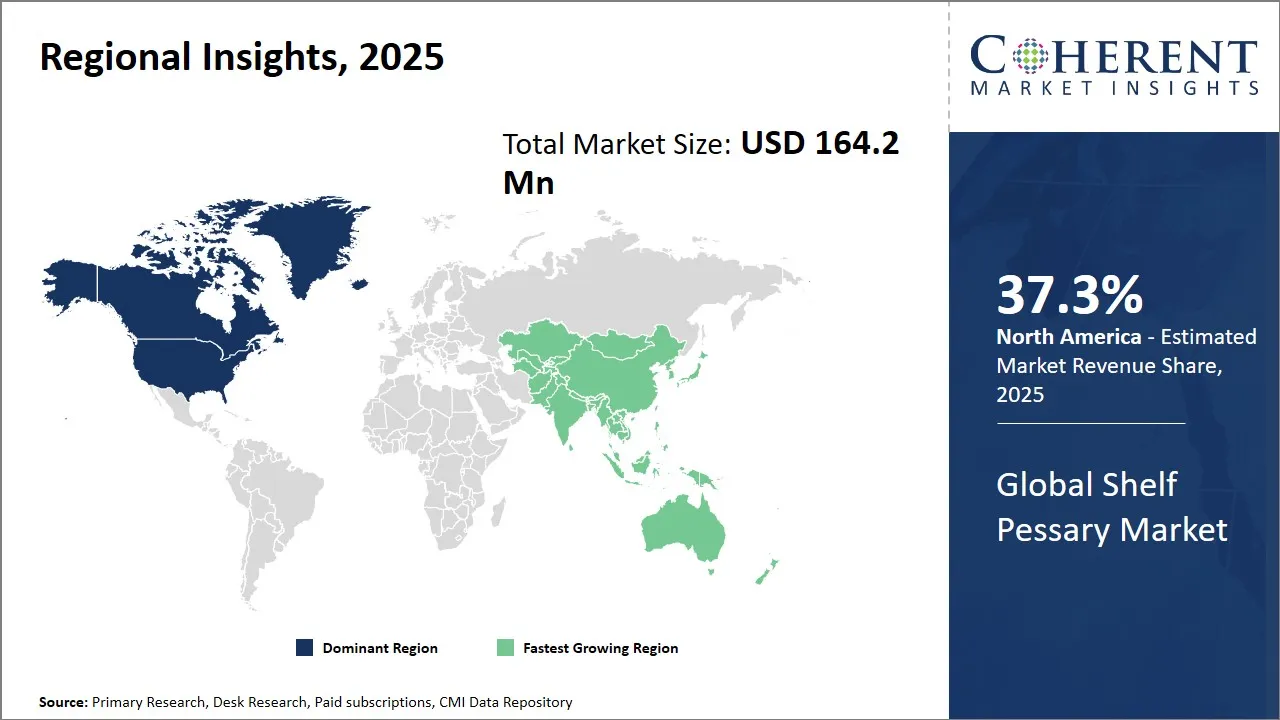
North America Shelf Pessary Market Analysis and Trends
North America shelf pessary market will be leading with an estimated share of 37.3% by 2026, mainly due to the region’s developed healthcare infrastructure, women’s health issues strongly regarded, and the presence of major medical device manufacturers. The U.S., the largest component of the shelf pessary market in the area, is able to rely on its well-defined reimbursement systems and active government strategy supporting reproductive health improvements for women. Besides, the region is the market of large companies such as Boston Scientific, Coloplast, and Cook Medical which continuously innovate and develop new products and strengthen the market further. These companies provide a wide range of cutting-edge devices for a variety of clinical needs.
For example, MedGyn Products, Inc. Headquartered in Illinois, U.S., MedGyn Products has been a key player in the medical device industry since 1975. The company offers a diverse range of pessary products designed for various gynecological conditions. MedGyn's extensive distribution network and focus on quality have made it a trusted name in the North America shelf pessary market.
Asia Pacific Shelf Pessary Market Analysis and Trends
The Asia Pacific region shelves the fastest growth in the global shelf pessary market, which contributing an estimated 24.3% share in 2026, boosting the trend by more healthcare investments, the rising number of pelvic organs prolapse cases, and the increased awareness of women's health in the region consisting mainly of the poorer countries. India and China are among those countries where urbanization is happening rapidly, the medical infrastructure is getting better, and government efforts for improving women's health are only growing. It is not only international companies but also local manufacturers who will respond to the changing needs and will be entering the market as part of the regional market ecosystem evolving.
For example, Panpac Medical is a leading manufacturer of medical devices, including shelf pessaries, catering to the growing demand in the Asia Pacific region. The company focuses on producing high-quality, affordable pessary products to meet the needs of patients in emerging markets.
Global Shelf Pessary Market Outlook for Key Countries
U.S. Shelf Pessary Market Analysis and Trends
The U.S. shelf pessary market remains on top thanks to its very advanced healthcare system, large insurance coverage, and active government health programs that are aimed at women's urogenital health. Among the main companies are Boston Scientific, Coloplast, and Cook Medical which are pioneers and are also very actively involved in the development of new shelf pessaries that provide more overall comfort for the patients and clinical efficacy. The strong research environment in the U.S. clinical trials and the doctors' preference for non-invasive treatments also play a major role in the adoption of the products.
For example, Cetro Medical offers a range of pessaries, including doughnut-type and cube pessaries, catering to different degrees of prolapse rings. Their products are designed for comfort and ease of use, aiming to improve patient compliance.
Germany Shelf Pessary Market Analysis and Trends
Germany shelf pessary market is characterized by high healthcare expenditure and a strong focus on the quality of medical devices. A number of European manufacturers such as B Braun and Ottobock are present, which increases competition. The tough regulatory requirements in Germany ensure that only the best quality products are available, and this is also supported by good reimbursement models. Besides, the growing awareness among women and the well-developed network of healthcare professionals are factors that easily lead to the use of shelf pessaries.
For example, Germany's market for shelf pessaries is influenced by top European manufacturers like Fisher & Paykel Healthcare and Ottobock. Fisher & Paykel Healthcare, known for its expertise in respiratory care and other medical devices, also produces pessaries that meet the stringent quality standards required in Germany. Their products are widely used in hospitals and healthcare facilities across the country.
China Shelf Pessary Market Analysis and Trends
China is a rapidly growing market that is mainly propelled by more government healthcare funding and increased pelvic health awareness in the cities and outskirts. Companies like Shanghai Microsport Medical are concentrating their efforts on the development of innovative and cost-effective solutions. Besides, in recent years, multinational companies like Boston Scientific have gained access to the market through setting up joint ventures and partnerships thereby making the product more available to the users.
For example, in China, local manufacturers like Shanghai Fosun Pharmaceutical and Beijing Yuhongtai Medical are making strides in the shelf pessary market. Shanghai Fosun Pharmaceutical, one of the largest pharmaceutical and healthcare companies in China, has expanded its product line to include pessaries, catering to the growing demand for pelvic health solutions in the country.
India Shelf Pessary Market Analysis and Trends
The India shelf pessary market is developing rapidly as a result of better healthcare and government efforts to improve women’s reproductive health. Pelvic organ prolapse, a condition that increasingly affects women, along with the issue of affordability, has made the demand for shelf pessaries as non-surgical treatment options ever-increasing. In collaboration with foreign companies, domestic manufacturers are developing low-cost, high-quality products for the market.
For example, Desco Medical India manufactures rubber ring pessaries, which are flexible and long-lasting. These products are widely used in India and other regions, offering an affordable solution for managing pelvic organ prolapse.
End User Feedback and Unmet Needs for the Global Shelf Pessary Market
- The soft, medical-grade silicone used in the newer shelf pessary models has gained a lot of support from healthcare providers and patients alike, as it is both comfortable and reduces the risk of infections. Clinicians, on the other hand, have the advantage of receiving a wider selection of sizes which allows for better fitting and longer usage. Though, some patients still have trouble with difficulties in insertion, cleaning, and limited professional guidance, especially in rural or under-resourced areas, which eventually leads them to give up treatment before the time is up.
- One of the main issues that need to be addressed is personalization, along with care routines that are simple and cost-effective. Besides that, a new category of products that allow self-management and remote monitoring of patients is emerging. The companies that focus on producing customizable 3D designs, smart tracking features as well as maintaining an affordable price are likely to not just enjoy compliance, but also to win over the market and thus, get the edge in this evolving market.
Market Players, Key Developments, and Competitive Intelligence
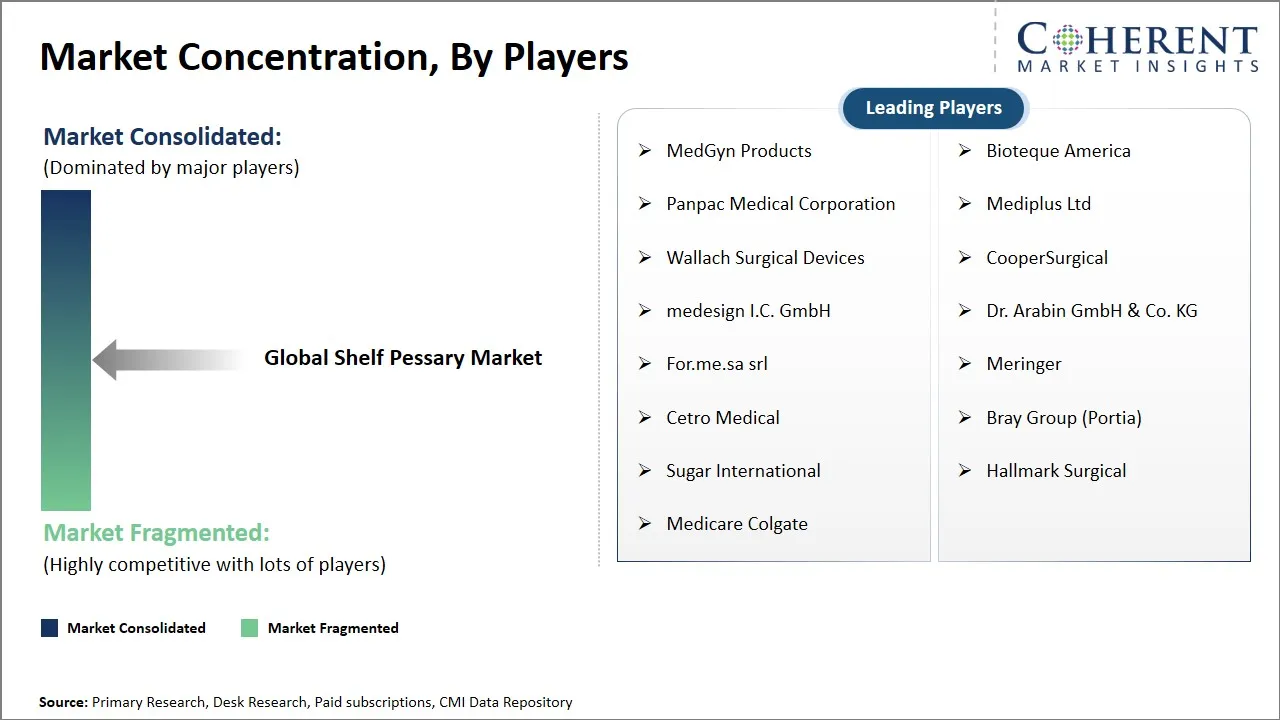
Key Developments
- In May 2025, Mediplus Ltd., a U.K.-based medical device company specializing in women’s health solutions, expanded its POPY Shelf Pessary range to better support women with pelvic organ prolapse. The company introduced five new sizes, bringing the total to eleven in both short and long stem versions, ensuring a more precise and comfortable fit. Made from 100% medical-grade silicone, the POPY Shelf Pessary offers a soft, flexible, and non-surgical solution that reduces the risk of vaginal erosion while improving patient comfort and accessibility.
- In March 2025, MedStar Health Research Institute, a leading U.S. academic medical research organization, launched a multicenter clinical trial evaluating a new Shelf Pessary developed by Reia, a medical device start-up focused on women’s pelvic health. The study, funded by the National Institutes of Health, aims to enroll 182 patients across nine sites to test whether the collapsible, self-manageable Reia pessary can improve comfort, ease of use, and reduce clinic visits for women with pelvic organ prolapse
- In February 2023, the American Urogynecologic Society (AUGS), a leading U.S. authority in female pelvic medicine, issued updated guidelines for pessary use in managing pelvic organ prolapse. The new framework standardizes clinical practices and enhances patient outcomes by promoting consistent care strategies and evidence-based management.
- In December 2022, Integra LifeSciences, a U.S.-based medical technology company specializing in neurosurgery and reconstructive surgery solutions, completed its acquisition of Surgical Innovation Associates (SIA). The deal expands Integra’s soft tissue reconstruction portfolio through the integration of SIA’s U.S. FDA-cleared DuraSorb product, strengthening its reconstructive and plastic surgery segment.
Top Strategies Followed by Global Shelf Pessary Market Players
- The leading companies in the market spend a lot of money in research and development (R&D) to come up with and present high-performance pessary products that meet the various needs of patients. They are able to do this by using advanced materials and design enhancements to improve the comfort, efficacy, and ease of use, thus providing a difference in their offerings.
- Smith & Nephew, a leader in the medical device industry, Smith & Nephew, expanded its portfolio to include shelf pessaries. Known for its innovation and high-quality products, the company focuses on improving patient comfort and offering effective solutions for pelvic health.
- The mid-level players in the shelf pessary market are adopting a more cost-effective but still competitive strategy in their efforts to capture the price-sensitive segments without compromising their product quality to a great extent. The main tactic of these companies is to provide cost-efficient solutions that will perfectly balance between the price and the performance of the product.
- TheraPearl is a mid-level company known for offering affordable, functional shelf pessaries that cater to a price-sensitive customer base. They focus on delivering products that provide value for money, combining quality and affordability.
- Small players in the market usually differentiate through the creation of niche markets in the global shelf pessary market. These companies do not engage in direct competition with the larger ones, but rather, focus on creating special features or innovative product variations aimed at specific patient needs or underserved regions.
- Apex Medical is a small-scale player that specializes in creating personalized, niche pessary products tailored for specific patient needs. They focus on developing customized designs for patients with particular conditions that may require unique treatments. Apex Medical focuses on underserved markets and regions, creating specialized products that larger companies may not prioritize.
Market Report Scope
Shelf Pessary Market Report Coverage
| Report Coverage | Details | ||
|---|---|---|---|
| Base Year: | 2025 | Market Size in 2026: | USD 180.1 Mn |
| Historical Data for: | 2020 To 2024 | Forecast Period: | 2026 To 2033 |
| Forecast Period 2026 to 2033 CAGR: | 9.7% | 2033 Value Projection: | USD 344.4 Mn |
| Geographies covered: |
| ||
| Segments covered: |
| ||
| Companies covered: | MedGyn Products, Bioteque America, Panpac Medical Corporation, Mediplus Ltd, Wallach Surgical Devices, CooperSurgical, medesign I.C. GmbH, Dr. Arabin GmbH & Co. KG, For.me.sa srl, Meringer, Cetro Medical, Bray Group (Portia), Sugar International, Hallmark Surgical, and Medicare Colgate | ||
| Growth Drivers: |
| ||
| Restraints & Challenges: |
| ||
Shelf Pessary Market Dynamics
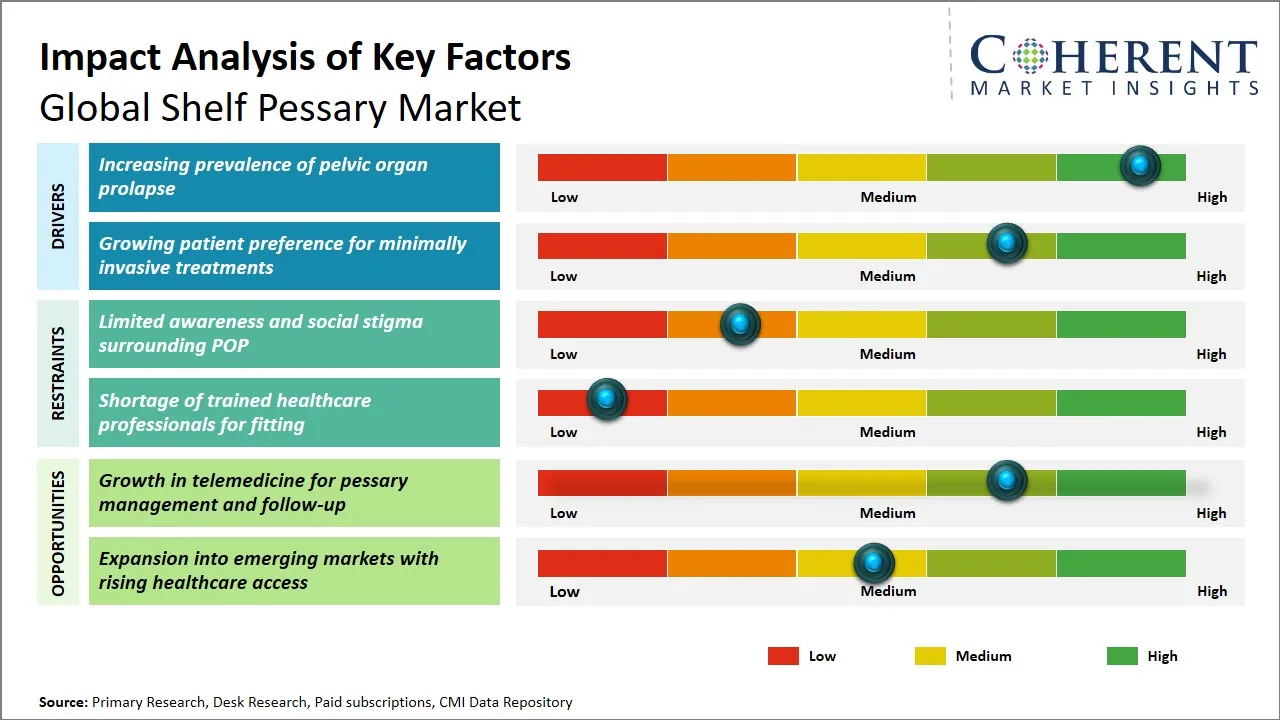
Shelf Pessary Market Driver - Increasing Prevalence of Pelvic Organ Prolapse
One of the major reasons for the increasing demand for shelf pessaries is the rise in the number of cases of pelvic organ prolapse (POP) across the globe. The pelvic organs such as the bladder, uterus, or rectum, when they descend into or outside the vaginal canal due to the weakening of the pelvic floor muscles, are referred to as POP and have been increasingly noticed among the elderly and those women who have had multiple births. The increase in the number of cases has, consequently, led to more women being treated and more women asking for non-surgical management, thus leading to increased awareness. Shelf pessaries, which are a least invasive, economical type of device, offer a very practical way of relieving the aforementioned symptoms like pelvic pressure, urinary incontinence, and discomfort.
In November 2022, according to National Library of Medicine, a study on pelvic organ prolapses (POP), affecting 50% of Canadian women, explores a novel personalizable pessary (NPP) designed using 3D printing technology. Unlike traditional pessaries, which often don’t fit well or require difficult care, the NPP aims to provide better comfort and ease of use. The study hypothesizes that the NPP will match or outperform standard pessaries in effectiveness and safety.
Shelf Pessary Market Opportunity - Growth in Telemedicine for Pessary Management and Follow-up
There is a great opportunity for global shelf pessary market by telemedicine's widespread use and its introduction to the different areas of patient management, followed by their treatment. Pessaries used by the patients can be remotely monitored by the health care professionals using the telemedicine platforms, thus indirectly solving the problems associated with this type of patient care, which are inconvenience, frequent visits to the clinic, and lack of access to a specialist, particularly in rural or underdeveloped areas. The virtual consultations allow the doctors to guide the patients in maintaining the pessaries, assess and monitor the symptoms, timely uncover the complications, and hence assure adherence and improve the outcomes. This remote method decreases the burden on the health care facilities which are already stressed and at the same time increases the reach of urogynecological services, thus allowing for earlier intervention and personalized treatment plans.
For example, Tattvan E-Clinic operates in rural and semi-urban regions of India, upgrading local clinics to telemedicine-enabled centers. This model allows patients to receive specialized care, including pessary management, through virtual consultations with experts, thereby overcoming geographical barriers. Moreover, OmniMD offers a customizable telehealth platform that supports remote patient monitoring and virtual care. Their solution can be tailored to include pessary management, providing features like real-time monitoring, AI-powered clinical insights, and secure communication channels between patients and providers
Analyst Opinion (Expert Opinion)
- The shelf pessary market is on the rise backed by technological innovations in materials such as medical-grade silicone which is safe and patient-friendly. Heightened Pelvic Organ Prolapse (POP) awareness as well as strong regulatory support are the main contributors to the market expansion. As the older population is facing more pelvic health problems, the demand for non-surgical alternatives like shelf pessaries is on the rise. But there are still challenges like finding ways to improve self-management and reducing the frequency of clinic visits facing the market.
- The AUGS Annual Meeting and IUGA Congress are examples of events that have significantly contributed to dialogue about new and improved pessaries. Additionally, Mediplus' initiatives to expand its POPY range, MedStar Health's clinical trials, and other developments are being directed towards patient satisfaction and more effective solutions. All these developments are indicative of the market direction towards individual needs and better management facilities for patients.
Speak to the analyst
Want personalized insights?
Take the findings above to one of our principal consultants, or have the report rebuilt around the segments, geographies and competitors you actually track.
Market Segmentation
- Product Type Insights (Revenue, USD Mn, 2021 - 2033)
- Ring Pessary
- Gellhorn Pessary
- Donut Pessary
- Cube Pessary
- Shaatz Pessary
- Hodge Pessary
- Gehrung Pessary
- Incontinence Pessary
- Others (Marland, Inflatable, etc.)
- Material Type Insights (Revenue, USD Mn, 2021 - 2033)
- Silicone
- Rubber (Latex)
- Plastic (Polyurethane, Polyethylene)
- Others (Biocompatible Polymers)
- Application Insights (Revenue, USD Mn, 2021 - 2033)
- Pelvic Organ Prolapse (POP)
- Stress Urinary Incontinence (SUI)
- Cervical Incompetence
- Vaginal Vault Prolapse
- Uterine Prolapse
- Cystocele and Rectocele Management
- Size Insights (Revenue, USD Mn, 2021 - 2033)
- Small
- Medium
- Large
- Custom/Adjustable Fit
- End User Insights (Revenue, USD Mn, 2021 - 2033)
- Hospitals
- Gynecology Clinics
- Ambulatory Surgical Centers (ASCs)
- Maternity Centers
- Homecare Settings
- Distribution Channel Insights (Revenue, USD Mn, 2021 - 2033)
- Online
- Offline
- Regional Insights (Revenue, USD Mn, 2021 - 2033)
- North America
- U.S.
- Canada
- Latin America
- Brazil
- Argentina
- Mexico
- Rest of Latin America
- Europe
- Germany
- U.K.
- Spain
- France
- Italy
- Russia
- Rest of Europe
- Asia Pacific
- China
- India
- Japan
- Australia
- South Korea
- ASEAN
- Rest of Asia Pacific
- Middle East
- GCC Countries
- Israel
- Rest of Middle East
- Africa
- South Africa
- North Africa
- Central Africa
- North America
- Key Players Insights
- MedGyn Products
- Bioteque America
- Panpac Medical Corporation
- Mediplus Ltd
- Wallach Surgical Devices
- CooperSurgical
- medesign I.C. GmbH
- Arabin GmbH & Co. KG
- me.sa srl
- Meringer
- Cetro Medical
- Bray Group (Portia)
- Sugar International
- Hallmark Surgical
- Medicare Colgate
Sources
Primary Research Interviews
- Industry Stakeholders List
- MedStar Health Research Institute
- Reia (medical device start-up)
- End Users List
- Urogynecologists
- Gynecologists
- Pelvic health nurses
- Women's health physiotherapists
Government and International Databases
- U.S. National Institutes of Health (NIH)
- U.S. Food and Drug Administration (FDA)
- National Institute for Health and Care Excellence (NICE)
- European Medicines Agency (EMA)
- World Health Organization (WHO)
- Centers for Disease Control and Prevention (CDC)
Trade Publications
- Obstetrics & Gynecology Journal
- International Urogynecology Journal
- Journal of Pelvic Medicine & Surgery
- Urology Times
- Women's Health Issues
- Journal of Women's Health
Academic Journals
- The Lancet Urology
- British Journal of Obstetrics and Gynaecology
- Journal of Urology
- American Journal of Obstetrics and Gynecology
- Neurourology and Urodynamics
- European Urology
Reputable Newspapers
- The New York Times
- The Guardian
- The Washington Post
- The Times (U.K.)
- The Wall Street Journal
- The Independent
Industry Associations
- American Urogynecologic Society (AUGS)
- International Urogynecological Association (IUGA)
- European Urological Association (EAU)
- National Association for Continence (NAFC)
- American College of Obstetricians and Gynecologists (ACOG)
- International Continence Society (ICS)
Public Domain Resources
- U.S. National Library of Medicine
- Cochrane Library
- National Center for Biotechnology Information (NCBI)
- Open Access Journals by MDPI
Proprietary Elements
- CMI Data Analytics Tool: Proprietary analytics tool to analyze real-time market trends, consumer behavior, and technology adoption in market
- Proprietary CMI Existing Repository of Information for Last 8 Years
Get access to 250+ pages report
Every segment, forecast, competitor profile and data table behind the analysis above — available for instant download.
- ESOMAR Member
- ISO 9001:2015 Certified
- D-U-N-S Registered
- GDPR & CCPA Compliant
Missing comfort of reading report in your local language? Find your preferred language:
Transform your Strategy with Exclusive Trending Reports
Frequently Asked Questions
The global shelf pessary market is estimated to be valued at USD 180.1 Mn in 2026 and is expected to reach USD 344.4 Mn by 2033.
The CAGR of the global shelf pessary market is projected to be 9.7% from 2026 to 2033.
Increasing prevalence of pelvic organ prolapse and growing patient preference for minimally invasive treatments are the major factor driving the growth of the global shelf pessary market.
Limited awareness and social stigma surrounding POP and shortage of trained healthcare professionals for fitting are the major factor hampering the growth of the global shelf pessary market.
In terms of product type, the ring pessary segment is estimated to dominate the market revenue share in 2026.
MedGyn Products, Bioteque America, Panpac Medical Corporation, Mediplus Ltd, Wallach Surgical Devices, CooperSurgical, medesign I.C. GmbH, Dr. Arabin GmbH & Co. KG, For.me.sa srl, Meringer, Cetro Medical, Bray Group (Portia), Sugar International, Hallmark Surgical, and Medicare Colgate are the major players.
North America is expected to lead the global shelf pessary market in 2026.