

Global Stelara Market Size and Forecast – 2026 to 2033
The Global Stelara Market is estimated to be valued at USD 9,532.3 Million in 2026 and is expected to reach USD 2,963.1 Million by 2033, exhibiting a compound annual growth rate (CAGR) of -15.2% from 2026 to 2033. This significant market contraction reflects the anticipated impact of biosimilar competition and patent expiration challenges facing this immunosuppressive therapy. The declining trajectory indicates substantial revenue erosion as generic alternatives enter the market, fundamentally reshaping the competitive landscape and pricing dynamics within the biologic treatment segment for autoimmune conditions.
Key Takeaways of the Global Stelara Market:
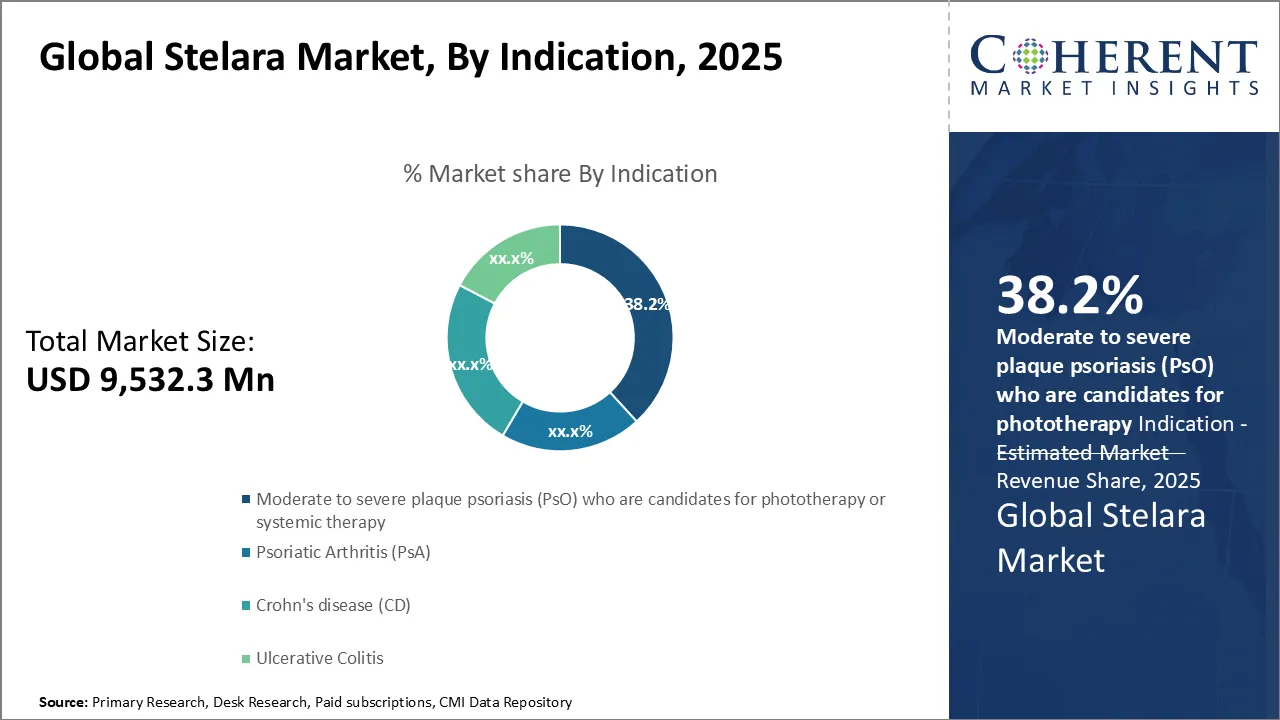
- In 2026, moderate to severe plaque psoriasis (PsO) patients who are candidates for phototherapy or systemic therapy are estimated to account for 39.2% of the market.
- In 2026, the 45 mg/0.5 mL strength segment is projected to maintain its dominance, representing 61.3% of the overall market.
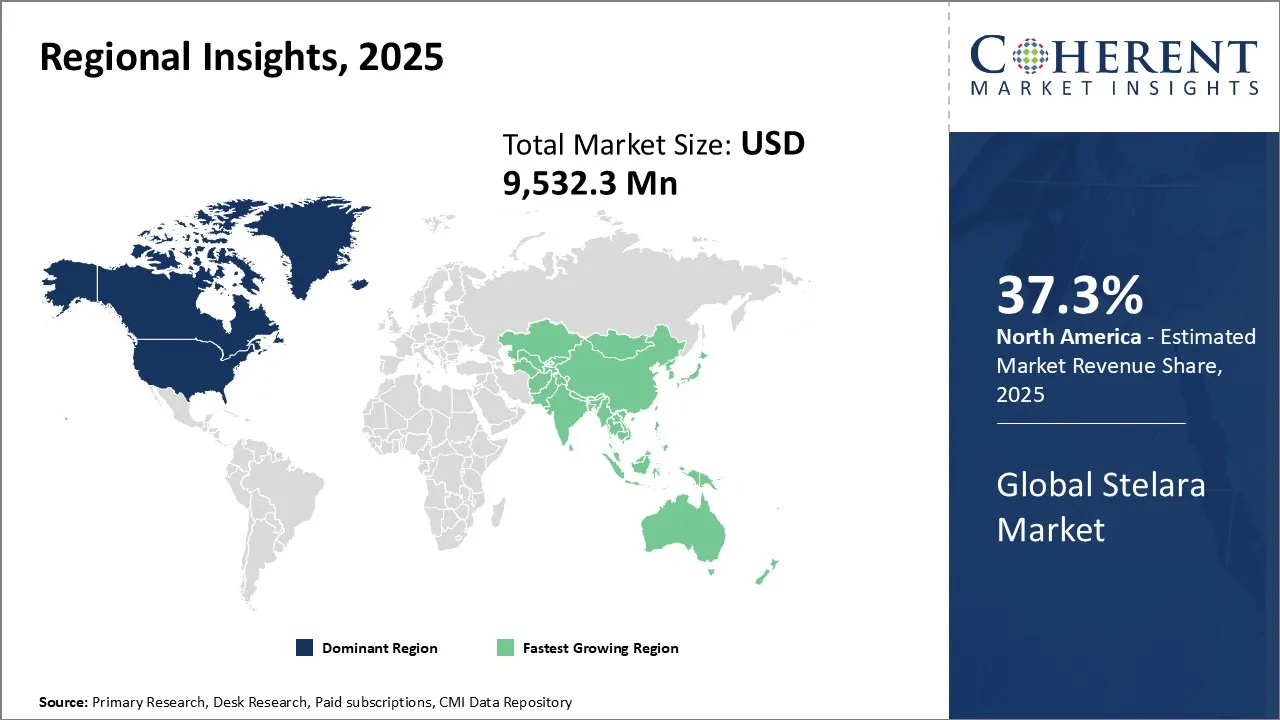
- North America is expected to lead the market, holding a share of 37.3% in 2026.
- Asia Pacific is anticipated to be the fastest-growing region, with a market share of 32.4% in 2026.
Market Overview:
The Stelara market is experiencing a pronounced downward trend driven by intensifying biosimilar penetration and loss of exclusivity protection in key therapeutic areas including psoriasis, Crohn's disease, and ulcerative colitis. Healthcare systems' aggressive cost-containment strategies and payers' preference for lower-cost biosimilar alternatives are accelerating market share erosion. Additionally, emerging novel therapeutic modalities and next-generation biologics are capturing treatment preferences among physicians and patients, further contributing to Stelara's declining market position and revenue performance throughout the forecast period.
Currents Events and Its Impact
Current Events | Description and its impact |
Rising Biosimilar Launches |
|
Technological Advancements in Treatment |
|
Segmental Analysis
- Current Industry Events of 2026
- Market Size Estimation
- Regional Breakdown
- Competitive Landscape
- Customer Intelligence
- Segmental Analysis
- Pricing Analysis
- Key Market Drivers, Challenges & Future Trends
- Customized Insights Section
Stelara Market Insights, By Indication - Rising Prevalence and Treatment Complexity Drive Psoriasis Segment Dominance
In terms of indication, Moderate to severe plaque psoriasis (PsO) who are candidates for phototherapy or systemic therapy are projected to hold the highest market share of 39.2% in 2026, owing to the substantial patient population affected by this chronic autoimmune condition and the increasing recognition of Stelara's superior efficacy profile compared to traditional treatment modalities.
The dominance of moderate to severe plaque psoriasis in the Stelara market stems primarily from the high global prevalence of psoriasis, affecting approximately 2-3% of the worldwide population. This condition represents a significant unmet medical need, particularly for patients who have failed to respond adequately to topical treatments or conventional systemic therapies. The complexity of managing moderate to severe psoriasis cases has created a substantial market opportunity for advanced biologics like Stelara, which targets the IL-12/23 pathway crucial in psoriasis pathogenesis.
According to the National Psoriasis Foundation/USA, Psoriasis affects 125 million people worldwide, representing 2-3% of the global population, with over 8 million Americans living with the condition. Around 30% of individuals with psoriasis also develop psoriatic arthritis. The prevalence of psoriasis is lower in African Americans (1.5%) compared to Caucasians (3.6%), but the condition may be underdiagnosed in individuals with skin of color due to differences in its clinical presentation.
Stelara Market Insights, By Route of Administration - Patient Preference and Clinical Convenience Establish Subcutaneous Administration Leadership
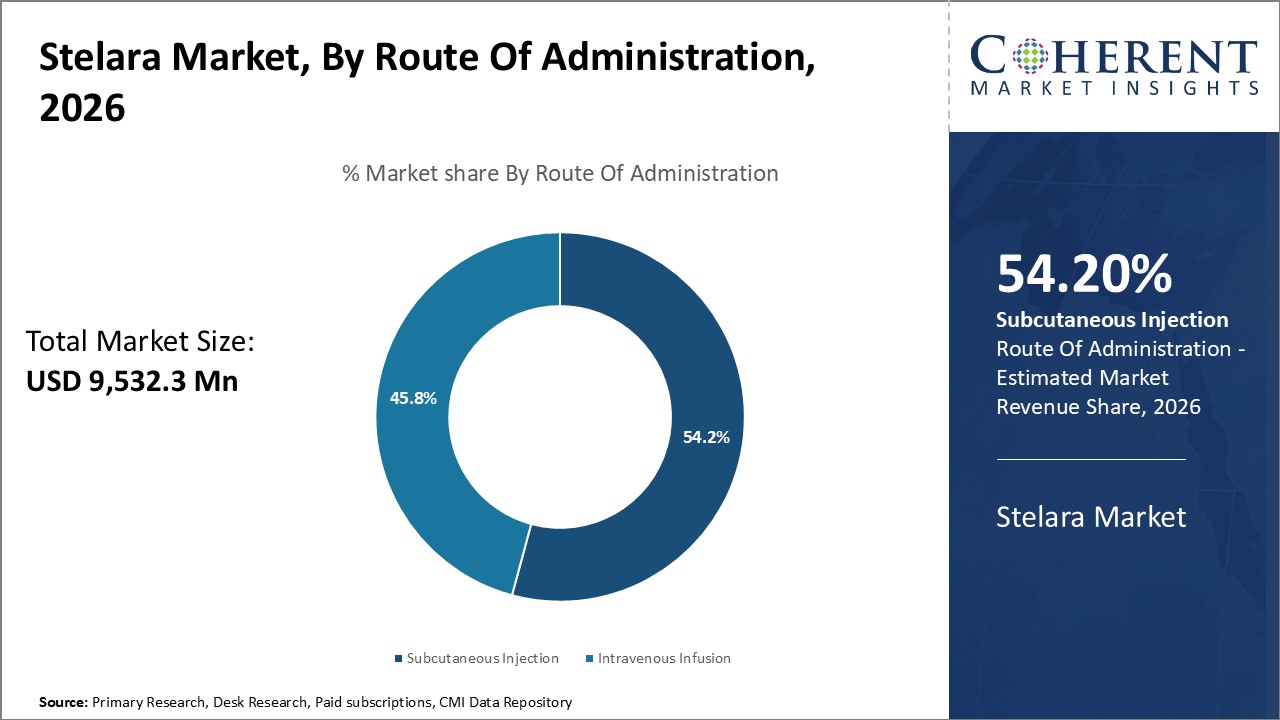
In terms of route of administration, subcutaneous injection subsegment is expected to contribute the highest market share of 54.2% in 2026, owing to the superior patient convenience, reduced healthcare system burden, and improved treatment accessibility compared to intravenous infusion protocols.
The subcutaneous route's market dominance reflects the fundamental shift in healthcare delivery toward patient-centric care models that prioritize convenience and quality of life. Subcutaneous administration allows patients to self-administer Stelara in the comfort of their homes after appropriate training, eliminating the need for frequent hospital or clinic visits required for intravenous infusions. This convenience factor is particularly significant for chronic conditions requiring long-term treatment, as it reduces the overall treatment burden on patients and their families.
Stelara Market Insights, By Strength- 5 mg/0.5 mL Due to Efficacy, Ease of Administration, and Broad Patient Suitability
The 45 mg/0.5 mL strength segment is projected to remain dominant player in the global Stelara market, with a share of 61.3% in 2026, holding a significant share of the overall market. This formulation is highly preferred due to its balance between efficacy and ease of administration. Its popularity is primarily driven by its suitability for a wide range of patients, offering a precise dosage that ensures therapeutic effectiveness while minimizing the potential for adverse effects.
Key factors contributing to the dominance of the 45 mg/0.5 mL segment include its established presence in clinical settings, where it has become the standard in treating various autoimmune and inflammatory conditions. Its cost-effectiveness and optimal delivery mechanism further enhance its adoption by both healthcare providers and patients. As a result, the 45 mg/0.5 mL strength continues to maintain the largest market share, supported by strong patient compliance and favorable reimbursement policies in key markets.
Pricing Analysis of Global Stelara Market
- The global pricing of Stelara varies significantly across countries, with 2024 prices ranging from USD 1,222 in India to as high as USD 9,223 in Switzerland. The drug's cost is largely influenced by factors such as healthcare system differences, local regulations, and market competition. Countries with comprehensive insurance systems like the United States, Canada, and Germany see higher prices due to robust reimbursement mechanisms and a lack of competition, while countries with lower healthcare costs, such as India and Argentina, benefit from more affordable pricing. The introduction of biosimilars in markets like the United States, Europe, and Japan is expected to lead to price reductions, making Stelara more accessible in the long run.
- Looking ahead, the pricing forecast for Stelara indicates an anticipated increase in its cost across various markets by 2032, driven by factors like inflation, patent expiration, and biosimilar competition. However, biosimilars are likely to significantly undercut Stelara’s price, with reductions of up to 50% expected in some regions. The pricing landscape will also be affected by production costs, government pricing controls, and market demand, particularly as Stelara’s market exclusivity diminishes. As competition rises and new therapies emerge, the cost of Stelara is expected to experience fluctuations, with some countries seeing price increases and others benefiting from more affordable alternatives.
Regional Insights:
North America Stelara Market Analysis and Trends
North America’s dominance in the Stelara market with an estimated share of 37.3% in 2026 stems from a combination of advanced healthcare infrastructure, robust regulatory frameworks, and significant pharmaceutical industry presence. The United States leads this dominance through its well-established biologic drug approval processes and comprehensive insurance coverage systems that facilitate access to specialty medications. Johnson & Johnson, the manufacturer of Stelara, maintains its headquarters in U.S providing strategic advantages in market penetration and distribution networks across the region. The presence of leading academic medical centers and research institutions has fostered extensive clinical research activities, contributing to broader physician familiarity and confidence in prescribing Stelara for approved indications including psoriasis, psoriatic arthritis, Crohn's disease, and ulcerative colitis.
The regulatory environment in North America, particularly the U.S. Food and Drug Administration (USFDA)'s streamlined biosimilar approval pathways, has created a competitive landscape that paradoxically strengthens the position of established biologics like Stelara. Healthcare providers in the region demonstrate high adoption rates for innovative therapies, supported by specialized infusion centers and comprehensive patient support programs.
Asia Pacific Stelara Market Analysis and Trends
The Asia Pacific region, while experiencing challenges in the growth of the Stelara market, still maintains a significant presence with a projected share of 28.2% in 2026. Factors such as expanding healthcare infrastructure, increasing disease awareness, and rising economic prosperity in emerging markets like China, India, and South Korea have been pivotal in the region’s development. However, despite these factors, the market is facing slower growth and a negative compound annual growth rate (CAGR), primarily due to factors like high treatment costs, limited healthcare access in certain areas, and the emergence of alternative therapies.
While efforts in regulatory harmonization, such as the expedited review processes by Japan's Pharmaceuticals and Medical Devices Agency (PMDA) and China's National Medical Products Administration (NMPA), have supported faster market entry for biologics, the overall growth has been tempered by increasing competition from biosimilars and price sensitivity in many of the region's markets. The rising prevalence of autoimmune conditions, partly driven by lifestyle changes and improved diagnostic capabilities, continues to highlight the need for treatments like Stelara, but these pressures contribute to a more cautious market outlook.
For instance, as per the blog published by Johnson & Johnson, in October 2022, autoimmune diseases, such as psoriasis, rheumatoid arthritis, and atopic dermatitis, are increasingly prevalent, particularly in the Asia Pacific region, home to 60% of the global population. Despite the rising burden, developing new therapies remains challenging. Johnson & Johnson Innovation is focused on addressing this unmet need through collaboration, leveraging early-stage innovation, venture capital, and incubation. The company has launched initiatives like the Immunology Innovations QuickFire Challenge to support innovators in the field. Areas of focus include gastroenterology, rheumatology, immuno-dermatology, and pathways like IL-23 and autoantibody. This collaborative approach aims to accelerate breakthroughs in immunology to improve patient outcomes.
Stelara Market Outlook for Key Countries
U.S. Stelara Market Trends
The U.S. market for Stelara is experiencing a decline with slower growth and a negative CAGR. While comprehensive healthcare coverage through Medicare, Medicaid, and private insurance provides access to Stelara, the increasing presence of biosimilars and lower-cost alternatives is creating significant competition. Despite Johnson & Johnson's commercial infrastructure and targeted efforts towards dermatologists, gastroenterologists, and rheumatologists, the overall market penetration has slowed. Healthcare systems like Kaiser Permanente and the Cleveland Clinic still incorporate Stelara in their treatment protocols, but its growth is restrained by rising healthcare costs and the shift towards more affordable therapies. Ongoing clinical research from institutions such as the Mayo Clinic and Johns Hopkins supports Stelara’s use, but the pace of its adoption is slowing.
Germany Stelara Market Trends
Germany’s Stelara market is facing slower adoption, influenced by the rising popularity of cost-effective biologics and the increasing use of generics. While Germany’s strong healthcare system and statutory health insurance coverage remain supportive, reimbursement challenges and the focus on budget-friendly treatments are impacting growth. Pharmaceutical distributors like PHOENIX and GEHE continue to ensure supply, but healthcare providers are becoming more selective about prescribing Stelara due to its higher cost. German medical societies still include Stelara in treatment guidelines, but the market’s expansion is constrained by competition and increasing price sensitivity.
Japan Stelara Market Trends
Japan’s Stelara market is also experiencing slower growth, despite its advanced healthcare infrastructure and universal health coverage. While efficient approval processes from the Pharmaceuticals and Medical Devices Agency continue to facilitate market access, the demand for biosimilars and more affordable biologic treatments is increasing. Partnerships with pharmaceutical companies like Takeda and Astellas support its distribution, but the overall uptake of Stelara is slowing due to the shift towards cost-effective alternatives. Japanese medical societies maintain treatment protocols that include Stelara, but adoption is increasingly impacted by economic factors and preference for more affordable therapies.
Market Players, Key Developments, and Competitive Intelligence:
Key Developments:
- On June 17, 2025, Johnson & Johnson submitted a supplemental Biologics License Application (sBLA) to the U.S. Food and Drug Administration (FDA) seeking approval for STELARA to treat children aged 2 and older with moderately to severely active Crohn's disease (CD). Supported by data from the Phase 3 UNITI-Jr study, this aims to expand STELARA’s approval, which is currently used for adults with CD, UC, PsA, and PsO. The submission targets the unmet need for pediatric Crohn’s treatments, providing an effective option for children facing severe disease progression
Market Report Scope
Stelara Market Report Coverage
| Report Coverage | Details | ||
|---|---|---|---|
| Base Year: | 2025 | Market Size in 2026: | USD 9,532.3 Mn |
| Historical Data for: | 2020 To 2024 | Forecast Period: | 2026 To 2033 |
| Forecast Period 2026 to 2033 CAGR: | -15.2% | 2033 Value Projection: | USD 2,963.1 Mn |
| Geographies covered: |
| ||
| Segments covered: |
| ||
| Companies covered: | Johnson & Johnson Services, Inc. | ||
| Growth Drivers: |
| ||
| Restraints & Challenges: |
| ||
Stelara Market Dynamics
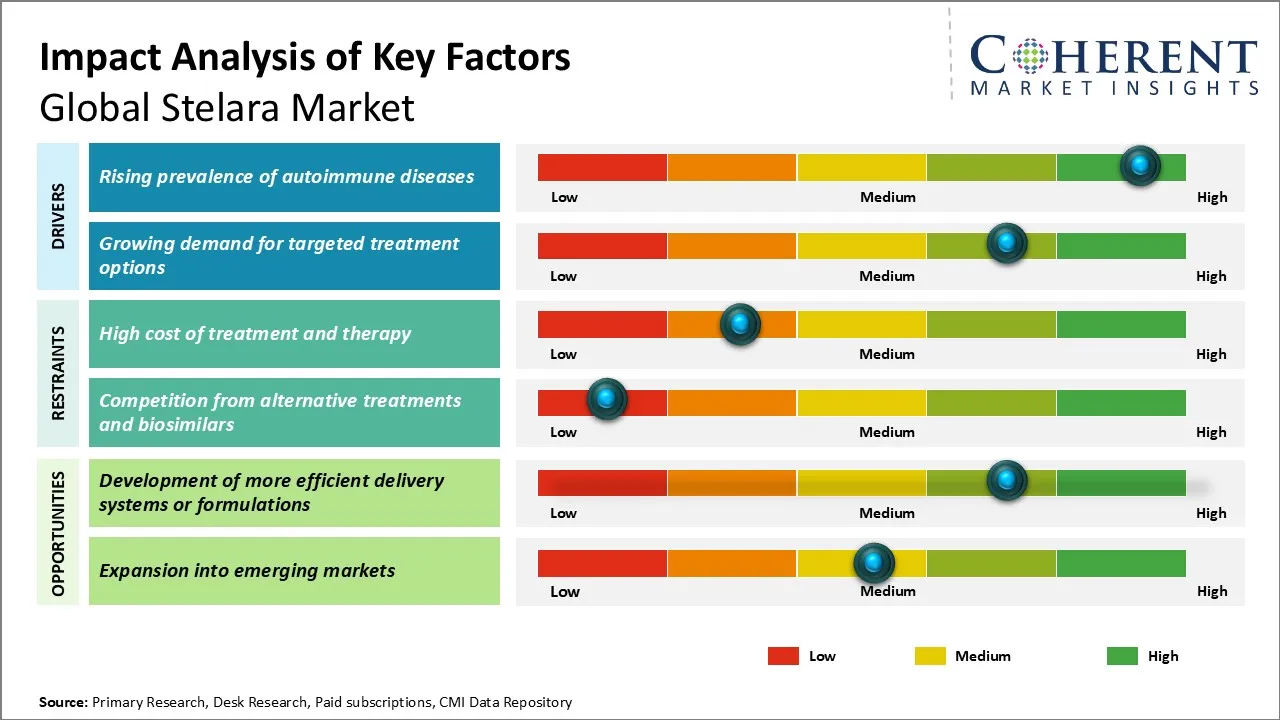
Stelara Market Driver - Rising Prevalence of Autoimmune Diseases
The prevalence of autoimmune diseases, while still a key factor for the global Stelara market, is showing signs of slower growth in recent years. Conditions such as psoriasis, psoriatic arthritis, Crohn's disease, and ulcerative colitis continue to affect a significant portion of the global population; however, the growth rate of these cases has slowed, leading to a deceleration in market demand. Contributing factors include improved treatment options and preventative measures, which have helped stabilize the incidence of these diseases. Lifestyle changes, including reduced stress levels and improved dietary habits, as well as advancements in healthcare, have contributed to mitigating some of the factors that traditionally elevated the risk of autoimmune conditions. Enhanced diagnostic technologies and increased awareness have led to earlier detection, but the overall growth in new cases has plateaued. Additionally, the aging population, while still a contributing factor to autoimmune conditions, faces challenges in managing these diseases, contributing to a more conservative growth trajectory for treatments like Stelara. The market is now experiencing slower growth with a negative CAGR as competition and the emergence of alternative therapies further limit the expansion potential.
For instance, in January 2025, a new study by Mayo Clinic researchers estimates that about 15 million Americans, or 4.6% of the population, suffer from one or more autoimmune diseases. The study, published in the Journal of Clinical Investigation, highlights that women are almost twice as likely to be diagnosed with autoimmune disorders as men. The research also found that 34% of affected individuals have multiple autoimmune diseases. These findings provide important data for future research and funding in the field of autoimmune diseases, especially considering the significant impact on healthcare systems.
Stelara Market Opportunity: Development of More Efficient Delivery Systems and Formulations
The advancement of innovative delivery mechanisms and enhanced formulations represents a transformative opportunity for expanding Stelara's market reach and improving patient outcomes. Current research initiatives focusing on subcutaneous auto-injector devices, pre-filled syringes, and extended-release formulations promise to significantly enhance patient convenience and adherence rates. The development of concentrated formulations could reduce injection volumes, minimizing injection site reactions and improving patient comfort, particularly crucial for pediatric populations. Novel delivery technologies, including transdermal patches, oral formulations, and inhalation systems, are being explored to eliminate injection-related anxiety and expand treatment accessibility.
For instance, according to journal, Frontiers in Immunology in August 2024, a review highlighted the potential of nano-thymoquinone (nano-TQ) in treating psoriasis. Thymoquinone, derived from Nigella sativa, offers anti-inflammatory benefits but has poor bioavailability. Nano-TQ formulations like nanoemulsions improve their solubility and skin penetration. Preclinical studies show promising results in reducing inflammation and scaling in psoriatic lesions, offering a new, targeted approach to psoriasis treatment.
Market Segmentation
- Indication Insights (Revenue, USD Mn, 2021 - 2033)
- Moderate to severe plaque psoriasis (PsO) who are candidates for phototherapy or systemic therapy
- Psoriatic Arthritis (PsA)
- Crohn’s disease (CD)
- Ulcerative Colitis
- Route Of Administration Insights (Revenue, USD Mn, 2021 - 2033)
- Subcutaneous Injection
- Intravenous Infusion
- Strength Insights (Revenue, USD Mn, 2021 - 2033)
- 45 mg/0.5 mL or 90 mg/mL
- 45 mg/0.5 mL
- Dosage Form Insights (Revenue, USD Mn, 2021 - 2033)
- single-dose prefilled syringe
- single-dose vial
- End User Insights (Revenue, USD Mn, 2021 - 2033)
- Hospitals
- Specialty Clinics
- Infusion centers
- Others (Outpatient Settings, etc.)
- Regional Insights (Revenue, USD Mn, 2021 - 2033)
- North America
- U.S.
- Canada
- Latin America
- Brazil
- Argentina
- Mexico
- Rest of Latin America
- Europe
- Germany
- U.K.
- Spain
- France
- Italy
- Russia
- Rest of Europe
- Asia Pacific
- China
- India
- Japan
- Australia
- South Korea
- ASEAN
- Rest of Asia Pacific
- Middle East
- GCC Countries
- Israel
- Rest of Middle East
- Africa
- South Africa
- North Africa
- Central Africa
- North America
- Key Players Insights
- Johnson & Johnson Services, Inc.
Sources
Primary Research Interviews
- Interviews with healthcare professionals (dermatologists, gastroenterologists, rheumatologists)
- Patient advocacy groups and healthcare providers
- Hospital administrators and pharmacists
- Medical practitioners involved in autoimmune disease treatment
Government and International Databases
- World Health Organization (WHO)
- U.S. Centers for Disease Control and Prevention (CDC)
- European Medicines Agency (EMA)
- U.S. Food and Drug Administration (FDA)
- National Institutes of Health (NIH)
- National Institute for Health and Care Excellence (NICE)
- Health Canada
- Japan Pharmaceuticals and Medical Devices Agency (PMDA)
- The United Nations (UN)
- Organisation for Economic Co-operation and Development (OECD)
Trade Publications
- Pharmaceutical Technology
- Journal of the American Medical Association (JAMA)
- The New England Journal of Medicine (NEJM)
- Drug Development & Delivery
- Pharmaceutical Executive
- BioPharma Dive
Academic Journals
- The Lancet
- Journal of Autoimmunity
- Autoimmunity Reviews
- Clinical Immunology
- International Journal of Dermatology
- Journal of Crohn’s and Colitis
- Rheumatology
Reputable Newspapers
- The Wall Street Journal
- The New York Times
- Financial Times
- The Guardian
- Bloomberg
- Reuters
Industry Associations
- American Academy of Dermatology (AAD)
- European Crohn’s and Colitis Organization (ECCO)
- Arthritis Foundation
- American College of Rheumatology (ACR)
- World Autoimmunity Network (WAN)
- International Federation of Psoriasis Associations (IFPA)
Public Domain Resources
- National Library of Medicine (PubMed)
- U.S. National Institutes of Health (NIH) Clinical Trials Database
- ClinicalTrials.gov
- European Medicines Agency (EMA) Public Documents
Get access to 250+ pages report
Every segment, forecast, competitor profile and data table behind the analysis above — available for instant download.
- ESOMAR Member
- ISO 9001:2015 Certified
- D-U-N-S Registered
- GDPR & CCPA Compliant
Missing comfort of reading report in your local language? Find your preferred language:
Transform your Strategy with Exclusive Trending Reports
Frequently Asked Questions
The global Stelara market is estimated to be valued at USD 9,532.3 Mn in 2026 and is expected to reach USD 2,963.1 Mn by 2033.
The CAGR of global Stelara market is projected to be -15.2% from 2026 to 2033.
Rising prevalence of autoimmune diseases and the growing demand for targeted treatment options are the major factors driving the growth of global Stelara market.
High cost of treatment and therapy, and competition from alternative treatments and biosimilars are the major factor hampering the growth of global Stelara market.
In terms of indication, Moderate to severe plaque psoriasis (PsO) who are candidates for phototherapy are estimated to dominate the market revenue share in 2026.
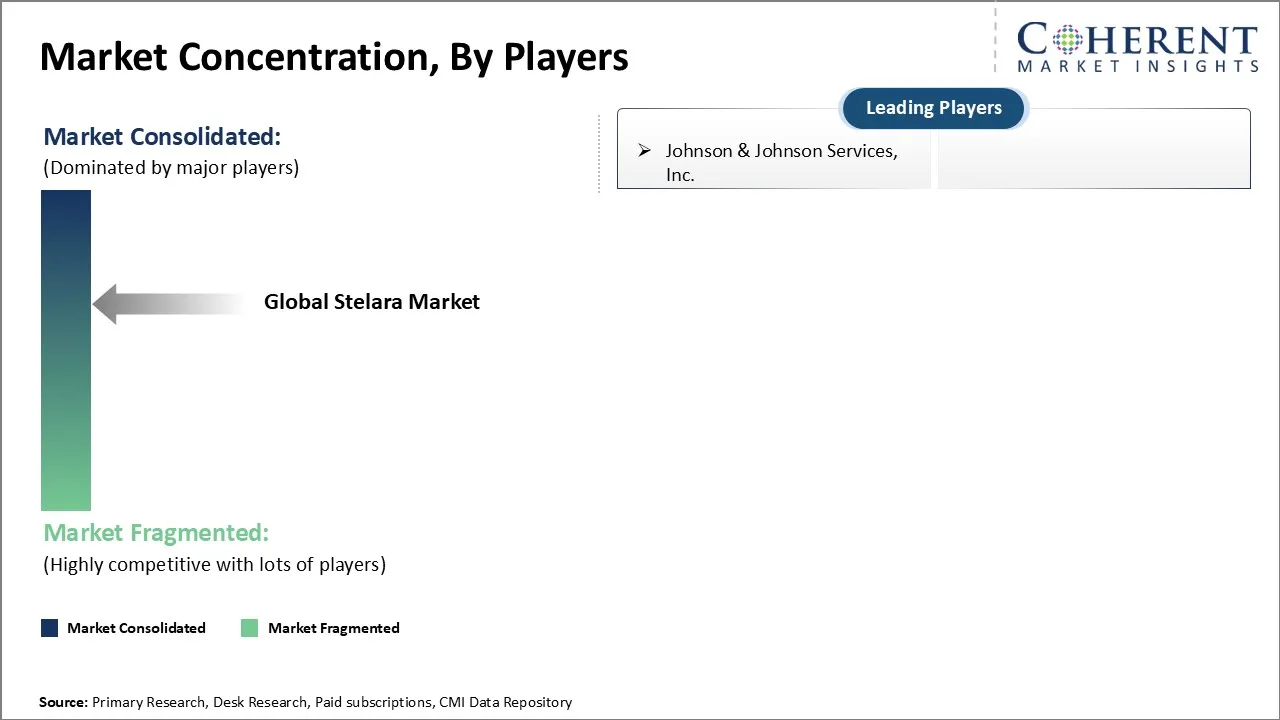
Johnson & Johnson Services, Inc. is the only major player.
North America is expected to lead the global Stelara market in 2026.