

Global Thoracic Outlet Syndrome Market Size and Forecast – 2026 to 2033
The global thoracic outlet syndrome market is estimated to be valued at USD 248.8 Mn in 2026 and is expected to reach USD 376.6 Mn by 2033, exhibiting a compound annual growth rate (CAGR) of 6.1% from 2026 to 2033. This steady growth reflects increasing awareness, improved diagnostic methods, and rising prevalence of thoracic outlet syndrome worldwide, which collectively drive demand for effective treatment options and innovative medical devices.
Key Takeaways of the Global Thoracic Outlet Syndrome Market
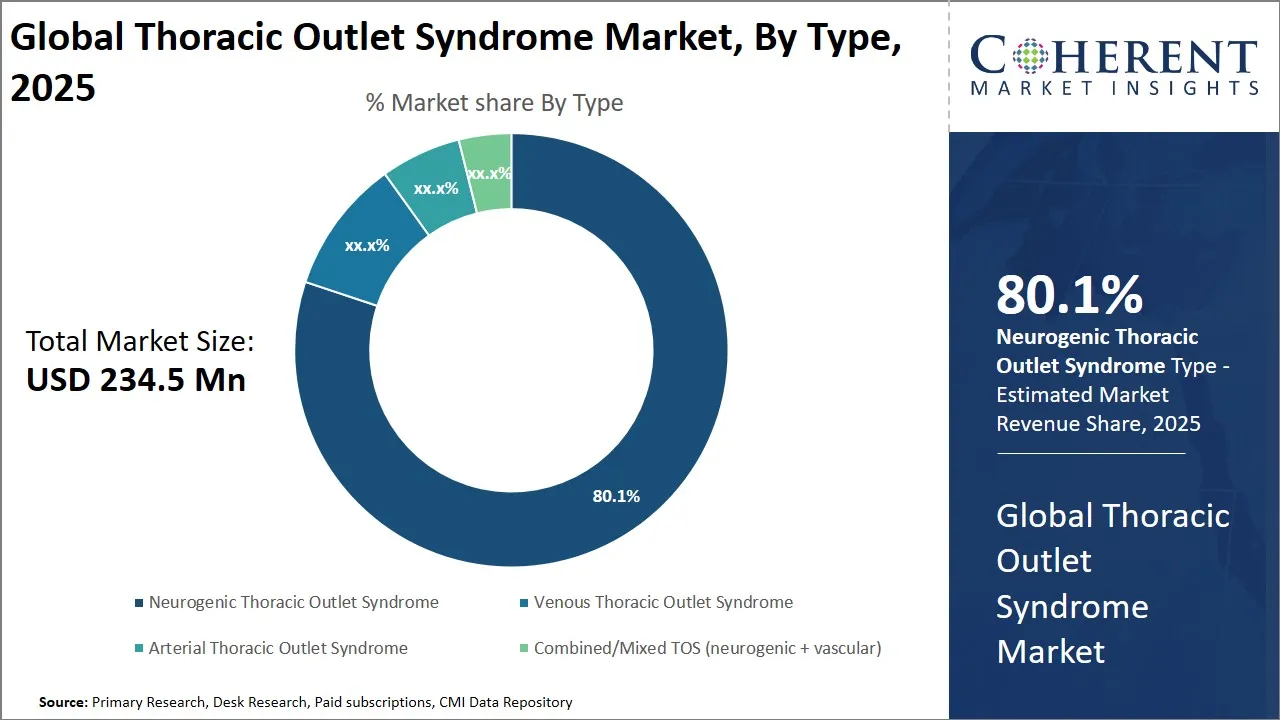
- Neurogenic thoracic outlet syndrome is expected to dominate the global market, holding an 81.1% share in 2026.
- Minimally invasive devices are projected to lead the global thoracic outlet syndrome market, accounting for 45.5% of the market share in 2026.
- Electrodiagnostic systems, including EMG and nerve conduction devices, will hold the largest market share at 35.5% in 2026.
- North America is expected to lead the market, holding a share of 38.3% in 2026. Asia Pacific is anticipated to be the fastest-growing region, with an estimated market share of 24.5% in 2026.
Market Overview
Current market trends indicate a growing emphasis on minimally invasive surgical procedures and advanced physiotherapy techniques, which are becoming preferred treatment approaches due to faster recovery times and reduced complications. Additionally, technological advancements in imaging and diagnostic tools are enhancing early detection and personalized treatment plans. The growing geriatric population and rise in lifestyle-related risk factors further contribute to expanding market opportunities in both developed and emerging regions.
Currents Events and Its Impacts
Current Events | Description and its Impact |
Acceleration of Telemedicine Post-Pandemic |
|
Rising Focus on Early and Accurate Diagnosis |
|
Segmental Insights
- Current Industry Events of 2026
- Market Size Estimation
- Regional Breakdown
- Competitive Landscape
- Customer Intelligence
- Segmental Analysis
- Pricing Analysis
- Key Market Drivers, Challenges & Future Trends
- Customized Insights Section
Thoracic Outlet Syndrome Market Insights, By Type – Dominance of Neurogenic Thoracic Outlet Syndrome can be Attributed to its Rising Prevalence
The neurogenic thoracic outlet syndrome is the largest share of the worldwide market of thoracic outlet syndrome with an estimated 81.1% in the year 2026. This unique status is mainly motivated by the fact that the prevalence of neurogenic thoracic outlet syndrome (TOS) is much higher than that of other types of thoracic outlet syndrome, i.e., venous, arterial, and combined/mixed TOS. The neurogenic TOS occurs because of the compression or irritation of the nerves of the brachial plexus in the thoracic outlet, manifesting in pain, numbness, weakness, and sensory loss, most of which occur in the upper limbs.
For example, according to article published in The American Surgeon Journal, Neurogenic Thoracic Outlet Syndrome (nTOS) commonly presents paresthesia, and numbness, with pain observed in 73%-90% of cases, paresthesia in 32%-98%, and numbness in 42%-80%. Pain tends to be aggravated by arm movements such as abduction or retroversion. Weakness in the hand, arm, and shoulder is also frequent, with hand or finger symptoms affecting 92%-100% of patients, arm symptoms 85%-92%, shoulder symptoms 55%-88%, and neck/head symptoms 37%-50%.).
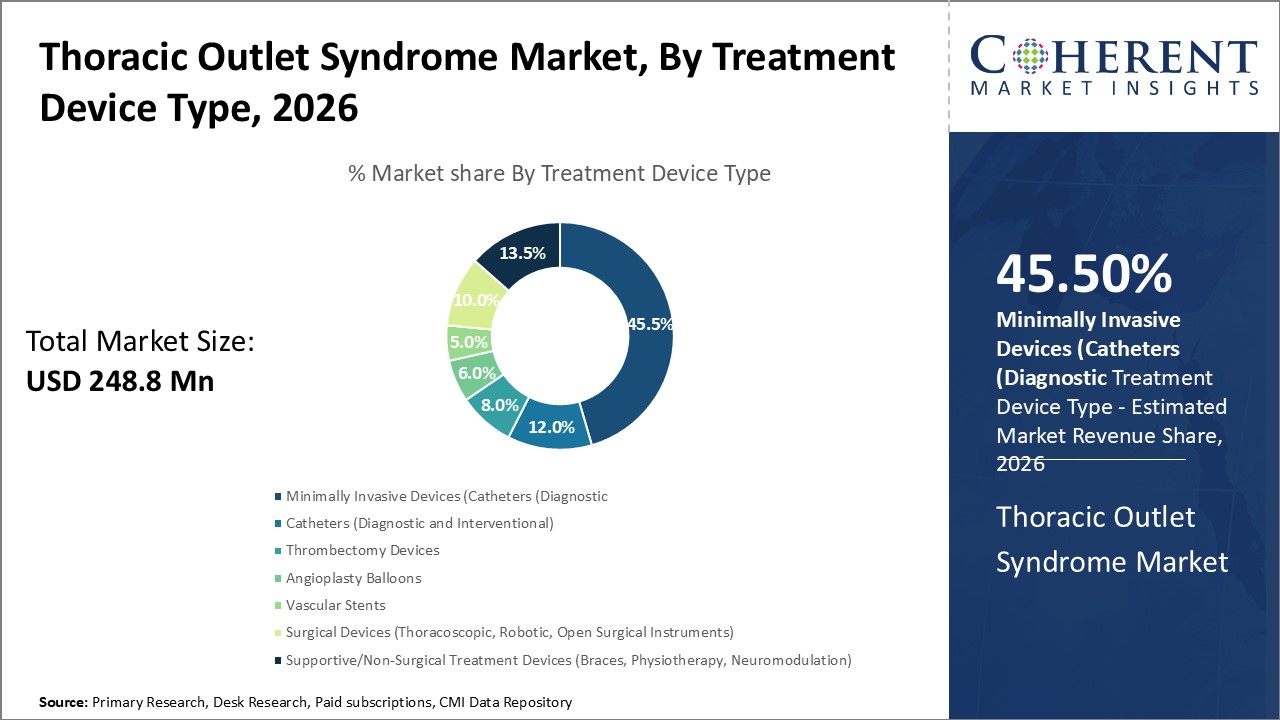
Thoracic Outlet Syndrome Market Insights, By Treatment Device Type –Minimally Invasive Devices Dominate as they are Revolutionizing Thoracic Outlet Syndrome Treatment
The presence of minimally invasive devices has taken the biggest portion of the global thoracic outlet syndrome market with an estimated 45.5% share in 2026. The remarkable growth of this segment represents the current change in clinical practices towards the procedures that minimize the amount of trauma in a patient, minimize the time of recovery, and decrease the number of complications, which is imperative in the management of TOS.
Minimally invasive techniques that involve endoscopic and video-assisted thoracoscopic surgery (VATS) instruments facilitate the accurate dissection of nerve and vascular cords in a limited thoracic outlet space.
Thoracic Outlet Syndrome Market Insights, By Diagnosis Technology – Electrodiagnostic Systems (EMG and Nerve Conduction Devices) is Leading the Market as it Enhances Accurate Disease Detection
Electrodiagnostic systems (EMG and Nerve Conduction Devices) are expected to have the highest market share of 35.5% in 2026. The technologies are necessary to make the right diagnosis and treatment planning.
This hegemony is largely attributable to the invaluable nature of the systems in establishing nerve involvement and localizations of compression sites especially in neurogenic TOS. Affective diagnosis is also a problem because of the overlap of symptoms with other neurological and musculoskeletal ailments, so electrodiagnostic testing is crucial to differentiate TOS and other ailments that imitate it.
Thoracic Outlet Syndrome Market – Key Market Snapshot & Epidemiology
TOS Type | Prevalence | Incidence Rate | Additional Information |
Neurogenic (nTOS) | ~90-98% of TOS cases; most common form. | ~2-3 per 100,000 people/year in the general population | Most common in individuals aged 20-50 years, often due to nerve compression. |
Venous (vTOS) | ~3-5% of all TOS cases; less common than neurogenic. | ~0.5-1 per 100,000 people/year | Characterized by swelling and blood clots in veins due to compression. |
Arterial (aTOS) | ~1-2% of TOS cases; rare. | Very low, sporadic incidence, not easily defined | Results from compression of the subclavian artery, leading to limb ischemia. |
Thoracic Outlet Syndrome Treatment Costs and Reimbursement Patterns By Region
Region | Typical Cost per TOS Procedure | Payer/Insurance Coverage/Reimbursement Patterns |
North America | High — total cost often includes surgery, hospitalization, and follow-ups; typical TOS surgical procedures are resource-intensive. | Broad insurance coverage under “medically necessary” criteria. Reimbursement requires documentation, use of proper procedure codes. |
Europe | Moderate to high cost varies by country and hospital; generally lower than the U.S. but higher than many developing regions. | Coverage via national health systems or private insurance in many countries; procedure usually reimbursed under standard surgical/vascular treatment frameworks. |
Asia Pacific | Variable wide range depending on country, hospital, and public vs private facility; lower than North America/Europe in many developing countries, higher in advanced economies. | Mixed coverage: in developed economies, procedures are often covered; in emerging economies, coverage depends on insurance plans or out-of-pocket payments. |
Latin America | Generally lower than developed regions but high relative to local incomes; cost depends on private vs public hospital and procedural complexity. | Reimbursement and coverage depend on national health policies and local insurance penetration; private insurance often covers surgery when medically necessary; patients often face out-of-pocket expenses. |
Middle East & Africa | Highly variable in private or advanced tertiary centers, cost may compare with global private-hospital rates; in public or rural settings, cost tends to be lower but access is limited. | Coverage depends on national healthcare systems, private insurance uptake, and local infrastructure. Access may be constrained by limited specialized services, requiring patients to self-fund or travel for treatment. |
Regional Insights
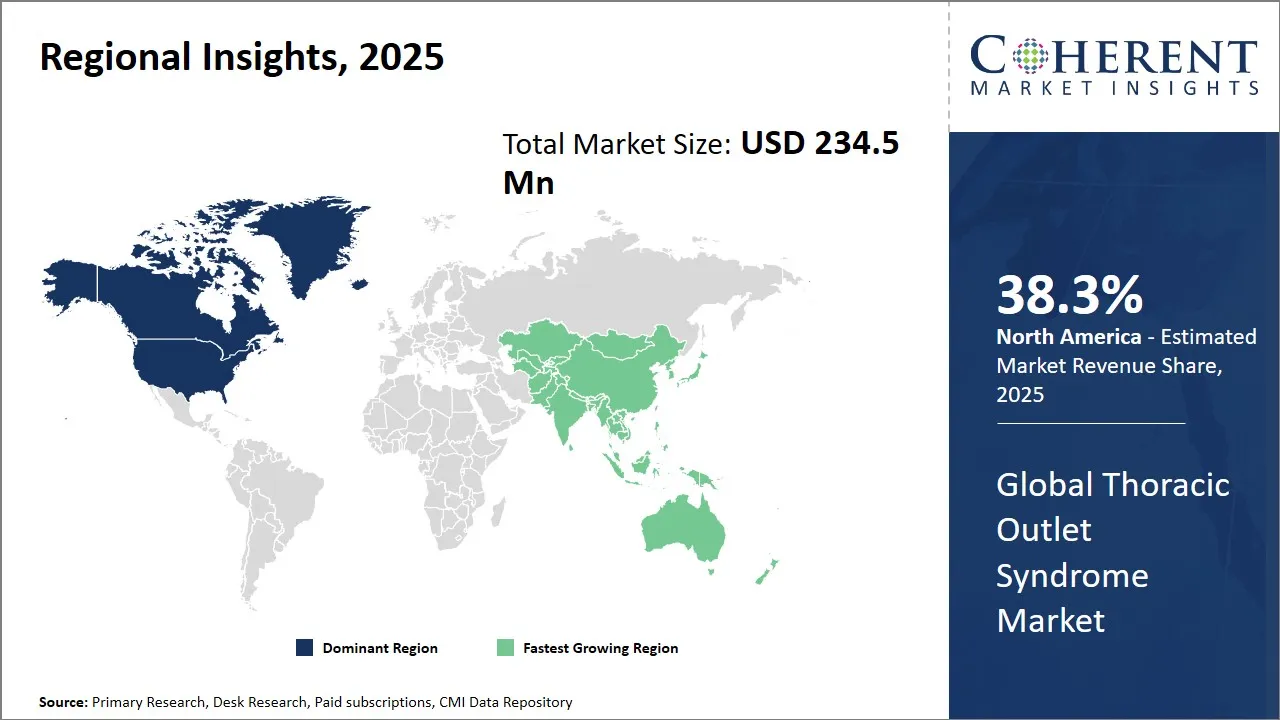
North America Thoracic Outlet Syndrome Market Analysis and Trends
In North America, the market dominance in the global thoracic outlet syndrome is because of well-developed system of healthcare with an estimated share of 38.3% in 2026, existence of advanced diagnostic and treatment technologies, and a high level of investment in medical research. The U.S. and Canada enjoy the advantage of a well-established governmental support of healthcare innovation, regulatory frameworks supporting the approval of medical devices and widespread insurance coverage, which has enabled the patients to access specialized care.
The developed market system contains various major manufacturers and service providers of medical equipment including Stryker Corporation and Medtronic who have unveiled novel surgical equipment and minimally invasive therapeutic alternatives in TOS. Also, the high awareness of healthcare workers and increasing prevalence of risk factors associated with sedentary lifestyles would provide long-term market demand.
Asia Pacific Thoracic Outlet Syndrome Market Analysis and Trends
The Asia Pacific region is the world's highest growth rate in thoracic outlet syndrome market which has an estimated share of 24.5% in 2026 because of the increase in healthcare spending, patients awareness and the growth of the healthcare infrastructure in the emerging countries like China and India. There are state efforts to enhance healthcare accessibility, and the supplementation of the diagnostic and therapeutic capacities of the region with the input of the private sector.
The growing number of people in the middle-class and urbanization increases the demand of specialized patient treatment and increased occurrence of work-related musculoskeletal disorders contribute to the growth of the TOS management solutions. The medical device ecosystem is quickly changing and global medical device corporations such as Johnson and Johnson and Siemens Healthineers are improving their presence in this country by associating with and manufacturing locally.
Global Thoracic Outlet Syndrome Market Outlook for Key Countries
U.S. Thoracic Outlet Syndrome Market Trends
The U.S. is on the lead in the management of thoracic outlet syndrome which is supported by high-level clinical researches and excellent healthcare facilities. Large companies, such as Stryker and Medtronic, also have a variety of surgical tools and nerve monitors that enhance the quality of diagnostic tests and treatment results. The strong insurance system is fostering an expanded access to new treatment by patients and continued medical education is keeping care providers abreast with new treatments
A prominent player in the U.S. thoracic outlet syndrome market is Zimmer Biomet, which offers a range of orthopedic surgical tools specifically designed to address thoracic outlet syndrome. Their focus on minimally invasive surgical options aligns with the growing demand for faster recovery and less invasive procedures in the U.S. healthcare system.
Germany Thoracic Outlet Syndrome Market Trends
The market of Germany enjoys good healthcare facilities and a well-developed medical technology industry such as B. Braun and Siemens Healthineers, thus the thoracic outlet syndrome of the country suffers. The focus on less invasive surgery and effective diagnostic imaging has raised the accuracy of treatment and time spent on patient recovery. The government policies in Germany are aimed at promoting innovation within the country and ensuring high standards in clinical trials and device approvals, motivating the local manufacturers to develop solutions in the area of thoracic outlet treatment.
Karl Storz is another key player in Germany's thoracic outlet syndrome market. The company provides high-quality endoscopic systems, including for thoracic outlet syndrome procedures. Their products are essential for minimally invasive surgeries, which are increasingly popular in Germany.
China Thoracic Outlet Syndrome Market Trends
China is a fast growing market since there is growing investment in healthcare infrastructure, and growing awareness of patients. Thoracic outlet syndrome care has been made more widely available to patients, by the governmental health reforms to improve patient access to rural and urban medical services. The increasing demand also comes as a result of the increased occupational health issues in factory and office workers, with increased diagnostic screening and early intervention.
China’s thoracic outlet syndrome market is expanding rapidly with the support of Johnson & Johnson and Medtronic, which are introducing state-of-the-art diagnostic tools and treatment options. Johnson & Johnson has a strong presence through its collaboration with local distributors, offering cutting-edge surgical instruments and imaging technologies tailored to the needs of the Chinese market.
Japan Thoracic Outlet Syndrome Market Trends
The advanced infrastructure and technology have helped Japan to be the leader in treating thoracic outlet syndrome. Local firms like Olympus Corporation and international competitors also play a role in providing accurate diagnostic endoscopes and new surgical equipment. The established health insurance system enables patients to access special services widely. Moreover, the aging state of Japan and high rate of neuropathic conditions strongly require an effective management of thoracic outlet syndrome, thus, the collaboration of industry and medical institution in the field of research to date remains in the country.
Japan is home to leading companies such as Olympus Corporation, which supplies high-precision diagnostic endoscopes and innovative surgical tools tailored to treat TOS. Olympus is integral to the country's TOS treatment landscape, where healthcare professionals rely on advanced imaging and surgical instruments.
Market Players, Key Developments, and Competitive Intelligence
Key Developments
- In August 2025, Mr. Phillies Pitcher Zack Wheeler was diagnosed with venous thoracic outlet syndrome (VTOS) after a thrombolysis procedure to remove a blood clot from his shoulder. He is recommended for thoracic outlet decompression surgery, with recovery expected to take 6-8 months. VTOS, caused by compression of the subclavian vein, often affects athletes due to repetitive motions like pitching, leading to symptoms such as arm swelling and blood clots.
- In August 2025, Dr. A Arun Kumar at Aster Hospitals, Bangalore, India treated a rare case of Arterial Thoracic Outlet Syndrome (TOS) caused by a cervical rib. The patient, a 29-year-old woman, experienced hand ischemia due to artery thrombosis. After undergoing surgery, her symptoms significantly improved, and her pulse was restored. Arterial TOS, which involves the compression of blood vessels at the thoracic outlet, is rare and often misdiagnosed.
- In February 2023, Washington University Center for Thoracic Outlet Syndrome at Barnes-Jewish Hospital published research on venous thoracic outlet syndrome (VTOS). The study reviewed 266 patients who underwent surgical treatment for Axillary-Subclavian Vein (AxSCV) thrombosis from 2016 to 2022. The team, led by Dr. Robert Thompson, found that paraclavicular decompression and selective AxSCV reconstruction yielded successful, durable results in over 90% of patients. The study highlighted the importance of early diagnosis and intervention for optimal outcomes in VTOS.
Top Strategies Followed by Global Thoracic Outlet Syndrome Market Players
- Established players dominate the market through substantial investments in research and development (R&D), driving the innovation of high-performance diagnostic and therapeutic products designed to improve patient outcomes. By leveraging advanced technologies and deep clinical expertise, these companies consistently develop cutting-edge solutions that set industry standards. Furthermore, they actively form strategic partnerships and collaborations with major industry players and original equipment manufacturers (OEMs), enabling them to enhance their product portfolios and broaden their technological capabilities.
- Stryker is another established leader in the thoracic outlet syndrome market, investing heavily in R&D to produce advanced surgical tools and diagnostic technologies. Their products, such as minimally invasive devices for TOS surgeries, help streamline patient recovery and improve surgical outcomes.
- Mid-level players in the thoracic outlet syndrome market adopt a different strategic approach, emphasizing cost-effective solutions that strike a balance between quality and affordability. With a keen focus on serving price-sensitive consumers, these companies tailor their product offerings to meet essential clinical needs without the premium pricing of established players.
- Smith & Nephew operates in the thoracic outlet syndrome market with a focus on cost-effective, high-quality products. Their orthopedic solutions, including diagnostic imaging and surgical instruments for treating TOS, offer affordable alternatives to premium products.
- Small-scale players in the global thoracic outlet syndrome market differentiate themselves by focusing on niche segments and specialized product attributes that larger firms may overlook. Their agility allows them to adopt cutting-edge technological innovations rapidly, such as advanced biomaterials or digital health integrations, which helps them stay competitive amidst fast-moving market trends.
- TruMont Medical is a smaller player in the TOS space, known for its innovative approach to addressing niche needs. Specializing in surgical implants and advanced biomaterials, TruMont quickly adapts to emerging trends such as personalized medicine and digital health integration.
Market Report Scope
Thoracic Outlet Syndrome Market Report Coverage
| Report Coverage | Details | ||
|---|---|---|---|
| Base Year: | 2025 | Market Size in 2026: | USD 248.8 Mn |
| Historical Data for: | 2020 To 2024 | Forecast Period: | 2026 To 2033 |
| Forecast Period 2026 to 2033 CAGR: | 6.1% | 2033 Value Projection: | USD 376.6 Mn |
| Geographies covered: |
| ||
| Segments covered: |
| ||
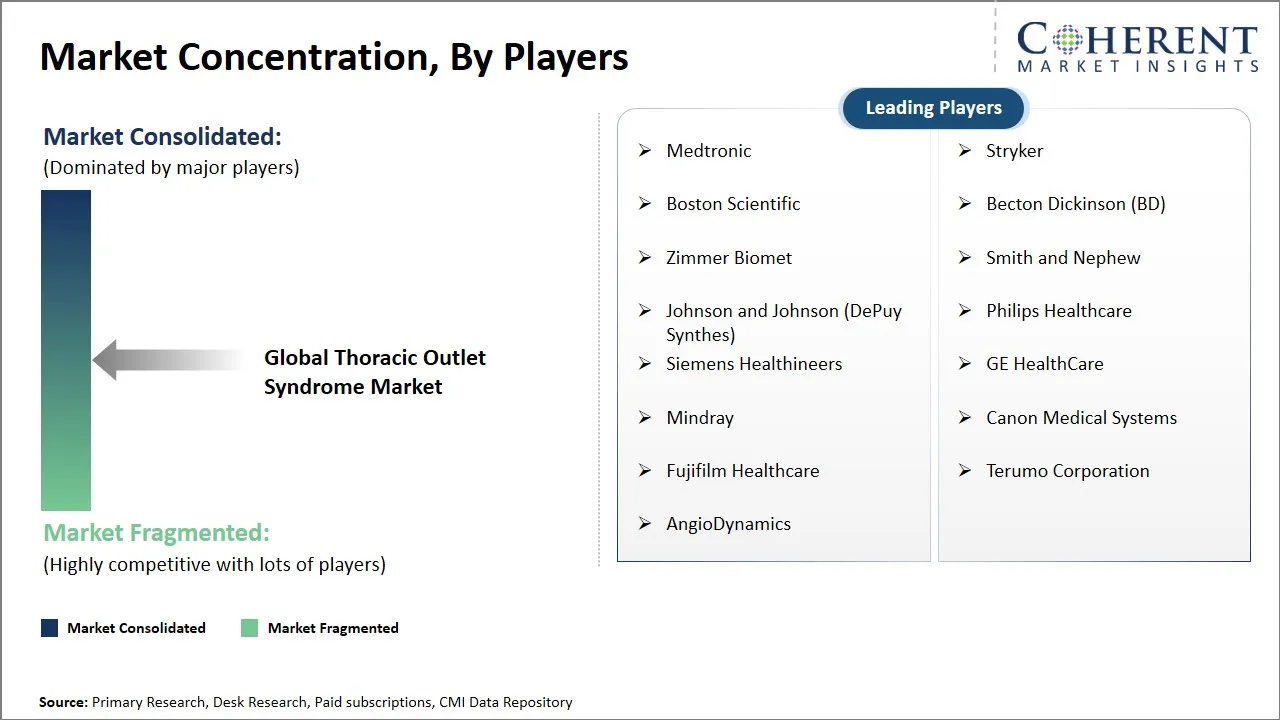
| Companies covered: | Medtronic, Stryker, Boston Scientific, Becton Dickinson (BD), Zimmer Biomet, Smith and Nephew, Johnson and Johnson (DePuy Synthes), Philips Healthcare, Siemens Healthineers, GE HealthCare, Mindray, Canon Medical Systems, Fujifilm Healthcare, Terumo Corporation, and AngioDynamics | ||
| Growth Drivers: |
| ||
| Restraints & Challenges: |
| ||
Thoracic Outlet Syndrome Market Dynamics
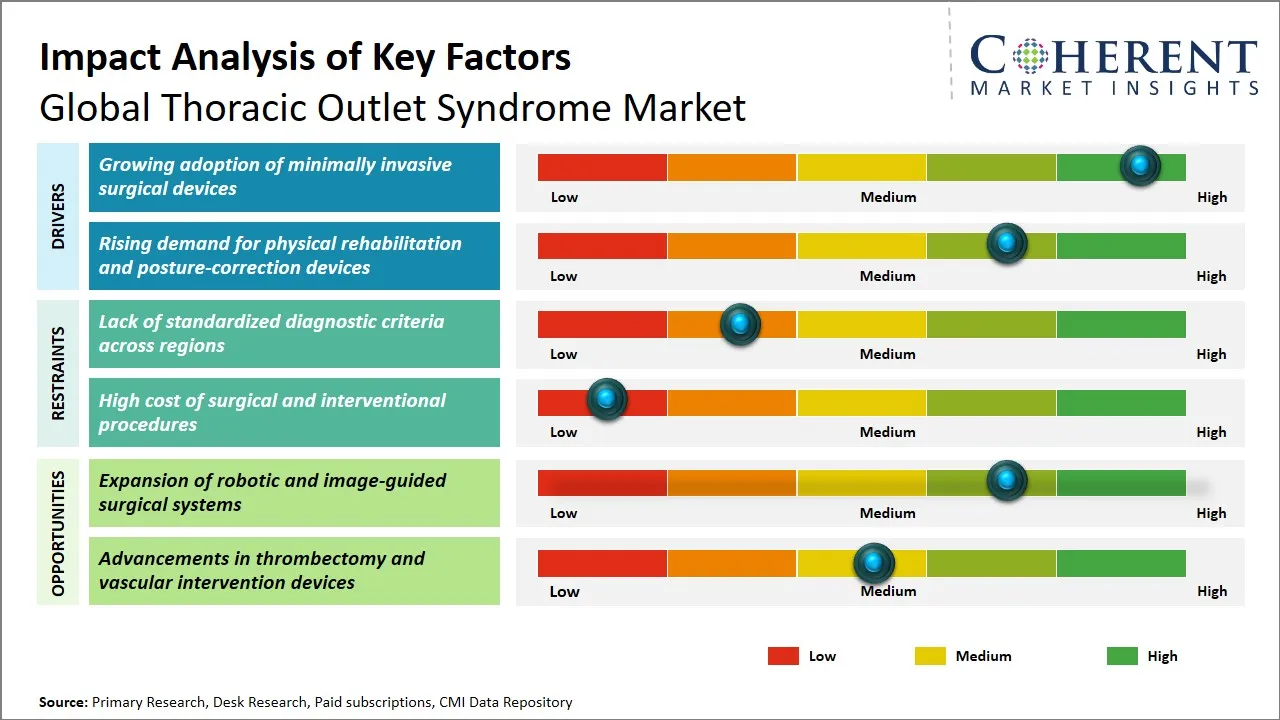
Thoracic Outlet Syndrome Market Driver - Growing Adoption of Minimally Invasive Surgical Devices
The growing demand of minimally invasive surgical equipment in the treatment of thoracic outlet syndrome (TOS) is an important factor that is influencing the market environment. An increasing number of patients and healthcare professionals are increasingly opting to undergo procedures that will provide shorter recovery periods, less postoperative pain and scarring in comparison to the conventional open surgeries. Recent technological breakthroughs in endoscopic and robotic-assisted surgical technology have made it more precise and safer and more surgeons are now opting to use these new technologies. Also, the less invasive methods also lead to the reduction of hospitalization and the decrease in the number of comorbidities, which is also a trend in the field of healthcare toward cost-effective and patient-centered care.
In April 2025, Intuitive, a leader in minimally invasive care, published studies showing how Robotic-Assisted Surgery (RAS) expands access to high-quality care, especially in underserved regions. The studies, published in the Journal of the Society of Laparoscopic & Robotic Surgeons and Annals of Surgery Open, highlight RAS's role in overcoming barriers like surgeon training and hospital infrastructure. By improving access to minimally invasive surgery (MIS), RAS is driving increased adoption of these procedures across diverse patient populations, with notable gains in hernia repairs and colorectal resections.
Thoracic Outlet Syndrome Market Opportunity - Expansion of Robotic and Image-Guided Surgical Systems
The thoracic outlet syndrome market in the world is set to experience a tremendous growth due to the current growth of robotic and image-guided surgical systems. These new technologies present a better accuracy, less invasive solutions, and better patient outcomes, which are the essential elements in the treatment of TOS a disease that may involve intricate surgical operations because of the sophisticated anatomical frameworks. Robotic-assisted surgeries give the surgeons more dexterity and control minimizing the chance of nerve or vascular injury and decreasing the recovery time. Simultaneously, surgical systems based on the image guidance also offer real time visualization, which improves the precision in the identification and decompression of the affected regions in the thoracic outlet.
In January 2025, Asan Medical Center, led by Professor Yong-Hee Kim, conducted a study on treating Thoracic Outlet Syndrome (TOS) using robot-assisted surgery. The study compared conventional surgery with robot-assisted techniques in 23 patients. It found that robot-assisted surgery significantly reduced pain and recovery time, with 90% of patients reporting improved symptoms. The procedure, which involves resecting the first rib to relieve nerve compression, showed particularly high satisfaction in patients requiring extensive hand use. These findings were presented at the 56th Scientific Meeting of the Korean Society for Thoracic & Cardiovascular Surgery.
Analyst Opinion (Expert Opinion)
- The market of the thoracic outlet syndrome is picking up as the hospitals are embracing more advanced imaging, pathway diagnosis and minimally invasive surgery procedures. All these factors are creating increased pressure on the demand of sports medicine, favorable reimbursement and continued improvement of the surgical devices, but disparities in the number of sports medicine specialists and irregular diagnostic criteria remain a drag on the consistent use of these technologies. The latest conferences like the International Congress on TOS and Related Disorders and the major meetings of neuromuscular and vascular surgery have promoted clinical alignment and enhanced cross-disciplinary knowledge-sharing.
- There are a number of practical projects that are defining future development within the next few years. Multidisciplinary TOS programmes in large U.S. and European hospitals are enhancing the coordination of care, and regional societies strive to normalize diagnostic algorithms. Digital or sensor-based rehabilitation tracking pilot studies in Asia Pacific are enhancing recovery understanding. These are working to hone clinical confidence and change purchasing decisions, enhancing the market perspective.
Speak to the analyst
Want personalized insights?
Take the findings above to one of our principal consultants, or have the report rebuilt around the segments, geographies and competitors you actually track.
Market Segmentation
- Type Insights (Revenue, USD Mn, 2021 - 2033)
- Neurogenic Thoracic Outlet Syndrome
- Venous Thoracic Outlet Syndrome
- Arterial Thoracic Outlet Syndrome
- Combined/Mixed TOS (neurogenic + vascular)
- Treatment Device Type Insights (Revenue, USD Mn, 2021 - 2033)
- Minimally Invasive Devices
- Catheters (Diagnostic and Interventional)
- Thrombectomy Devices
- Angioplasty Balloons
- Vascular Stents
- Others (Thrombolytic Delivery Systems)
- Surgical Devices
- Thoracoscopic Instruments (VATS Tools)
- Robotic-Assisted Surgical Systems
- Open Surgical Instruments (Resection Tools, Scalpels, Clamps)
- Others (Hemostatic and Sealing Devices)
- Supportive/Non-Surgical Treatment Devices
- Orthopedic Braces and Postural Correction Devices
- Physiotherapy and Rehabilitation Devices
- Others (Neuromodulation and Pain Management Devices)
- Diagnosis Technology Insights (Revenue, USD Mn, 2021 - 2033)
- Electrodiagnostic Systems (EMG and Nerve Conduction Devices)
- Ultrasound Systems
- CT Scan and CT Angiography Systems
- MRI and MR Angiography Systems
- X-ray and Digital Radiography Systems
- Vascular Doppler Systems
- End User Insights (Revenue, USD Mn, 2021 - 2033)
- Hospitals
- Specialty Clinics
- Ambulatory Surgical Centers
- Diagnostic Imaging Centers
- Rehabilitation and Physiotherapy Centers
- Patient Group Insights (Revenue, USD Mn, 2021 - 2033)
- Adults
- Geriatric
- Pediatric and Adolescents
- Distribution Channel Insights (Revenue, USD Mn, 2021 - 2033)
- Online
- Offline
- Regional Insights (Revenue, USD Mn, 2021 - 2033)
- North America
- U.S.
- Canada
- Latin America
- Brazil
- Argentina
- Mexico
- Rest of Latin America
- Europe
- Germany
- U.K.
- Spain
- France
- Italy
- Russia
- Rest of Europe
- Asia Pacific
- China
- India
- Japan
- Australia
- South Korea
- ASEAN
- Rest of Asia Pacific
- Middle East
- GCC Countries
- Israel
- Rest of Middle East
- Africa
- South Africa
- North Africa
- Central Africa
- North America
- Key Players Insights
- Medtronic
- Stryker
- Boston Scientific
- Becton Dickinson (BD)
- Zimmer Biomet
- Smith and Nephew
- Johnson and Johnson (DePuy Synthes)
- Philips Healthcare
- Siemens Healthineers
- GE HealthCare
- Mindray
- Canon Medical Systems
- Fujifilm Healthcare
- Terumo Corporation
- AngioDynamics
Sources
Primary Research Interviews
Industry Stakeholders
- Interviews with vascular surgeons specializing in TOS.
- Interviews with medical device distributors for TOS-related tools.
End users
- Interviews with physiotherapists treating TOS patients.
- Interviews with patients undergoing TOS treatment.
Government & International Databases
- World Health Organization (WHO) - Musculoskeletal conditions data.
- Global Burden of Disease Study (GBD).
- National Institutes of Health (NIH).
- National Center for Biotechnology Information (NCBI).
- Public health databases from local government health departments.
- Centers for Disease Control and Prevention (CDC)
Trade Publications
- Mayo Clinic's TOS overview.
- Physio-Pedia on TOS.
- Frontiers in Cardiovascular Medicine (TOS-related articles).
- PubMed Central articles on TOS.
- MDPI Health journals.
- The Lancet's musculoskeletal disorder articles.
Academic Journals
- Pain Therapy journal (2019).
- Journal of Clinical Medicine (2021).
- Frontiers in Cardiovascular Medicine (2022).
- Journal of Musculoskeletal Research.
- PMCID-reviewed clinical studies.
- Neurosurgery or Orthopedic-focused journals.
Reputable Newspapers
- Health News section in The New York Times.
- BBC Health coverage on musculoskeletal conditions.
- The Guardian’s healthcare section.
- Reuters Health articles.
- The Washington Post’s health news.
- National Health Service (NHS) reports.
Industry Associations
- Society for Vascular Surgery.
- International Musculoskeletal Society.
- American Academy of Neurology.
- European Society of Vascular Surgery.
- American Physical Therapy Association.
- National Association of Occupational Health Professionals.
Public Domain Resources
- NCBI Bookshelf (open-access clinical resources)
- PubMed Central articles on TOS
- WHO public health reports
- NIH open-access disease studies
- CDC data on musculoskeletal health
- Government health initiatives
Proprietary Elements
- CMI Data Analytics Tool: Proprietary analytics tool to analyze real-time market trends, consumer behavior, and technology adoption in market
- Proprietary CMI Existing Repository of Information for Last 8 Years
Get access to 250+ pages report
Every segment, forecast, competitor profile and data table behind the analysis above — available for instant download.
- ESOMAR Member
- ISO 9001:2015 Certified
- D-U-N-S Registered
- GDPR & CCPA Compliant
Missing comfort of reading report in your local language? Find your preferred language:
Transform your Strategy with Exclusive Trending Reports
Frequently Asked Questions
The global thoracic outlet syndrome market is estimated to be valued at USD 248.8 Mn in 2026 and is expected to reach USD 376.6 Mn by 2033.
The CAGR of the global thoracic outlet syndrome market is projected to be 6.1% from 2026 to 2033
Growing adoption of minimally invasive surgical devices and rising demand for physical rehabilitation and posture-correction devices are the major factors driving the growth of the global thoracic outlet syndrome market.
Lack of standardized diagnostic criteria across regions and high cost of surgical and interventional procedures are the major factors hampering the growth of the global thoracic outlet syndrome market.
In terms of type, the neurogenic thoracic outlet syndrome segment is estimated to dominate the market revenue share in 2026.
Medtronic, Stryker, Boston Scientific, Becton Dickinson (BD), Zimmer Biomet, Smith and Nephew, Johnson and Johnson (DePuy Synthes), Philips Healthcare, Siemens Healthineers, GE HealthCare, Mindray, Canon Medical Systems, Fujifilm Healthcare, Terumo Corporation, and AngioDynamics are the major players.
North America is expected to lead the global thoracic outlet syndrome market in 2026.