

Global Usher Syndrome Market Size and Forecast – 2026 to 2033
The global Usher syndrome market is estimated to be valued at USD 2.41 Bn in 2026 and is expected to reach USD 3.41 Bn by 2033, exhibiting a compound annual growth rate (CAGR) of 5.1% from 2026 to 2033. This steady growth reflects increasing awareness and diagnosis of Usher syndrome, along with advancements in genetic testing and treatment options that are expected to drive market expansion over the forecast period.
Key Takeaways of the Global Usher Syndrome Market
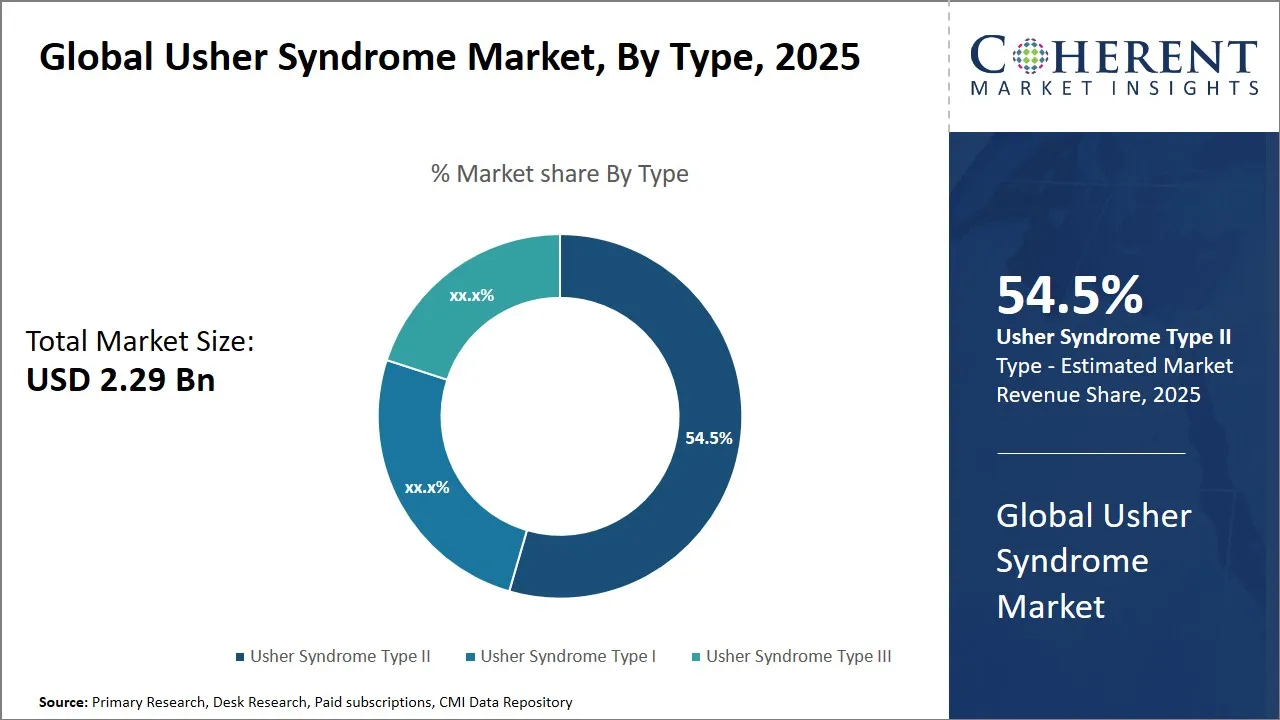
- In 2026, Usher syndrome type II is expected to represent 55.5% of the market share, marked by moderate to severe hearing loss from birth along with progressive vision decline due to retinitis pigmentosa.
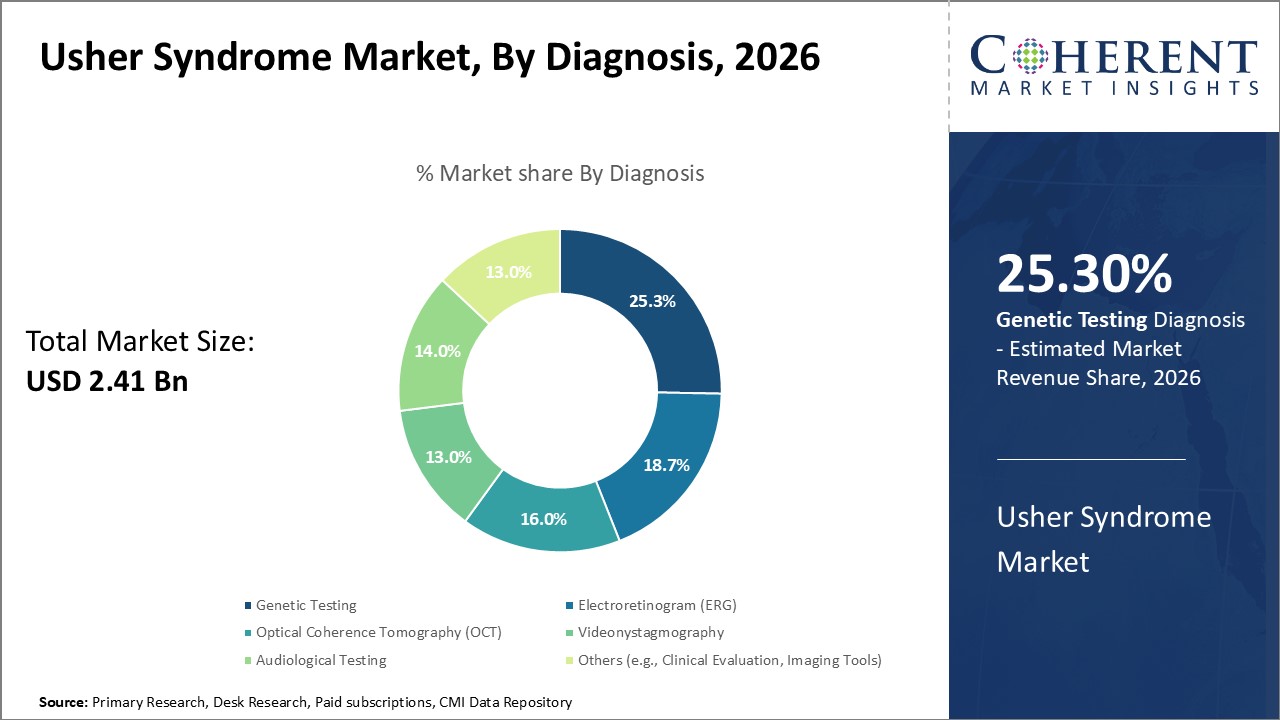
- Genetic testing, with a projected share of 25.3% in 2026, plays a crucial role in identifying the specific mutations responsible for Usher syndrome, often enabling diagnosis before symptoms become fully evident.
- Unlike conventional treatments such as hearing aids or vision support tools, gene therapy—holding an estimated share of 33.3% in 2026 focuses on addressing the root cause by correcting or compensating for the defective genes driving Usher syndrome.
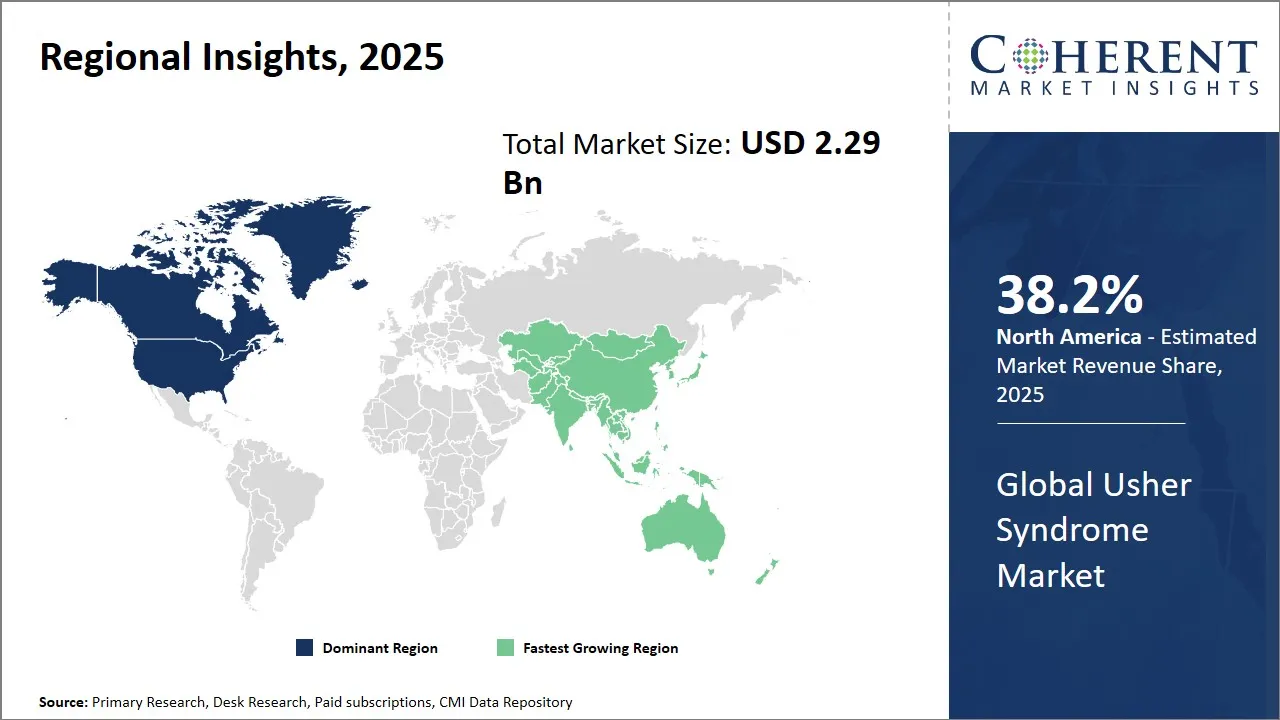
- North America is expected to lead the market, holding a share of 38.2% in 2026. Asia Pacific is anticipated to be the fastest-growing region, with a market share of 24.2% in 2026.
Market Overview
Market trends indicate a strong movement towards personalized medicine, with growing investments in gene therapy and novel drug development targeting the genetic roots of Usher syndrome. Additionally, innovations in diagnostic technologies, such as next-generation sequencing, are enhancing early detection and management. Increasing healthcare infrastructure in emerging markets and strategic collaborations between pharmaceutical companies and research institutions are further accelerating market growth and improving patient outcomes globally.
Currents Events and their Impact
Current Events | Description and its impact |
Rising Prevalence of Genetic Disorders and Enhanced Diagnostic Technologies |
|
Rising Role of Patient Advocacy and Non-Profits |
|
Segmental Insights
- Current Industry Events of 2026
- Market Size Estimation
- Regional Breakdown
- Competitive Landscape
- Customer Intelligence
- Segmental Analysis
- Pricing Analysis
- Key Market Drivers, Challenges & Future Trends
- Customized Insights Section
Usher Syndrome Market Insights, By Type - Usher Syndrome Type II contributes the highest share of the market owing to its distinct clinical characteristics and relatively higher prevalence compared to other types
Usher Syndrome Type II is expected to account for the largest share at 55.5% in 2026, characterized by moderate to severe congenital hearing loss combined with progressive vision impairment due to retinitis pigmentosa. The wider detection and diagnosis rates associated with Type II stem from the fact that patients typically retain their vestibular function, which enables a less severe presentation early in life and a more manageable progression. This clinical profile makes Usher syndrome type II more easily identifiable and followed over longer periods, driving a sustained focus in both research and therapeutic development.
The genetic basis for Usher Syndrome Type II involves mutations in genes such as USH2A, GPR98, and WHRN, which have been extensively studied, providing clearer molecular targets for interventions. This well-mapped genetic landscape facilitates advancements in personalized medicine and gene therapies, encouraging a higher investment in this segment. Furthermore, the relatively stable progression of symptoms compared to Type I, which involves congenital deafness and balance problems, allows for planned clinical trials and detailed longitudinal studies.
Usher Syndrome Market Insights, By Diagnosis - Genetic testing holds the highest share of the global Usher syndrome market due to its ability to provide definitive, early, and accurate diagnosis which is critical for effective patient management
Genetic testing is projected to represent 25.3% of the market share in 2026, enabling the detection of specific mutations linked to the disorder and supporting early diagnosis, often before noticeable clinical symptoms emerge. This pre-symptomatic diagnosis capacity is incredibly valuable given the progressive and hereditary nature of the disorder. Early detection plays a pivotal role in enabling timely therapeutic interventions, genetic counseling, and family planning resources, underscoring the importance of genetic testing within the diagnostic landscape.
Advancements in next-generation sequencing technologies have greatly improved the accessibility, speed, and cost-efficiency of genetic testing for Usher Syndrome. These innovations have democratized access to comprehensive gene panels that screen multiple Usher-related genes simultaneously, increasing diagnostic yield and reducing time to diagnosis. This trend has transformed genetic testing from a niche specialty tool into a frontline diagnostic method embraced by both specialized and general healthcare providers. Additionally, the data generated from such tests contribute to better understanding of genotype-phenotype correlations, refining clinical management strategies.
Usher Syndrome Market Insights, By Treatment - Gene therapy commands the highest market share within the global Usher syndrome market driven by its transformative potential to target the root genetic causes of the disease
In contrast to conventional symptomatic treatments such as hearing aids or vision assistance, gene therapy is expected to hold 33.3% of the market in 2026, targeting the underlying genetic defects to correct or compensate for the faulty genes that cause Usher Syndrome. This paradigm shifts toward curative rather than palliative treatment aligns with the broader momentum in rare genetic disorder management and garners significant scientific, clinical, and commercial attention.
The rapid evolution of gene editing technologies, including CRISPR-Cas9 and viral vector delivery systems, has propelled gene therapy into clinical trials for Usher Syndrome, especially targeting the prevalent USH2A gene mutations linked to Type II. These advancements enable more precise, efficient, and safer genetic modifications that can restore or preserve sensory function, thereby improving patient quality of life.
In September 2024, Usher Syndrome Awareness Day, Cell and Gene Therapy Live (CGTLive), an independent, digital news platform, interviewed Mr. Zheng-Yi Chen, DPhil, of Harvard Medical School and Mass Eye and Ear, who shared that while current options like cochlear implants, hearing aids, and vision rehabilitation offer support, there is still no cure for Usher Syndrome. Mr. Chen highlighted his team’s preclinical gene-editing research and noted global efforts aimed at developing therapies to restore or preserve hearing and vision, offering hope to the Usher Syndrome community.
Regional Insights
North America Usher Syndrome Market Analysis and Trends
In 2026, North America is projected to hold a 38.2% share of the global Usher syndrome market, supported by its well-established healthcare infrastructure, strong investment in genetic research, and a robust ecosystem of biotech and pharmaceutical companies focused on rare diseases. The presence of leading research institutions and academic medical centers enhances the development of innovative diagnostic and therapeutic solutions for Usher Syndrome. Moreover, favorable government policies, including funding for rare disease programs and fast-track approval pathways by agencies such as the U.S. FDA, enable quicker translation of new therapies to the market.
In January 2023, a University of Houston, a leading U.S. research institution, is advancing a new gene therapy approach for Usher Syndrome Type 2A, a rare disorder caused by USH2A gene mutations that leads to hearing loss and progressive blindness. Researcher Muna Naash is developing an intravitreal platform using DNA nanoparticles and hyaluronic acid nanospheres to deliver the large USH2A gene, aiming to overcome challenges of gene size and complexity to create future treatment options for Usher Syndrome.
Asia Pacific Usher Syndrome Market Analysis and Trends
The Asia Pacific region is projected to exhibit the fastest growth due to increasing government attention on rare diseases with 24.2% in 2026. This growth is driven by expanding healthcare infrastructure, and rising awareness about genetic disorders. Countries such as Japan, China, and South Korea are actively implementing policies to support orphan drug development, improving patient access to novel treatments. Additionally, the growing presence of multinational pharmaceutical companies and the expansion of local biotech startups contribute to the dynamic market environment.
Trade liberalization and strategic partnerships within the region also facilitate technology transfer and clinical trial activities. Companies like Takeda Pharmaceutical, Beijing Sungene Biotech, and Dong-A ST are significantly influencing the Asia Pacific Usher syndrome market through research collaborations and product commercialization efforts.
Global Usher Syndrome Market Outlook for Key Countries
U.S. Usher Syndrome Market Trends
The U.S. Usher syndrome market benefits from advanced genetic testing facilities and a strong pipeline of innovative therapies targeting Usher Syndrome. Government initiatives such as the Orphan Drug Act have encouraged companies to invest heavily in this space. Biotech leaders including Spark Therapeutics have pioneered gene therapy approaches that are at the forefront of clinical development. Collaborative efforts between pharmaceutical companies, advocacy groups, and research institutions further accelerate market progress in the U.S.
In February 2023, Oregon Health & Science University, a leading academic health center in the U.S., confirmed the world’s first non-human primate model of Usher Syndrome, the genetic disorder that causes combined deafness and blindness. Using CRISPR/Cas9 gene-editing technology, OHSU researchers developed a rhesus macaque with symptoms of Usher Syndrome Type 1B, marking a major step toward testing gene therapies that could one day help children preserve their vision and improve quality of life.
India Usher Syndrome Market Trends
The India Usher syndrome market is witnessing growing attention as advancements in genetic testing and awareness campaigns improve early diagnosis of this rare condition. Increasing collaborations between research institutes, biotech firms, and healthcare providers are fostering innovation in gene therapy and assistive technologies. Support from patient advocacy groups and the gradual expansion of rare disease policies in India are also helping create a more structured environment for treatment research and patient care.
In September 2024, India-based genomics services provider, Nucleome Informatics, launched the DrSeq IRD panel, one of the world’s most comprehensive genetic tests for Inherited Retinal Diseases, covering 850 genes and thousands of variants to improve early detection and treatment planning. The panel identifies mutations linked to conditions such as Retinitis Pigmentosa, Stargardt’s Disease, and Usher Syndrome, supporting advancements like gene therapy.
Germany Usher Syndrome Market Trends
Germany’s Usher syndrome market is characterized by a comprehensive healthcare system that supports patient diagnosis and management of rare diseases including Usher Syndrome. The country hosts several biotech firms and research centers focusing on molecular diagnostics and gene therapy, supported by government funding for rare disease research. Companies like BioNTech and Miltenyi Biotec are actively contributing to technological advancements and clinical studies, enhancing Germany’s role within the European market.
In June 2024, Pro Retina Foundation donated USD 29,211.7 to support Prof. Uwe Wolfrum’s research on Usher Syndrome at Mainz University. With around 8,000 people affected in Germany, the funding will advance studies into the genetic and molecular mechanisms of the disease, aiming to pave the way for future treatment options.
U.K. Usher Syndrome Market Trends
The U.K. Usher syndrome market’s steady growth is underpinned by robust public healthcare services through the NHS and active research networks focused on rare genetic disorders. The U.K. benefits from supportive government initiatives and strong participation in international clinical trials. Companies like GW Pharmaceuticals and Silence Therapeutics contribute significantly through innovative RNA-based therapies and gene editing research, fostering advancements in the diagnosis and treatment of Usher Syndrome.
In February 2022, Northumbria Healthcare NHS Foundation Trust, a leading healthcare provider in North East England, is championing awareness about Usher Syndrome through its partnership with campaigner Mr. Jo Milne. Together, they created an educational film funded by Bright, the trust’s charity, with support from NHS Charities Together, to highlight the challenges of living with the condition.
End User Feedback and Unmet Needs in Usher Syndrome Market
- End users in the Usher syndrome market primarily patients, caregivers, healthcare providers, and research institutions consistently highlight both encouraging progress and persistent challenges. On the positive side, many patients and families report satisfaction with recent advancements in genetic testing and early diagnostic tools. For example, genetic counseling services paired with next-generation sequencing have allowed families to better anticipate disease progression and plan interventions, improving quality of life and providing a sense of control. Similarly, audiological devices and cochlear implants from established players have received favorable feedback for restoring partial hearing function, which many users describe as life-changing in terms of social interaction and educational participation. These outcomes underscore the tangible benefits of ongoing innovation, particularly in bridging gaps between early diagnosis and functional improvement.
- However, recurring concerns illustrate how far the market still has to go. End users often cite the limited accessibility and affordability of gene therapies and advanced assistive devices, which remain out of reach for most patients outside of clinical trial settings or high-income geographies. Another frequently raised issue is the lack of integration across services; patients often navigate fragmented care pathways between ophthalmologists, audiologists, and rehabilitation specialists, leading to delays and inconsistent support. These gaps reflect broader unmet needs: scalable and affordable treatment options, personalized therapeutic approaches, and stronger healthcare infrastructure to support long-term care. Addressing these challenges—whether through tiered pricing models, government subsidies, or collaborative R&D could expand patient access, drive adoption of innovative therapies, and inspire further breakthroughs that not only improve patient outcomes but also strengthen trust and retention in this highly specialized market.
Market Players, Key Developments, and Competitive Intelligence
Key Developments
- In February 2025, British outdoor brand, Berghaus, launched its Berghaus Adapts initiative with charity Millimetres 2 Mountains to create adaptive gear featuring catheter-friendly zips, one-handed adjustments, and noise-reduction fleece. The brand is also working with Caroline Pakenaite, who has Usher Syndrome and aims to summit Everest in 2026, showing how thoughtful design—similar to modern nursing scrubs can enhance accessibility and independence.
- In December 2024, AAVantgarde Bio, a clinical-stage biotechnology company based in Italy specializing in advanced AAV vector platforms for large gene delivery, received U.S. FDA Orphan Drug Designation for its lead program AAVB-081 to treat Usher Syndrome Type 1B retinitis pigmentosa. The therapy uses a dual hybrid AAV8 approach to deliver the MYO7A gene, aiming to slow or prevent progressive vision loss in patients who are currently born deaf and face gradual blindness, marking an important step forward in addressing the unmet needs of the Usher Syndrome community.
- In October 2024, ReiThera, a biotech specializing in advanced gene therapy manufacturing, successfully produced and released the drug substance and product for AAVantgarde Bio’s LUCE-1 trial, the first-in-human study testing AAVB-081 for retinitis pigmentosa linked to Usher Syndrome Type 1B. AAVantgarde Bio, an Italian clinical-stage company spun out of the Telethon Institute for Genetics and Medicine, is using its dual AAV platform to deliver the large MYO7A gene, with the trial marking a major step toward addressing the progressive vision loss faced by patients with Usher Syndrome.
Top Strategies Followed by Global Usher Syndrome Market Players
- Established companies dominate the market through significant investments in research and development (R&D), aiming to create high-performance and clinically effective products that cater to diverse patient needs. These industry leaders frequently engage in strategic partnerships and alliances with major industry players or Original Equipment Manufacturers (OEMs), leveraging combined expertise and resources to enhance product offerings and streamline commercialization processes.
- In March 2021, ProQR Therapeutics, a Netherlands- and U.S.-based biotech focused on developing RNA therapies for inherited retinal diseases, announced positive Phase 1/2 results for its investigational therapy QR-421a in patients with Usher Syndrome and non-syndromic retinitis pigmentosa caused by USH2A exon 13 mutations. The treatment showed consistent improvements in vision measures such as acuity, visual fields, and retinal imaging, and was well tolerated with no serious side effects.
- Mid-level players in the Usher Syndrome market are increasingly adopting cost-conscious strategies that balance quality with affordability, particularly to reach price-sensitive healthcare providers and patients in both advanced and emerging economies. These firms often rely on collaborations and technology-driven partnerships to strengthen production and scale operations efficiently.
- For example, in October 2022, Replay, a biotech company based in San Diego and London, launched Eudora to develop gene therapies for retinal diseases including Usher Syndrome. By leveraging its proprietary HSV vector platform to address large and complex genes that traditional AAV methods cannot, Replay demonstrates how innovative yet practical approaches can expand access to advanced therapies much like the way nursing scrubs have evolved to combine comfort and affordability without compromising on performance.
- Small-scale players operate in a more specialized and agile manner, often focusing on niche sub-segments of the Usher Syndrome market by developing innovative or highly specialized product features that address specific patient needs or diagnostic challenges. To maintain competitiveness, these smaller companies frequently adopt cutting-edge technologies such as advanced genetic sequencing, point-of-care diagnostics, or novel therapeutic delivery mechanisms.
- In May 2021, Editas Medicine, a Cambridge-based genome editing company, presented new preclinical data at the ARVO Annual Meeting highlighting progress in its programs for Usher Syndrome 2A and retinitis pigmentosa. The research showed that gene editing of USH2A exon 13 restored protein expression in retinal organoids and that a dual AAV CRISPR-Cas9 system achieved clinically relevant editing levels, reinforcing the potential of gene editing to deliver future treatments for inherited retinal diseases like Usher Syndrome.
Market Report Scope
Usher Syndrome Market Report Coverage
| Report Coverage | Details | ||
|---|---|---|---|
| Base Year: | 2025 | Market Size in 2026: | USD 2.41 Bn |
| Historical Data for: | 2020 To 2024 | Forecast Period: | 2026 To 2033 |
| Forecast Period 2026 to 2033 CAGR: | 5.1% | 2033 Value Projection: | USD 3.41 Bn |
| Geographies covered: |
| ||
| Segments covered: |
| ||
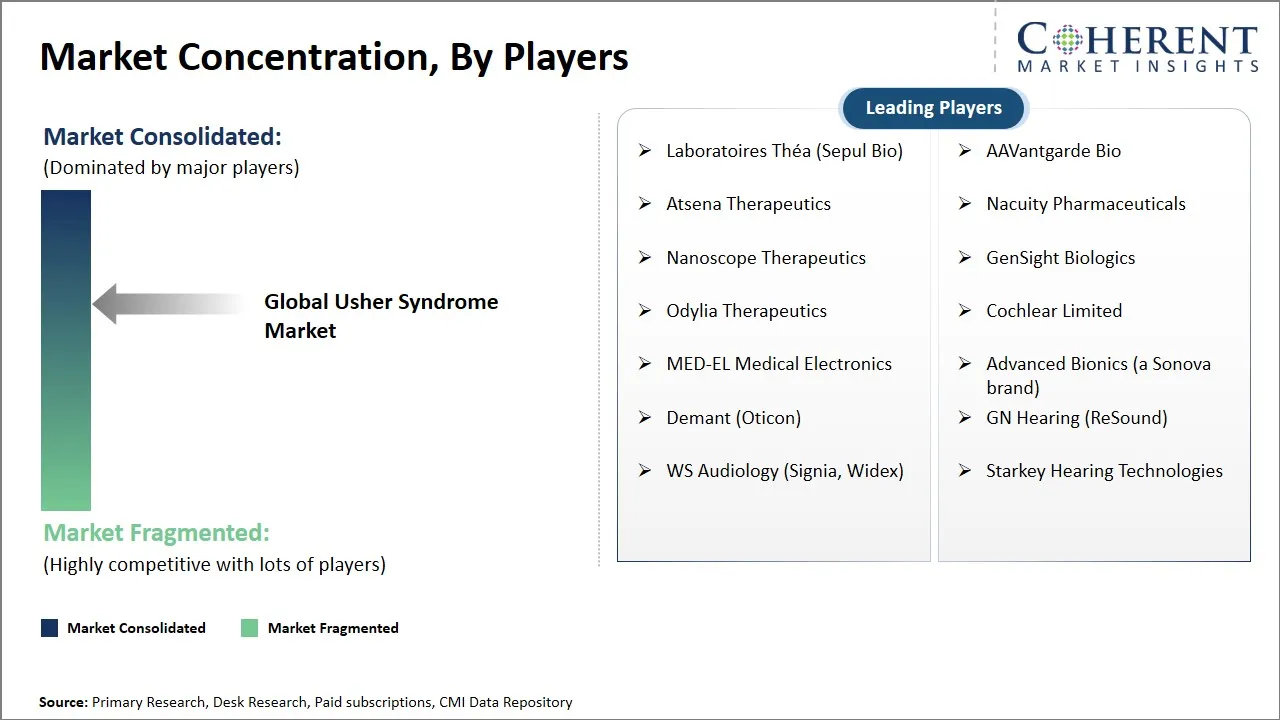
| Companies covered: | Laboratoires Théa (Sepul Bio), AAVantgarde Bio, Atsena Therapeutics, Nacuity Pharmaceuticals, Nanoscope Therapeutics, GenSight Biologics, Odylia Therapeutics, Cochlear Limited, MED-EL Medical Electronics, Advanced Bionics (a Sonova brand), Demant (Oticon), GN Hearing (ReSound), WS Audiology (Signia, Widex), and Starkey Hearing Technologies | ||
| Growth Drivers: |
| ||
| Restraints & Challenges: |
| ||
Usher Syndrome Market Dynamics
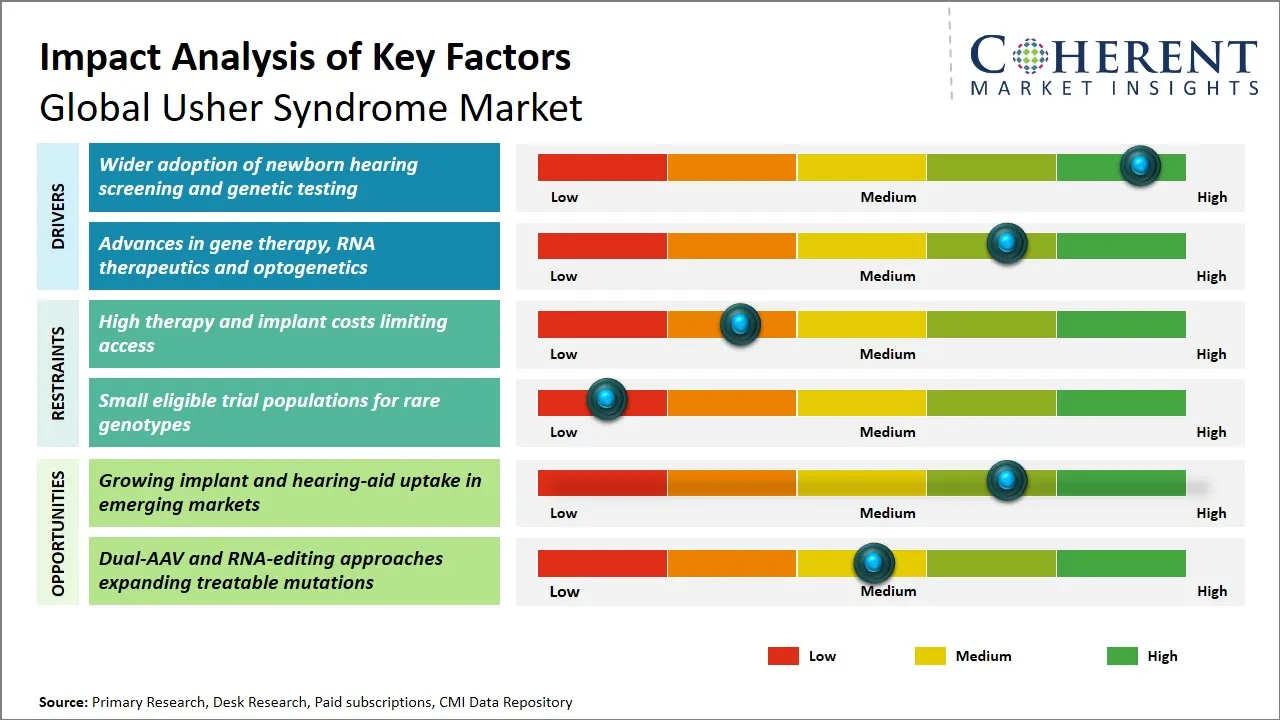
Usher Syndrome Market Driver - Wider Adoption of Newborn Hearing Screening and Genetic Testing
The increasing implementation of newborn hearing screening programs combined with advancements in genetic testing is significantly driving the Usher Syndrome market. Early detection of hearing impairments in infants through routine auditory screening enables timely identification of potential Usher Syndrome cases, which often present with congenital hearing loss. Coupled with breakthroughs in genetic testing technologies, healthcare providers can now confirm the diagnosis with greater accuracy and at an earlier stage. This facilitates prompt intervention and personalized treatment planning, enhancing patient outcomes and awareness of the condition. Furthermore, the integration of genetic counseling following screening allows families to better understand inheritance patterns and risks associated with Usher Syndrome, increasing demand for diagnostic and management solutions.
For example, on August 20, 2025, Genedrive, a U.K.-based molecular diagnostics company, developed a rapid point-of-care genetic test now being rolled out nationally by NHS Greater Glasgow and Clyde with Scottish Government funding to prevent avoidable hearing loss in newborns, an advancement that also holds promise for conditions such as Usher Syndrome where early detection is critical. The test, already part of the U.K.-wide PALOH programme, quickly identifies babies at risk of gentamicin-induced deafness so clinicians can use safer alternatives, with more than 3,000 newborns expected to be tested in the first year. The rollout, supported by the Centre for Sustainable Delivery and the West of Scotland Innovation Hub, will provide real-world data to NICE, further driving personalized medicine and neonatal care innovation across Scotland.
Usher Syndrome Market Opportunity - Growing Implant and Hearing-Aid Uptake in Emerging Markets
The global Usher syndrome market presents a significant growth opportunity driven by the increasing adoption of cochlear implants and advanced hearing aids in emerging markets. These regions, particularly in Asia Pacific, Latin America, and parts of Africa, are witnessing a rising awareness of Usher Syndrome, coupled with improving healthcare infrastructure and expanding insurance coverage. The growing middle-class population and rising disposable incomes in these countries are enabling more patients to access technologically advanced auditory rehabilitation solutions. Additionally, government initiatives aimed at early diagnosis and intervention, along with partnerships between local healthcare providers and global medical device manufacturers, are accelerating the deployment of cochlear implants and hearing aids among individuals affected by Usher Syndrome. The availability of cost-effective and innovative hearing devices tailored for low-to-middle income groups is further propelling market penetration.
For example, in July 2025, Cochlear Limited, an Australia-based global leader in implantable hearing solutions, received U.S. FDA approval for its groundbreaking Cochlear Nucleus Nexa System, the world’s first smart cochlear implant with upgradeable firmware, allowing future innovations through simple updates. The system also introduced the Nucleus 8 Nexa Sound Processor, the smallest and lightest with all-day battery life, and internal memory that securely stores patient hearing settings for seamless connectivity.
Analyst Opinion (Expert Opinion)
- The Usher syndrome market is gradually gaining momentum as advancements in genetic testing, gene therapy, and innovative assistive devices reshape patient care. Regulatory support in the form of orphan drug designations has encouraged companies to push forward rare disease pipelines, while raising awareness among patient advocacy groups has created stronger demand for early diagnosis and tailored therapies. Opportunities are emerging from collaborations between biotech firms and academic institutions exploring gene replacement and RNA-based therapies, though challenges such as high research costs, complex trial designs, and limited patient recruitment remain persistent hurdles. Over the past few years, major forums such as the ARVO Annual Meeting, the International Symposium on Usher Syndrome, and the World Orphan Drug Congress have been instrumental in sharing research findings, shaping policy dialogue, and showcasing promising technologies that directly impact the outlook of this market.
- Real-world initiatives are also reinforcing market growth. For instance, companies like Atsena Therapeutics and Nanoscope Therapeutics have advanced gene therapy trials that signal progress toward viable treatment options, while organizations such as Fighting Blindness have expanded funding programs to accelerate translational research. Government-backed rare disease policies in the U.S. and Europe, along with pilot projects in patient registries, are improving trial feasibility and data standardization. These collective efforts, combining industry, government, and non-profit leadership, are gradually building a more supportive environment that could translate into meaningful breakthroughs for people living with Usher syndrome in the years ahead.
Speak to the analyst
Want personalized insights?
Take the findings above to one of our principal consultants, or have the report rebuilt around the segments, geographies and competitors you actually track.
Market Segmentation
- Type Insights (Revenue, USD Bn, 2021 - 2033)
- Usher syndrome Type II
- Usher syndrome Type I
- Usher syndrome Type III
- Diagnosis Insights (Revenue, USD Bn, 2021 - 2033)
- Genetic Testing
- Electroretinogram (ERG)
- Optical Coherence Tomography (OCT)
- Videonystagmography
- Audiological Testing
- Others (e.g., Clinical Evaluation, Imaging Tools)
- Treatment Insights (Revenue, USD Bn, 2021 - 2033)
- Gene Therapy
- Cochlear Implants and Hearing Aids
- Retinal Implants and Vision Aids
- Rehabilitation and Assistive Devices
- Supportive Therapies (Speech, Physical, Occupational)
- Patient Age Group Insights (Revenue, USD Bn, 2021 - 2033)
- Pediatric
- Adult
- Distribution Channel Insights (Revenue, USD Bn, 2021 - 2033)
- Hospital Pharmacy
- Retail Pharmacy
- Online Pharmacies
- End User Insights (Revenue, USD Bn, 2021 - 2033)
- Hospitals and Clinics
- Specialty Centers (ENT, Ophthalmology, Genetic)
- Homecare Settings
- Others (Research and Academic Institutes)
- Regional Insights (Revenue, USD Bn, 2021 - 2033)
- North America
- U.S.
- Canada
- Latin America
- Brazil
- Argentina
- Mexico
- Rest of Latin America
- Europe
- Germany
- U.K.
- Spain
- France
- Italy
- Russia
- Rest of Europe
- Asia Pacific
- China
- India
- Japan
- Australia
- South Korea
- ASEAN
- Rest of Asia Pacific
- Middle East
- GCC Countries
- Israel
- Rest of Middle East
- Africa
- South Africa
- North Africa
- Central Africa
- North America
- Key Players Insights
- Laboratoires Théa (Sepul Bio)
- AAVantgarde Bio
- Atsena Therapeutics
- Nacuity Pharmaceuticals
- Nanoscope Therapeutics
- GenSight Biologics
- Odylia Therapeutics
- Cochlear Limited
- MED-EL Medical Electronics
- Advanced Bionics (a Sonova brand)
- Demant (Oticon)
- GN Hearing (ReSound)
- WS Audiology (Signia, Widex)
- Starkey Hearing Technologies
Sources
Primary Research Interviews
Industry Stakeholders List
- Biotech R&D Directors
- Clinical Trial Investigators
- Pharmaceutical Regulatory Affairs Managers
- Medical Device Innovation Leads
- Hospital Procurement Managers
- Genetic Testing Laboratory Heads
End-Users List
- Patients living with Usher Syndrome
- Caregivers and family support groups
- Audiologists
- Ophthalmologists
- Cochlear implant recipients
- Patient advocacy group representatives
Government and International Databases
- World Health Organization (WHO)
- U.S. Food and Drug Administration (USFDA)
- European Medicines Agency (EMA)
- National Institutes of Health (NIH) – Genetic and Rare Diseases Information Center
- Orphanet (Rare Disease Database, Europe)
- UK National Health Service (NHS) – Genetic Disorders Resources
Trade Publications
- Genetic Engineering & Biotechnology News (GEN)
- PharmaTimes
- BioCentury
- FierceBiotech
- MedTech Dive
- Nature Biotechnology News Section
Academic Journals
- American Journal of Medical Genetics
- Investigative Ophthalmology & Visual Science (IOVS)
- Journal of Medical Genetics
- Hearing Research
- Orphanet Journal of Rare Diseases
- Human Molecular Genetics
Reputable Newspapers
- The New York Times – Health Section
- The Guardian – Science & Health
- Financial Times – Life Sciences Coverage
- BBC News – Health
- The Washington Post – Science Section
- The Times (UK) – Health & Science
Industry Associations
- Usher Syndrome Coalition
- Foundation Fighting Blindness
- American Academy of Ophthalmology (AAO)
- American Academy of Audiology
- European Society of Human Genetics (ESHG)
- International Federation of Oto-rhino-laryngological Societies (IFOS)
Public Domain Resources
- U.S. National Library of Medicine
- European Clinical Trials Register (EudraCT)
- MedlinePlus (NIH/NLM)
- National Organization for Rare Disorders (NORD)
- OpenAIRE (European Open Science Portal)
Proprietary Elements
- CMI Data Analytics Tool: Proprietary analytics tool to analyze real-time market trends, consumer behavior, and technology adoption in market
- Proprietary CMI Existing Repository of Information for Last 8 Years
Get access to 250+ pages report
Every segment, forecast, competitor profile and data table behind the analysis above — available for instant download.
- ESOMAR Member
- ISO 9001:2015 Certified
- D-U-N-S Registered
- GDPR & CCPA Compliant
Missing comfort of reading report in your local language? Find your preferred language:
Transform your Strategy with Exclusive Trending Reports
Frequently Asked Questions
The global Usher syndrome market is estimated to be valued at USD 2.41 Bn in 2026 and is expected to reach USD 3.41 Bn by 2033.
The CAGR of global Usher syndrome market is projected to be 5.1% from 2026 to 2033.
Wider adoption of newborn hearing screening and genetic testing and advancements in gene therapy, RNA therapeutics and optogenetics are the major factors driving the growth of the global Usher syndrome market.
High therapy and implant costs limiting access and small eligible trial populations for rare genotypes are the major factors hampering the growth of the global Usher syndrome market.
In terms of type, Usher syndrome type II is estimated to dominate the market revenue share in 2026.
Laboratoires Théa (Sepul Bio), AAVantgarde Bio, Atsena Therapeutics, Nacuity Pharmaceuticals, Nanoscope Therapeutics, GenSight Biologics, Odylia Therapeutics, Cochlear Limited, MED-EL Medical Electronics, Advanced Bionics (a Sonova brand), Demant (Oticon), GN Hearing (ReSound), WS Audiology (Signia, Widex), Starkey Hearing Technologies, and jCyte (famzeretcel/jCell for RP) are the major players.
North America is expected to lead the global Usher syndrome market in 2026.