

Global Victoza Market Size and Forecast – 2026 to 2033
The Global Victoza Market is estimated to be valued at USD 647.3 Mn in 2026 and is expected to decline to USD 172.6 Mn by 2033, exhibiting a compound annual growth rate (CAGR) of -17% from 2026 to 2033. This negative growth trajectory reflects challenges faced by the market, including increasing competition and evolving treatment protocols that impact Victoza's market share.
Key Takeaways of the global Victoza market
- The pediatric segment is expected to dominate the global Victoza market in 2026, accounting for 55.1% of the market share, reflecting a growing emphasis on early intervention for managing metabolic disorders in children.
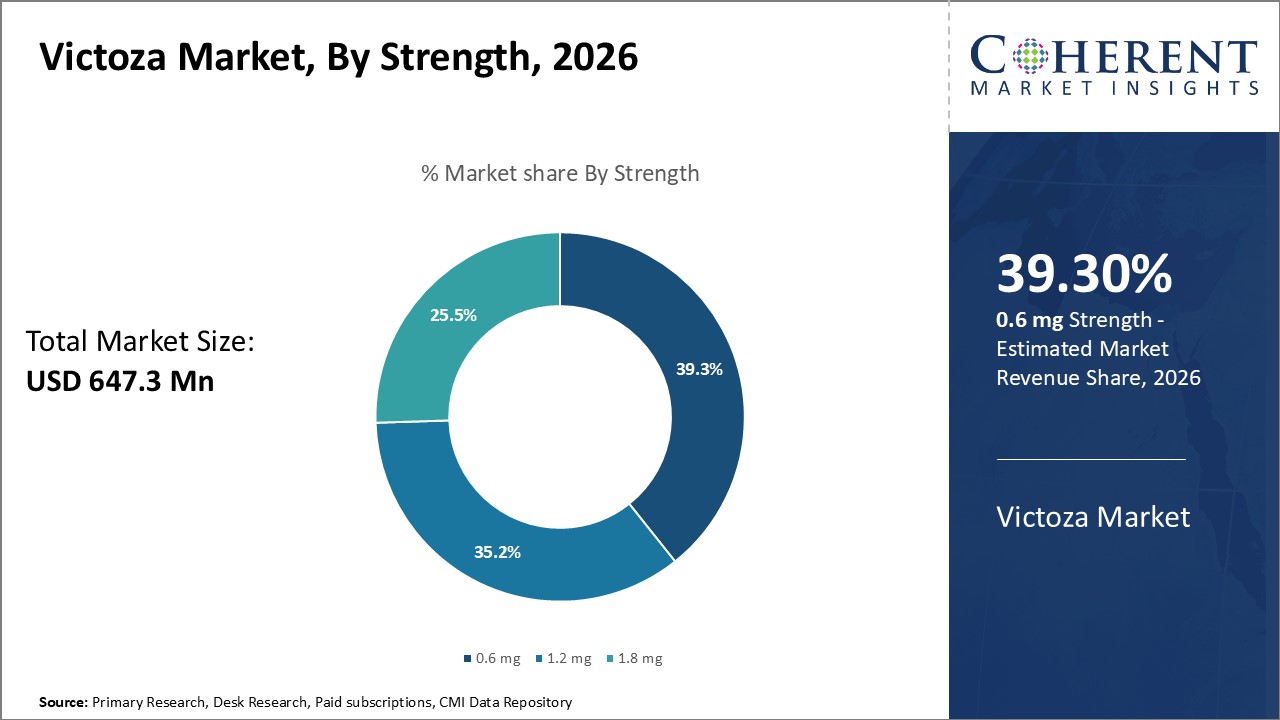
- By strength, the 0.6 mg segment is projected to hold the largest share at 39.3% in 2026, driven by the clinical practice of starting treatment with a lower dosage to minimize adverse effects and enhance patient adherence.
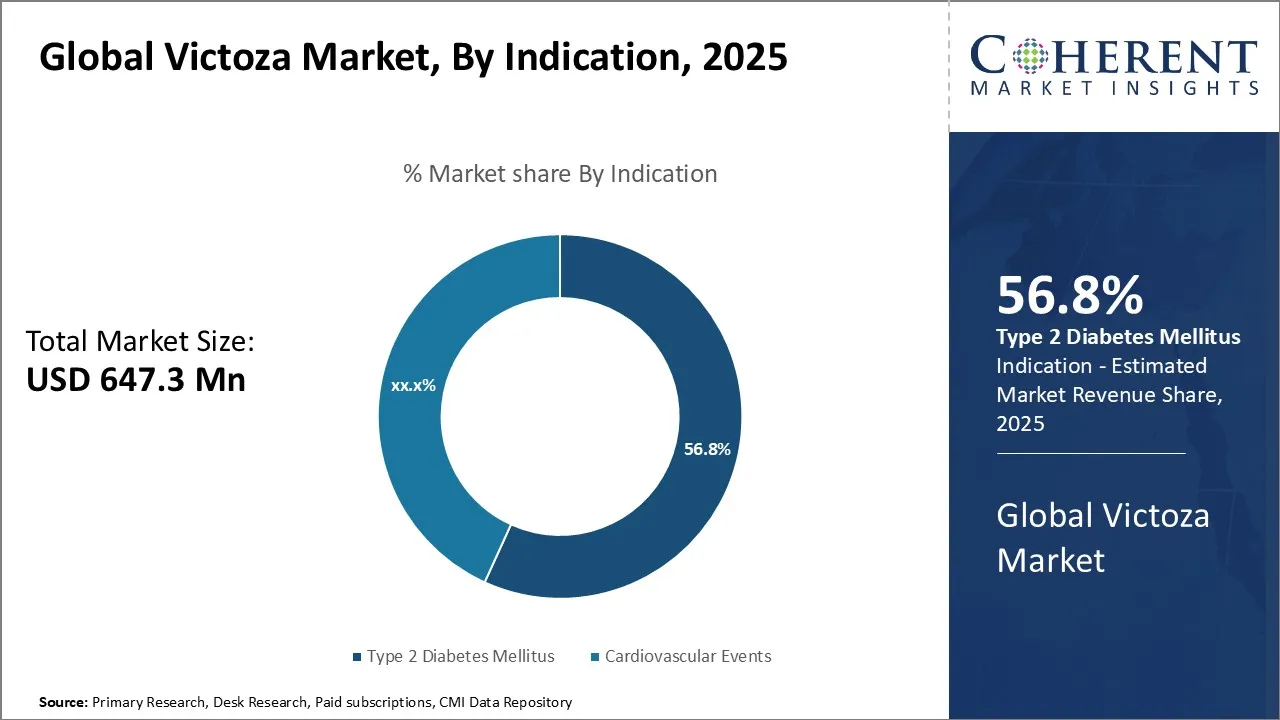
- Based on indication, Type 2 Diabetes Mellitus is set to lead the market with a 57.8 % share in 2026.
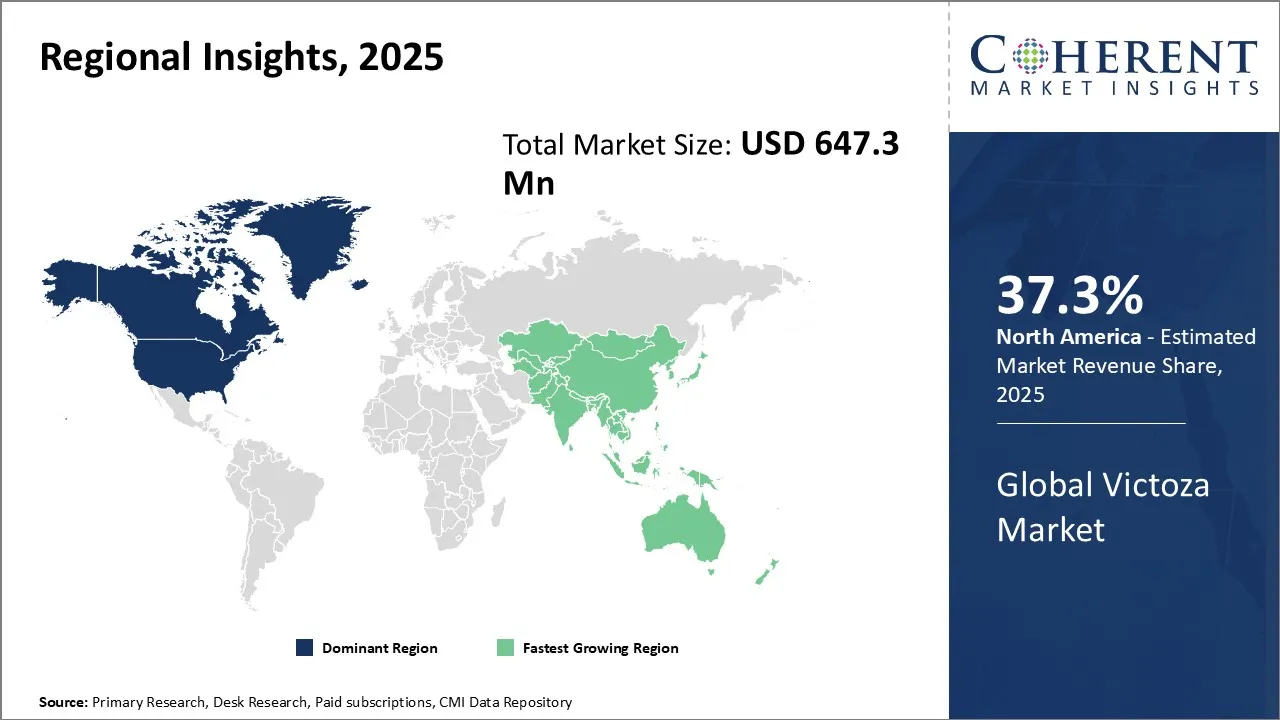
- North America is expected to lead the market, holding a share of 37.3 % in 2026. Asia Pacific is anticipated to be the fastest-growing region, with a market share of 25.2% in 2026.
Market Overview
Current market trends indicate a shift towards newer, more advanced diabetes management therapies, which is contributing to the decline in the Victoza market. Additionally, the rise of generic alternatives and biosimilars coupled with stricter regulatory environments are pressuring the market. Patient preference is also moving towards treatments with improved efficacy and safety profiles, driving the trend away from traditional GLP-1 receptor agonists like Victoza.
Current Events and Its Impact
Current Events | Description and its impact |
Biocon's Generic Liraglutide Approved in India |
|
Novo Nordisk’s USD 4.10 Billion Investment in Manufacturing Expansion |
|
Segmental Insights
- Current Industry Events of 2026
- Market Size Estimation
- Regional Breakdown
- Competitive Landscape
- Customer Intelligence
- Segmental Analysis
- Pricing Analysis
- Key Market Drivers, Challenges & Future Trends
- Customized Insights Section
Victoza Market Insights, By Indication - Type 2 Diabetes Mellitus Driving Victoza Market Attributable to the High Prevalence of Type 2 Diabetes Mellitus Worldwide and Effective Treatment Outcomes
In terms of indication, the Type 2 Diabetes Mellitus segment is expected to command the largest share of the global Victoza market with a share of 57.8% in 2026, primarily due to the overwhelming prevalence and chronic nature of this metabolic disorder. Victoza, as a GLP-1 receptor agonist, offers significant benefits in glycemic control, which is critical for managing Type 2 Diabetes Mellitus, a condition characterized by insulin resistance and impaired glucose metabolism.
Patients with T2DM often require long-term therapeutic options that not only regulate blood sugar but also reduce complications associated with diabetes. Victoza’s mechanism, which promotes insulin secretion and inhibits glucagon release, helps stabilize glucose levels without causing significant hypoglycemia, thereby making it a preferred option among clinicians. Additionally, Victoza's ability to support weight loss—an important treatment target in T2DM further reinforces its utilization, as obesity is a key contributor to diabetes progression. Type 2 diabetes and obesity are two major health conditions that have been rising globally, and this can drive the market growth.
Moreover, according to the data published by the World Health Organization (WHO) on April 5, 2023, the number of people with diabetes had increased from 108 million in 1980 to 422 million in 2014. Diabetes is a major cause of blindness, kidney failure, heart attacks, stroke and lower limb amputation. Rising prevalence of type 2 diabetes and obesity boosts the demand for effective treatments, and incretin mimetics drugs have emerged as a promising therapeutic option. Incretin mimetics are a class of drugs that mimic the action of natural hormones in the body, specifically incretins, which help to regulate blood sugar levels after meals.
Victoza Market Insights, by Strength - 0.6 Mg Strength Dominates Due to Initial Dose Strategy and Improved Patient Compliance
Within the global Victoza market by strength, the 0.6 mg dose segment is projected to hold the largest share with 39.3% in 2026. This predominance is primarily attributed to the initiation strategy adopted in clinical practice, where treatment typically begins with a lower dosage to minimize adverse effects and improve patient compliance. Starting at 0.6 mg allows patients to acclimate to the drug, particularly reducing common side effects such as nausea or gastrointestinal discomfort which are often noted at higher doses.
The 0.6 mg strength also plays a crucial role in dosage titration protocols, serving as an initial step before escalating to higher doses for enhanced glycemic control. Healthcare providers prefer this incremental approach because it ensures better tolerability, increasing persistence and adherence to the medication regimen. The patient-centric dosing strategy promotes acceptance, especially among populations newly diagnosed with diabetes or those hesitant about injectable therapies.
Victoza Market Insights, by Age Group - Pediatric Segment Dominates Due to Early Intervention, Safety Profile, and Growing Focus on Childhood Obesity Management
Based on age group, the pediatric segment leads in market contribution with an estimated share of 55.1% in 2026, which highlights a growing trend towards early intervention in the management of metabolic disorders in children. Increasing prevalence of obesity and early-onset Type 2 Diabetes Mellitus among pediatric populations globally has necessitated the use of efficacious and safe therapeutic options like Victoza. Early diagnosis and treatment in children are essential to prevent the rapid progression of diabetes and associated complications later in life.
Victoza’s favorable safety profile, combined with its proven efficacy in improving glycemic control without significant risk of hypoglycemia, makes it highly suitable for the pediatric demographic. Regulatory approvals and clinical trials focusing on children have further supported the acceptance and confidence among healthcare providers in prescribing Victoza for pediatric patients. Its benefits extend beyond glucose regulation to weight management, a critical aspect given the rising incidence of childhood obesity and metabolic syndrome.
Pricing Analysis of Victoza Market
- The pricing of Victoza (liraglutide) varies based on the package size. The 2-Pen package containing 0.6 mg and 1.2 mg doses has a Wholesale Acquisition Cost (WAC) of USD 543.51. Meanwhile, the 3-Pen package, which contains the 1.8 mg dose, is priced at USD 815.27. The WAC represents the list price set by the manufacturer to wholesalers or direct purchasers before any discounts or rebates are applied. It's important to note that most patients do not pay the WAC directly, as the actual cost is typically lower due to insurance coverage or negotiated discounts.
- Victoza's market pricing strategy reflects its positioning in the diabetes and obesity treatment market, where it competes with other GLP-1 receptor agonists. The price is intended to reflect the value provided by the drug, considering its efficacy in managing Type 2 diabetes and obesity. For patients, the actual cost will depend on their insurance plan, coverage, and any available patient assistance programs. Novo Nordisk provides further information on cost, coverage, and affordability options on their NovoCare.com platform.
Novo Nordisk's Reimbursement Policy For Victoza
- Novo Nordisk's reimbursement policy for Victoza is structured to ensure broad access to this diabetes medication, particularly for patients facing financial constraints. In the U.S., the company offers a Patient Assistance Program (PAP) that provides free medication to eligible individuals. To qualify, patients must be U.S. citizens or legal residents with a household income at or below 400% of the federal poverty level. Additionally, applicants must be uninsured or enrolled in Medicare; those with private or commercial insurance, or who are eligible for Medicaid, are generally not eligible for the PAP. Applications are processed promptly, and upon approval, patients receive a 120-day supply of medication, with the option to renew annually if they continue to meet eligibility criteria.
- Beyond the PAP, Novo Nordisk also offers co-pay assistance programs for insured patients. These programs are designed to reduce out-of-pocket costs for those with commercial insurance plans. Eligibility for co-pay assistance typically requires that the patient has a valid prescription for Victoza and is enrolled in a commercial insurance plan that covers the medication. However, patients enrolled in federal or state healthcare programs, such as Medicaid or Medicare, are not eligible for this assistance.
Regional Insights
North America Victoza Market Trends
North America’s dominance in the global Victoza market, with an estimated share of 37.3% in 2026, is driven by a well-established healthcare infrastructure, high prevalence of type 2 diabetes, and strong reimbursement frameworks. The market ecosystem benefits from advanced pharmaceutical research facilities and extensive clinical trial activities, which accelerate product innovations and adoption. Moreover, the presence of key industry players like Novo Nordisk, the developer of Victoza, alongside other supportive firms such as Pfizer and Eli Lilly, reinforces the region’s leadership position. Government policies focusing on chronic disease management and favorable regulatory pathways further enhance market penetration.
Trade dynamics characterized by efficient supply chains and strong collaboration between public and private sectors ensure broad availability and distribution. For example, in North America, government policies focusing on chronic disease management, such as the Affordable Care Act (ACA) in the U.S. and Canadian healthcare initiatives, have significantly increased access to diabetes treatments, including Victoza. These policies ensure that more individuals, especially those with chronic conditions like Type 2 Diabetes, have insurance coverage, which enhances the affordability and accessibility of medications.
Asia Pacific Victoza Market Trends
The Asia Pacific region is expected to exhibit the fastest growth in the global Victoza market due to rising diabetes incidence rates with share of 25.2% in 2026. For example, according to the WHO, in November 2024, the Western Pacific region is experiencing a rising prevalence of diabetes, largely due to lifestyle changes associated with industrialization, mechanization, and urbanization. The majority of cases are Type 2 diabetes, although Type 1 rates are also increasing. Over 30 million people in the region are currently living with diabetes, and this number is projected to double by 2026. Twelve countries have already surpassed a diabetes prevalence rate of 8%. This rise is driven by increasing awareness and better access to healthcare.
Rapid urbanization, growing middle-class populations, and expanding healthcare infrastructure are driving higher demand. Government initiatives to enhance chronic disease management and growing investments in healthcare technology play critical roles in market expansion. Countries like China, India, Japan, and South Korea serve as hubs for manufacturing and distribution, often underpinned by partnerships between global pharmaceutical companies and local enterprises. Notable players such as Novo Nordisk and Sanofi actively engage in market development through patient education programs and tailored treatment solutions. Trade liberalization and improving logistics also contribute to faster product availability and competitive pricing.
Victoza Market Outlook for Key Countries
U.S. Victoza Market Trends
The U.S. Victoza market remains highly dynamic due to high diabetes prevalence and strong healthcare insurance coverage. Novo Nordisk’s dominant presence is marked by extensive marketing and patient support programs. U.S. Victoza market is witnessing a significant increase in the availability of generic versions of branded medications, particularly in the treatment of chronic conditions like diabetes. With a large diabetic population and high healthcare costs, the demand for affordable alternatives has never been greater. The introduction of generics offers a solution to these challenges, providing patients with the same therapeutic benefits as branded drugs but at a significantly lower cost.
One notable example is the launch of Teva Pharmaceuticals' authorized generic of Victoza (liraglutide injection 1.8mg) in June 2024. This marks the first-ever generic GLP-1 product available in the U.S. Victoza market, offering patients with type 2 diabetes an affordable option to manage their condition. Generics like this help reduce the financial burden on patients, especially those without comprehensive insurance coverage, while maintaining the effectiveness of the original treatment. The increasing presence of generics in the U.S. Victoza market is a key factor in improving access to essential medications, particularly in managing chronic diseases like diabetes and cardiovascular conditions.
In June 2024, Teva Pharmaceuticals, a global leader in generic medicines, announced the launch of the authorized generic of Victoza (liraglutide injection 1.8mg) in the U.S. on June 24, 2024. This marks the first-ever generic GLP-1 product available in the U.S. Victoza market, offering patients with type 2 diabetes an affordable alternative to the branded drug. Liraglutide, used alongside diet and exercise, helps control blood sugar levels and reduce the risk of cardiovascular events in adults with type 2 diabetes and established heart disease.
China Victoza Market Trends
China’s rising diabetes population and growing affordability of innovative therapies accelerate Victoza adoption. According to a study published in the October 2024 edition of the Journal of Diabetes, diabetes has become a significant public health and socioeconomic challenge in China, which holds the highest number of diabetes cases worldwide. The country’s diabetes epidemiology and risk factors have been greatly impacted by rapid lifestyle and ecological changes.
This review discusses the impact of traditional and emerging risk factors on diabetes prevalence in China, while highlighting recent studies in genetics, metagenomics, and metabolomics. Despite the challenges in analyzing these multidimensional factors, they offer opportunities to improve the accuracy of diagnosis and personalize treatment.
Japan Victoza Market Trends
Japan continues to lead with a mature healthcare system and a strong emphasis on advanced diabetes care. Regulatory frameworks encourage the adoption of next-generation drugs like Victoza, supported by comprehensive reimbursement policies. Local firms collaborate closely with global manufacturers, ensuring steady supply and localized clinical research. Patient-centric care models and technological integration in diabetes management bolster sustained market growth.
Government policies such as enhanced insurance reimbursement and national health campaigns significantly boost acceptance. For example, the Japan Diabetes Society (JDS), established in April 1958, is a voluntary association dedicated to advancing diabetes research and improving the care and treatment of people with diabetes in Japan. Initially formed during Japan's post-war recovery, JDS foresaw the growing diabetes burden due to lifestyle changes and economic growth.
India Victoza Market Trends
India’s Victoza market is shaped by an increasing diabetic population, rising healthcare expenditures, and improved healthcare infrastructure. Government initiatives promoting non-communicable disease awareness and affordable access align well with Victoza’s market outlook. The presence of both multinational and domestic pharmaceutical companies fosters competitive pricing and wider access. Strategic partnerships focus on educational programs and expanding presence in rural areas.
For example, according to the World Diabetes Foundation, India, which has the largest diabetic population in the world, is experiencing a growing socio-economic burden as a result of the increasing prevalence of diabetes. To address this, the government of India has launched the National Diabetes Control Program, chaired by Prof. Ramachandran. The initiative aims to provide affordable diabetes care across the country.
Germany Victoza Market Trends
Germany’s Victoza market benefits from a strong healthcare system focused on innovation and patient support. Regulatory rigor is balanced with efficient approval mechanisms that facilitate access to modern diabetes therapies. The German market for Victoza (liraglutide) has experienced a decline in recent years, primarily due to the increasing adoption of newer GLP-1 receptor agonists like Ozempic (semaglutide) and Rybelsus (oral semaglutide), which offer more convenient dosing schedules and improved patient adherence. Consequently, Victoza sales decreased by 30% in Danish kroner and by 28% at constant exchange rates in 2023, as reported by Novo Nordisk's financial statements .
In June 2024, the European Medicines Agency (EMA) and the Heads of Medicines Agencies (HMA) have issued recommendations to address shortages of GLP-1 receptor agonists like Ozempic, Saxenda, Trulicity, and Victoza across the EU. These shortages, caused by increased demand and manufacturing constraints since 2022, have been worsened by off-label use for cosmetic weight loss. This surge has led to the risk of counterfeit drugs entering the market. The EMA and HMA continue to monitor and tackle these challenges to protect public health.
Market Players, Key Developments, and Competitive Intelligence
Company Insights
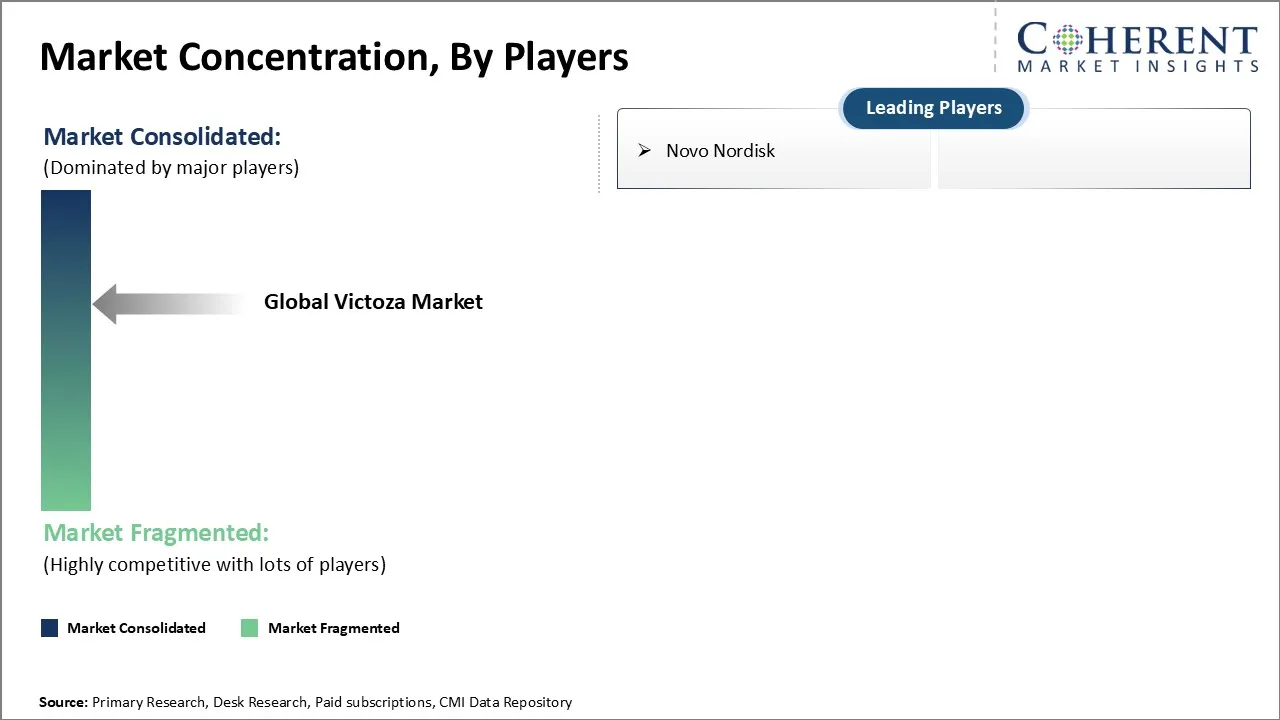
- Novo Nordisk is a global healthcare company headquartered in Denmark, specializing in the treatment of diabetes, obesity, hemophilia, growth disorders, and hormone replacement therapies. Founded in 1923, the company has established a leadership position in diabetes care and is renowned for its commitment to innovation and improving patients' quality of life.
- Victoza, a product of Novo Nordisk, is an injectable medication primarily used in the treatment of Type 2 diabetes. It contains liraglutide, a GLP-1 receptor agonist, which helps lower blood sugar levels by stimulating insulin production when glucose levels are elevated. In addition to managing blood sugar, Victoza has been shown to support weight loss by reducing appetite, making it an important therapy for overweight or obese patients with Type 2 diabetes. It is typically used alongside diet and exercise to improve glycemic control.
- Victoza also offers cardiovascular benefits, with clinical studies showing a reduction in major cardiovascular events such as heart attack, stroke, and cardiovascular death in patients with Type 2 diabetes and established cardiovascular disease. The medication is available in pre-filled pens for self-injection, making it convenient for patients to manage their condition at home. Novo Nordisk's continued commitment to research and development aims to provide better management options for chronic conditions like diabetes, enhancing patient outcomes and quality of life.
Market Report Scope
Victoza Market Report Coverage
| Report Coverage | Details | ||
|---|---|---|---|
| Base Year: | 2025 | Market Size in 2026: | USD 647.3 Mn |
| Historical Data for: | 2020 To 2024 | Forecast Period: | 2026 To 2033 |
| Forecast Period 2026 to 2033 CAGR: | -17% | 2033 Value Projection: | USD 172.6 Mn |
| Geographies covered: |
| ||
| Segments covered: |
| ||
| Companies covered: | Novo Nordisk | ||
| Growth Drivers: |
| ||
| Restraints & Challenges: |
| ||
Victoza Market Dynamics
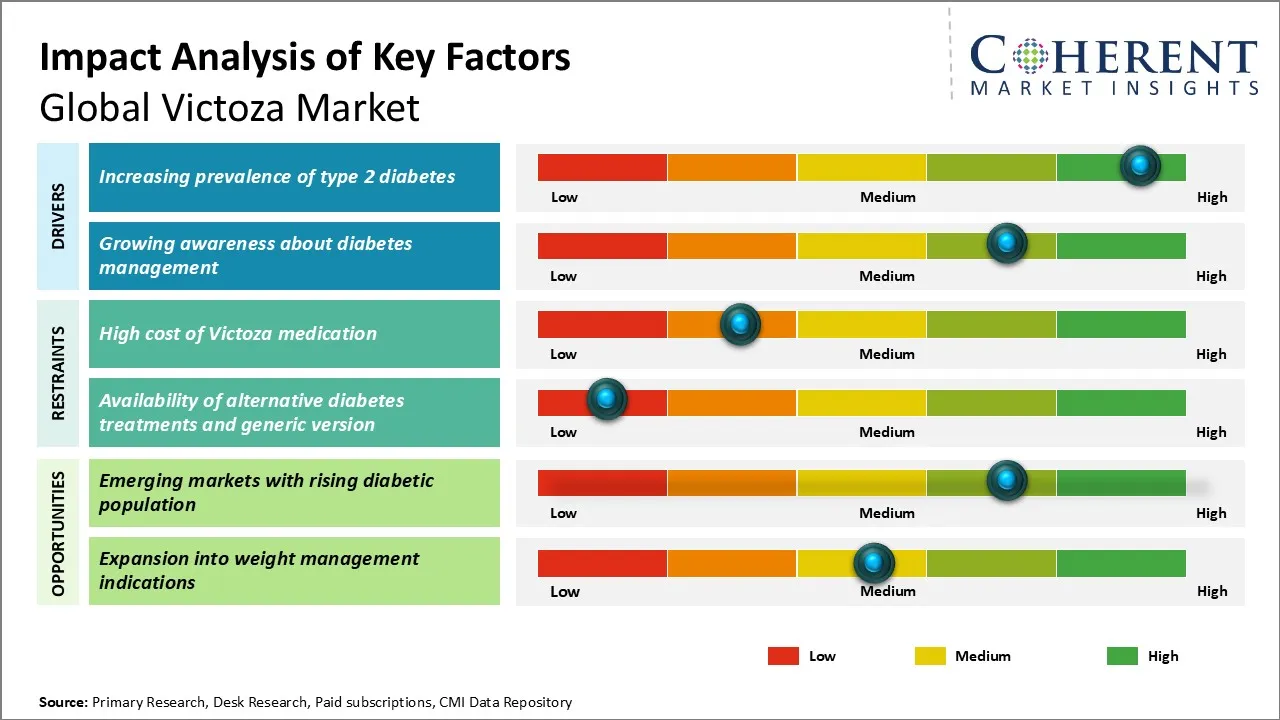
Victoza Market Driver - Increasing Prevalence of Type 2 Diabetes
The rising prevalence of Type 2 diabetes across the globe has historically driven the demand for Victoza, as this chronic condition continues to impact a growing segment of the adult population. Factors such as sedentary lifestyles, unhealthy diets, and rising obesity rates have contributed to an increase in diabetes cases, especially in developing economies undergoing rapid urbanization. Despite its benefits, including effective glycemic control, weight loss, and cardiovascular risk reduction, the Victoza market is currently experiencing slow growth and a negative CAGR. This decline can be attributed to several factors, such as increased competition from newer treatment options and generics, as well as pricing pressures in emerging markets. While Victoza remains a valuable treatment option for Type 2 diabetes patients, its market growth is now being challenged by these evolving dynamics.
In November 2024, according to the WHO, the global diabetes population grew from 200 million in 1990 to 830 million in 2022, with the highest rise in low- and middle-income countries. Over half of those affected didn’t take medication in 2022, particularly in these regions. Diabetes causes severe complications, including blindness, kidney failure, and heart attacks, contributing to over 2 million deaths in 2021. Preventing type 2 diabetes is possible through a healthy lifestyle. Diabetes occurs when the body can't produce or effectively use insulin, leading to high blood sugar. In 2022, 14% of adults had diabetes, with type 2 being the most common form. Early diagnosis is crucial, as symptoms can be mild and go unnoticed for years. Lifestyle changes can help prevent or manage the disease.
Victoza Market Opportunity - Emerging Markets with Rising Diabetic Population
The global Victoza market is experiencing slow growth opportunity through expanding its footprint in emerging markets, where the prevalence of diabetes is rapidly increasing due to urbanization, lifestyle changes, and aging populations. Countries in Asia Pacific, Latin America, and Africa are experiencing a surge in type 2 diabetes cases, driven by factors such as sedentary lifestyles, unhealthy diets, and genetic predispositions. These regions often have large untreated or under-treated diabetic populations, creating a substantial demand gap for effective antidiabetic therapies like Victoza (liraglutide). Additionally, improving healthcare infrastructure, increased government focus on non-communicable diseases, and rising healthcare expenditure in these regions support greater access to advanced diabetes treatments.
Moreover, awareness campaigns and diabetes screening programs backed by both governmental and non-governmental organizations are enabling earlier diagnosis and encouraging treatment adherence. Pharmaceutical companies can leverage these dynamics by tailoring pricing strategies, enhancing distribution networks, and collaborating with local healthcare providers to increase accessibility and affordability.
In February 2025, Nectar Life Care is expanding its presence in emerging markets, particularly in India, where the diabetic population is rapidly growing. The company has launched affordable anti-diabetic medications like Dapagliflozin (DAPNEC) and combination formulations, making treatments more accessible. With over 77 million diabetics in India, including many undiagnosed, Nectar’s cost-effective, WHO-GMP-certified products aim to address the increasing demand. The company expects a significant rise in sales, projecting revenues to exceed USD 1.8 million this year.
Analyst Opinion (Expert Opinion)
- The global Victoza market is facing challenges, with its growth constrained by emerging competition from newer diabetes treatments and increasing pricing pressures, especially in developing markets. While Victoza remains a preferred treatment due to its efficacy, the market is likely to experience slower growth as healthcare providers explore cost-effective alternatives and as more innovative therapies enter the space. Strategic adjustments, such as expanding its value proposition through combination therapies or broader indications, may be essential for sustaining its market position in the face of evolving competition. However, certain driving factors still shape the market, including technological advancements in drug delivery systems, regulatory support for diabetes care, and the growing need for effective treatments in regions with rising Type 2 diabetes prevalence. Emerging opportunities include the potential for market expansion in countries with rapidly urbanizing populations, where lifestyle changes are driving higher diabetes rates. Despite these opportunities, the market faces significant challenges from generics and cost-sensitive healthcare systems.
- Recent conferences and expos, such as the European Association for the Study of Diabetes (EASD) Annual Meeting and the American Diabetes Association (ADA) Scientific Sessions, have been critical in shaping discussions on diabetes care and drug innovations. These events foster knowledge-sharing, policy formulation, and highlight technological innovations in the sector. In terms of real-world impact, Novo Nordisk's ongoing collaborations with global health organizations and regional governments to improve access to diabetes treatments demonstrate a proactive effort to address the growing demand for Type 2 diabetes management solutions. These initiatives, while important, are not expected to offset the current market slowdown in the near term.
Speak to the analyst
Want personalized insights?
Take the findings above to one of our principal consultants, or have the report rebuilt around the segments, geographies and competitors you actually track.
Market Segmentation
- Indication Insights (Revenue, USD Mn, 2021 - 2033)
- Type 2 Diabetes Mellitus
- Cardiovascular Events
- Strength Insights (Revenue, USD Mn, 2021 - 2033)
- 6 mg
- 2 mg
- 8 mg
- Age Group Insights (Revenue, USD Mn, 2021 - 2033)
- Pediatric
- Adults
- Distribution Channel Insights (Revenue, USD Mn, 2021 - 2033)
- Hospital Pharmacies
- Retail Pharmacies
- Online Pharmacies
- End User Insights (Revenue, USD Mn, 2021 - 2033)
- Hospitals
- Specialty Clinics
- Outpatient & Primary Care Centers
- Long-Term Care Facilities
- Others (Research & Academic Institutions, etc.)
- Regional Insights (Revenue, USD Mn, 2021 - 2033)
- North America
- U.S.
- Canada
- Latin America
- Brazil
- Argentina
- Mexico
- Rest of Latin America
- Europe
- Germany
- U.K.
- Spain
- France
- Italy
- Russia
- Rest of Europe
- Asia Pacific
- China
- India
- Japan
- Australia
- South Korea
- ASEAN
- Rest of Asia Pacific
- Middle East
- GCC Countries
- Israel
- Rest of Middle East
- Africa
- South Africa
- North Africa
- Central Africa
- North America
- Key Players Insights
- Novo Nordisk
Sources
Primary Research Interviews
- Healthcare Professionals (Endocrinologists, General Practitioners)
- Pharmaceutical Manufacturers
- Pharmacists
- Diabetes Care Specialists
- Medical Practitioners and Experts
- Hospital and Clinic Administrators
Government and International Databases
- World Health Organization (WHO)
- International Diabetes Federation (IDF)
- Centers for Disease Control and Prevention (CDC)
- National Institutes of Health (NIH)
- U.S. Food and Drug Administration (FDA)
- European Medicines Agency (EMA)
- Indian Council of Medical Research (ICMR)
- Centers for Medicare & Medicaid Services (CMS)
Trade Publications
- Pharmaceutical Technology
- Drug Development and Delivery
- Diabetes Care Journal
- Journal of Diabetes and Metabolism
- The Pharmaceutical Journal
Academic Journals
- The Lancet Diabetes & Endocrinology
- Diabetes Research and Clinical Practice
- Journal of Clinical Endocrinology & Metabolism
- Nature Reviews Endocrinology
- Diabetes, Obesity and Metabolism
Reputable Newspapers
- The New York Times
- The Guardian
- Wall Street Journal
- The Times of India
- The Economic Times
Industry Associations
- International Diabetes Federation (IDF)
- American Diabetes Association (ADA)
- European Association for the Study of Diabetes (EASD)
- National Institute for Health and Care Excellence (NICE)
- American Association of Clinical Endocrinologists (AACE)
Public Domain Resources
- National Library of Medicine (NLM)
- EU Clinical Trials Register
Proprietary Elements
- CMI Data Analytics Tool: Proprietary analytics tool to analyze real-time market trends, consumer behavior, and technology adoption in market
- Proprietary CMI Existing Repository of Information for Last 8 Years
Get access to 250+ pages report
Every segment, forecast, competitor profile and data table behind the analysis above — available for instant download.
- ESOMAR Member
- ISO 9001:2015 Certified
- D-U-N-S Registered
- GDPR & CCPA Compliant
Missing comfort of reading report in your local language? Find your preferred language:
Transform your Strategy with Exclusive Trending Reports
Frequently Asked Questions
The Global Victoza Market is estimated to be valued at USD 647.3 Mn in 2026 and is expected to reach USD 172.6 Mn by 2033.
The CAGR of the global Victoza market is projected to be -17% from 2026 to 2033.
Increasing prevalence of type 2 diabetes and growing awareness about diabetes management are the major factors driving the growth of the global Victoza market.
High cost of Victoza medication and availability of alternative diabetes treatments and generic version are the major factors hampering the growth of the global Victoza market.
In terms of indication, Type 2 Diabetes Mellitus is estimated to dominate the market revenue share in 2026.
Novo Nordisk is the major player operating in the market.
North America is expected to lead the global Victoza market in 2026.