

Acute Vulvovaginal Candidiasis Treatment Market Size and Share Analysis: 2026-2033
The acute vulvovaginal candidiasis treatment market size is anticipated to grow at a CAGR of 5.2% with USD 1,050 Mn in 2026 and is expected to reach USD 1,470 Mn in 2033. The market is growing with the increasing prevalence of vulvovaginal candidiasis (VVC) and the rising adoption of both oral and topical antifungal treatments. As per the CDC, approximately 75% of women are expected to experience at least one episode of VVC in their lifetime, thereby driving demand for effective treatment solutions
Key Takeaways
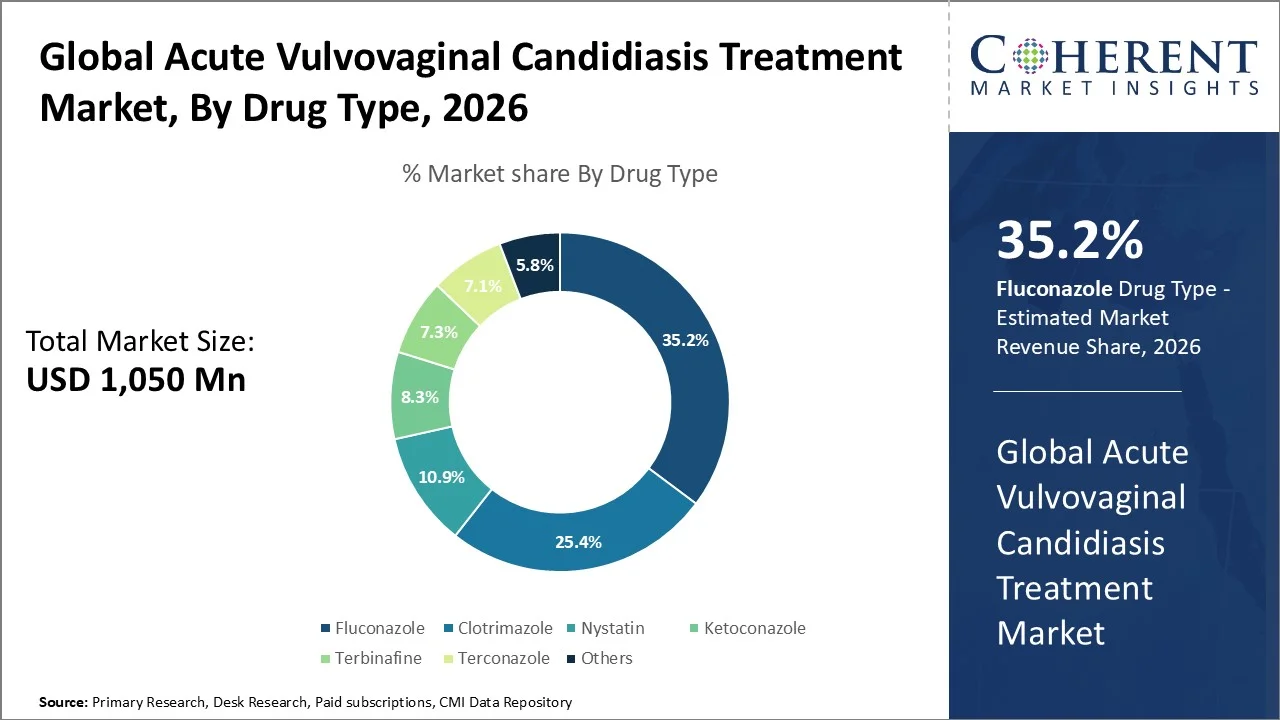
- On the basis of drug type, the fluconazole segment is projected to account for the largest share of 35.20% in 2026. The growth is owing to its broad spectrum of action as well as the widespread clinical preference for oral antifungal therapies in the management of vulvovaginal candidiasis (VVC). The U.S. CDC recommends fluconazole as a first-line treatment for uncomplicated VVC, thereby underscoring its prominence in the acute vulvovaginal candidiasis treatment sector.
- By route of administration, the topical segment is projected to account for the largest share of 71.2% in 2026. The segment’s growth is attributable to the increasing patient preference for localized treatments, which minimize systemic side effects. The European Medicines Agency (EMA) has supported the use of topical antifungals as a standard approach, thus confirming their safety as well as efficacy in treating VVC.
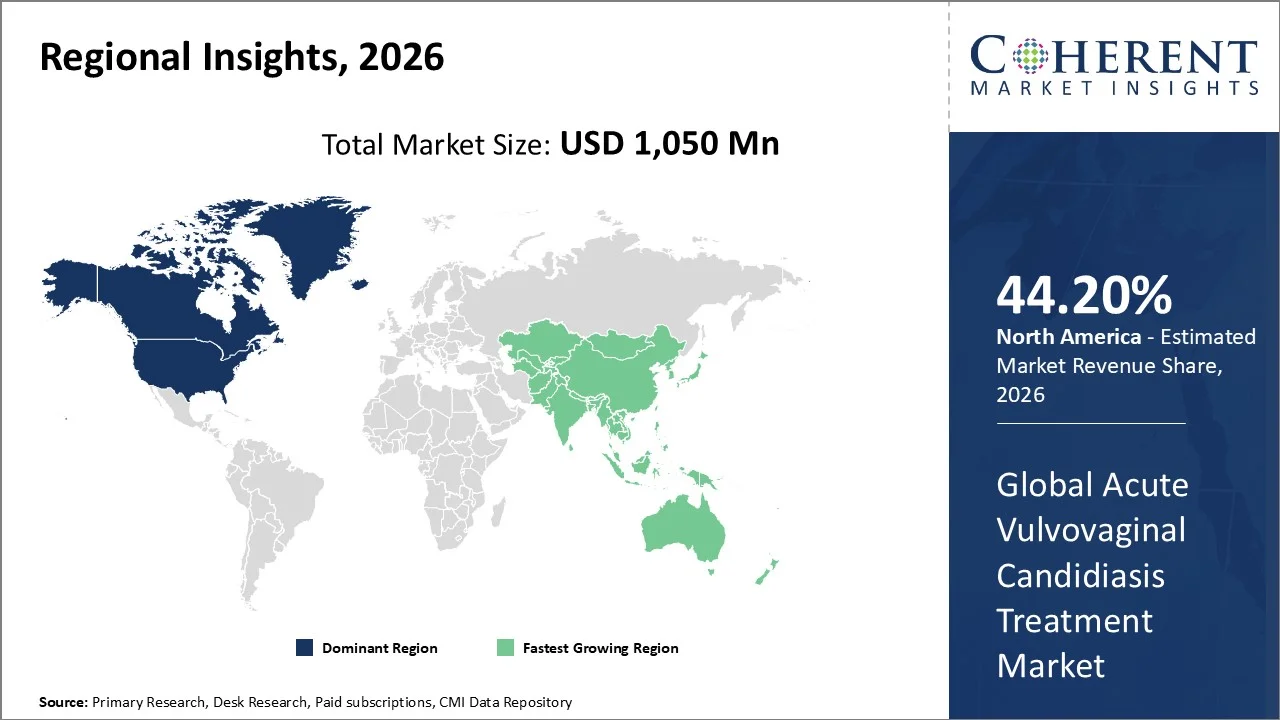
- North America is expected to secure the highest proportion of 44.20% in 2026. The region’s growth is attributable to the high incidence of VVC in the region. An estimated 5.2% of U.S. women report a healthcare provider diagnosis of VVC annually, equating to roughly 6.8 million women affected each year. In addition, the growing adoption of both prescription as well as over-the-counter antifungal treatments is fueling this dominance.
Increasing Cases of Vulvovaginal Candidiasis Driving Market Demand
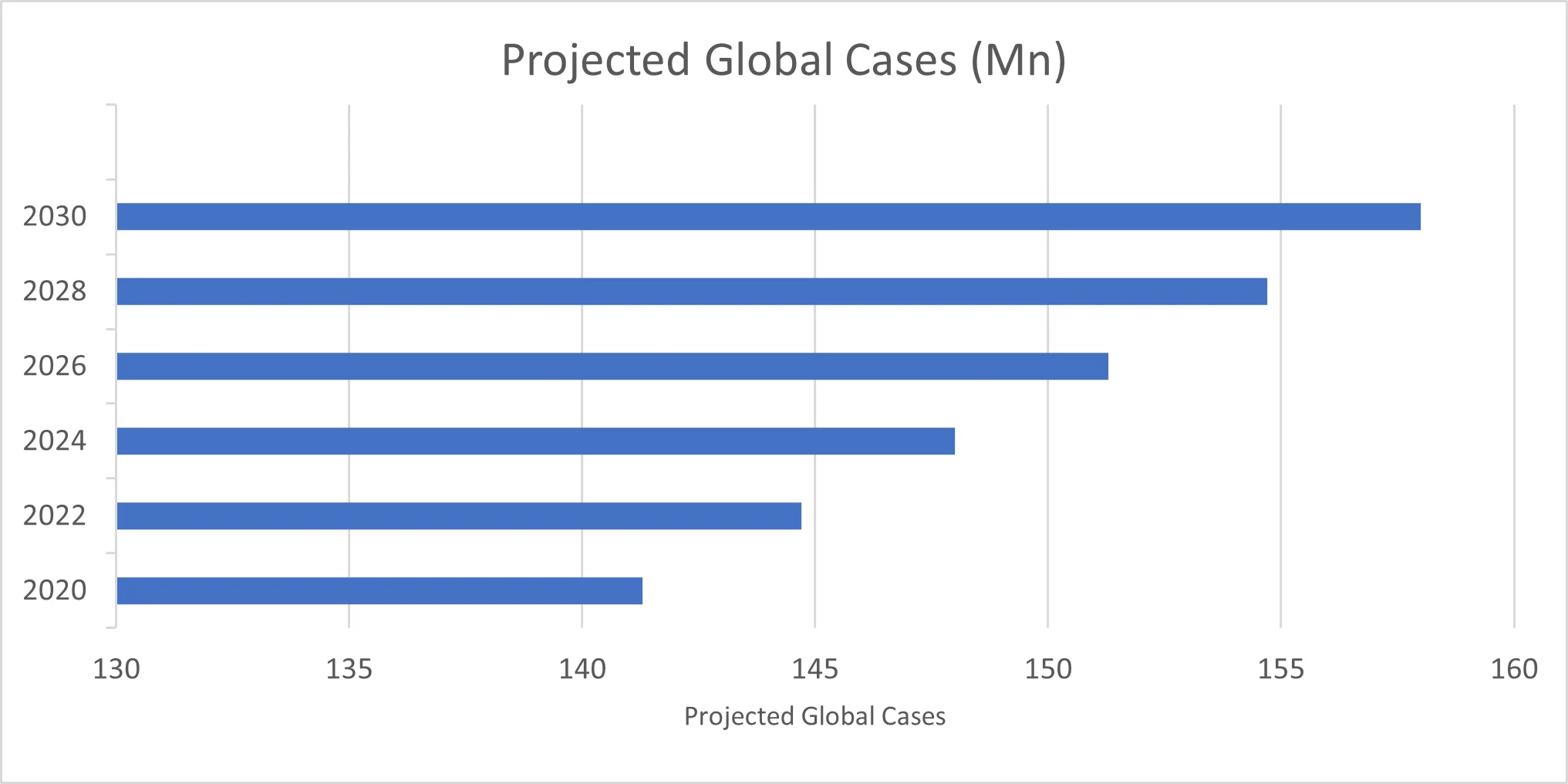
Global Vulvovaginal Candidiasis Cases: Year-wise Numbers
Metric: Projected Global Cases of VVC (in Millions)
| Year | Projected Global Cases (Millions) |
| 2020 | 141.3 |
2022 | 144.7 |
2024 | 148.0 |
2026 | 151.3 |
2028 | 154.7 |
2030 | 158.0 |
New and More Effective Therapeutic Options is Transforming the Acute Vulvovaginal Candidiasis Treatment Market in the United States
U.S. demand is strengthening as acute vulvovaginal candidiasis remains a high-frequency women’s health condition and treatment expectations shift beyond traditional azole creams and single-dose fluconazole. The CDC states that an estimated 75% of women have at least one VVC episode, 40%–45% have two or more episodes, and 10%–20% develop complicated VVC, creating a large recurring treatment pool.
This shift is also supported by new FDA-approved oral options. BREXAFEMME (ibrexafungerp) is approved for treatment of VVC in adult and post-menarchal pediatric females, with a one-day 600 mg oral regimen, while FDA-approved VIVJOA (oteseconazole) lowered culture-verified acute VVC recurrence versus placebo through Week 48 in recurrent VVC trials.
The development pipeline is further improving market confidence. ClinicalTrials.gov lists a Phase 3 study evaluating boric acid inserts for VVC, while the completed CANDLE Phase 3 study evaluated oral ibrexafungerp for recurrent VVC prevention. This is making U.S. treatment adoption more innovation-led, recurrence-focused, as well as patient-convenient.
- Current Industry Events of 2026
- Market Size Estimation
- Regional Breakdown
- Competitive Landscape
- Customer Intelligence
- Segmental Analysis
- Pricing Analysis
- Key Market Drivers, Challenges & Future Trends
- Customized Insights Section
Major Breakthrough: Oral Non-Azole Antifungal Ibrexafungerp for Acute Vulvovaginal Candidiasis
A key recent innovation in Acute Vulvovaginal Candidiasis Treatment is the approval and clinical use of ibrexafungerp, marketed as BREXAFEMME. It is among the important innovations because it introduced a new oral, non-azole antifungal mechanism for vaginal yeast infections, unlike traditional azole therapies like fluconazole, clotrimazole, or miconazole. The U.S. FDA listed BREXAFEMME as the first approved drug in a new antifungal class in more than 20 years for vulvovaginal candidiasis, thereby making it a major therapeutic breakthrough for the market.
Ibrexafungerp is a triterpenoid antifungal which works by inhibiting glucan synthase. It is an enzyme needed for fungal cell wall formation. This makes it different from azoles, which mainly target ergosterol synthesis. This advancement is especially relevant as CDC guidance still shows that most conventional uncomplicated VVC regimens are azole-based like the topical azoles and single-dose oral fluconazole.
For acute VVC, the current prescribing information states that BREXAFEMME is indicated for adult and post-menarchal pediatric females and is given as a one-day oral regimen, with 300 mg taken about 12 hours apart for a total 600 mg dose. This supports better treatment convenience compared with multi-day topical regimens, while also creating a premium oral alternative for patients where azole resistance, intolerance, drug interactions, or treatment failure may be a concern.
Current Events and Their Impact on the Acute Vulvovaginal Candidiasis Treatment Market
Current Event | Description and its Impact |
First‑in‑Class Non‑Azole Oral Antifungal (ibrexafungerp) Description: |
|
CDC Treatment Guidance on Antifungal Strategy for VVC |
|
Segmental Insights
Which Drug Type Segment Dominates the Market?
On the basis of drug type, the fluconazole segment accounts for the largest acute vulvovaginal candidiasis treatment market share of 35.2% in 2026. The segment’s growth is because fluconazole remains a preferred oral azole option for uncomplicated VVC, supported by simple dosing, strong physician familiarity, and wide outpatient usability. CDC treatment guidelines list fluconazole 150 mg orally in a single dose as the recommended oral regimen for vulvovaginal candidiasis. Azole treatment is also reported to provide symptom relief and negative cultures in 80%–90% of patients who complete therapy.
In recurrent cases, fluconazole continues to hold strong clinical relevance because CDC recommends fluconazole every third day for three doses before maintenance therapy, followed by weekly oral fluconazole for six months as the indicated maintenance regimen for recurrent VVC. DailyMed also confirms the approved fluconazole dosage for vaginal candidiasis as 150 mg as a single oral dose.
The recent FDA-approved alternatives are expanding the treatment industry. In April 2022, the U.S. Food and Drug Administration (FDA) approved VIVJOA, an azole antifungal therapy developed to lower the incidence of recurrent vulvovaginal candidiasis (RVVC) in females with a history of RVVC who are not of reproductive potential. VIVJOA became the first and only FDA-approved treatment which was specifically indicated for this condition.
Topical Segment to Secure the Largest Share
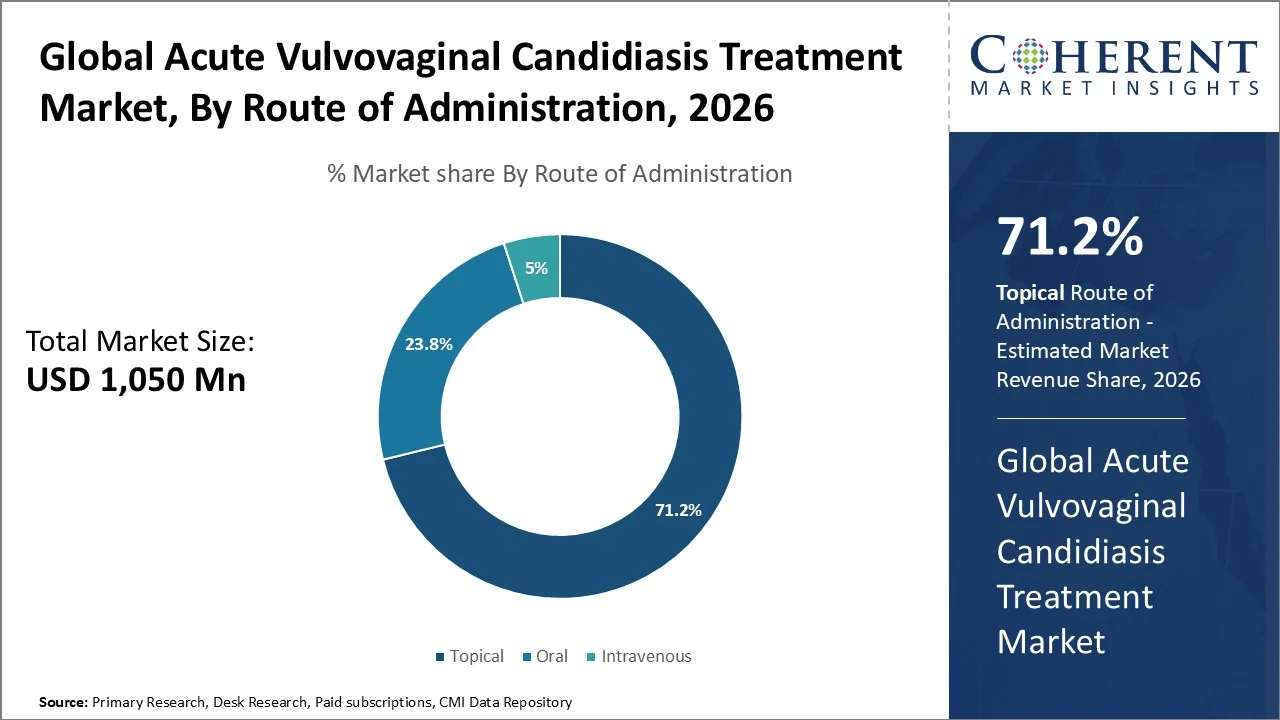
Topical segment accounts for the largest acute vulvovaginal candidiasis treatment market share of 71.2% in 2026, owing to widespread use of topical antifungals as first‑line, localized therapy for uncomplicated VVC. Short‑course topical formulations, including intravaginal azole creams and suppositories, are recommended by treatment guidelines and offer high local drug concentration, symptom relief, and reduced systemic exposure compared with oral therapies.
Topical regimens (singleIn clinical practice, topical options such as clotrimazole, miconazole, and tioconazole intravaginal therapies remain standard therapy for mild to moderate acute episodes due to ease of use and favorable tolerability.
Acute Vulvovaginal Candidiasis Treatment Market Trends
- Persistent high prevalence of vulvovaginal candidiasis (VVC) continues to shape treatment demand across the globe. The U.S. Centers for Disease Control and Prevention (CDC) notes that an estimated 70–75% of women are set to experience at least one episode of VVC during their lifetime. The condition also remains as one of the most common reasons for outpatient gynecological visits and accounts for approximately 1.4 million visits per year in the U.S. alone.
- Regulatory milestones in antifungal therapy are influencing the clinical landscape. On April 26, 2022, the U.S. Food and Drug Administration (FDA) approved VIVJOA™ (oteseconazole) capsules, the first and only medication specifically indicated to reduce the incidence of recurrent vulvovaginal candidiasis (RVVC) in women with a history of recurrent infections who are not of reproductive potential. This approval marked a key step toward addressing unmet needs in recurrent disease management.
- Prescription vs. self-treatment trends is reflecting clinical practice patterns. The analysis of representative U.S. health survey data indicates that amongst the women reporting a VVC diagnosis in the past year with approximately 72% received prescription antifungal therapy, while about 40% reported use of over. Thereby underscoring the ongoing reliance on clinical management alongside self‑care approaches.
- Extended clinical evidence and post‑approval insights are underpinning the treatment efficacy. The results from clinical evaluations of VIVJOA demonstrated sustained protection against recurrent yeast infections over 96
- Guideline emphasis and public health awareness are informing practice. Although national surveillance for VVC is limited, the CDC treatment guidelines and fungal infection resources continue to highlight VVC as a common mucocutaneous candidiasis affecting otherwise healthy women. This emphasis, paired with ongoing public health education efforts, is expected to propel appropriate diagnosis as well as antifungal therapy use.
Regional Insights
North America Leads Owing to High Prevalence of VVC Cases
The North America region accounts for 44.20% of the market in 2026. The region’s growth is backed by the region’s robust healthcare infrastructure, increased awareness, and high prevalence of VVC cases. The substantial patient base is fueling the demand for effective treatments, particularly oral and topical anti fungal drugs.
The recent regulatory progress has diversified treatment options. The U.S. Food and Drug Administration (FDA) approved ibrexafungerp (Brexafemme) in June 2021 as the first oral non In addition, the oteseconazole (Vivjoa) was approved in April 2022 for recurrent VVC in select populations and is under late
The top pharmaceutical players influencing this space are Scynexis/GSK (Brexafemme), Mycovia Pharmaceuticals (Vivjoa), and traditional antifungal providers like Pfizer and Teva Pharmaceuticals, which supply generic and branded azoles used in acute VVC management. These developments reflect evolving treatment patterns, with newer therapies complementing established agents in North America’s acute VVC therapeutic landscape.
Asia Pacific Acute Vulvovaginal Candidiasis Treatment Market Trends
The Asia Pacific region is poised to be as the fastest-growing region through 2026-2033. The government and public‑health data specific to acute vulvovaginal candidiasis (VVC) are limited in the region but available epidemiologic and clinical trial evidence suggests a substantial treatment burden and evolving therapeutic landscape. A systematic review of Southeast Asian women estimated a pooled VVC prevalence of ~23% (95% CI 18Local studies also report prevalence ranging from 10–35% in India among women of reproductive age, underscoring the clinical relevance in South Asia.
While worldwide regulatory approval of ibrexafungerp (BREXAFEMME®) occurred in June 2021, Asia Pacific regulatory statuses vary and localized approvals or submission activity are ongoing. According to the World Health Organization’s 2025 fungal disease fact sheet, candidiasis remains a common yeast infection requiring antifungal therapy, with concerns about antifungal resistance and gaps in diagnostic capacity across low‑ and middle‑income settings including South‑East Asia and Western Pacific Regions.
Greater Patient Awareness is Accelerating the Acute Vulvovaginal Candidiasis Treatment Demand in United States
The United States Acute Vulvovaginal Candidiasis Treatment Market is witnessing steady growth. In the U.S., acute vulvovaginal candidiasis (VVC) remains one of the most prevalent gynecologic infections, affecting >50% of women over their lifetime, with many experiencing ≥2 episodes requiring treatment with short
The growth in the treatment market is underpinned by epidemiological drivers such as increasing rates of diabetes and antibiotic use, both recognized risk factors elevating candidiasis susceptibility as well as heightened healthcare‑seeking behavior among symptomatic women. In addition, greater patient awareness and provider diagnosis contribute to consistent prescription and over‑the‑counter antifungal utilization, thereby sustaining sustained demand for effective VVC therapies.
China Acute Vulvovaginal Candidiasis Treatment Market Trends
The China Acute Vulvovaginal Candidiasis Treatment Market is poised for significant growth, driven by the increasing prevalence of fungal infections among women and the expanding availability of advanced antifungal therapies. The National Medical Products Administration (NMPA) approved Oteseconazole (Vivjoa) capsules in June 2023 for severe VVC, where Phase 3 data showed therapeutic cure rates of 66.9 % vs. 45.9 % with fluconazole at Day 28 (p = 0.0002). A phase III trial (CTR20220918) evaluating oral ibrexafungerp in Chinese women reported 51.0 % clinical cure vs. 25.6 % placebo, with significant mycological eradication (55.6 % vs. 18.2 %). China’s 2024 clinical practice updates emphasize diagnostic specificity and resistance monitoring per national guideline revisions.
Who are the Major Companies in Acute Vulvovaginal Candidiasis Treatment Market
Some of the major key players in Acute Vulvovaginal Candidiasis Treatment are Mycovia Pharmaceuticals, Inc., Scynexis, Inc., Basilea Pharmaceutica Ltd., Astellas Pharma Inc., Grupo Ferrer Internacional, S.A., Pacgen Life Science Corporation, NovaDigm Therapeutics, Inc., Cidara Therapeutics, Inc., Amplyx Pharmaceuticals Inc., and Pfizer, Inc.
Key News
- In February 2024, Mycovia Pharmaceuticals, Inc. announced that Jiangsu Hengrui Pharmaceuticals Co., Ltd. ("Hengrui") launched VIVJOA (oteseconazole) in China. This marks the availability of an innovative oral azole antifungal for the treatment of severe vulvovaginal candidiasis (VVC).
- In March 2023, GSK entered into an exclusive licensing agreement with Scynexis for Brexafemme (ibrexafungerp tablets), a pioneering antifungal treatment for vulvovaginal candidiasis (VVC) and the prevention of recurrent VVC.
Market Report Scope
Acute Vulvovaginal Candidiasis Treatment Market Report Coverage
| Report Coverage | Details | ||
|---|---|---|---|
| Base Year: | 2025 | Market Size in 2026: | USD 1,050 Mn |
| Historical Data for: | 2020 To 2024 | Forecast Period: | 2026 To 2033 |
| Forecast Period 2026 to 2033 CAGR: | 5.2% | 2033 Value Projection: | USD 1,470 Mn |
| Geographies covered: |
| ||
| Segments covered: |
| ||
| Companies covered: | Mycovia Pharmaceuticals, Inc., Scynexis, Inc., Basilea Pharmaceutica Ltd., Astellas Pharma Inc., Grupo Ferrer Internacional, S.A., Pacgen Life Science Corporation, NovaDigm Therapeutics, Inc., Cidara Therapeutics, Inc., Amplyx Pharmaceuticals Inc., and Pfizer, Inc. | ||
| Growth Drivers: |
| ||
| Restraints & Challenges: |
| ||
Analyst Opinion
- The Acute Vulvovaginal Candidiasis (VVC) Treatment Market is witnessing notable growth, driven by increased incidences of VVC and rising awareness regarding treatment options. The high prevalence has spurred demand for effective treatments and contributed to a rising prescription trend, particularly for antifungal medications such as fluconazole and newer therapies like oteseconazole (VIVJOA).
- Significant regulatory developments have also influenced the market dynamics. In 2022, the U.S. Food and Drug Administration (FDA) approved VIVJOA™ (oteseconazole), the first and only antifungal specifically indicated for the treatment of RVVC, offering a breakthrough in reducing recurrence in women with a history of recurrent infections. This approval highlights the increasing focus on providing sustained efficacy and long-term solutions for women suffering from chronic VVC.
- The market is expected to continue its expansion with rising consumer awareness and more accessible healthcare options. The U.S. National Institute of Allergy and Infectious Diseases (NIAID) has reported increasing participation in clinical trials for antifungal drugs, underscoring both the growing medical interest in this field and the demand for new and more effective treatments. As a result, the market is likely to see a surge in new drug launches and a diversification of treatment options, particularly in areas such as oral and topical therapies.
- With the approval of new drugs and the increase in over-the-counter (OTC) antifungal treatments, there is an expanding market for both prescription and non-prescription VVC treatments. As the market evolves, the availability of innovative, patient-friendly treatments will drive further acute vulvovaginal candidiasis treatment market growth.
Speak to the analyst
Want personalized insights?
Take the findings above to one of our principal consultants, or have the report rebuilt around the segments, geographies and competitors you actually track.
Acute Vulvovaginal Candidiasis Treatment Market Segmentation
- By Drug Type (Revenue, USD Mn, 2021-2033)
- Clotrimazole
- Nystatin
- Fluconazole
- Ketoconazole
- Terbinafine
- Terconazole
- Others
- By Route of Administration (Revenue, USD Mn, 2021-2033)
- Oral
- Intravenous
- Topical
- By Distribution Channel (Revenue, USD Mn, 2021-2033)
- Hospital Pharmacies
- Retail Pharmacies
- Online Pharmacies
- Global Acute Vulvovaginal Candidiasis Treatment Market, By Region (Revenue, USD Mn, 2021-2033)
- North America
- U.S.
- Canada
- Latin America
- Brazil
- Mexico
- Argentina
- Rest of Latin America
- Europe
- Germany
- U.K.
- France
- Italy
- Spain
- Russia
- Rest of Europe
- Asia Pacific
- China
- India
- Japan
- Australia
- South Korea
- ASEAN
- Rest of Asia Pacific
- Middle East
- GCC
- Israel
- Rest of Middle East
- Africa
- South Africa
- Central Africa
- North Africa
- North America
- Key Players
- Mycovia Pharmaceuticals, Inc.
- Scynexis, Inc.
- Basilea Pharmaceutica Ltd.
- Astellas Pharma Inc.
- Grupo Ferrer Internacional, S.A.
- Pacgen Life Science Corporation
- NovaDigm Therapeutics, Inc.
- Cidara Therapeutics, Inc.
- Amplyx Pharmaceuticals Inc.
- Pfizer, Inc.
Sources
Primary Research Interviews
- Gynecologists and Obstetricians
- Infectious Disease Specialists
- Dermatologists and Women’s Health Physicians
- Hospital and Retail Pharmacists
- Antifungal Drug Manufacturers
- OTC Vaginal Antifungal Product Suppliers
- Diagnostic Laboratory Professionals
- Hospital Procurement and Pharmacy Heads
- Women’s Health Clinic Administrators
- Others
Databases
- IQVIA MIDAS
- Evaluate Pharma
- Clarivate Cortellis
- Bloomberg Terminal
- Thomson Reuters Eikon
- S&P Global Market Intelligence
- ClinicalTrials.gov
- FDA Orange Book
- PubMed / NCBI Database
- Others
Magazines
- Contemporary OB/GYN
- Pharmacy Times
- Drug Topics
- Managed Healthcare Executive
- Infectious Disease Advisor
- Dermatology Times
- Medical Economics
- Women’s Health Magazine – Health Section
- Others
Journals
- Obstetrics & Gynecology
- American Journal of Obstetrics & Gynecology
- Clinical Infectious Diseases
- Journal of Lower Genital Tract Disease
- Mycoses
- Antimicrobial Agents and Chemotherapy
- Journal of Fungi
- Clinical Microbiology Reviews
- The Lancet Infectious Diseases
- Others
Newspapers
- Reuters
- Bloomberg News
- The Wall Street Journal
- Financial Times
- The New York Times – Health Section
- The Guardian – Health Section
- Fierce Pharma
- BioPharma Dive
- Others
Associations
- American College of Obstetricians and Gynecologists (ACOG)
- Infectious Diseases Society of America (IDSA)
- International Society for the Study of Vulvovaginal Disease (ISSVD)
- European Society of Clinical Microbiology and Infectious Diseases (ESCMID)
- British Association for Sexual Health and HIV (BASHH)
- International Union against Sexually Transmitted Infections (IUSTI)
- American Sexual Health Association (ASHA)
- Society of Obstetricians and Gynaecologists of Canada (SOGC)
- Others
Public Domain Sources
- Centers for Disease Control and Prevention (CDC) – STI Treatment Guidelines
- U.S. Food and Drug Administration (FDA) – Drugs@FDA and Orange Book
- National Institutes of Health (NIH) / PubMed Central
- ClinicalTrials.gov
- European Medicines Agency (EMA)
- World Health Organization (WHO)
- National Center for Biotechnology Information (NCBI)
- European Centre for Disease Prevention and Control (ECDC)
- National Institute for Health and Care Excellence (NICE)
- Others
Proprietary Elements
- CMI Data Analytics Tool
- Proprietary CMI Existing Repository of Information for the Last 8 Years
Get access to 250+ pages report
Every segment, forecast, competitor profile and data table behind the analysis above — available for instant download.
- ESOMAR Member
- ISO 9001:2015 Certified
- D-U-N-S Registered
- GDPR & CCPA Compliant
Missing comfort of reading report in your local language? Find your preferred language:
Transform your Strategy with Exclusive Trending Reports
Frequently Asked Questions
The Acute Vulvovaginal Candidiasis Treatment Market is expected to reach USD 1,470 Mn in 2033.
Major players operating in the global Acute Vulvovaginal Candidiasis Treatment Market include Mycovia Pharmaceuticals, Inc., Scynexis, Inc., Basilea Pharmaceutica Ltd., Astellas Pharma Inc., Grupo Ferrer Internacional, S.A., Pacgen Life Science Corporation, NovaDigm Therapeutics, Inc., Cidara Therapeutics, Inc., Amplyx Pharmaceuticals Inc., and Pfizer, Inc.
The rising antifungal drug resistance, stringent regulatory hurdles, and diagnostic challenges are the key factors hampering growth of the market.
The high prevalence of infections (138 million women annually), rising antibiotic use, increased awareness, and the development of new, effective treatments is boosting demand for Acute Vulvovaginal Candidiasis Treatment services.
The Acute Vulvovaginal Candidiasis Treatment Market is anticipated to grow at a CAGR of 5.2% between 2026 and 2033.
Among regions, North America is expected to account for a largest market share in the global Acute Vulvovaginal Candidiasis Treatment Market over the forecast period.