

Car Ramp Market Size and Forecast — 2026-2033
Car Ramp Market is estimated to be valued at USD 1.36 Bn in 2026 and is expected to reach USD 1.94 Bn in 2033, exhibiting a compound annual growth rate (CAGR) of 5.2% from 2026 to 2033.
Car ramp market serves as a crucial component of the automotive industry, providing essential tools for vehicle maintenance and servicing. Car ramps are elevated platforms that are designed to lift the front or rear of vehicles, thus allowing mechanics and do-it-yourself (DIY) enthusiasts to access the undercarriage easily. These ramps offer a safer and more convenient alternative to traditional jacks and stands, thereby enabling tasks such as oil changes, tire rotations, and minor repairs. The car ramp market caters to a wide range of vehicle types, from passenger cars to SUVs and light trucks. As the automotive industry continues to advance, with an emphasis on DIY maintenance and enthusiasts seeking efficient solutions, the car ramp market is witnessing growth by offering durable, reliable, and user-friendly products that facilitate vehicle upkeep.
Car ramps come in various designs, materials, and weight capacities, thus allowing them to accommodate different vehicle sizes and weights. Steel and high-density plastic are common materials used in car ramp manufacturing due to their strength and durability. The car ramp market also reflects the growing importance of safety features, with ramps often featuring non-slip surfaces, secure locking mechanisms, and sturdy construction to ensure stability during use.
Car Ramp Market Regional Insights
- North America: North America is the largest market for car ramp, accounting for a market share of over 38% in 2026. North America stands as a significant market for car ramps due to its large automotive industry, high vehicle ownership rates, and strong DIY automotive culture. Enthusiasts and mechanics often perform maintenance tasks at home, driving the demand for high-quality and reliable car ramps. The U.S. and Canada have a substantial market share, fueled by a robust interest in automotive hobbies and the availability of a wide range of vehicle types, including trucks and SUVs.( Sport utility vehicle) The market in this region emphasizes user-friendly and durable ramps that cater to both enthusiasts and professional mechanics.
- Europe: Europe is the second-largest market for car ramp, accounting for a market share of over 27% in 2026. The car ramp market in Europe reflects the continent's diverse automotive landscape, thus encompassing a mix of compact cars, luxury vehicles, and commercial vehicles. Countries like Germany, France, and the U.K. have established automotive industries and a strong DIY community. The market here places emphasis on versatile ramps that can accommodate different vehicle sizes, including smaller vehicles popular in urban areas. Regulations that are related to vehicle maintenance and safety also influence the demand for reliable and certified car ramps.
- Asia Pacific: Asia Pacific is the fastest-growing market for car ramp, accounting for a market share of over 22% in 2026. The Asia Pacific region showcases a mix of developing and developed automotive markets. Countries like China, Japan, and South Korea have growing vehicle ownership rates, thereby driving the demand for car ramps. The market in Asia Pacific focuses on affordability and accessibility, with a range of ramps catering to different vehicle types and consumer budgets. As vehicle maintenance practices evolve and more consumers take interest in DIY automotive care, the car ramp market in this region is expected to witness growth.
Figure 1. Car Ramp Market Share (%), By Region, 2026

Analyst Viewpoint: The car ramp market is expected to experience moderate growth in the near future. Development of automobile repair shops and maintenance centers across developed and developing nations will drive demand for car ramps. Increasing vehicle usage and rising average vehicle age are also major factors necessitating periodic maintenance and repairs, boosting the need for car ramps in the industry. Strong economic growth in developing countries is enabling greater car ownership, thereby expanding the potential consumer base.
Car Ramp Market Drivers:
- DIY automotive culture: The do-it-yourself (DIY) automotive trend is a significant driver of the car ramp market. Many vehicle owners prefer to perform basic maintenance and repairs on their vehicles, such as oil changes, filter replacements, and tire rotations. Car ramps provide a simple and effective way for individuals to lift their vehicles, enabling them to work comfortably underneath and access various components without the need for professional equipment.
For instance, according to the U.S. Bureau of Labor Statistics, the average hourly rate of mechanics has risen to over US$23 per hour in 2021. At the same time, the cost of ramps, starting from just US$50, has encouraged to do-it-yourself
- Cost-effectiveness: As compared to more complex and expensive lifting equipment, car ramps are relatively affordable. They provide an economical way for vehicle owners to safely elevate their cars for maintenance, which appeals to both budget-conscious individuals and professionals looking for cost-effective solutions for specific tasks.
For instance, in 2023, according to a report by the U.S. Census Bureau, over 25% of Americans are expected to be retirement-aged by 2030. With rise in this demography, demand will increase for cost-effective products supporting independent living, like car ramps.
Car Ramp Market Opportunities:
- Modular and adjustable designs: Car ramps with modular and adjustable designs provide flexibility to users. Manufacturers can explore the development of ramps with adjustable heights, widths, and configurations to accommodate different vehicle sizes and ground clearance levels. Modular systems can allow users to connect multiple ramps for specialized applications, such as servicing multi-axle vehicles.
For instance, according to the U.S. Bureau of Transportation Statistics, in 2020, over 267.9 million registered passenger vehicles were plying on U.S. roads. This figure is projected to grow steadily in the near future.
- Innovative safety enhancements: Safety remains a top priority in automotive maintenance. Developing new safety features, such as non-slip surfaces, locking mechanisms, and stability indicators, can enhance user confidence and minimize the risk of accidents during vehicle maintenance tasks.
For instance, according to United Nations Department of Economic and Social Affairs data, U.S. Suffered over 6,000 vehicle maintenance/repair related accidental deaths between 2018-2020.
- Current Industry Events of 2026
- Market Size Estimation
- Regional Breakdown
- Competitive Landscape
- Customer Intelligence
- Segmental Analysis
- Pricing Analysis
- Key Market Drivers, Challenges & Future Trends
- Customized Insights Section
Car Ramp Market Report Coverage
| Report Coverage | Details | ||
|---|---|---|---|
| Base Year: | 2025 | Market Size in 2026: | USD 1.36 Bn |
| Historical Data for: | 2020 To 2024 | Forecast Period: | 2026 To 2033 |
| Forecast Period 2026 to 2033 CAGR: | 5.2% | 2033 Value Projection: | USD 1.94 Bn |
| Geographies covered: |
| ||
| Segments covered: |
| ||
| Companies covered: | RhinoGear, Race Ramps, AutoZone, QuickJack, Discount Ramps, OTC Tools, Black Widow, BendPak, EZ Car Lift, Craftsman, Sunex Tools, RevZilla, Garage Living, Autobahn88, and Torin Big Red | ||
| Growth Drivers: |
| ||
| Restraints & Challenges: |
| ||
Car Ramp Market Trends:
- Compact and space-saving designs: As urbanization and limited garage space become more prevalent, car ramps with compact and space-saving designs are gaining popularity. Manufacturers are focusing on creating ramps that can be easily stored and do not take up excessive room when not in use. Foldable, stackable, and collapsible ramp designs cater to users with limited storage space.
For instance, according to recent data by the U.S. Census Bureau's 2021 American Housing Survey, nearly 35% of urban housing units in the U.S. do not have a dedicated garage, thereby requiring car owners to find alternative storage solutions for automotive equipment like ramps.
- Lift and tilt mechanisms: Car ramps with lift and tilt mechanisms are becoming more prevalent. These ramps offer the ability to raise the vehicle slightly while also providing a slight incline, thus allowing users to access the underside of the vehicle more comfortably. Lift and tilt ramps offer convenience for various maintenance tasks, including oil changes and inspections.
For instance, according to the recent data by the International Organization of Motor Vehicle Manufacturers, the global vehicle production witnessed a 4% year-on-year increase to reach over 95 million units in 2021.
Car Ramp Market Restraints:
- Limited weight capacity: Car ramps are designed to support specific weight capacities, which can vary, based on their construction and materials. Using a ramp that does not adequately support the vehicle's weight can lead to safety hazards, vehicle damage, and accidents. Users need to carefully match the ramp's weight capacity with their vehicle's specifications, which can limit the ramp's versatility for heavier vehicles.
Counterbalance: Using high-strength materials such as reinforced steel or high-grade aluminum can increase the weight capacity of car ramps while also maintaining or reducing their weight for portability.
- Compatibility with lower vehicles: Some car ramps are designed with specific ground clearance requirements, thereby making them more suitable for vehicles with standard or higher ground clearances. Lowered or sports vehicles may have difficulty using certain ramps without scraping or causing damage to the vehicle's underside.
Counterbalance: Creating ramps with a gradual incline can prevent the underside of low-clearance vehicles from scraping against the ramp. This lowers the risk of damage during the loading and unloading process.
Recent Developments
- In January 2023, RhinoRamps launched its new Xtreme Duty 4-Post Car Ramps. These ramps are designed for heavy-duty vehicles, such as trucks and SUVs. They have a weight capacity of 10,000 pounds per ramp and are made from high-quality materials that can withstand the wear and tear of regular use.
- In February 2023, Race Ramps launched its new pro series 2-post car ramps. These ramps are designed for professional mechanics and DIYers who need a durable and reliable set of ramps. They have a weight capacity of 6,000 pounds per ramp and are made from high-quality materials that can withstand the weight of even the heaviest vehicles.
Key strategic initiatives
- In January 2023, Rhino Ramps acquired Discount Ramps, a leading manufacturer of car ramps in the U.S. This acquisition will allow RhinoRamps to expand its product offerings and reach a wider audience.
- In March 2023, Trailer-Aid launched its new heavy duty mobile car ramps. These ramps are designed for mobile mechanics and homeowners who need a set of ramps that they can easily transport. They have a weight capacity of 5,000 pounds per ramp and are made from lightweight materials that make them easy to carry.
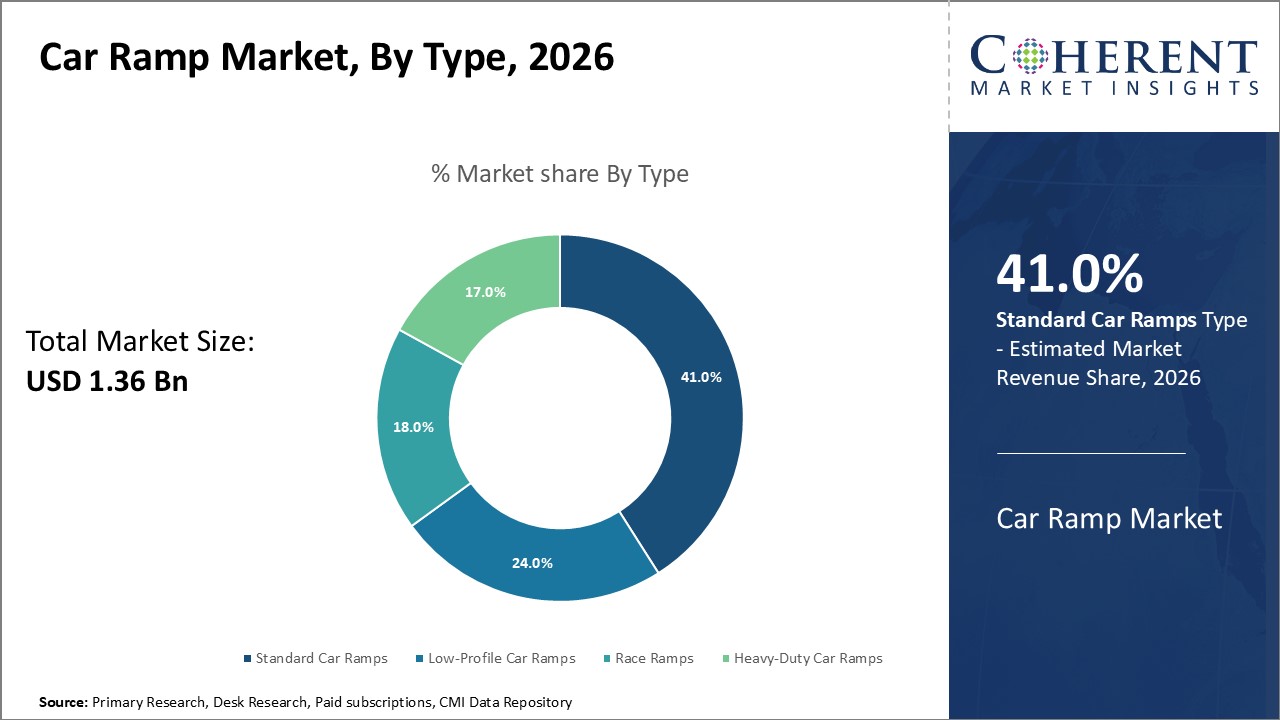
Figure 2. Car Ramp Market Share (%), By Vehicle Type, 2026
Top Companies in Car Ramp Market
- RhinoGear
- Race Ramps
- AutoZone
- QuickJack
- Discount Ramps
- OTC Tools
- Black Widow
- BendPak
- EZ Car Lift
- Craftsman
- Sunex Tools
- RevZilla
- Garage Living
- Autobahn88
- Torin Big Red
Sources
Primary Research Interviews
- Car ramp manufacturers (e.g., RhinoRamps, Race Ramps, Craftsman, Sunex Tools)
- Automotive aftermarket retailers (AutoZone, O'Reilly, Halfords)
- DIY automotive enthusiasts and mobile mechanics
Stakeholders (Automotive Aftermarket Tools Domain)
- Auto repair shop equipment suppliers
- Polymer/steel material suppliers for ramp fabrication
Databases
- UN Comtrade – Vehicle workshop tools
Magazines
- Aftermarket Business World
- Professional Tool & Equipment News
Journals
- SAE International Journal of Commercial Vehicles
Newspapers
- Reuters – Automotive
Associations
- Auto Care Association
- Specialty Equipment Market Association (SEMA)
Public Domain Sources
- US OSHA – Vehicle ramp safety
- ResearchGate publications on automotive ramp load capacity and structural design
Proprietary Elements
- CMI Data Analytics Tool, Proprietary CMI Existing Repository of information for last 10 years.
Definition: A car ramp is an elevated platform that is designed to lift the front or rear of vehicles, thereby providing mechanics and vehicle owners with easy access to the undercarriage for maintenance, repairs, and servicing. Car ramps offer a safer and more convenient alternative to traditional jacks and stands, thus allowing tasks such as oil changes, tire rotations, and inspections to be performed efficiently.
Get access to 250+ pages report
Every segment, forecast, competitor profile and data table behind the analysis above — available for instant download.
- ESOMAR Member
- ISO 9001:2015 Certified
- D-U-N-S Registered
- GDPR & CCPA Compliant
Missing comfort of reading report in your local language? Find your preferred language:
Transform your Strategy with Exclusive Trending Reports
Frequently Asked Questions
The Car Ramp Market is estimated to be valued at USD 1.36 Bn in 2026, and is expected to reach USD 1.94 Bn by 2033.
Limited weight capacity and compatibility with lower vehicles are the key factors hampering growth of the car ramp market.
DIY automotive culture and cost-effectiveness are the major factors driving the car ramp market growth.
Car ramps for sedans is the leading vehicle type segment in the car ramp market.
RhinoGear, Race Ramps, AutoZone, QuickJack, Discount Ramps, OTC Tools, Black Widow, BendPak, EZ Car Lift, Craftsman, Sunex Tools, RevZilla, Garage Living, Autobahn88, and Torin Big Red are the major players operating in the car ramp market.
North America region leads the car ramp market.
The CAGR of the Car Ramp Market is projected to be 5.2% from 2026 to 2033.