

Global Kidney Dialysis Equipment Market Size and Share Analysis – Growth Trends and Forecasts (2026-2033)
Global kidney dialysis equipment market is estimated to be valued at USD 23.75 Bn in 2026 and is expected to reach USD 34.32 Bn by 2033, exhibiting a compound annual growth rate (CAGR) of 5.4% from 2026 to 2033.
Key Takeaways
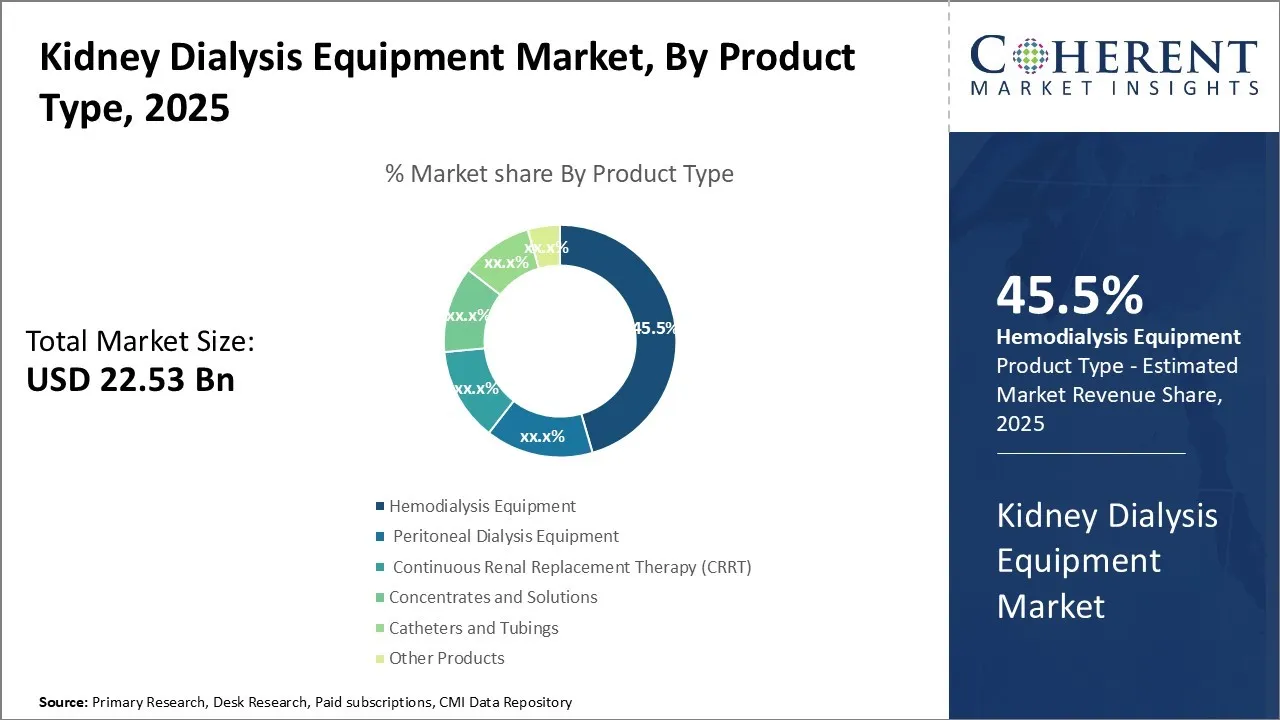
- In terms of Product Type, Hemodialysis Equipment Segment is estimated to contribute the highest market share of 46.5% in 2026. This is due to its widespread use and effectiveness.
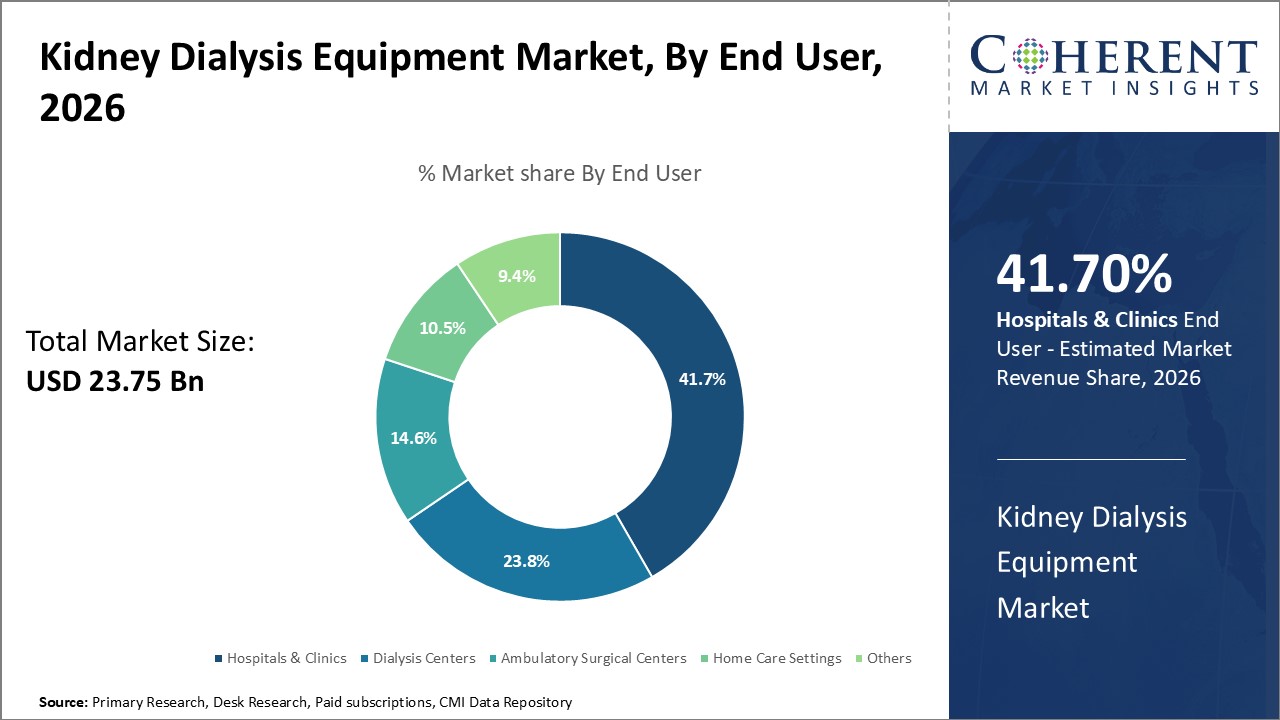
- Among the End User, Hospitals & Clinics Segment is estimated to contribute the highest market share of 41.7% in 2026. This is because Hospitals and specialized dialysis clinics have developed the expertise, infrastructure, and economies of scale to offer efficient hemodialysis treatment programs.
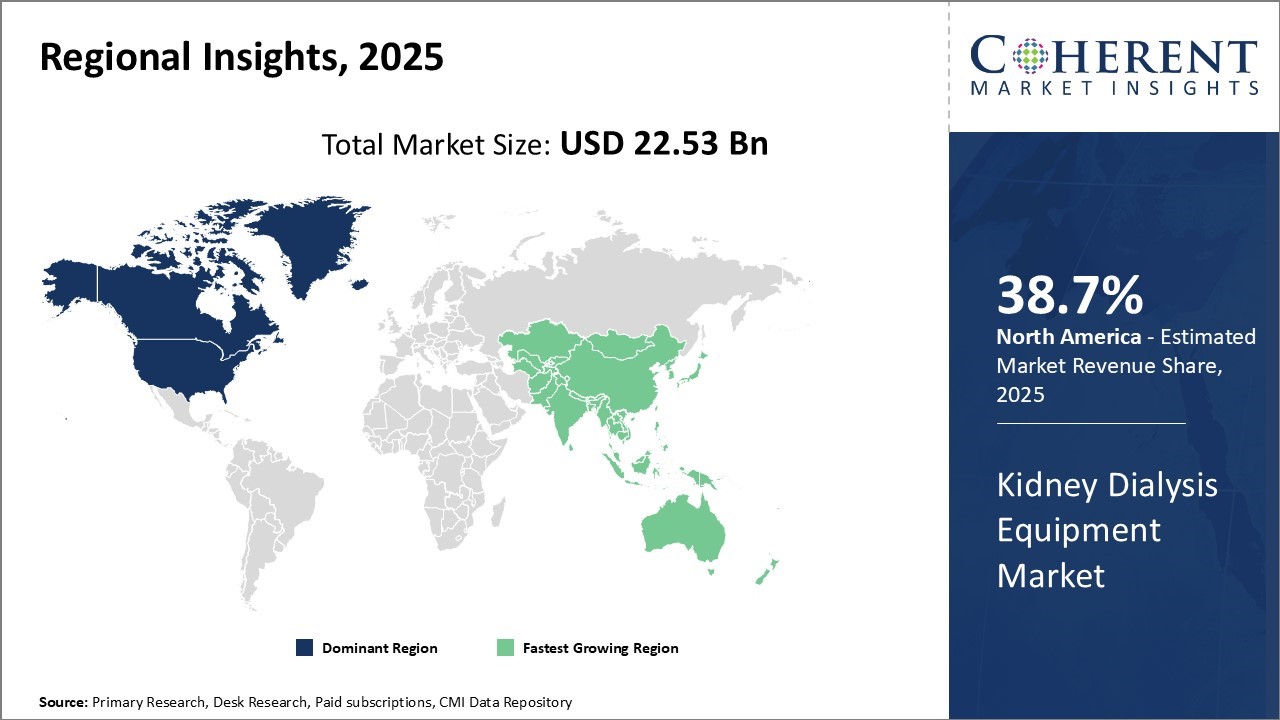
- North America dominates the global kidney dialysis equipment market with an estimated market share of 38.7% in 2026. This is because the region is home to several top pharmaceutical companies who outsource a major portion of their preclinical research activities.
Market Overview
Global kidney dialysis equipment market is expected to witness a steady growth over the forecast period, owing to increasing incidences of chronic kidney diseases. Factors such as growing geriatric population, rising cases of diabetes and hypertension, technological advancements in dialysis equipment and growing awareness about kidney disease treatment and management can boost adoption of kidney dialysis equipment. Furthermore, favorable reimbursement policies for dialysis procedures in developed nations and launch of innovative products by market players can drive the market growth over the forecast period.
Current Events and Its Impact on Dialysis Equipment Market
Current Events | Description and its impact |
Renalyx Unveils AI-Based Intelligent Hemodialysis System in India |
|
Fresenius Medical Care Initiatives U.S. Rollout of 5008X CAREsystem |
|
Pipeline Analysis
The dialysis equipment market pipeline for kidneys is evolving very rapidly, focused on technology, patient convenience, and improved clinical outcomes. One of the most important trends is wearable and portable dialysis technology, such as the Neokidney HD and AWAK PD systems, in advanced-stage clinical development. These devices aim to empower patients to receive treatment at home or while on the move, significantly enhancing quality of life and reducing the need for clinic-based therapy.
Concurrently, home hemodialysis (HHD) is becoming increasingly popular with the assistance of technology like the Quanta SC+ and more products from Fresenius and DaVita that pair compact kidney dialysis equipment with design with remote-monitoring platforms.
Artificial intelligence (AI) is increasingly being integrated into dialysis machines to enable real-time monitoring, predictive analytics, and real-time individualized adjustment of treatment. New dialyzers and consumables like high-flux membranes and advanced disinfection systems are also the focus for companies to improve treatment efficiency and safety. In addition, many new vascular access technologies such as automated fistula assist devices and antimicrobial catheters are under clinical trials to treat frequent complications in dialysis patients.
Development of implantable devices and staged implantable bioartificial kidneys is a long-term pipeline strategy to eliminate or target the requirement for conventional dialysis. These technologies, although years from commercialization, signal a direction toward more sustainable and less invasive kidney treatment. Overall, the pipeline is poised to transform dialysis delivery with a focus on mobility, customization, and disease prevention as a solution to the worldwide rise of chronic kidney disease and a growing patient population.
- Current Industry Events of 2026
- Market Size Estimation
- Regional Breakdown
- Competitive Landscape
- Customer Intelligence
- Segmental Analysis
- Pricing Analysis
- Key Market Drivers, Challenges & Future Trends
- Customized Insights Section
Patent Landscape
The patent landscape of the kidney dialysis device market is one of good health and competitiveness, driven by innovation in device miniaturization, biocompatible materials, automation, and home-based solutions. Major players such as Fresenius Medical Care, Baxter International, Nikkiso Co., Ltd., and B. Braun Melsungen possess a robust portfolio of patents that range from hemodialysis equipment, dialyzers, peritoneal dialysis devices, and advanced control algorithms.
Recent applications for new patents indicate significant emphasis on wearable and portable dialysis technology to enhance patient mobility and convenience. Companies like AWAK Technologies and Quanta Dialysis Technologies have patented the compact dialysis machines, fluid regeneration systems based on sorbents, and novel pumping technologies.
A growing percentage of patents also involve AI-enabled monitoring systems, sensor-based feedback loops, and cloud-enabled platforms facilitating remote dialysis parameter monitoring—Highlighting the direction towards intelligent dialysis settings. Additionally, patenting is increasing concerning biomaterials for the dialyzer membrane, e.g., high-flux and low-protein-binding polymers that seek to maximize filtration effectiveness and reduction of inflammation.
Geographically, the U.S. and Japan lead the pack in dialysis-related patents followed by Europe and China, with the U.S. leading the way in digital health integration and home dialysis technologies. While emerging markets are catching up their share through cost-saving innovations in devices specifically created for domestic healthcare needs.
Overall, the patent system reflects a sophisticated but evolutionary marketplace, in which innovation on personalized therapy, automation, and wearable technology are core drivers of intellectual property innovation. These technologies will revolutionize models of treatment delivery and improve patients' outcomes during the coming decade.
Market Driver
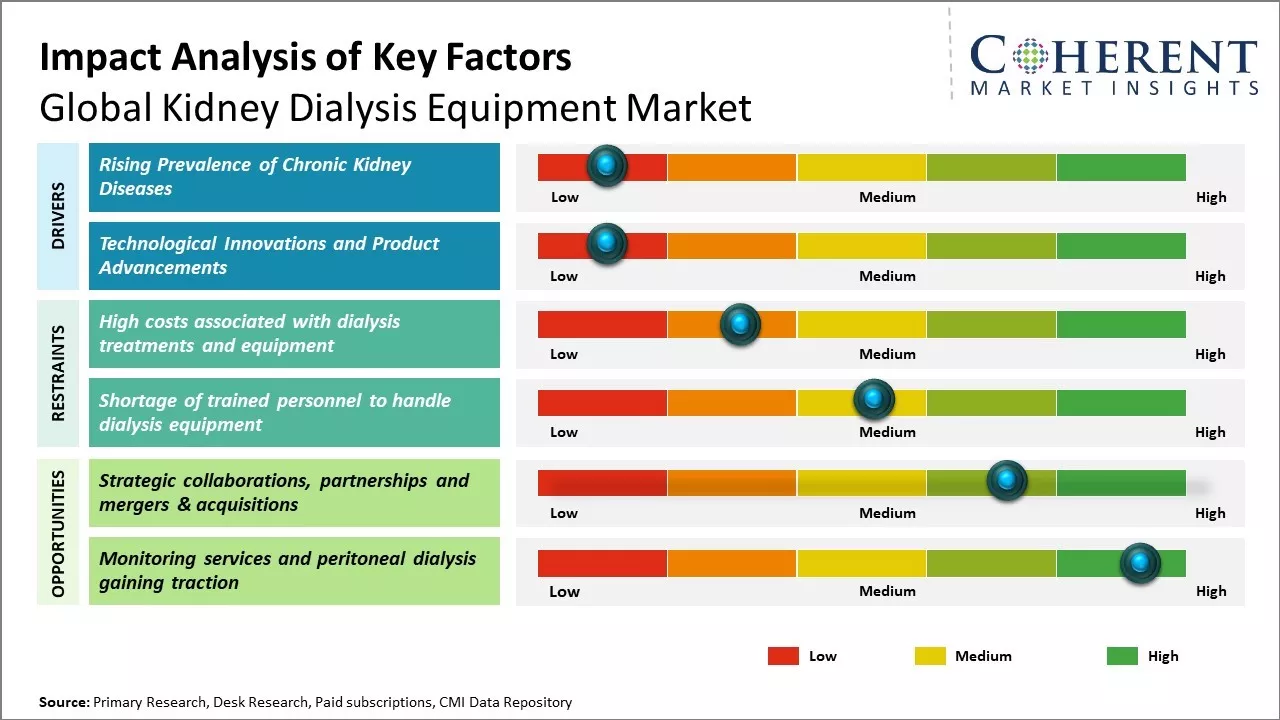
- Rising Prevalence of Chronic Kidney Diseases
Global kidney dialysis equipment market growth is driven by rising prevalence of chronic kidney diseases across the globe. Kidney diseases have become one of the major causes of mortality and poses a huge burden on healthcare systems worldwide. Various chronic conditions like diabetes, hypertension, glomerulonephritis contribute to rising incidence of kidney failure.
Moreover, growing prevalence of an unhealthy lifestyle characterized by poor diet, lack of physical exercise, rising stress levels and increased consumption of alcohol and tobacco products has further aggravated the risk of kidney ailments. Increase in risk factors is anticipated to trigger higher cases of end-stage renal disease (ESRD) that warrants renal replacement therapies like kidney dialysis, kidney transplantation for survival.
Improving access to diagnosis and availability of dialysis services in developing regions enables more patients to receive life-saving renal replacement treatments. Rising cases of chronic kidney diseases and ESRD patients depending on dialysis procedures have significantly boosted demand for kidney dialysis equipment.
In June 2025, the Rajasthan state government unveiled plans to establish 10‑bed hemodialysis centers in all 61 district hospitals, increasing capacity from 170 machines to a total of 610 units. This expansion is driven by escalating CKD and ESRD cases, especially in areas with limited access to transplantation or renal care.
- Technological Innovations and Product Advancements
Technological innovations and product advancements can drive the global kidney dialysis equipment market growth. Kidney failure patients require long-term dialysis treatment to filter waste and excess fluid from their blood, and this treatment requires advanced dialysis machines and related products.
Over the past few years, key market players have invested heavily in research and development to introduce next-generation equipment with improved functionalities. For example, major manufacturers are focusing on developing portable and home hemodialysis devices with improved usability.
These new compact systems allow patients to receive treatment outside of dialysis clinics, offering greater flexibility and improving their quality of life. Various innovations such as easy-to-use tubing and automated settings have made home hemodialysis systems patient-friendly.
Market Challenges: High costs associated with dialysis treatments and equipment
High costs associated with kidney dialysis treatments and equipment can hamper the global kidney dialysis equipment market growth. Dialysis treatment is a lifelong requirement for patients with end-stage kidney disease and puts a huge financial burden on both patients and healthcare systems.
Dialysis equipment like dialysis machines, bloodline sets, and dialyzers have high acquisition and maintenance costs. A dialysis machine can cost anywhere between US$ 25,000 to US$ 50,000 and requires periodic replacement after 5-7 years of use. Disposable kidney dialysis equipment needs to be replaced for every treatment, which is usually conducted 3 times a week. This leads to significant recurring costs. Dialysis centers require substantial infrastructure and manpower for round the clock operations, thus, increasing operational expenses.
The financial burden of dialysis falls disproportionately on low- and middle-income patients who have limited or no health insurance coverage. According to the data published by WHO, over 80% of the global dialysis patients are from low- and middle-income countries where most people cannot afford dialysis therapy through private payment. Public healthcare budgets in these countries are often not enough to provide universal access to dialysis therapy.
Market Opportunities: Strategic collaborations, partnerships and mergers & acquisitions
Strategic collaborations, partnerships and mergers & acquisitions can offer significant opportunities for global kidney dialysis equipment market growth. Rising kidney diseases and kidney failure due to increasing risk factors like diabetes, obesity, and hypertension can boost demand for effective dialysis treatment options.
However, setting up dialysis centers and expanding access to therapy requires large investments of capital and resources. By leveraging strengths and expertise through collaborations, companies in the kidney dialysis equipment market can develop and deliver more comprehensive and affordable care solutions to a greater number of patients globally.
For example, partnerships between medical device firms and dialysis service providers allow for more optimized systems that lower costs and improve outcomes. Equipment manufacturers teaming up with independent research bodies can also help in designing innovative products catered to the local needs of underserved regions.
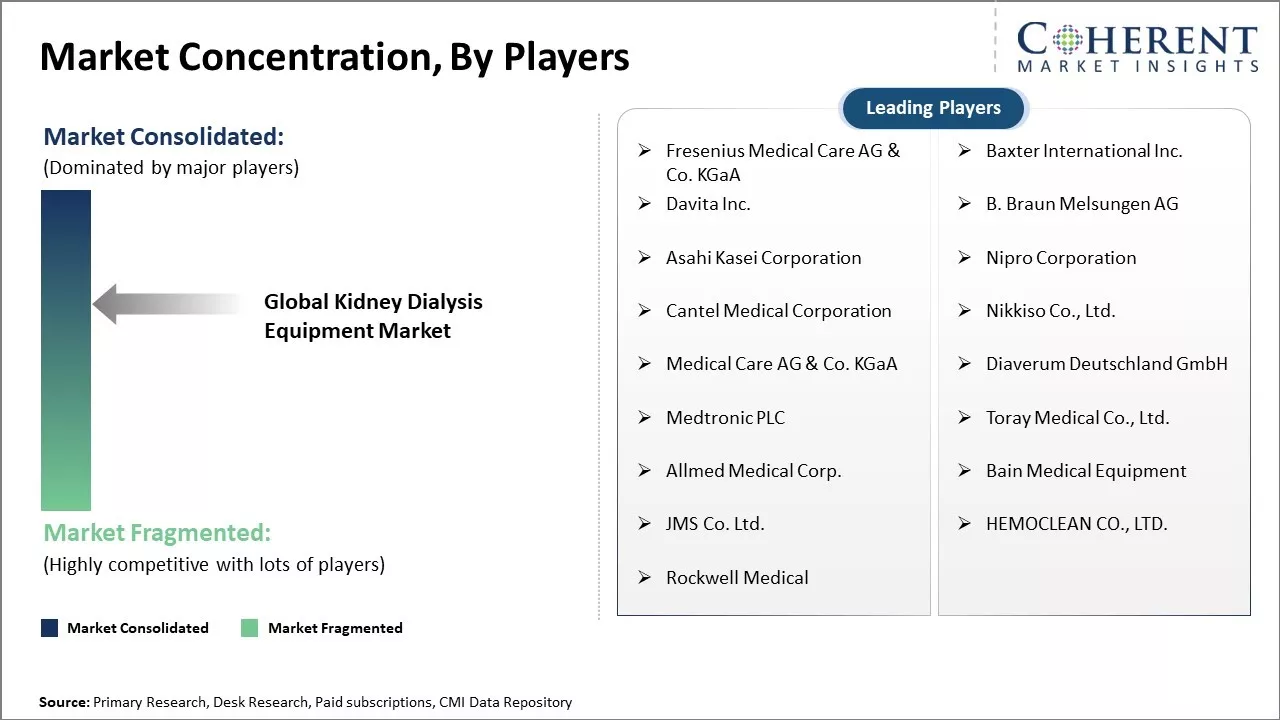
Market Concentration and Competitive Landscape
Segmental Insights
Kidney Dialysis Equipment Market Insights, By Product Type
In terms of product type, hemodialysis equipment segment is estimated to contribute the highest market share of 46.5% in 2026, owing to its widespread use and effectiveness. Hemodialysis equipment allows blood to be pumped out of the body to an artificial kidney machine for filtration before being returned, which removes toxins and extra fluids when the kidneys are unable to perform these functions naturally.
Hemodialysis treatment is the most commonly prescribed renal replacement therapy for end-stage kidney disease patients. It is often preferred over peritoneal dialysis as it is viewed as a more flexible treatment option that does not restrict lifestyle or diet. Hemodialysis can also effectively clear more waste from the blood than peritoneal dialysis, making it suitable for patients with more severe kidney failure.
Advances in hemodialysis equipment technology have also improved treatment outcomes and quality of life for patients. Growing prevalence of chronic kidney disease and end-stage renal disease boosts demand for hemodialysis equipment.
Kidney Dialysis Equipment Market Insights, By End User
Among the end user, hospitals & clinics segment is estimated to contribute the highest market share of 41.7% in 2026. Most patients rely on hospital- or clinic-based outpatient hemodialysis to manage their kidney disease.
Hospitals and specialized dialysis clinics have developed the expertise, infrastructure, and economies of scale to offer efficient hemodialysis treatment programs. The large patient volumes support the high capital investments in advanced dialysis machines, water purification systems, and other equipment needed. Specialized renal teams in these facilities also help ensure optimal clinical outcomes.
In many countries, hospitals and public health systems play a major role in financing and providing dialysis access. This public funding addresses the high treatment costs of kidney replacement therapy that would otherwise limit access. Even as home dialysis and dialysis centers have expanded, facilities remain integral to kidney care through inpatient dialysis and as referral centers for complex patients.
Global Kidney Dialysis Equipment Market - Regional Insights
North America Kidney Dialysis Equipment Market Analysis and Trends
North America dominates the global kidney dialysis equipment market with an estimated market share of 38.7% in 2026. This region is home to several top pharmaceutical companies who outsource a major portion of their preclinical research activities. With strong presence of CROs catering to the life sciences industry and high investments in R&D, North America provides ideal conditions for the market growth.
The region also has stringent regulations for product testing and development which boosts demand for specialized preclinical services. Several global players have established their headquarters and major facilities in the U.S. and Canada to leverage the skilled workforce and expertise available. This has ensured that North America remains the primary export and import hub for kidney dialysis equipment internationally.
Asia Pacific Kidney Dialysis Equipment Market Analysis and Trends
Asia Pacific region is poised to be the fastest growing market in the near future. Countries like China, India, and South Korea offer lower operational costs as compared to mature markets, attracting several pharmaceutical giants to outsource their preclinical work to Asia Pacific. This has encouraged local and international CROs to expand their footprint in the region to capture a share of the outsourced business.
The economic development of Asia Pacific countries has also led to greater healthcare investments and a focus on developing domestic life sciences capabilities. This boosts demand for specialized in vivo services to support drug development programs within the region. With growing expertise, a large talent pool and proximity to resource-rich nations, Asia pacific is well positioned to take over as the dominant outsourcing destination for global kidney dialysis equipment requirements.
Kidney Dialysis Equipment Market Dominating Countries
United States Kidney Dialysis Equipment Market Analysis and Trend
The United States has the kidney dialysis equipment market in its control due to its large numbers of chronic kidney disease (CKD), superior healthcare infrastructure, and prevalent use of home dialysis technology. The supportive reimbursement policy and leadership by major players like Fresenius Medical Care and Baxter guarantee consistent innovation and growth.
Germany Kidney Dialysis Equipment Market Analysis and Trend
Germany dominates the European market, boosted by high healthcare spending, early adoption of sophisticated dialysis machines, and publicly funded nephrology programs. It is also a site of prime manufacture and R&D for advanced hemodialysis units and high-performance dialyzers.
Japan Kidney Dialysis Equipment Market Analysis and Trend
Japan has the world's highest per-capita number of dialysis patients, who prefer in-center hemodialysis. Japan's concern for quality and precision engineering, along with regard for patient safety, has driven the adoption of higher-technology dialysis machines, particularly from local vendors like Nikkiso and Toray Medical.
China Kidney Dialysis Equipment Market Analysis and Trend
China is expanding its dialysis centers at a rapid rate in response to rising complications of diabetes and CKD. Government initiatives towards improving access to renal care, bolstered by growing investment in indigenous production and overseas technologies, are driving market expansion across urban and rural settings.
Market Report Scope
Kidney Dialysis Equipment Market Report Coverage
| Report Coverage | Details | ||
|---|---|---|---|
| Base Year: | 2025 | Market Size in 2026: | USD 23.75 Bn |
| Historical Data for: | 2020 To 2024 | Forecast Period: | 2026 To 2033 |
| Forecast Period 2026 to 2033 CAGR: | 5.4% | 2033 Value Projection: | USD 34.32 Bn |
| Geographies covered: |
| ||
| Segments covered: |
| ||
| Companies covered: | Fresenius Medical Care AG & Co. KGaA, Baxter International Inc., Davita Inc., B. Braun Melsungen AG, Asahi Kasei Corporation, Nipro Corporation, Cantel Medical Corporation, Nikkiso Co., Ltd., Medical Care AG & Co. KGaA, Diaverum Deutschland GmbH, Medtronic PLC, Toray Medical Co., Ltd., Allmed Medical Corp., Bain Medical Equipment, JMS Co. Ltd., HEMOCLEAN CO., LTD., Rockwell Medical | ||
| Growth Drivers: |
| ||
| Restraints & Challenges: |
| ||
Recent Development
- In 2025, Fresenius started the U.S. launch of its 5008X CAREsystem, a next-generation dialysis machine to facilitate high-volume hemodiafiltration (HVHDF), after clearance from the FDA. The system enhances toxin removal effectiveness and patient outcomes, representing a significant breakthrough in advanced dialysis therapy.
- In 2025, Indian entrepreneur Renalyx debuted the RxT-21, the first AI-driven, cloud-enabled hemodialysis machine made in the country, specifically built for affordability and rural reach. The machine features telemetry, EMR connectivity, and remote diagnostic capabilities, aligning with India's efforts towards decentralized and smart dialysis treatment.
Key Takeaways from Analyst
- The global kidney dialysis equipment market growth is driven by the rising prevalence of chronic kidney diseases and end-stage renal diseases. The increasing geriatric population, who are more prone to developing kidney problems, can also boost demand for dialysis equipment and services. Moreover, the large pool of baby boomers entering their retirement years can further drive market growth. In particular, the dual-pump kidney dialysis equipment market is witnessing increased interest due to its enhanced efficiency, reliability, and ability to support advanced treatment modalities for aging patients.
- High costs associated with dialysis treatment and equipment can hamper the market growth. Dialysis procedures and equipment are significantly expensive that can limit its widespread adoption, especially in developing regions with budget constraints. Reimbursement policies also vary largely across countries, thus, posing reimbursement challenges.
- North America dominates the global dialysis equipment market, owing to advanced healthcare infrastructure and increasing healthcare spending. Factors such as rising healthcare awareness and disposable incomes can also drive the market growth in the region. Asia Pacific region is expected to witness the fastest growth over the forecast period due to improving access to healthcare facilities, growing medical tourism, and rising focus of leading global players on expanding in emerging Asian countries.
Market Segmentation
- Product Type Insights (Revenue, USD Bn, 2021 - 2033)
- Hemodialysis Equipment
- Peritoneal Dialysis Equipment
- Continuous Renal Replacement Therapy (CRRT)
- Concentrates and Solutions
- Catheters and Tubings
- Other Products
- End User Insights (Revenue, USD Bn, 2021 - 2033)
- Hospitals & Clinics
- Dialysis Centers
- Ambulatory Surgical Centers
- Home Care Settings
- Others
- Regional Insights (Revenue, USD Bn, 2021 - 2033)
- North America
- U.S.
- Canada
- Latin America
- Brazil
- Argentina
- Mexico
- Rest of Latin America
- Europe
- Germany
- U.K.
- Spain
- France
- Italy
- Russia
- Rest of Europe
- Asia Pacific
- China
- India
- Japan
- Australia
- South Korea
- ASEAN
- Rest of Asia Pacific
- Middle East
- GCC Countries
- Israel
- Rest of Middle East
- Africa
- South Africa
- North Africa
- Central Africa
- North America
Sources
Primary Research Interviews
- Dialysis Equipment Manufacturers and Suppliers
- Healthcare Technology Executives
- Nephrologists and Dialysis Center Directors
- Healthcare IT Solution Providers
- Others
Databases
- Healthcare Market Research Database (HMR)
- Medical Device Industry Database (MDID)
- Global Healthcare Technology Database (GHTD)
- Nephrology Equipment Market Database (NEMD)
- Others
Magazines
- Nephrology News & Issues
- Medical Device & Diagnostic Industry (MD+DI)
- Healthcare Technology Report
- Dialysis & Transplantation Magazine
- Others
Journals
- American Journal of Kidney Diseases
- Nephrology Dialysis Transplantation
- Clinical Journal of the American Society of Nephrology
- Others
Newspapers
- Healthcare Finance News
- Modern Healthcare
- Medical Device Network
- Healthcare IT News
- Others
Associations
- International Society of Nephrology (ISN)
- American Society of Nephrology (ASN)
- European Dialysis and Transplant Association (EDTA)
- National Kidney Foundation (NKF)
- Others
Public Domain Sources
- FDA Medical Device Database
- World Health Organization (WHO) Reports
- Centers for Medicare & Medicaid Services (CMS)
- European Medicines Agency (EMA)
- Others
Proprietary Elements
- CMI Data Analytics Tool
- Proprietary CMI Existing Repository of information for last 8 years
Get access to 250+ pages report
Every segment, forecast, competitor profile and data table behind the analysis above — available for instant download.
- ESOMAR Member
- ISO 9001:2015 Certified
- D-U-N-S Registered
- GDPR & CCPA Compliant
Missing comfort of reading report in your local language? Find your preferred language:
Transform your Strategy with Exclusive Trending Reports
Frequently Asked Questions
The Kidney Dialysis Equipment Market size is estimated to be valued at USD 23.75 Bn in 2026, and is expected to reach USD 34.32 Bn by 2033.
The CAGR of the global Market is projected to be 5% from 2026 to 2033.
Increasing prevalence of chronic kidney diseases is one of the major factors that is expected to propel growth of the market over the forecast period.
Among regions, North America is expected to hold dominant position in the global kidney dialysis equipment market over the forecast period.
Major players operating in the global kidney dialysis equipment market include Fresenius Medical Care AG & Co, Baxter International, Inc., Nipro Corporation, B. Braun Melsungen AG, Nikkiso Co, Ltd., Asahi Kasei Corporation, NxStage Medical, Inc., Guangdong Biolight Meditech Co., Ltd, Dialife SA, and DaVita Inc.
Regulatory hurdles and lengthy approval processes delay new product launches by extending time-to-market and increasing development costs.
The average lifespan of a dialysis machine in a clinical setting is typically 8 to 10 years.