Laparoscopic Devices Market Analysis & Forecast: 2026-2033

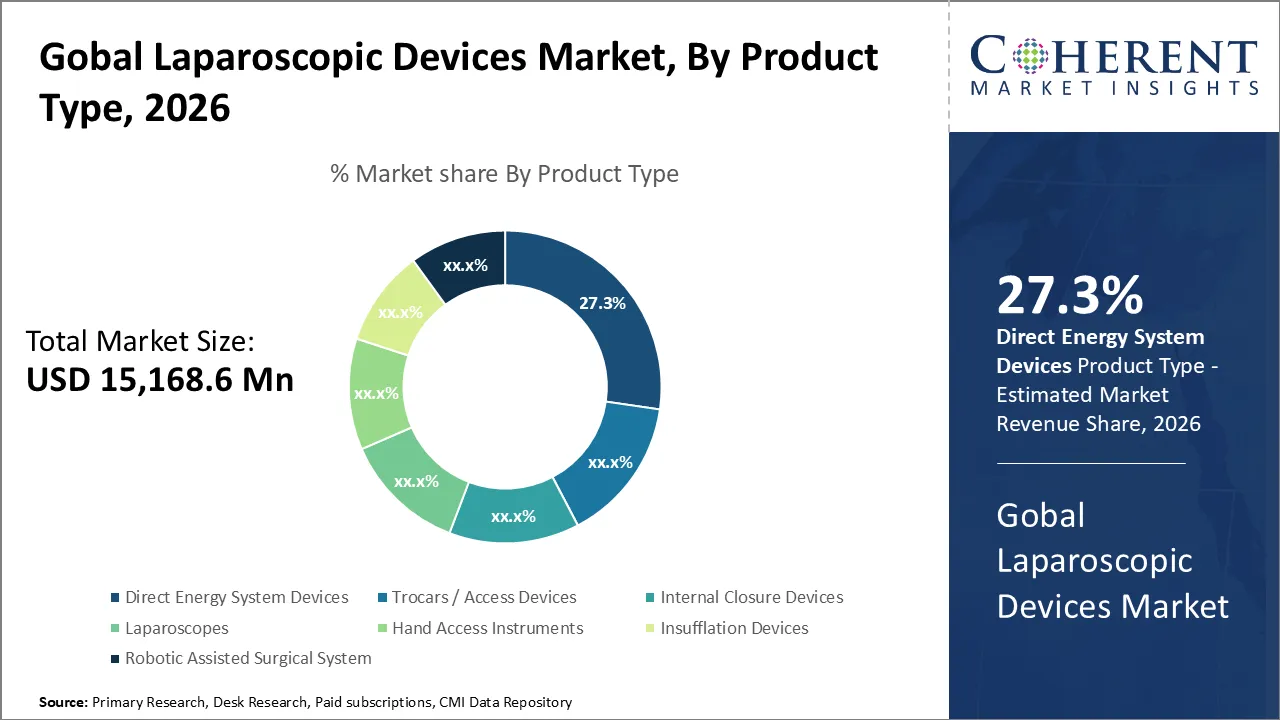
Laparoscopic devices market is estimated to be valued at USD 15,168.6 Mn in 2026 and is expected to reach USD 22,894.1 Mn in 2033, exhibiting a compound annual growth rate (CAGR) of 6.1% from 2026 to 2033.
Laparoscopic devices are equipped with small two-dimensional camera with a source of light in it. Laparoscopy is a minimally-invasive surgical technique that requires far smaller incisions than regular surgery which leads to less pain, fast recovery time and less blood loss. The reprocessing of laparoscopic devices needs specialized training and equipment. The camera attached to laparoscopic devices enables surgeons to operate special laparoscopic devices to the target area and carry out the surgery. This technique is mainly preferred for carrying out surgeries related to the pancreas, liver, colon and bile duct. Demand for laparoscopic devices has increased significantly, due to advancement in technology in energy devices, laparoscopes, and robot assisted systems.
|
Current Event |
Description and its Impact |
|
AI and Robotics Integration in Minimally Invasive Surgery |
|
|
China's Medical Device Regulatory Reforms and Market Access Changes |
|
Uncover macros and micros vetted on 75+ parameters: Get instant access to report
|
Aspect |
Details |
Implications |
|
Surgical Demand |
Over 13 million laparoscopic procedures are performed annually worldwide. |
High global demand, with bariatric and gynecological surgeries leading the trend. |
|
Cost Efficiency |
Laparoscopic procedures reduce hospital stays by 30–40%. |
Significant reduction in overall healthcare costs due to shorter recovery times. |
|
Technology Adoption |
By 2030, robotic-assisted laparoscopy is expected to account for 15–20%. |
Growing integration of advanced robotics, improving precision and patient outcomes. |
Uncover macros and micros vetted on 75+ parameters: Get instant access to report
In terms of product type, the direct energy system devices segment is expected to hold 27.3% share of the market in 2026, as they are necessary for laparoscopic surgeries. They enable precise cutting, coagulate, and dissect tissue with great accuracy, which cuts down on blood loss and surgery time. Electrosurgical and ultrasonic technologies are the most widely used type of product in many therapeutic settings since their features are always getting better, which makes them safer and more effective.
For instance, in October 2025, Olympus released THUNDERBEAT II, a new type of hybrid energy device that uses both ultrasonic and bipolar technologies. It improves the efficiency of cutting and coagulation and is made for precision and versatility in minimally invasive surgeries.
In terms of therapeutic application, the general surgery segment is expected to lead the market with 31.4% share in 2026, driven by high procedure volume, like appendectomies, cholecystectomies, and hernia repairs. Laparoscopic devices are always in demand as these surgeries are performed on a large scale all over the world. General surgery will bring in the greatest profits in 2026 since it can be used on a wide range of patients.
For instance, in March 2025, The NMPA in China approved the MicroPort MedBot's Toumai SP laparoscopic surgical robot, which makes advanced minimally invasive procedures available to more people. It is precise and flexible, and it can handle a lot of general surgeries, like appendectomies and hernia repairs.
In terms of end user, the hospitals segment is projected to account the largest share of the market in 2026, because they have advanced infrastructure, skilled surgeons, and robotic-assisted systems. They conduct most of the laparoscopic surgeries in all specialties, which keeps the number of patients high. Hospitals are the main source of income in this market since they can use the latest technologies and offer full care.
For instance, in January 2025, Command Hospital performed the first laparoscopic surgery with VR support in AFMS. This was a big step forward for minimally invasive care in hospitals. Combining virtual reality with laparoscopic tools makes surgery more accurate, helps with training, and improves patient outcomes.

To learn more about this report, Download Free Sample
North America is expected to lead the laparoscopic devices market with 34.5% share in 2026, due to better healthcare infrastructure, a growing number of minimally invasive surgeries, rising rates of obesity and gastrointestinal disorders, and policies that support reimbursement. The presence of top medical device makers and the quick adoption of robotic-assisted systems are other factors that help the region stay on top and keep growing.
For instance, in June 2025, the Ethicon 4000 stapler from Johnson & Johnson has better accuracy and the safest staple line for procedures that do not require significant amounts of cutting. It makes laparoscopic surgery better by making internal closure devices stronger.
Asia Pacific is expected to exhibit the fastest growth, due to healthcare spending is rising, the number of patients is growing, and obesity and gastrointestinal disorders are becoming more widespread. Strong regional growth and market demand are driven by better access to minimally invasive surgeries, quick adoption of new technologies, and better surgical infrastructure in emerging economies.
For instance, in September 2025, Max Healthcare and Medtronic worked together to open a cutting-edge surgical skills lab at Max Hospital in Saket. The lab improves surgeon training and patient care by focusing on improving minimally invasive techniques, such as laparoscopic procedures.
The U.S. laparoscopic devices market is going to expand in 2026 as more people want minimally invasive surgeries, the healthcare system is getting better, and robotic-assisted systems are becoming more popular. The rise in obesity, cancer, and gastrointestinal disorders, along with good reimbursement policies and the presence of major manufacturers, is driving significant market growth across the country.
For instance, in December 2025, The FDA has approved Medtronic's Hugo™ robotic-assisted surgery system for use in urologic procedures in the United States. This milestone expands more options for minimally invasive surgery, which improves accuracy and patient outcomes.
In 2026, China's laparoscopic devices market is projected to expand due to additional funding is being utilized for healthcare, hospitals infrastructure, and growing adoption of minimally invasive surgeries. Increasing numbers of individuals are getting obesity, cancer, and gastrointestinal disorders. The government supports advanced medical technologies, and medical tourism is on the rise. All of these things are driving strong demand and fast market growth.
For instance, in March 2025, At the Society of Robotic Surgery 2023, Ronovo Surgical, which is based in Shanghai, launched its Carina modular robotic platform for laparoscopy. Carina provides customizable robotic help for minimally invasive surgeries with the goal of improving accuracy, flexibility, and accessibility in surgery.
| Report Coverage | Details | ||
|---|---|---|---|
| Base Year: | 2025 | Market Size in 2026: | USD 15,168.6 Mn |
| Historical Data for: | 2020 To 2024 | Forecast Period: | 2026 To 2033 |
| Forecast Period 2026 to 2033 CAGR: | 6.1% | 2033 Value Projection: | USD 22,894.1 Mn |
| Geographies covered: |
|
||
| Segments covered: |
|
||
| Companies covered: |
Olympus Corporation, B. Braun Melsungen AG, Intuitive Surgical Inc., Medtronic plc., Stryker Corporation, Smith & Nephew Plc., CareFusion Corporation, Johnson & Johnson (Ethicon), KARL STORZ GmbH & Co. KG, Richard Wolf GmbH, Endocontrol SA, Gordian Surgical Ltd., 270Surgical, and Tekno-Medical Optik Surgery GmbH |
||
| Growth Drivers: |
|
||
| Restraints & Challenges: |
|
||
Uncover macros and micros vetted on 75+ parameters: Get instant access to report
Patients are choosing minimally invasive surgeries increasingly because they reduce pain, minimal scarring, and faster recovery than traditional open surgeries. Hospitals like shorter stays, save expenditures and make things run more smoothly. Surgeons favor laparoscopy for its precise and fewer problems. This growing acceptance across specialties is significantly boosting the Laparoscopic Devices Market demand, as healthcare systems around the world are focusing on patient-centered approaches and cost-effective surgical solutions that improve overall outcomes.
Laparoscopic devices that use energy, like electrosurgical and ultrasonic systems, are now standard tools in modern operating rooms. These tools allow precise tissue cutting and coagulation, which cuts down on blood loss and makes surgery safer. Energy systems make up almost 27.3% of the laparoscopic devices market share as they can be used for a wide range of procedures. Surgeons can achieve better control, efficiency, and patient outcomes through ongoing improvements in energy delivery technologies. This makes them a key part of minimally invasive surgical practices around the world.
AI-driven surgical navigation and robotic-assisted laparoscopic systems are changing the way minimally invasive procedures are completed. These technologies make things more accurate, lower the chance of human error, and give surgeons real-time help during complicated surgeries. AI algorithms can analyze at patient data and make surgical paths better, while robots make it easier to move and control. The Laparoscopic Devices Market forecast anticipates strong growth as more hospitals adopt these new technologies. Robotics and AI integration are expected to become a defining trend in next-generation surgical practices around the world.
The laparoscopic devices market is growing quickly as numerous individuals prefer minimally invasive surgery and technology keeps getting better. Market estimates indicate that this sector will be worth several billion dollars by 2025. Predictions show that it will keep growing tremendously until the early to mid-2030s, due to more people getting laparoscopic surgeries and better clinical outcomes.
Product segmentation shows that visualization tools like laparoscopes are still used extensively, which shows the significance of high-definition imaging is in laparoscopic surgeries. Energy systems, such as advanced bipolar and ultrasonic sealing devices, are also significant since they help with tissue dissection and hemostasis in many types of surgery. Robotic-assisted platforms are becoming more popular, especially in places where accuracy and comfort are important. Ambulatory surgical centers are becoming important end-users along with traditional hospital settings.
Geographic trends suggest that North America will continue to lead, owing to its well-established surgical infrastructure, high adoption rates of advanced systems, and high healthcare spending. The Asia-Pacific markets are growing faster than other areas owing to more surgical capacity, more money spent on healthcare, and more procedures being done.
In general, the laparoscopic devices market is moving toward more advanced, multi-functional solutions. New imaging, energy delivery, and robotic assistance technologies are making the market more competitive and opening up new clinical uses.
Share
Share
About Author
Manisha Vibhute is a consultant with over 5 years of experience in market research and consulting. With a strong understanding of market dynamics, Manisha assists clients in developing effective market access strategies. She helps medical device companies navigate pricing, reimbursement, and regulatory pathways to ensure successful product launches.
Missing comfort of reading report in your local language? Find your preferred language :
Transform your Strategy with Exclusive Trending Reports :
Frequently Asked Questions
Joining thousands of companies around the world committed to making the Excellent Business Solutions.
View All Our Clients
 Schedule a meeting with report Author