

Sourdough Market Analysis & Forecast
The Sourdough Market size is estimated to be valued at USD 2.98 Bn in 2026 and is expected to reach USD 5.52 Bn by 2033, exhibiting a compound annual growth rate (CAGR) of 9.2% from 2026 to 2033.
Key Takeaways
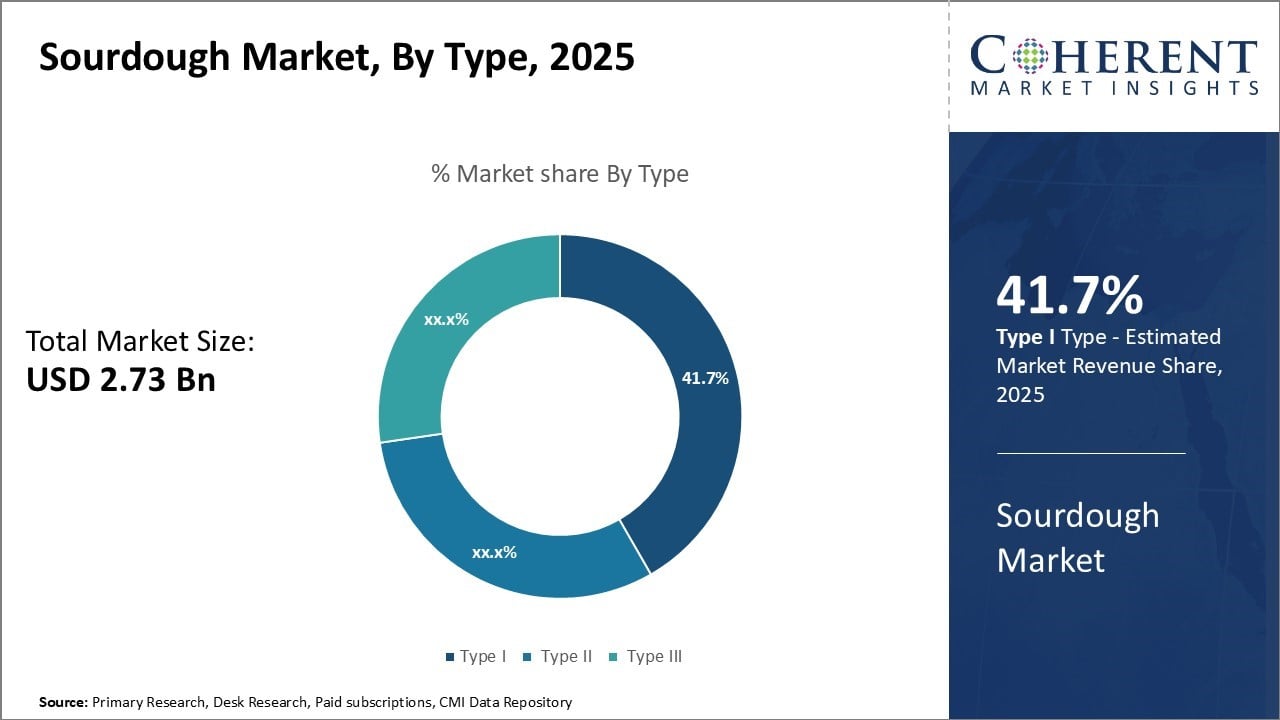
- By Type, Type I sourdough category is expected to dominate the global sourdough market in 2026, holding approximately 42.7% share, owing to its traditional fermentation process and widespread use in artisanal and commercial baking.
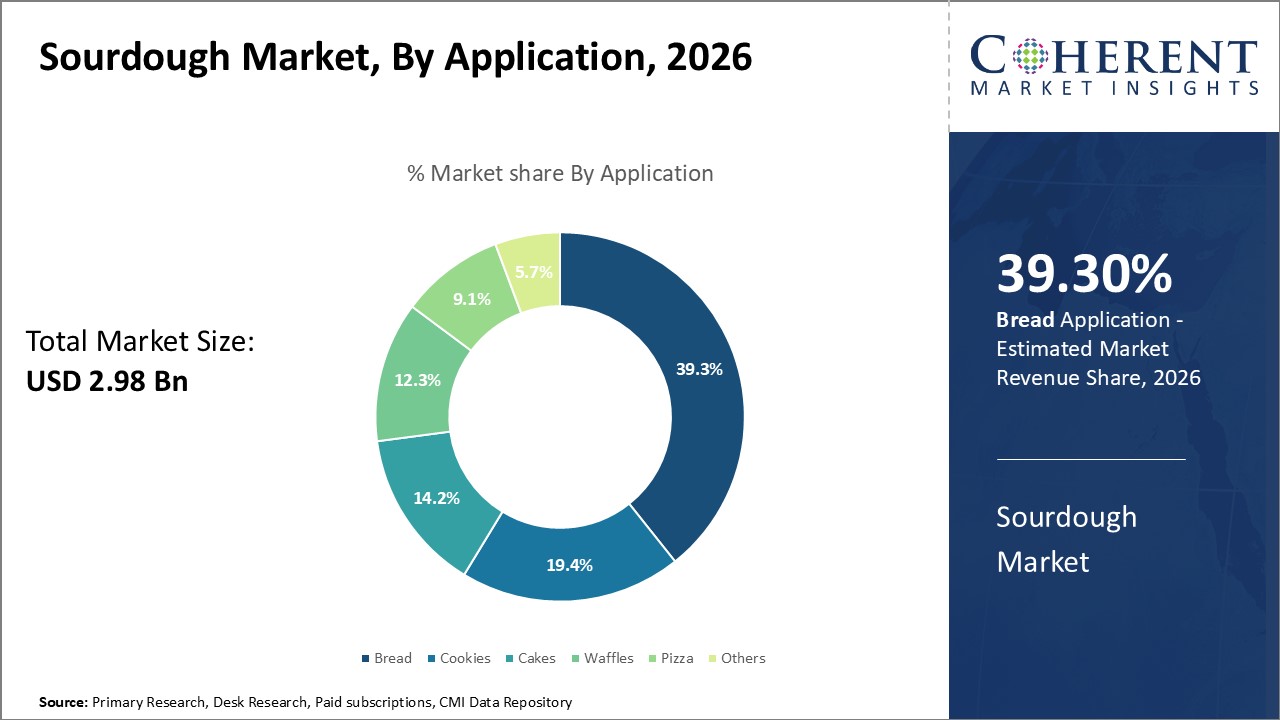
- By Application, bread is projected to capture the largest share of the sourdough market at 39.3% in 2026, driven by growing consumer demand for healthier, naturally fermented bakery products.
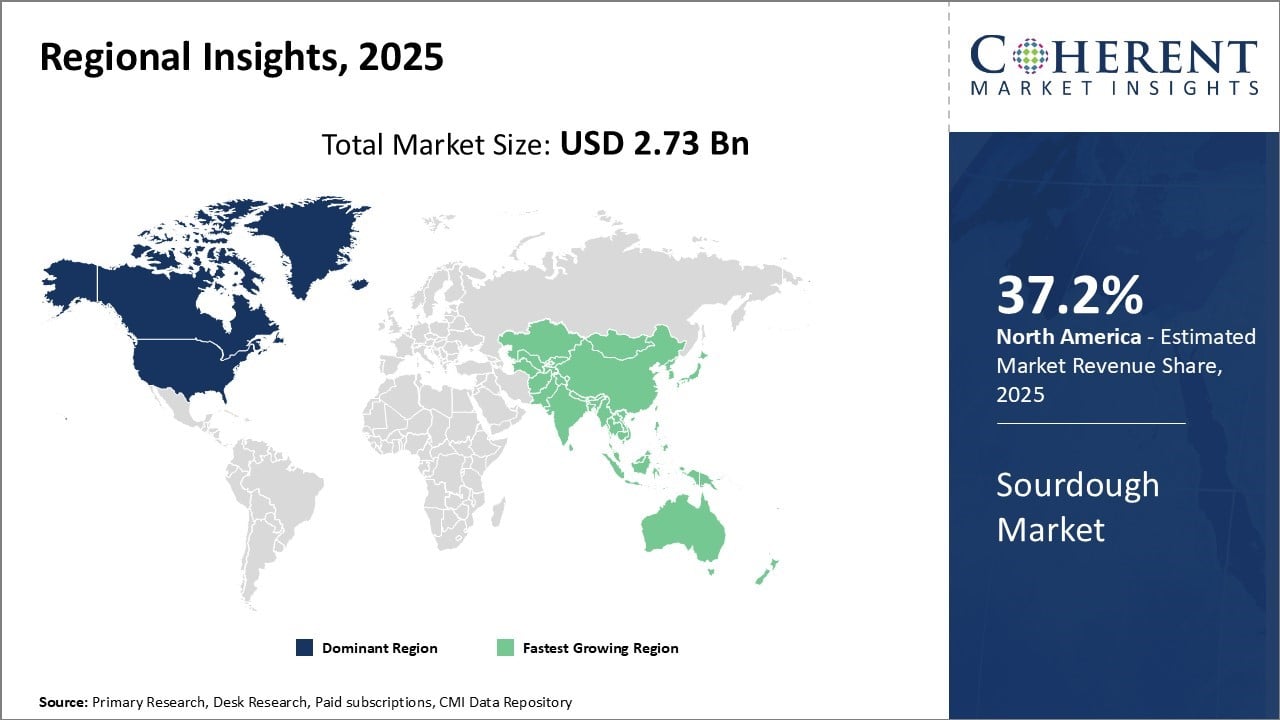
- By Region, North America is set to lead the global sourdough market with an estimated 37.2% share in 2026, supported by established baking culture, strong presence of artisanal bakeries, and rising interest in clean-label and gluten-free products.
Market Overview
An increasing number of health-conscious consumers and rising demand for bread with lower glycemic index are driving the demand for Sourdough with multigrain bread. The sourdough market is witnessing positive trends with growing consumer preference for nutritious and healthy food products. Rising awareness about the various health benefits of sourdough such as easy digestibility, higher nutritional value, and probiotic qualities is further fueling the consumption of sourdough bread and bakery products. The market is expected to grow steadily during the forecast period supported by the increasing demand from developed markets in North America and Europe.
Current Events and Its Impact on the Sourdough Market
Event | Description and Impact |
Geopolitical and Environmental Disruptions in Wheat Supply Chains |
|
Macroeconomic and Regulatory Shifts |
|
Consumer Trend Evolution |
|
Pricing Analysis
Like many other products, the global sourdough market has different segments divided by price range, type, region, and distribution pathways. North America’s artisanal sourdough brands sit between 4.50 and 8.00. Mass-market brands go for 2.50 to 4.00. Sourdough starters cost around 8.95 with baking mixes priced less than 5 dollars. In the Europe region, UK topped the list with artisanal sourdough priced between £3.50 and £6.00. With mass market options starting at £1.50. Germany boasts more affordable sourdough prices, especially in discount retail with the price sitting at €1.80.
France prices specialty sourdough at €4.00 and €7.00. Moving towards Asia, Australia shows artisanal premium demand by pricing loaves at AUD $5.50 to $9.00. Supermarket priced brands go for AUD $4.00 to $7.00. In all regions, brand value, local context, and craftsman quality shape pricing. Gluten-free and specialty variants often cost 15-40% more due to positioning and costs of ingredients.
- Current Industry Events of 2026
- Market Size Estimation
- Regional Breakdown
- Competitive Landscape
- Customer Intelligence
- Segmental Analysis
- Pricing Analysis
- Key Market Drivers, Challenges & Future Trends
- Customized Insights Section
Growing Demand for Gluten-Free Sourdough
Increasing consumer awareness regarding gluten-related intolerance or health issues is augmenting the demand for gluten-free sourdough. This trend is also fueled by the movement toward clean-label and gut-friendly bakery products. With the increase of celiac disease and non-celiac gluten sensitivity in people, gluten-free products are rapidly penetrating both specialty and mainstream bakery lines. The sourdough gluten breakdown difference occurs via fermentation, which braids digestibility-enhancing culinary magic to flavor and texture refinement—the most daunting tasks in gluten-free baking.
To this end, manufacturers are utilizing advanced fermentation methods to mimic the elasticity and taste of traditional wheat-based sourdough with gluten-free counterparts such as sorghum, buckwheat, rice, and quinoa. Artisanal bakeries and retailers are broadening their offerings of gluten-free sourdough while foodservice chains are adding gluten-free sourdough sandwiches and toasts to their menus. The segment commands a price premium of 20-40% which, along with growing demand for functional allergen-free products, is justified by higher production costs. Thus, gluten-free sourdough is transforming from a niche dietary need into a mainstream market opportunity, especially in North America, Western Europe, and urban centers in the Asia Pacific.
Market Concentration and Competitive Landscape

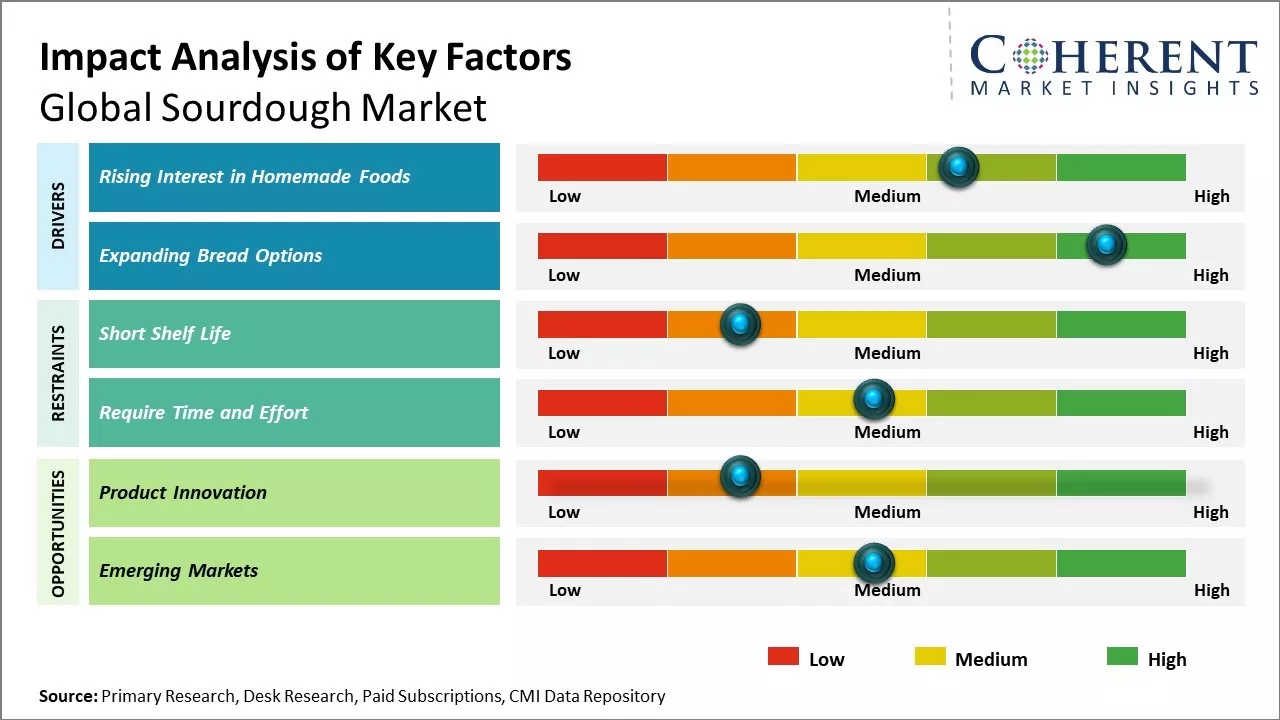
Rising Interest in Homemade Foods
Consumers are preparing fresh and homemade meals with greater frequency as opposed to ordering food from restaurants or buying prepackaged meals. During the pandemic, many people were compelled to explore their kitchens since dining out was not an option. Sourdough bread baking surged in popularity as it provided an interesting challenge for home bakers to nurture and take care of their starter during multiple feedings and bakes.
For many, home baking provided a creative outlet, a comforting hobby, and a way to cope with the stress of lockdowns. Having success with their first loaves motivated people to try perfecting their skills and make different variations of bread. The sense of delight derived from eating a loaf made from scratch was far greater than eating store-bought bread. This trend is likely to persist in the foreseeable future as home bakers have come to appreciate the artisanal taste homemade bread has over mass-produced varieties.
Expanding Bread Options
While many consumers still prefer standard white sandwich bread for convenience, numerous people seek out specialty breads to mix up their meals or pair with charcuterie boards and cheeses. Artisanal bakeries and supermarkets have responded by expanding their selections to include breads made with unusual grains, seeds, or added mix-ins.
Sourdough offers an appealing option due to its tangy and complex taste profile compared to quicker yeast breads. Bakeries can produce unique loaves by varying the type of flour, length of fermentation, or additions blended into the dough like olives, herbs, or nuts.
As demand increases, even more experimental breads will emerge. Home bakers especially relish the creativity of sourdough to invent new flavors. Its versatility makes it suitable for any meal from breakfast toast to burger buns. As consumers continue embracing diverse breads, sourdough ensures bakeries and home bakers have room for ongoing product development.
Market Opportunities: Product Innovation
There are many unexplored opportunities in the global market through the use of innovation in sourdough. Traditionally uses only as a base in bread making, companies are now looking into new product forms and creative taste innovations involving sourdough. Healthier baked goods containing sourdough have witnessed sharper growth in demand during and after the Covid-19 pandemic.
Offering newer product lines such as sourdough pizza bases, cookies, crackers, and pastries will enable companies to capture newer consumer segments while diversifying their product range. There are opportunities for some companies to differentiate their sourdough products by using different grains, seeds, and other spices. For instance, some companies make sourdough breads and rolls gluten-free using sorghum, millet, and buckwheat.
These innovations meet the increasing demand for gluten-free and allergen-friendly products. Also, nutricosmetic lines derived from sourdough enriched with nuts, dried fruits, and spices enable the exploration of regional and global tastes.
Segmental Insights
Sourdough Market Insights, By Type
In terms of Type, Type I is expected to contribute the highest share of the market with 42.7% share in 2026. Type I sourdough is the traditional, classic style that uses a natural leaven or starter along with flour and water. This allows beneficial lactobacilli and yeasts to ferment the dough slowly over a period of 12-48 hours. This long fermentation process develops complex flavors and heights as the natural acids in the dough break down wheat proteins and starches.
As a result, Type I sourdough has a signature tart and subtly sweet taste that consumers associate with artisanal bread. This traditional flavor profile appeals greatly to health-conscious consumers who see sourdough as a more nutritious choice compared to other breads. Type I contains higher levels of beneficial probiotics due to the long fermentation.
Additionally, the natural fermentation process breaks down gluten to make it more digestible. This addresses the needs of consumers with gluten sensitivity or intolerance. Type I sourdough also performs well among younger demographic segments that value artisanal, craft products made through time-honored methods. Its vintage image fits well within the farm-to-table and eco-friendly lifestyles that many younger consumers aspire to.
Artisan bakeries specializing in Type I sourdough breads have seen increasing demand as these consumers seek out high-quality, natural ingredients. Overall, Type I's traditional craftsmanship and signature flavor will continue attracting the greatest demand within the sourdough market. Its strong heritage, perceived nutrition benefits, and appeal to health and lifestyle trends give it an advantage over other sourdough types. Bakers are also innovating new Type I products like pizza, baguettes, and flavored variations to further stimulate interest.
Sourdough Market Insights, By Application
In terms of Application, Bread is expected to claim 39.3% of the market share in 2026 due to its ubiquity in global cuisines and diets. Sourdough bread is popular in sandwiches, toast, and other savory applications worldwide. Its signature tangy and complex flavor profile enhances dishes and complements a variety of fillings, meats, cheeses, and toppings.
Many traditional European bread styles like French bread are traditionally made with sourdough leavening rather than commercial yeast for their signature flavors. Artisanal bakeries specializing in these bread varieties drive significant demand. Sourdough also pairs well with the hearty, filling bread preferences of populations in northern European countries. At the same time, sourdough bread is gaining broader popularity beyond its regional strongholds.
An increasing health-conscious global consumer base appreciates sourdough's digestibility and probiotic content relative to other breads. Moreover, 'ancient grains' sourdough breads utilizing whole wheat, spelt, or other heritage grains have attracted many consumers seeking nutritious alternatives. Overall, bread will likely retain its dominant role within the sourdough market due to its flexibility, affordability, and popularity in many regional cuisines worldwide.
Regional Insights
North America Sourdough Market Analysis and Trends
North America is expected to maintain its dominant position in the global sourdough market, accounting for an estimated 37.2% market share in 2026. This leadership is rooted in a long-standing tradition of home baking, particularly in the United States, where sourdough culture dates back to the early 20th century.
The region boasts a widespread presence of artisanal bakeries, supported by well-established flour mills and distribution networks across the U.S. and Canada. Major brands such as Boudin Bakery and Acme Bread have become household names, reinforcing North America's sourdough heritage in both retail and foodservice channels.
The market continues to be driven by consumer preferences for locally produced, clean-label baked goods. Rising interest in digestive health and gluten-free diets further supports sourdough’s continued popularity, given its fermentation-driven health benefits and superior digestibility.
Asia Pacific Sourdough Market Analysis and Trends
Asia Pacific is emerging as the fastest-growing regional market for sourdough, driven by shifting consumer preferences and the growing appeal of Western artisanal foods. Countries such as Australia, Japan, and South Korea are experiencing rapid adoption of naturally leavened breads, with premium bakeries expanding in both urban and suburban areas.
Australia, in particular, has seen a notable rise in artisanal sourdough production, while Japan's demand for high-quality, fermented baked goods continues to accelerate. Increasing disposable incomes, health awareness, and the influence of gluten-free trends imported from Western markets have all contributed to this growth.
Additionally, local flour producers are developing specialty blends tailored for sourdough, while e-commerce platforms are expanding access to imported starters and finished products. These factors position Asia Pacific as a key growth engine with the potential to rival North America’s market leadership in the coming years.
Dominating Countries in the Sourdough Market
United States Sourdough Market Analysis and Trends
The United States remains the largest contributor to the North American sourdough market, owing to a deeply ingrained culture of breadmaking and a vibrant landscape of artisanal bakeries. High consumer demand for fresh, minimally processed foods continues to propel sourdough consumption.
With leading players like Boudin Bakery operating across national retail chains, the U.S. also benefits from advanced flour milling infrastructure and regional sourdough starter distribution networks that support small and large-scale bakeries alike.
Japan Sourdough Market Analysis and Trends
Japan’s sourdough market is expanding quickly, driven by the popularity of fermented and health-enhancing baked goods. The country’s premium food culture and emphasis on quality have created strong demand for sourdough products, particularly in high-income urban areas. While traditionally reliant on imports, Japan is gradually building local expertise in sourdough baking and specialty flour development, indicating future market maturity.
Market Report Scope
Sourdough Market Report Coverage
| Report Coverage | Details | ||
|---|---|---|---|
| Base Year: | 2025 | Market Size in 2026: | USD 2.98 Bn |
| Historical Data for: | 2020 To 2024 | Forecast Period: | 2026 To 2033 |
| Forecast Period 2026 to 2033 CAGR: | 9.2%2033 Value Projection: | USD 5.52 Bn | |
| Geographies covered: |
| ||
| Segments covered: |
| ||
| Companies covered: | Puratos, Boudin SF, Riverside Sourdough, Lallemand, Truckee Sourdough Company, Gold Coast Bakeries, Alpha Baking Co. Inc., Josey Baker Bread, Bread SRSLY, Morabito Baking Co. Inc., IREKS GMBH, Lesaffre , Goodmills, Gold Coast Baking Company, Boudin Bakery, Philibert Savours, Ernst BÖCKER GmbH & Co. KG, Bake With Brolite, Sour House, and The Lazy Loaf | ||
| Growth Drivers: |
| ||
| Restraints & Challenges: |
| ||
Analyst Viewpoint
- The sourdough market is expected to witness steady growth over the next five years driven by increasing consumer demand for artisanal breads and healthier baked goods. Greater availability of organic grains and availability of starter cultures have positively impacted the market by making it easier for both commercial bakeries and homeowners to produce sourdough breads.
- The market faces some restraint from the longer production time required for sourdough as well as the lower shelf life of sourdough bread compared to breads made with commercial yeast.
- However, the market is expected to overcome these restraints by educating consumers about the benefits of naturally leavened bread. One key opportunity lies in the increasing popularity of sourdough among health-conscious consumers who seek out whole grains and want to reduce or eliminate commercial yeast from their diets.
- The market is also poised to benefit from a rise in artisanal baking both at home and in small bakeries. Geographically, North America currently dominates the global sourdough market.
- However, the fastest revenue growth is expected from the Asia Pacific region as exposure to Western-style diets and food cultures grows across countries such as Australia, China, and India. Increased competition from commercial bread producers using ancient grains and sprouted flours may pose a future challenge to sourdough producers.
Sourdough Industry News
- In February, 2024, Sourdough Revolution Launches Its Baking School. This new venture marks as a milestone for the company to solidifying its commitment to share the art of sourdough baking with enthusiasts.
- In May 2024, Puratos launch Sapore Lavida active sourdough, Boosting food safety
- In May 2024, AB MAURI launches new Aromaferm™ Sourdough Pastes
- In March 2024, Calise Bakery launches new Sourdough Bulkie Rolls
- In 2022, BAKO launches new sourdough range
Market Segmentation
- Type Insights (Revenue, USD Bn, 2021 - 2033)
- Type I
- Type II
- Type III
- Application Insights (Revenue, USD Bn, 2021 - 2033)
- Bread
- Cookies
- Cakes
- Waffles
- Pizza
- Others
- Regional Insights (Revenue, USD Bn, 2021 - 2033)
- North America
- U.S.
- Canada
- Latin America
- Brazil
- Argentina
- Mexico
- Rest of Latin America
- Europe
- Germany
- U.K.
- Spain
- France
- Italy
- Russia
- Rest of Europe
- Asia Pacific
- China
- India
- Japan
- Australia
- South Korea
- ASEAN
- Rest of Asia Pacific
- Middle East & Africa
- GCC Countries
- Israel
- Rest of Middle East & Africa
- Key Players Insights
- Puratos
- Boudin SF
- Riverside Sourdough
- Lallemand
- Truckee Sourdough Company
- Gold Coast Bakeries
- Alpha Baking Co. Inc.
- Josey Baker Bread
- Bread SRSLY
- Morabito Baking Co. Inc.
- IREKS GMBH
- Lesaffre
- Goodmills
- Gold Coast Baking Company
- Boudin Bakery
- Philibert Savours
- Ernst BÖCKER GmbH & Co. KG
- Bake With Brolite
- Sour House
- The Lazy Loaf
Sources
Primary Research Interviews
- Artisan Bakery Owners and Operators
- E-commerce Platform Managers (Food & Beverage)
- Sourdough Starter Manufacturers and Suppliers
- Online Food Retailers and Distributors
- Others
Databases
- IBISWorld Industry Reports
- Euromonitor International
- Mintel Food & Drink Database
- Grand View Research Database
- Others
Magazines
- Food Business Magazine
- Bakery & Snacks International
- Specialty Food Magazine
- Food Processing Magazine
- Others
Journals
- Journal of Food Science and Technology
- International Journal of Food Microbiology
- Food Research International
- Others
Newspapers
- The Wall Street Journal
- Financial Times
- The New York Times (Business Section)
- USA Today (Business)
- Others
Associations
- Specialty Food Association (SFA)
- Retail Bakers of America (RBA)
- American Bakers Association (ABA)
- International Baking Industry Exposition (IBIE)
- Others
Public Domain Sources
- U.S. Census Bureau Economic Data
- USDA Economic Research Service
- FDA Food Code and Regulations
- European Food Safety Authority (EFSA) Reports
- Others
Proprietary Elements
- CMI Data Analytics Tool
- Proprietary CMI Existing Repository of information for last 8 years
*Definition: Sourdough market is an online marketplace that specializes in artisan sourdough bread and related products. The marketplace connects customers with local bakeries and bread makers selling homemade sourdough loaves, along with sourdough starters, mixes, and books. Visitors to the site can browse listings from bakeries in their region to find unique, hand-crafted sourdough breads made using traditional fermentation methods.
Get access to 250+ pages report
Every segment, forecast, competitor profile and data table behind the analysis above — available for instant download.
- ESOMAR Member
- ISO 9001:2015 Certified
- D-U-N-S Registered
- GDPR & CCPA Compliant
Missing comfort of reading report in your local language? Find your preferred language:
Transform your Strategy with Exclusive Trending Reports
Frequently Asked Questions
The Sourdough Market size is estimated to be valued at USD 2.98 Bn in 2026, and is expected to reach USD 5.52 Bn by 2033.
The CAGR of the global Market is projected to be 9.2% from 2026 to 2033.
Rising interest in homemade foods and expanding bread options are the major factors driving the growth of the global sourdough market.
Short shelf life and requirement of time and effort are the major factors hampering the growth of the global sourdough industry.
In terms of type, Type I is estimated to dominate the market revenue share in 2026.
Puratos, Boudin SF, Riverside Sourdough, Lallemand, Truckee Sourdough Company, Gold Coast Bakeries, Alpha Baking Co. Inc., Josey Baker Bread, Bread SRSLY, Morabito Baking Co. Inc., IREKS GMBH, Lesaffre, Goodmills, Gold Coast Baking Company, Boudin Bakery, Philibert Savours, Ernst BÖCKER GmbH & Co. KG, Bake With Brolite, Sour House, and The Lazy Loaf are the major players.
North America is expected to lead the global sourdough industry.