

Synthetic & Bio-based Adipic Acid Market Size and Forecast — 2026-2033
Synthetic & Bio-based Adipic Acid Market is estimated to be valued at USD 12.16 Bn in 2026 and is expected to reach USD 17.92 Bn in 2033, exhibiting a compound annual growth rate (CAGR) of 5.7% from 2026 to 2033. Adipic acid is an important raw material used in the production of industrial fiber such as Nylon 6.6. Adipic acid is basically produced by using various raw materials such as cyclohexane, benzene, and phenol. The lower purity grade of adipic acid is used to produce polyurethane whereas the high purity grade is used to produce nylon. Adipic acid is a chemical compound that appears white crystalline organic acid that contains six carbon atoms and two carboxylate groups. It is mainly used as a key raw material for the manufacturing of nylon 6.6. Automotive, medical, food, packaging & consumer goods, construction, electrical & electronics, and furniture are some of the major end-user of adipic acid.
Global Synthetic & Bio-based Adipic Acid Market
As a result, demand for adipic acid in the market for the manufacture of nylon dropped. This has redounded in an increase in market demand for adipic acid.
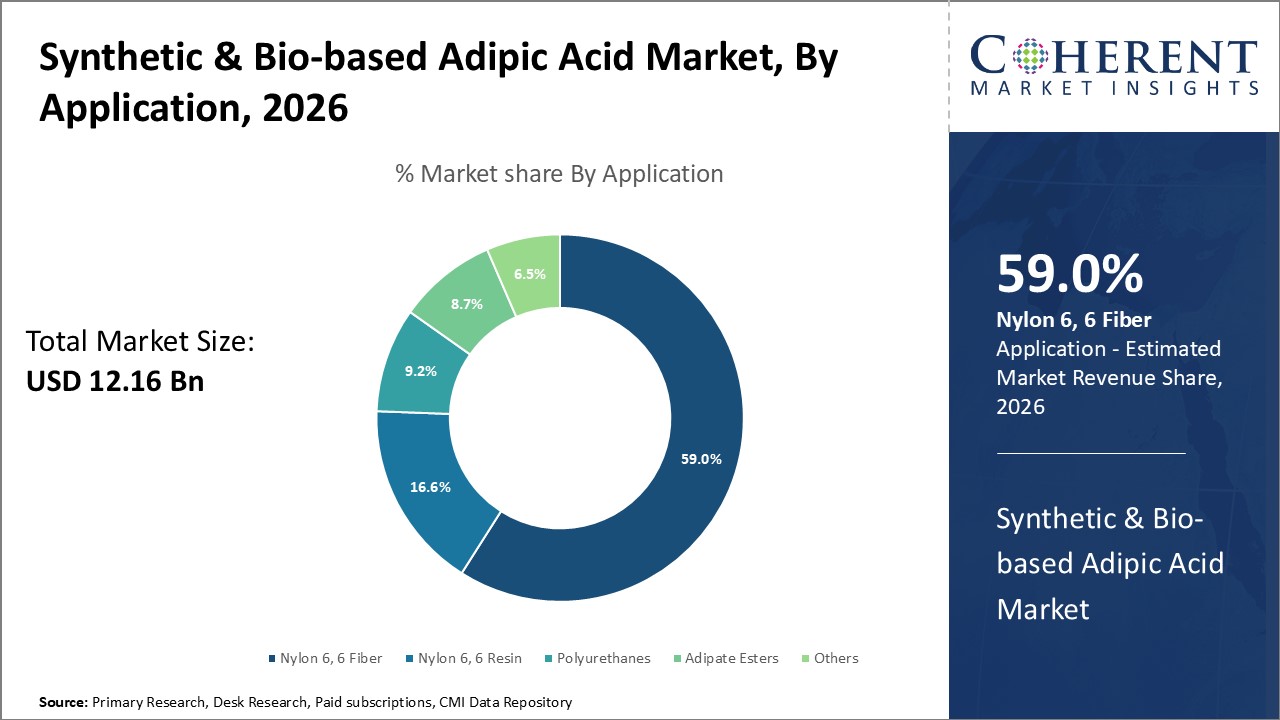
Figure 1. Global Synthetic & Bio-based Adipic Acid Market , By Application, 2026
Global Synthetic & Bio-based Adipic Acid Market - Drivers
Growing demand for nylon from the automotive industry
- The growing demand for nylon from the automotive industry is predominantly fueling the market growth of adipic acid. Nylon 6, 6 is widely used in the manufacturing of lightweight automobile components such as intake manifolds, as these materials have better resistance which makes them ideal substitutes for metals. Thus, the growing demand for nylon 6.6 from the automotive industry is majorly driving the market growth of synthetic and bio-based adipic acid. For instance, in 2021 INVISTA announced plans for Asia Innovation Center at the Shanghai Chemical Industry Park to advance nylon 6, 6 application development. INVISTA Nylon Chemicals (China) Co. announced plans to establish its new Asia Innovation Centre in Shanghai, with the inauguration ceremony held at Shanghai Chemical Industry Park (SCIP)
Rising demand for the footwear industry
- Expansion of the footwear market as polyurethane is used in the production of footwear is expected to fuel the market growth of synthetic and bio-based atopic acid. According to World Footwear, footwear production worldwide reached 24.2 billion pairs, increase by 3.7%. Thus, growth in the footwear market due to increasing production and demand among consumers is expected to augment the market growth of the adipic acid over the forecast period.
- Current Industry Events of 2026
- Market Size Estimation
- Regional Breakdown
- Competitive Landscape
- Customer Intelligence
- Segmental Analysis
- Pricing Analysis
- Key Market Drivers, Challenges & Future Trends
- Customized Insights Section
Synthetic & Bio-based Adipic Acid Market Report Coverage
| Report Coverage | Details | ||
|---|---|---|---|
| Base Year: | 2025 | Market Size in 2026: | USD 12.16 Bn |
| Historical Data for: | 2020 To 2024 | Forecast Period: | 2026 To 2033 |
| Forecast Period 2026 to 2033 CAGR: | 5.7% | 2033 Value Projection: | USD 17.92 Bn |
| Geographies covered: |
| ||
| Segments covered: |
| ||
| Companies covered: | Invista, Rhodia, BASF, Ascend Performance Materials, Shangdong Haili (Bohui), Liaoyang Petrochemical, Asahi Kasei, Radici | ||
| Growth Drivers: |
| ||
| Restraints & Challenges: |
| ||
Global Synthetic & Bio-based Adipic Acid Market - Restraints
- Growing environmental concern
Growing environmental concerns as adipic acid poses a threat to the environment as well as the health of humans are expected to restrict the market growth. Adipic acid is one of the largest sources of N2O emission and also generates non-methane volatile organic compounds. Thus, environmental concern associated with the production of adipic acid is expected to hinder market growth
Global Synthetic & Bio-based Adipic Acid Market - Segmentation
On the basis of application in 2026, the nylon 6, 6 fiber has accounted for the largest market share of 59% in terms of value, followed by nylon 6, 6 resin segment respectively. Nylon 66 is frequently used when high mechanical strength, rigidity, good stability under heat, and/or chemical resistance are required. It is used in fibers for textiles and carpets and molded parts. Typical applications for nylon 66 include interior, exterior, and under-hood automotive components, electrical and electronic components, connectors, office furniture, cutlery and cooking utensils, lawn and garden tools, fiber and filaments, and film.
Global Synthetic & Bio-based Adipic Acid Market - Opportunities
Growing demand for engineering plastic
The growing demand for engineering plastic across several end-use industries due to the advantage offered in terms of durability is expected to bring new market opportunities. They are durable, highly versatile, high-performance, and cost-effective solutions. Moreover, the expansion of the medical industry is also expected to foster the market growth of adipic acid over the forecast period.
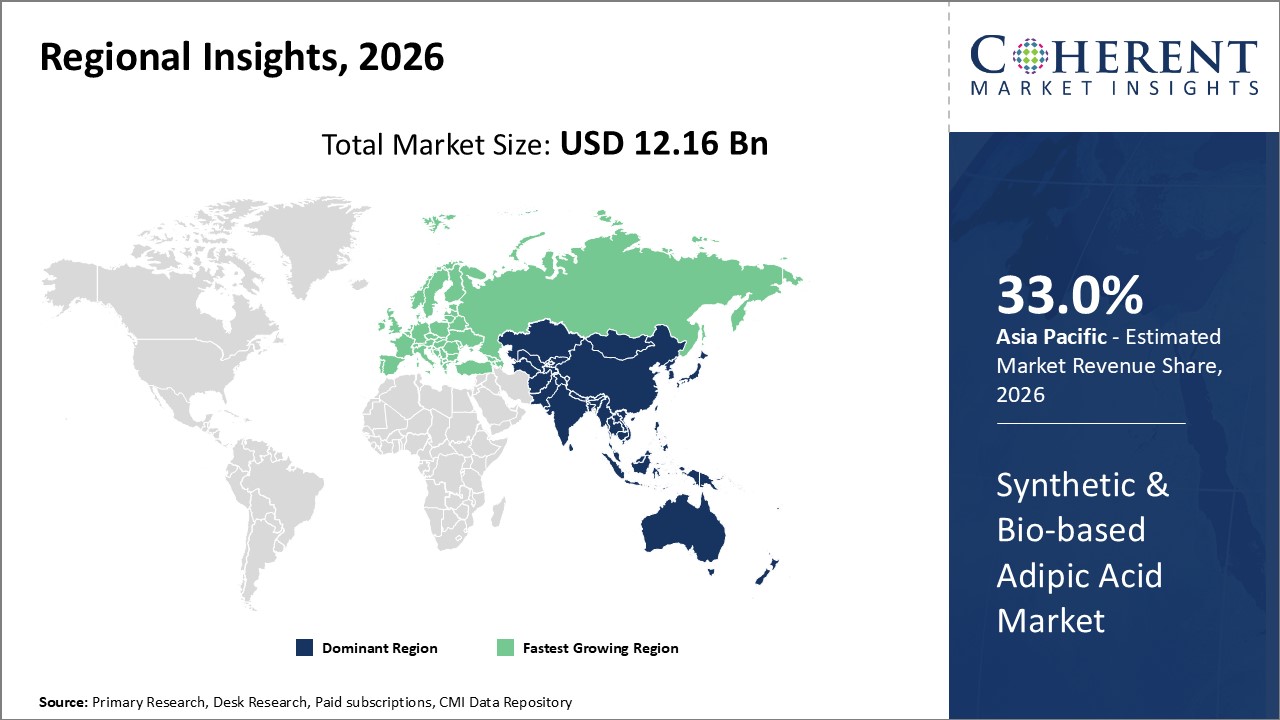
Figure 2. Global Synthetic & Bio-based Adipic Acid Market , By Region, 2026
Increasing development of bio-based adipic acid
Increasing development of bio-based adipic acid is projected to provide enormous opportunities over the forecast period. This is attributed to growing environmental concerns and the need to promote environmental sustainability. Additionally, increasing investment by the government and manufacturers for producing bio-based adipic acid as they are cost-effective and environmentally friendly solutions to cater to various industrial applications is further anticipated to bolster market growth.
Global Synthetic & Bio-based Adipic Acid Market - Trends
Rapidly expanding packaging industry
Rapidly expanding packaging industry due to the growing trend of online shopping around the globe is expected to foster market growth. Polymers such as polyurethane produced from adipic acid are widely used in the production of packaging materials such as rigid packaging. In addition to the growing demand for packaged food due to the changing lifestyle of the consumer is again anticipated to augment the market growth of synthetic and bio-based adipic acid.
Global Synthetic & Bio-based Adipic Acid Market - Regional Insights
Asia Pacific dominated the Global Synthetic & Bio-based Adipic Acid Market in 2026 accounting for 34% in terms of value.
North America is another important market Global Synthetic & Bio-based Adipic Acid Market which has many production facilities. For instance, the U.S. is the world's leading exporter country of acetic acid.
Global Synthetic & Bio-based Adipic Acid Market - Key Developments
- In 2022, INVISTA (China) Investment Co., Ltd. and China Pingmei Shenma Group, held a ceremony to commemorate the signing of a suite of agreements that establish a strategic relationship creating multiple opportunities for synergies. Agreements were reached for the five-year purchase and sale of adiponitrile (ADN) and adipic acid (AA), and for the license of key technologies.
- In January 2020, BASF SE announced the acquisition of Solvay's polyamide business in order to expand BASF's polyamide capabilities with innovative and well-known products such as Technyl. This acquisition has also enabled BASF to provide its customers with even better engineering plastics solutions, such as autonomous driving and e-mobility.
- In 2023, CPGC and BASF accelerate onboard CO2 capture system development
- CSSC Power (Group) Co., Ltd. (CPGC) and BASF have formed a solid cooperation to expedite the progress of onboard carbon capture (CO2 capture) systems for commercial maritime applications. CPGC has always been committed to providing green, low-carbon solutions for the shipping industry.
Global Synthetic & Bio-based Adipic Acid Market - Key Players
Major players functioning in the global synthetic & bio-based adipic acid market include Invista, Rhodia, BASF, Ascend Performance Materials, Shangdong Haili (Bohui), Liaoyang Petrochemical, Asahi Kasei, Radici.
*Definition: Adipic acid is a vital raw material used in the manufacturing of industrial fiber such as Nylon 6.6. Adipic acid is produced by using various raw materials such as benzene, cyclohexane, and phenol. The lower purity grade of adipic acid is used to produce polyurethane whereas the high purity grade is used to produce nylon. The major end-
Sources
Primary Research Interviews
- Synthetic and bio-based adipic acid producers (e.g., Invista, Radici Group, Ascend Performance Materials, Genomatica, Verdezyne)
- Nylon 6,6 polymer producers and polyurethane formulators
- Bio-feedstock (glucose, adipate biosynthesis) suppliers
Databases
- UN Comtrade adipic acid trade data
- Eurostat chemicals production data
- USDA BioPreferred data
Magazines
- ICIS Chemical Business
- Bioplastics Magazine
Journals
- Industrial & Engineering Chemistry Research (ACS)
- Biotechnology Advances (Elsevier)
Newspapers
- Reuters Chemicals
- Financial Times – Chemicals
Associations
- American Chemistry Council (ACC)
- Cefic
- Biotechnology Innovation Organization (BIO)
Public Domain Sources
- U.S. EPA chemical data reporting
- ECHA REACH
- ResearchGate publications on bio-based adipic acid
Proprietary Elements
- CMI Data Analytics Tool, Proprietary CMI Existing Repository of information for last 10 years.
Get access to 250+ pages report
Every segment, forecast, competitor profile and data table behind the analysis above — available for instant download.
- ESOMAR Member
- ISO 9001:2015 Certified
- D-U-N-S Registered
- GDPR & CCPA Compliant
Missing comfort of reading report in your local language? Find your preferred language:
Transform your Strategy with Exclusive Trending Reports
Frequently Asked Questions
The Synthetic & Bio-based Adipic Acid Market is estimated to be valued at USD 12.16 Bn in 2026, and is expected to reach USD 17.92 Bn by 2033.
The market for Global Synthetic & Bio-based Adipic Acid Market is estimated to surpass US$ 15.04 Billion by 2033, exhibiting a CAGR of 5.7% between 2026 and 2033.
Rising demand for the footwear industry is expected to drive the overall market for the market. As polyurethane is used in the manufacturing of footwear.
The CAGR of the Synthetic & Bio-based Adipic Acid Market is projected to be 5.7% from 2026 to 2033.
Major players functioning in the market include Invista, Rhodia, BASF, Ascend Performance Materials, Shangdong Haili (Bohui), Liaoyang Petrochemical, AsahiKasei, Radici.
Adipic acid is one of the largest sources of N2O emission and also generates non-methane volatile organic compounds. Thereby, growing environmental concern as adipic acid poses a threat to the environment, as well as health of humans, is expected to restrict the market growth. Moreover, the high manufacturing cost associated with synthetic-based adipic acid is expected to limit the adoption of synthetic adipic acid. This is projected to hamper market growth over the forecast period.