

Global Weight Loss and Obesity Management Market Size and Forecast – 2026 to 2033
The Global Weight Loss and Obesity Management Market is estimated to be valued at USD 179.79 Bn in 2026 and is expected to reach USD 326.57 Bn by 2033, exhibiting a compound annual growth rate (CAGR) of 8.9% from 2026 to 2033. This significant growth is driven by rising obesity rates worldwide and increasing consumer awareness regarding health and wellness, fueling the demand for weight management solutions, including dietary supplements, fitness programs, and medical interventions.
Key Takeaways of the Global Weight Loss and Obesity Management Market
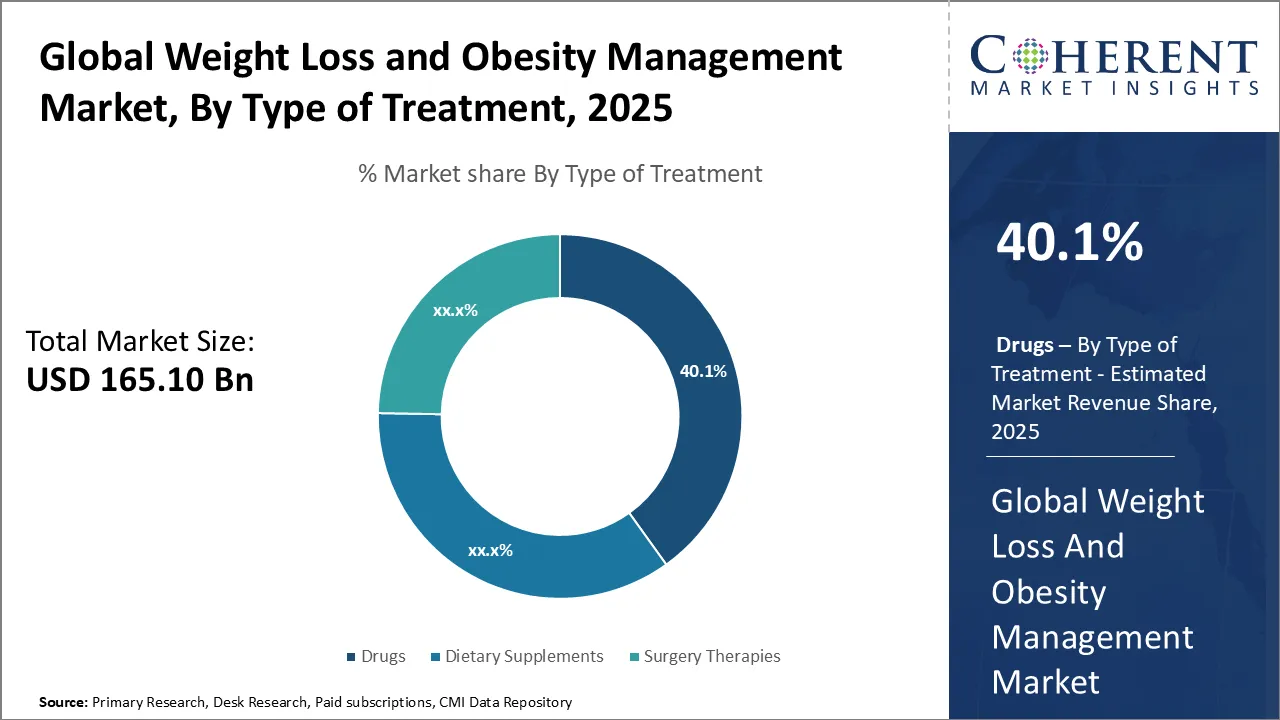
- In 2026, the drugs segment is projected to lead the global weight loss and obesity management market by treatment type, accounting for an estimated 41.1% share.
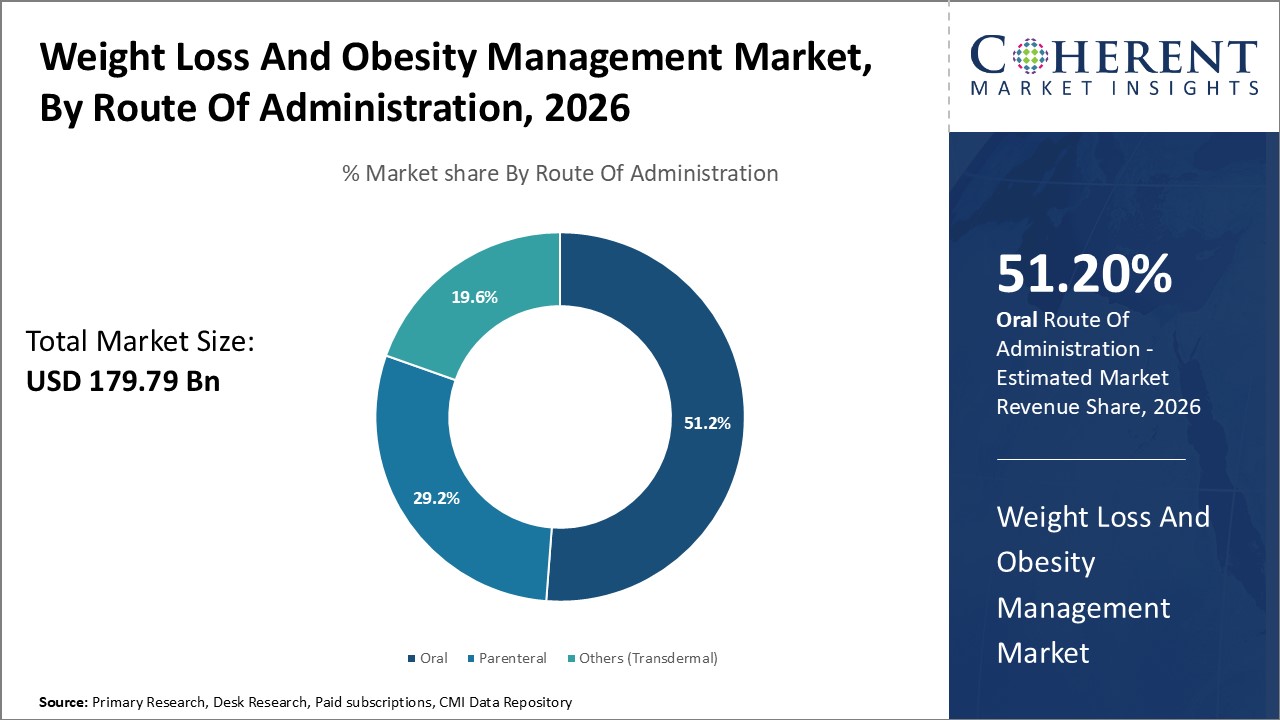
- By route of administration, the oral route leads with an estimated 51.2 % share in 2026.
- In terms of gender, the male segment holds the largest market share at an estimated 56.3 4% share in 2026.
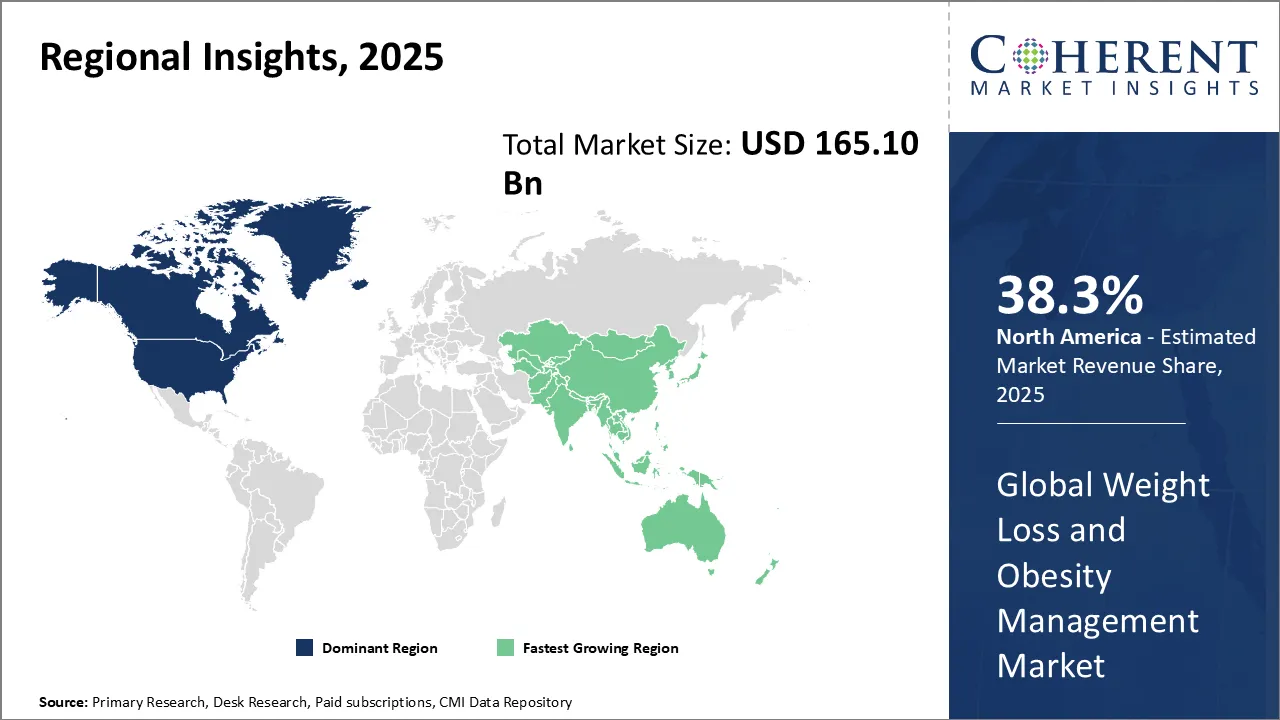
- North America is expected to lead the market, holding a share of 38. 3% in 2026. Asia Pacific is anticipated to be the fastest-growing region, with a market share of 26.1% in 2026.
Market Overview
Current trends in the global weight loss and obesity management market indicate a growing shift toward personalized, technology-enabled solutions, including app-based fitness tracking, virtual coaching, and telehealth-driven weight management services. Additionally, there is a growing preference for natural and organic products, alongside the integration of artificial intelligence and machine learning to optimize obesity management strategies. These advancements, combined with supportive government initiatives and increasing investment in healthcare infrastructure, are propelling market expansion globally.
Current Events and Its Impact
Current Events | Description and its impact |
Lemme's Launch of GLP-1 Supplement |
|
Accelerated Integration of Digital Health & AI |
|
Segmental Insights
- Current Industry Events of 2026
- Market Size Estimation
- Regional Breakdown
- Competitive Landscape
- Customer Intelligence
- Segmental Analysis
- Pricing Analysis
- Key Market Drivers, Challenges & Future Trends
- Customized Insights Section
Weight Loss and Obesity Management Market Insights, By Type of Treatment - Dominance of Drug-Based Treatments in Weight Loss and Obesity Management Driven by Efficacy and Accessibility
In terms of the type of treatment segmentation within the global weight loss and obesity management market, drugs segment is expected to command the highest share with 41.1% in 2026. This predominance can be attributed to several interlinked factors including the growing preference for pharmacological interventions over invasive procedures, widespread accessibility, and continual innovation in drug formulations. Prescription drugs form a key component of this segment, often prescribed for moderate to severe obesity cases where lifestyle modifications alone are insufficient. Their efficacy in targeting physiological pathways related to appetite suppression, fat absorption, and metabolic regulation reinforces patient and physician confidence in these therapies.
Over-the-counter (OTC) drugs continue to play a pivotal role in the global weight loss and obesity management market, particularly among individuals seeking convenient and less regulated solutions. Their ease of access allows a broader demographic to engage in weight management efforts without immediate medical oversight, driving adoption among those favoring quick and manageable interventions. This segment’s appeal is further enriched by the integration of dietary supplements, such as nutraceuticals and herbal or botanical products, which are often marketed alongside or within OTC offerings.
Notably, the growing prominence of pharmacological treatments has been reinforced by emerging clinical evidence. In April 2025, a study published by the Heart Rhythm Society, titled TRANSFORM-AF, demonstrated that GLP-1 receptor agonists (GLP-1 RAs)—drugs originally developed for type 2 diabetes—may significantly reduce atrial fibrillation (AF)-related events in patients suffering from both obesity and AF. The multi-center study, conducted across 170 Veterans Affairs hospitals, reported a 13% reduction in major AF-related events, particularly in those with severe obesity. This underscores not only the multifaceted benefits of newer anti-obesity drugs but also reinforces consumer confidence in pharmacological solutions, including those accessible through OTC channels.
Weight Loss And Obesity Management Market Insights, By Route of Administration - Oral Route of Administration is Leading the Market Fueled by Convenience and Compliance
Within the route of administration segmentation, the oral route overwhelmingly dominates the global weight loss and obesity management market with an estimated share of 51.2% in 2026. The factors underpinning this dominance center around convenience, patient compliance, and well-established acceptance by both healthcare providers and consumers. Oral administration is generally perceived as the least invasive and most user-friendly method, significantly impacting patient adherence to prescribed regimens and over-the-counter treatments alike.
Portability and ease of dosing are primary characteristics that enhance the appeal of oral therapies. Unlike parenteral or transdermal alternatives, oral drug formulations such as tablets, capsules, and powders do not require specialized equipment or medical intervention for administration. This makes them eminently suitable for outpatient and self-care settings, addressing the modern demands for flexibility and autonomy in health management. Additionally, the widespread availability of oral formulations aligns with the rising consumer preference for non-disruptive, routine-based treatments that can be seamlessly incorporated into daily life.
Weight Loss And Obesity Management Market Insights, by Gender - Male Segment is Leading in Weight Loss and Obesity Management Owing to Rising Awareness and Health Concerns
Analyzing the market segmentation by gender reveals that the male demographic accounts for the larger share in the global weight loss and obesity management market with an estimated share of 57.3% in 2026. This trend is fueled by growing health consciousness among men and an increasing incidence of obesity-related comorbidities within this population. Men are becoming more proactive in seeking solutions for weight management, partly due to heightened awareness campaigns about the risks of obesity including cardiovascular diseases, diabetes, and metabolic syndrome conditions that disproportionately affect male populations.
For example, GNC Holdings, LLC, based in the U.S., is a leading global health and wellness brand known for its wide range of vitamins, supplements, and sports nutrition products. GNC specifically targets male consumers with thermogenic products like GNC Total Lean Burn 60 and Testosterone-enhancing supplements, catering to weight loss and muscle-building goals.
Workplace wellness programs, fitness trends targeted toward men, and the proliferation of male-centric health apps have contributed substantially to motivating men to pursue weight loss treatments. These interventions often encourage men's participation in pharmacological and surgical options by reducing stigma and promoting the normalization of seeking professional help for obesity. Unlike in earlier years, where weight management was often perceived as predominantly a female concern, recent sociocultural shifts have empowered men to openly address these health challenges.
Regional Insights
North America Weight Loss and Obesity Management Market Analysis and Trends
North America’s dominance in the global weight loss and obesity management market is primarily supported by a highly developed healthcare infrastructure, with an estimated market share of 38.3% in 2026. This is further driven by widespread awareness of obesity-related health risks and a high prevalence of obesity and overweight populations in the region. The region benefits from considerable investments in research and development by leading pharmaceutical and medical device companies. Additionally, supportive government policies promoting preventive healthcare and obesity management programs contribute to a favorable market ecosystem. The presence of major industry players such as Medtronic, Novo Nordisk, and Johnson & Johnson reinforces North America's dominant position in the global weight loss and obesity management market. These companies continue to drive innovation across both pharmacological and surgical domains from prescription weight loss drugs to minimally invasive bariatric devices, ensuring a comprehensive approach to obesity care.
This market leadership is further bolstered by extensive insurance coverage and reimbursement frameworks, which improve patient access to advanced treatment options and encourage broader adoption of both drug-based and surgical solutions. For instance, in October 2022, the American Society for Metabolic and Bariatric Surgery (ASMBS) and the International Federation for the Surgery of Obesity and Metabolic Disorders (IFSO) updated guidelines to expand weight-loss surgery eligibility, including for patients with type 2 diabetes starting at a Body Mass Index (BMI) of 30. These new guidelines replace outdated National Institutes of Health (NIH) standards, aiming to improve access to modern bariatric surgery.
Asia Pacific Weight Loss and Obesity Management Market Analysis and Trends
The Asia Pacific region is projected to witness the fastest growth in the Weight Loss and Obesity Management Market, capturing a 26.1% share in 2026. This growth is fueled by rapid lifestyle changes, increasing urbanization, and rising disposable incomes, which are driving up obesity rates in countries like China and India. The market's expansion is bolstered by growing health awareness and adoption of Western dietary patterns, creating greater demand for effective obesity management solutions. Additionally, several governments in Asia Pacific are initiating public health campaigns and endorsing preventive care that highlights weight management. The healthcare infrastructure is evolving, with more private sector participation, leading to enhanced access to advanced weight loss treatments. Key market participants like Takeda Pharmaceutical Company, Abbott Laboratories, and domestic players in China and India are investing in localized product development and strategic partnerships to capture this burgeoning market.
For instance, in June 2026, Biocon Limited, a global biopharmaceutical company known for affordable biologics and generics, received approval in India for its diabetes treatment Liraglutide. Its subsidiary, Biocon Pharma also secured approval for the 6 mg/ml injectable formulation in pre-filled pens and cartridges. This generic version of Victoza is indicated for Type 2 diabetes in adults and children over 10, alongside diet and exercise. Liraglutide is a synthetic GLP-1 analog given as a once-daily injection. First approved in the EU in 2009 and the US in 2010 for diabetes, it later received U.S. FDA approval in 2014 and EMA approval in 2015 for weight management in obese or overweight adults with related conditions.
Weight Loss and Obesity Management Market Outlook for Key Countries
U.S. Weight Loss and Obesity Management Market
The U.S. maintains a leadership role driven by an advanced healthcare system and comprehensive obesity management programs supported by public and private sectors. Leading companies such as Medtronic and Novo Nordisk have a significant presence, offering innovative pharmacological solutions and surgical devices. Additionally, advancements in product formulations and the introduction of new marketing strategies have increased consumer engagement by enhancing the accessibility and convenience of end-use platforms.
For instance, in January 2024, GNC, a U.S.-based company, launched its new product, GNC Total Lean GlucaTrim. This multi-action weight loss supplement features an innovative formula designed to promote weight and inch reduction while preserving lean muscle mass and optimizing healthy blood sugar and insulin levels.
China Weight Loss and Obesity Management Market
China's weight loss and obesity management market is rapidly expanding, propelled by increasing obesity prevalence among its massive population. The country's evolving healthcare infrastructure and government-backed health initiatives promote awareness and treatment accessibility. Domestic companies, alongside global players like Takeda and Abbott, are investing heavily in research and product customization to suit regional needs. Furthermore, expanding e-commerce and online health service platforms in China create unique channels for weight management solutions, driving broader market penetration.
For instance, in May 2026, according to National Library of Medicine, China is facing a growing obesity crisis, with predictions showing that by 2030, 70.5% of adults and 31.8% of children may be obese. To address this, experts propose creating integrated chronic non-communicable disease (NCD) management clinics that combine weight management with the treatment of obesity-related conditions like diabetes and heart disease. These clinics, using multidisciplinary teams, would offer personalized care, improve outcomes, and optimize healthcare resources, providing a more holistic approach to China’s rising health challenges.
Germany Weight Loss and Obesity Management Market Trends
Germany's weight loss and obesity management market is significantly influenced by its established healthcare system and proactive government policies emphasizing preventive healthcare. Leading European pharmaceutical companies like Bayer and Sanofi contribute through a wide repertoire of obesity drugs and supportive medical devices. The presence of well-organized insurance systems ensures patient access to weight loss treatments, while ongoing research alliances between academia and industry stimulate innovation centered on obesity therapies. In line with the growing demand for personalized and clinically guided weight management solutions in the U.K., One Ashford Hospital introduced a comprehensive Weight Loss and Bariatric Service.
For instance, in May 2026, One Ashford Hospital, U.K. introduces a new Weight Loss and Bariatric Service offering personalized, patient-centred care. The service includes GLP-1 weight loss injections, gastric sleeve, and gastric bypass options, along with nutritional and psychological support. Our expert bariatric team provides comprehensive care to guide patients through their weight management journey.
India Weight Loss and Obesity Management Market Trends
India continues to lead South Asia in market growth due to rising obesity rates linked to urbanization and changing diets. The country benefits from a growing middle-class population seeking modern healthcare services, including obesity management programs. Key industry players such as Mankind Pharma , Abbott Laboratories have tailored their offerings to address the diverse Indian demographic, including affordable pharmacotherapy and lifestyle intervention programs.
In February 2026, Mankind Pharma, a leading Indian pharmaceutical company, is developing an oral anti-obesity drug targeting GPR119, a receptor involved in weight management. The drug, initially developed for diabetes, has shown promising Phase 1 results and is now in Phase 2 trials in Australia. If successful, it could become the first small-molecule pill-based treatment for obesity, offering a new alternative to injectable options like GLP-1 inhibitors.
India Weight Loss and Obesity Management Market Analysis
The India weight loss and obesity management market is estimated to be valued at USD 7.93 billion in 2026 and is expected to reach USD 18.40 billion by 2032, exhibiting a compound annual growth rate (CAGR) of 12.8% from 2026 to 2032.
India Specific Drug Approved Matrix (Parameters can vary based on availability)
Category | Details |
Generic Name | Orlistat, Liraglutide, Semaglutide, Tirzepatide |
Brand Names (India) | Xenical, Saxenda, Wegovy, Mounjaro |
Therapeutic Class | Anti-Obesity |
Approved Indications | Treatment of Obesity, Type-2 Diabetes, Weight Management |
Dosage Forms (Approved) | Orlistat: 60mg (OTC)/120mg (Rx) capsules Liraglutide: 3.0 mg/mL pre-filled injection pen Semaglutide: 2.4 mg weekly pre-filled injection pen |
Key Manufacturers | Sun Pharma (Orlistat), Novo Nordisk (Liraglutide, Semaglutide), Eli Lilly (Tirzepatide) |
OTC/Rx Status | Prescription-only (Rx) |
Post-Marketing Requirements | Pharmacovigilance (PvPI) compliance required, regular safety monitoring by manufacturers |
Physician Opinion on Weight Loss And Obesity Management Market in India
- Physicians across India are witnessing a paradigm shift in obesity management, driven by the rising demand for GLP-1 receptor agonists such as semaglutide (Wegovy) and tirzepatide (Mounjaro). Medical experts emphasize that these therapies are transforming treatment strategies, combining pharmacological intervention with lifestyle changes like diet and exercise. Many clinics report a surge in consultations since the launch of Mounjaro in March 2025, with urban professionals and middle-aged patients seeking structured medical solutions for weight loss. However, physicians also note that affordability remains a key barrier, as these treatments can cost between ₹17,500 to ₹26,000 per month, limiting widespread adoption beyond urban and insured populations.
- The Indian anti-obesity drug market has grown significantly estimated to be worth over ₹600 crore as of mid-2025 with semaglutide-based drugs dominating the landscape. Physicians acknowledge the effectiveness of these therapies, often reporting weight loss outcomes of 10–15 percent in patients within a few months of use. However, they also stress that sustainable results depend on long-term monitoring, behavioral counseling, and personalized care. With obesity levels in India expected to rise steadily over the next decade, doctors are calling for more inclusive programs, cost-effective options, and real-world studies to ensure that the benefits of advanced obesity treatments reach broader sections of the population.
End User Feedback and Unmet Needs in the Global Weight Loss and Obesity Management Market
- End users in the weight loss and obesity management market have provided valuable feedback across various sectors, such as healthcare, fitness, and nutrition. A recurring positive sentiment revolves around the growing accessibility and effectiveness of digital platforms, such as mobile apps and online coaching, that support personalized weight management plans. These solutions, which incorporate AI and machine learning, have been particularly appreciated for their ease of use and real-time tracking capabilities. For example, an end-user from the healthcare sector shared their satisfaction with an AI-powered fitness app that helped patients track calorie intake and physical activity, ultimately resulting in improved adherence to weight loss programs. However, concerns have been raised regarding the integration of these platforms with traditional healthcare systems. A frequently cited issue involves the lack of interoperability between digital solutions and existing electronic health records (EHR) or healthcare management systems, which hampers seamless data sharing between fitness professionals and healthcare providers.
- Despite the technological advancements, several unmet needs persist. End-users, particularly in developing regions, have highlighted affordability and access to personalized solutions as significant barriers to widespread adoption. While innovative products such as wearable fitness trackers and nutritional supplements show promise, the high cost of these solutions remains a concern for many consumers. Moreover, there is a notable lack of customization in available solutions, with many products offering one-size-fits-all approaches rather than catering to individual metabolic conditions or preferences. To address these gaps, manufacturers and policymakers can focus on developing more affordable, customizable solutions that cater to diverse user needs. By fostering collaborations between technology developers and healthcare providers, it is possible to improve integration, create more affordable offerings, and support a broader market, ultimately driving growth, enhancing customer retention, and encouraging innovation in the weight loss and obesity management sector.
Market Players, Key Developments, and Competitive Intelligence
Key Developments
- On July 7, 2025, Herbalife Ltd., a global leader in health and wellness, launched MultiBurn, a clinically backed dietary supplement designed to support weight loss, fat reduction, and metabolic health. Formulated by Herbalife's team of scientists, MultiBurn blends botanicals such as Morosil (Moro blood oranges), Metabolaid (hibiscus and lemon verbena), and Capsifen(red chili pepper and fenugreek) to enhance weight loss and energy expenditure.
- On July 3, 2025, Nixol, a plant-based dietary supplement, officially launched in the U.K. and Ireland, offering a vegan-friendly, natural alternative to traditional weight loss products. Designed to support weight management, boost metabolism, and reduce cravings, Nixol features a blend of science-backed ingredients that promote sustainable fat reduction without synthetic stimulants or restrictive diets. The launch marks a significant step for Nixol as it enters the wellness supplement market, offering a holistic approach to weight loss and overall health.
- On June 24, 2025, Novo Nordisk, a global leader in diabetes and obesity care, launched its anti-obesity injection Wegovy (semaglutide 2.4 mg) in India. Wegovy is the first drug in the country approved both for chronic weight management and for reducing the risk of major cardiovascular events in people with existing heart disease. The once-weekly injectable, already available in many international markets, is being introduced with a gradual dose escalation approach to help patients adapt clinically over time. The launch reflects growing demand for advanced weight-loss treatments in India’s rapidly expanding obesity care market.
- In March 2025, American pharma giant Eli Lilly and Company, a leader in innovative diabetes treatments, has launched its obesity and diabetes drug Mounjaro (tirzepatide) in India after securing approval from the Central Drugs Standard Control Organisation. Mounjaro, available as a single-dose vial, targets both GIP and GLP-1 hormone receptors to help manage Type 2 diabetes and excess weight. In clinical trials, adults using the drug alongside diet and exercise lost an average of 15.4 kg to 21.8 kg over 72 weeks, depending on the dosage.
Top Strategies Followed by Global Weight Loss And Obesity Management Market Players
- Established players focus on developing advanced formulations such as nutraceuticals, medical devices, and personalized weight management solutions to maintain a competitive edge. In addition to continuous product innovation, these companies pursue strategic partnerships and alliances with other major industry players and original equipment manufacturers (OEMs) to enhance supply chain efficiency and strengthen their global market presence.
- In November 2023, Eli Lilly and Company has received U.S. FDA approval for Zepbound (tirzepatide), a groundbreaking obesity treatment that activates both GIP and GLP-1 hormone receptors. Zepbound is approved for adults with obesity (BMI ≥30) or overweight (BMI ≥27) who also have weight-related health conditions like hypertension, type 2 diabetes, or cardiovascular disease. In clinical trials, patients lost an average of 48 lbs at the highest dose. This new treatment, when combined with a reduced-calorie diet and exercise, offers a powerful option for long-term weight management.
- Mid-level players operate with a different strategic focus, primarily targeting price-sensitive consumer segments by offering cost-effective solutions that strike a balance between quality and affordability. These companies emphasize streamlined production processes and leverage economies of scale to maintain competitive pricing without compromising essential product efficacy. . To strengthen their market position, these companies are increasingly pursuing collaborations and partnerships that enhance their production capabilities and enable them to access new technologies. Such collaborations can include technology licensing agreements or joint ventures, which improve their ability to manufacture and distribute glucagon like peptide 1 analogs more efficiently.
- In March 2024, Eli Lilly and Company, a pharmaceutical company, announced that it had partnered with Amazon to deliver drug prescriptions sent to its direct-to-consumer service - LillyDirect. Lilly launched the platform to enable patients to obtain their, diabetes and obesity drugs, including its popular GLP-1 drugs Mounjaro and Zepbound, directly from the company via delivery from online pharmacy Truepill.
- Small-scale players adopt innovative approaches to carve out specialized niches within the global weight loss and obesity management market. These entities focus on developing unique product features, such as plant-based formulations, wearable technologies, or app-integrated health solutions, which differentiate them from larger competitors. Utilizing cutting-edge technologies like artificial intelligence, biotechnology, and digital health platforms, small-scale companies aim to stay competitive by addressing specific consumer needs with tailored offerings.
- In April 2025, Whole Health Rx, a health-focused brand by The Vitamin Shoppe, has introduced a new line of GLP-1 Support Supplements tailored to individuals using GLP-1 medications for weight loss. The range addresses common side effects such as muscle loss, digestive issues, and nutritional gaps.The line includes five targeted products: Nutrient Powder, Protein Blend, Fiber Supplement, Synbiotic for gut health, and Multivitamins.
Market Report Scope
Weight Loss and Obesity Management Market Report Coverage
| Report Coverage | Details | ||
|---|---|---|---|
| Base Year: | 2025 | Market Size in 2026: | USD 179.79 Bn |
| Historical Data for: | 2020 To 2024 | Forecast Period: | 2026 To 2033 |
| Forecast Period 2026 to 2033 CAGR: | 8.9% | 2033 Value Projection: | USD 326.57 Bn |
| Geographies covered: |
| ||
| Segments covered: |
| ||
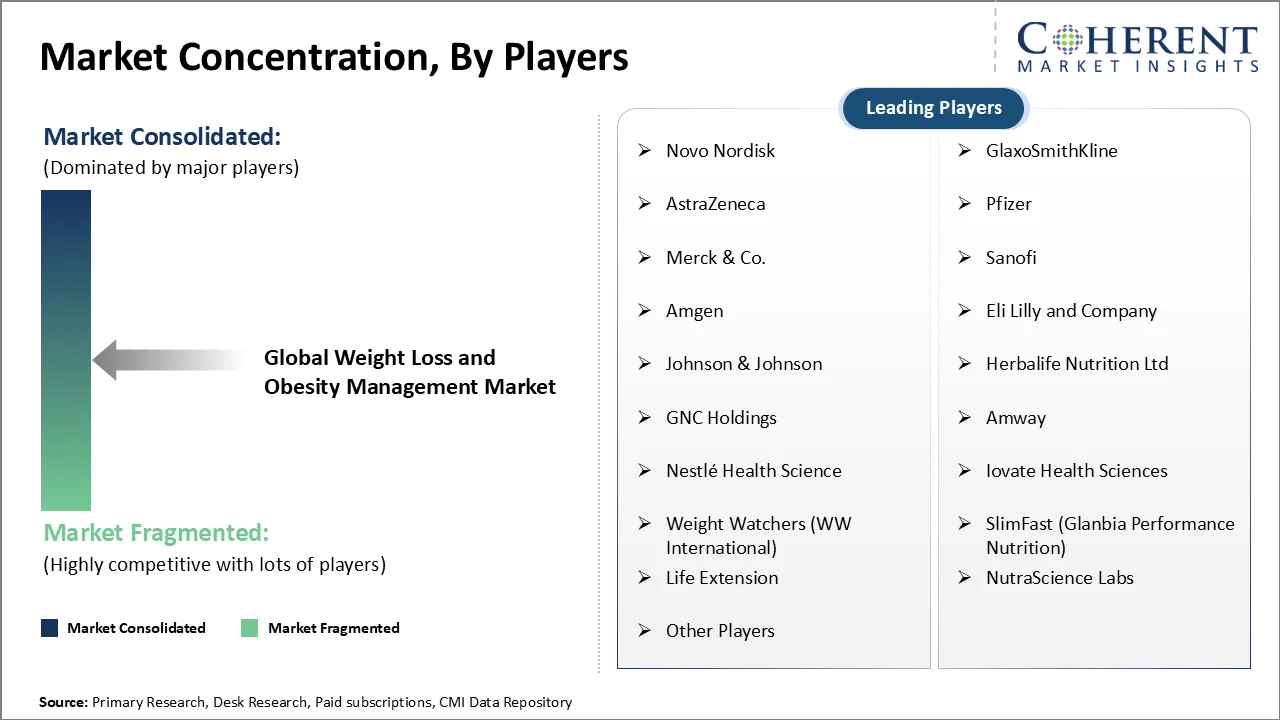
| Companies covered: | Novo Nordisk, GlaxoSmithKline, AstraZeneca, Pfizer, Merck & Co., Sanofi, Amgen, Eli Lilly and Company, Johnson & Johnson, Herbalife Nutrition Ltd, GNC Holdings, Amway, Nestlé Health Science, Iovate Health Sciences, Weight Watchers (WW International), SlimFast (Glanbia Performance Nutrition), Life Extension, NutraScience Labs, and Other Players | ||
| Growth Drivers: |
| ||
| Restraints & Challenges: |
| ||
Weight Loss And Obesity Management Market Dynamics
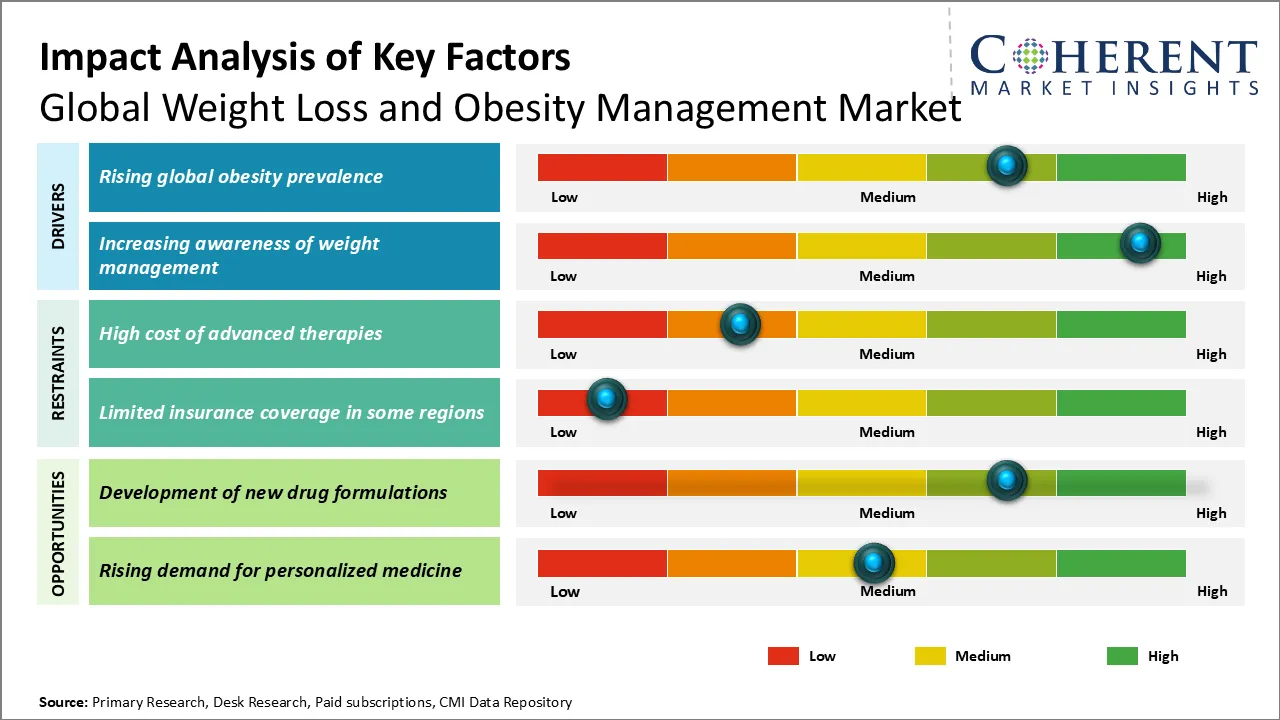
Weight Loss And Obesity Management Market Driver - Rising Global Obesity Prevalence
The escalating prevalence of obesity worldwide is a significant driver fueling the demand for effective weight loss and obesity management products and services. Rapid urbanization, sedentary lifestyles, and changing dietary habits have collectively contributed to this surge in obesity rates across various age groups and regions. As obesity is strongly associated with heightened risks of chronic conditions such as type 2 diabetes, cardiovascular diseases, and certain cancers, increasing awareness around these health implications has intensified the focus on proactive weight management. This growing health concern has prompted individuals, healthcare providers, and governments to seek innovative interventions that go beyond traditional diet and exercise, including pharmaceutical therapies, medical devices, surgical procedures, and digital health platforms. Furthermore, the stigma surrounding obesity and a stronger emphasis on wellness and preventive care have encouraged consumers to adopt personalized and sustained weight management solutions. Altogether, these factors underscore how the rising global obesity burden is driving robust interest and investment in the weight loss and obesity management market.
For instance, in May 2025, according to WHO, 1 in 8 people globally were living with obesity, with 2.5 billion adults overweight, including 890 million with obesity. The prevalence of obesity has more than doubled since 1990, while adolescent obesity has quadrupled. In children, 390 million were overweight, with 160 million living with obesity. Obesity significantly increases the risk of diseases like diabetes, heart disease, and certain cancers. The condition is diagnosed using Body Mass Index (BMI), with overweight defined as a BMI of 25 or greater, and obesity as 30 or greater in adults. The global rise in obesity, particularly in low- and middle-income countries, poses serious health challenges.
Weight Loss And Obesity Management Market Opportunity - Development of New Drug Formulations
The growing prevalence of obesity and overweight individuals worldwide has created a critical demand for innovative and effective therapeutic options, making the development of new drug formulations a significant opportunity within the global weight loss and obesity management market. Existing treatments often face limitations related to efficacy, safety profiles, and patient adherence, thereby driving pharmaceutical companies and biotech firms to invest in research and development of advanced drug formulations that offer improved outcomes. Novel approaches, such as combination therapies targeting multiple pathways involved in appetite regulation, metabolism, and fat absorption, are gaining traction, leveraging cutting-edge technologies like peptide analogs, GLP-1 receptor agonists, and microbiome modulators. Additionally, advancements in drug delivery systems, including sustained-release formulations and personalized medicine approaches, further enhance the potential for tailored treatments that minimize side effects and increase patient compliance.
A notable example of these developments is Eli Lilly’s Mounjaro KwikPen, which received approval from India's Central Drugs Standard Control Organization (CDSCO) on June 26, 2025. This once-weekly prefilled injector, designed for both type 2 diabetes and obesity, expands the drug's availability from the initial 2.5mg and 5mg vials to include six strengths (2.5, 5, 7.5, 10, 12.5, and 15mg). The new KwikPen offers a more personalized and convenient dosing option, reflecting the broader trend in the industry towards more adaptable and user-friendly drug delivery systems.
Analyst Opinion (Expert Opinion)
- The global weight loss and obesity management market is experiencing significant growth, driven by technological advancements in treatment options, increased regulatory support for obesity-related healthcare, and rising consumer demand for effective weight management solutions. Innovations such as GLP-1 receptor agonists, personalized nutrition plans, and digital health platforms are shaping the future of this market. The growing awareness of obesity-related health risks, alongside government initiatives supporting healthier lifestyles, is propelling demand. Emerging opportunities lie in the development of non-invasive treatments, mobile health apps, and the integration of artificial intelligence in personalized weight loss programs. However, the market faces challenges such as affordability, the stigma surrounding obesity treatments, and the limited accessibility of healthcare services in underserved regions.
- Recent industry events, such as the World Obesity Congress and the Obesity Week Conference, have been instrumental in facilitating knowledge-sharing and policy formulation. These platforms have helped advance research, provide insights into successful weight management programs, and showcase technological advancements like AI-driven solutions. For instance, the collaboration between healthcare providers and tech companies in developing AI-enabled obesity management tools has gained traction. Additionally, governments worldwide, such as the UK's obesity strategy, are rolling out policies to improve access to treatment and promote preventive healthcare, significantly influencing market trends.
Speak to the analyst
Want personalized insights?
Take the findings above to one of our principal consultants, or have the report rebuilt around the segments, geographies and competitors you actually track.
Market Segmentation
- Type of Treatment Insights (Revenue, USD Bn, 2021 - 2033)
- Drugs
- Prescription Drugs
- Over-the-Counter (OTC) Drugs
- Dietary Supplements
- Nutraceuticals
- Herbal or Botanical Supplements
- Protein and Fiber Supplements
- Vitamin or Mineral Formulations (Weight-Loss Focused)
- Appetite suppressants
- Others (Metabolism enhancers, etc.)
- Surgery Therapies
- Bariatric Surgeries
- Sleeve Gastrectomy
- Biliopancreatic Diversion (BPD)
- Others (Duodenal Switch, etc.)
- Minimally Invasive or Non-Surgical Procedures
- Intragastric Balloon Systems
- Others (Endoscopic Sleeve Gastroplasty, etc.)
- Bariatric Surgeries
- Drugs
- Route of Administration Insights (Revenue, USD Bn, 2021 - 2033)
- Oral
- Parenteral
- Others (Transdermal)
- Gender Insights (Revenue, USD Bn, 2021 - 2033)
- Male
- Female
- Age Group Insights (Revenue, USD Bn, 2021 - 2033)
- Adult
- Geriatric
- Pediatric
- End User Insights (Revenue, USD Bn, 2021 - 2033)
- Hospitals and Clinics
- Ambulatory Surgical Centers (ASCs)
- Homecare Settings
- Obesity Treatment Centers or Fitness Centers
- Others
- Regional Insights (Revenue, USD Bn, 2021 - 2033)
- North America
- U.S.
- Canada
- Latin America
- Brazil
- Argentina
- Mexico
- Rest of Latin America
- Europe
- Germany
- U.K.
- Spain
- France
- Italy
- Russia
- Rest of Europe
- Asia Pacific
- China
- India
- Japan
- Australia
- South Korea
- ASEAN
- Rest of Asia Pacific
- Middle East
- GCC Countries
- Israel
- Rest of Middle East
- Africa
- South Africa
- North Africa
- Central Africa
- North America
- Key Players Insights (Revenue, USD Bn, 2021 - 2033)
- Novo Nordisk
- GlaxoSmithKline
- AstraZeneca
- Pfizer
- Merck & Co.
- Sanofi
- Amgen
- Eli Lilly and Company
- Johnson & Johnson
- Herbalife Nutrition Ltd
- GNC Holdings
- Amway
- Nestlé Health Science
- Iovate Health Sciences
- Weight Watchers (WW International)
- SlimFast (Glanbia Performance Nutrition)
- Life Extension
- NutraScience Labs
- Other Players
Sources
Primary Research Interviews
- Healthcare professionals (e.g., endocrinologists, bariatric surgeons)
- Nutritionists and dietitians
- Obesity patients and weight loss program participants
- Hospital and clinic management
- Pharmaceutical experts and manufacturers of weight loss drugs
- Wellness centers and fitness experts
Government and International Databases
- World Health Organization (WHO)
- U.S. Centers for Disease Control and Prevention (CDC)
- National Institutes of Health (NIH)
- European Food Safety Authority (EFSA)
- World Bank Health and Nutrition Reports
- United Nations (UN) Health Statistics
- Centers for Medicare & Medicaid Services (CMS)
Trade Publications
- Obesity Reviews
- Journal of Obesity
- The Obesity Society (Obesity Society Journal)
- The International Journal of Obesity
- Clinical Obesity
- Weight Management Research Journal
- Nutrition Reviews
Academic Journals
- Journal of the American Medical Association (JAMA)
- The Lancet
- New England Journal of Medicine (NEJM)
- American Journal of Clinical Nutrition
- British Medical Journal (BMJ)
- Obesity Surgery Journal
- Obesity Research & Clinical Practice
Reputable Newspapers
- The New York Times
- The Guardian
- The Washington Post
- BBC News
- Reuters Health
- The Wall Street Journal
Industry Associations
- The Obesity Society (TOS)
- International Association for the Study of Obesity (IASO)
- European Association for the Study of Obesity (EASO)
- American Society for Metabolic & Bariatric Surgery (ASMBS)
- World Obesity Federation
- National Obesity Forum (UK)
Public Domain Resources
- PubMed (National Library of Medicine)
- National Center for Biotechnology Information (NCBI)
Proprietary Elements
- CMI Data Analytics Tool: Proprietary analytics tool to analyze real-time market trends, consumer behavior, and technology adoption in market
- Proprietary CMI Existing Repository of Information for Last 8 Years
Get access to 250+ pages report
Every segment, forecast, competitor profile and data table behind the analysis above — available for instant download.
- ESOMAR Member
- ISO 9001:2015 Certified
- D-U-N-S Registered
- GDPR & CCPA Compliant
Missing comfort of reading report in your local language? Find your preferred language:
Transform your Strategy with Exclusive Trending Reports
Frequently Asked Questions
The global weight loss and obesity management market is estimated to be valued at USD 179.79 Bn in 2026 and is expected to reach USD 326.57 Bn by 2033.
The CAGR of global weight loss and obesity management market is projected to be 8.9% from 2026 to 2033.
Rising global obesity prevalence and increasing awareness of weight management are the major factors driving the growth of the global weight loss and obesity management market.
High cost of advanced therapies and limited insurance coverage in some regions are the major factors hampering the growth of the global weight loss and obesity management market.
In terms of type of treatment, drugs segment is estimated to dominate the market revenue share in 2026.
Novo Nordisk, GlaxoSmithKline, AstraZeneca, Pfizer, Merck & Co., Sanofi, Amgen, Eli Lilly and Company, Johnson & Johnson, Herbalife Nutrition Ltd, GNC Holdings, Amway, Nestlé Health Science, Iovate Health Sciences, Weight Watchers (WW International), SlimFast (Glanbia Performance Nutrition), Life Extension, NutraScience Labs, and other players are the major players.
North America is expected to lead the global weight loss and obesity management market in 2026.