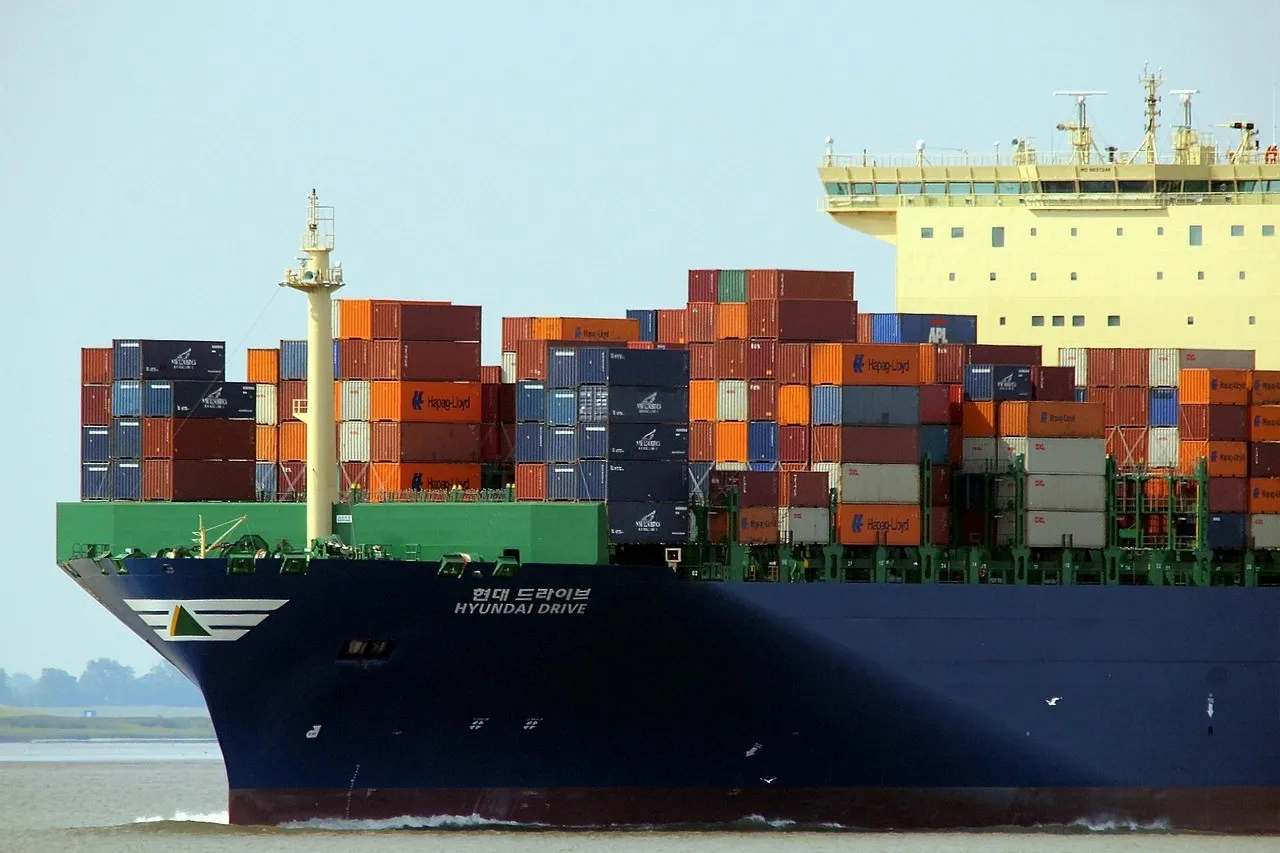
Going global sounds straightforward until the first freight quote arrives and half of its terms are unfamiliar. For US small businesses just starting to import or export, international container shipping involves a specific set of decisions that are easy to get wrong the first time. This quick guide covers the basics.
The Two Main Container Options: LCL and FCL
Before booking anything, the first decision is whether to use a full container or share in one. These two models are known as FCL (Full Container Load) and LCL (Less than Container Load), and they differ significantly in cost, timing, and risk.
FCL means booking an entire container for a single shipment, whether it is completely full or not, which gives exclusive use of the space and faster, more predictable transit. For larger orders, booking a container 40 feet in length is the standard choice, because it offers enough room for several pallets of goods. The volume threshold at which FCL is typically cost-effective falls between 13 and 15 cubic meters, roughly the contents of a moderately stocked storage unit.
For shipments below that mark, LCL is the more practical option. With LCL, multiple shipments from different businesses are consolidated into a single container, and each shipper pays only for the space their cargo uses — useful for a small business testing a new overseas supplier or placing a trial order before committing to larger volumes.
When LCL Makes Sense
LCL shipping is often 30 to 50 percent cheaper than FCL for shipments under 15 to 20 cubic meters, since businesses pay only for the space they use. Still, the savings are not always as clean as they appear on paper.
LCL shipments come with some trade-offs worth knowing about:
Longer transit times: LCL usually has longer delays due to multiple consolidations, adding two to four weeks compared to a direct FCL shipment on the same route.
More handling: Cargo undergoes consolidation as well as deconsolidation at both ends, rising the risk of damage to fragile goods.
Additional fees: Consolidation, documentation, and terminal handling charges can inflate quoted LCL costs by 25 to 35 percent above the base rate.
LCL works well for durable goods, test orders, as well as regular small shipments where flexibility matters more than speed.
When FCL Is Worth the Upfront Cost
FCL makes more sense as order volumes grow, timelines tighten, or cargo is fragile or high-value. FCL shipments bypass the consolidation and deconsolidation steps required for LCL, resulting in shorter, more predictable transit times. Since only one shipper's cargo is inside, customs processing is typically faster and less complex. For a business importing regularly from Vietnam, Mexico, or India, FCL also makes budgeting more predictable since the container rate is fixed regardless of how full it is.
Incoterms and Why They Matter
Every international sales contract includes an Incoterm. These are a set of 11 individual rules issued by the International Chamber of Commerce that define the responsibilities of sellers and buyers.
For a first-time importer, the most important thing to understand is which party is responsible for freight, insurance, as well as customs at each stage. Three terms come up most often in practice:
EXW (Ex Works): The seller's responsibility ends once the goods are made available at their location, typically their factory or warehouse, and the buyer takes on all subsequent costs and risks, including loading, transport, and customs clearance.
FOB (Free on Board): The seller covers costs until the goods are loaded onto the vessel at the origin port, after which responsibility transfers to the buyer. Common for sea freight.
DDP (Delivered Duty Paid): The seller covers all shipping costs, risks, customs clearance, and import duties all the way to the destination, making it the most convenient option for the buyer.
Most first-time importers will encounter FOB as the default term. Getting clarity on the Incoterm before signing anything prevents surprise bills at the destination port.
Customs, Documentation, and Clearance
Customs is where most first-time international shipments run into trouble. The time it takes to clear customs can vary widely, from just a few hours to over a week, depending on the importing country's regulations, the shipping method, and the accuracy of the documentation provided.
The documents typically required for a US import include a commercial invoice, packing list, bill of lading, and the correct Harmonized Tariff Schedule (HTS) code for the goods. Working with a licensed customs broker for the first few shipments is worth the cost — brokers handle the filing, flag compliance issues before they become fines, and know which product categories attract extra scrutiny.
Realistic Timelines to Plan Around
Sea freight from Asia to the US West Coast typically takes 20 to 35 days port to port, while Europe to the US East Coast runs 15 to 25 days by sea. Those are transit times alone. Add origin handling, customs clearance at the destination, and last-mile delivery, and the realistic door-to-door window for most ocean freight shipments is six to ten weeks from order confirmation. Planning inventory accordingly (especially for seasonal products) is one of the most practical things a first-time importer can do.
Most small businesses do not deal with shipping lines directly. Freight forwarders act as intermediaries between the shipper and customs authorities, managing documentation and the clearance process on behalf of the importer. For a business shipping its first container, a forwarder simplifies the entire chain — from booking container space to coordinating pickup at the destination port.
Disclaimer: This post was provided by a guest contributor. Coherent Market Insights does not endorse any products or services mentioned unless explicitly stated.
Share this story
R
About Author
Ravina
Ravina is a market research professional specializing in the telecommunications and technology sectors, with expertise in analyzing emerging trends, market dynamics, and competitive landscapes. Her work focuses on translating complex industry developments, including AI adoption and telecom innovation, into actionable market insights. She brings a research-driven perspective to evaluating growth opportunities, technology adoption, and evolving customer and business needs.
Interested in industry outlook for Container Ship Market?Request Free Sample