

Global Albumin Market Size and Forecast – 2026 to 2033
The Global Albumin Market is projected to reach USD 7.80 Bn in 2026 and is anticipated to grow to USD 13.11 Bn by 2033, reflecting a CAGR of 7.7% from 2026 to 2033. The market growth is primarily driven by the increasing use of albumin in the management of liver and kidney disorders, its rising adoption in critical care and chronic disease therapies, expanding applications in biopharmaceutical research, and higher healthcare spending worldwide. In addition, the growing demand for albumin in both diagnostic procedures and therapeutic treatments is expected to further support the market’s strong outlook over the forecast period.
Key Takeaways of the Global Albumin Market
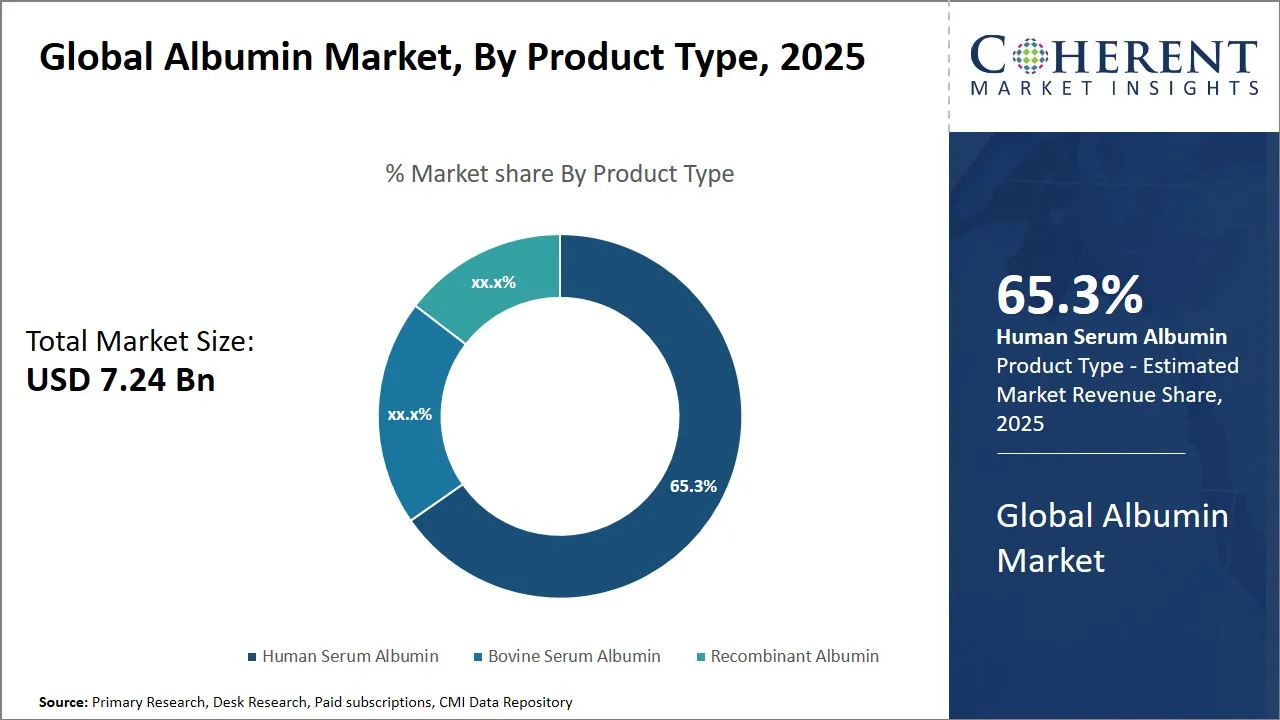
- In the global albumin market, human serum albumin is the leading product type, accounting for an estimated 66.3 % of the market share in 2026.
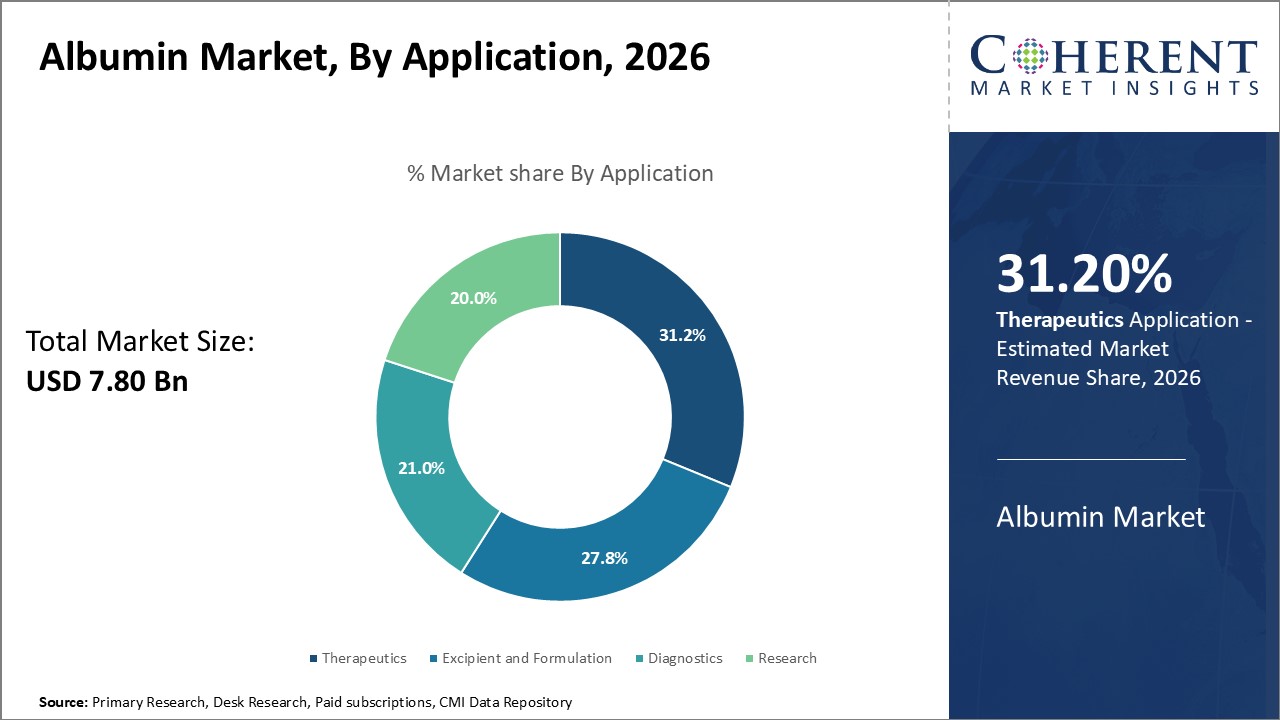
- By application, the therapeutics segment is projected to dominate with a 31.2 % share in 2026.
- Based on form, liquid albumin remains the most preferred option, capturing an estimated 71.5 % of the market share in 2026.
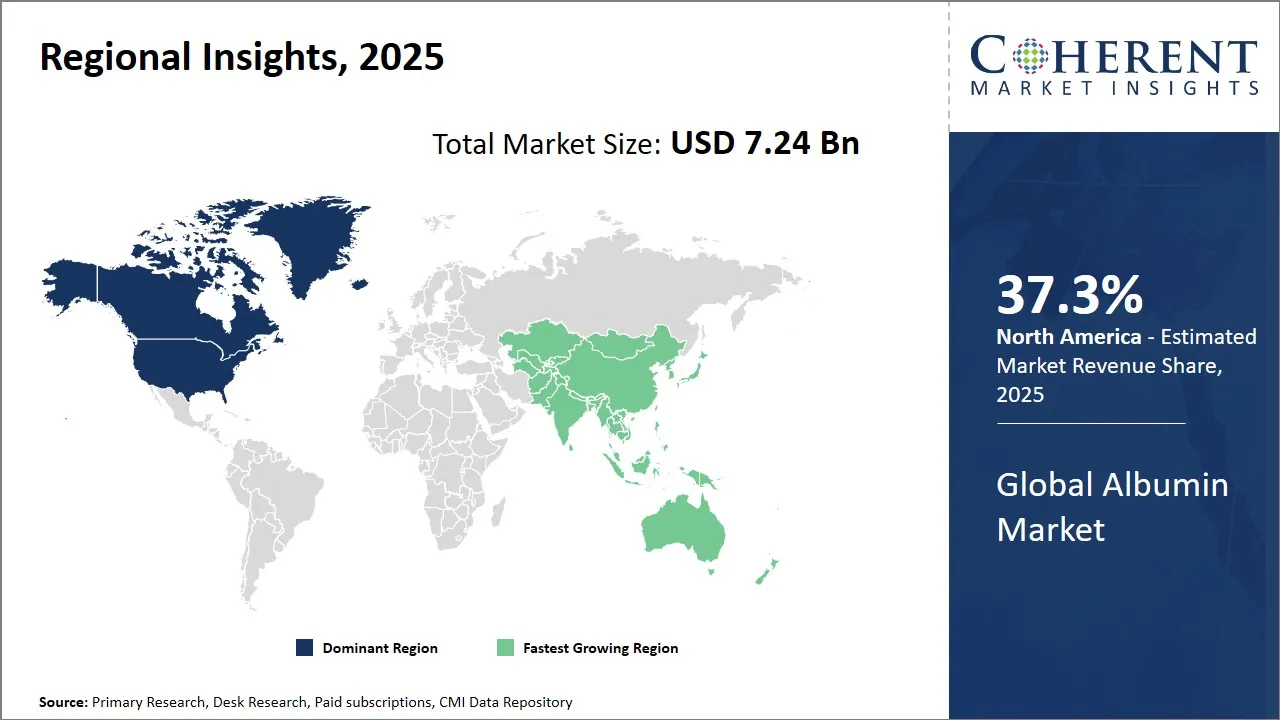
- North America is expected to lead the market, holding a share of 37.3 % in 2026. Asia Pacific is anticipated to be the fastest-growing region, with a market share of 23.4% in 2026.
Market Overview
A notable trend in the albumin market is the growing adoption of recombinant albumin and innovative formulations that address safety concerns associated with human-derived products. Additionally, biotechnology advancements are enabling enhanced efficacy and stability of albumin-based treatments, fostering wider clinical acceptance. The market is also witnessing increased focus on albumin’s role in targeted drug delivery systems and regenerative medicine, which is expected to create new growth opportunities and steer the market towards more personalized therapeutic solutions.
Current Events and Its Impact
Current Events | Description and its impact |
Healthgen Biotechnology develops rice-derived Human Serum Albumin (HSA) |
|
Stricter regulatory barriers for plasma quality and product approvals |
|
Segmental Insights
- Current Industry Events of 2026
- Market Size Estimation
- Regional Breakdown
- Competitive Landscape
- Customer Intelligence
- Segmental Analysis
- Pricing Analysis
- Key Market Drivers, Challenges & Future Trends
- Customized Insights Section
Albumin Market Insights, By Product Type - Human Serum Albumin Holds the Largest Share in the Product Type Segment Owing to Its Wide Therapeutic Utility and Established Safety Record
Among the various product types in the global albumin market, human serum albumin is expected to hold the highest market share, accounting for 66.3% in 2026, driven primarily by its extensive therapeutic applications and well-established safety profile. Human serum albumin is a naturally occurring protein in human plasma, playing a critical role in maintaining oncotic pressure and transporting various substances such as hormones, drugs, and fatty acids in the bloodstream. Its biological compatibility ensures minimal immunogenic reactions, making it highly preferable for clinical applications compared to bovine serum albumin or recombinant forms.
The dominance of HSA is reinforced by its wide-ranging use in treatment protocols of hypovolemia, shock, burns, and liver diseases. These medical conditions necessitate plasma volume expansion and stabilization, roles effectively fulfilled by HSA due to its ability to bind and carry essential molecules. Furthermore, the scarcity of adverse effects related to HSA compared to animal-derived albumins promotes its acceptance across hospitals and healthcare institutions globally.
Albumin Market Insights, By Application - Therapeutics Segment is Boosted by Expanding Clinical Uses and Increasing Prevalence of Target Diseases (Liver & Kidney Diseases)
The therapeutics segment is projected to command the largest share in the global albumin market with 31.2% in 2026, propelled by the broad therapeutic utility of albumin in various medical treatments. Albumin's intrinsic physiological properties, such as its volume-expanding capabilities and binding affinity for drugs and toxins, underpin its use in critical care settings where fluid resuscitation and maintaining plasma volume are paramount.
The rising prevalence of conditions like liver cirrhosis, trauma-induced hypovolemia, and shock further fuels demand for albumin-based treatments. In liver diseases, albumin not only serves as a plasma expander but also binds and neutralizes harmful substances, thereby improving patient outcomes.
In March 2025, Whitehawk Therapeutics, a U.S.-based oncology company developing next-generation antibody drug conjugates, completed the USD 100 million sale of its Aadi Subsidiary to Japan’s Kaken Pharmaceuticals. The deal includes the transfer of the Aadi Bioscience name, trademarks, and the FYARRO albumin-bound therapy business.
Albumin Market Insights, By Form - Liquid Albumin is Leading the Form Segment Owing to its Convenience and Rapid Administration Benefits
In the form-based segmentation of the global albumin market, liquid albumin outpaces lyophilized or powdered variants due to its ready-to-use nature and suitability for emergency medical scenarios with an estimated share of 71.5% in 2026. Liquid albumin is preferred in critical care where immediate volume replacement is necessary, such as in shock or severe burns, because it eliminates the time-consuming steps of preparation and reconstitution associated with powdered forms. This ease of administration ensures faster therapeutic intervention, which can be pivotal in life-threatening conditions.
The stability of liquid albumin in controlled storage environments, combined with advancements in packaging technology to maintain sterility and extend shelf life, further supports its dominant position in clinical settings. Healthcare providers often opt for liquid formulations to streamline hospital workflows, reduce errors in preparation, and enhance patient safety.
Regional Insights
North America Albumin Market Analysis and Trends
In North America, the dominance in the global albumin market is driven by a well-established healthcare infrastructure with an estimated share of 37.3% in 2026. This growth is driven by high prevalence of diseases requiring albumin therapy such as liver diseases, burns, and trauma, and strong investment in biopharmaceutical research and development. The region’s robust market ecosystem includes leading pharmaceutical companies, advanced hospitals, and effective distribution networks. Government policies in the U.S. and Canada support innovation and fast-track approvals for critical biologics, which further spurs market growth. The presence of major players such as Baxter International, Grifols, and CSL Behring who contribute significantly through continuous product innovation and strategic collaborations strengthens the market position in North America.
In December 2024, Grifols, a global leader in plasma-derived medicines, announced topline data from its Phase 3 PRECIOSA trial evaluating Albutein (albumin [human] U.S.P.) for patients with decompensated cirrhosis and ascites. While the trial did not meet its primary endpoint of one-year transplant-free survival, it showed improvements in transplant-free survival, mortality, and disease-related complications for patients treated with Albutein 20% plus standard medical treatment (SMT) compared to those receiving only SMT.
Asia Pacific Albumin Market Analysis and Trends
Meanwhile, the Asia Pacific region is expected to exhibit the fastest growth in the global albumin market with 23.4% in 2026. Rapid urbanization, expanding healthcare infrastructure, increasing healthcare expenditure, and improving access to advanced treatments contribute to this upward trend. Emerging economies like China, India, and Japan are witnessing a surge in patient populations requiring albumin due to the rising cases of chronic liver diseases and trauma injuries. Favorable government initiatives to enhance biopharmaceutical manufacturing capabilities, coupled with an increasing number of local biotech startups, fuel market expansion.
Global Albumin Market Outlook for Key Countries
U.S. Albumin Market Trends
The U.S. represents a crucial market within North America, attributed to its advanced healthcare system and significant investment in biopharmaceutical research focusing on plasma-derived products. Leading companies like Baxter and Grifols have established a strong presence, offering an extensive portfolio of albumin products. The U.S. market benefits from stringent regulatory frameworks by the U.S. FDA that ensure high safety and efficacy standards, fostering trust among healthcare providers and patients.
In May 2020, Bio Products Laboratory, a U.K.-based manufacturer of plasma-derived protein therapies with U.S. headquarters in North Carolina, announced the launch of ALBUMINEX 5% and ALBUMINEX 25% in the U.S. These USFDA-approved plasma-derived albumin solutions, with over 99% purity, are used in conditions such as hypovolemia, ascites, burns, ARDS, and cardiopulmonary bypass, strengthening BPL’s long-standing presence in the global albumin market.
China Albumin Market Trends
China’s albumin market is expanding rapidly due to increasing healthcare spending and government initiatives aimed at strengthening the biopharmaceutical sector. Domestic companies such as Haizheng Pharmaceutical and Shanghai RAAS Blood Products have been pivotal in scaling up albumin production. Furthermore, reforms aimed at improving blood safety and more comprehensive insurance coverage are facilitating greater patient access to albumin therapies, which drives demand.
In July 2023, Kedrion Biopharma, a global biopharmaceutical company specializing in plasma-derived therapies, announced that its partner BPL's human Albumin product received approval from China's National Institutes for Food and Drug Control (NIFDC). This marks the first-ever approval for a BPL product in China and is a significant milestone for Kedrion, which can now regularly ship its human Albumin to the country.
Germany Albumin Market Trends
Germany continues to lead in Europe with its advanced healthcare infrastructure and strong pharmaceutical industry. Companies like CSL Behring and Octapharma, headquartered or with significant operations in Germany, are key contributors. The country’s stringent regulatory environment ensures product quality, while extensive clinical research on albumin applications supports sustained adoption in hospitals. Germany’s role as a pharmaceutical hub also promotes innovation and exports within the European region.
In March 2023, CSL Behring, the global biotech company specializing in plasma-derived medicines for rare and serious diseases, opened a USD V470 million plasma fractionation facility in Marburg, Germany. The new site, built over five years, significantly expands CSL’s capacity to process donated plasma into life-saving therapies such as albumin and immunoglobulins, reinforcing Marburg’s growing role as a biotech innovation hub.
India Albumin Market Trends
India’s albumin market is growing due to rising the incidence of liver diseases and expanding hospital networks. The government’s emphasis on strengthening plasma collection and biopharmaceutical manufacturing aligns with increasing domestic production capabilities. Companies such as Bharat Serums and Vaccines and Hester Biosciences contribute by offering more affordable albumin solutions, making treatment accessible to a broader population. Growth in private healthcare and enhanced insurance penetration also support market development.
In August 2024, Shilpa Medicare made history as the first Indian company to complete a Phase 1 trial for its Recombinant Human Albumin (rHA) 20% product. This milestone marks a significant advancement in the development of recombinant albumin, offering a potential alternative to plasma-derived products for various therapeutic applications. Shilpa's successful trial sets the stage for further clinical studies and eventual commercialization, reinforcing the company's leadership in the biopharmaceutical industry.
End User Feedback and Unmet Needs - Albumin Market
- Feedback from end users in the global albumin market reveals both satisfaction with its critical therapeutic role and frustration with persistent gaps in availability and affordability. Hospitals and clinical research organizations consistently highlight the reliability of albumin in life-saving treatments such as shock management, liver failure, and as a stabilizing agent in biologics manufacturing. For example, several transplant centers in Europe have expressed strong confidence in the quality and consistency of recombinant albumin, noting that it improves patient outcomes while reducing concerns over pathogen transmission. This positive experience reinforces the value of technological innovation in meeting clinical needs and demonstrates that end users are open to adopting alternatives when safety and performance are proven.
- On the other hand, many healthcare providers and procurement bodies in Asia and Latin America point to recurring challenges such as high product costs, uneven distribution, and heavy reliance on plasma-derived supply chains that struggle to keep pace with rising demand. A frequently cited concern is the shortage of affordable albumin in public hospitals, which often limits access for lower-income patients. End users also express the need for more versatile formulations that can be tailored to specific therapeutic or industrial applications, along with better integration into supply management systems to prevent disruptions. These unmet needs present opportunities for manufacturers and policymakers to explore cost-efficient recombinant production, localized manufacturing partnerships, and supportive reimbursement models. Addressing these gaps not only has the potential to broaden access but also to build long-term trust and strengthen adoption across diverse markets.
Market Players, Key Developments, and Competitive Intelligence
Key Developments
- In August 2025, Plasma Protein Therapeutics Association (PPTA), which represents leading manufacturers of human plasma-derived therapies, responded to the recent approval of recombinant albumin in China. The approval covers rice-based recombinant human serum albumin for treating liver cirrhosis with hypoalbuminemia, representing less than 10% of global albumin use. While PPTA supports scientific advancements, it emphasized the need for robust real-world data to confirm the safety and efficacy of recombinant albumin in broader patient populations.
- In May 2025, Orion Corporation, a Finnish pharmaceutical company known for its research and generics, announced an agreement with Shilpa Medicare, an Indian pharmaceutical company focused on manufacturing high-quality, affordable biologics. The partnership grants Orion exclusive rights to distribute, market, and sell Shilpa’s Recombinant Human Albumin in Europe. This novel product, developed using a non-human expression system, addresses key limitations of human-derived albumin and is aimed at therapeutic applications.
- In February 2025, Zydus Lifesciences Ltd. announced a strategic partnership with Zhuhai Beihai Biotech to commercialize BEIZRAY (Albumin Solubilized Docetaxel Injection) in the U.S. Under the agreement, Beihai Biotech will handle manufacturing and supply, while Zydus will manage the product's commercialization in the U.S. albumin market. BEIZRAY, approved by the USFDA in October 2024, is a clinically validated, improved formulation of Docetaxel for treating various cancers, including breast, lung, prostate, gastric, and head and neck cancers
- In February 2025, Meitheal Pharmaceuticals, a biopharmaceutical company based in the U.S., announced the launch of its generic paclitaxel formulation in the U.S. through an exclusive licensing agreement with its parent company, Hong Kong King-Friend Industry Co., Ltd. This albumin-bound paclitaxel injectable suspension, a generic version of Abraxane, is used to treat various cancers, including metastatic breast cancer and pancreatic adenocarcinoma.
Top Strategies Followed by Global Albumin Market Players
- Established players dominate the market through heavy investments in research and development (R&D), focusing on innovating high-performance albumin products that meet stringent quality and safety standards. These companies prioritize developing advanced formulations that enhance therapeutic efficacy and patient outcomes, thereby securing a competitive edge. Additionally, they form strategic partnerships and alliances with major industry stakeholders and original equipment manufacturers (OEMs), facilitating integrated solutions and reinforcing their market presence.
- In August 2022, Sartorius, a global leader in bioprocessing technologies, announced the acquisition of Albumedix Ltd., a U.K.-based biotechnology company specializing in recombinant albumin solutions. Albumedix is renowned for its expertise in recombinant human albumin, which plays a critical role in biopharmaceutical production, particularly for cell therapies, viral therapies, and vaccines. The acquisition, valued at approximately USD 535.3 Mn, strengthens Sartorius’ position in the advanced therapy market.
- Mid-level players in the global albumin market are carving out their own space by focusing on the value-driven segment where cost remains a critical factor for both hospitals and patients. These companies recognize that healthcare providers, especially in emerging markets, are under constant pressure to deliver effective treatments without straining budgets. By offering cost-effective albumin solutions that maintain acceptable quality standards, mid-tier producers manage to balance affordability with performance.
- In December 2024, InVitria, a leading developer of recombinant, chemically defined components for biomanufacturing, launched Optibumin 25, the first and only 25% recombinant human serum albumin (rHSA) solution designed for closed-system biomanufacturing. This GMP-compliant, animal-origin-free alternative to plasma-derived albumin offers a consistent, sterile solution for cell and gene therapy applications, addressing regulatory challenges and improving scalability.
- Small-scale players in the albumin market, despite their limited resources, often succeed by targeting niche applications and introducing differentiated products. Many of them tailor albumin formulations for specific therapeutic or research uses, or explore innovative delivery mechanisms that set them apart from larger, established competitors. Their agility allows them to quickly adopt advanced biotechnology approaches, positioning themselves as flexible innovators in a market where speed and specialization can be as important as scale.
- A clear example came in June 2024, when Dyadic International partnered with Proliant Health and Biologicals to advance animal-free recombinant albumin products. By combining Dyadic’s expertise in microbial protein production with Proliant’s strength in supplying purified proteins for cell culture and diagnostics, the collaboration illustrates how smaller, innovation-driven players can leverage partnerships to expand their capabilities.
Market Report Scope
Albumin Market Report Coverage
| Report Coverage | Details | ||
|---|---|---|---|
| Base Year: | 2025 | Market Size in 2026: | USD 7.80 Bn |
| Historical Data for: | 2020 To 2024 | Forecast Period: | 2026 To 2033 |
| Forecast Period 2026 to 2033 CAGR: | 7.7% | 2033 Value Projection: | USD 13.11 Bn |
| Geographies covered: |
| ||
| Segments covered: |
| ||
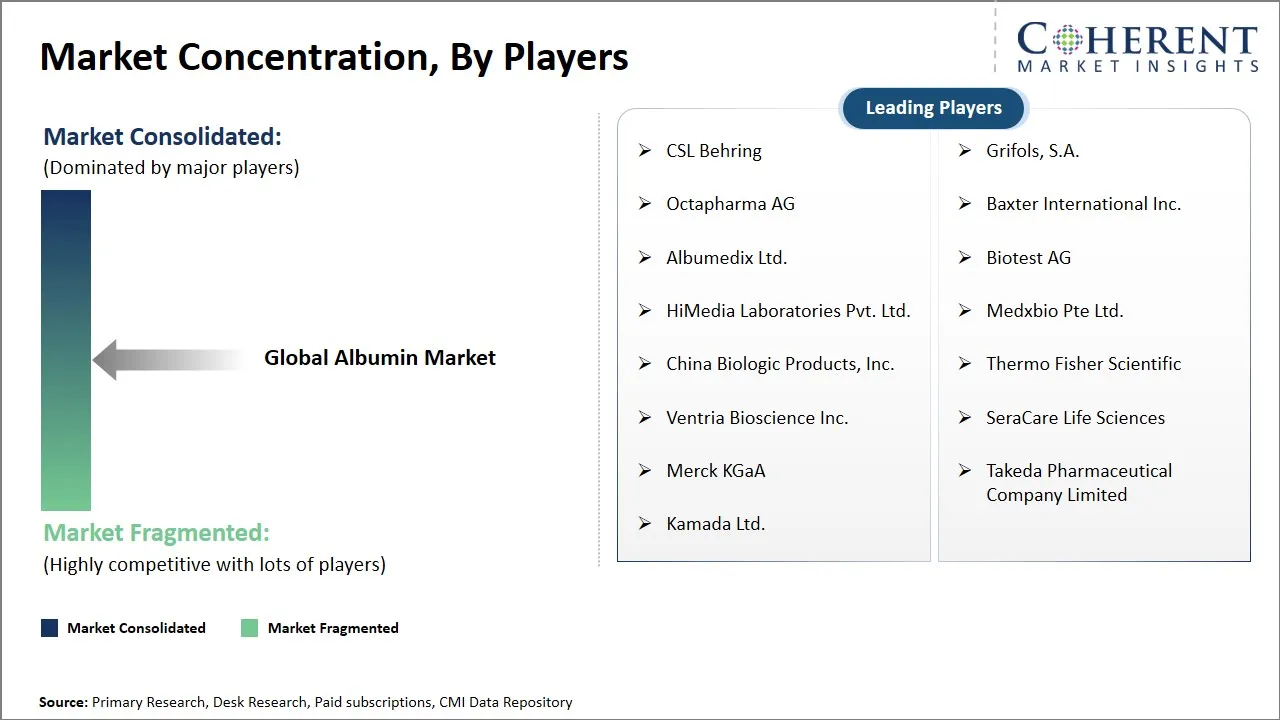
| Companies covered: | CSL Behring, Grifols, S.A., Octapharma AG, Baxter International Inc., Albumedix Ltd., Biotest AG, HiMedia Laboratories Pvt. Ltd., Medxbio Pte Ltd., China Biologic Products, Inc., Thermo Fisher Scientific, Ventria Bioscience Inc., SeraCare Life Sciences, Merck KGaA, Takeda Pharmaceutical Company Limited, and Kamada Ltd. | ||
| Growth Drivers: |
| ||
| Restraints & Challenges: |
| ||
Albumin Market Dynamics
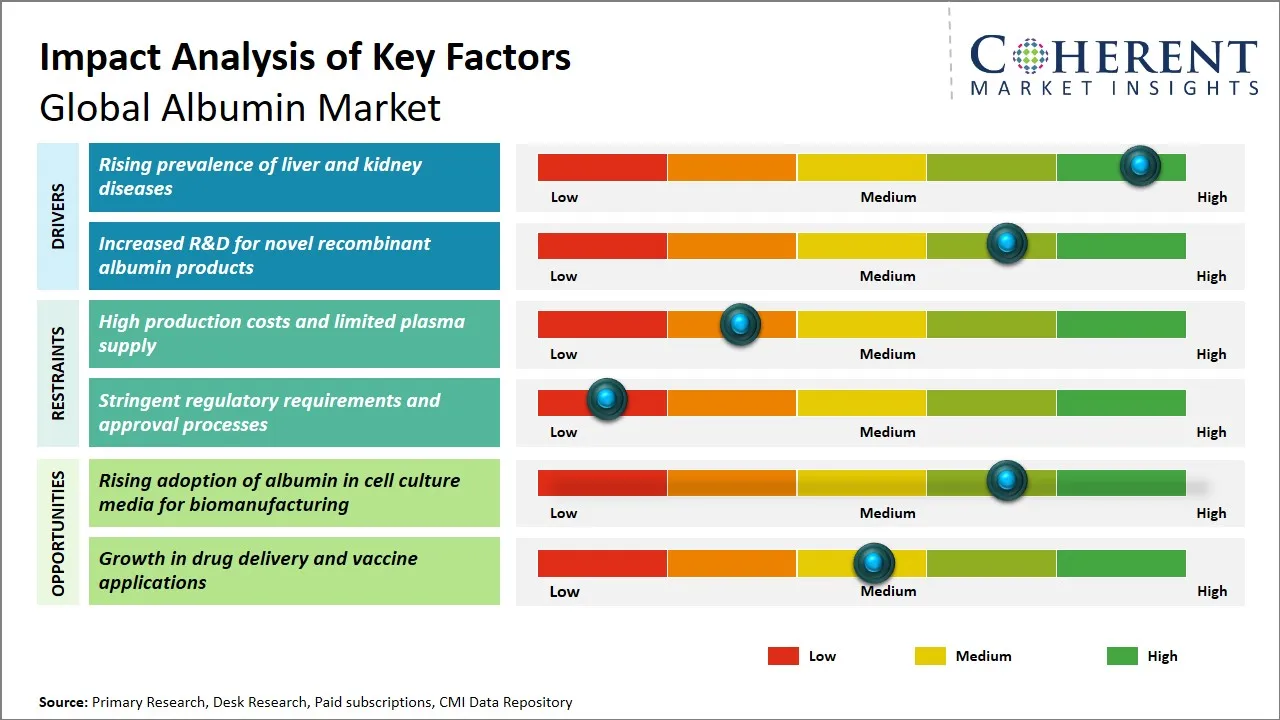
Albumin Market Driver - Rising Prevalence of Liver and Kidney Diseases
The increasing incidence of liver and kidney diseases is a significant driver influencing the demand for albumin in the healthcare sector. Albumin, a vital plasma protein, plays a crucial role in maintaining oncotic pressure and fluid balance, making it an essential therapeutic agent for managing conditions related to hepatic and renal dysfunction. Chronic liver diseases such as cirrhosis, hepatitis, and liver failure often result in hypoalbuminemia, necessitating albumin administration to restore plasma protein levels and stabilize patients. Similarly, kidney disorders like nephrotic syndrome led to excessive albumin loss through urine, exacerbating the need for albumin supplementation. Furthermore, the growing burden of lifestyle-related ailments, including diabetes and hypertension, contributes to the rising prevalence of liver and kidney impairments worldwide.
In April 2024, AstraZeneca, a global biopharmaceutical company, released new findings from its IMPACT CKD study, forecasting that up to 16.5% of the population in eight countries will suffer from chronic kidney disease (CKD) by 2032. The study, presented at the 2024 ISN World Congress of Nephrology in Buenos Aires, highlights the escalating global health crisis with significant economic and environmental impacts. With nearly 125 million people projected to have advanced chronic kidney disease by 2032, the economic burden, including dialysis and transplant costs, is expected to reach USD 186 billion. AstraZeneca’s ACT on CKD initiative aims to raise awareness and improve early diagnosis to slow CKD progression and mitigate these effects.
Albumin Market Opportunity - Rising Adoption of Albumin in Cell Culture Media for Biomanufacturing
One of the significant opportunities in the global albumin market is the increasing adoption of human serum albumin (HSA) and bovine serum albumin (BSA) in cell culture media used for biomanufacturing applications. As the biotechnology and pharmaceutical industries continue to expand, there is a growing demand for high-quality biologics such as monoclonal antibodies, vaccines, and recombinant proteins. Albumin plays a crucial role as a stabilizing and nutrient supplement in cell culture media, enhancing cell growth, viability, and productivity. Its ability to bind and transport essential molecules, including growth factors and lipids, makes it indispensable for optimizing conditions in in vitro cell cultures.
In August 2023, Dyadic International, a global biotechnology company focused on microbial protein production, announced significant progress in the commercialization of animal-free recombinant serum albumin. The company successfully developed stable cell lines to produce recombinant bovine and human serum albumin using its proprietary filamentous fungal-based platforms. Third-party testing confirmed that Dyadic’s recombinant albumin is structurally equivalent to commercially available animal-derived products.
Analyst Opinion (Expert Opinion)
- The global albumin market is gaining momentum as rising demand in therapeutic applications, expanding plasma fractionation capacities, and regulatory approvals for recombinant and plant-based alternatives reshape its growth trajectory. Advancements in biotechnology, such as recombinant albumin production from microbial and plant sources, are helping address long-standing supply shortages while also creating safer and more scalable options. At the same time, challenges remain around cost structures, dependence on plasma donations, and regulatory hurdles in emerging regions. Over the past few years, platforms like the World Congress on Biotechnology and the International Conference on Biopharmaceuticals have provided valuable stages for knowledge exchange, particularly showcasing novel manufacturing technologies, regulatory harmonization, and opportunities in next-generation protein therapeutics.
- Several real-world initiatives are already influencing market direction. Dyadic International’s progress in commercializing animal-free recombinant albumin, along with Healthgen’s large-scale production of human serum albumin from genetically engineered rice in China, illustrates how innovation is moving from lab to market. On the policy front, national healthcare systems in Europe and Asia are increasing support for albumin use in critical care, while collaborative pilot programs between hospitals and biotech firms are exploring expanded indications beyond liver and kidney diseases. These developments suggest that the market is heading toward a more diversified and innovation-led phase, where access, affordability, and new applications will define the pace of growth.
Speak to the analyst
Want personalized insights?
Take the findings above to one of our principal consultants, or have the report rebuilt around the segments, geographies and competitors you actually track.
Market Segmentation
- Product Type Insights (Revenue, USD Bn, 2021 - 2033)
- Human Serum Albumin
- Bovine Serum Albumin
- Recombinant Albumin
- Application Insights (Revenue, USD Bn, 2021 - 2033)
- Therapeutics
- Oncology
- Liver Diseases
- Hypovolemia and Shock
- Burn Treatment
- Others (Trauma and Surgery)
- Excipient and Formulation
- Vaccine Manufacturing
- Drug Delivery
- Diagnostics
- Blood Protein Analysis
- Serum Protein Electrophoresis
- Research
- Cell Culture Media
- Protein Stability Studies
- Therapeutics
- Form Insights (Revenue, USD Bn, 2021 - 2033)
- Liquid Albumin
- Lyophilized/Powdered Albumin
- End User Insights (Revenue, USD Bn, 2021 - 2033)
- Pharmaceutical and Biotechnology Industry
- Hospitals and Clinics
- Diagnostic Laboratories
- Research Institutes
- Regional Insights (Revenue, USD Bn, 2021 - 2033)
- North America
- U.S.
- Canada
- Latin America
- Brazil
- Argentina
- Mexico
- Rest of Latin America
- Europe
- Germany
- U.K.
- Spain
- France
- Italy
- Russia
- Rest of Europe
- Asia Pacific
- China
- India
- Japan
- Australia
- South Korea
- ASEAN
- Rest of Asia Pacific
- Middle East
- GCC Countries
- Israel
- Rest of Middle East
- Africa
- South Africa
- North Africa
- Central Africa
- North America
- Key Players Insights
- CSL Behring
- Grifols, S.A.
- Octapharma AG
- Baxter International Inc.
- Albumedix Ltd.
- Biotest AG
- HiMedia Laboratories Pvt. Ltd.
- Medxbio Pte Ltd.
- China Biologic Products, Inc.
- Thermo Fisher Scientific
- Ventria Bioscience Inc.
- SeraCare Life Sciences
- Merck KGaA
- Takeda Pharmaceutical Company Limited
- Kamada Ltd.
Sources
Primary Research Interviews
- Industry Stakeholders
- Plasma fractionation companies (technical directors)
- Biotechnology R&D heads
- End Users
- Hospital procurement managers
- Clinical research coordinators
Government and International Databases
- U.S. Food and Drug Administration (FDA)
- European Medicines Agency (EMA)
- World Health Organization (WHO)
- National Institutes of Health (NIH)
- United Nations Comtrade Database
Trade Publications
- BioProcess International
- Pharmaceutical Technology
- The Pharma Letter
- Genetic Engineering & Biotechnology News (GEN)
- PharmTech Europe
- Contract Pharma
Academic Journals
- Journal of Pharmaceutical Sciences
- International Journal of Biological Macromolecules
- Biotechnology Advances
- Journal of Clinical Investigation
- Nature Biotechnology
- Transfusion Medicine Reviews
Reputable Newspapers
- The New York Times – Health Section
- Financial Times – Pharmaceuticals Coverage
- The Guardian – Global Health
- The Wall Street Journal – Healthcare & Pharma
- South China Morning Post – Biotechnology Reports
- The Economic Times – Healthcare
Industry Associations
- International Plasma Fractionation Association (IPFA)
- Plasma Protein Therapeutics Association (PPTA)
- International Society on Thrombosis and Haemostasis (ISTH)
- American Society of Hematology (ASH)
- European Federation of Pharmaceutical Industries and Associations (EFPIA)
- International Society for Cell & Gene Therapy (ISCT)
Public Domain Resources
- World Bank Open Data
- OECD Health Statistics
- U.S. Centers for Disease Control and Prevention (CDC)
- European Commission Public Health Portal
- National Health Service (NHS) Digital
Proprietary Elements
- CMI Data Analytics Tool: Proprietary analytics tool to analyze real-time market trends, consumer behavior, and technology adoption in market
- Proprietary CMI Existing Repository of Information for Last 8 Years
Get access to 250+ pages report
Every segment, forecast, competitor profile and data table behind the analysis above — available for instant download.
- ESOMAR Member
- ISO 9001:2015 Certified
- D-U-N-S Registered
- GDPR & CCPA Compliant
Missing comfort of reading report in your local language? Find your preferred language:
Transform your Strategy with Exclusive Trending Reports
Frequently Asked Questions
The global albumin market is estimated to be valued at USD 7.80 Bn in 2026 and is expected to reach USD 13.11 Bn by 2033.
The CAGR of global albumin market is projected to be 7.7% from 2026 to 2033.
Rising prevalence of liver and kidney diseases and increased R&D for novel recombinant albumin products are the major factors driving the growth of the global albumin market.
High production costs and limited plasma supply and stringent regulatory requirements and approval processes are the major factors hampering the growth of the global albumin market.
In terms of product type, human serum albumin is estimated to dominate the market revenue share in 2026.
CSL Behring, Grifols, S.A., Octapharma AG, Baxter International Inc., Albumedix Ltd., Biotest AG, HiMedia Laboratories Pvt. Ltd., Medxbio Pte Ltd., China Biologic Products, Inc., Thermo Fisher Scientific, Ventria Bioscience Inc., SeraCare Life Sciences, Merck KGaA, Takeda Pharmaceutical Company Limited, and Kamada Ltd. are the major players.
North America is expected to lead the global albumin market in 2026.