

Global Allergy Shots Market Size and Forecast – 2026 to 2033
The Global Allergy Shots Market is estimated to be valued at USD 5.89 Bn in 2026 and is expected to reach USD 9.27 Bn by 2033, exhibiting a compound annual growth rate (CAGR) of 6.7% from 2026 to 2033. This steady growth reflects increasing prevalence of allergic conditions and growing awareness about immunotherapy drugs as an effective treatment option across various demographics worldwide.
Key Takeaways of the global allergy shots market
- In the global allergy shots market, allergic rhinitis leads the way with an estimated 36.1% share in 2026, driven by its high prevalence and significant impact on quality of life.
- Pollen emerges as the primary allergen, accounting for an estimated 24.4% of the market share in 2026, due to its prominence as a common trigger for allergic reactions requiring immunotherapy.
- Among immunotherapy types, Subcutaneous Immunotherapy (SCIT) holds the largest market share, with an estimated 26.6 % in 2026.
- North America is expected to lead the market, holding an estimated share of 37.3 % in 2026. Asia Pacific is anticipated to be the fastest-growing region, with a market share of 25.4% in 2026.
Market Overview
Market trends indicate a rising adoption of personalized allergy immunotherapy, supported by advancements in biotechnology and improved diagnostic techniques. Additionally, the expanding patient base, coupled with enhanced healthcare infrastructure in emerging markets, is driving demand. There is also a growing focus on developing safer, more efficient allergy shots with reduced treatment durations, further fueling market expansion in the coming years.
Current Events and Its Impact
Current Events | Description and its impact |
U.S. Professional Societies Simplify SCIT Documentation Guidelines |
|
Technological Advancements in Allergy Immunotherapy |
|
Segmental Insights
- Current Industry Events of 2026
- Market Size Estimation
- Regional Breakdown
- Competitive Landscape
- Customer Intelligence
- Segmental Analysis
- Pricing Analysis
- Key Market Drivers, Challenges & Future Trends
- Customized Insights Section
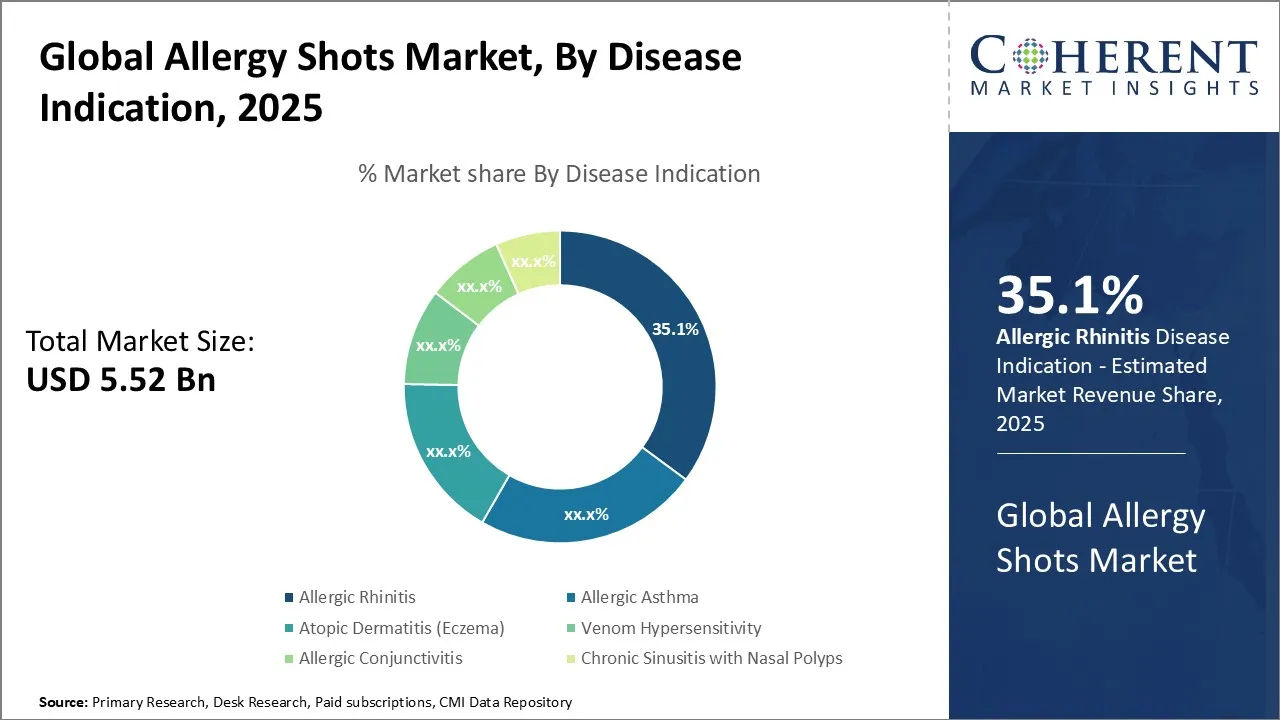
Allergy Shots Market Insights, By Disease Indication - Allergic Rhinitis Dominates Due to Rising Prevalence and Symptom Burden
In the global allergy shots market segmented by disease indication, allergic rhinitis is expected to hold the dominant position with a share of 36.1% in 2026, reflecting its widespread prevalence and significant impact on quality of life. This prominence is largely driven by the growing incidence of allergic rhinitis worldwide, which affects a considerable portion of the population across various age groups. Urbanization, increased exposure to environmental pollutants, and lifestyle changes have been key contributors to the upsurge in allergic rhinitis cases, thereby elevating the demand for effective treatment options such as allergy shots.
According to National Library of Medicine, in March 2022, the prevalence of allergic rhinitis (AR) is rising globally, driven by factors like air pollution, climate change, and urbanization. Increased exposure to allergens, family history, and lifestyle changes contribute to higher rates, especially among children and young adults. Improved awareness and diagnostics also highlight the growing burden of AR.
The chronic nature of allergic rhinitis and its associated symptoms—including nasal congestion, sneezing, itching, and watery eyes—contribute substantially to the demand for immunotherapy. Many patients seek long-term solutions beyond symptomatic therapies, which propels the adoption of allergen immunotherapy as a disease-modifying approach. Allergy shots play a crucial role by desensitizing the immune system to allergens, offering sustained relief and reducing medication dependency.
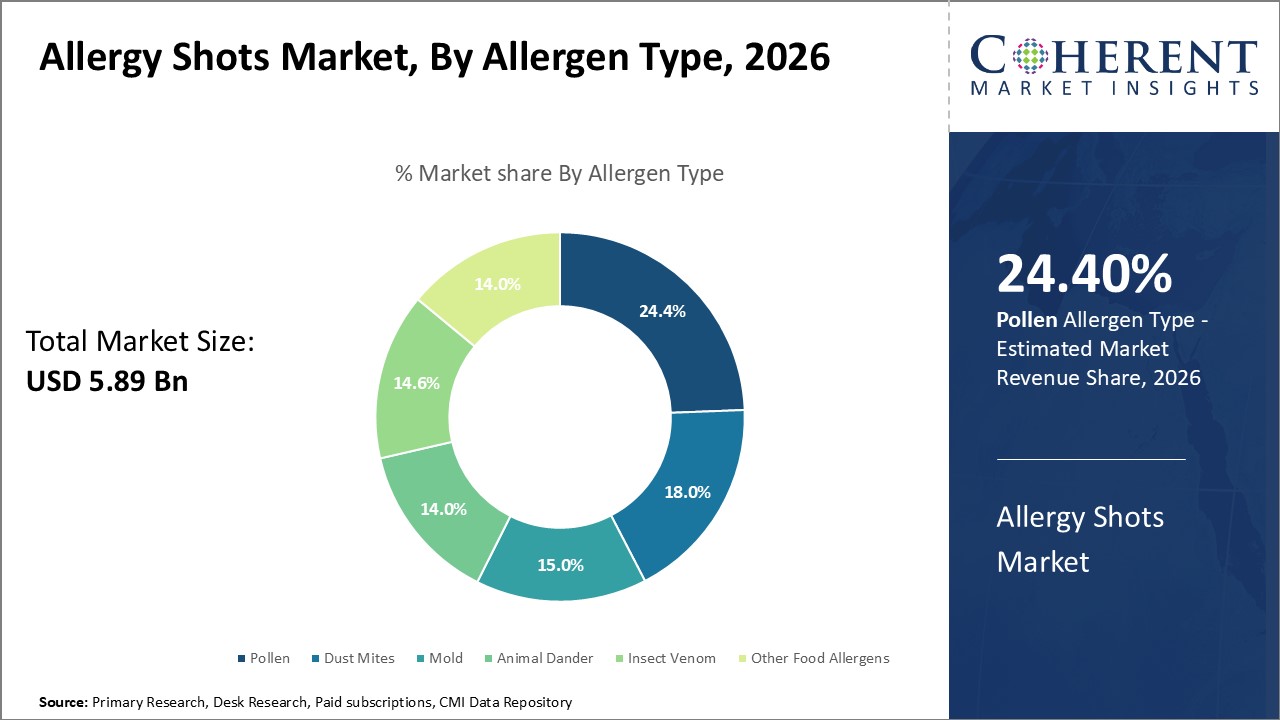
Allergy Shots Market Insights, By Allergen Type - Pollen Allergies Dominate due to Seasonal Allergic Responses, Climate Change, and Increased Pollen Exposure, Necessitating Tailored Immunotherapy Solutions
Among allergen types, pollen stands out as the primary contributor to the global allergy shots market, with an estimated share of 24.4% in 2026 reflecting its role as the most common trigger for allergic reactions requiring immunotherapy. Seasonal allergic responses caused by various pollen types—such as tree, grass, and weed pollen—have made pollen-induced allergies one of the leading causes of morbidity, especially during specific times of the year.
Environmental factors aggravate the pollen-related allergy segment notably. Climate change and rising global temperatures have extended pollen seasons and increased pollen concentration in many regions, intensifying patient exposure and symptom severity. Additionally, pollen allergies often coexist with other allergic diseases, such as conjunctivitis and asthma, expanding the scope for combined allergen immunotherapy formulations.
For example, according to the Ministry of Science & Technology, in March 2022, Indian scientists have proposed a multi-sectoral strategy to prevent and control pollen allergies, emphasizing both large-scale and personal measures. They recommend developing pollen forecast systems, training healthcare professionals, and advising the public to follow pollen forecasts, use face masks, and limit outdoor exposure during peak pollen seasons.
Allergy Shots Market Insights, By Immunotherapy Type - Subcutaneous Immunotherapy (SCIT) Leads Due to Proven Efficacy and Longstanding Adoption
Subcutaneous Immunotherapy (SCIT) commands the largest share of the allergy shots market within the immunotherapy type segmentation with an estimated share of 26.6% in 2026. This dominance stems from SCIT’s extensive clinical history, well-established efficacy profile, and widespread acceptance among healthcare providers and patients. Administered via injections under the skin, SCIT is the traditional and most common form of allergy immunotherapy, offering a robust mechanism to induce immune tolerance against a broad spectrum of allergens.
The proven effectiveness of SCIT in reducing allergic symptoms over the long term is a key factor driving its continued preference. Numerous clinical studies and decades of real-world experience underpin its status as a gold standard treatment, especially for patients with moderate to severe allergic conditions or those refractory to symptomatic medications. Additionally, SCIT’s ability to address multiple allergens simultaneously makes it highly versatile for patients with polysensitization, thereby broadening its applicability.
Regional Insights
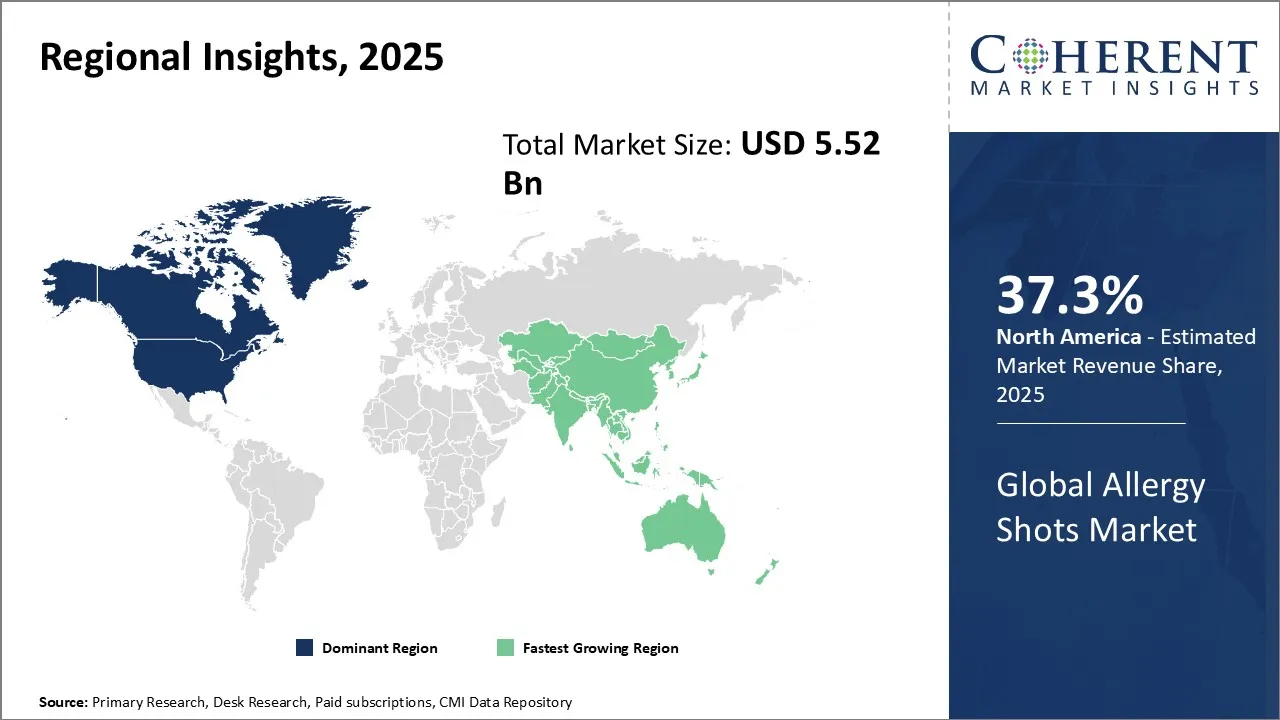
North America Allergy Shots Market Analysis and Trends
In North America, the dominance in the global allergy shots market is primarily driven by a well-established healthcare infrastructure with an estimated share of 37.3% in 2026, robust research and development capabilities, and favorable government policies encouraging immunotherapy adoption. The presence of advanced healthcare facilities and widespread awareness about allergy management contribute significantly to market dominance.
The U.S., as the largest contributor, benefits from substantial investment in biopharmaceutical research, producing innovative allergy shot formulations and delivery systems. Key players such as ALK-Abelló, Regeneron Pharmaceuticals, and Stallergenes Greer have a strong presence here, continually expanding their product portfolios through clinical advancements and strategic collaborations. Additionally, reimbursement frameworks and clear regulatory pathways through agencies like the U.S. FDA support rapid product approvals and market penetration.
Asia Pacific Allergy Shots Market Analysis and Trends
Meanwhile, the Asia Pacific region is expected to exhibit the fastest growth in the allergy shots market with a share of 25.4% in 2026, fueled by increasing allergy prevalence due to rapid urbanization and changing lifestyle patterns. Expanding healthcare access and rising public health awareness are encouraging the adoption of immunotherapy treatments. Emerging economies like China and India are witnessing improved healthcare infrastructure and supportive government initiatives aimed at chronic disease management, spurring demand for allergy shots. Additionally, the presence of multinational companies such as GlaxoSmithKline and local pharmaceutical firms driving localization of production and distribution enhances market expansion.
In June 2026, a new four-year study, led by National University Hospital (NUH) and KK Women’s and Children’s Hospital (KKH), aims to examine the prevalence of food allergies in Singaporean children and their impact on nutrition, growth, metabolic health, and mental well-being. The study, launched due to a significant rise in food allergy cases, found that the number of children testing positive for allergies such as milk, eggs, peanuts, and shellfish has tripled over the past decade.
Global Allergy Shots Market Outlook for Key Countries
U.S. Allergy Shots Market Trends
The U.S. allergy shots market is experiencing significant growth, driven by advancements in immunotherapy, supportive regulatory frameworks, and increased patient awareness. Companies like Regeneron Pharmaceuticals and ALK-Abelló are at the forefront of this expansion. Regeneron has developed Dupixent (dupilumab), a monoclonal antibody that targets interleukin-4 and interleukin-13 receptors, addressing the underlying causes of allergic diseases. ALK-Abelló, a global leader in allergy immunotherapy, offers a range of sublingual and subcutaneous treatments.
For example, Roche is a global healthcare company known for its innovative pharmaceutical and diagnostic solutions, including allergy treatments. The company offers allergy immunotherapy products, including allergy shots, through its divisions focused on diagnostics and therapeutics.
Australia Allergy Shots Market Trends
The allergy shots market in Australia is showing strong trends due to the increasing prevalence of allergic conditions, especially seasonal allergies and allergic asthma. Technological advancements in immunotherapy, such as the development of sublingual immunotherapy (SLIT) and personalized treatments, are contributing to market growth by offering more convenient and effective treatment options. Regulatory support and growing awareness among patients about long-term benefits of allergy shots are driving adoption. There's also a trend toward more accessible treatment options, with increased interest in home-based immunotherapy.
In July 2024, Australia has introduced a groundbreaking peanut allergy immunotherapy program for infants, making it the world’s first nationwide initiative to build tolerance to peanuts in babies. The ADAPT OIT Program, a collaboration between Australia’s National Allergy Centre of Excellence (NACE) and the Murdoch Children’s Research Institute (MCRI), is open to babies under 12 months diagnosed with a peanut allergy. The program offers a two-year treatment plan involving daily doses of peanut powder, administered at home, to help build tolerance and potentially achieve remission.
Canada Allergy Shots Market Trends
Canada's allergy shots market is experiencing notable growth, driven by several key factors. The increasing prevalence of allergic conditions, particularly allergic rhinitis and asthma, is a significant contributor to the rising demand for effective treatments. Technological advancements in immunotherapy, including the development of sublingual immunotherapy (SLIT) tablets and personalized treatment approaches, are enhancing the efficacy and convenience of allergy shots. Additionally, supportive regulatory frameworks and increased awareness among healthcare providers and patients are facilitating broader adoption of these therapies.
In October 2023, a Canadian pharmaceutical company, Angany, received approval from the U.K.'s Medicines and Healthcare products Regulatory Agency (MHRA) to launch the first human clinical trial for a new vaccine aimed at treating cat allergies. The trial, which began at the Royal Brompton Hospital in London, will test the vaccine's safety and its ability to provoke an immune response in adults allergic to cat dander. Unlike traditional desensitization methods that require years of exposure to allergens, this vaccine aims to provide a safer, more effective, and easier treatment option.
Germany Allergy Shots Market Trends
Germany’s robust healthcare system and strong pharmaceutical industry underpin its significant market role in Europe. Companies, such as HAL Allergy, focus on producing high-quality allergen extracts tailored to the European patient population. The government’s emphasis on preventive healthcare and allergy management also drives steady adoption of allergy shots. Furthermore, Germany’s export capabilities contribute to its strategic position as both a manufacturer and consumer in the allergy immunotherapy segment.
Allergopharma, a part of Merck KGaA, Germany, is a leading manufacturer of allergy immunotherapy products. They offer injectable allergy shots as well as other forms of immunotherapy to treat conditions such as hay fever and allergic asthma. The company operates in Europe, North America, and other regions, providing effective treatment solutions for allergic conditions by using allergen extracts to gradually desensitize patients.
India Allergy Shots Market Trends
India’s allergy shots market is expanding rapidly due to its large patient population and growing awareness about allergy treatments. Companies such as Cipla and Zydus Cadila are increasingly focusing on allergy immunotherapy, leveraging cost-effective production capabilities. The government’s push toward accessible healthcare under national health schemes promotes wider utilization of allergy shots. Additionally, increasing urban pollution levels contribute to the rising need for allergy treatment, stimulating market growth.
In May 2023, Metropolis Healthcare Limited, India's leading diagnostic service provider, has launched an innovative AI-powered Allergy Component Testing platform to help diagnose and manage various types of allergies. This 4th-generation technology uses Component Resolved Diagnostics (CRD) to detect specific IgE antibodies against 295 allergens through a simple blood test. It can identify food, respiratory, and contact allergens, and predict whether treatments like immunotherapy will be effective. This advanced testing provides precise insights into allergic reactions, enabling better clinical decision-making and personalized treatment options.
End User Feedback and Unmet Needs – Global Allergy Shots Market
- End user feedback in the global allergy shots market highlights significant satisfaction with the overall efficacy of allergy immunotherapy, particularly in terms of long-term relief from allergic rhinitis and other common allergic conditions. Many patients appreciate the personalized treatment plans offered by subcutaneous immunotherapy (SCIT), as it provides a tailored approach based on specific allergens, leading to improved quality of life. A frequently cited positive experience comes from patients with pollen-induced allergic rhinitis, where allergy shots have been praised for reducing symptoms such as sneezing, itchy eyes, and congestion, allowing users to better manage seasonal allergy flare-ups. However, despite these successes, some users report challenges with the accessibility and convenience of treatment. For example, many patients, particularly those in rural or underserved areas, express frustration with the need for frequent visits to healthcare facilities for administration, highlighting a key operational barrier.
- On the other hand, a notable concern raised by end users relates to the affordability and customization of treatments. While allergy shots have shown high efficacy, the costs associated with multiple visits and long treatment durations remain a significant issue for a large portion of the patient population. Furthermore, many patients cite the lack of personalized treatment options outside of SCIT, with some requiring more flexible immunotherapy regimens that align with their lifestyle and specific allergic reactions. Addressing these unmet needs by integrating more affordable treatment options, expanding access through home-based treatments, and incorporating greater customization into immunotherapy solutions could open avenues for market expansion. By improving accessibility, affordability, and personalization, manufacturers and policymakers can foster higher customer retention and satisfaction, while also driving innovation in the form of more flexible, user-friendly allergy treatments.
Market Players, Key Developments, and Competitive Intelligence
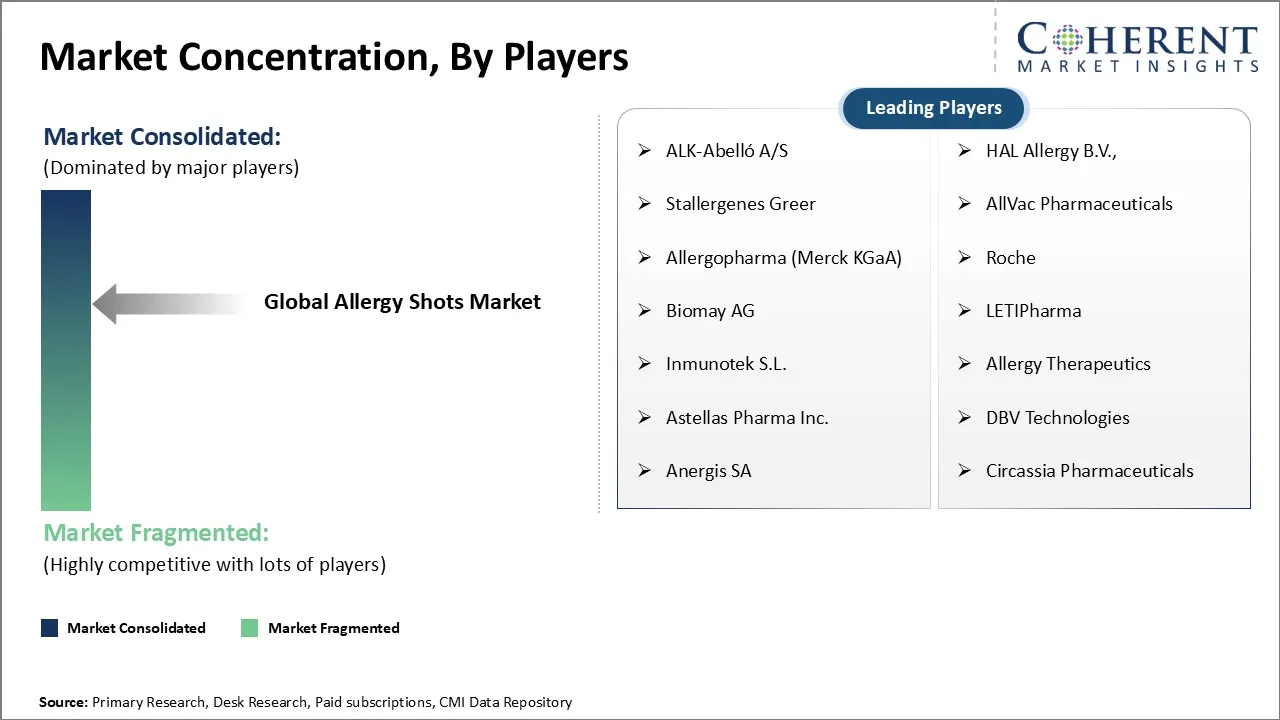
Key Developments
- In March 2025, ARS Pharmaceuticals, Inc. announced that the U.S. FDA has approved neffy 1 mg (epinephrine nasal spray) for treating Type I Allergic Reactions, including anaphylaxis, in children aged 4 years and older who weigh 15 to <30 kg. neffy is the first needle-free epinephrine treatment approved for younger children, offering a simple nasal spray with no nasal hold time required. This approval marks a significant innovation in epinephrine delivery for pediatric patients, addressing the need for more accessible and effective treatments for severe allergic reactions.
- In March 2025, the National Institutes of Health (NIH) initiated a human trial for LASSARAB, a groundbreaking dual-purpose vaccine targeting both Lassa fever and rabies. The Phase 1 trial, sponsored by the NIH's National Institute of Allergy and Infectious Diseases (NIAID), will assess the safety and immune response of the vaccine in healthy adults. Lassa fever, a deadly viral hemorrhagic disease, currently has no approved vaccine or specific treatments. The trial will involve 55 adults and will test three different vaccine concentrations.
- In February 2025, ALK announced that the U.S. FDA has expanded the approval of ODACTRA (House Dust Mite Allergen Tablet) to treat house dust mite (HDM)-induced allergic rhinitis, with or without conjunctivitis, in children ages 5 through 11. Previously approved for patients aged 12 to 65, ODACTRA is now available for younger patients as well, offering a sublingual (under-the-tongue) treatment option for those with persistent allergy symptoms.
- In February 2024, the U.S. Food and Drug Administration (FDA) has approved Xolair (omalizumab) for the treatment of immunoglobulin E (IgE)-mediated food allergies in adults and children aged 1 year or older. This approval aims to reduce allergic reactions, including the risk of anaphylaxis, following accidental exposure to one or more food allergens. Patients must still avoid the foods they are allergic to Xolair, a monoclonal antibody, was first approved in 2003 for treating allergic asthma and is also used for chronic urticaria and chronic rhinosinusitis with nasal polyps.
Top Strategies Followed by Global Allergy Shots Market Players
- Established companies dominate the allergy immunotherapy sector by investing significantly in research and development to drive innovation in high-performance products. These companies are focused on enhancing the efficacy, safety, and patient compliance of their treatments by utilizing advanced biotechnologies and improved formulation techniques.
- For example, Allergy Therapeutics is a prominent player in the allergy immunotherapy sector, specializing in injectable allergy shots and sublingual immunotherapy products. It provides treatments for conditions like hay fever and allergic rhinitis, with a focus on reducing sensitivity to specific allergens over time.
- Mid-level players primarily on offering cost-effective solutions that strike a balance between quality and affordability. These companies target price-sensitive consumers who seek reliable allergy immunotherapy treatments without the premium pricing associated with leading brands. By streamlining manufacturing processes and optimizing supply chains, mid-tier companies manage to maintain competitive pricing while adhering to quality standards acceptable within the regulatory frameworks.
- In June 2024, HeyAllergy, a leader in personalized allergy solutions, launched HeyPak Allergy Drops, designed for personalized relief. HeyPak offers a convenient way to manage allergies without the need for frequent doctor visits. Backed by scientific research, these drops have proven effective in reducing allergy symptoms. With flexible pricing plans starting at just USD 47 per month, HeyPak is a cost-effective solution for allergy sufferers.
- Small-scale players occupy a unique niche in the allergy shots market by focusing on specialized features or innovating novel products that differentiate them from larger competitors. They frequently leverage cutting-edge technologies such as recombinant DNA technology, personalized immunotherapy, or novel adjuvant formulations to develop next-generation allergy shots with enhanced performance or convenience. These innovations often target specific patient groups or rare allergens, helping small players better cater to unmet needs.
- DBV Technologies is at the forefront of developing innovative allergy treatments. They are pioneers in epicutaneous immunotherapy (EPIT), delivered via their Viaskin patch technology. This is not subcutaneous injection (SCIT). Its lead product, Viaskin Peanut, is designed to desensitize peanut-allergic patients by applying allergens through the skin. They are developing EPIT for other allergens.
Market Report Scope
Allergy Shots Market Report Coverage
| Report Coverage | Details | ||
|---|---|---|---|
| Base Year: | 2025 | Market Size in 2026: | USD 5.89 Bn |
| Historical Data for: | 2020 To 2024 | Forecast Period: | 2026 To 2033 |
| Forecast Period 2026 to 2033 CAGR: | 6.7% | 2033 Value Projection: | USD 9.27 Bn |
| Geographies covered: |
| ||
| Segments covered: |
| ||
| Companies covered: | ALK-Abelló A/S, HAL Allergy B.V., Stallergenes Greer, AllVac Pharmaceuticals, Allergopharma (Merck KGaA), Roche, Biomay AG, LETIPharma, Inmunotek S.L., Allergy Therapeutics, Astellas Pharma Inc., DBV Technologies, Anergis SA, and Circassia Pharmaceuticals | ||
| Growth Drivers: |
| ||
| Restraints & Challenges: |
| ||
Allergy Shots Market Dynamics
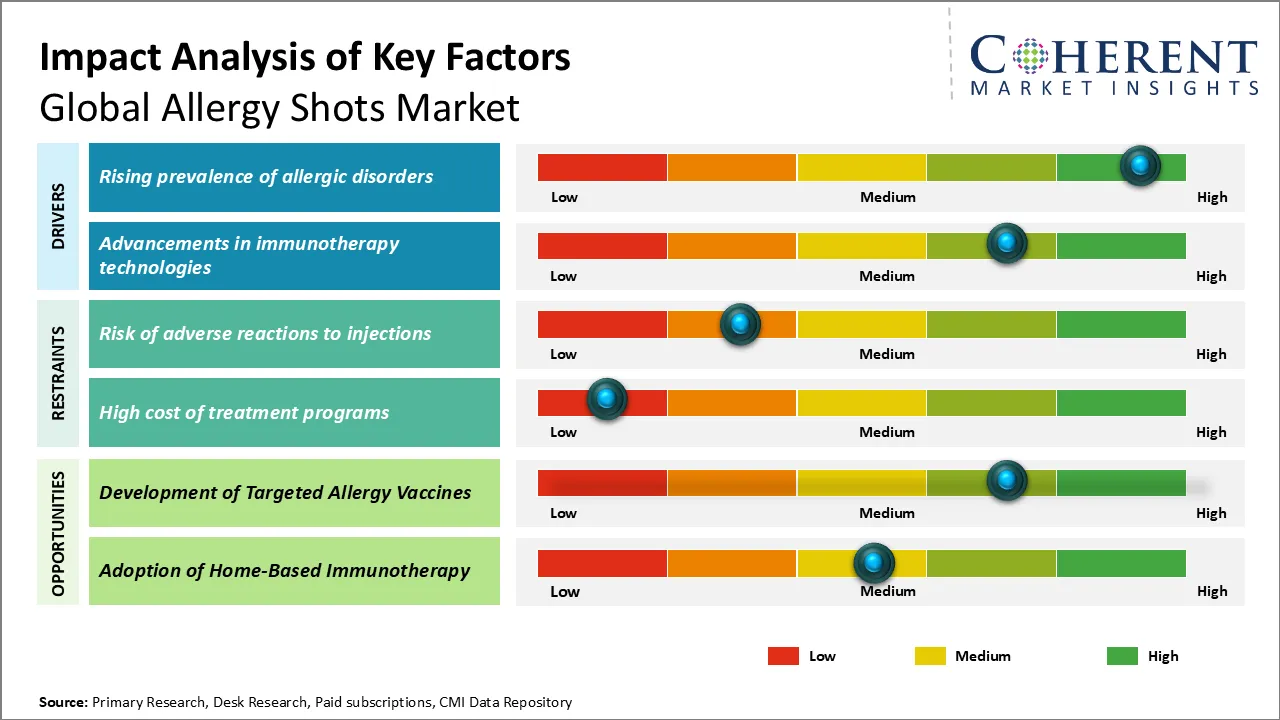
Allergy Shots Market Driver - Rising Prevalence of Allergic Disorders
The increasing incidence of allergic disorders worldwide is a significant driver propelling the demand for allergy shots. Factors such as urbanization, changing lifestyles, and environmental pollution have contributed to a growing number of individuals experiencing allergic reactions, including hay fever, allergic rhinitis, and asthma. Additionally, genetic predisposition combined with increased exposure to allergens like pollen, dust mites, pet dander, and mold spores has intensified the burden of allergies across various age groups. As conventional allergy management often provides only temporary relief, allergy shots, or allergen immunotherapy, have gained prominence as a more effective, long-term solution by targeting the root cause of allergic responses. This rise in allergy cases has heightened awareness among healthcare providers and patients about the benefits of immunotherapy, further driving adoption rates.
In January 2023, new data from the Centers for Disease Control and Prevention & National Center for Health Statistics reveals that more than a quarter of U.S. adults and over one in four U.S. children have at least one allergy. In 2021, 25.7% of adults reported seasonal allergies, 7.3% had eczema, and 6.2% had food allergies. Among children, 18.9% had seasonal allergies, 10.8% had eczema, and 5.8% had food allergies.
Allergy Shots Market Opportunity - Development of Targeted Allergy Vaccines
The global allergy shots market presents a significant opportunity with the development of targeted allergy vaccines, which promise to enhance treatment efficacy and patient outcomes. Traditional allergy immunotherapy often involves generalized allergens, which may not be equally effective across diverse patient populations due to variations in allergen sensitivity and immune responses. The advent of targeted allergy vaccines, formulated using advanced biotechnological methods such as recombinant DNA technology and peptide-based immunotherapy, allows for customization specific to individual allergens and patient profiles. This precision in treatment can lead to faster desensitization, reduced side effects, and improved adherence due to shorter treatment durations. Moreover, ongoing research into biomarkers and genetic indicators is supporting the identification of patient subgroups most likely to benefit from specific vaccine formulations.
In April 2025, the U.S. Food and Drug Administration (FDA) has approved Dupixent (dupilumab) as the first new targeted therapy in over a decade for chronic spontaneous urticaria (CSU) in adults and adolescents aged 12 and older who remain symptomatic despite antihistamine treatment. This approval is based on Phase 3 studies showing Dupixent significantly reduced itching and hives compared to a placebo. Over 300,000 individuals in the U.S. live with CSU, which is often inadequately controlled by antihistamines. Additionally, the development of targeted allergy vaccines is advancing, offering promising new treatments for individuals suffering from various allergic conditions.
Analyst Opinion (Expert Opinion)
- The allergy shots market is witnessing steady growth, driven by technological advancements in immunotherapy, increased regulatory support, and rising demand for effective allergy treatments. Innovations in personalized allergy shots, such as improved allergen formulations and targeted therapies, are significantly enhancing treatment efficacy. Additionally, supportive regulatory frameworks and increased patient awareness are propelling market expansion. Emerging opportunities lie in the development of combination therapies and the expansion of immunotherapy access in underserved regions, while challenges such as treatment affordability and the long-term nature of allergy shots continue to persist.
- Recent conferences, such as the World Allergy Congress 2023 and the European Academy of Allergy and Clinical Immunology (EAACI) Congress 2022, have played a crucial role in advancing the allergy shots market by promoting knowledge-sharing, policy discussions, and technology showcases. Real-world initiatives, such as the launch of allergen-specific immunotherapy programs in both developed and emerging markets, exemplify efforts to enhance treatment accessibility and effectiveness. Notably, pilot projects focusing on personalized immunotherapy are paving the way for future market developments and improved patient outcomes.
Speak to the analyst
Want personalized insights?
Take the findings above to one of our principal consultants, or have the report rebuilt around the segments, geographies and competitors you actually track.
Market Segmentation
- Disease Indication Insights (Revenue, USD Bn, 2021 - 2033)
- Allergic Rhinitis
- Allergic Asthma
- Atopic Dermatitis (Eczema)
- Venom Hypersensitivity
- Allergic Conjunctivitis
- Chronic Sinusitis with Nasal Polyps
- Allergen Type Insights (Revenue, USD Bn, 2021 - 2033)
- Pollen
- Dust Mites
- Mold
- Animal Dander
- Insect Venom
- Other Food Allergens
- Immunotherapy Type Insights (Revenue, USD Bn, 2021 - 2033)
- Subcutaneous Immunotherapy (SCIT)
- Sublingual Immunotherapy (SLIT)
- Epicutaneous Immunotherapy (EPIT)
- Oral Immunotherapy (OIT)
- Intralymphatic Immunotherapy (ILIT)
- Formulation Insights (Revenue, USD Bn, 2021 - 2033)
- Injectable Suspensions
- Drops
- Tablets
- Capsules
- Transdermal Patches
- Age Group Insights (Revenue, USD Bn, 2021 - 2033)
- Pediatric
- Adults
- Gender Insights (Revenue, USD Bn, 2021 - 2033)
- Female
- Male
- End User Insights (Revenue, USD Bn, 2021 - 2033)
- Hospitals
- Allergy and Immunology Specialty Clinics
- Homecare Settings
- Others (Research and Academic Institutions, etc.)
- Distribution Channel Insights (Revenue, USD Bn, 2021 - 2033)
- Hospital Pharmacies
- Retail Pharmacies
- Oline Pharmacies
- Regional Insights (Revenue, USD Bn, 2021 - 2033)
- North America
- U.S.
- Canada
- Latin America
- Brazil
- Argentina
- Mexico
- Rest of Latin America
- Europe
- Germany
- U.K.
- Spain
- France
- Italy
- Russia
- Rest of Europe
- Asia Pacific
- China
- India
- Japan
- Australia
- South Korea
- ASEAN
- Rest of Asia Pacific
- Middle East
- GCC Countries
- Israel
- Rest of Middle East
- Africa
- South Africa
- North Africa
- Central Africa
- North America
- Key Players Insights
- ALK-Abelló A/S
- HAL Allergy B.V.,
- Stallergenes Greer
- AllVac Pharmaceuticals
- Allergopharma (Merck KGaA)
- Roche
- Biomay AG
- LETIPharma
- Inmunotek S.L.
- Allergy Therapeutics
- Astellas Pharma Inc.
- DBV Technologies
- Anergis SA
- Circassia Pharmaceuticals
Sources
Primary Research Interviews
- Healthcare professionals (allergists, immunologists)
- Patients undergoing allergy immunotherapy
- Healthcare administrators and practitioners
- Allergy shot clinic managers and staff
- Pharmaceutical company representatives
- Regulatory authorities (e.g., U.S. FDA, EMA)
Government and International Databases
- World Health Organization (WHO)
- U.S. Food and Drug Administration (FDA)
- European Medicines Agency (EMA)
- Centers for Disease Control and Prevention (CDC)
- National Institutes of Health (NIH)
- National Health Service (NHS)
- U.S. National Library of Medicine
- World Allergy Organization (WAO)
Trade Publications
- Allergy & Asthma Proceedings
- The Journal of Allergy and Clinical Immunology (JACI)
- Clinical & Experimental Allergy Journal
- The World Allergy Organization Journal
- Allergy Journal (Wiley)
Academic Journals
- The Lancet
- Journal of Allergy and Clinical Immunology (JACI)
- The New England Journal of Medicine
- Clinical Immunology Journal
- Immunology Journal
- The Journal of Immunology
Reputable Newspapers
- The New York Times
- The Guardian
- The Washington Post
- The Wall Street Journal
- BBC News
- Reuters Health
- The Times of India
Industry Associations
- American Academy of Allergy, Asthma, and Immunology (AAAAI)
- European Academy of Allergy and Clinical Immunology (EAACI)
- American College of Allergy, Asthma, and Immunology (ACAAI)
- British Society for Allergy and Clinical Immunology (BSACI)
- World Allergy Organization (WAO)
- International Association for the Study of Lung Cancer (IASLC)
Public Domain Resources
- National Library of Medicine (NLM)
- National Institutes of Health (NIH) Data
- Centers for Disease Control and Prevention (CDC) Data
- U.S. Department of Health & Human Services (HHS)
- Open Data from government health organizations
Proprietary Elements
- CMI Data Analytics Tool: Proprietary analytics tool to analyze real-time market trends, consumer behavior, and technology adoption in market
- Proprietary CMI Existing Repository of Information for Last 8 Years
Get access to 250+ pages report
Every segment, forecast, competitor profile and data table behind the analysis above — available for instant download.
- ESOMAR Member
- ISO 9001:2015 Certified
- D-U-N-S Registered
- GDPR & CCPA Compliant
Missing comfort of reading report in your local language? Find your preferred language:
Transform your Strategy with Exclusive Trending Reports
Frequently Asked Questions
The global allergy shots market is estimated to be valued at USD 5.89 Bn in 2026 and is expected to reach USD 9.27 Bn by 2033.
The CAGR of the global allergy shots market is projected to be 6.7% from 2026 to 2033.
Rising prevalence of allergic disorders and advancements in immunotherapy technologies are the major factors driving the growth of the global allergy shots market.
Risk of adverse reactions to injections and high cost of treatment programs are the major factors hampering the growth of the global allergy shots market.
In terms of disease indication, allergic rhinitis is estimated to dominate the market revenue share in 2026.
Allergy shots (subcutaneous immunotherapy) involve injecting allergens to gradually desensitize the immune system, offering long-term relief. In contrast, oral immunotherapy involves consuming allergens in controlled doses, with the goal of desensitization, but it may take longer to show results and is less widely available.
Yes, combination therapies with allergy shots often include the use of antihistamines, nasal corticosteroids, or leukotriene modifiers to manage symptoms while undergoing immunotherapy. These adjunctive treatments help enhance symptom control and improve overall treatment outcomes.